
Hannah Montana made a secret pop star life look like the best adventure a kid could have. Watching it as an adult brings a different kind of fun, from hidden jokes to family choices that suddenly seem strange.
Some details reveal clever comedy, while others show how much the story depends on make-believe. A fresh look can help you enjoy the memories without overlooking the show’s flaws.
1. Jackson Was Played by a Grown Man
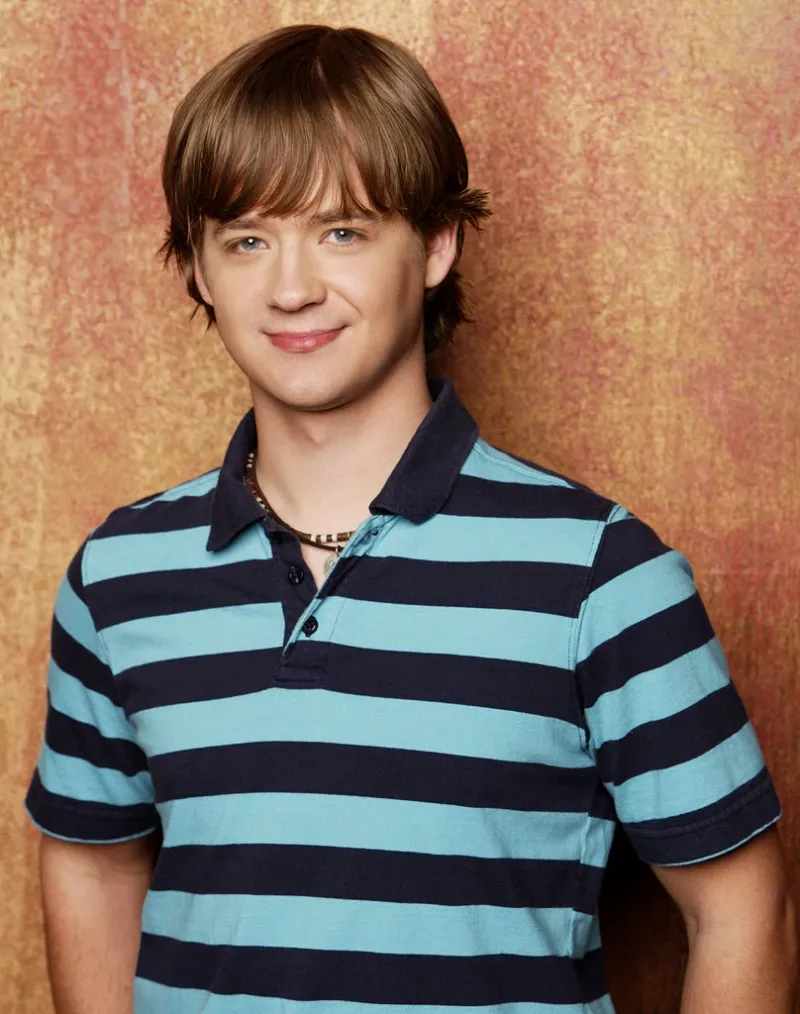
That goofy teenage brother was much older than he looked. Jason Earles was 28 when Hannah Montana premiered in March 2006 and turned 29 the following month, despite playing Miley’s teenage brother, Jackson.
His youthful appearance helped sell the role, but his comic timing becomes more impressive once you know his age. Watch his quick reactions and physical jokes: they show how an experienced performer made an unlikely casting choice work so well for young viewers.
2. Robby Ray’s Disguise Raises More Questions

A wig and mustache apparently do wonders in Miley’s world. Robby Ray has his own country music background, yet his connection to Hannah rarely leads outsiders straight to Miley.
Adults may notice that his face, voice, and family ties should make the mystery easier to solve. His manager disguise adds comedy rather than a convincing cover.
Following his public appearances turns this detail into a game: count how many clues everyone somehow manages to miss completely.
3. Miley’s Dating Plea Sounds Different Now
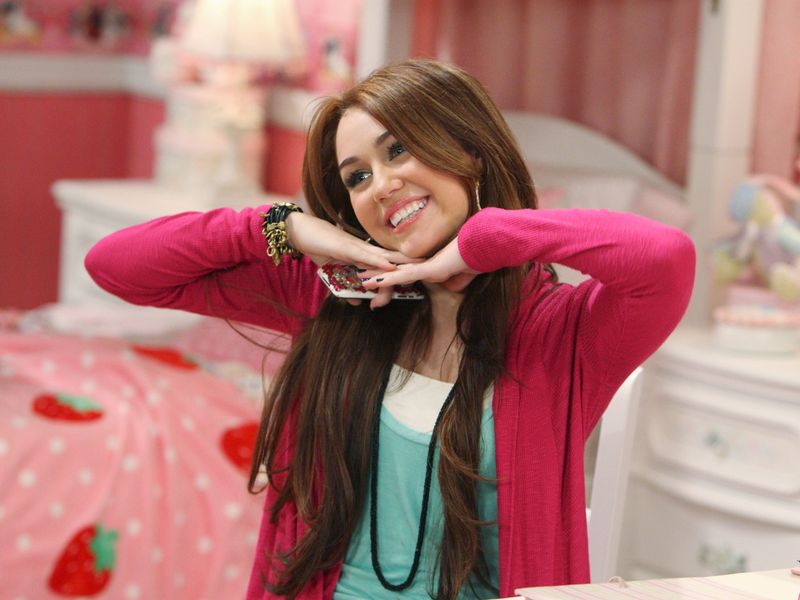
Sometimes the surprise hides in an ordinary argument about dating. When Miley tells her father, “I’m a girl, I have needs,” younger viewers can hear a simple plea for romance and freedom.
Adults may hear a suggestive second meaning, although the line does not require that reading. The humor comes from her dramatic delivery and her father’s discomfort.
Listen to their exchange together, rather than treating one isolated sentence as proof of what the writers intended.
4. Jackson’s Goosebump Gag Has Another Layer
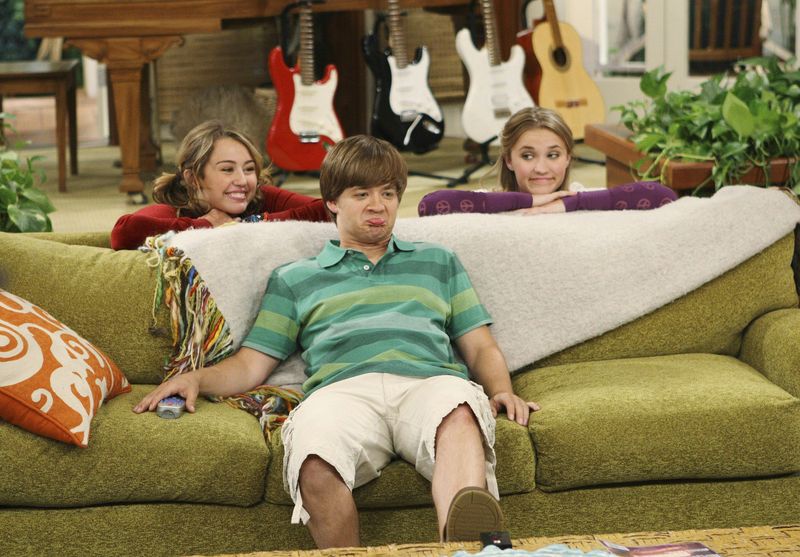
Jackson can turn almost anything into an awkward moment, even a goosebump. His requests for someone to “feel his goosebump,” including exchanges involving Al, can sound different to viewers who recognize suggestive wording.
For children, the scene can remain a silly joke about an odd request. Older audiences may catch another possible meaning in the phrasing and reactions.
Notice how the comedy relies on discomfort, leaving room for different readings without needing an openly adult explanation.
5. The Silver Boot Award Becomes a Cheeky Joke
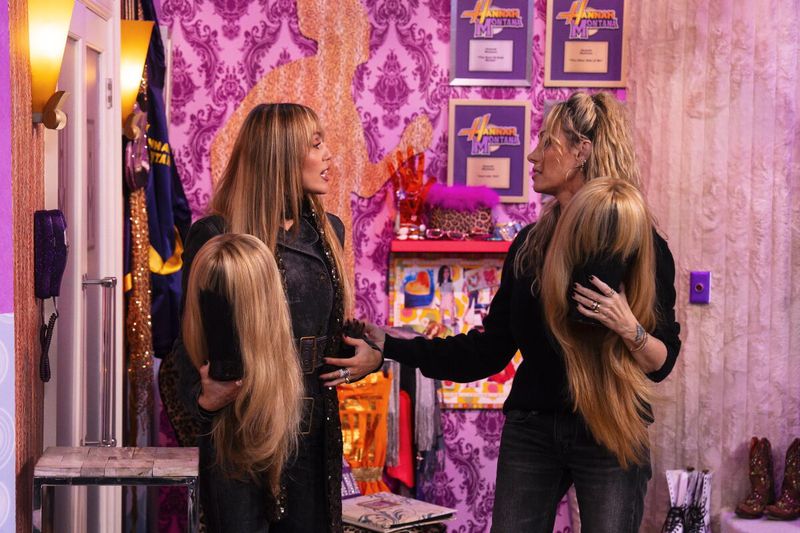
Winning an award should be the headline, but Lilly steals the moment. Miley calls her Silver Boot Award a “booty,” creating a joke that works as both a nickname and a reference to someone’s backside.
Lilly’s reply, “good, you could use one,” makes the second meaning clearer. Adults may also notice that the laugh comes at Miley’s body’s expense.
Enjoy the wordplay if it lands for you, while recognizing why that teasing might feel less friendly.
6. Aunt Dolly’s Story Carries a Knowing Wink
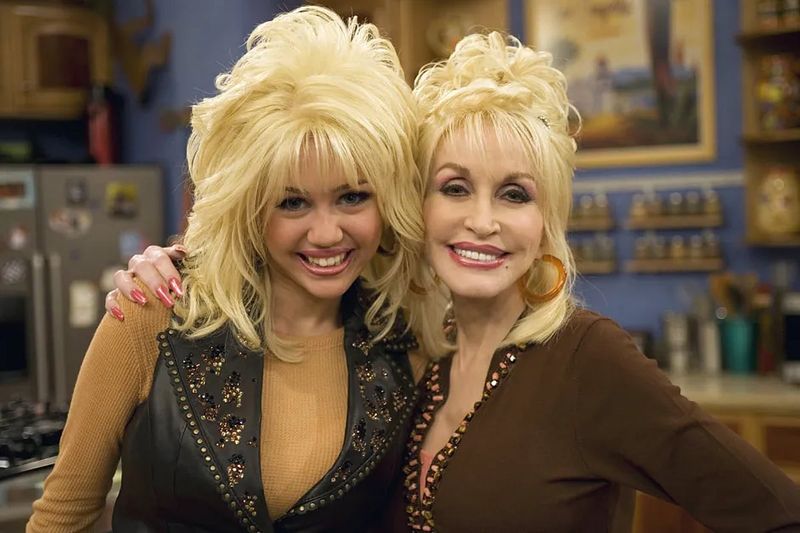
Dolly Parton’s guest appearances bring warmth, music history, and a little wink. In a story involving Aunt Dolly and Elvis Presley, the phrase about Dolly “bouncing in” can suggest more than an energetic entrance.
Viewers familiar with Parton’s public image may read it as a reference to her figure. That interpretation depends on delivery and context, not just the verb.
Her presence also gives adults another pleasure: recognizing a country legend inside a children’s sitcom world.
7. Miley’s Secret Depends on Everyone Staying Quiet
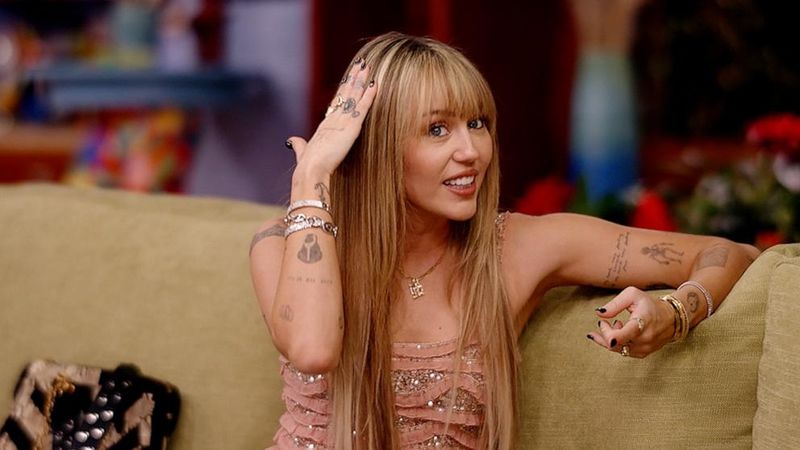
Keeping a surprise party quiet is hard enough. Miley protects an entire celebrity identity while friends, relatives, and eventually more people learn the truth.
The growing circle makes accidental gossip seem almost certain, especially alongside her public appearances and familiar voice. Rather than expecting realistic security, treat the secret as the show’s central fantasy.
Tracking who knows becomes an entertaining rewatch challenge, and it reveals how often loyalty does more work than that famous blonde wig.
8. Dad’s Support Comes With Tough Tradeoffs
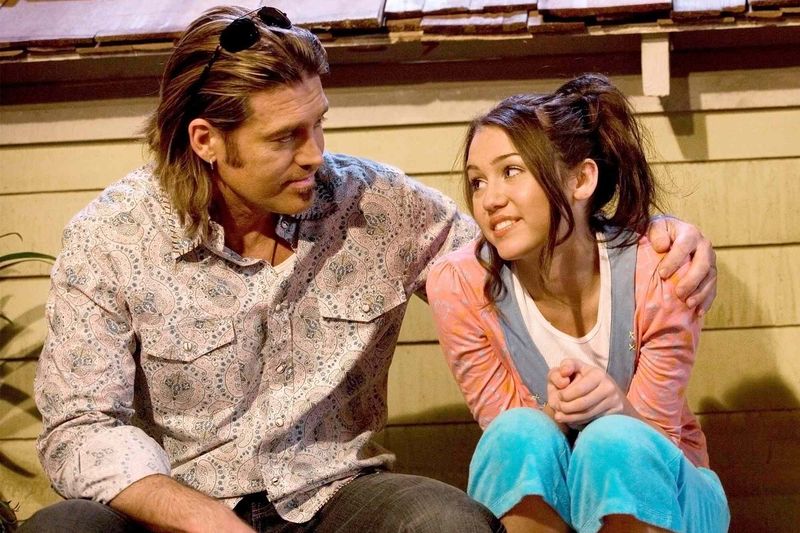
Behind the catchy songs sits a teenager juggling school, friendships, travel, and performances. Robby Ray often offers loving guidance, but adults may question whether protecting Miley’s dream also means accepting too much pressure.
Her double life requires secrecy and constant planning, not simply talent. Consider both sides when watching: he supports her goals, yet her wellbeing needs attention too.
The useful lesson is familiar outside television: helping a child succeed should leave space for rest and mistakes.
9. Miley’s Apologies Often Arrive Very Quickly
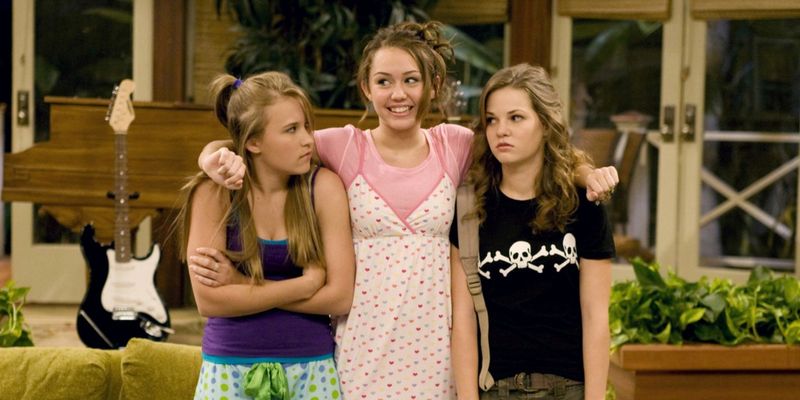
Nostalgia can make a favorite character seem nicer than she always behaves. Miley sometimes lies, chases attention, or puts her own plans ahead of friends who help protect her secret.
Those mistakes create stories, and growing up includes learning from bad choices. Still, quick apologies can make the damage seem easier to repair than it would be in life.
Pay attention to Lilly and Oliver’s reactions: their patience highlights why trust needs changed behavior, not just words.
10. Some Punchlines Haven’t Aged Well
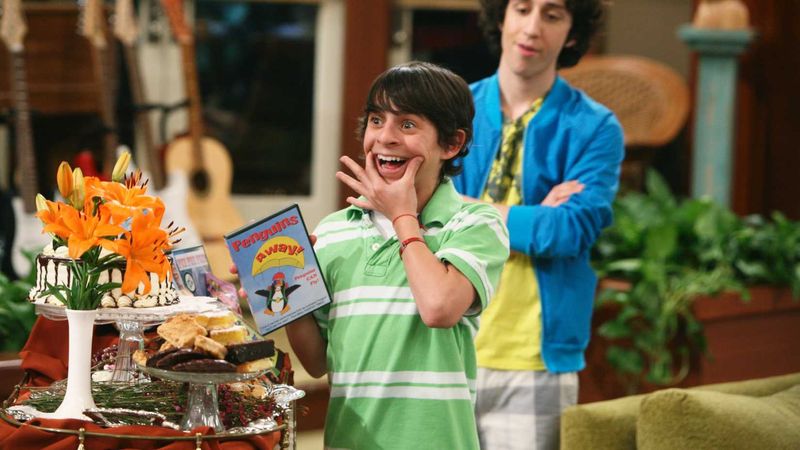
A laugh track does not make every punchline harmless. Some scenes lean on gender stereotypes, appearance jokes, or treating an awkward outsider as an easy target, including moments involving Thor.
Adults may notice who gets mocked and whether that person gets a fair chance to respond. You can still enjoy the series while questioning those choices.
If watching with younger viewers, discuss why a joke feels unkind instead of assuming that old television deserves a free pass.