
A famous voice can fill an arena, but a great band brings something extra. When musicians step out alone, even loyal fans may miss the sound and teamwork that made them stars.
Some artists here scored solo hits or made excellent records, so smaller success does not mean failure. Their stories show how hard it can be to match a band’s biggest moment.
1. Davy Jones: The Monkees’ Charm Was Hard to Rebuild
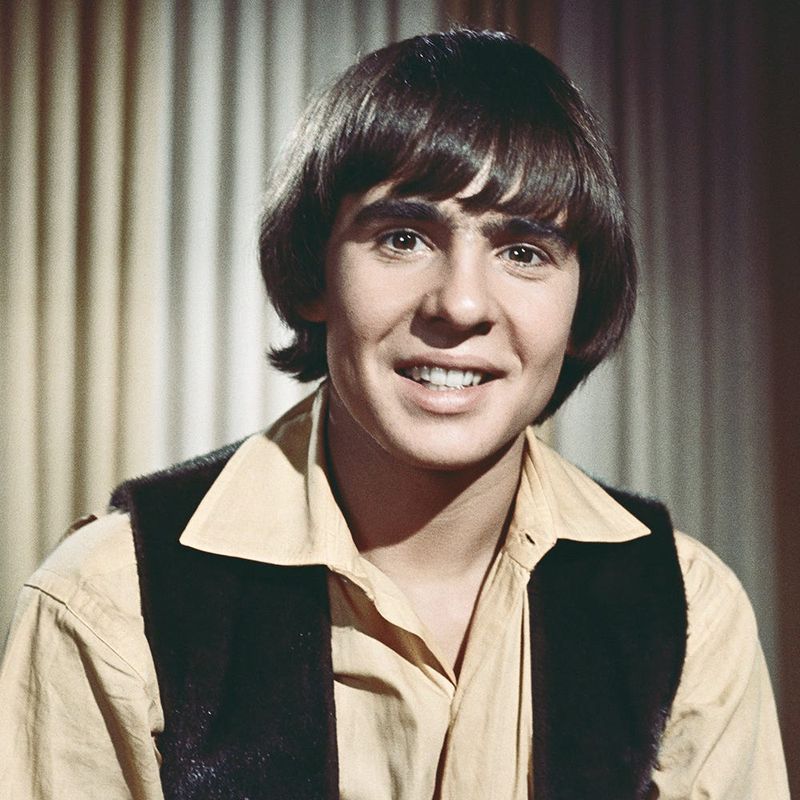
That bright smile helped turn a television band into a pop sensation. With The Monkees, Jones sang favorites such as Daydream Believer and became a familiar face far beyond record stores.
His 1971 solo album did not recreate that wave of attention, although Rainy Jane reached the American singles chart. For a fair comparison, hear the solo material beside his group recordings.
The charm remains, but the television spotlight and shared identity made a difference.
2. Steven Page: A Familiar Voice Found a Smaller Stage
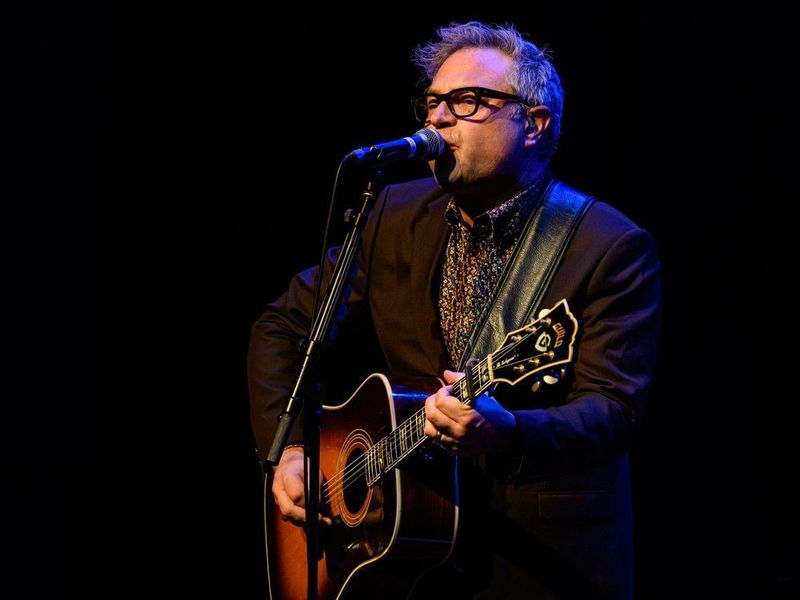
A big, expressive voice gave Barenaked Ladies much of their warmth and wit. Page shared the spotlight during the band’s international rise, when One Week brought their playful sound to a huge audience.
His later solo work reached a smaller crowd, but it deserves more than a dismissal. The Vanity Project actually appeared before his 2009 departure.
Try his individual recordings for thoughtful songwriting rather than expecting another burst of the band’s late nineties fame.
3. JC Chasez: Big Vocals, a Tough Solo Launch
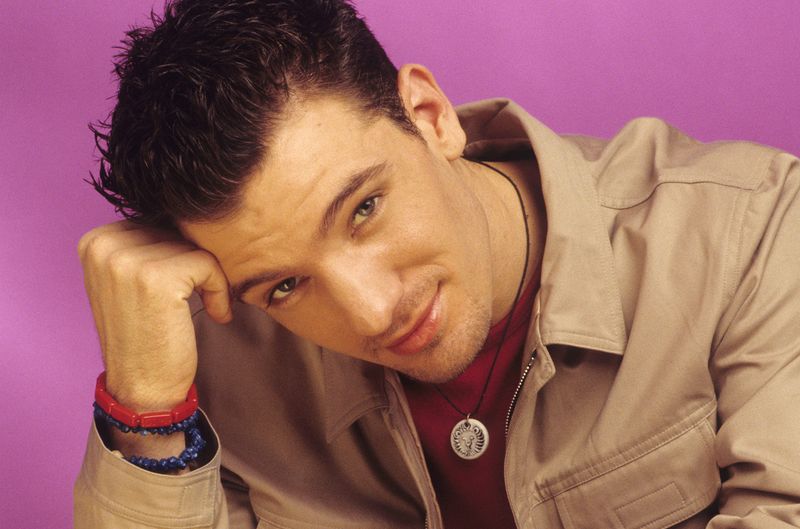
Few boy band singers could make a high note sound so effortless. Chasez helped power *NSYNC’s huge harmonies, then took a more adventurous route with his 2004 solo album, Schizophrenic.
The record reached the American top twenty, yet it lacked the lasting sales and hit singles of his group’s biggest releases. Its dance sounds and grownup themes also changed expectations.
Give it a listen as an experiment, not simply a contest with former bandmate Justin Timberlake.
4. Scott Stapp: Creed Set an Enormous Sales Bar
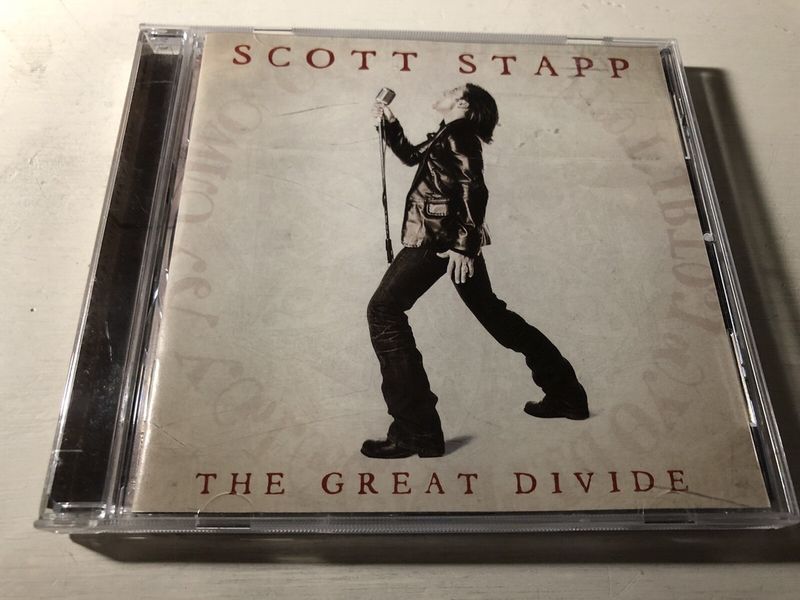
A deep, forceful voice made Creed’s songs instantly recognizable on rock radio. Albums such as Human Clay sold on a scale that few solo performers could reasonably expect to repeat.
Stapp’s 2005 debut, The Great Divide, earned American platinum certification, so calling it a flop misses real success. Later releases drew less mainstream attention than Creed’s peak.
Compare the records for their songwriting and mood, while remembering that a band’s audience does not automatically follow one member.
5. André Cymone: More Than Prince’s Early Bandmate
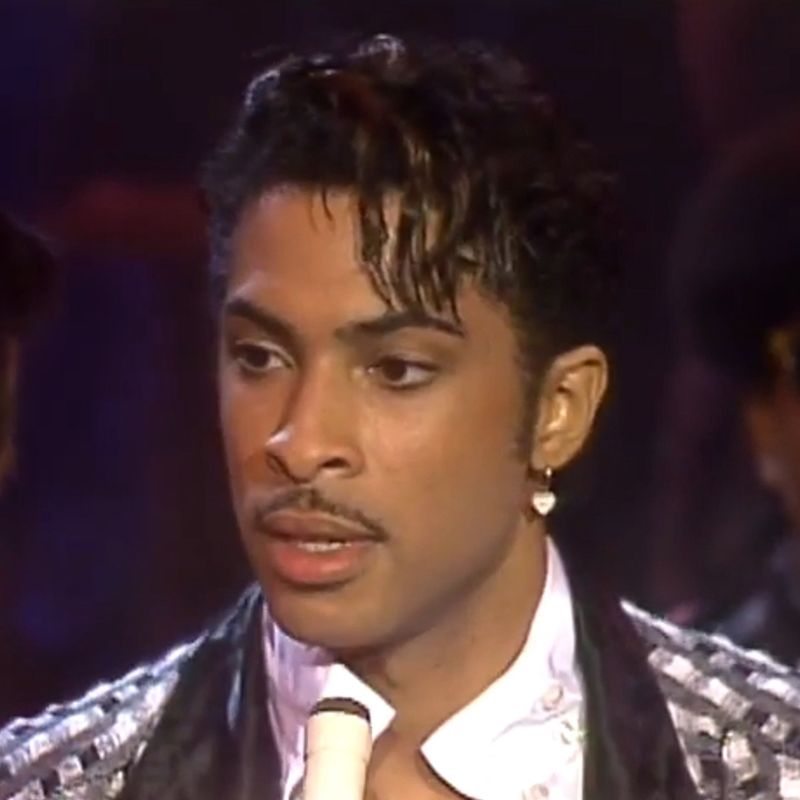
Before Prince became a global superstar, a childhood friend was helping shape his live sound. Cymone played bass in Prince’s early band before building his own recording career during the eighties.
His solo audience remained smaller than Prince’s, although The Dance Electric became a notable R&B hit. Prince wrote that song, which appeared on Cymone’s AC album.
Explore his music for its sharp funk grooves, and remember that his production work also forms part of his legacy.
6. Joe Perry: Guitar Fire Without Aerosmith’s Full Engine
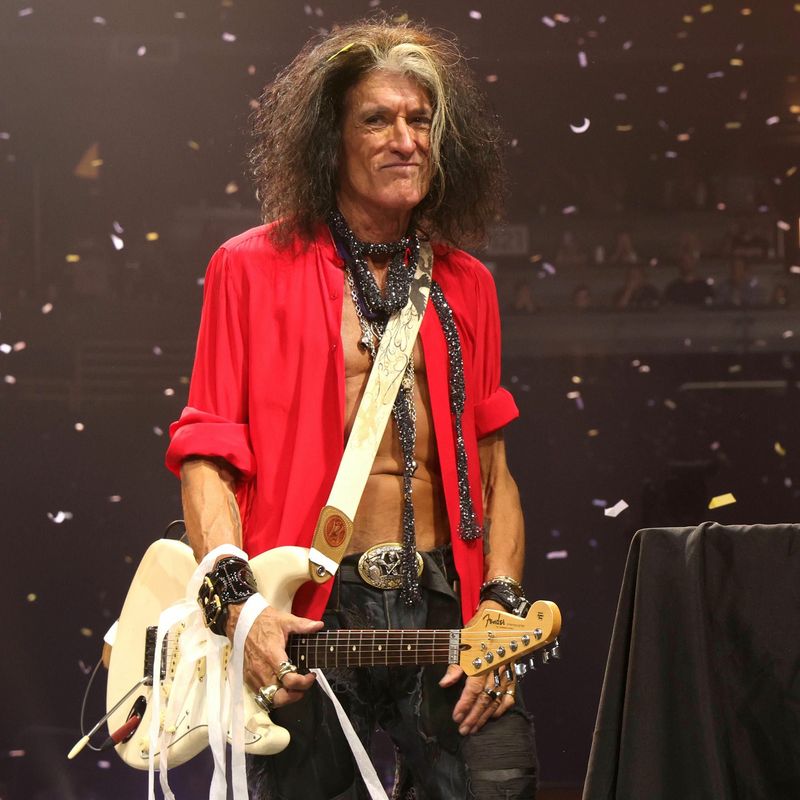
Those gritty guitar riffs helped make Aerosmith sound larger than life. Away from Steven Tyler’s voice and the band’s chemistry, Perry’s records offered a closer look at his own musical tastes.
His self titled 2005 album reached number 110 on the Billboard album chart, far below Aerosmith’s biggest releases. Still, modest sales do not erase strong playing or blues roots.
Listen for the guitar details rather than stadium choruses, and the change of scale becomes easier to appreciate.
7. Joe Jonas: The Solo Detour Before DNCE
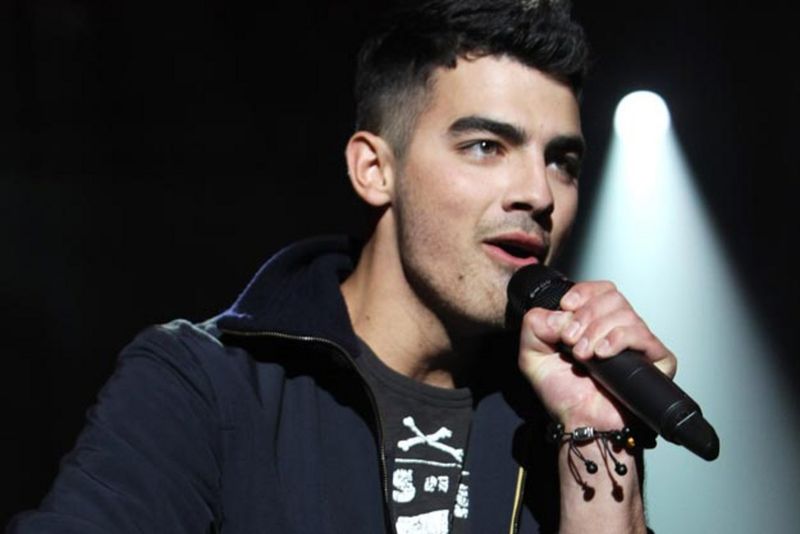
Teen fans knew the brothers as a package, complete with catchy songs and family chemistry. When Joe released Fastlife in 2011, he traded that familiar setup for a smoother dance and R&B direction.
The album entered the American top twenty but did not sustain the group’s level of excitement. His later band DNCE landed a major hit with Cake by the Ocean.
That contrast suggests a new musical team suited him better than his first attempt alone.
8. Patrick Stump: A Pop Experiment Beyond Fall Out Boy

Behind Fall Out Boy’s soaring hooks sits a musician with tastes well beyond pop punk. Stump used the band’s break to create Soul Punk, his 2011 solo album filled with polished pop and funk.
He played the instruments himself, making the project especially personal. Although it earned some favorable reviews, it reached fewer listeners than his band’s biggest records.
Approach it with fresh ears: the appeal lies in hearing a familiar singer explore an entirely different musical playground.
9. Freddie Mercury: Solo Success Still Sat Below Queen
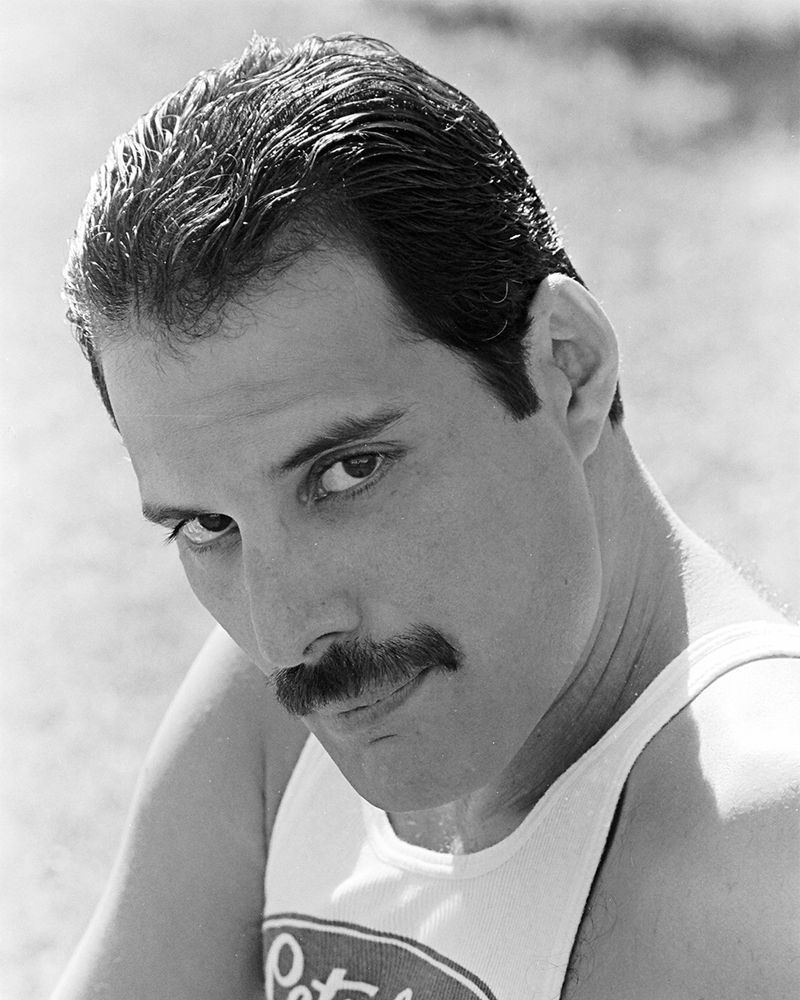
Even rock’s most commanding showman could not easily outgrow Queen’s towering reputation. Mercury explored dance pop on Mr. Bad Guy in 1985, then joined opera singer Montserrat Caballé for Barcelona.
Neither project matched Queen’s overall reach, but calling them failures would be misleading. Mr. Bad Guy reached the British top ten, and Barcelona became an enduring showcase for his voice.
Listen to both for sides of Mercury that the band’s famous guitar driven sound rarely put first.
10. Billy Corgan: Quieter Buzz Beyond the Pumpkins

The voice behind sweeping alternative rock anthems chose a different texture when recording alone. Corgan’s 2005 debut, TheFutureEmbrace, leaned toward electronic sounds rather than the huge guitars associated with The Smashing Pumpkins.
Its response was more modest than the band’s nineties peak, though he later released additional solo albums. The contrast is useful for listeners: a solo project may reveal curiosity instead of chasing old hits.
Start here if you enjoy hearing familiar artists change their tools and approach.
11. will.i.am: Solo Hits Without the Same Group Impact
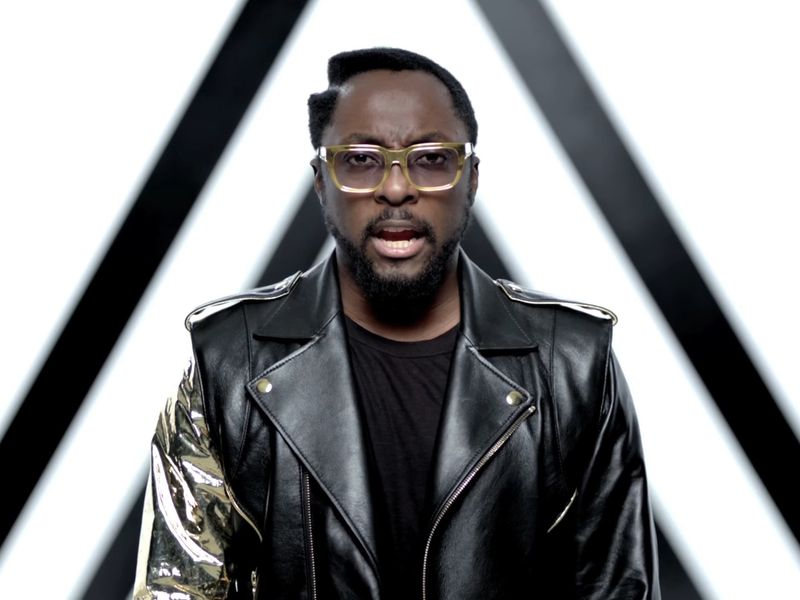
Party playlists owe plenty to the beats he helped build for The Black Eyed Peas. As a solo artist, will.i.am also scored major singles, including Scream & Shout with Britney Spears.
That success makes a blanket failure label unfair. His solo albums simply did not create the same broad, lasting impact as the group’s biggest era.
Compare singles and albums separately when judging his career, because one massive collaboration can tell a different story from overall record sales.
12. Mick Jagger: Missing the Stones’ Musical Push and Pull
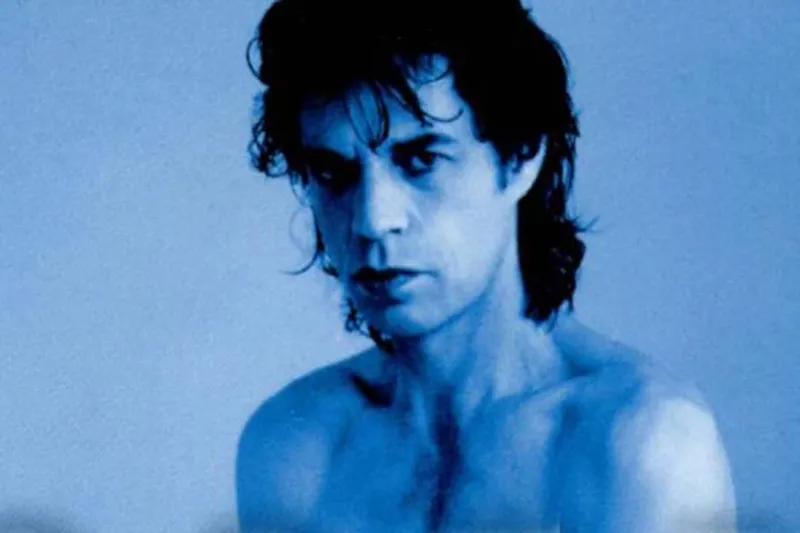
A swaggering frontman can command a stage, but band chemistry is harder to carry alone. Jagger’s solo albums explored polished pop, contemporary production, and sounds outside The Rolling Stones’ usual groove.
Some songs found an audience, and Wandering Spirit earned strong reviews. Still, his individual catalog never replaced the Stones as his main musical identity.
Listen for the difference between modern studio polish and the band’s loose playing, rather than assuming every solo release lacked energy or worthwhile songs.
13. Grace Slick: A Psychedelic Icon Outside the Group
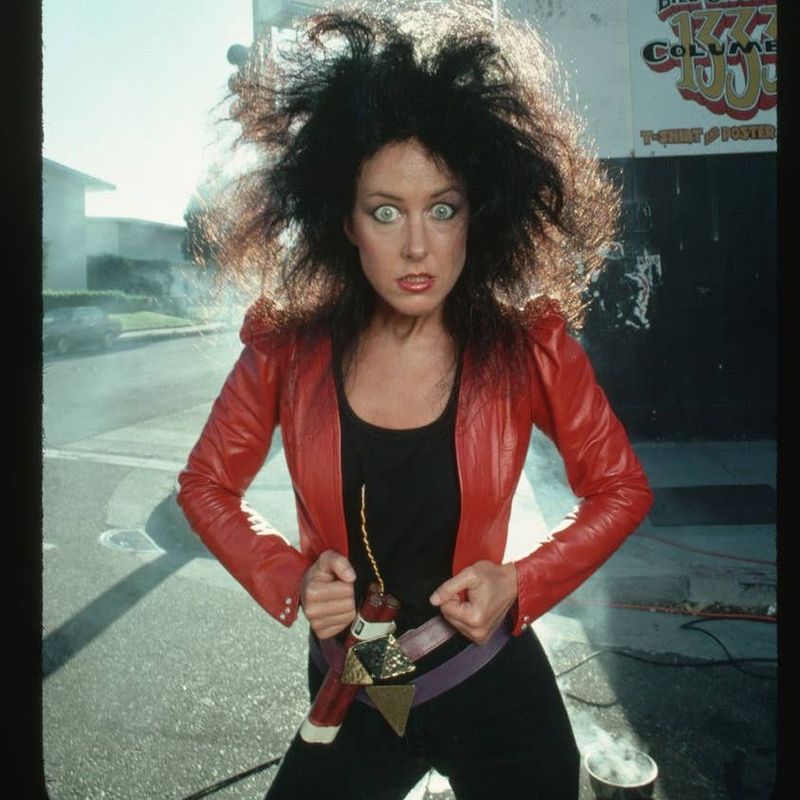
One commanding voice helped make White Rabbit a defining song of the psychedelic era. Slick carried that presence through Jefferson Airplane and Jefferson Starship, yet her solo records attracted a smaller audience.
Albums such as Dreams gave her room to explore beyond the bands’ familiar settings. Dreams even earned a Grammy nomination, which complicates any simple flop story.
Seek it out for her dramatic singing, and separate artistic recognition from the much larger reach of her group classics.
14. Debbie Harry: Blondie’s Spotlight Proved Hard to Equal
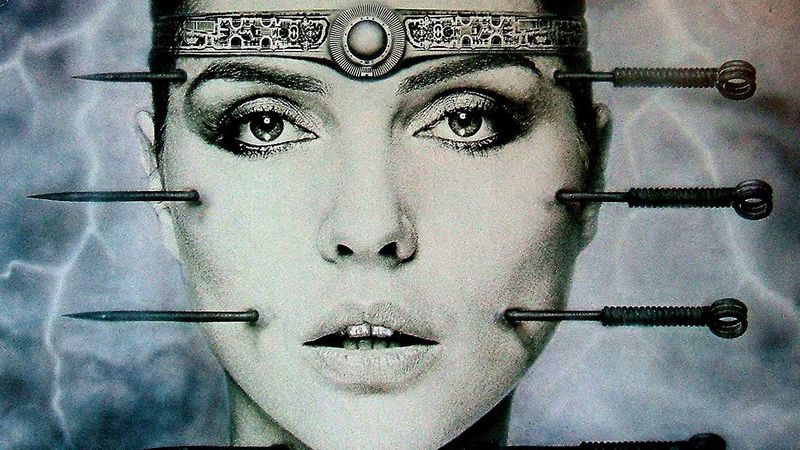
Cool confidence and a striking voice made Blondie’s singer a defining face of new wave. Harry’s solo work kept that sense of adventure, beginning with KooKoo in 1981 and continuing across several albums.
She found listeners, especially in Britain, where French Kissin became a hit. However, those releases never matched Blondie’s worldwide run of signature songs.
Try her solo catalog for its funk and dance experiments, not as a replacement for Heart of Glass or the band’s chemistry.
15. Mark Owen: A Smaller Audience Beyond Take That

Boy band fame can make a solo launch look easier than it really is. Owen stepped out after Take That’s first breakup, releasing Green Man in 1996 and scoring British hits with Child and Clementine.
The album’s audience was much smaller than the group’s, and later releases had uneven results. His return to Take That brought a much bigger spotlight.
For curious fans, the solo songs offer a more personal view of a singer often sharing center stage.
16. Nate Ruess: Grand Vocals After fun.’s Breakthrough
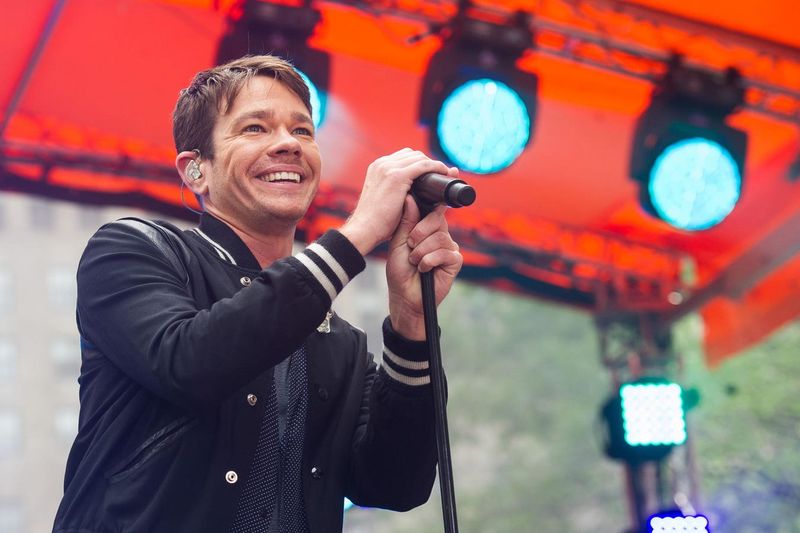
Few voices sounded bigger on early 2010s radio than the singer behind We Are Young. After fun.’s breakthrough, Ruess released Grand Romantic in 2015, carrying his soaring style into a solo setting.
The album reached the American top ten, so it had a respectable start. It did not produce a cultural moment comparable to the band’s largest hits.
Hear it for its sweeping arrangements and emotional delivery, while keeping chart success separate from the lasting fame of individual songs.
17. Bruce Dickinson: Smaller Sales, Serious Metal Respect
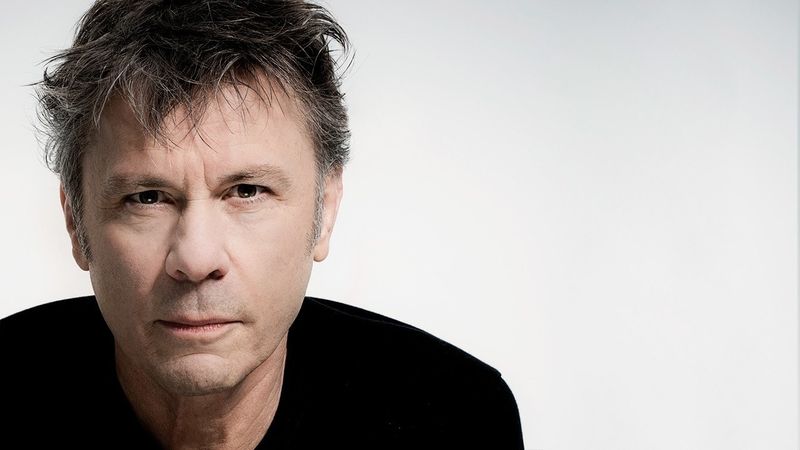
Heavy metal fans know that sales figures cannot measure every powerful performance. Dickinson’s solo career never matched Iron Maiden’s global scale, but records such as The Chemical Wedding earned strong praise within metal circles.
He explored different sounds while preserving the dramatic singing that made him famous. His later solo work also shows this was no brief failed experiment.
Start with a respected album before judging the whole catalog, especially if you enjoy heavier music with room for exploration.
18. Roger Daltrey: The Who Remained His Biggest Platform
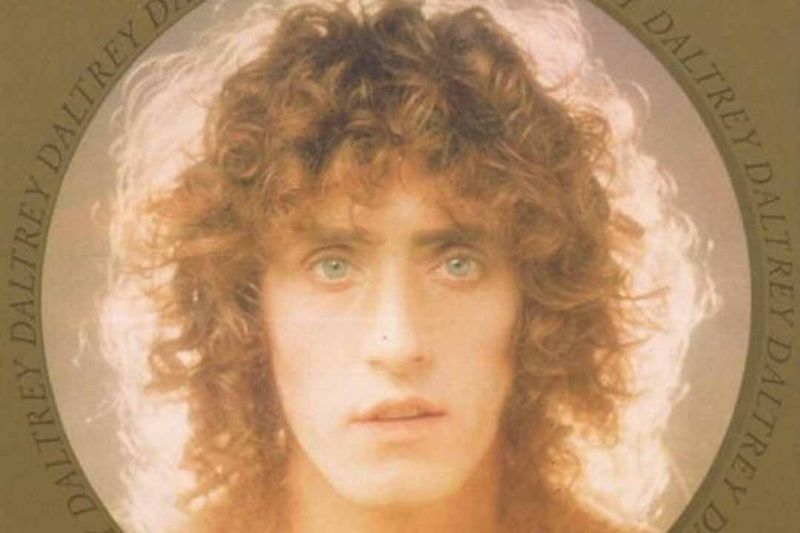
A mighty rock voice does not always need roaring guitars behind it. Daltrey’s 1973 solo debut showed a gentler side and delivered the British hit Giving It All Away.
Later projects brought mixed commercial results, while The Who remained the center of his musical fame. That first success means his solo career was not simply a flop.
Compare his quieter songs with the band’s anthems to hear how setting changes a singer’s impact, even when the voice stays unmistakable.