
Sometimes a dish tastes flat, and you just can’t figure out what it needs. Often, the missing piece is a little sharpness, that bright tang that wakes up your taste buds.
Vinegar is the usual fix, but plenty of other ingredients can do the job just as well. Here are some tasty swaps you can try in your kitchen today.
1. Fresh Lemon Juice
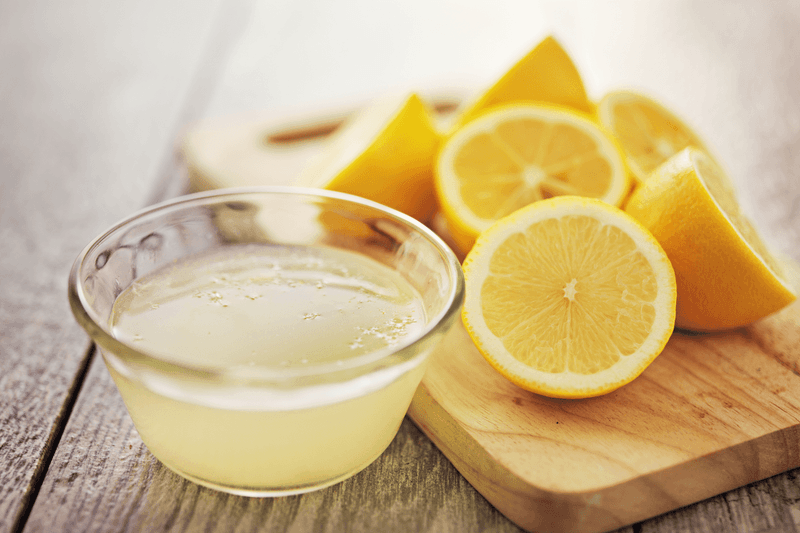
Ask any chef what they grab first when soup tastes dull, and the answer is usually a lemon. A quick squeeze adds instant brightness without overpowering other flavors.
Add the juice at the very end of cooking, since heat can dull its fresh taste. Try it on roasted vegetables, fish, or even plain rice.
Roll the lemon on the counter before cutting. You’ll get much more juice out of every piece.
2. Zippy Lime

Tacos without lime? That just feels wrong.
Limes bring a sharper, slightly floral tang that tastes a little different from lemons.
They shine in Mexican, Thai, and Vietnamese dishes. Squeeze some over grilled chicken, stir it into guacamole, or splash it into a bowl of noodle soup.
Fun fact: sailors once ate limes on long voyages to prevent scurvy. That’s how British sailors got the nickname limeys.
3. Citrus Zest
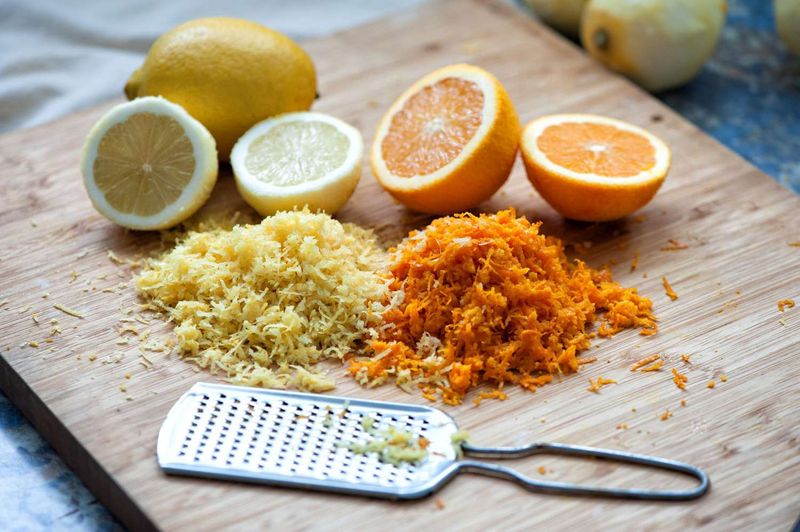
Here’s a secret many home cooks miss. The colorful outer peel of citrus fruit holds tiny oils packed with bold, tangy flavor.
Use a fine grater and only scrape the colored layer. The white part underneath tastes bitter, so leave it alone.
Sprinkle zest over pasta, cookies, salads, or grilled shrimp. You get a burst of sharp aroma without adding any extra liquid, which keeps sauces thick and baked goods crisp.
4. Tangy Plain Yogurt
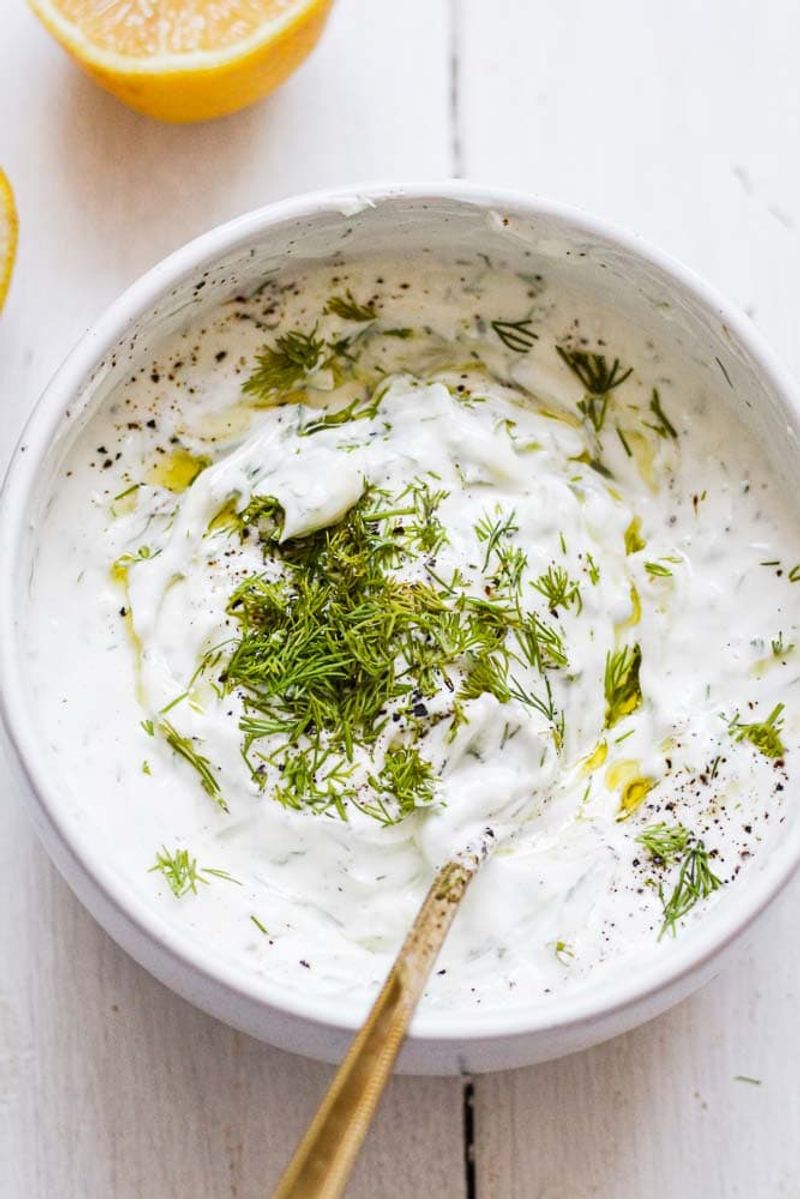
Picture a cool, creamy dip on a hot summer day. Plain yogurt brings a mild tang thanks to the friendly bacteria that make it.
Stir it into curries to calm the heat and add sharpness at the same time. Mix it with garlic and cucumber for a quick tzatziki sauce.
Greek yogurt is thicker and a bit tangier. It also works as a healthier swap for sour cream on baked potatoes.
5. Buttermilk

Grandma’s fluffy pancakes probably had a little help from buttermilk. Its gentle sourness gives baked goods a pleasant tang and a soft, tender bite.
Soak chicken in it overnight before frying. The acid softens the meat and adds subtle flavor.
Out of buttermilk? Mix a cup of milk with a spoonful of lemon juice and wait ten minutes.
It’s an old trick that still works like a charm.
6. Sour Cream

A spoonful on top of chili does more than look pretty. Sour cream cools spicy food while adding a smooth, tangy finish.
Bakers love it too. Adding some to cake or muffin batter keeps things moist and adds a slight zip that balances sweetness.
Stir it into sauces off the heat, though. Boiling can make it split and turn grainy, which isn’t the texture anyone wants.
7. Tamarind Paste
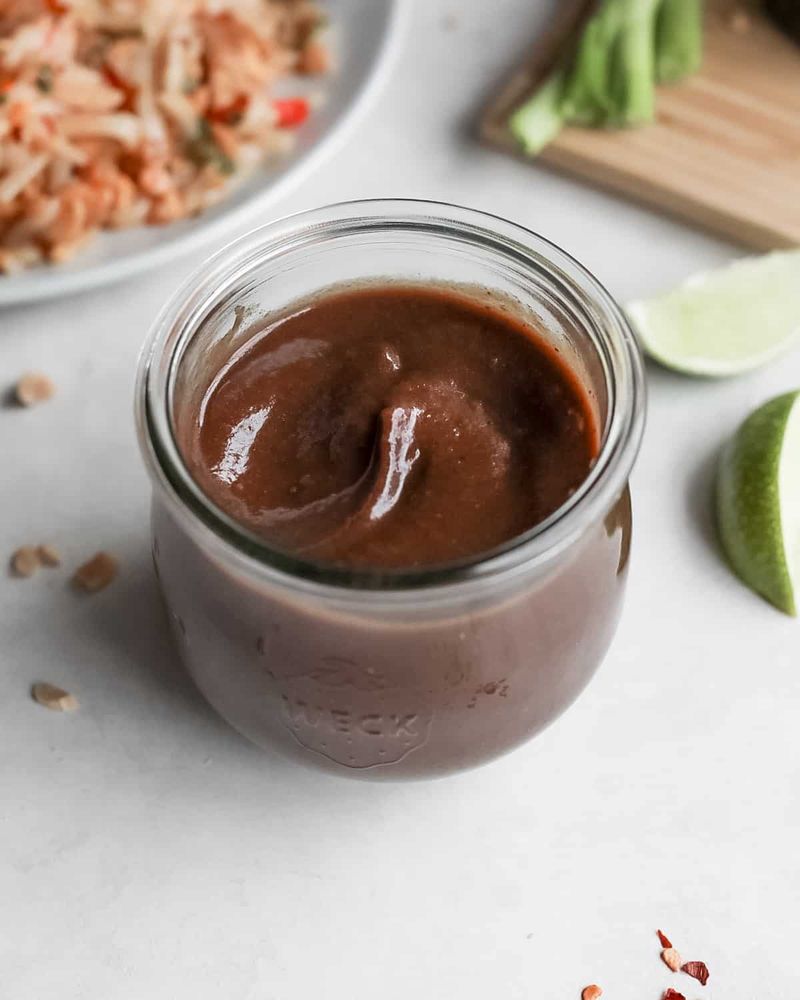
Ever wonder what gives pad thai its sweet and sour magic? Meet tamarind, a sticky brown fruit that grows in pods on tall trees.
Its flavor is tart, fruity, and a little like dates. Cooks in India, Thailand, and Mexico use it in sauces, chutneys, and even candy.
Buy it as a ready-made paste for easy cooking. A small spoonful goes a long way in soups and stir-fries.
8. Sumac

That deep red powder on your hummus isn’t paprika. It’s sumac, a spice made from dried, ground berries used across the Middle East.
It tastes lemony and bright but stays dry, so it’s perfect for sprinkling. Dust it over salads, grilled meats, roasted potatoes, or eggs.
Fun fact: before lemons reached Europe, the ancient Romans used sumac to add sourness. Pretty clever cooks, right?
9. Pomegranate Molasses
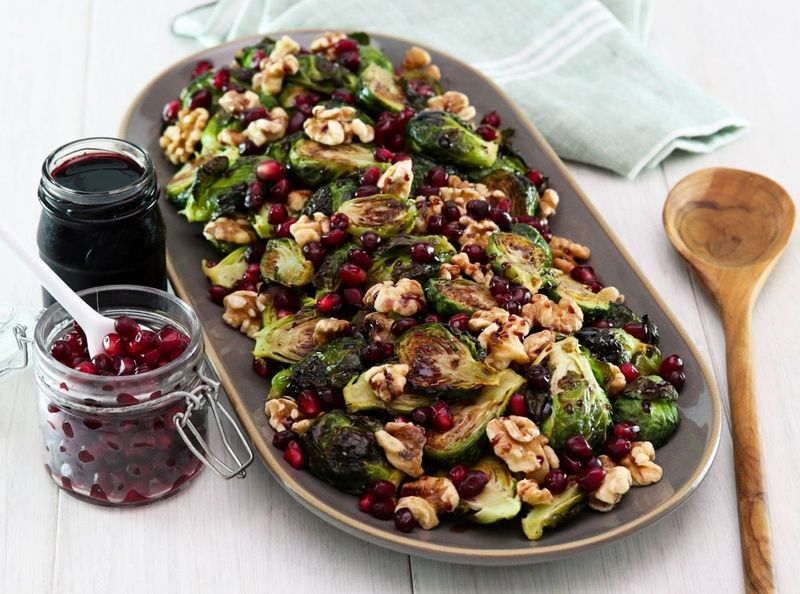
Thick, dark, and shiny, pomegranate molasses looks like syrup but tastes surprisingly sour. It’s made by boiling pomegranate juice down until it gets sticky.
Drizzle it over roasted vegetables or whisk it into salad dressing. It also makes a fantastic glaze for chicken or lamb.
Just a teaspoon adds deep fruity tang. You can find bottles in Middle Eastern markets or many large grocery stores.
10. Fresh Tomatoes
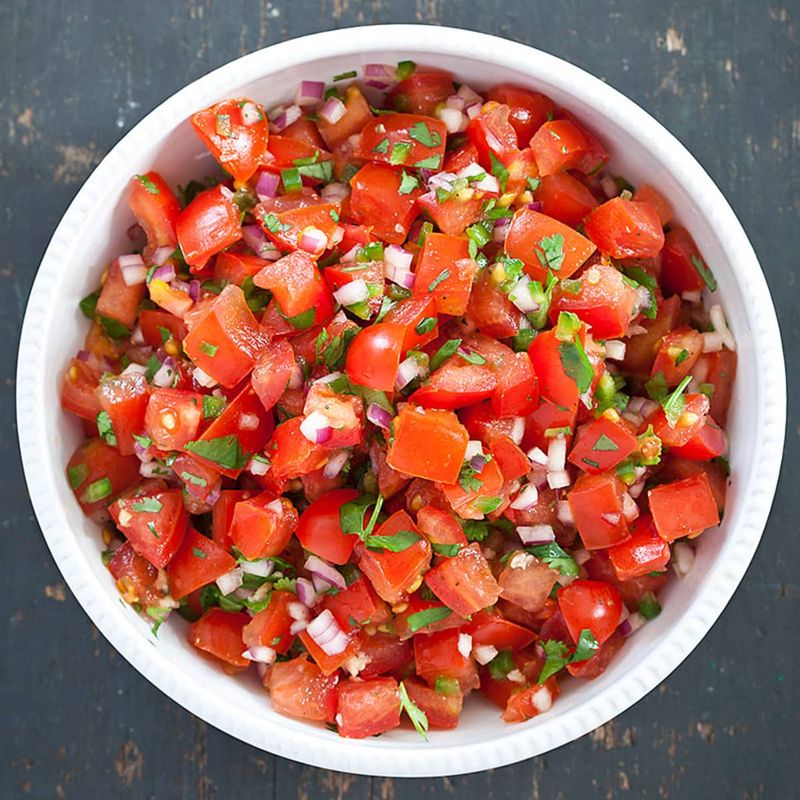
Bite into a ripe summer tomato and you’ll notice a little tang under all that sweetness. Tomatoes are naturally acidic, which makes them great flavor boosters.
Chop them fresh into salsa or toss cherry tomatoes into pasta. Tomato paste adds a deeper, richer sharpness to stews and sauces.
Green, unripe tomatoes are even more sour. Fried green tomatoes are a classic Southern treat worth trying.
11. Pickle Brine

Don’t pour that leftover pickle juice down the drain! Many pickles are made through fermentation, giving the brine a salty, sour punch.
Splash some into potato salad, egg salad, or coleslaw. It also makes an amazing marinade that keeps chicken juicy.
Some people even sip it after sports. Check the label first, since fermented pickles from the fridge section usually skip vinegar entirely.
12. Kimchi

In Korea, families sometimes make hundreds of heads of kimchi together each fall. This spicy fermented cabbage is sour, salty, and full of bold flavor.
Toss it into fried rice, scrambled eggs, or grilled cheese sandwiches. The tang cuts through rich, greasy foods beautifully.
Older kimchi gets more sour over time. It’s actually best for cooking stews like kimchi jjigae.
13. Sauerkraut

Think of sauerkraut as kimchi’s calmer German cousin. It’s simply shredded cabbage and salt left to ferment until pleasantly sour.
Pile it on hot dogs or sausages, or layer it in a Reuben sandwich. You can even chop it into salads for crunch.
The name means sour cabbage in German. Raw, refrigerated kinds keep their healthy bacteria, which may help your stomach stay happy.
14. Dijon Mustard
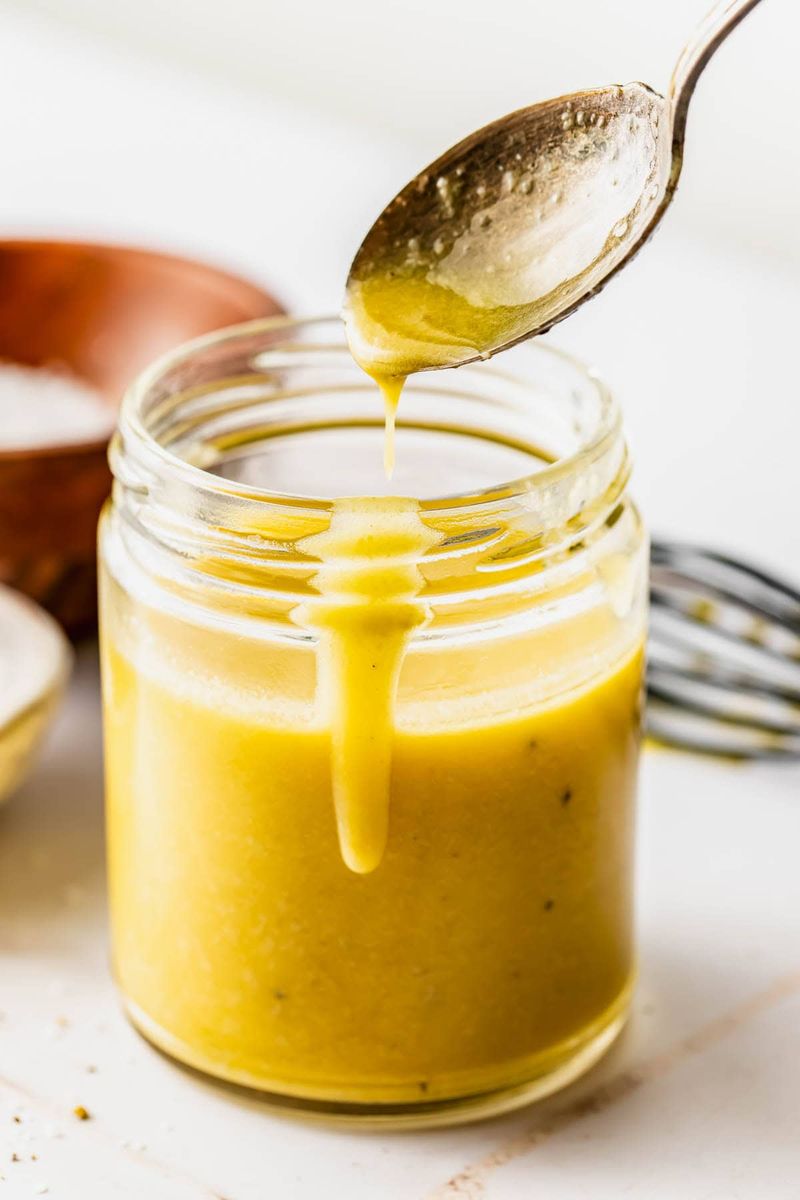
A tiny dab can wake up an entire sandwich. Mustard seeds have a natural bite that feels sharp in your nose and on your tongue.
Whisk it into salad dressings or rub it on pork before roasting. It also helps oil and lemon juice blend smoothly.
Many store-bought mustards use some vinegar, so look for ones made with wine or verjuice. Ground mustard powder works too.
15. Prepared Horseradish
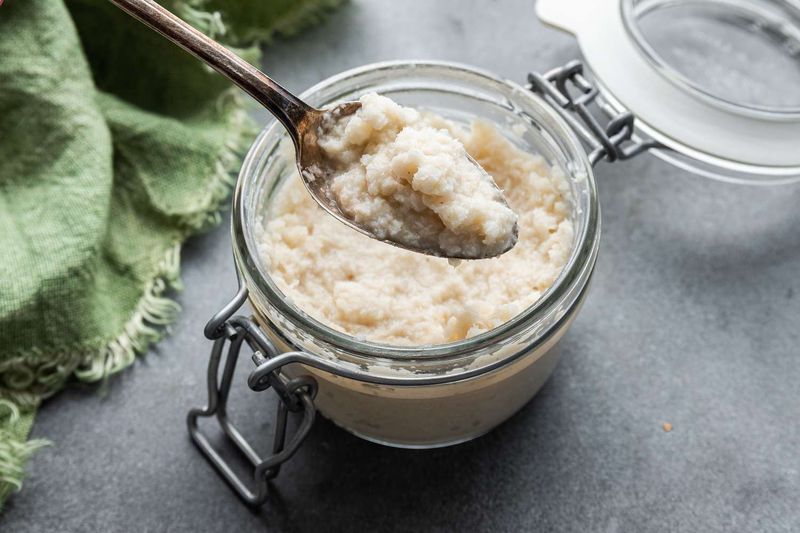
Whoa, that clears your nose fast! Fresh horseradish root packs a fiery sharpness that feels a lot like wasabi.
Grate it fresh and mix with sour cream for a zingy sauce for roast beef. It’s also the secret kick in shrimp cocktail sauce.
Be careful when grating, as the fumes can make your eyes water. Open a window or work quickly for best results.
16. Green Mango
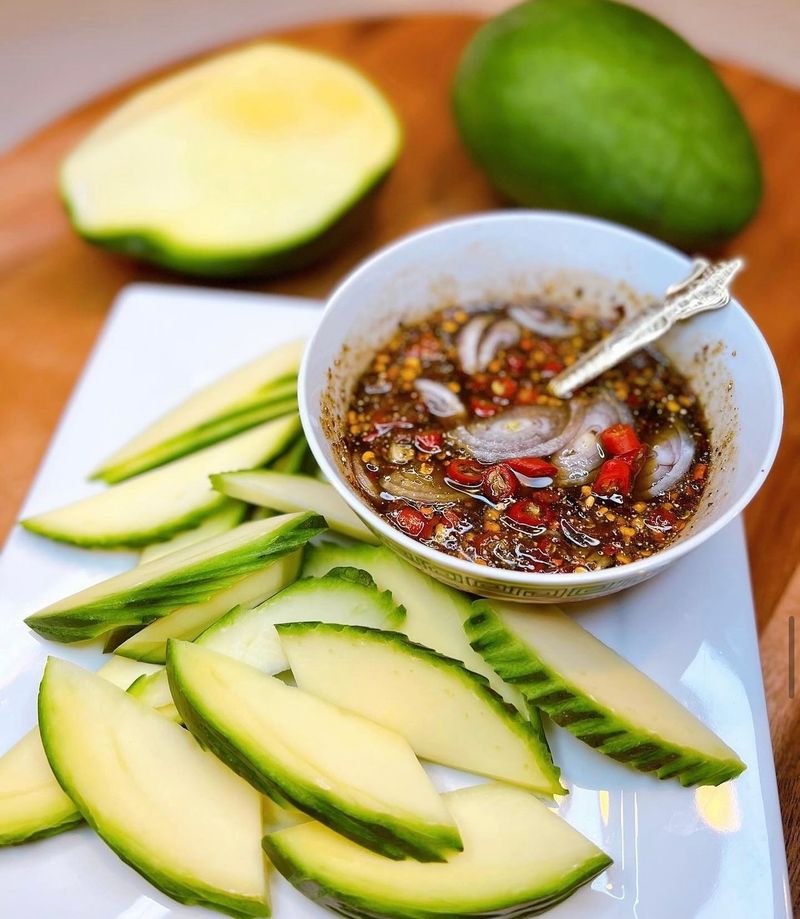
Most people wait for mangoes to turn sweet, but unripe green ones are a sour treasure. They’re crunchy, tart, and super refreshing.
Shred them into a Thai-style salad with chili, peanuts, and lime. In India, dried green mango becomes amchur powder for curries.
Street vendors in Mexico sell slices with chili and salt. It’s a mouth-puckering snack kids and adults both enjoy.
17. Verjuice
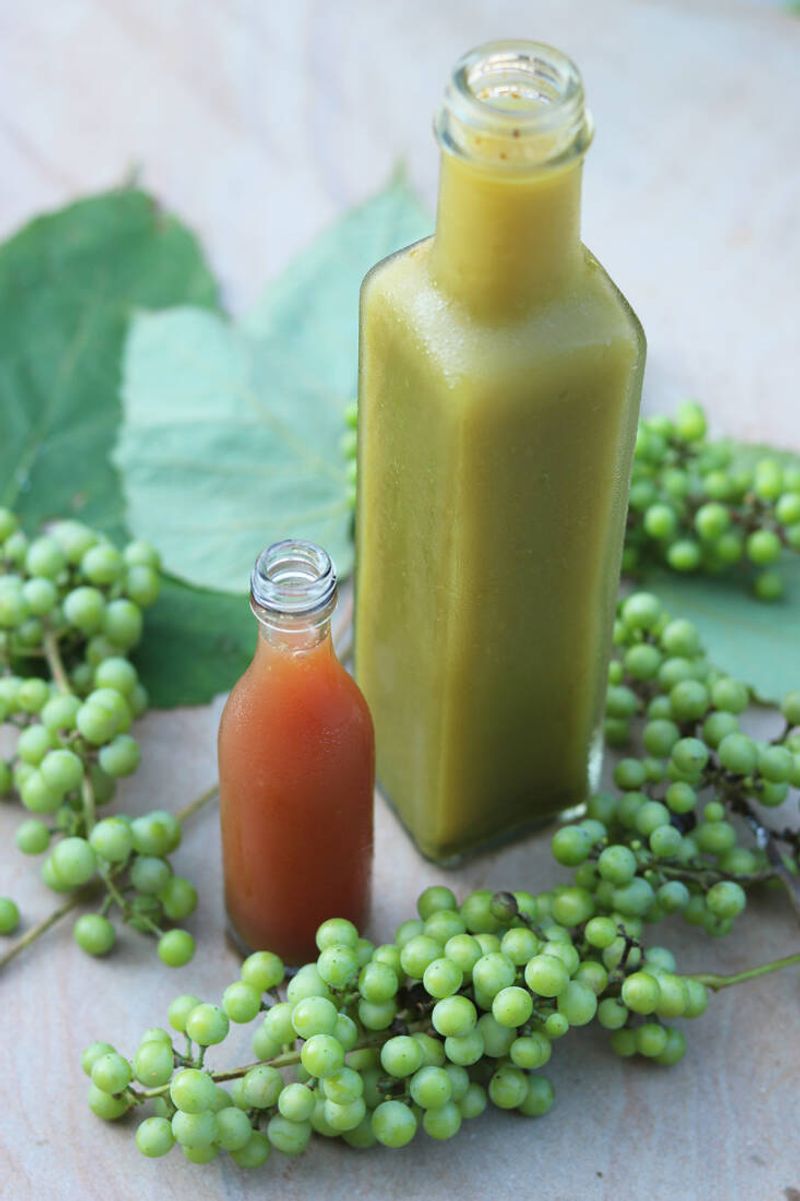
Medieval cooks used verjuice long before lemons became common in Europe. It’s the pressed juice of unripe grapes, gently sour with a soft fruity taste.
Try it in salad dressings, pan sauces, or poached fruit. Its mild tang won’t fight with wine served alongside dinner.
The name comes from French words meaning green juice. Look for bottles at specialty shops or online.
18. Rhubarb

Strawberry rhubarb pie is a springtime classic for good reason. Those pink stalks are so sour that they’re nearly impossible to eat raw.
Cooked with a bit of sugar, rhubarb becomes a tangy sauce perfect for pork, yogurt, or ice cream. It also makes tasty jams.
Only eat the stalks. The leaves contain substances that can make you sick, so always toss them out.