
A dark hallway, a locked door, and a secret can be scarier than any monster. Gothic horror mixes eerie places with grief, forbidden love, and fears that refuse to stay buried.
These films helped shape the way scary stories look and feel on screen. From silent vampires to haunted mansions, each offers a different reason to keep the lights on.
1. Nosferatu (1922): A Shadow That Never Fades
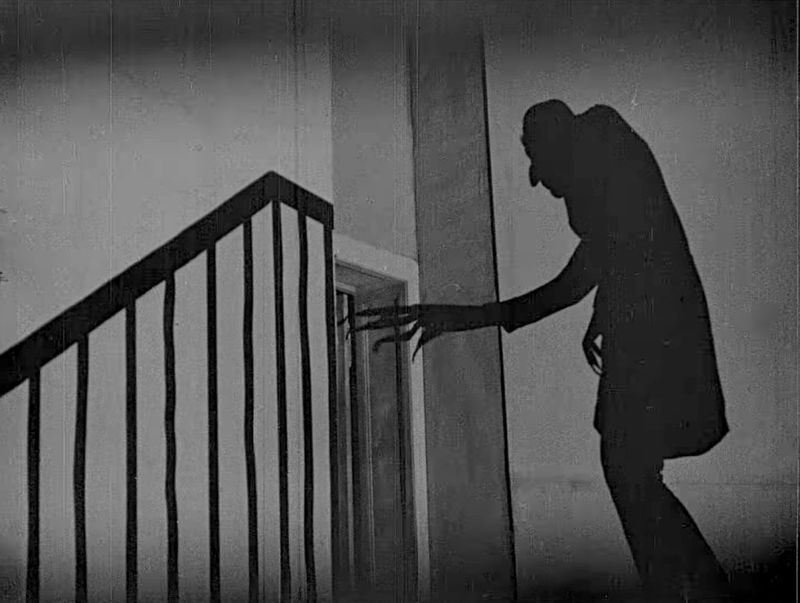
A single shadow creeping up a staircase can still make your skin crawl. Directed by F.W.
Murnau, this silent film turns Count Orlok into a walking nightmare, with pointed ears, stiff movements, and clawlike fingers.
Its unauthorized use of Bram Stoker’s Dracula led to legal trouble and destruction orders. Fortunately, copies survived.
Choose a restored version, and watch how lighting tells the story without spoken dialogue. The fear comes from waiting, not sudden loud surprises.
2. The Cabinet of Dr. Caligari (1920): A World Bent Out of Shape
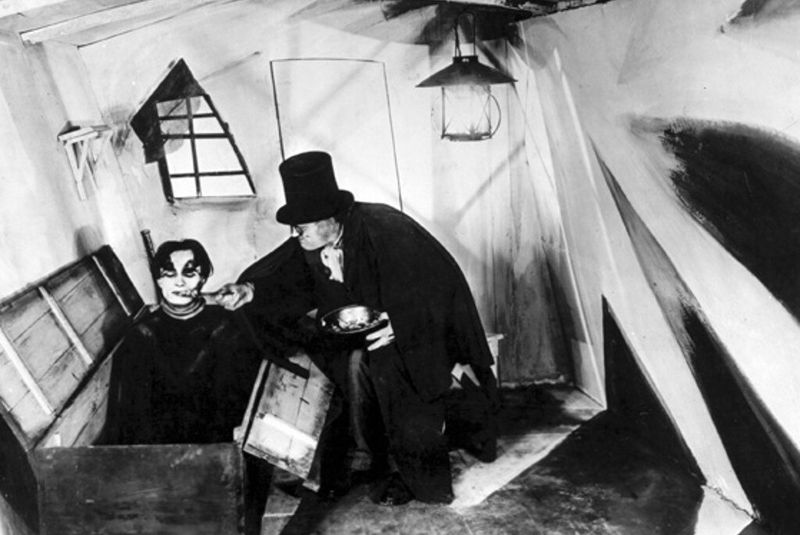
Nothing looks quite right in this crooked little world. Robert Wiene uses painted shadows, sharp angles, and leaning buildings to make an ordinary town feel like a bad dream.
A strange showman and his sleepwalking performer sit at the center of its mystery.
Watch the scenery as closely as the actors. The sets reveal fear and confusion before the story explains them.
Its unsettling ending also invites a second viewing, especially if you enjoy unreliable storytellers.
3. Dracula (1931): The Count Finds His Voice
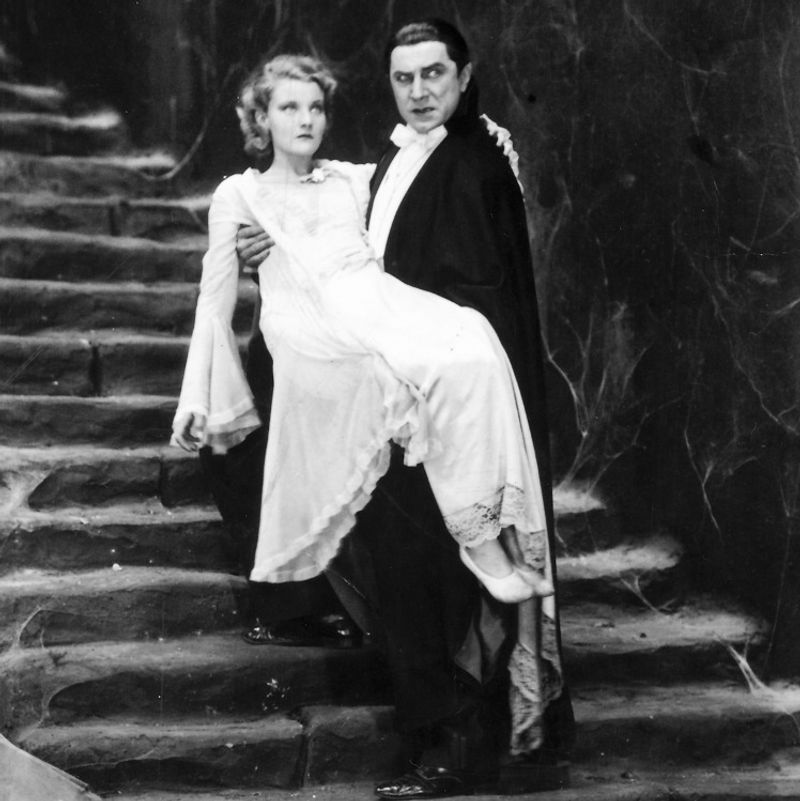
Listen to Bela Lugosi speak, and the room seems to grow colder. His measured voice and steady stare gave Dracula a screen identity that remains easy to recognize.
Director Tod Browning surrounds him with cobwebs, stone steps, and deep shadows.
Expect a slower rhythm than modern vampire films. That patience lets small gestures become threatening.
Pair it with the 1958 version to see how the same character changes when quiet menace gives way to bloody action.
4. Frankenstein (1931): The Monster Who Breaks Your Heart
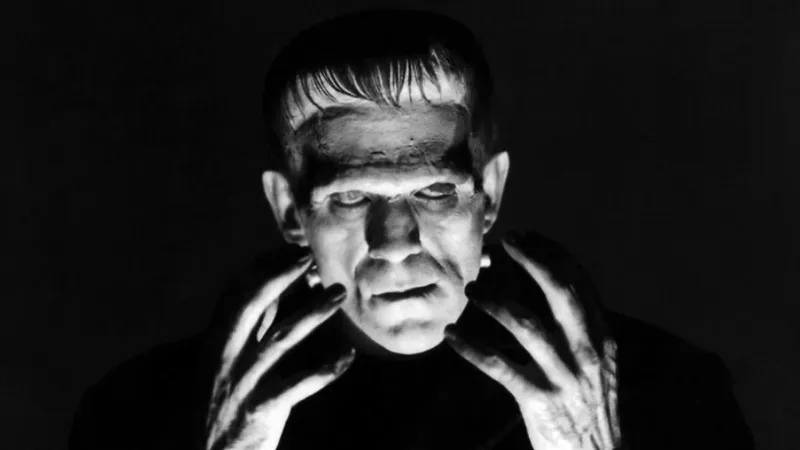
Feeling sorry for the monster may be the biggest surprise here. James Whale’s adaptation of Mary Shelley’s novel gives Boris Karloff room to show confusion, fear, and loneliness beneath the creature’s frightening appearance.
The stormy laboratory delivers classic horror spectacle, but the story asks a harder question: who bears responsibility when an experiment goes wrong? Watch the creature’s reactions to kindness and cruelty.
Some scenes involve children in danger, so sensitive viewers should check content guidance first.
5. Vampyr (1932): Trapped Between Sleep and Waking
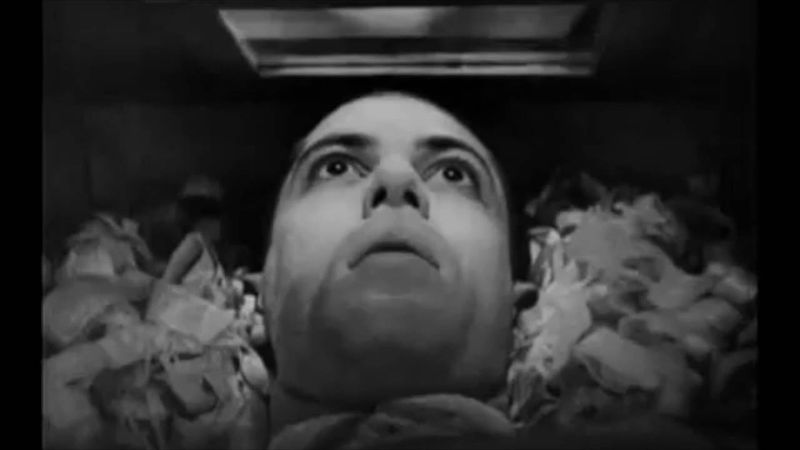
Imagine waking from a nightmare without feeling fully awake. Carl Theodor Dreyer creates that sensation through pale images, drifting shadows, and scenes that seem to follow dream logic.
A traveler enters a village troubled by a sinister presence.
Rather than chasing every plot detail, let the strange mood settle around you. The famous coffin sequence makes helplessness feel painfully close.
A clear restoration helps reveal its delicate images, while an uninterrupted viewing preserves the spell beautifully throughout.
6. The Black Cat (1934): Evil Behind Modern Walls
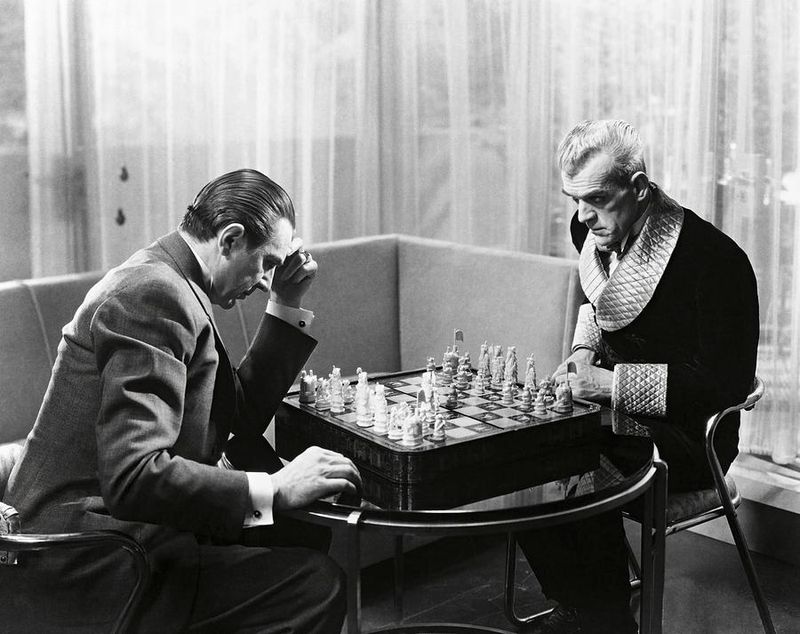
Not every Gothic nightmare needs a crumbling castle. Edgar G.
Ulmer places Boris Karloff and Bela Lugosi inside a sleek, modern house, where clean lines hide old hatred. Their tense rivalry gives the film its bitter edge.
Despite the title, the story has little connection to Edgar Allan Poe’s tale. Expect revenge, disturbing secrets, and cruelty rather than a simple animal scare.
Notice how the unusual architecture makes its owner seem cold, controlling, and dangerously removed from others.
7. Rebecca (1940): Haunted Without a Ghost
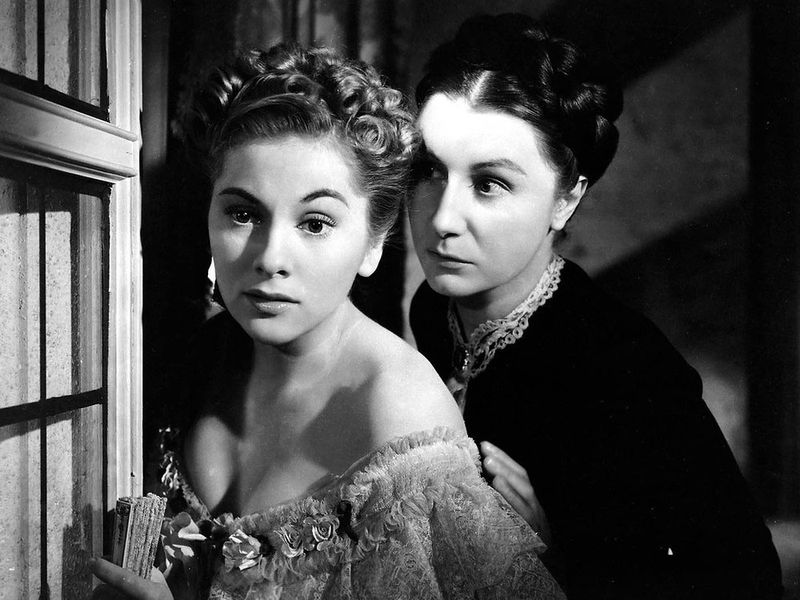
A dead woman can rule a house without ever appearing. Alfred Hitchcock follows a young bride into Manderley, where reminders of her husband’s first wife fill every room.
The housekeeper, Mrs. Danvers, makes that presence especially hard to escape.
Strictly speaking, this is a Gothic psychological thriller rather than supernatural horror. Its fear grows from shame, comparison, and secrets.
Pay attention to rooms and personal objects: they show how a home can become a trap for someone.
8. I Walked with a Zombie (1943): Dread in the Cane Fields
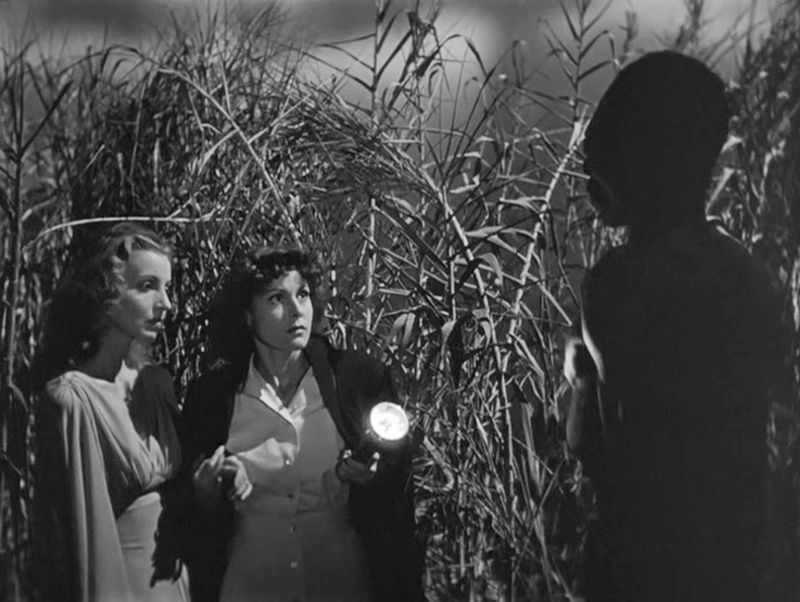
The rustle of sugarcane becomes more frightening than a scream. Jacques Tourneur follows a nurse caring for a strangely unresponsive woman on a Caribbean island.
Family trouble, local beliefs, and the painful history of slavery deepen the unease.
Its zombies differ greatly from today’s flesh eating creatures. Approach the film as a tragic mystery, while recognizing its dated treatment of Caribbean culture.
The nighttime walk remains a lesson in creating suspense through sound, movement, and carefully held silence.
9. The Uninvited (1944): An Ocean View with Unwanted Guests
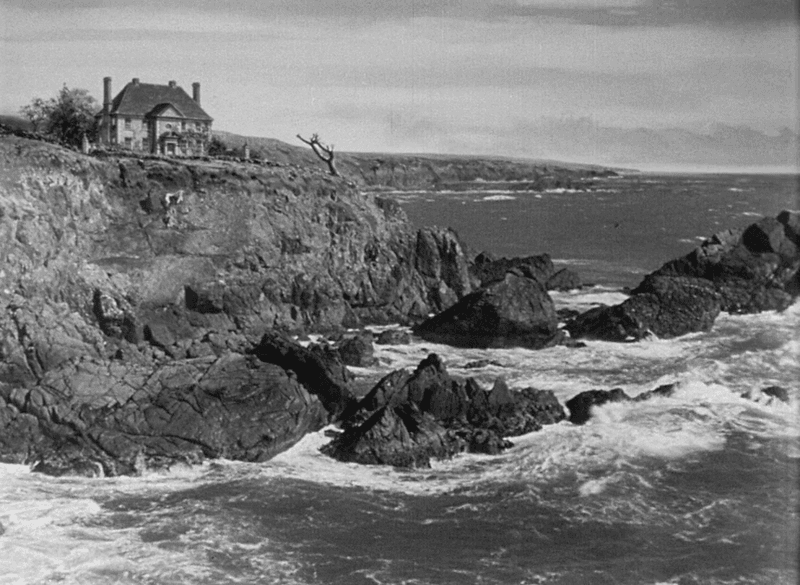
A lovely seaside house sounds like a dream purchase, until unexplained crying fills the night. Lewis Allen’s ghost story follows siblings who discover that their new home carries a troubled past.
Its coastal setting balances beauty with quiet threat.
Unlike stories that explain every haunting away, the film takes its supernatural events seriously. Follow the family history carefully, since relationships matter to the mystery.
It is a good choice when you want chills without graphic violence or gore.
10. Dracula (1958): Hammer Turns Up the Heat
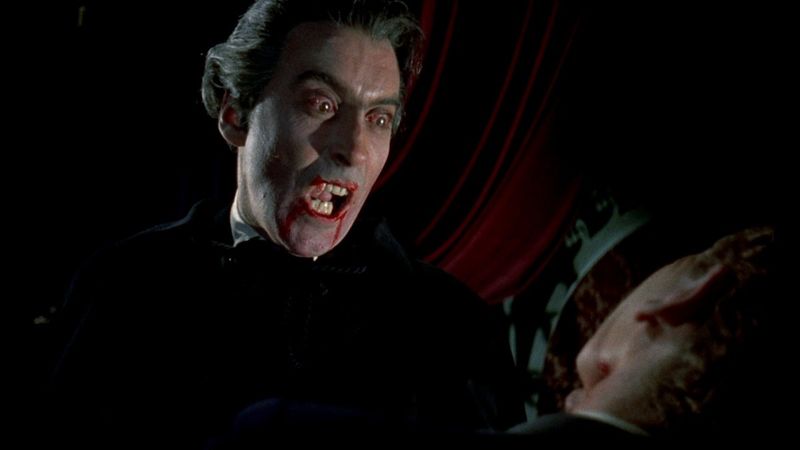
Red blood and blazing color changed the vampire movie’s temperature. Terence Fisher’s Hammer production gives Christopher Lee a fierce physical presence, while Peter Cushing makes Van Helsing sharp and determined.
American audiences knew it as Horror of Dracula.
The pace is brisk, and the danger feels less polite than in earlier versions. Look for the contrast between elegant rooms and sudden violence.
Watching it after Lugosi’s film reveals how Gothic horror became more vivid, forceful, and openly sensual.
11. House of Usher (1960): A Family Coming Apart
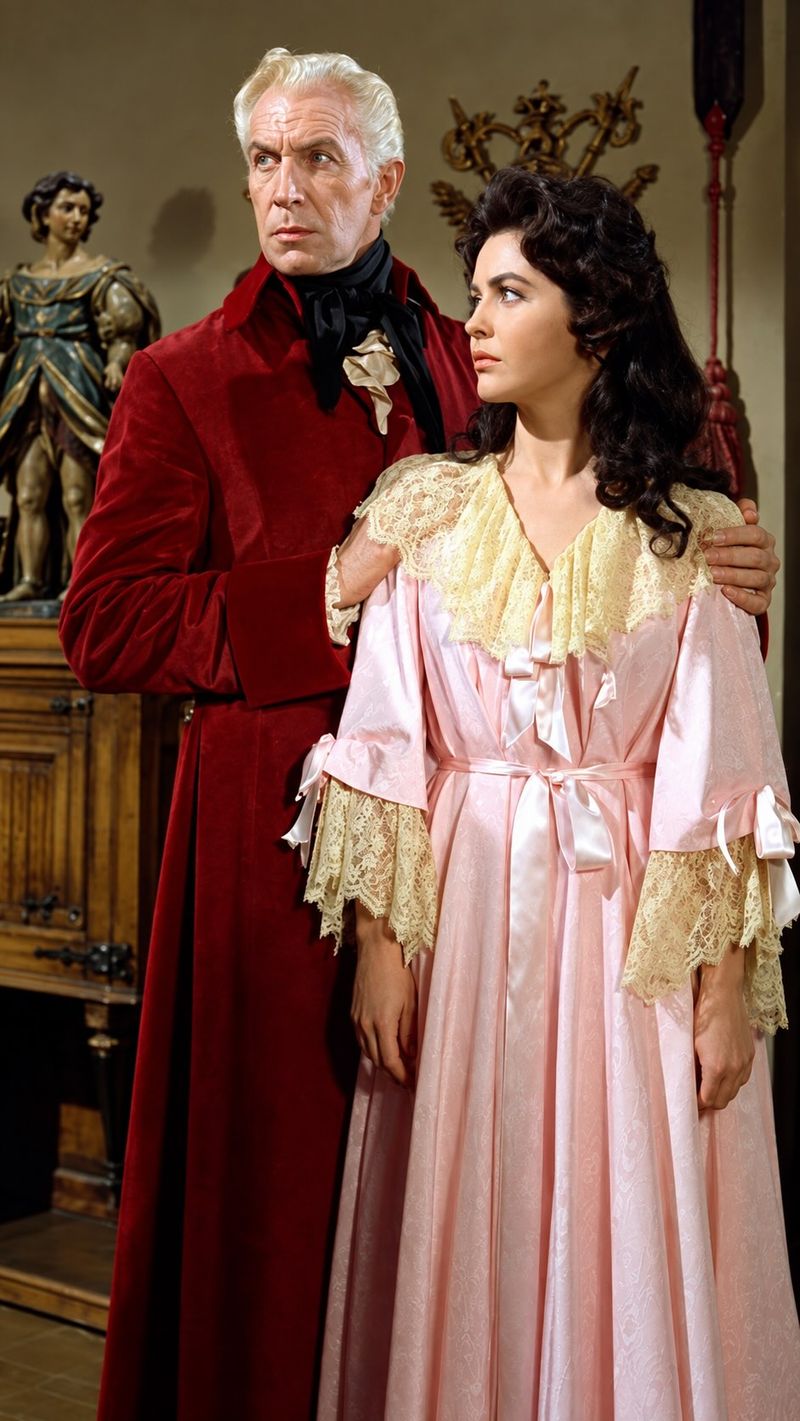
Cracks in the walls mirror cracks in the family. Roger Corman begins his Edgar Allan Poe film cycle with Vincent Price as Roderick Usher, a man convinced that his bloodline is doomed.
The mansion seems to share his failing health.
Colorful rooms and slow movement give the dread room to grow. Notice how sounds upset Roderick and how the building reflects his fears.
Readers of Poe can also compare the expanded movie plot with the much shorter story.
12. The Pit and the Pendulum (1961): A Castle Full of Cruel Secrets
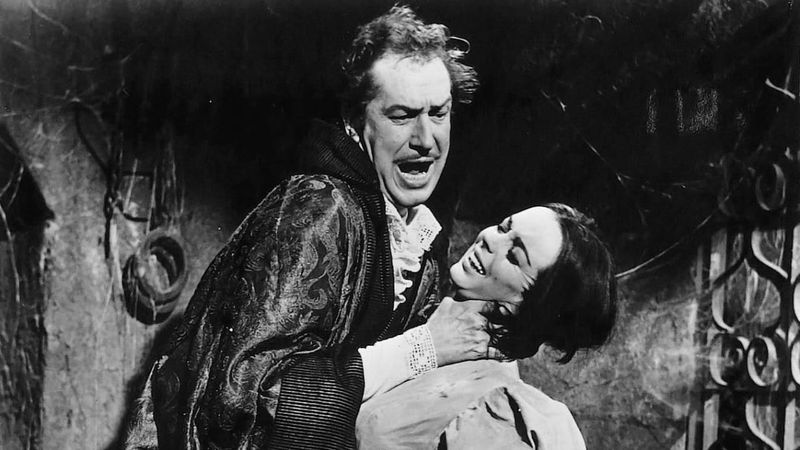
That swinging blade promises trouble long before it moves. Roger Corman builds this Poe inspired film around a Spanish castle, a suspicious death, and a family scarred by torture.
Vincent Price shifts between grief and panic with theatrical energy.
Much of the plot was created for the screen rather than taken from Poe. Enjoy the mystery before the famous machinery takes over.
The torture themes make it harsher than its colorful appearance might suggest, especially for sensitive viewers.
13. The Haunting (1963): Fear on the Other Side of the Door
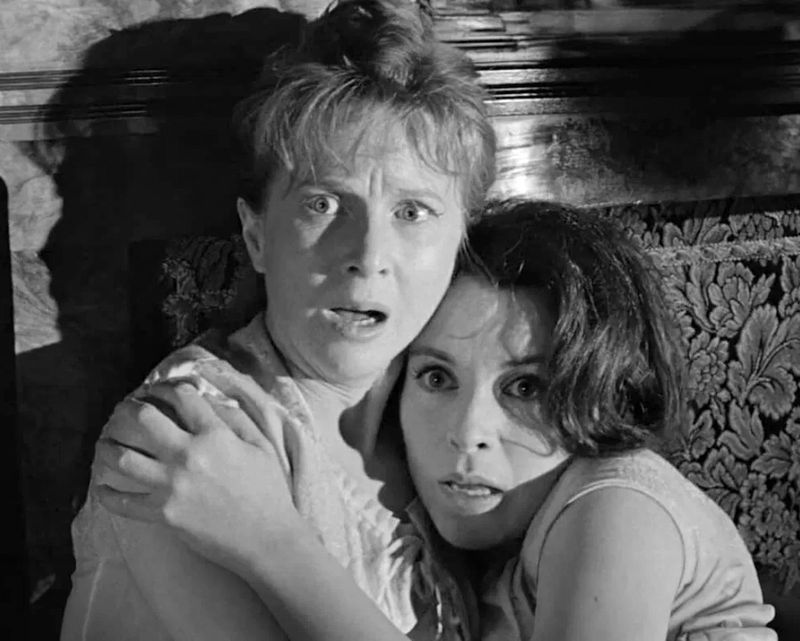
You may never trust a strange noise upstairs again. Robert Wise adapts Shirley Jackson’s The Haunting of Hill House with slanted views, pounding sounds, and very few visible threats.
A group investigates a mansion that seems disturbingly aware of them.
Eleanor’s loneliness makes the danger feel personal rather than distant. Listen closely, preferably with good speakers at a comfortable volume.
The film shows that a closed door and an uncertain mind can frighten more effectively than an exposed monster.
14. Bram Stoker’s Dracula (1992): Love Dressed in Darkness
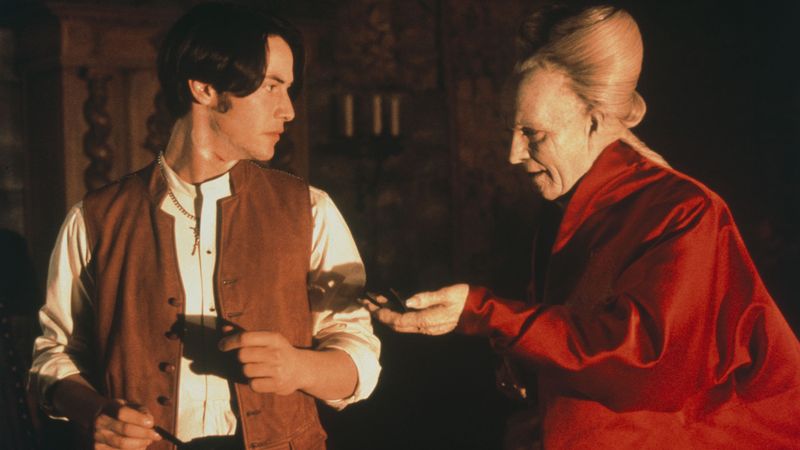
Velvet, candles, and blood turn this adaptation into a dark feast. Francis Ford Coppola mixes elaborate costumes and practical visual tricks with a tragic romance added to Stoker’s story.
Gary Oldman’s Dracula shifts between frightening creature and wounded lover.
Several characters and events from the novel return, but this is not a completely faithful version. Watch for shadows that behave independently of their owners.
Strong violence and sexual content make it a better choice for mature viewers only.
15. The Others (2001): Keep the Curtains Closed
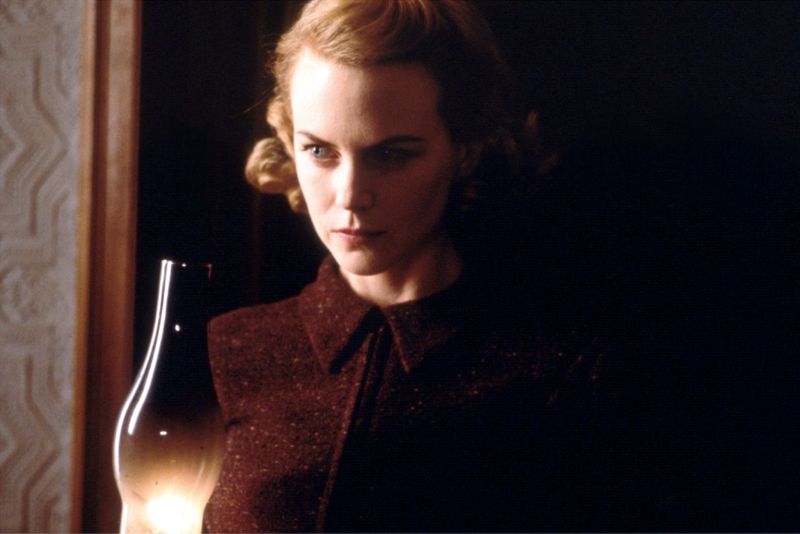
Closing a curtain becomes a matter of survival in this hushed mystery. Nicole Kidman plays Grace, a mother protecting two children who cannot tolerate sunlight, in an isolated house on Jersey.
Alejandro Amenábar turns strict household rules into sources of tension.
The setting is 1945, and the family’s uncertainty echoes the aftermath of war. Avoid trailers and plot summaries that reveal too much.
Small sounds, missing objects, and unexpected visitors reward attention, especially when you revisit the film later.
16. The Orphanage (2007): Childhood Games Turn Sorrowful
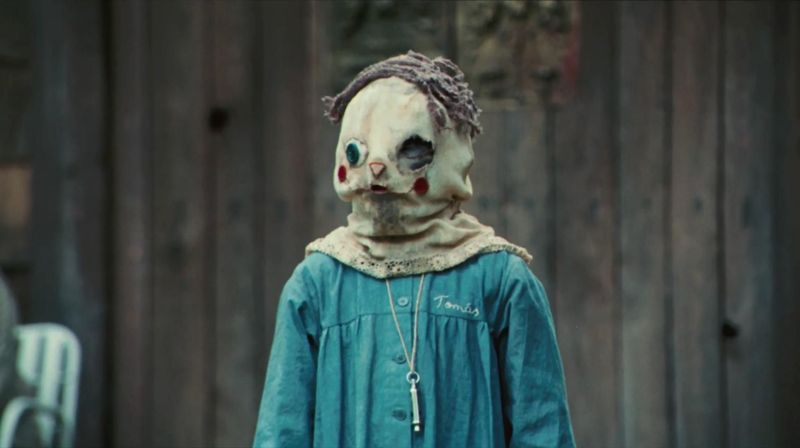
An innocent game can become unbearable when a child disappears. J.A.
Bayona’s Spanish film follows Laura as she returns to her childhood orphanage with plans to reopen it. Her son’s imaginary friends soon become part of a painful mystery.
The scares matter, but grief gives them lasting weight. Watch in Spanish with subtitles if possible, and avoid spoilers about the ending.
Scenes involving missing children and loss can be upsetting, making this a powerful but emotionally demanding viewing choice.
17. Crimson Peak (2015): Beauty Above a Bloody Foundation
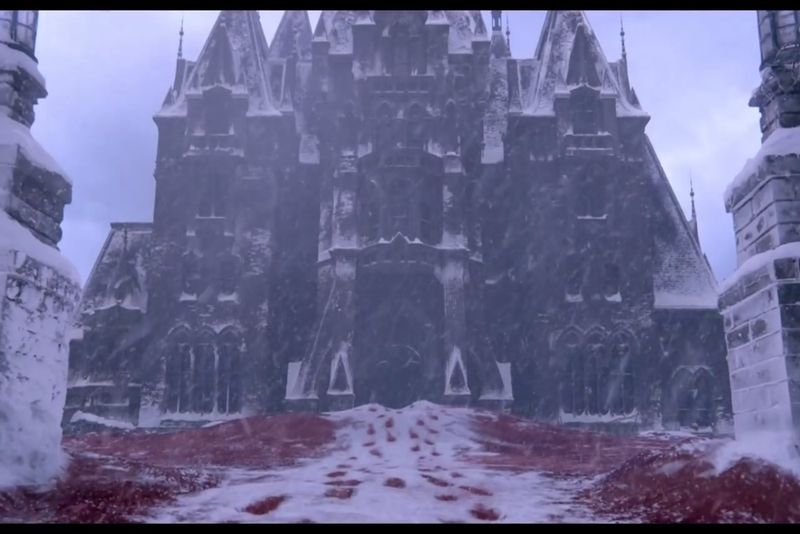
Snow falls through the roof, while red clay stains the ground below. Guillermo del Toro makes a decaying English mansion both gorgeous and sickening.
A young writer marries into a family whose secrets are more dangerous than its ghosts.
Think of it as a Gothic romance with horror, not simply a nonstop scare machine. Costumes, colors, and insects offer clues about the characters.
Graphic injuries require caution, but the richest reward is watching beauty conceal rot in every room.