
A few careless words can turn a friendly travel moment into an awkward one. Phrases that sound normal at home may confuse or hurt people somewhere else.
Local customs vary, so tone and context matter just as much as the words you choose. Knowing what to avoid helps you make better connections and enjoy your trip with fewer misunderstandings.
1. “How are you?” Then Walking Away

A friendly greeting can feel surprisingly cold when you leave before hearing the answer. In some places, asking about someone’s wellbeing invites a real conversation, not just a quick hello.
If you ask, pause and listen instead of turning toward the door. When you only need a brief greeting, try a local word for hello.
Expectations differ between people and settings, but giving someone your attention is a reliable way to show respect wherever you travel.
2. “I’m Pissed”
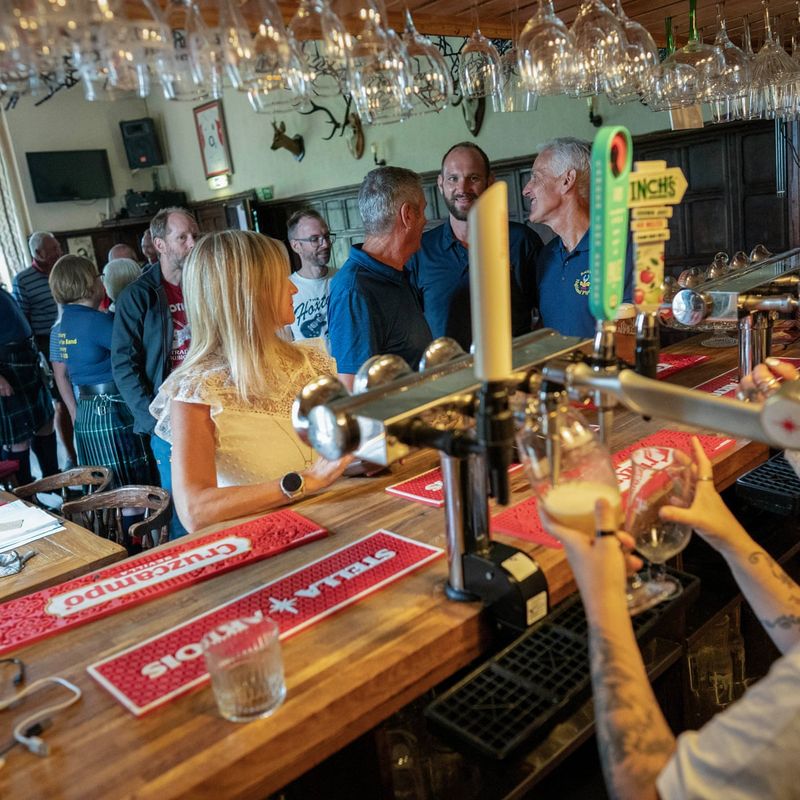
Your bad mood might sound like a drinking confession. In British English, “pissed” commonly means drunk, while Americans often use it to mean angry.
That difference can turn a complaint about a missed train into a confusing exchange. Say “I’m upset” or “I’m frustrated” when describing your feelings.
Plain wording helps when speaking across different versions of English, especially with strangers who do not know your habits. Save slang for conversations where everyone understands the meaning.
3. “Can I Get…” Without a Please

Ordering coffee should not sound like issuing instructions. Although “Can I get” is common and often harmless, it can feel abrupt when paired with a sharp tone or no greeting.
Start with hello, then try “Could I have a coffee, please?” Learn the local words for please and thank you before your trip. You do not need perfect grammar to be considerate.
A patient voice and a small smile usually matter more than choosing one exact phrase.
4. “Let’s Have a Quick Powwow”

A casual meeting does not need a borrowed cultural name. Powwows are meaningful gatherings associated with various Indigenous peoples in North America, not simply another word for an office chat.
Using the term loosely may seem dismissive, especially around people whose traditions it describes. Say “Let’s talk” or “Let’s have a quick meeting” instead.
Avoid assuming all Indigenous communities share the same views. Choosing ordinary wording keeps your meaning clear without turning someone else’s cultural practice into shorthand.
5. “That’s So Weird” or “That Seems Backwards”

Surprise is natural when a custom looks unfamiliar. Calling it weird or backwards, however, turns your surprise into a judgment about the people who practice it.
Try “I’ve never seen that before” or “Could you explain how that works?” Ask only when the moment feels appropriate, and accept that nobody owes you a lesson. You can disagree with a practice without mocking an entire culture.
Curiosity opens doors that a careless insult can quickly close during travel.
6. “I Was Gypped”

Some familiar expressions carry baggage that speakers never learned about. “Gypped” is widely understood as an offensive term linked to stereotypes about Romani people and dishonest dealing.
If a price or service seems unfair, say “I was overcharged” or “That was not what we agreed on.” Describe the actual problem rather than using an ethnic insult. Better yet, check your receipt and ask calmly for clarification.
A specific complaint is both more respectful and easier to resolve fairly.
7. “That’s So Cheap!”
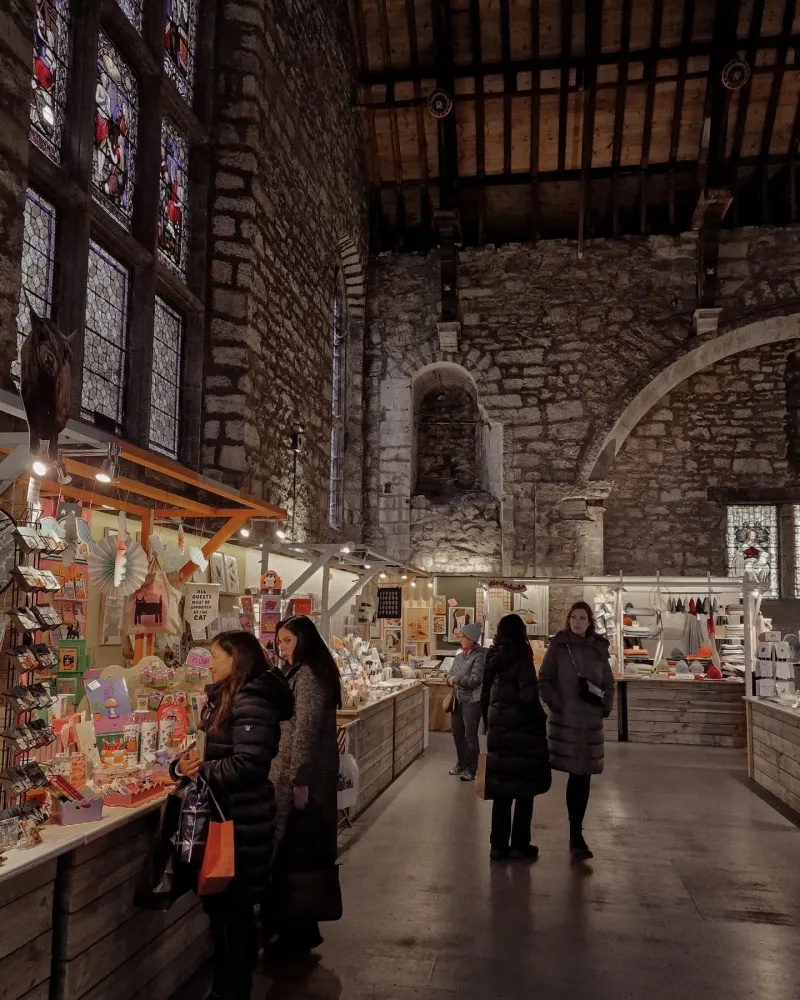
A bargain for you may represent hours of work for someone else. Loudly announcing how cheap everything is can make sellers feel that their effort matters less than your spending power.
Keep price comparisons private, especially when buying handmade goods. Compliment the workmanship, ask the price politely, and follow local bargaining customs rather than assuming every sale is negotiable.
If something fits your budget, “That works for me” says enough without making the purchase about differences in wealth.
8. “Do You Speak English?” Said Like a Demand

Volume is not a translation tool. Asking about English is perfectly reasonable, but shouting the question or skipping a greeting can make it sound like a demand.
Begin with a local hello, then ask gently whether the person speaks English. If not, use a translation app, simple gestures, or a written address.
Speak clearly without talking down to anyone. Remember that you are visiting their home, and helping you in another language is a kindness, not an obligation.
9. “How Much Is That in Dollars?”

Your phone can handle the math without putting a shopkeeper on the spot. Asking staff to convert every price into dollars may slow service and suggest that local money does not count.
Learn the currency before shopping and keep a rough exchange rate handy. For larger purchases, check your converter privately and confirm which currency the quoted price uses.
Rates and fees vary, so an estimate is not a promise. Ask the seller about their price, not yours.
10. “In America, We Do It This Way”
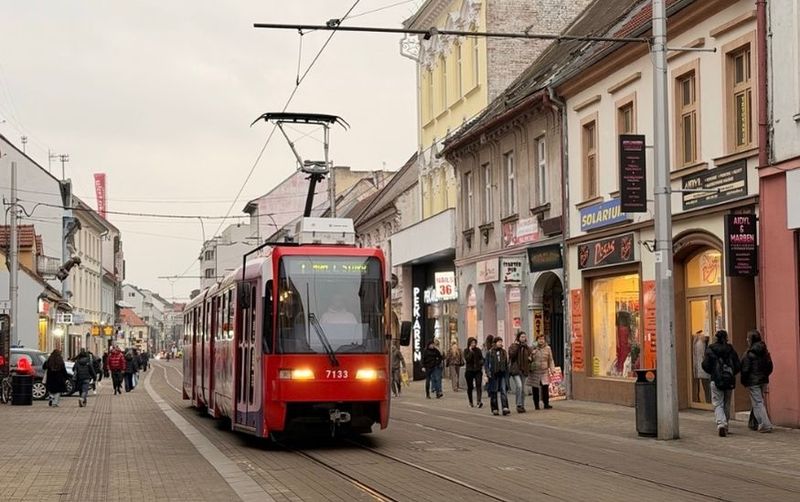
A different system is not automatically a broken one. Comparing every queue, meal, or train ride with home can make a conversation sound like a lecture.
When you need help, ask “How does this work here?” instead of explaining how Americans would handle it. Friendly comparisons can be interesting when people welcome them, but avoid using home as the standard everyone should meet.
Travel becomes more rewarding when you learn the local approach before deciding what you think.
11. “Where’s the Real Food?”
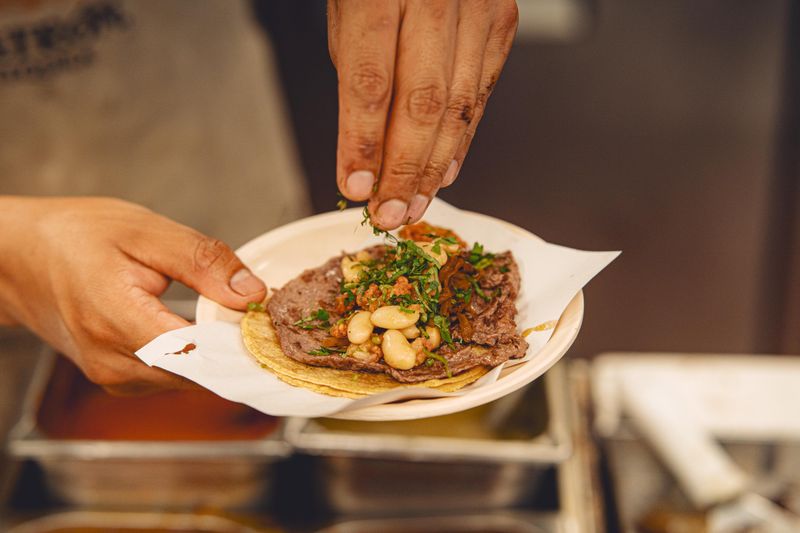
The meal in front of you is real food, even if it is new to you. Dismissing local dishes can insult the cooks and families who value those recipes.
You do not have to enjoy every flavor or ignore dietary needs. Ask about ingredients, request a mild option, or politely explain what you cannot eat.
If you want familiar food, search for it without criticizing nearby restaurants. Respectful choices leave room for both your comfort and someone else’s traditions.
12. “It’s a Third-World Country”

An old political label cannot explain a whole country. “Third World” originally referred to Cold War alignments, not a simple ranking of wealth, cleanliness, or comfort.
Today, the phrase often sounds dated and dismissive. Name the country instead, and describe the specific issue you mean, such as limited bus service or unreliable internet.
Avoid treating millions of people as one stereotype. Accurate language helps you discuss genuine challenges without suggesting that an entire place or its residents are inferior.
13. “That’s So Sick!”

Your biggest compliment might sound like bad news. American slang uses “sick” to mean impressive, but listeners unfamiliar with that meaning may hear illness or disgust.
When praising a meal, artwork, or view, choose “beautiful,” “delicious,” or “amazing.” Those words give people less room to misunderstand your reaction. Slang can be fun among friends who share it, but clear language works better with new acquaintances.
If someone looks puzzled, explain warmly rather than repeating the same phrase louder.
14. “Where Are You Really From?”

Someone’s first answer deserves to be believed. Asking where they are “really” from can imply that their appearance or accent makes them less entitled to belong.
If a person says they are from Berlin, accept Berlin. Let them decide whether to share family history, migration stories, or personal identity.
In a friendly conversation, asking where they grew up may be appropriate, but do not keep pushing. Genuine interest feels welcoming only when the other person can comfortably choose what to share.
15. “Look at All These Foreigners”
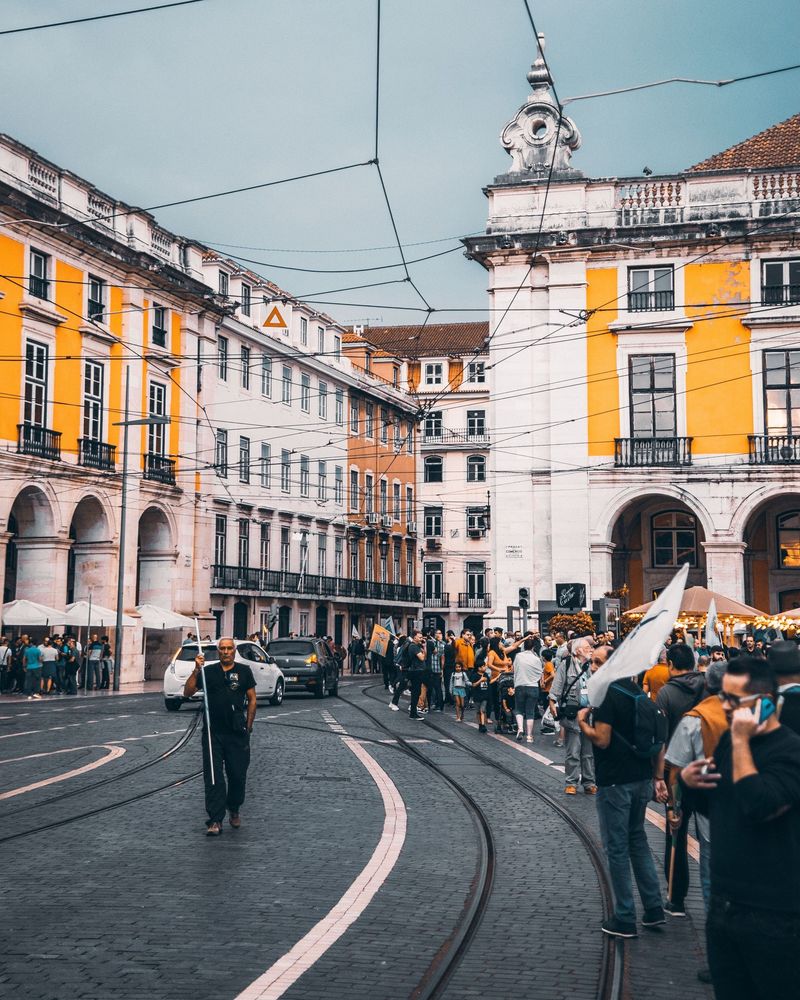
Standing abroad, you may be the visitor in the room. Calling local people “foreigners” from your own viewpoint can sound odd and make them feel like outsiders in their own home.
The word is not offensive in every setting, but casual labeling often creates needless distance. Use “local residents,” “other travelers,” or a person’s name when those fit.
Better still, avoid sorting people into groups when it adds nothing. Speak about individuals with the same care you would expect yourself.
16. “America” When You Mean the United States
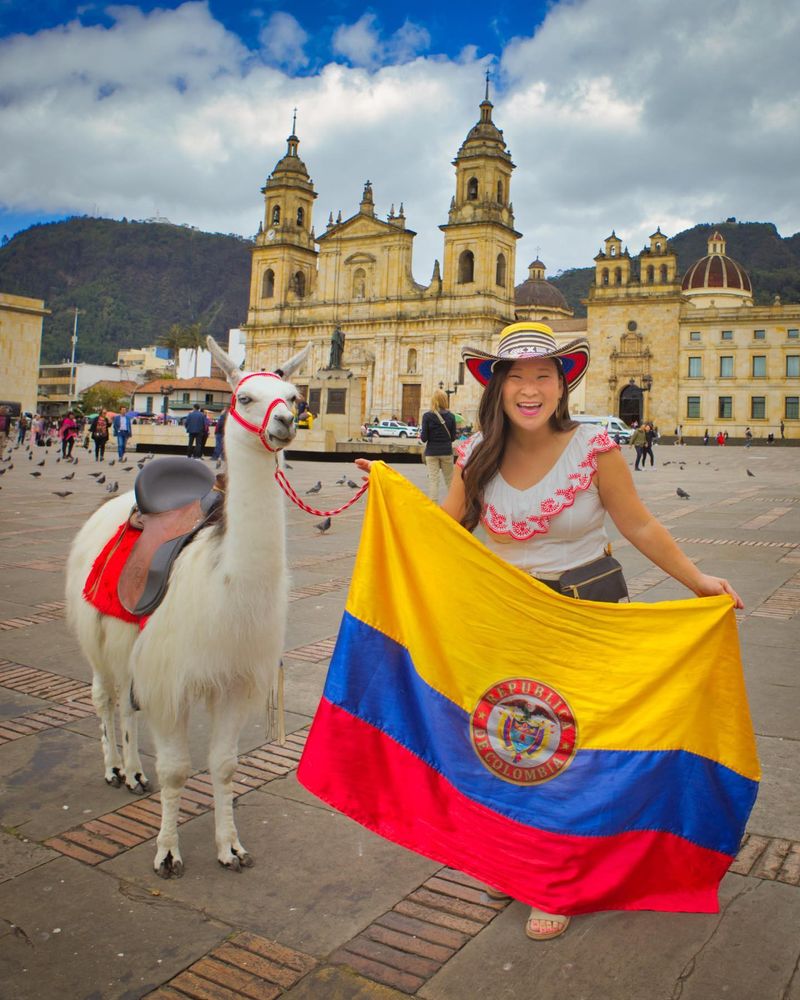
Geography can make a simple introduction less simple. In English, “America” commonly means the United States, but elsewhere related terms may refer more broadly to the Americas.
Especially in Latin America, saying “I’m from the United States” can be clearer and more considerate. You do not need to argue about which usage is correct.
Match your wording to the conversation and accept that languages organize geography differently. A precise introduction avoids confusion while leaving more time to meet people.
17. Using the Word “Coolie”
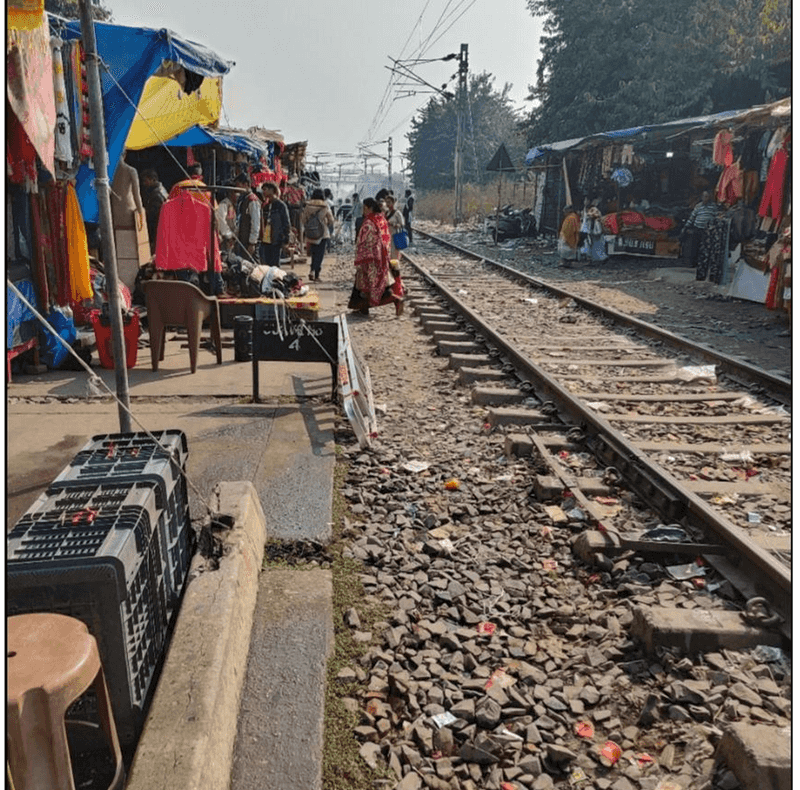
A word picked up from an old book may carry a painful history. “Coolie” has been used for laborers in Asia and elsewhere, often within systems of exploitation and racial prejudice.
Its meaning varies by region, but it can be a serious insult. Avoid using it to address or describe workers.
Say “porter,” “worker,” or the person’s actual job title instead. Respect includes learning someone’s name when appropriate and recognizing that useful service never makes a person less deserving.
18. “So, What’s Your Religion or Political Party?”

Breakfast with strangers does not need to become a debate. Politics and religion can involve deeply personal beliefs, family tensions, or safety concerns you cannot see.
These subjects are not forbidden everywhere, but let trust and context guide you. Begin with food, hobbies, or places to visit.
If someone raises a sensitive topic, listen without demanding agreement or private details. Avoid pushing people to criticize authorities, especially where public speech carries risks.
A graceful change of subject is always available.
19. “This Country Is Terrible”

A delayed bus can test anyone’s patience, but it does not define a nation. Loud complaints about how awful a country is turn a temporary frustration into an insult aimed at everyone nearby.
Describe the problem quietly and ask the right person for help. “Our room has no hot water” is useful; attacking the whole city is not. You can discuss real concerns honestly without mocking residents.
If you need to vent, choose a private moment with your travel companion.
20. “Bring Me Ketchup for This”
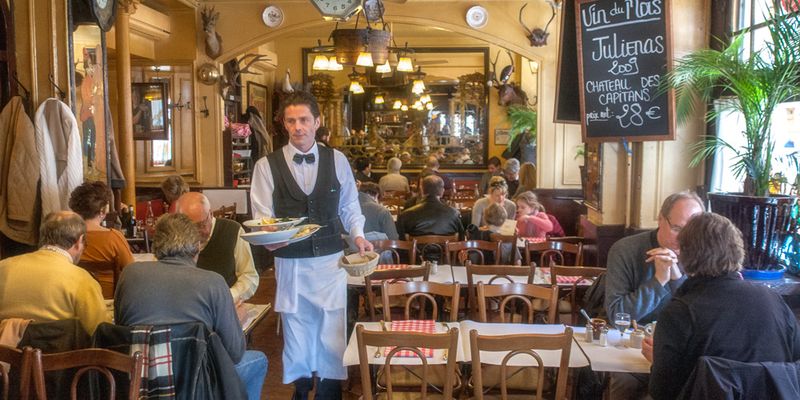
A bottle of ketchup is not an international dining emergency. Requests for extra sauces are often acceptable, but demanding them before tasting a carefully prepared dish may seem dismissive.
Restaurant customs vary, even within France, Italy, Spain, and Japan. Try a bite first when safe, then ask politely whether a condiment is available.
Explain allergies or dietary needs clearly rather than sacrificing your health for etiquette. If the answer is no, accept it calmly and choose another option if needed.