
By 1969, the Western was changing fast, and the old rules no longer fit every story. Outlaws became harder to judge, cowboys shared the screen with dinosaurs, and familiar heroes learned new tricks.
Some films became lasting classics, while others showed the surprising directions the genre could take. Together, these releases capture a year when the Old West found a new voice.
1. The Wild Bunch: When Violence Lost Its Glory
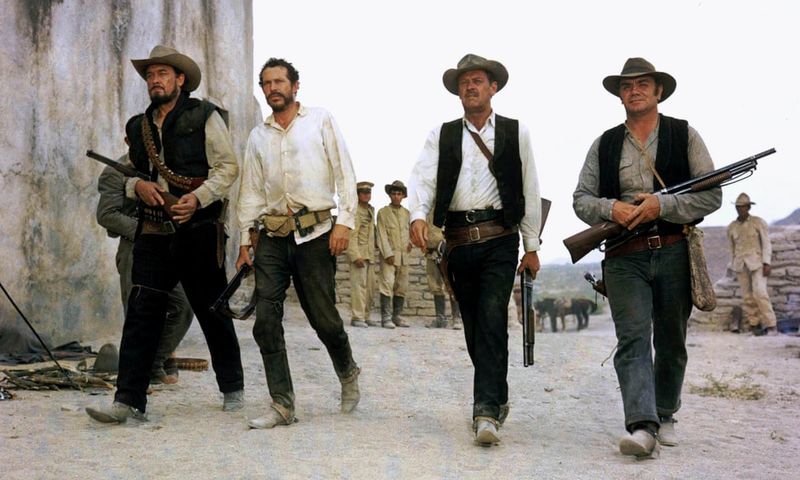
Forget the clean shootouts where heroes barely get dusty. Sam Peckinpah followed aging outlaws whose brutal choices made viewers question whether loyalty could excuse terrible acts.
His mix of slow motion and rapid editing gave violence a frightening weight. Released in 1969, the film helped reshape action filmmaking far beyond Westerns.
Watch how quiet moments build bonds among the men, then notice how the battles tear apart any comfortable idea of their supposed heroic adventure.
2. Butch Cassidy and the Sundance Kid: Friendship Takes the Lead
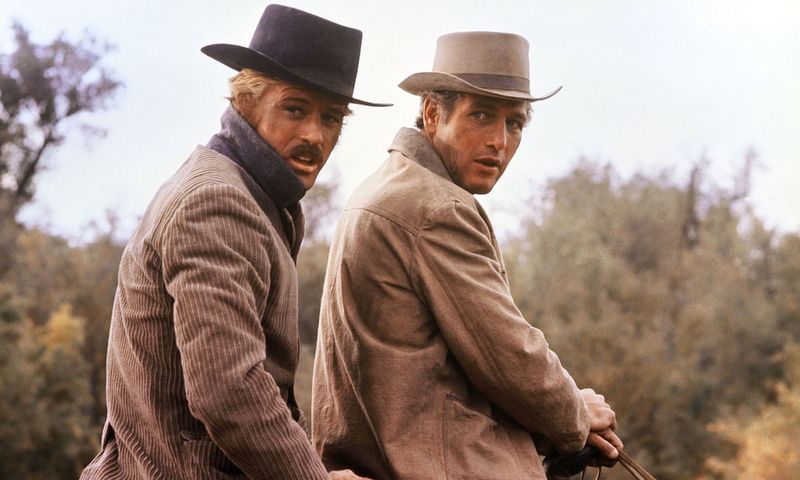
A grin and a quick joke could carry a Western as powerfully as a pistol. Paul Newman and Robert Redford made their outlaw partnership feel warm, funny, and surprisingly modern.
Director George Roy Hill balanced playful scenes with the growing threat of capture. The result became the biggest domestic box office hit among 1969 releases.
Pay attention to the changing mood: the easy laughter makes the friends’ shrinking options feel much more painful by the end.
3. True Grit: An Old Hero Meets a Fierce Young Partner
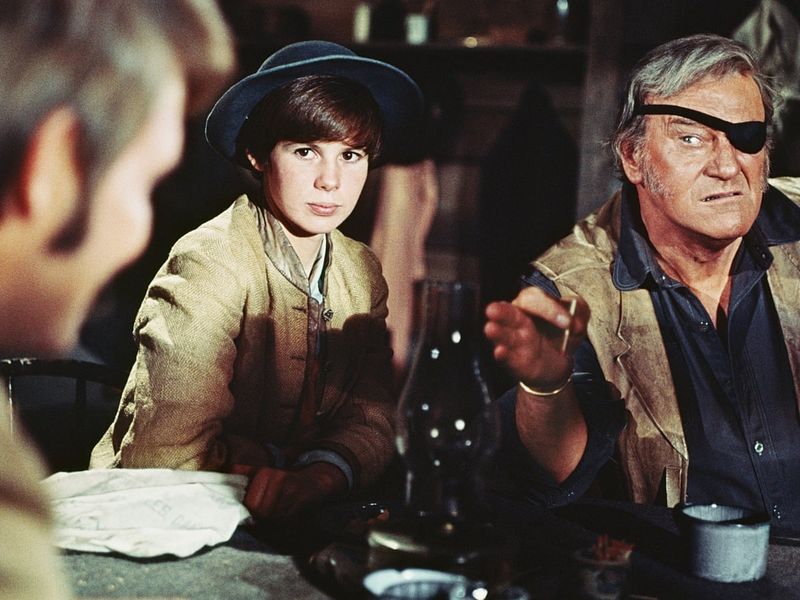
Rooster Cogburn was hardly a polished knight: he drank, argued, and wore an eye patch. Yet John Wayne turned the rough marshal into one of his most memorable characters, earning his only acting Oscar.
Kim Darby’s determined Mattie Ross gave the adventure its driving force. Her search for justice challenged the adults around her.
Alongside darker Westerns, this crowd favorite showed that traditional courage still worked, especially when a stubborn young heroine pushed the story forward.
4. Paint Your Wagon: Cowboys Find Their Singing Voices
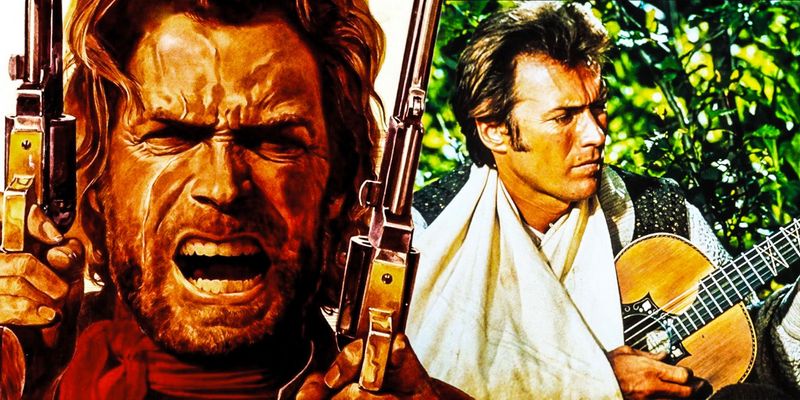
Hearing Clint Eastwood sing might surprise anyone who knows his silent gunfighters. Paired with Lee Marvin, he entered a gold rush town where songs, romance, and wild schemes mattered more than quick draws.
The musical’s large scale and unusual relationships made it a curious branch of the Western family tree. Its legacy is less about changing every later film than showing how far producers would stretch frontier stories.
Approach it as a colorful experiment, not history.
5. The Valley of Gwangi: Dinosaurs Ride into the Western
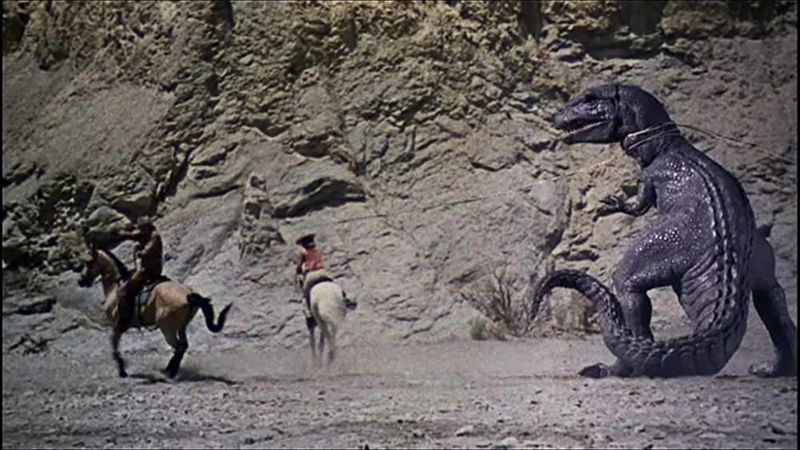
Picture a cowboy swinging a lasso at a dinosaur instead of a runaway steer. That unlikely meeting gave this adventure its lasting appeal, with Ray Harryhausen’s stop motion creatures stealing the spotlight.
Set around a traveling show in Mexico, the story turns a hidden valley into a place of danger and wonder. Look closely at how riders and creatures share the frame.
The film showed that Western settings could support monster thrills without losing their identity.
6. Antonio das Mortes: Brazil Reworks the Frontier Myth
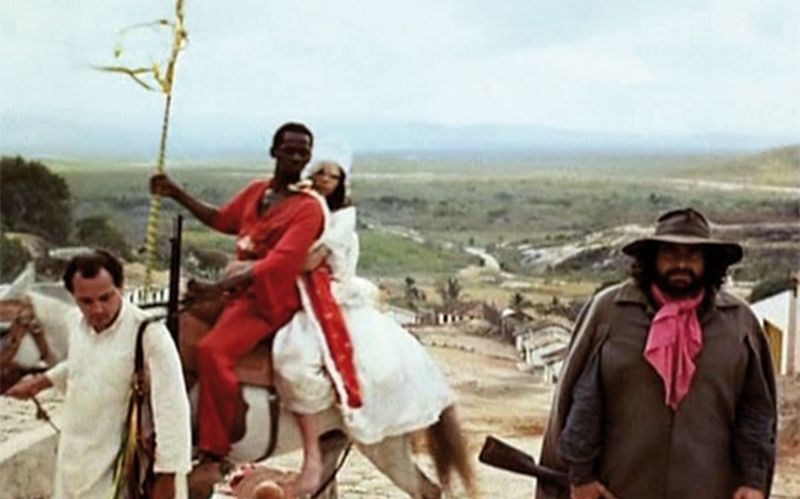
The frontier looks different when seen through Brazil’s dry backlands. Glauber Rocha used a hired killer’s changing loyalties to explore poverty, power, and resistance rather than repeat a familiar American showdown.
Music, bold colors, and staged movement give the film a striking rhythm. Rocha won the directing prize at Cannes for it.
Expect something more symbolic than a standard adventure: its importance lies in showing how Western ideas could become tools for telling Brazil’s own political stories.
7. Support Your Local Sheriff!: Brains Beat Bullets
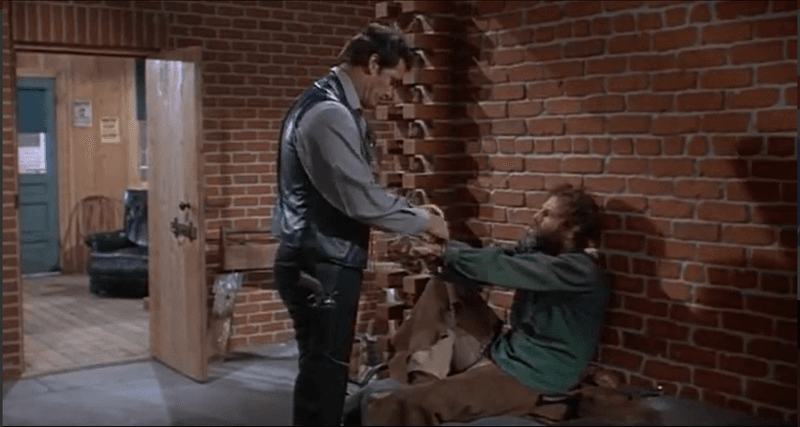
Why fire a shot when a clever bluff will do? James Garner’s easygoing sheriff brings order to a gold rush town by staying calmer and thinking faster than everyone around him.
The comedy pokes fun at jail cells, tough families, and the usual showdown rules. Still, its jokes work because the filmmakers understand those traditions.
For a lighter viewing choice, watch how Garner turns pauses and puzzled looks into weapons, making confidence seem funnier than swagger.
8. Mackenna’s Gold: Greed Gets a Giant Playground
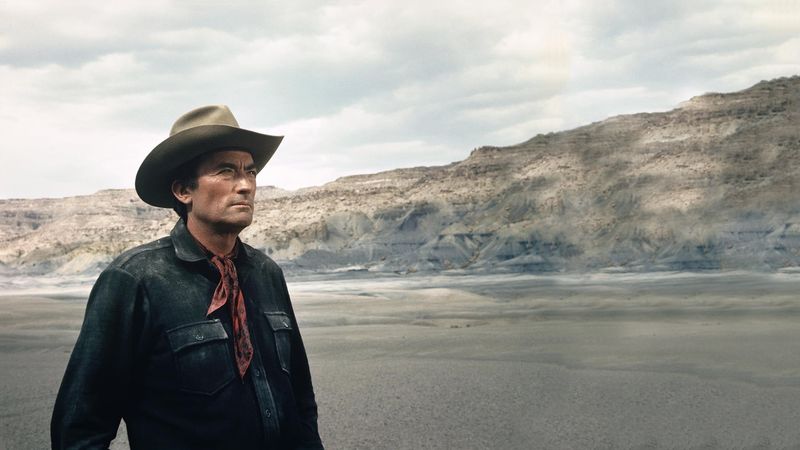
Gold fever turns a canyon journey into a contest of trust and betrayal. Gregory Peck leads a large cast through an adventure built around spectacular landscapes and the promise of hidden riches.
Reviews were mixed, but the film found enthusiastic audiences in several overseas markets. George Lucas also made a documentary during its production.
Rather than treating it as a perfect classic, enjoy its grand scale and consider how treasure hunting stretches the Western beyond familiar cattle drives.
9. Death of a Gunfighter: A Town Outgrows Its Lawman
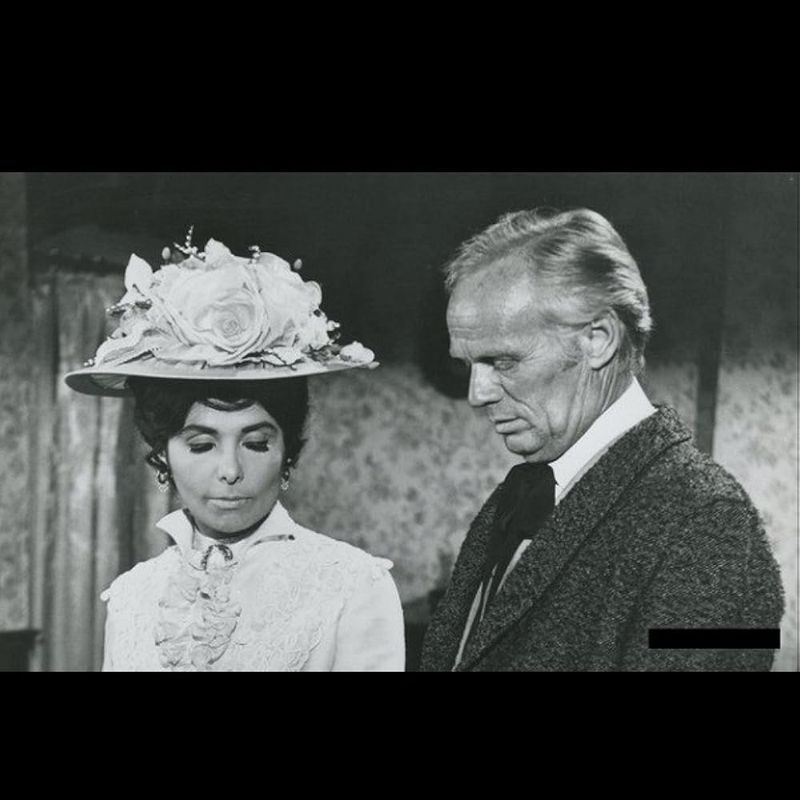
A badge does not guarantee that a town still wants its wearer. Richard Widmark plays a marshal whose harsh methods clash with citizens eager to leave their rough frontier past behind.
The story makes progress feel uneasy rather than automatically good. Behind the camera, disputes led to the directing credit Alan Smithee, the famous name for disowned work.
Watch the townspeople closely: their wish for change becomes troubling when removing the old lawman requires cruelty itself.
10. Guns of the Magnificent Seven: The Mission Turns Political
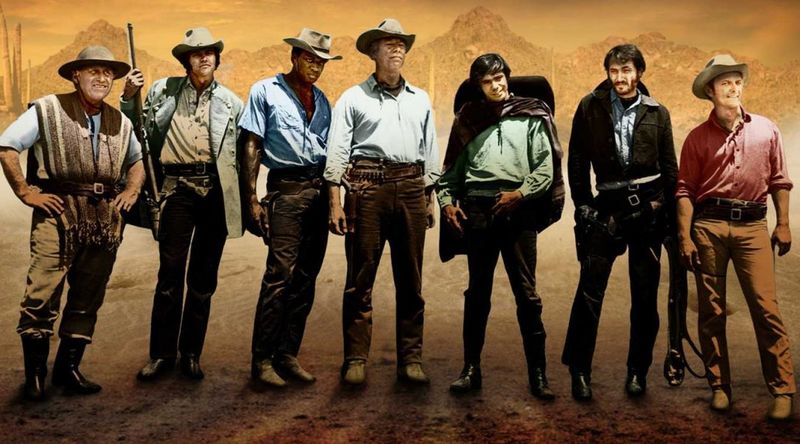
Seven hired guns return, but the fight now centers on freeing a Mexican revolutionary leader. George Kennedy takes over as Chris, guiding another team into danger for people facing powerful enemies.
As the second sequel to The Magnificent Seven, it kept the rescue formula alive while leaning toward political rebellion. Its influence was smaller than the original’s, yet it shows how familiar franchises adjusted to changing interests.
Notice how teamwork gives strangers a shared purpose beyond payment.
11. 100 Rifles: Rebellion Challenges Hollywood Boundaries
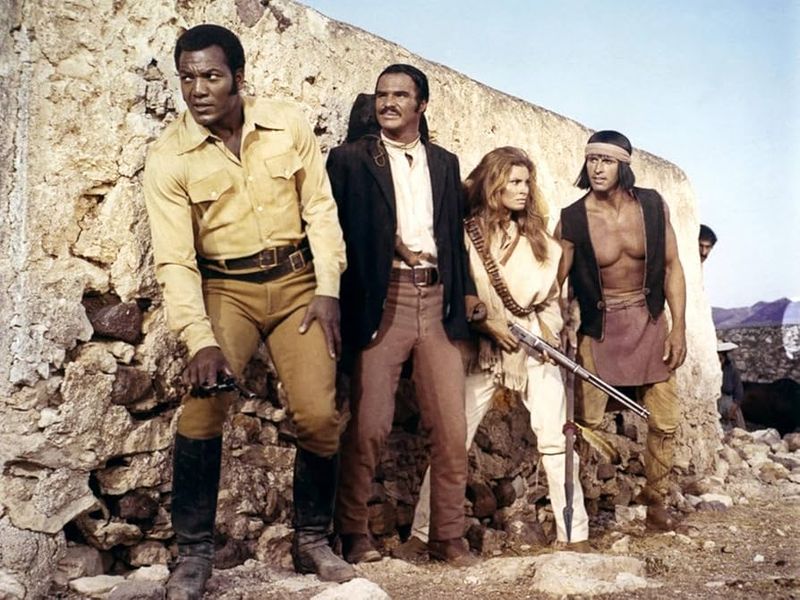
Jim Brown and Raquel Welch brought a pairing rarely seen in major Hollywood films. Their characters’ romance challenged racial boundaries, while the action followed a struggle involving Mexico’s oppressed Yaqui people.
Explosions and gun battles make the film a loud adventure, but its casting helped widen ideas about who could lead a Western. Some portrayals remain dated.
Watching with that balance in mind reveals both a bold step for representation and the limits of its studio storytelling.
12. Sam Whiskey: A Heist Runs in Reverse
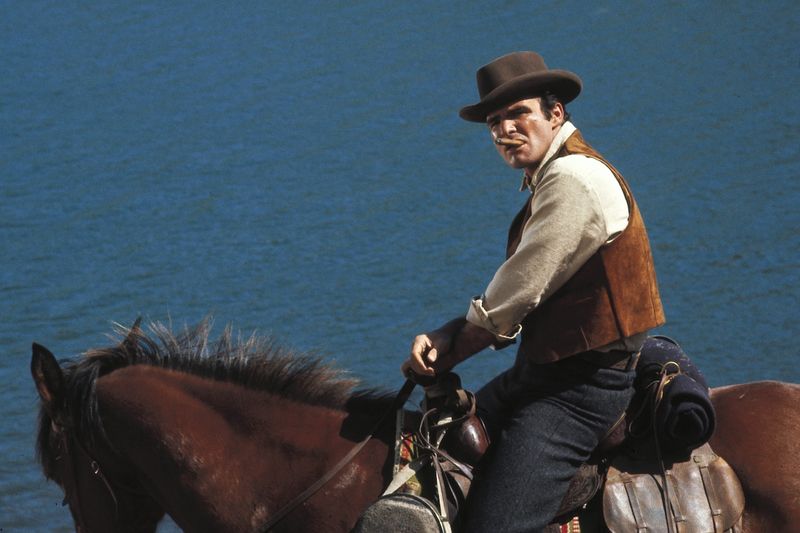
Most thieves want to carry gold out; this crew needs to sneak it back in. Burt Reynolds plays a charming risk taker hired to recover stolen bullion and quietly return it.
The odd job mixes a Western setting with the careful planning of a caper movie. Reynolds’ playful delivery hints at the screen personality that later made him famous.
Follow the teamwork and awkward obstacles rather than expecting solemn frontier justice. Here, timing matters nearly as much as marksmanship.
13. Heaven with a Gun: A Preacher Faces His Past
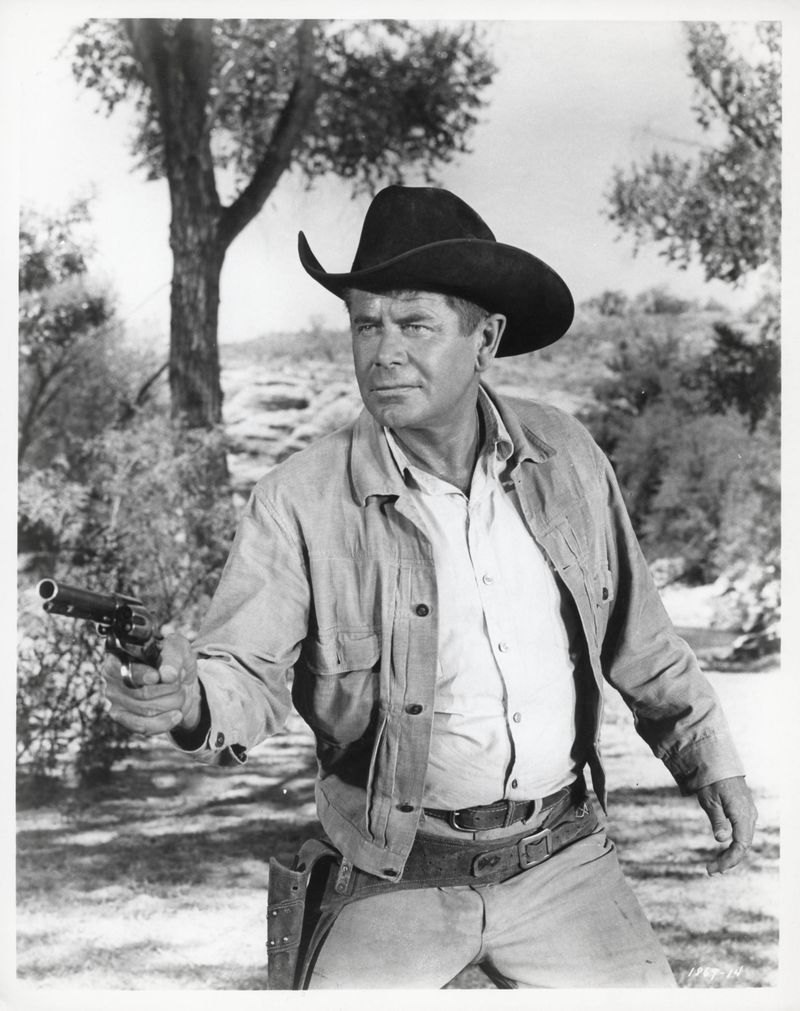
Putting down a gun is easy compared with keeping it down. Glenn Ford plays a former gunfighter turned preacher who tries to stop a bitter conflict between cattlemen and sheep ranchers.
His past makes peace harder to defend, especially when others expect violence to solve everything. The film offers a moral struggle within a familiar range war story.
Consider whether the town respects his message or merely fears his skill. That tension gives the peaceful goal real weight.
14. Young Billy Young: Finding Family on the Frontier
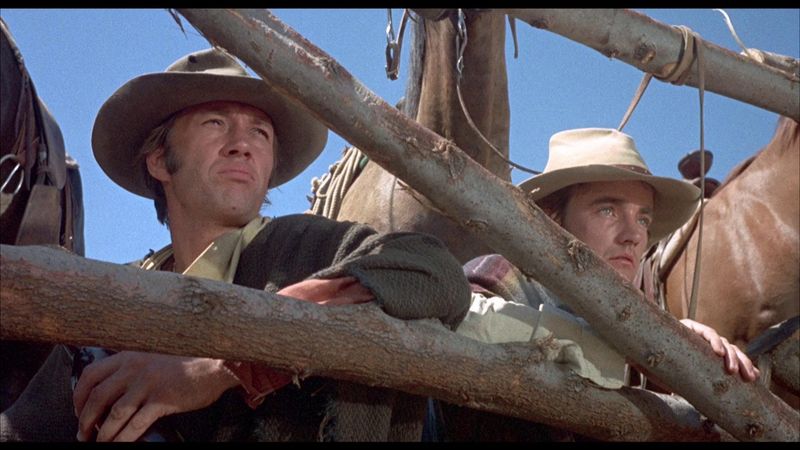
Behind the gun belts sits a story about wanting someone to trust. Robert Mitchum’s older lawman crosses paths with a young drifter, and their bond brings family wounds into the action.
Revenge and danger remain part of the plot, but the relationship adds a quieter pull. Mitchum even sings the title song.
This is a useful choice for viewers drawn to character stories: look for moments when advice, disappointment, and loyalty matter more than another exchange of shots.
15. The Undefeated: Former Enemies Share the Trail
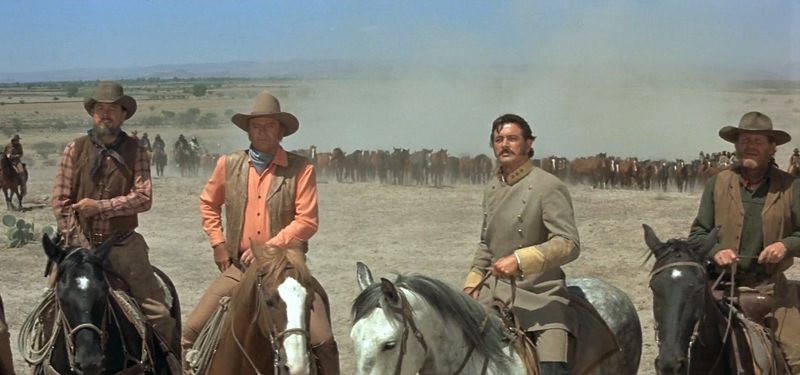
The Civil War has ended, but old divisions travel south with its survivors. John Wayne and Rock Hudson play former Union and Confederate officers whose paths cross amid unrest in Mexico.
The backdrop includes the French intervention, a conflict less familiar to many American viewers. Broad humor and adventure soften the tensions between the men.
While its history is simplified, the film offers a starting point for learning more and asks whether former enemies can build something together.
16. The Desperados: Family Loyalty Turns Dangerous
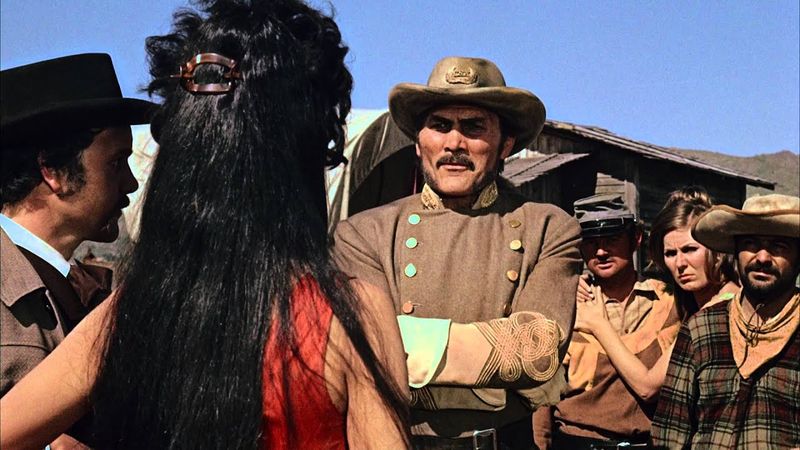
Blood ties become a trap when a ruthless father refuses to release his son. Jack Palance’s outlaw patriarch brings a threatening edge to a story about escaping a violent family legacy.
Vince Edwards plays the son seeking a different life after the Civil War. Less celebrated than the year’s biggest titles, the film still reflects the Western’s growing interest in damaged families and uncertain redemption.
Watch how loyalty changes meaning when protecting relatives means accepting their terrible choices.