
Hurtful behavior can hide behind jokes, concern, or big displays of love. Emotional abuse often involves a pattern of control that leaves you feeling afraid, confused, or less sure of yourself.
One disagreement does not define a relationship, but repeated harm deserves attention. Knowing the warning signs can help you protect your choices and find support.
1. Jokes That Leave You Feeling Small
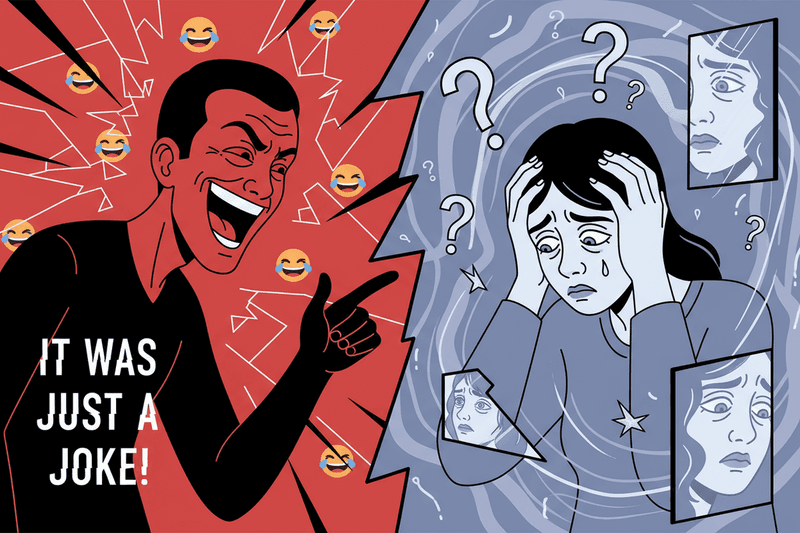
Everyone laughs except you, and somehow your hurt becomes the punchline. Repeated jokes about your looks, skills, or interests can wear down your confidence, especially when your partner refuses to stop.
Friendly teasing allows both people to feel safe and respected. Insults followed by claims that you are too sensitive do not.
Notice whether apologies lead to real change. If speaking up feels risky, talk privately with someone you trust before deciding what to do next.
2. Check-Ins That Become Constant Monitoring

A quick message can feel caring until every missed reply starts an argument. Demanding passwords, checking your phone, or tracking your location without freely given permission crosses a line.
You deserve privacy, even in a close relationship. The warning sign is not contact itself, but pressure and punishment when you want space.
If you suspect monitoring, seek help from a safer device. Changing settings suddenly could increase danger, so consider a safety plan with an advocate.
3. Jealousy Presented as Proof of Love
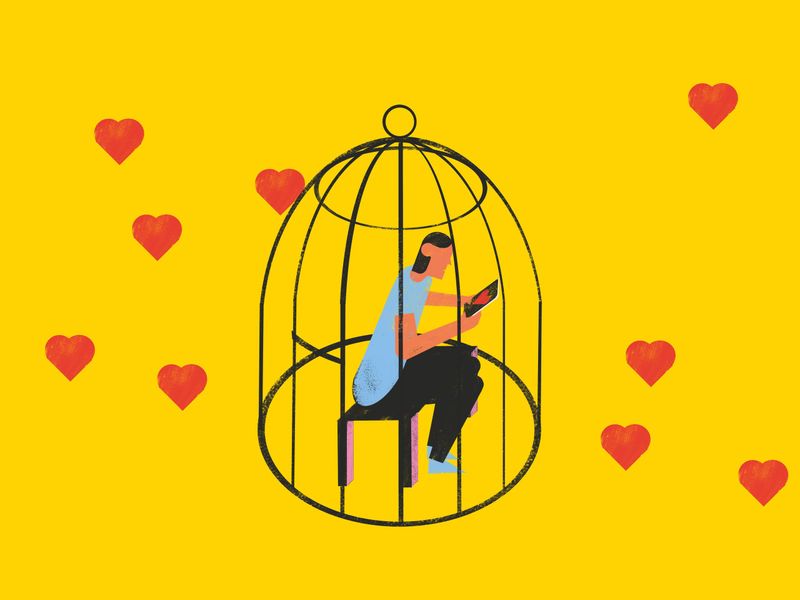
Being wanted should not mean being treated like a suspect. Repeated cheating accusations, anger about coworkers, or demands to avoid certain people can turn jealousy into control.
Feeling insecure sometimes is different from making you prove your loyalty every day. A respectful partner handles those feelings without taking away your freedom.
Pay attention when ordinary plans require permission. Keep trusted connections where possible, and seek outside support if reassurance never seems enough to prevent another accusation.
4. Loved Ones Slowly Getting Pushed Away
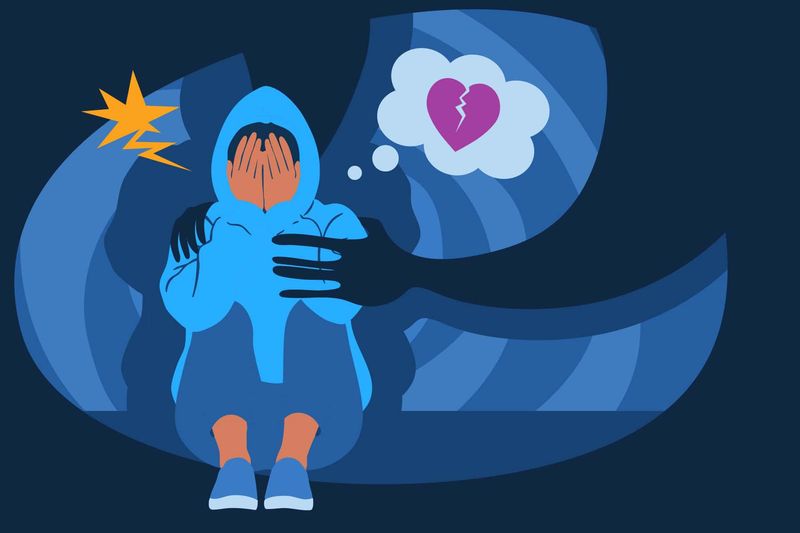
At first, skipping one family visit may seem easier than arguing. Over time, a partner may criticize your friends, interrupt calls, or create drama whenever you make plans without them.
Isolation can leave you with fewer people to ask for help. Separate alone time from rules that cut off your support.
If safe, maintain contact with someone reliable and arrange private check-ins. You do not need your partner’s approval to deserve friendship, family ties, or support.
5. Denials That Make You Doubt Your Memory

You remember the insult clearly, yet your partner insists it never happened. Repeatedly denying events or twisting facts to undermine your trust in yourself can be gaslighting.
Honest memory differences happen, but a pattern of making you feel foolish or unstable is concerning. If safe, record events somewhere your partner cannot access.
Talk with a trusted person who can help you stay grounded. You do not have to win every argument to take your experience seriously.
6. Their Outbursts Becoming Your Fault

Somehow, their shouting ends with you saying sorry. A partner may claim that your tone, clothes, or questions made them behave badly, shifting attention away from their choices.
Everyone can work on communication, but nobody causes another person to abuse them. Real accountability includes naming the harm without excuses and changing behavior over time.
Notice whether apologies always come with blame. Consider individual support from a counselor or abuse advocate rather than trying harder to prevent outbursts.
7. Silence Used to Make You Give In

A quiet room can feel louder than an argument when silence becomes punishment. Refusing to speak for long periods until you apologize or agree can pressure you into giving up your needs.
A healthy break includes a clear plan to return to the conversation. Punishing silence keeps you guessing and chasing approval.
Watch whether communication returns only after you surrender. You can respect someone’s need for space without accepting repeated withdrawal meant to control your choices.
8. Affection Made Conditional on Obedience
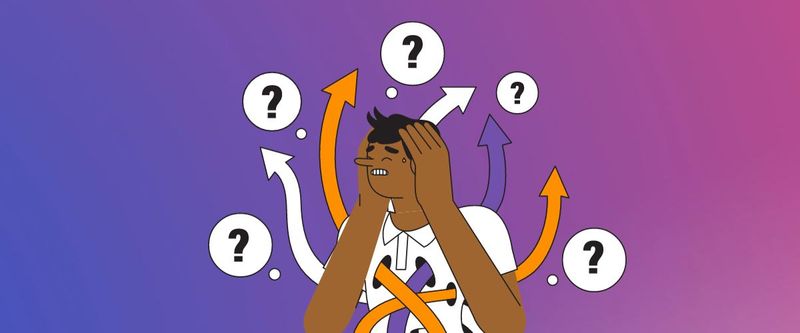
Warmth disappears whenever you say no, then returns once you cooperate. Withholding affection to punish boundaries can make love feel like something you must earn through obedience.
Nobody owes hugs, sex, or constant closeness. The concern is a repeated pattern of using connection as leverage, not simply needing space.
Ask yourself whether you can disagree without losing basic kindness. Support from someone outside the relationship may help you see the pattern and choose safer next steps.
9. Big Romantic Gestures That Rush Commitment
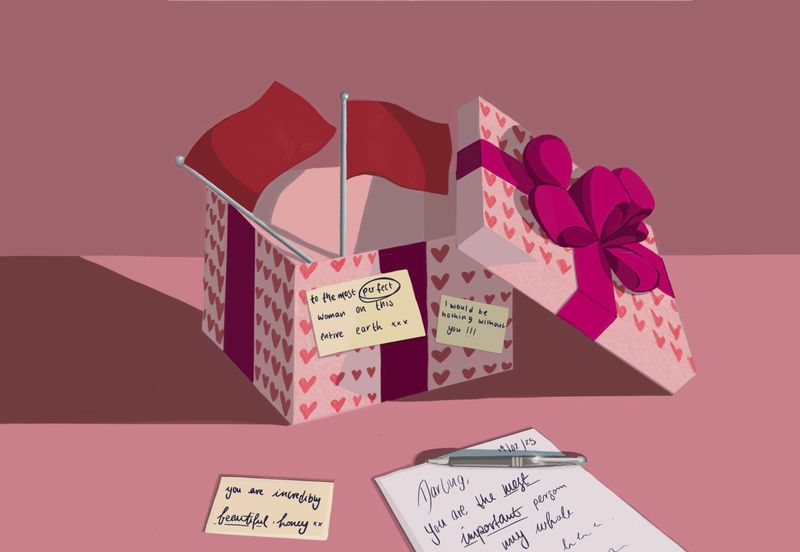
Flowers, praise, and nonstop messages can feel wonderful until they come with pressure. Intense attention becomes concerning when someone pushes quick commitment, ignores your pace, or expects constant access in return.
Excitement alone is not abuse. Look at how the person responds when you slow things down or decline a request.
Respect leaves room for choice. Keep your usual routines and friendships, and avoid major commitments under pressure.
Genuine care does not require you to surrender independence.
10. Money Rules That Remove Your Choices

Having to explain every small purchase can turn daily life into a test. Restricting access to money, hiding account details, or blocking your work can create dependence and limit your options.
Shared budgets are different when both people have information and a voice. Financial control leaves one person powerless or afraid.
If safe, learn what accounts and debts exist. An abuse advocate can help you explore practical options without assuming you can simply leave or save money.
11. Feelings Brushed Aside as Drama

Opening up should not leave you embarrassed for having feelings. Regularly calling you dramatic, weak, or unreasonable can teach you to hide pain instead of asking for care.
A partner does not have to agree with every view to listen respectfully. The warning sign is repeated dismissal that shuts down discussion and protects hurtful behavior.
Notice whether your concerns receive attention or ridicule. Share your experience with a supportive person who takes your feelings and safety seriously.
12. Threats That Keep You From Saying No

A threat can control you even when no one follows through. Threatening harm to you, pets, loved ones, or themselves to force agreement is serious, including during arguments about leaving.
You are not responsible for preventing harm by obeying. Take threats seriously and seek help from a local abuse service.
If danger is immediate, contact emergency services when safe. Threats of suicide deserve crisis support, not a promise that you will stay or handle everything alone.
13. Angry Displays That Keep You on Edge

Your body may tense at the sound of a key in the door. Explosive anger, smashed belongings, or sudden mood changes can create fear even without physical injury.
Watch for changing your behavior constantly to avoid setting your partner off. Stress does not excuse intimidation.
If possible, plan where you could go and whom you could contact during an unsafe moment. A domestic abuse advocate can help tailor that plan to your situation without pushing confrontation or departure.
14. Helplessness That Leaves Every Burden With You

The same task somehow goes wrong whenever your partner handles it. Repeatedly pretending to be unable, or doing things badly on purpose, can shift all responsibility onto you.
Skill gaps, illness, and disability are not abuse. Concern grows when avoidance joins entitlement, ridicule, or punishment for asking for help.
Look for willingness to learn and share work fairly. Rather than judging one mistake, consider the larger pattern and whether your needs are treated as equally important.
15. Apologies That Pull You Back Without Change
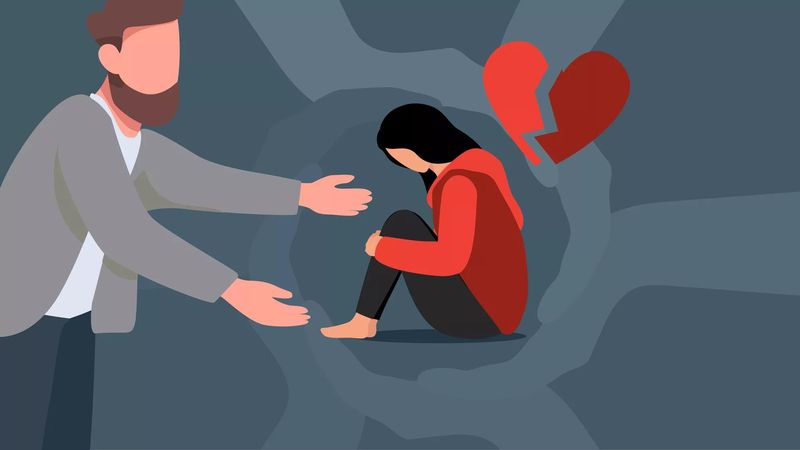
After hurtful behavior, a sudden flood of apologies may bring real hope. Gifts, promises, or messages through friends can also pressure you to return before anything has changed.
An apology matters less than steady actions and respect for your boundaries. You do not owe contact, forgiveness, or another chance.
If unwanted messages continue, seek advice about safer communication and documentation. In the United States, The Hotline offers confidential support at 800-799-SAFE; elsewhere, contact a local abuse service.