
Old hurt can follow people into adulthood, even when family life looks calm on the surface. Anger toward Mom and Dad may appear in everyday habits, tense talks, or feelings that are hard to explain.
The patterns below can point to unresolved pain, but none proves resentment on its own. Healing does not require forgiveness or renewed contact, especially when a relationship remains unsafe.
1. Old Hurts Keep Returning to the Conversation

A family dinner suddenly turns into another discussion about a promise broken years ago. When someone keeps returning to the same memory, they may still need their pain to be heard and understood.
Instead of demanding that they move on, ask what remains unresolved. An honest apology, clear answers, or changed behavior may matter more than time passing.
Repeated memories can reflect unfinished hurt, not a wish to punish parents forever or spoil every gathering.
2. Small Disagreements Pull in the Entire Past

An argument about arriving late becomes a fight about never feeling important as a child. The present problem may touch an older wound, making the reaction feel much bigger than the moment itself.
Try separating the two topics without dismissing either one. Address today’s concern first, then choose a calmer time for the deeper issue.
Naming the connection can help everyone understand why an ordinary disagreement carries such a heavy emotional load for them now.
3. Calls Feel Like Chores Rather Than Connection
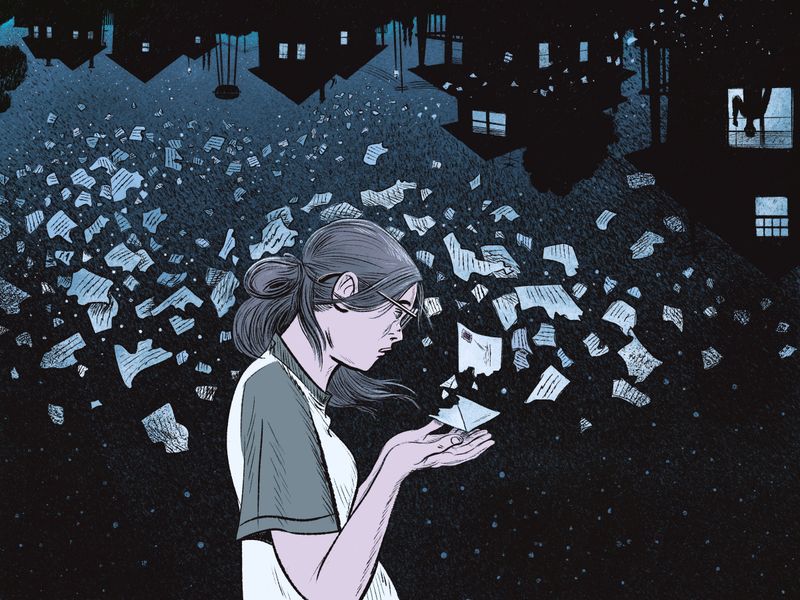
The phone rings, and their stomach drops before they even answer. Calls may bring expected criticism, pressure, or reminders of earlier conflict, so messages feel easier to manage.
Avoiding calls alone does not prove anger; busy schedules and personal preferences also matter. If contact feels draining, agree on a format and frequency that work for both sides.
Short, planned conversations can reduce pressure, while respecting someone’s choice not to talk protects their sense of control.
4. Important Life News Stays Outside the Family

A new job, a breakup, or a big move happens without Mom and Dad hearing much about it. Keeping news private may feel safer when past sharing led to judgment, control, or disappointment.
Adults are allowed to make decisions independently, so privacy is not automatically resentment. Notice whether secrecy comes with fear or bitterness.
Parents can rebuild trust by responding without taking over, while adult children can choose what feels comfortable to share right now.
5. Everyday Advice Sounds Like Another Criticism

Even a simple suggestion about money can land like an insult. Someone raised with frequent criticism may hear an old message underneath the advice: you cannot handle your own life.
That reaction deserves curiosity rather than another lecture. Parents can ask permission before offering suggestions and accept a refusal.
Adult children can explain which comments sting and request listening instead. Separating helpful intent from painful impact makes room for a more respectful exchange over time.
6. Being Around Parents Brings Back a Childlike Role

Back in the family home, a capable adult suddenly feels twelve again. They may become quiet, defensive, or eager to please when familiar rules and tones return.
Old family roles can linger, especially when parents still control money or dismiss adult choices. Pause before responding and remind yourself of your current rights and responsibilities.
Clear agreements about visits, finances, and privacy can help replace the childhood pattern with a relationship between adults on equal footing.
7. Their Parenting Becomes a Protest Against Childhood

Determined not to repeat childhood pain, a parent may build every rule around doing the opposite of Mom and Dad. That drive can protect children, yet constant comparisons may reveal anger still steering decisions.
Different parenting choices are not a problem by themselves. The useful question is whether each choice fits the child’s needs or mainly answers the past.
Seek reliable guidance, stay flexible, and let present values shape family life more than old battles.
8. Visits Leave Them Drained for Hours or Days

After a brief visit, they need the whole evening to recover. Feeling tense, replaying comments, or struggling to settle may suggest family contact touches hurt that has not healed.
Exhaustion can have many causes, so look for patterns rather than making assumptions. Note what happened before the mood changed.
Shorter visits, a planned exit, and quiet recovery time may help. If the strain keeps disrupting daily life, consider talking with a qualified counselor for support.
9. A Harsh Tone Arrives Before They Can Explain

Words come out sharp before the person has sorted through their feelings. A familiar remark may set off anger linked to years of feeling ignored, controlled, or misunderstood.
Past pain explains a reaction, but it does not excuse threats or insults. Take a break when voices rise, then return only when conversation feels safe.
Practicing a clear statement about the hurt can replace shouting with useful information and give both people a chance to respond.
10. Friendly Moments Stay Carefully Surface Level

Weather, traffic, and dinner plans are easy topics; anything personal gets a quick subject change. Polite conversation can hide a strong wish to avoid being hurt again.
Emotional distance may be a protective boundary, not coldness or a character flaw. If both people want more closeness, start with small, safe exchanges rather than demanding deep talks.
Trust grows through consistent respect, and sometimes keeping a relationship limited remains the healthiest choice for everyone involved today.
11. Family Comparisons Still Sting
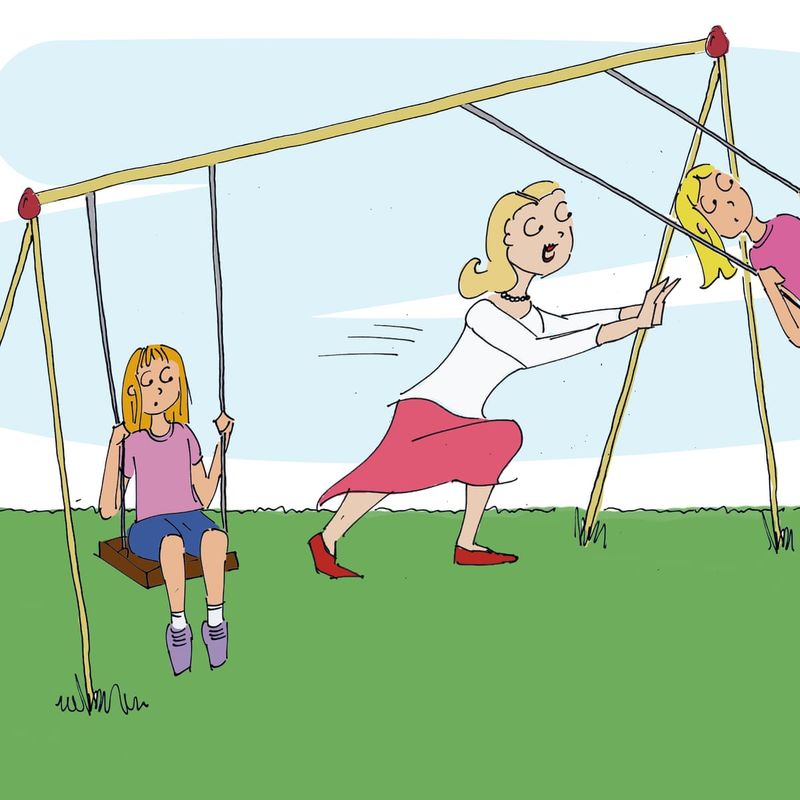
One compliment about a sibling can reopen years of feeling second best. When favoritism was real or strongly felt, adult children may keep watching for proof that the old ranking remains.
Do not brush off that hurt as simple jealousy. Discuss specific examples without turning the conversation into a contest over who suffered more.
Parents can stop comparisons and recognize each child’s needs. Adult children can build self worth beyond family approval through supportive relationships.
12. Kind Gestures Are Met With Suspicion

A gift arrives, but their first thought is what will be expected in return. Earlier experiences with guilt or strings attached can make even genuine kindness difficult to trust.
Suspicion is not proof that today’s gesture is harmful, yet reassurance alone may not settle it. Watch whether generosity comes with pressure afterward.
Parents can offer help without conditions, and adult children can ask direct questions before accepting. Predictable actions usually build trust better than grand promises.
13. Saying No Comes With Guilt or an Explosion

Agreeing to every request may look peaceful until resentment spills out all at once. Someone who learned that saying no caused trouble may struggle to express limits before reaching a breaking point.
Start with a small, clear boundary and avoid lengthy defenses. Explain what you can offer rather than promising more than you can manage.
Parents should respect the answer without punishment. Strong boundaries can reduce anger because they make relationships less confusing and demanding.
14. Childhood Criticism Has Become Their Inner Voice

Long after a parent’s comment ends, the same harsh message keeps playing inside. Thoughts about being lazy, selfish, or never good enough may carry both sadness and anger from earlier years.
These thoughts can have several causes, so avoid treating them as proof against one person. Write down the message and test it against real evidence.
A kinder, fairer response can weaken its hold. Therapy may help when self criticism feels constant or overwhelming daily.
15. Old Fears Follow Them Into Close Relationships

A caring partner asks what is wrong, and they expect blame instead of comfort. Hurt from family relationships can sometimes shape how people handle trust, closeness, and conflict elsewhere.
Relationship struggles do not automatically mean unresolved anger toward parents. Look for repeated expectations that resemble earlier experiences, then check whether they fit the present situation.
Sharing needs clearly and choosing respectful partners can help. A therapist can support this work without making parents the only explanation.
16. Thoughts of a Final Apology Keep Life on Hold

Peace feels impossible until Mom or Dad finally admits everything. Wanting accountability makes sense, but waiting for one perfect conversation can leave a person tied to someone else’s choices.
Healing can begin even when an apology never arrives. Grieve what was missing, seek support, and decide what contact feels safe now.
Releasing anger does not mean approving harm, forgetting events, or restoring the relationship. It can mean building a life that hurt no longer controls completely.