
Long before grocery stores, families cooked with whatever grew near their homes. The soil, rain, and weather in each place decided what ended up on the dinner table.
Over hundreds of years, those simple limits turned into famous dishes people still love today. Learning where these foods came from can make your next meal feel like a trip around the world.
1. Corn Tortillas in Mexico
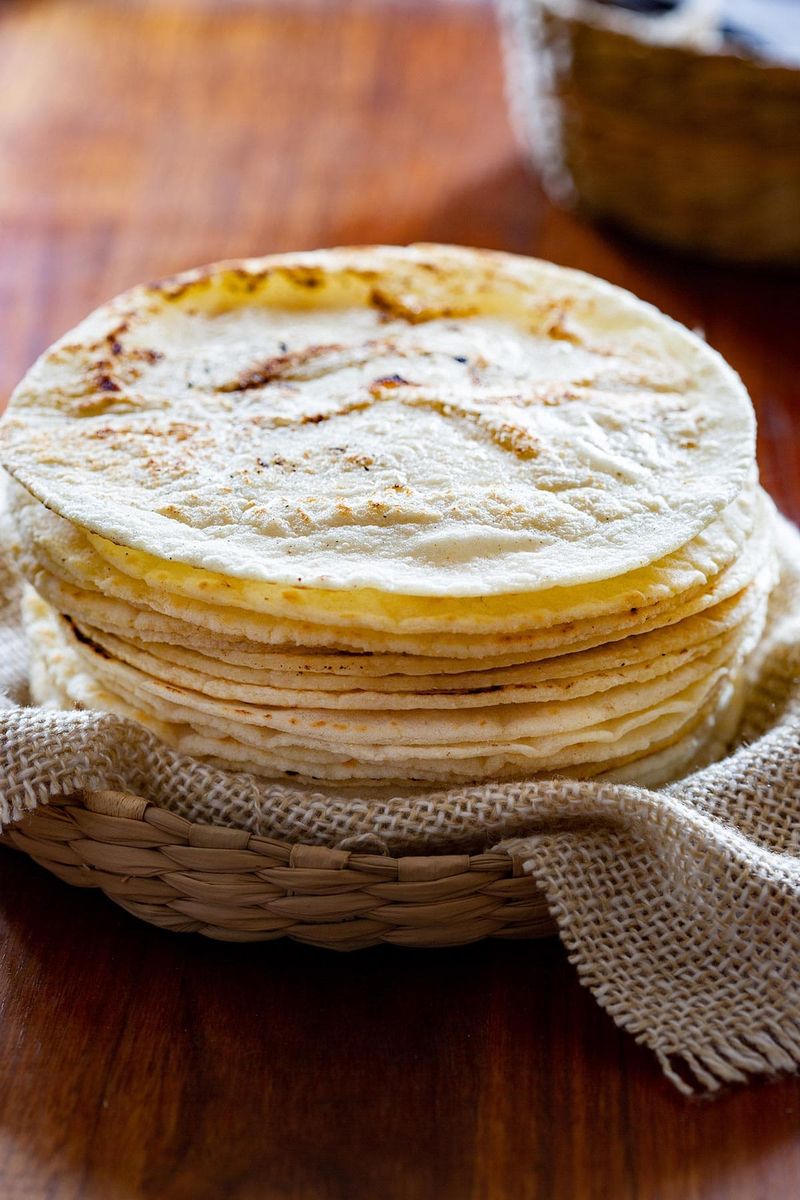
Picture a warm kitchen in Oaxaca where the slap of hands shaping dough fills the air. Corn grew easily in Mexico for thousands of years, so people built their meals around it.
Cooks soaked dried corn in limewater, a step called nixtamalization. It made the corn softer and more nutritious, too.
Want to try it at home? Buy masa harina, add water and salt, then cook small rounds in a hot dry pan.
2. Rice at Every Meal in Japan
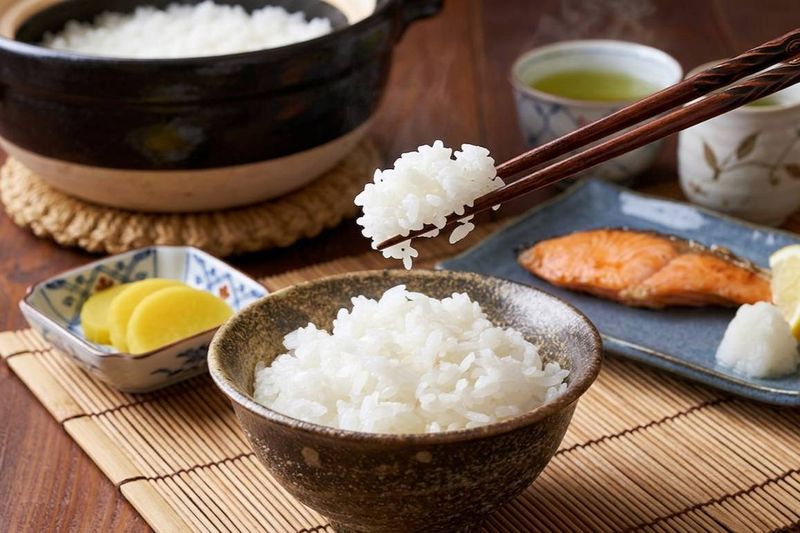
In Japanese, the word gohan means both cooked rice and a meal. That tells you how central rice is!
Japan has wet summers and lots of rivers, which are perfect for flooding paddy fields. Farmers grew short-grain rice that turns sticky and soft when cooked.
A classic meal pairs rice with soup and pickles. Rinse your rice a few times before cooking for that fluffy, clean flavor Japanese families love.
3. Potatoes Across the Andes
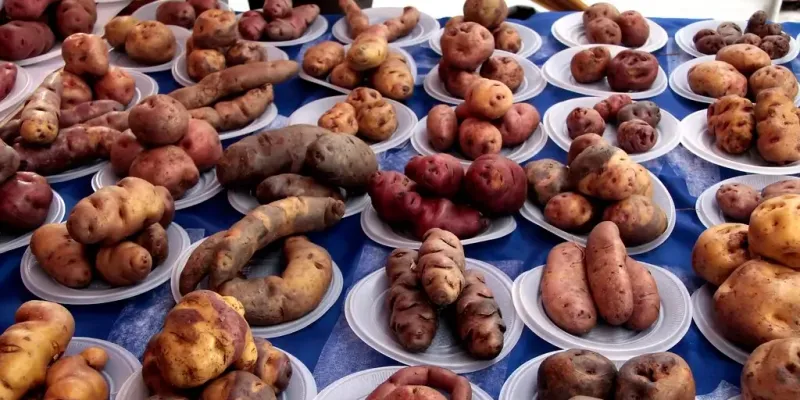
Peru grows over 3,000 kinds of potatoes. Yes, really.
High in the Andes, the air is cold and thin, and many crops struggle. Potatoes, though, thrived up there.
Farmers even invented chuño, freeze-dried potatoes made by leaving them out in icy nights and stomping out the water.
Chuño could last for years without spoiling. Next time you mash a potato, remember that mountain families turned it into a survival food.
4. Olive Oil in the Mediterranean
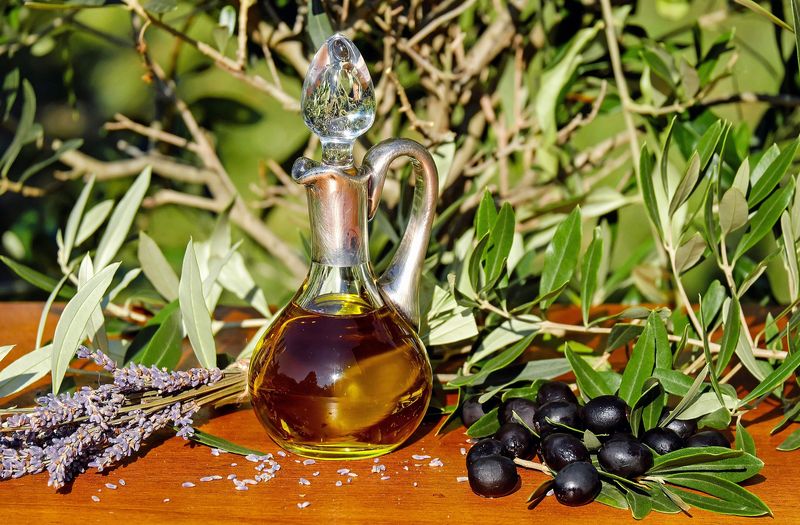
Some olive trees in Greece are over a thousand years old and still produce fruit. Talk about dedication!
Hot, dry summers and rocky hills made olives a natural fit around the Mediterranean Sea. Butter was rare, so olive oil became the main cooking fat.
People drizzle it on salads, fry fish in it, and dip bread in it. A good tip: store your bottle somewhere dark so the flavor stays fresh.
5. Rye Bread in Northern Europe
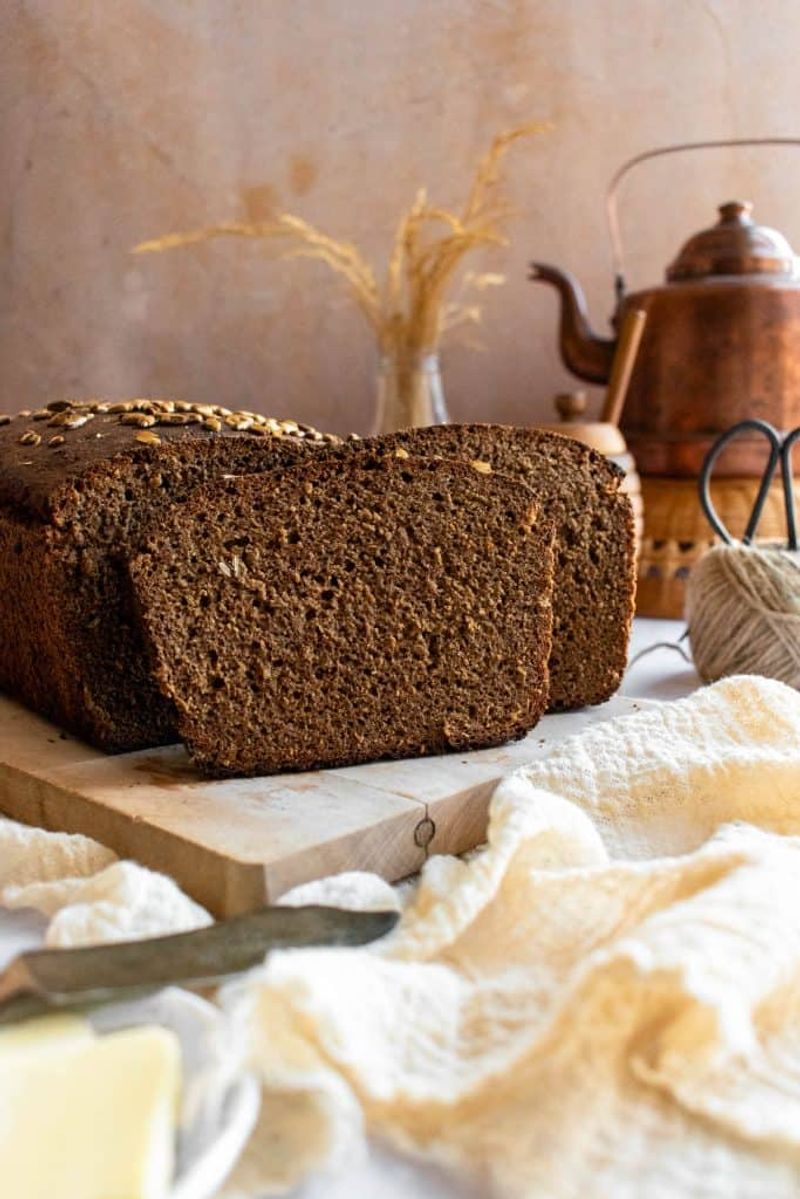
Wheat is a bit of a diva. It wants sunshine and mild weather.
Rye, on the other hand, shrugs off cold winters and poor soil. That is why Germany, Poland, Finland, and Scandinavia became famous for dark, dense rye bread.
These loaves are often sour and hearty, and they stay fresh for days. Try a thin slice topped with butter and cheese for a filling breakfast that northern families have enjoyed for centuries.
6. Injera From Ethiopian Teff
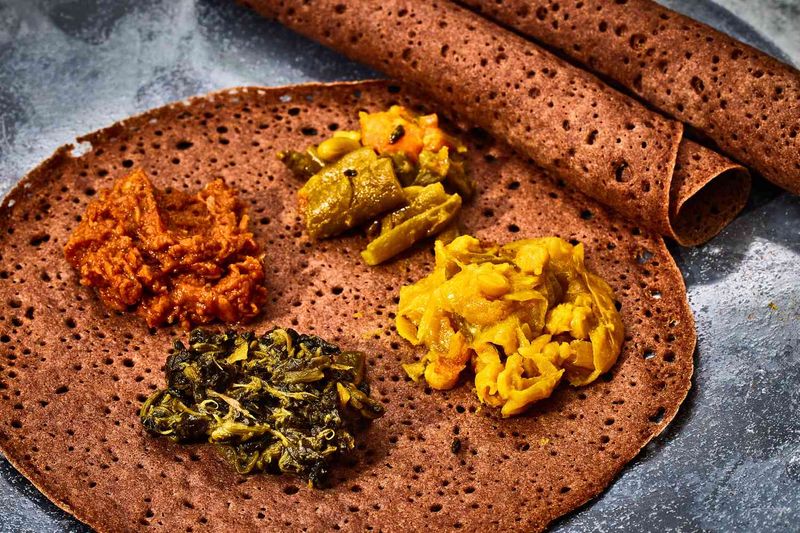
Imagine a pancake so big it acts as your plate and your spoon. Welcome to injera!
Ethiopian farmers grow teff, a tiny grain that handles both drought and soggy ground. The batter ferments for a few days, giving injera its tangy taste and bubbly surface.
Families tear off pieces to scoop up spicy stews. Teff is also gluten-free and packed with iron, so it is healthy as well as fun to eat.
7. Tomato Sauces in Southern Italy
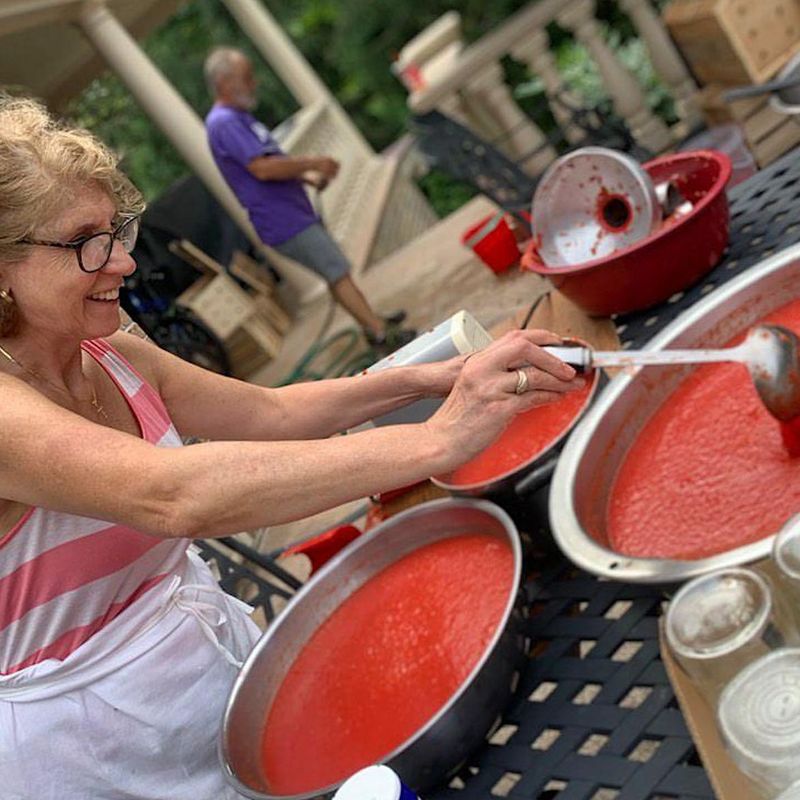
Here is a surprise: tomatoes are not originally Italian. They came from the Americas in the 1500s.
Once they reached sunny southern Italy, though, they grew like crazy in the volcanic soil near Naples. Families started canning huge batches of sauce every August so they could eat summer flavors all winter.
Many Italian families still hold sauce-making days together. Gather some friends, ripe tomatoes, and basil, and start a tradition of your own.
8. Kimchi and Korean Cabbage
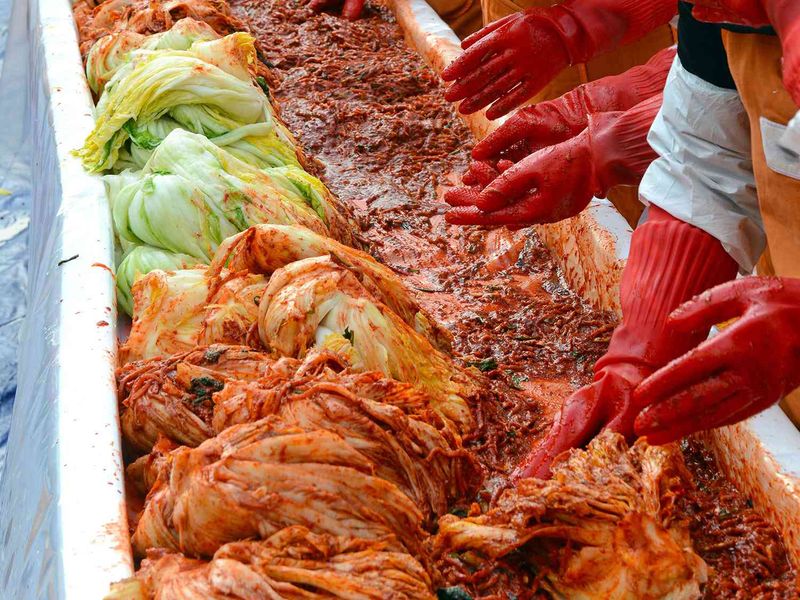
Every fall, Korean neighbors gather for kimjang, a big kimchi-making party.
Napa cabbage and radishes grew well in Korea’s cool autumns. Winters were long and harsh, so people salted and fermented the vegetables with garlic and chili to keep them through the cold months.
The result is spicy, sour, and crunchy. Kimchi is also full of good bacteria for your belly.
Add a spoonful to fried rice for an easy flavor boost.
9. Cassava Dishes in West Africa
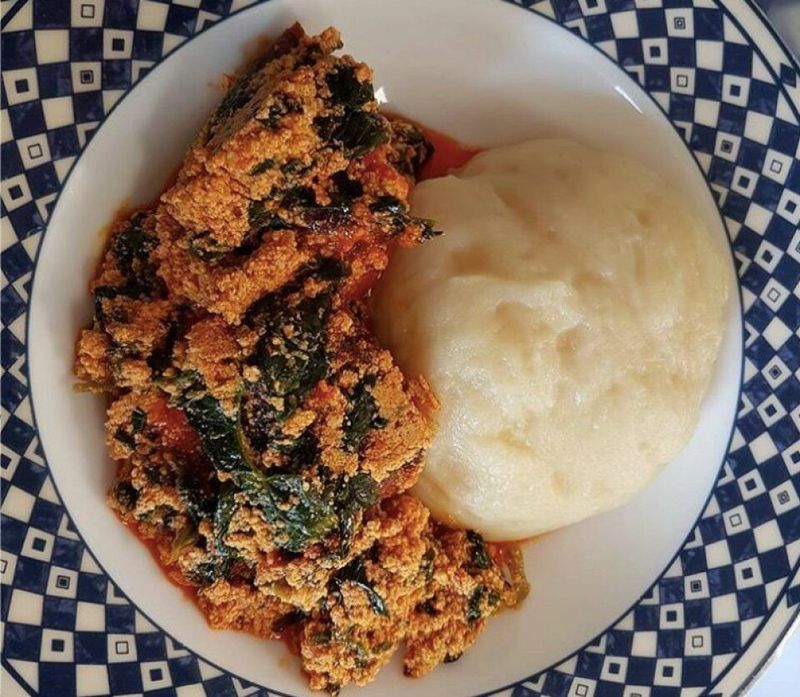
Few crops are as tough as cassava. It grows in poor soil, survives dry spells, and can stay in the ground for months until needed.
West African cooks turned this starchy root into fufu, a stretchy dough pounded in a wooden mortar. They also made gari, a crunchy toasted flour.
Fufu is eaten with soups like peanut or palm nut stew. You pinch off a bite with your fingers and dip it in!
10. Three Sisters of Native America
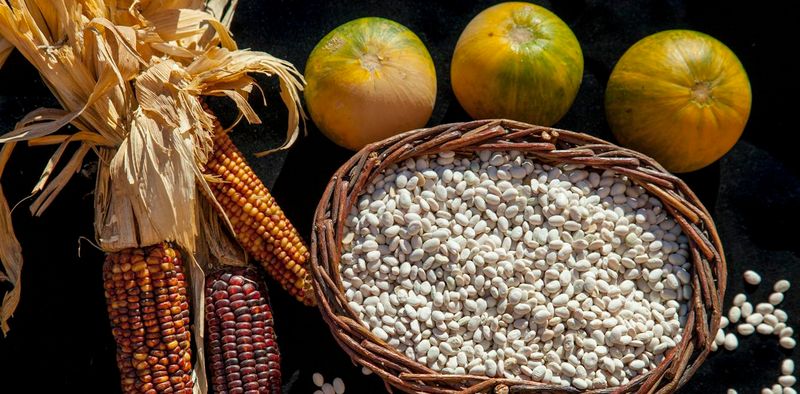
Long ago, many Native American nations planted corn, beans, and squash side by side. They called them the Three Sisters.
The corn gave beans a pole to climb. Beans fed the soil, and big squash leaves kept weeds away.
It was clever teamwork.
Meals often mixed all three into stews or succotash. If you have a backyard, try planting a small Three Sisters garden.
It is a fun science lesson you can eat.
11. Coconut Curries in South India
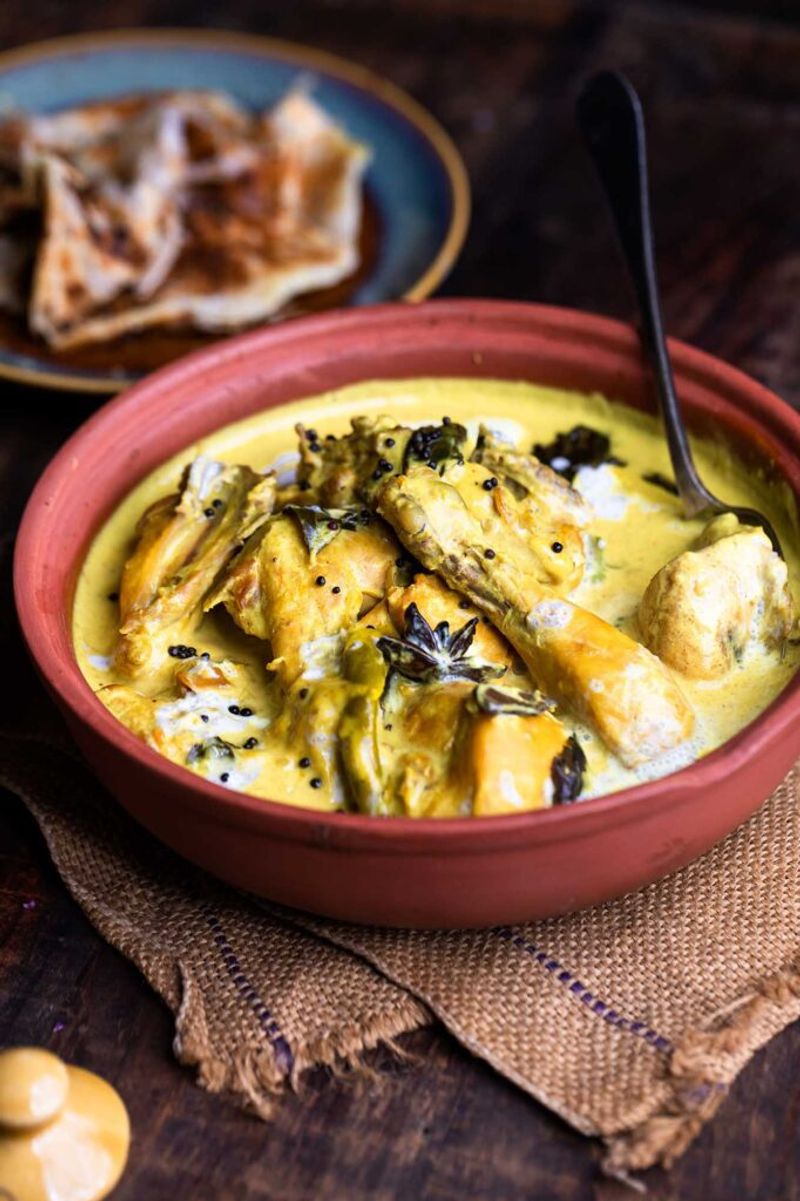
Walk through Kerala and you will see coconut palms everywhere. So it makes sense that coconut shows up in almost every dish.
Cooks grate fresh coconut, squeeze it for milk, and fry with its oil. Curries become creamy and mild, balancing hot spices like black pepper, which also grows locally.
Canned coconut milk makes this easy at home. Simmer it with veggies, curry leaves, and a pinch of turmeric for a cozy dinner.
12. Maple Syrup in Canada and New England
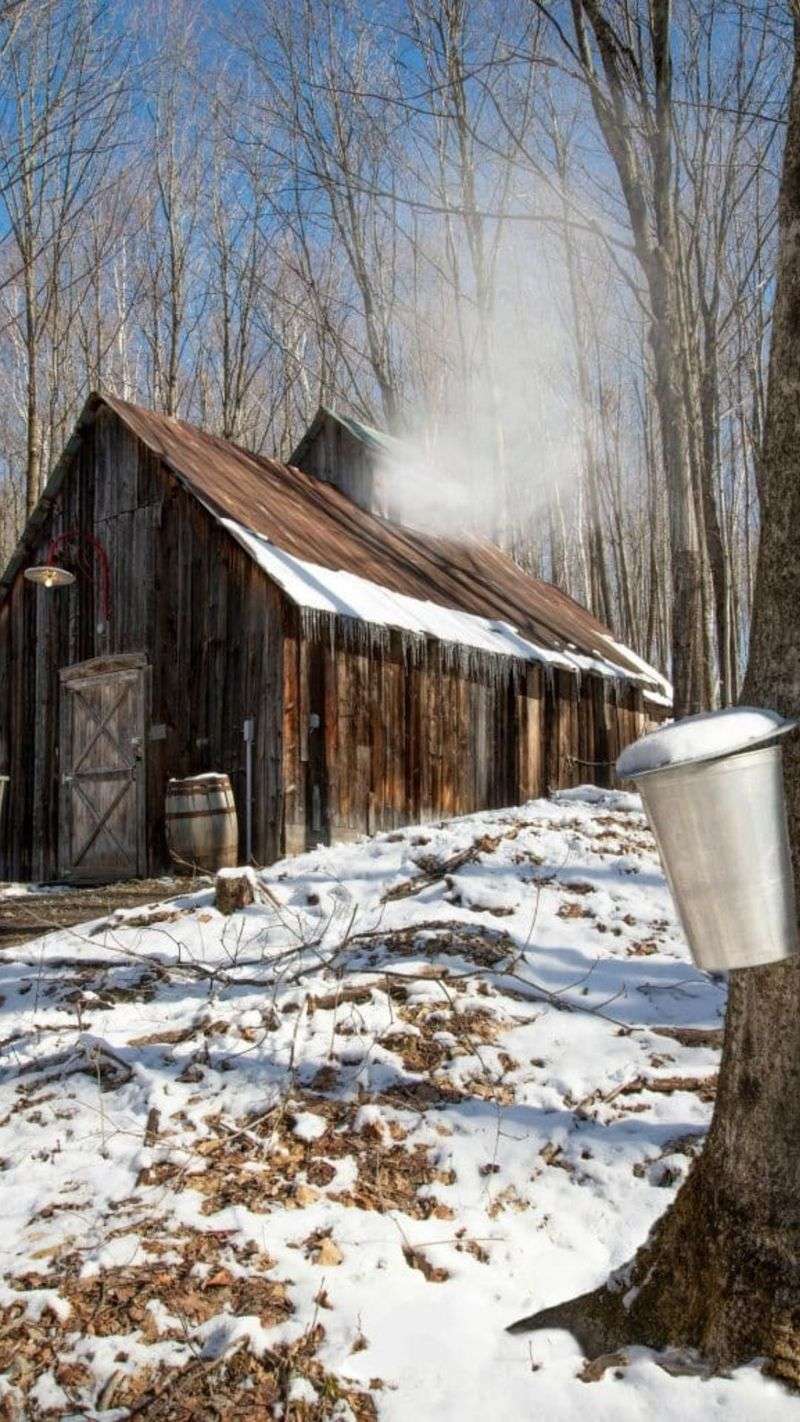
It takes about 40 gallons of tree sap to make one gallon of maple syrup. Wow, right?
Indigenous peoples in northeastern North America first discovered that sugar maples could be tapped each spring. Later settlers learned the skill, and sugar shacks became a beloved tradition.
Syrup sweetened food when cane sugar was hard to find. Today, families visit sugar shacks for pancakes and maple taffy rolled in fresh snow.
13. Taro and Poi in Hawaii
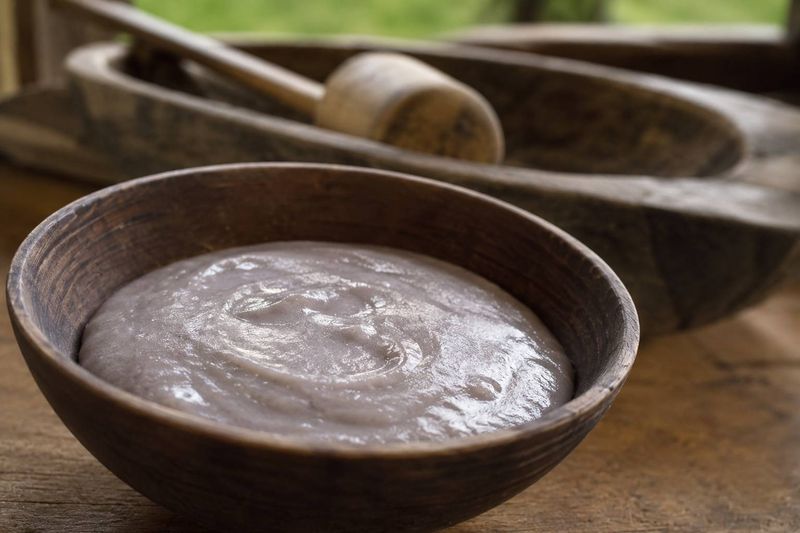
In Hawaiian stories, the taro plant is an older brother to the first people. That shows how deeply islanders respect it.
Taro loves wet ground, and Hawaii’s valleys had plenty of streams. Families cooked the root and pounded it into poi, a smooth purple paste.
Fresh poi tastes mild, while older poi turns pleasantly sour. It pairs well with salty fish.
Try taro chips for an easy first taste.
14. Chiles in New Mexico Cooking
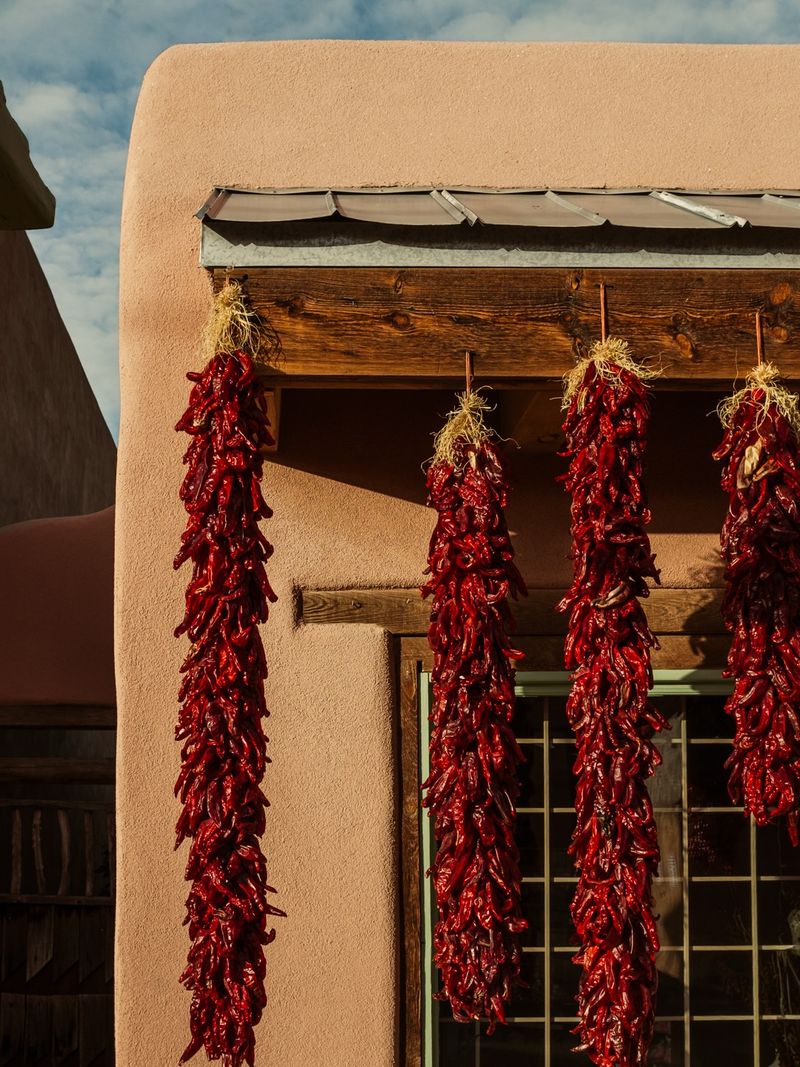
Red or green? In New Mexico, that is the official state question, and it is about chile sauce.
Hot days and cool nights in the Rio Grande valley grow chiles with amazing flavor. Each fall, roasters spin green chiles over flames, filling the air with a smoky smell.
Red chiles get dried on strings called ristras. Can’t decide?
Order your enchiladas Christmas style and get both sauces.
15. Dates in Middle Eastern Kitchens
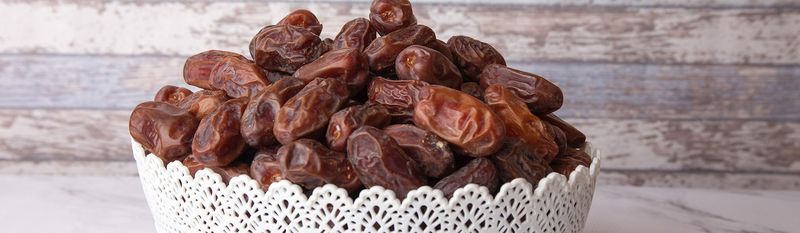
Deserts are not kind to most plants. Date palms, however, love the heat as long as their roots find underground water.
Across the Middle East and North Africa, dates became the go-to sweet. They were easy to dry, carry, and store, perfect for long trips.
Guests are often welcomed with dates and coffee. Many families also break their Ramadan fast with one.
Stuff a date with peanut butter for a quick snack.
16. Soybeans and Tofu in China
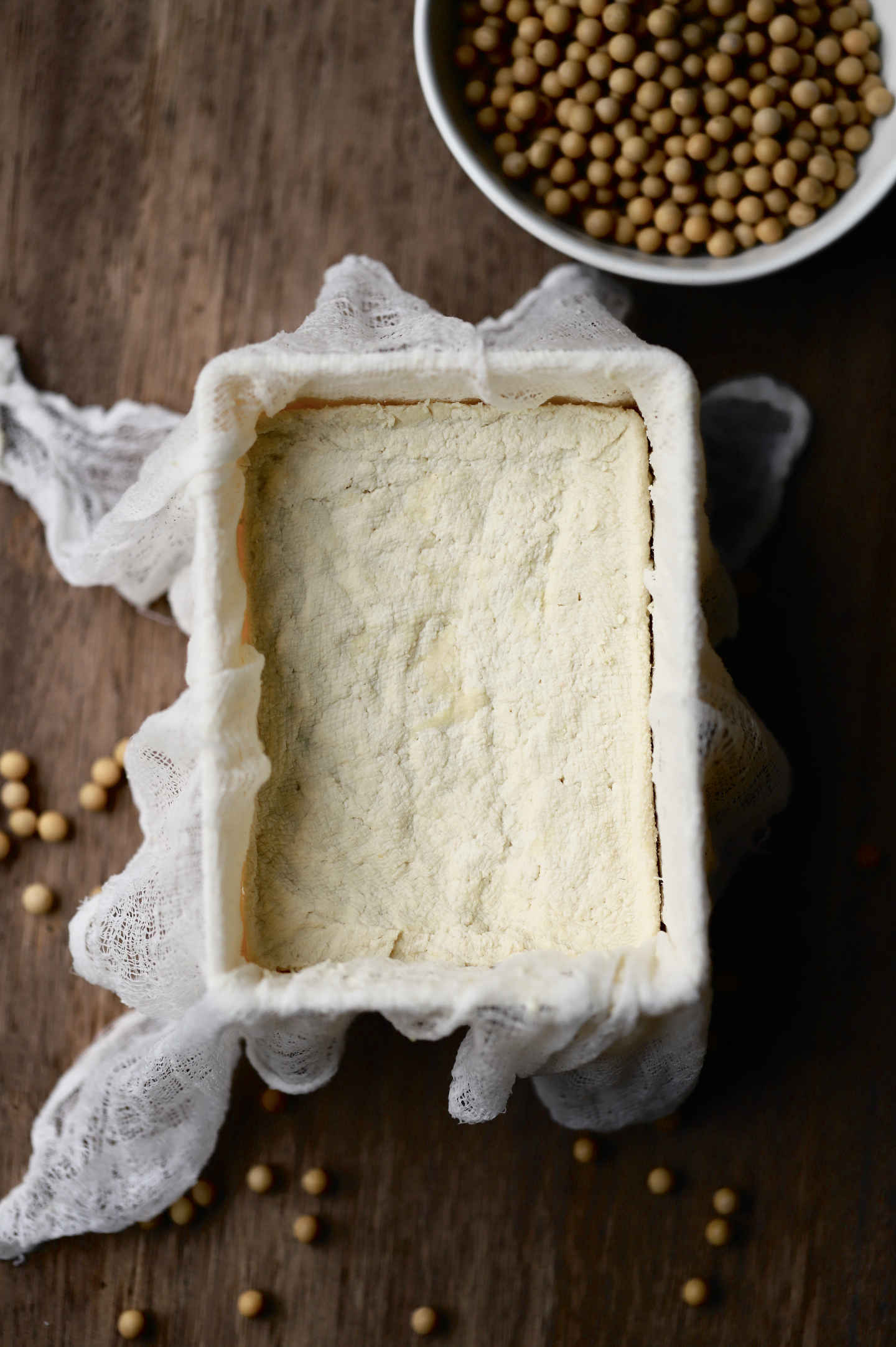
Legend says a Chinese prince invented tofu over 2,000 years ago, possibly by accident.
Soybeans grew well in northern China and were cheaper than meat. Cooks soaked, ground, and boiled them, then added a mineral to turn the soy milk into soft curds.
Tofu soaks up any flavor you give it. For crispy results, press out extra water, cut it into cubes, and pan-fry until golden.
17. Plantains in the Caribbean
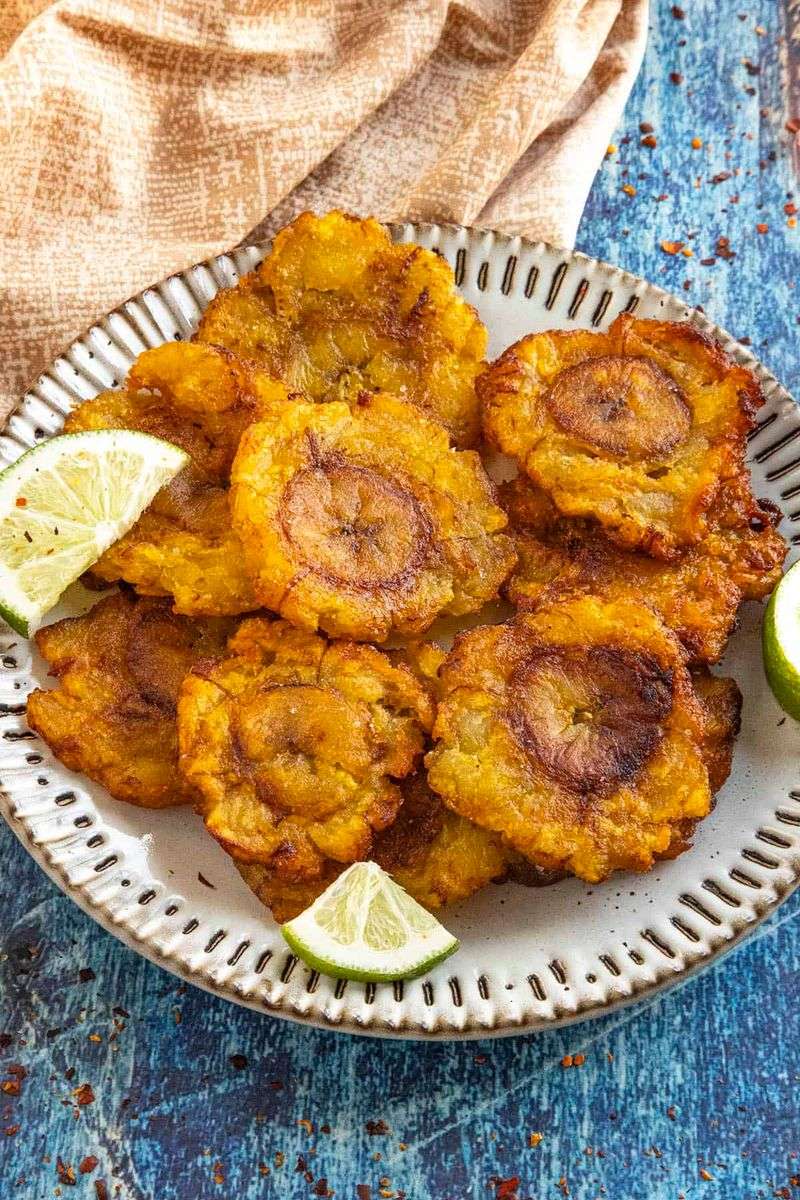
Plantains look like bananas wearing a costume. Don’t peel one and eat it raw, though, because they need cooking!
Warm, rainy Caribbean islands are ideal for plantain trees. Green ones become salty tostones, smashed and fried twice.
Ripe, blackened ones turn into sweet, caramel-like maduros.
Puerto Rico even has mofongo, mashed plantains with garlic. Here is a tip: the darker the peel, the sweeter the plantain inside.