
Watching a horror movie can turn anyone into a couch coach, shouting advice at people who never listen. One strange noise or unlocked door is often all it takes for a bad choice to become a nightmare.
These familiar mistakes build suspense, but they also show why clear thinking matters when trouble starts. See how many make you want to yell at the screen.
1. Splitting Up to Cover More Ground
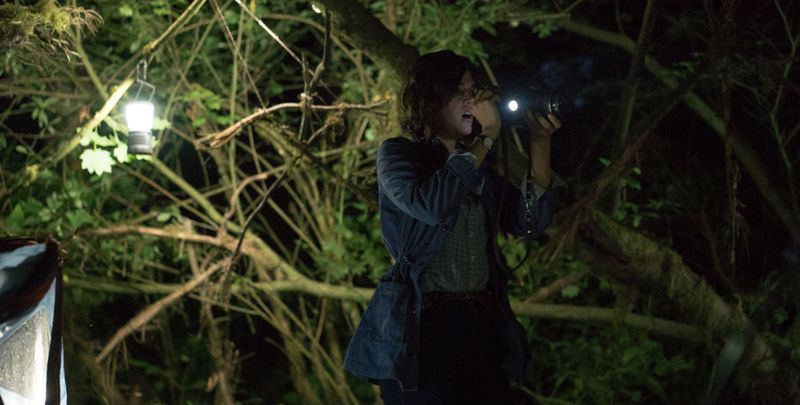
Apparently, teamwork stops being popular the moment a monster shows up. Someone suggests searching separately, and suddenly every friend is wandering through danger without backup.
For the villain, that is less a challenge than a handy delivery service.
Staying together means more eyes, shared supplies, and someone nearby to call for help. A group still needs a plan, though.
Agree on a destination and avoid scattering just because one person hears something strange nearby outside.
2. Following Strange Noises Alone
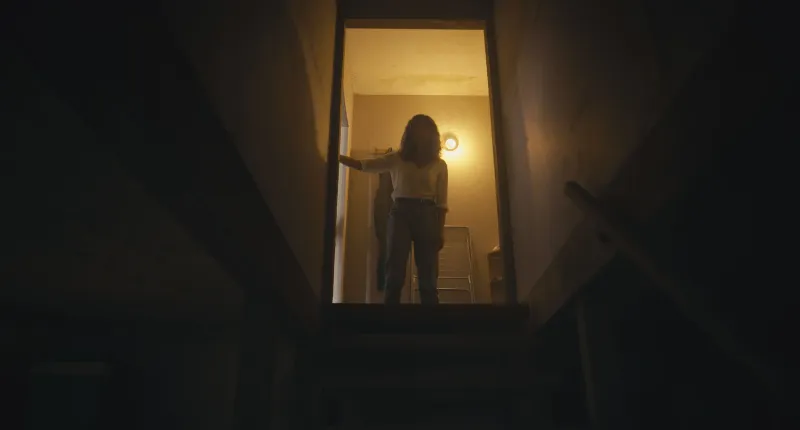
A crash downstairs does not come with a personal invitation. Yet curious characters grab a weak flashlight and head straight toward whatever made it.
Calling into the darkness rarely improves the situation, especially when nobody knows where they went.
Curiosity helps explain this choice, but it does not make it sensible. When something seems wrong, keep your distance, alert others, and seek help.
You do not need to solve every mystery with your own feet.
3. Heading Into the Creepy Basement
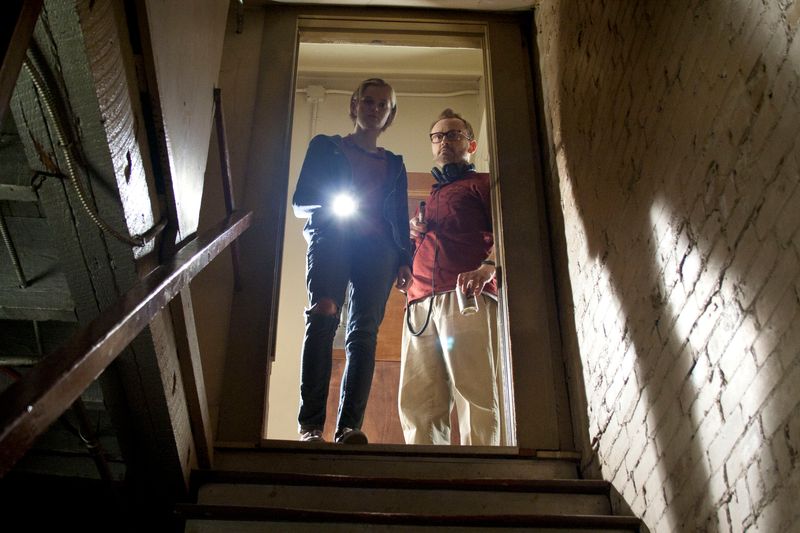
Those stairs practically announce that nothing cheerful waits below. Basements, attics, and empty buildings often hide poor lighting, weak floors, and very few ways out.
Horror characters enter anyway, usually right before the door shuts behind them.
The setting works because tight spaces make viewers feel trapped too. A smarter move is checking access, lighting, and exits before entering unfamiliar areas.
Better yet, avoid exploring an unsafe building simply because its mysterious doorway looks interesting.
4. Brushing Off Every Warning
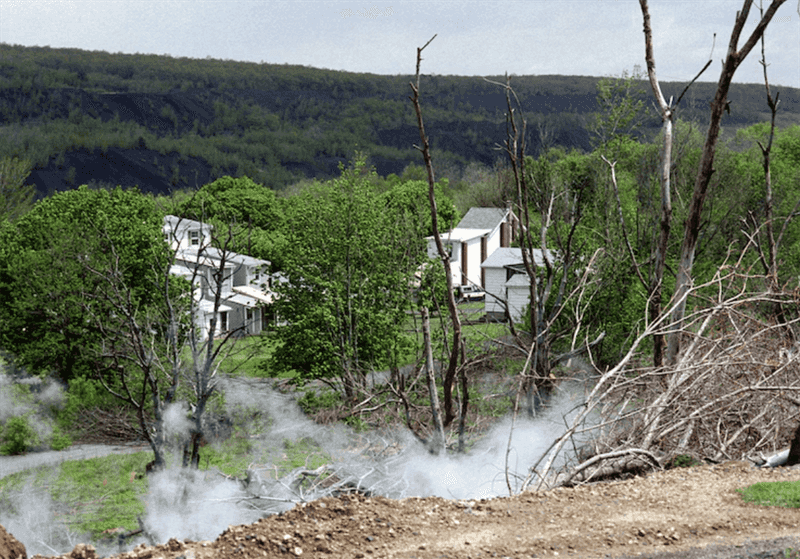
The worried local has one request: stay away from that place. Naturally, the visitors laugh and head there before sunset.
Whether the warning comes from a person, a sign, or an old journal, ignoring it keeps the plot moving.
Not every scary story deserves belief, but clear hazards deserve attention. Ask questions and check what can be verified.
A damaged bridge or repeated reports of trouble matter more than proving you are fearless to strangers.
5. Getting Distracted by Romance
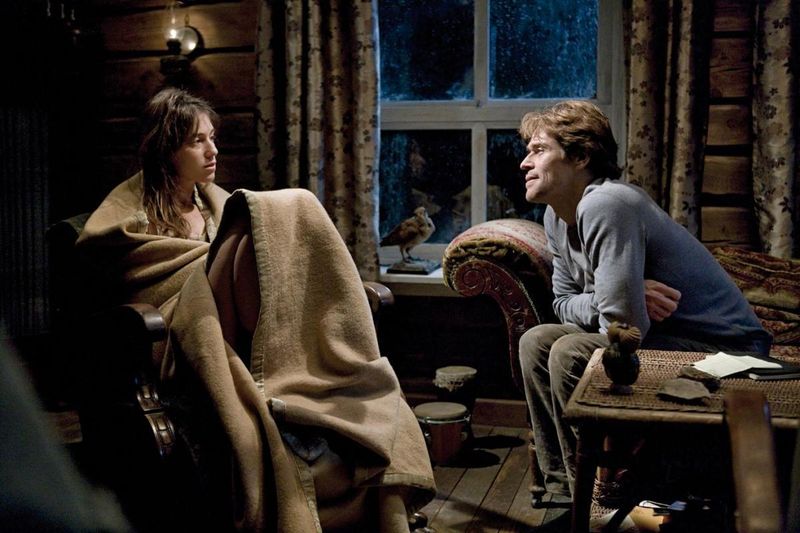
Romance has terrible timing in plenty of slasher movies. A couple slips away while everyone else worries about missing friends, leaving them distracted and isolated.
Older slashers often link sexual activity with punishment, though that is a storytelling pattern, not a rule about morality.
The real mistake is ignoring an active threat, not showing affection. When danger appears, attention belongs on communication and escape.
A private moment can wait until everyone is somewhere genuinely secure.
6. Promising to Be Right Back
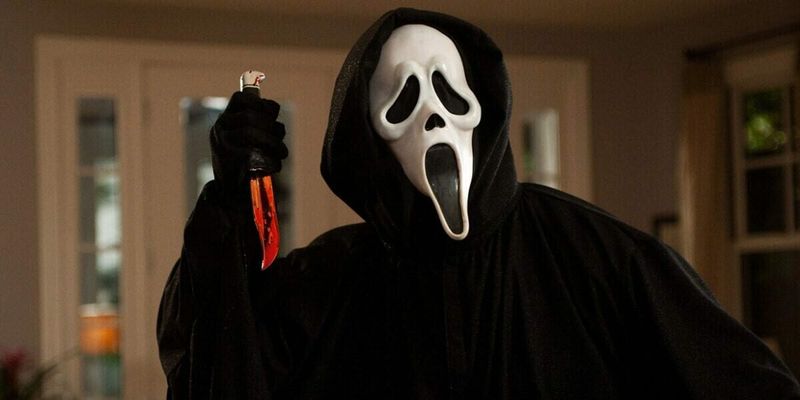
Four little words can make a horror audience groan: I’ll be right back. The promise sounds casual, but it often signals that someone is about to leave the group and meet trouble.
Scream famously jokes about this familiar horror rule.
Of course, the phrase itself causes nothing. The risky part is leaving without a plan or telling anyone useful details.
Explain where you are going, avoid unnecessary trips, and take company when circumstances feel threatening.
7. Assuming the Killer Is Finished
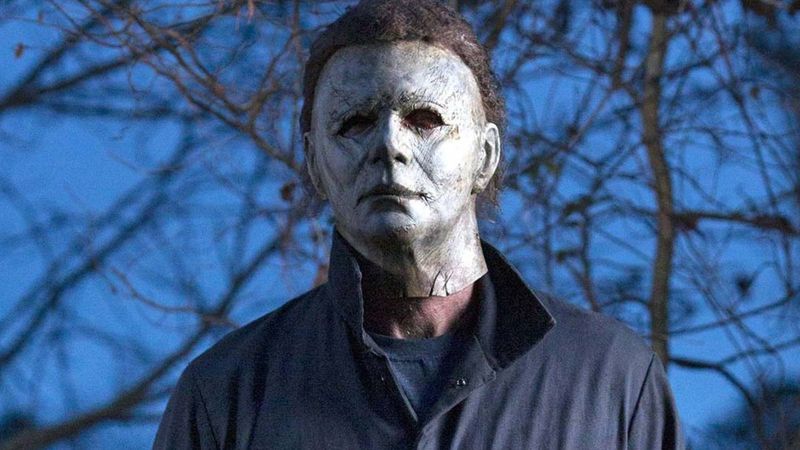
Relief arrives early when the attacker finally falls. Instead of escaping, characters drop their guard, turn away, or move closer for a look.
That pause gives the movie its favorite surprise: the villain gets up again.
A motionless threat is not proof that danger has ended. The sensible response is creating distance, reaching safety, and calling emergency services.
Leave any close inspection to trained responders rather than risking another attack for a dramatic final check.
8. Crawling After a Fall
One root turns a fast escape into a slow crawl. Falling is believable, especially in darkness or panic, but movies sometimes keep an otherwise unhurt character on the ground far too long.
Every dragged foot gives the pursuer another advantage.
Fear and injuries can make standing difficult, so blaming every stumble is unfair. Still, when physically able, getting upright helps restore speed and balance.
Supportive shoes and watching the path beat staring at the threat.
9. Stopping to Look Behind
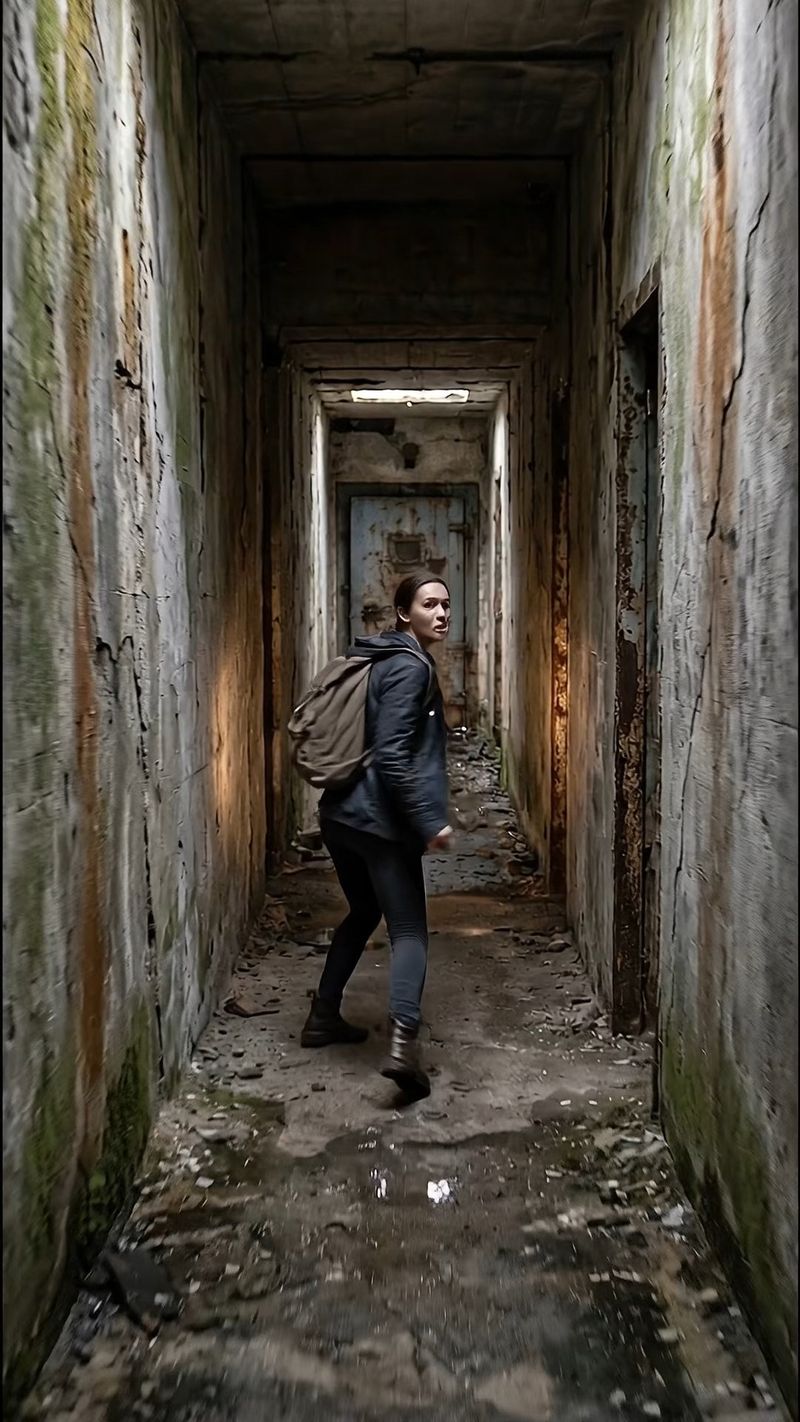
Safety is almost within reach, so why stop now? A nervous runner turns around to check the distance, losing precious seconds and missing obstacles ahead.
Sometimes the killer seems to gain half a street during that single worried glance.
The urge makes sense because people want to know where danger is. During an escape, however, forward awareness matters most.
Keep moving toward a safer, populated place rather than stopping to study whoever is following you.
10. Going Back for Pets or Possessions
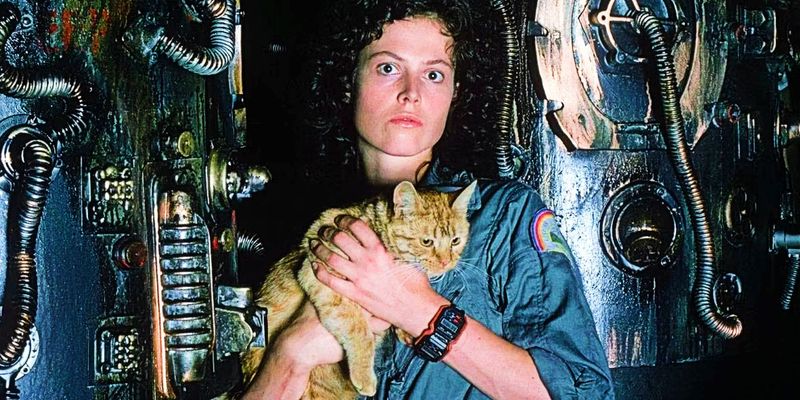
A beloved pet makes this mistake harder to judge than a forgotten phone. Characters often rush back into danger because leaving something behind feels unbearable.
Movies use that attachment to turn a possible escape into another desperate rescue scene.
Animals matter, but an unplanned return can create more victims. Tell emergency responders where a trapped pet was last seen.
Keep carriers accessible when possible, and never treat a replaceable object as worth risking a life.
11. Choosing the House With a Terrible History

The rent is cheap, the rooms are huge, and every neighbor looks worried. Horror families often notice only the bargain when choosing a home with a disturbing past.
Soon the strange sounds begin, followed by excuses about old pipes.
Ghost stories are not reliable evidence of danger, but neglected wiring, unsafe locks, and hidden damage certainly are. Research a property, arrange inspections, and ask direct questions.
A good deal should survive a little careful checking.
12. Treating the Threat Like a Joke
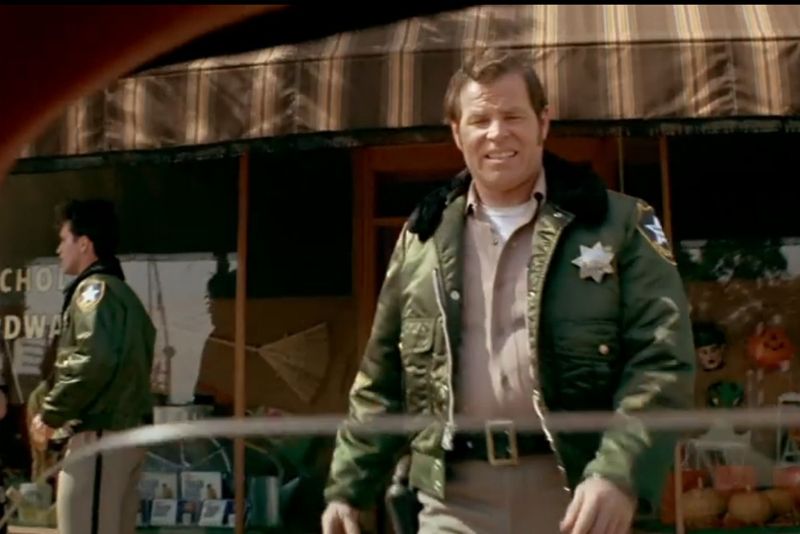
Meet the joker who thinks everyone else is being dramatic. Missing people, strange tracks, and broken doors become material for another laugh.
Humor can ease fear, but refusing to take evidence seriously leaves the whole group unprepared.
Skepticism is useful when it leads to questions rather than automatic dismissal. You can doubt a monster story while still responding to a missing friend.
Watch what is happening, share concerns, and change your plan when facts change.
13. Trying to Talk the Killer Around
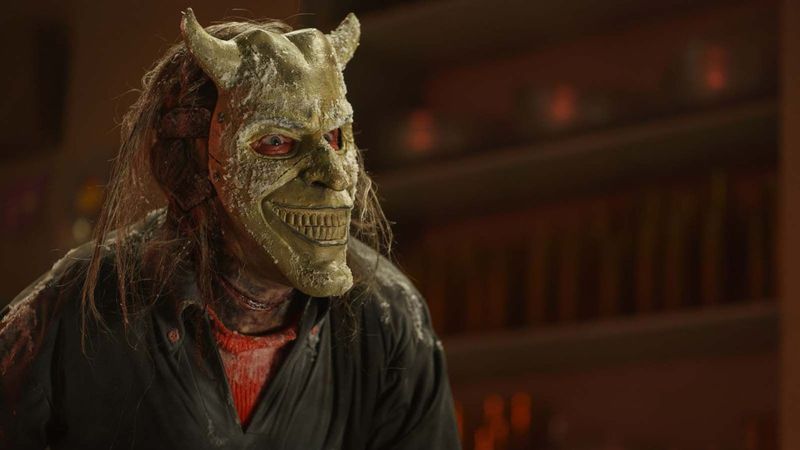
A heartfelt speech rarely changes the mind of a movie monster. Some characters explain, bargain, or plead while a clearly violent attacker keeps approaching.
The scene hurts because their hope feels human, even when the audience expects disaster.
Talking may help in some real situations, but there is no guaranteed script for stopping violence. Avoid moving closer or surrendering an escape opportunity.
Prioritize distance, available exits, and professional help instead of expecting sympathy to work.
14. Leaving a Hiding Place Too Soon
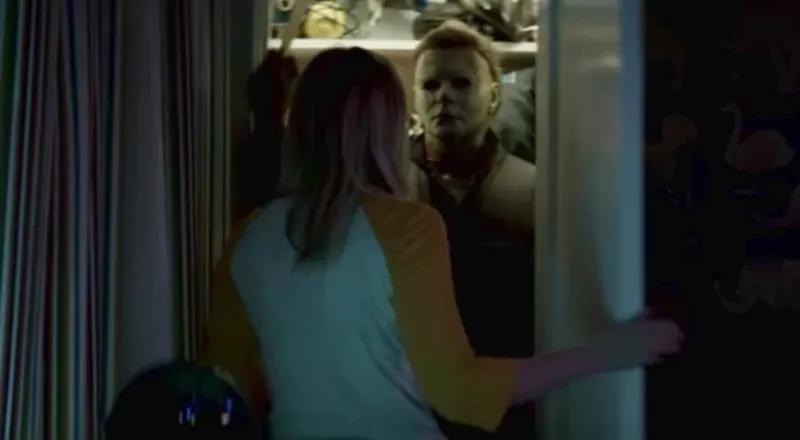
Silence can feel like permission to come out. After a few quiet seconds, a hidden character opens the door, steps into the hallway, and discovers the threat never left.
The audience usually spots the trap before the character does.
Waiting is uncomfortable, especially without knowing what is happening outside. Still, quiet alone does not confirm safety.
If sheltering from danger, follow emergency guidance and seek reliable information. Leave when there is a safer escape opportunity.
15. Forgetting to Check the Exits
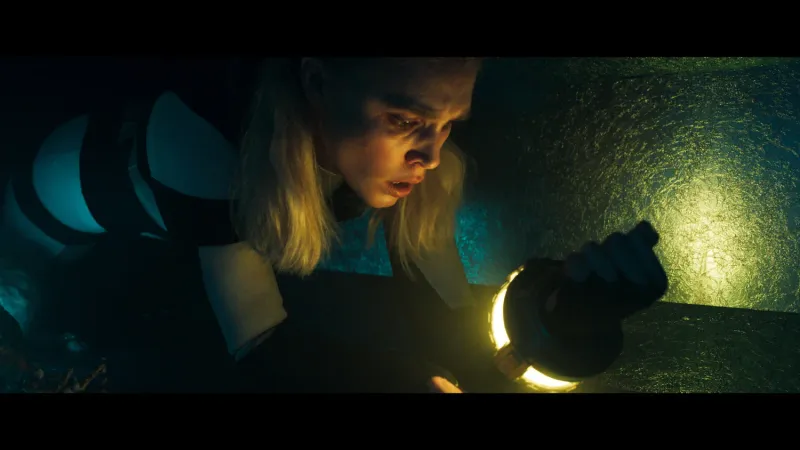
That tiny storage room looks useful until its only door gets blocked. Characters run into closets, sheds, or dead ends without checking how they will leave.
A space that hides them briefly can become a trap seconds later.
Before settling anywhere unfamiliar, notice doors, windows, and clear paths out. Do not assume every exit opens or leads somewhere safe.
Horror writers love removing options, but a quick look around can reveal problems before escape becomes urgent.