
A 1970s dinner table could hold a homemade meatloaf, a bubbling casserole, or a bright gelatin mold. Families relied on affordable ingredients and handy shortcuts, but they also enjoyed trying dishes that felt fancy.
These meals show how people cooked for busy weeknights, potlucks, and parties. Some may look familiar, while others might surprise you.
1. Meatloaf
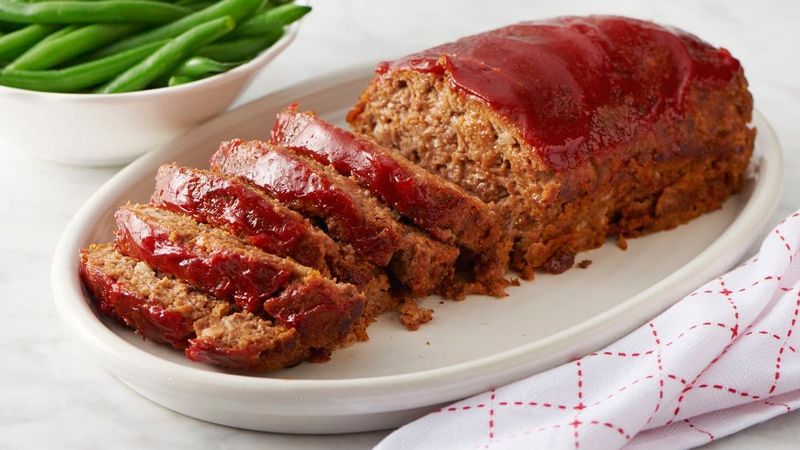
The smell of meatloaf in the oven meant dinner was nearly ready. Home cooks mixed ground beef with breadcrumbs or oats, eggs, and seasonings.
Those fillers helped stretch the meat while keeping each slice tender.
A ketchup glaze added a sweet, tangy finish. Serve meatloaf with mashed potatoes and green beans for a familiar plate.
Leftover slices make sturdy sandwiches the next day, especially after the loaf has chilled enough to cut cleanly without falling apart.
2. Tuna Casserole
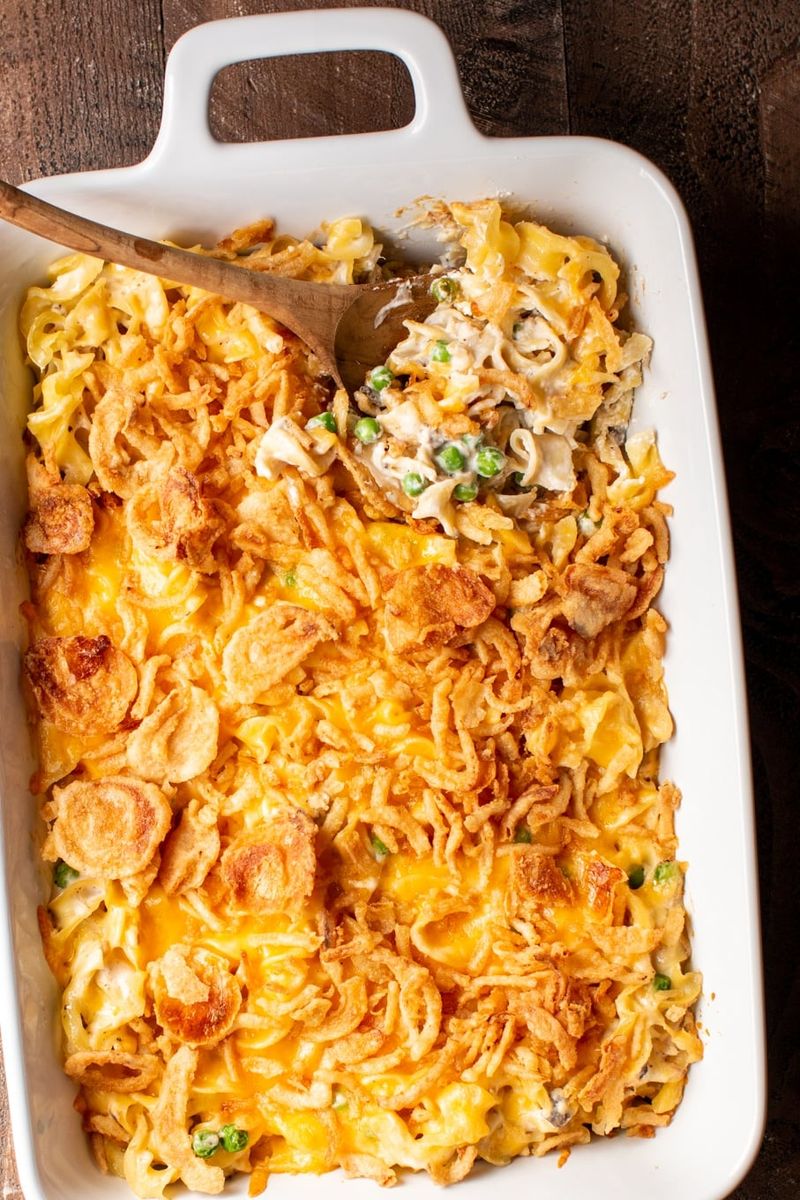
One baking dish could turn pantry odds and ends into supper. Tuna casserole often combined canned tuna, noodles, peas, condensed soup, and cheese.
It saved time on busy nights and made enough to share.
Many cooks scattered crushed crackers or potato chips on top for crunch. If you make it today, cook the noodles just until firm before baking.
They will soften in the sauce, and the casserole will stay pleasant instead of turning mushy.
3. Quiche Lorraine
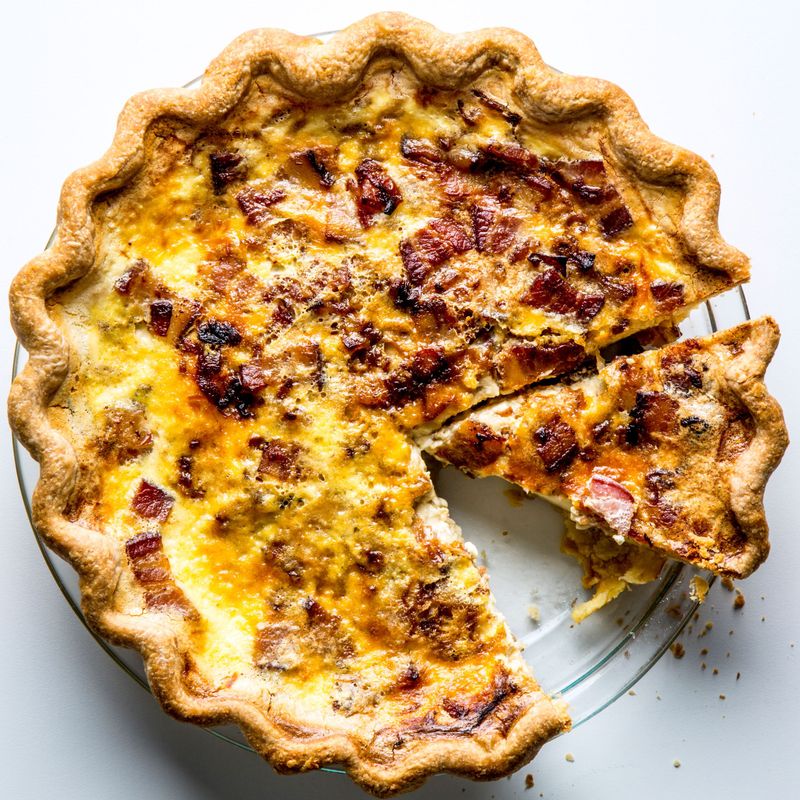
For a weekend brunch, quiche brought a little French style to the table. Quiche Lorraine pairs a flaky crust with an egg custard and bacon.
Its rich filling tastes special, yet the pie can be made before guests arrive.
Let it rest after baking so the filling sets and the slices hold their shape. Serve a small piece with a crisp salad or fruit.
That balance makes a rich dish feel like an easy meal.
4. Aspic and Jell-O Molds
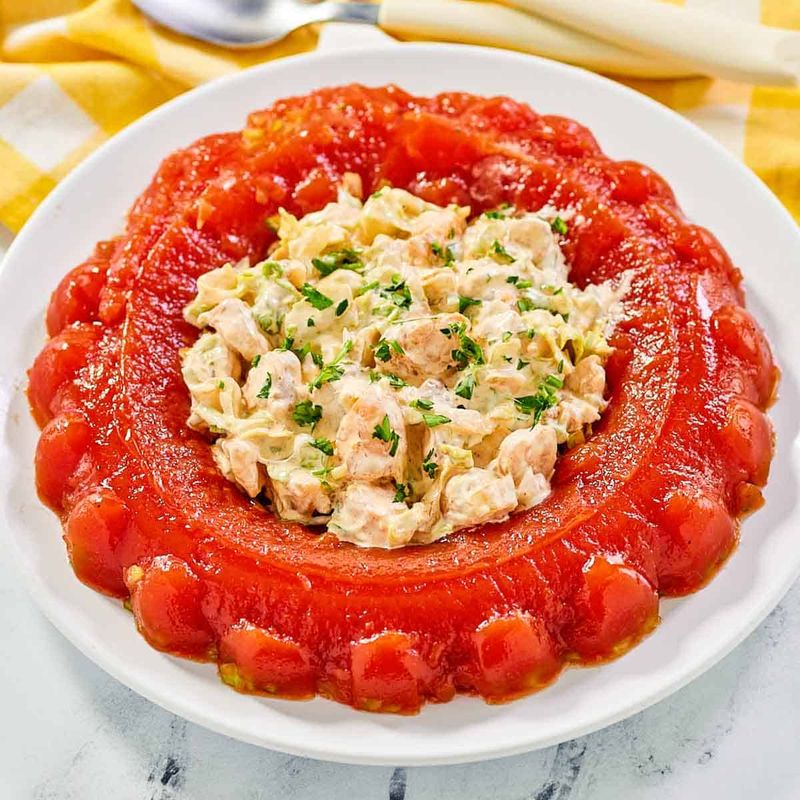
A wobbling ring of vegetables could steal the show at a potluck. Savory aspic used gelatin with tomato juice or broth, sometimes holding peas, olives, or sliced eggs in place.
Sweet Jell-O molds appeared alongside it.
The appeal was as much about shape as flavor: a Bundt pan made a plain mixture look grand. To unmold one, briefly dip the pan in warm water, then turn it onto a chilled plate.
A gentle touch helps preserve the pattern.
5. Fondue
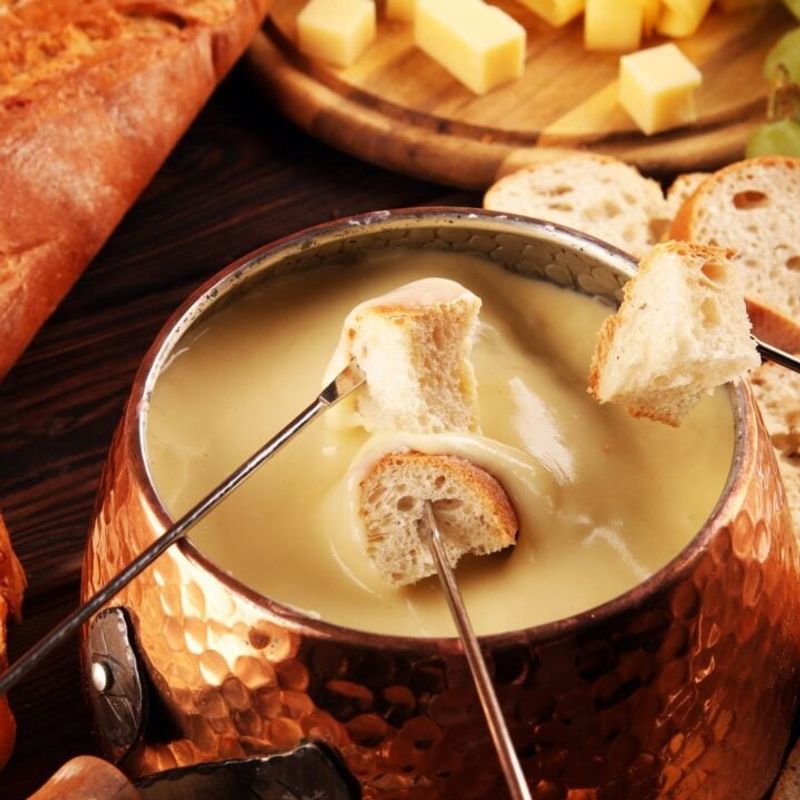
Pass the long forks! Fondue made dinner feel like an activity, not just a meal.
Guests dipped bread into warm cheese or cooked bites of beef in a shared pot of broth or oil.
For cheese fondue, dry bread cubes hold together better than very soft ones. Keep the heat low enough that the cheese stays smooth without scorching.
If you choose beef and hot oil, place the pot securely and give everyone room to dip safely.
6. Watergate Salad
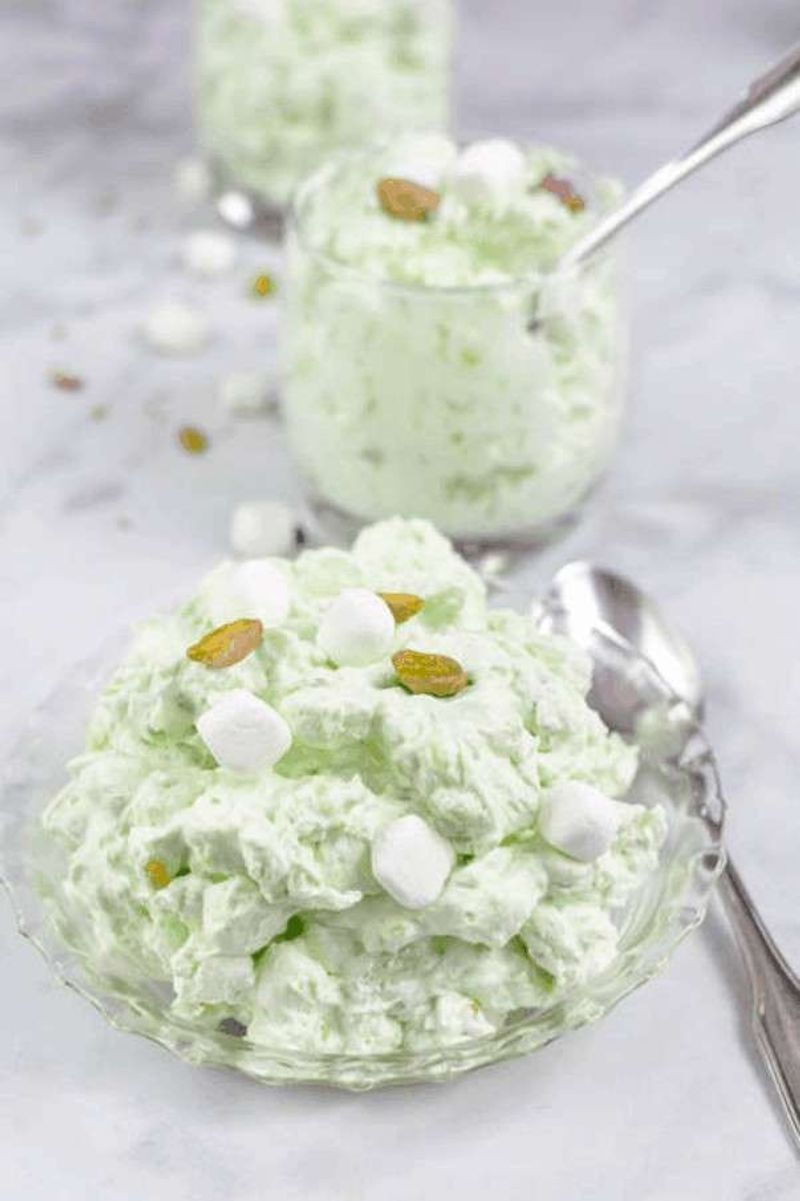
That pale green bowl looked like a salad but tasted like dessert. Watergate salad mixed instant pistachio pudding, crushed pineapple, whipped topping, and pecans.
Some families tossed in mini marshmallows for extra sweetness.
No oven was needed, which made it handy when the kitchen was crowded. Chill the mixture before serving so it thickens and the flavors come together.
Add the nuts shortly before eating if you want them to keep their crunch. It travels well in a covered bowl.
7. Chicken Cordon Bleu
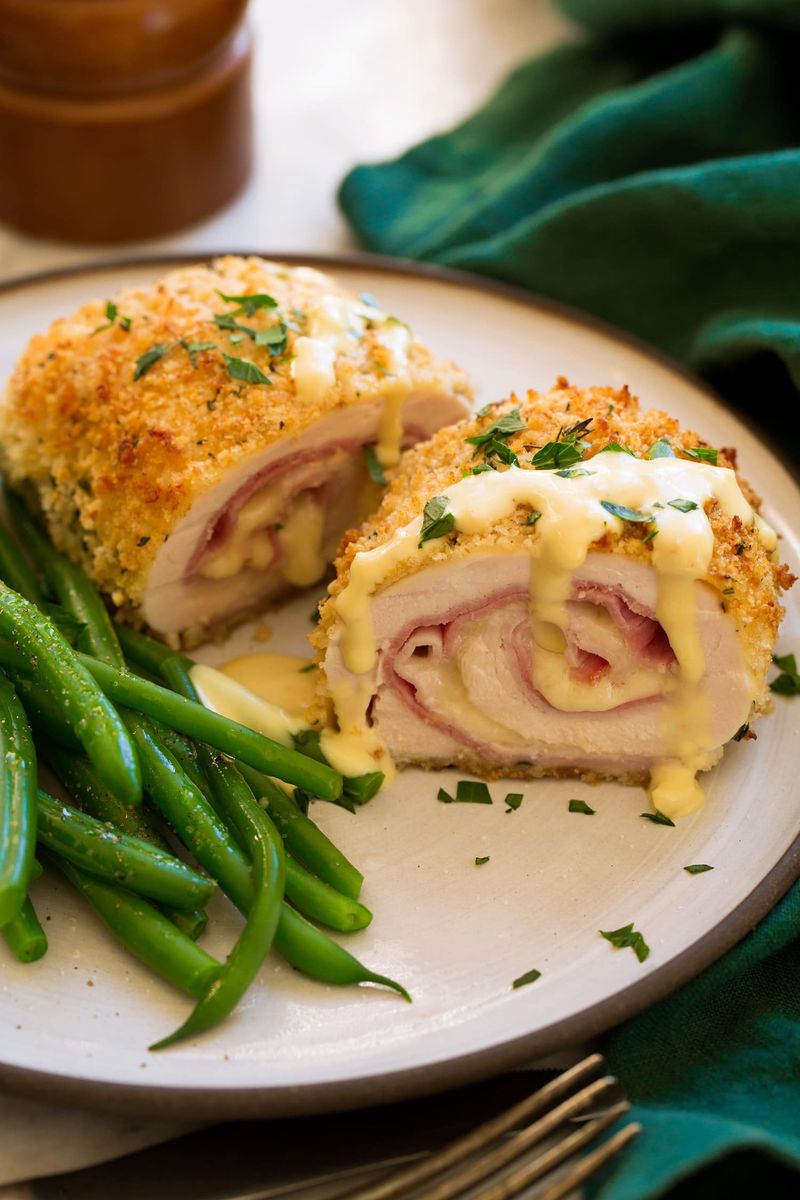
Cut into the golden chicken, and a layer of ham and melted Swiss cheese appears. Chicken cordon bleu looked like restaurant food, but home cooks could prepare it in their own kitchens.
A coating of breadcrumbs gave the outside its crisp bite.
Pound the chicken to an even thickness before rolling it around the filling. Secure each roll so the cheese stays inside, and cook until the chicken reaches a safe temperature of 165°F.
A simple vegetable side keeps dinner manageable.
8. Creamed Chipped Beef
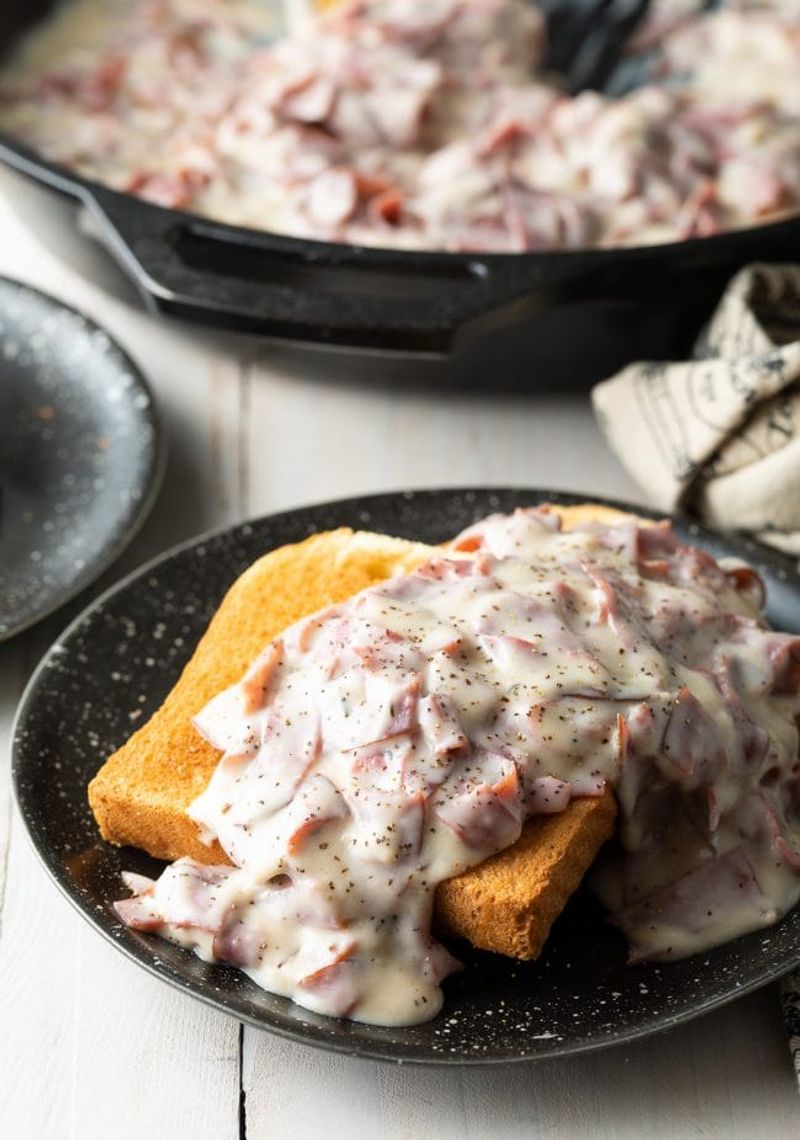
Toast became a full meal when covered with creamy chipped beef. Known by the nickname SOS, the dish had military roots and suited tight food budgets.
Dried beef brought plenty of salty flavor to a simple white sauce.
Because the beef can be quite salty, taste it before adding any seasoning. A quick rinse may help if needed.
Spoon the finished sauce over toast or biscuits while everything is hot. It is filling, familiar, and easy to make from pantry staples.
9. American Chop Suey
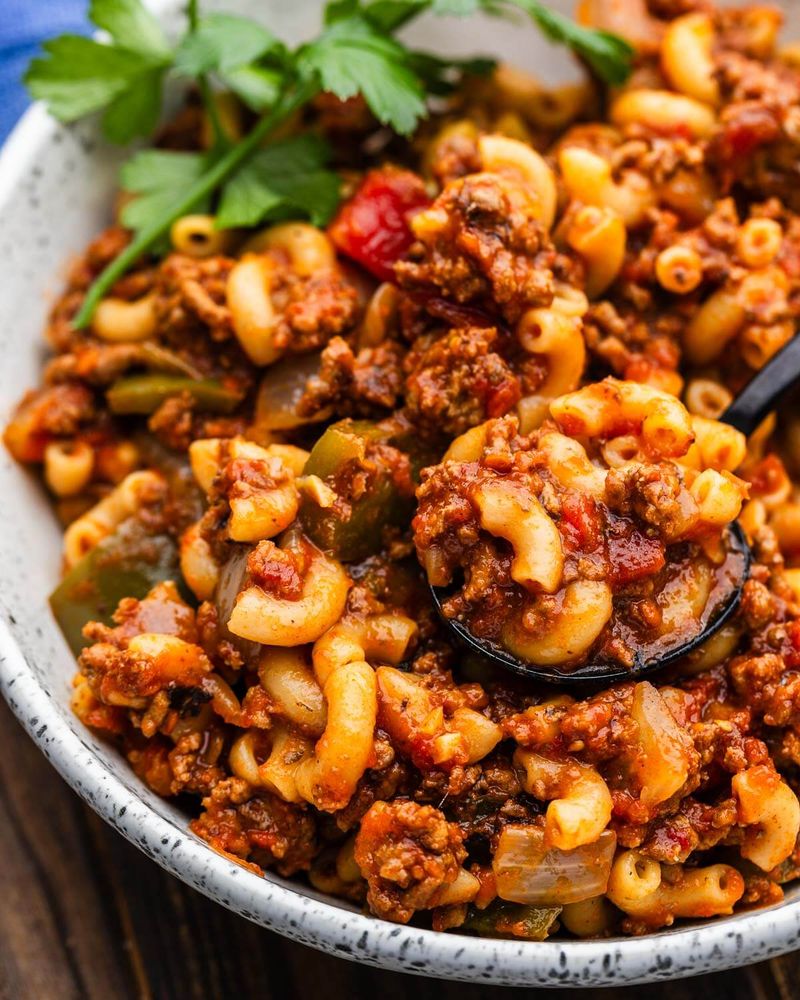
A pot of macaroni, beef, and tomato sauce could feed a hungry family without much fuss. Called American chop suey in some places and American goulash in others, the dish welcomed whatever was on hand.
Onion, peppers, and a little cheese were common additions.
Brown the beef first and drain excess fat before adding the sauce. For a one-pot version, watch the liquid as the pasta cooks and stir often.
Save leftovers for lunch; the flavors may deepen overnight.
10. Franks and Beans
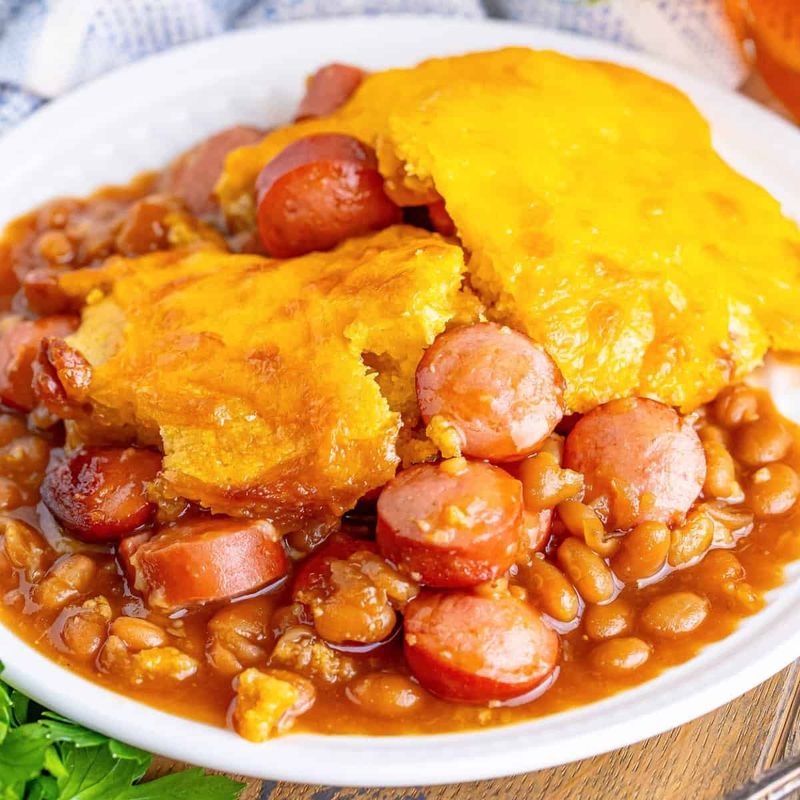
Few suppers asked less of the cook than franks and beans. Sliced hot dogs warmed in baked beans made an inexpensive meal that pleased many children.
A spoonful of mustard or a little brown sugar could change the flavor without much work.
Heat the mixture gently and stir now and then so the beans do not stick. Serve it with toast or cornbread to catch the sauce.
For a fresh contrast, put carrot sticks or a green salad on the side.
11. Salisbury Steak
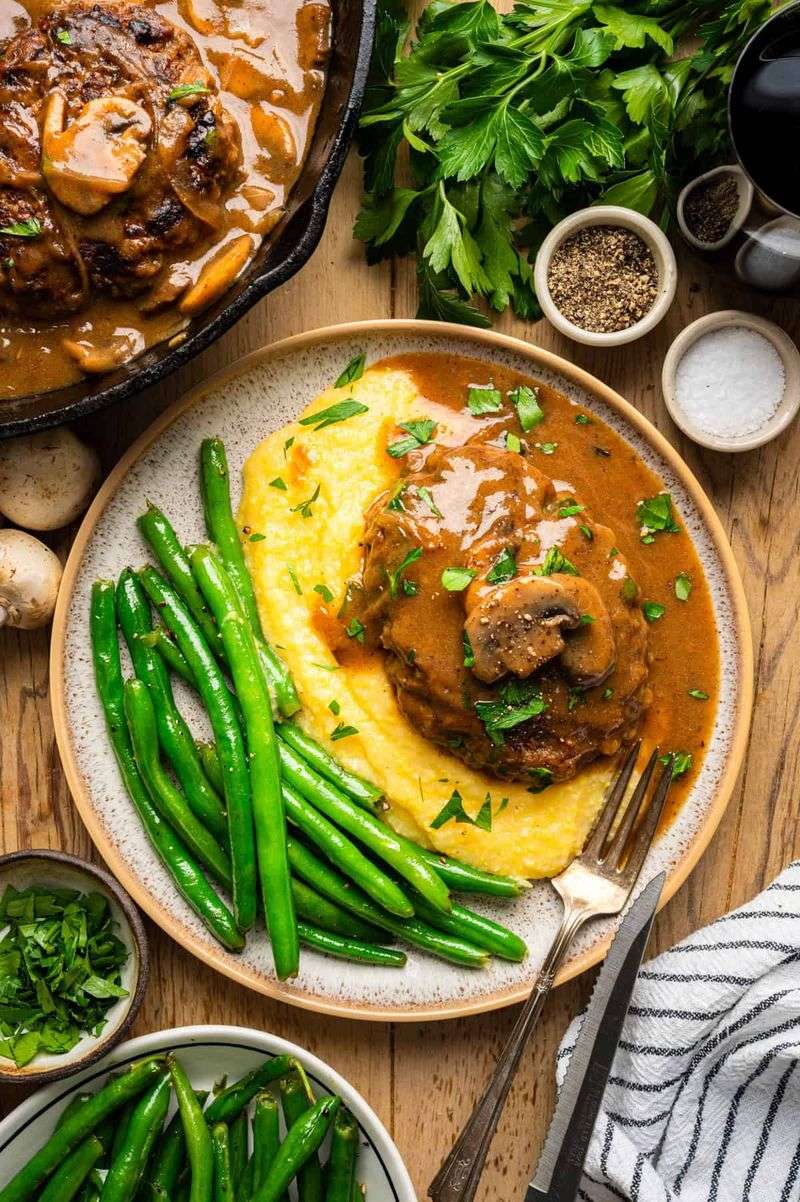
Under a blanket of mushroom gravy, humble ground beef felt like a proper steak dinner. Salisbury steak used seasoned patties rather than costly cuts of meat.
It often arrived beside mashed potatoes, which soaked up the sauce.
Do not press the patties flat while they cook, since that can squeeze out their juices. Brown them first, then finish cooking them in the gravy.
Check that the ground beef reaches 160°F. A few fresh mushrooms can give the sauce extra depth.
12. Hamburger Helper
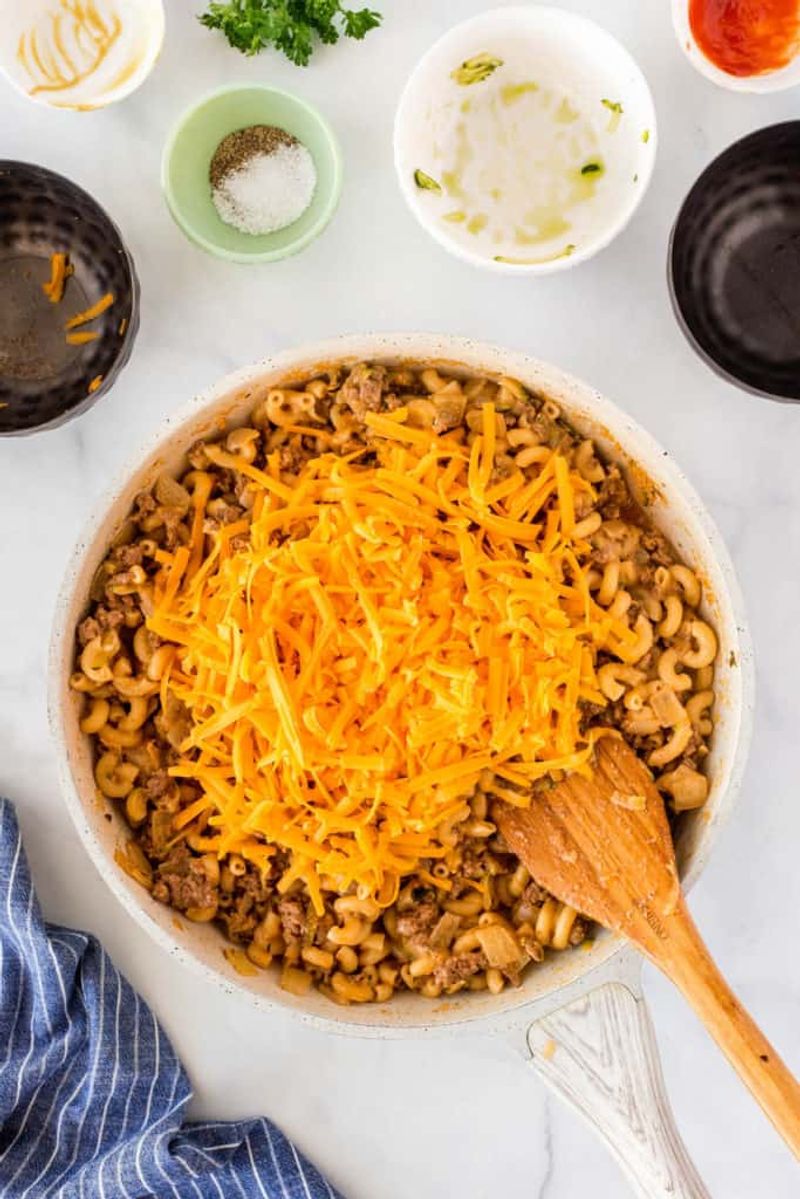
A box from the cupboard could settle the dinner question fast. Hamburger Helper paired with ground beef to make a quick skillet meal, often with pasta and a creamy sauce.
Its appeal was simple: one pan, familiar flavors, and less time spent planning.
Modern cooks can add frozen peas or chopped spinach near the end for color and vegetables. Follow the liquid amounts on the box, then let the pan rest briefly.
The sauce thickens as it cools, making serving easier.
13. Grape Jelly Meatballs
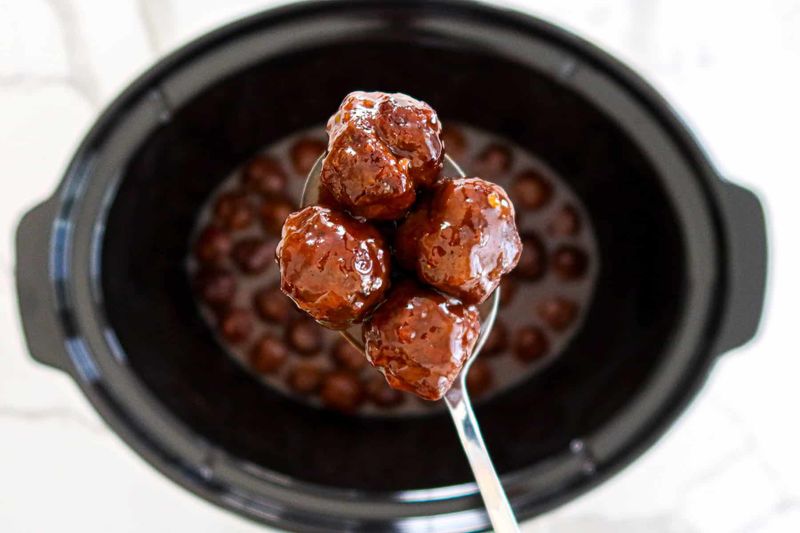
Grape jelly in meatballs? That sweet surprise helped make them a party favorite.
Mixed with chili sauce, the jelly became a shiny glaze that coated bite-size meatballs. A slow cooker kept the batch warm while guests helped themselves.
Use fully cooked meatballs, and heat them thoroughly in the sauce before serving. Put out toothpicks and napkins because the glaze can be sticky.
For a less sweet batch, start with a little less jelly and adjust after tasting.
14. Coq Au Vin
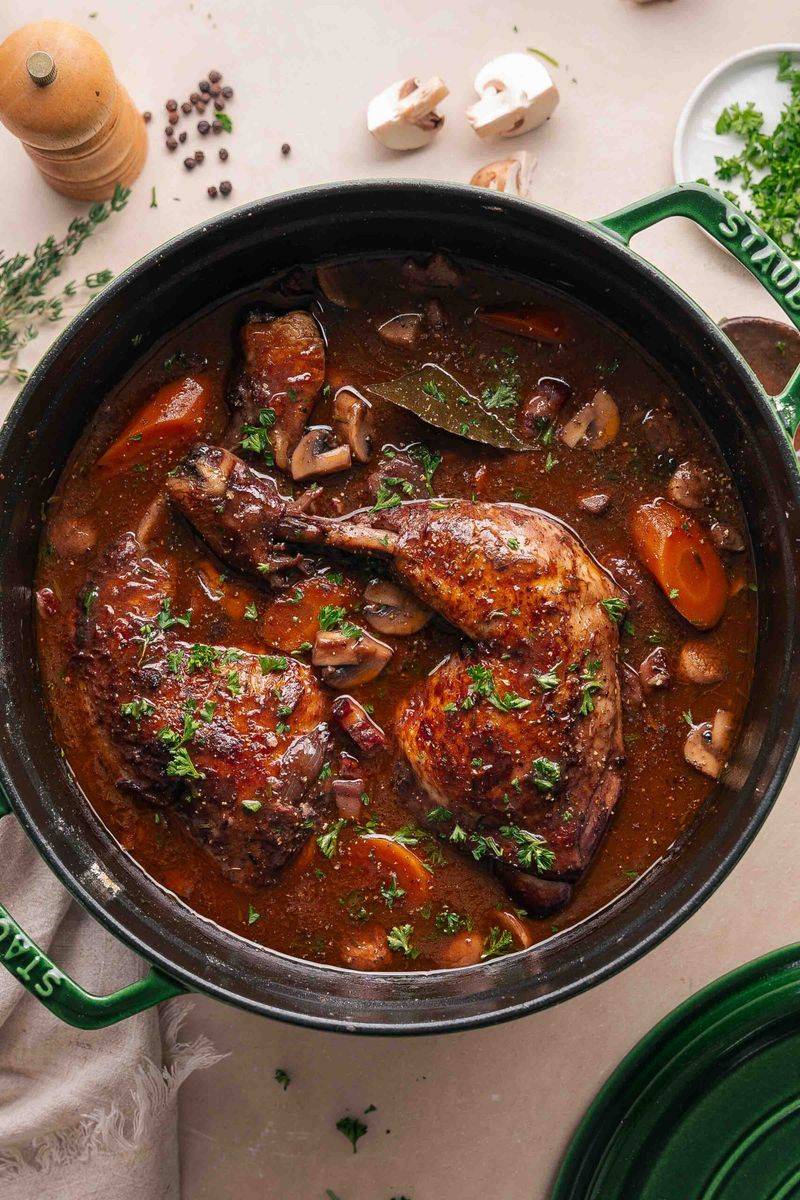
When company came over, a pot of coq au vin could make the evening feel grand. The French dish slowly cooked chicken with red wine, mushrooms, and onions.
Julia Child helped introduce many American home cooks to French recipes during the era.
Give the chicken time to simmer gently so it stays tender and the sauce gains flavor. Cooking it earlier in the day can ease party stress.
Serve it with bread or potatoes to make the most of the rich sauce.
15. Black Forest Cake
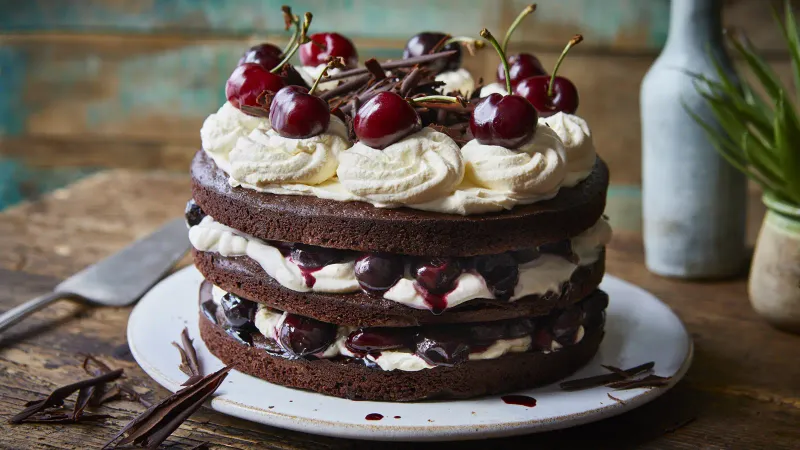
Cherries on top told everyone dessert was going to be special. Black Forest cake stacked chocolate sponge, whipped cream, and cherries into a dramatic party centerpiece.
Some versions included cherry liqueur, while others left it out.
Keep the cake chilled so the whipped cream stays firm, but take it out shortly before serving for easier slicing. If making it at home, drain the cherries well before layering.
Too much juice can soak the sponge and cause the beautiful layers to slide.
16. Ambrosia Salad
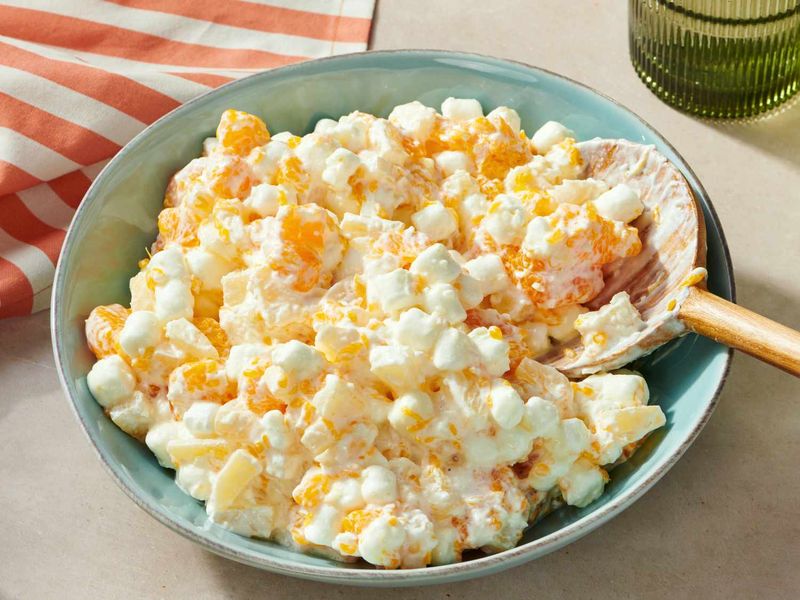
At a potluck, ambrosia salad brought a bowlful of bright fruit and soft sweetness. Oranges and pineapple mingled with whipped cream or whipped topping.
Coconut and mini marshmallows appeared in many family versions, making the dish closer to dessert than a green salad.
Drain canned fruit carefully so the mixture does not turn watery. Chill it in a covered bowl until serving time.
If guests dislike coconut, set some aside before adding it; the recipe is easy to adjust.
17. Kabobs
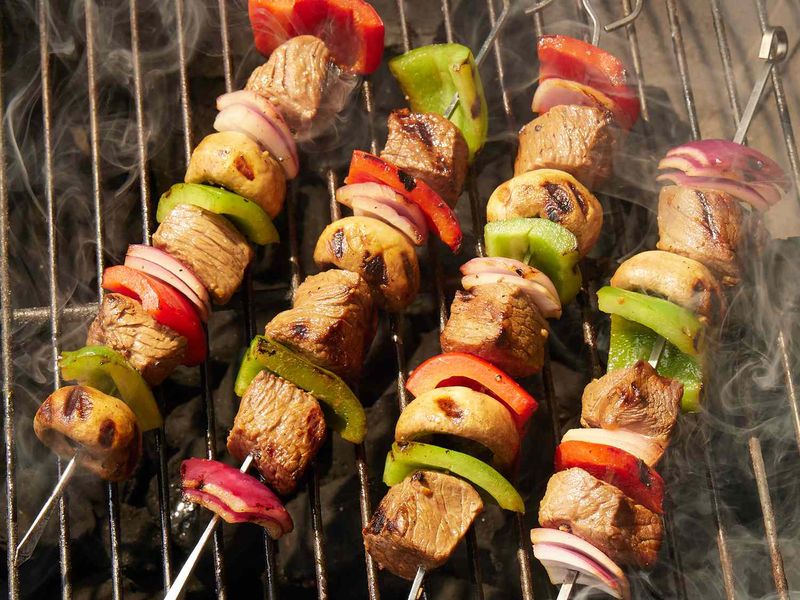
Colorful skewers made a backyard grill look ready for a celebration. Kabobs let cooks thread marinated meat and vegetables onto sticks, then cook everything over the fire.
Some playful versions even included fruit or marshmallows.
For more even cooking, group ingredients with similar cooking times on the same skewer. Keep raw meat separate from food that is ready to eat, and check its safe temperature before serving.
If using wooden skewers, soak them in water first to reduce charring.