
A wand can turn an ordinary moment into a memorable one in Harry Potter. Some spells help with small jobs, while others protect people in danger.
Fans remember them because each one reveals something about the person casting it. Which spell would you want to learn first?
1. Expelliarmus: Harry’s Trusty Disarming Charm

Harry often reaches for Expelliarmus when a fight turns dangerous. The Disarming Charm knocks a wand from an opponent’s hand, giving him a chance to stop the fight without using a deadly curse.
That choice helps make the spell feel like his own.
Fans can watch for it during Harry’s biggest duels and ask a simple question: what changes when someone chooses to disarm rather than hurt? It is a useful way to understand his character.
2. Wingardium Leviosa: The Charm That Takes Flight

A feather floating over a classroom desk makes magic feel wonderfully close. Wingardium Leviosa lifts objects into the air, and its early lesson at Hogwarts shows that saying a spell correctly matters.
Hermione’s careful approach turns a small classroom task into a scene fans still quote.
Picture trying to move a heavy box without touching it. That everyday thought explains the charm’s appeal: it is playful, practical, and proof that patient practice can pay off.
3. Expecto Patronum: Hope Against the Dark

Few sights feel as hopeful as a silver Patronus charging through the dark. Expecto Patronum creates a guardian that drives Dementors away.
Casting a strong one takes focus and a happy memory, which makes the magic much harder than simply waving a wand.
Harry’s stag also connects him to his father, adding heart to the spectacle. Fans can read the spell as a reminder that good memories may help someone face fear, even when fear feels huge.
4. Lumos: A Little Light When It Counts

A dark hallway becomes less scary when a wand lights up. Lumos makes the tip of a wand glow, so witches and wizards can see where they are going.
It is a small spell compared with the ones used in battles, but that is part of its charm.
Think of it as the wizarding world’s flashlight. Fans love how easily they can imagine using it to search for a lost sock or find their way home after sunset.
5. Accio: The Answer to Missing Things

Lost your keys again? Accio would be handy.
The Summoning Charm brings an object to the caster, even when it is out of sight, provided the caster can identify what they want. Harry famously calls for his broom during a dangerous tournament task.
Its appeal is easy to understand: nearly everyone has wished a missing item would fly into their hand. Still, the story shows that knowing the right spell matters most when you remember to use it.
6. Alohomora: Doors Open to Adventure
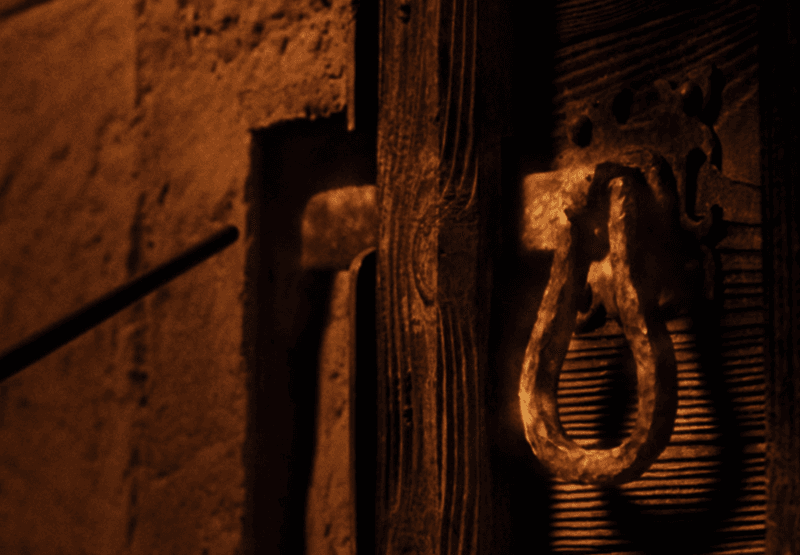
Locked doors rarely stay boring for long at Hogwarts. Alohomora opens many ordinary locks, letting curious students reach places they could not enter otherwise.
Hermione uses it early in the story, helping turn a hallway into the start of an adventure.
Of course, an unlocked door does not mean it is safe to walk through. That is part of the fun for readers: the charm solves one problem, then leaves the characters to handle whatever waits inside.
7. Riddikulus: Laughing at Fear

Imagine your biggest fear showing up in class. A boggart does just that by taking a frightening form, but Riddikulus helps a witch or wizard turn it into something funny.
The caster must picture the change clearly before saying the spell.
Professor Lupin’s lesson gives the charm a deeper point: laughter can take some power away from fear. It does not make every worry disappear, yet it offers a clever first step toward facing one.
8. Petrificus Totalus: The Full Body-Bind

One moment Neville is standing in a doorway; the next, he is stiff as a board. Petrificus Totalus binds a person’s body so they cannot move, although they remain aware of what is happening.
Hermione uses it when Neville tries to stop the trio from leaving.
The scene is funny at first, but it also raises a fair question about using magic on friends. Neville’s brave choice deserves attention, even though the spell stops him.
9. Stupefy: A Duel-Stopping Stunner

In a fast duel, Stupefy can end a threat in a flash. The Stunning Spell knocks its target unconscious, making it a common choice when someone needs to stop an attacker.
Members of Dumbledore’s Army practice it as they learn to defend themselves.
Its use also shows why aim and judgment matter. A stunned person cannot fight back, but they still need care afterward.
For fans, the spell makes defense feel active without making every duel deadly.
10. Nox: Lights Out
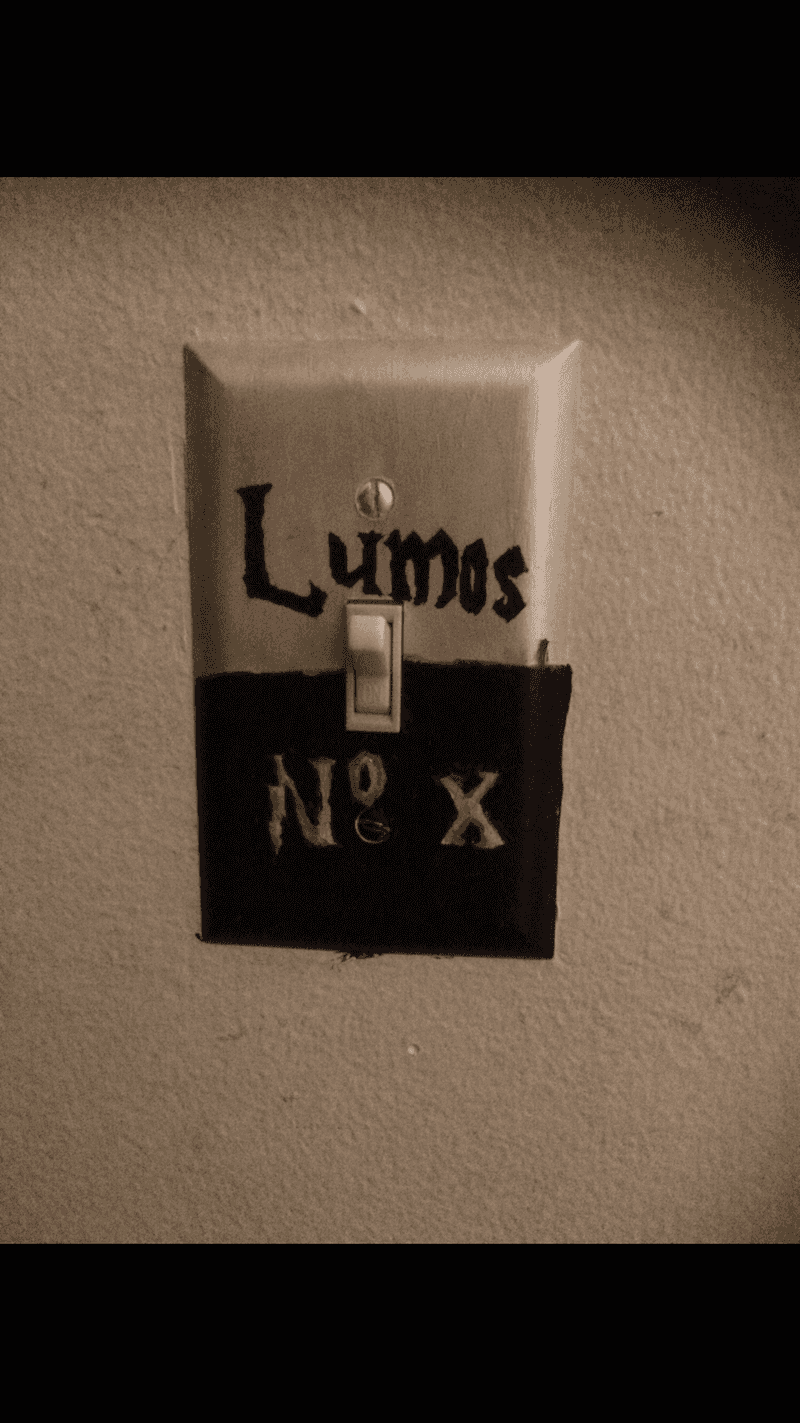
Every magical flashlight needs an off switch. Nox puts out the light made by Lumos, restoring darkness to the wand tip.
It is short, simple, and easy to remember, which makes it feel like a spell students might use every day.
Pairing Nox with Lumos shows how neatly some charms work together. Try noticing the little spells on your next reread or rewatch; they help make the wizarding world feel lived in, not just ready for battles.
11. Obliviate: The Heavy Cost of Forgetting

Forgetfulness sounds harmless until someone else chooses your memories for you. Obliviate is a Memory Charm that can erase memories, giving it a serious role in a world that hides magic from ordinary people.
It can protect secrets, but it can also be misused.
Lockhart’s story shows that a charming smile does not make that misuse right. When fans discuss Obliviate, the best question may be who gets to decide what another person is allowed to remember.
12. Reparo: A Fix for Broken Things
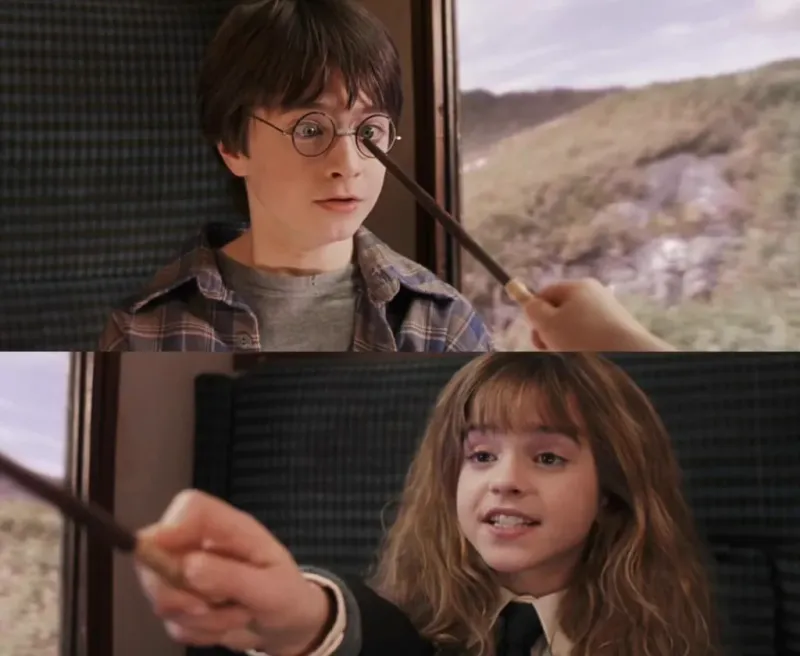
Broken glasses can ruin a day, especially if you need them to read. Reparo mends damaged objects, making it one of the most tempting spells for everyday life.
Harry’s glasses are a memorable example of the kind of small problem magic can solve.
The charm is more than a neat trick. It encourages a useful thought outside the story: before throwing something away, check whether it can be repaired.
Not every break needs a brand-new replacement.
13. Sectumsempra: A Warning Hidden in a Book
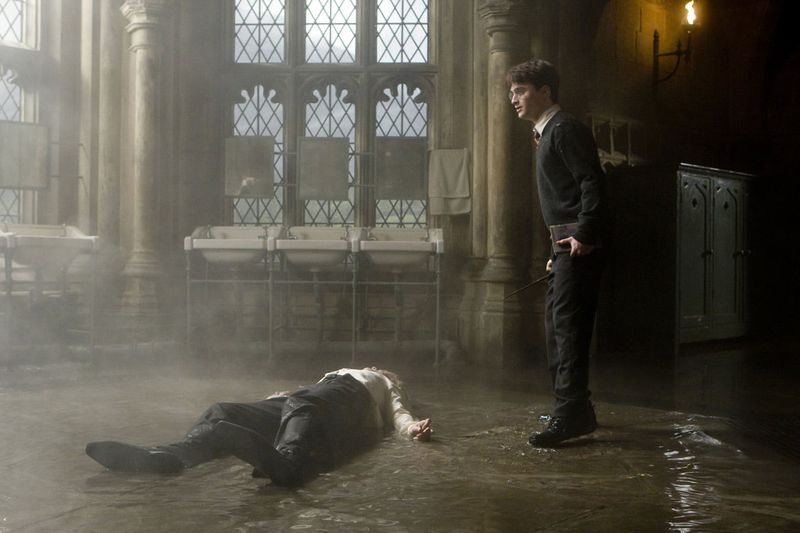
A mysterious note in an old textbook can look exciting, but Harry learns that unknown magic is risky. Sectumsempra causes severe cuts, and he uses it without understanding what it will do.
The result is frightening rather than triumphant.
That moment gives the spell a place on this list, even though it is not one to cheer for. Fans can take a lesson from Harry’s mistake: curiosity is valuable, but testing something dangerous on a person is never wise.
14. Protego: A Shield Under Pressure

When a curse comes flying, Protego gives a duelist a chance to block it. The Shield Charm creates a magical barrier that can deflect many spells, so it rewards quick thinking as much as courage.
It is a favorite because defense can be just as exciting as attack.
No shield solves every problem, though. Watching when characters cast Protego, retreat, or seek help makes a duel easier to follow and shows that staying safe takes more than one move.
15. Rictusempra: A Duel Gets Silly

Not every duel has to look grim. Rictusempra is a Tickling Charm, and Harry uses it against Draco during a Hogwarts dueling lesson.
Its silly effect gives their tense rivalry an unexpectedly playful beat.
For readers, the charm is a reminder that magical contests can surprise you. A spell that seems harmless can still interrupt someone’s movements, so context matters.
That mix of humor and strategy helps Rictusempra stand out beside the flashier spells.
16. Tarantallegra: Feet With Their Own Plans
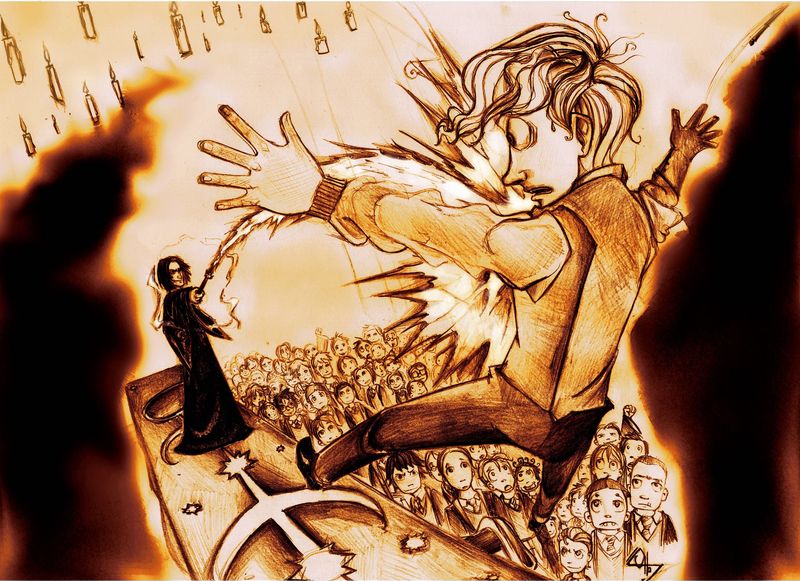
Try standing still when your feet insist on dancing. Tarantallegra makes a target’s legs move wildly, throwing off their balance and turning a duel into a comic scene.
Draco uses it during the dueling club match, where control suddenly becomes Harry’s biggest problem.
Its name is fun to say, but the effect would be frustrating in real life. Fans can enjoy the slapstick while noticing a smart dueling idea: disrupting an opponent can matter more than striking hard.