
Long ago, sailors, soldiers, and traders could not stop at a grocery store when they got hungry. They needed food that would stay safe to eat for weeks or even months on the road or at sea.
Many of the snacks and staples we enjoy today first became famous because they could last through those tough trips. Get ready to discover how travel shaped the food in your kitchen!
1. Hardtack, the Cracker That Fed Navies
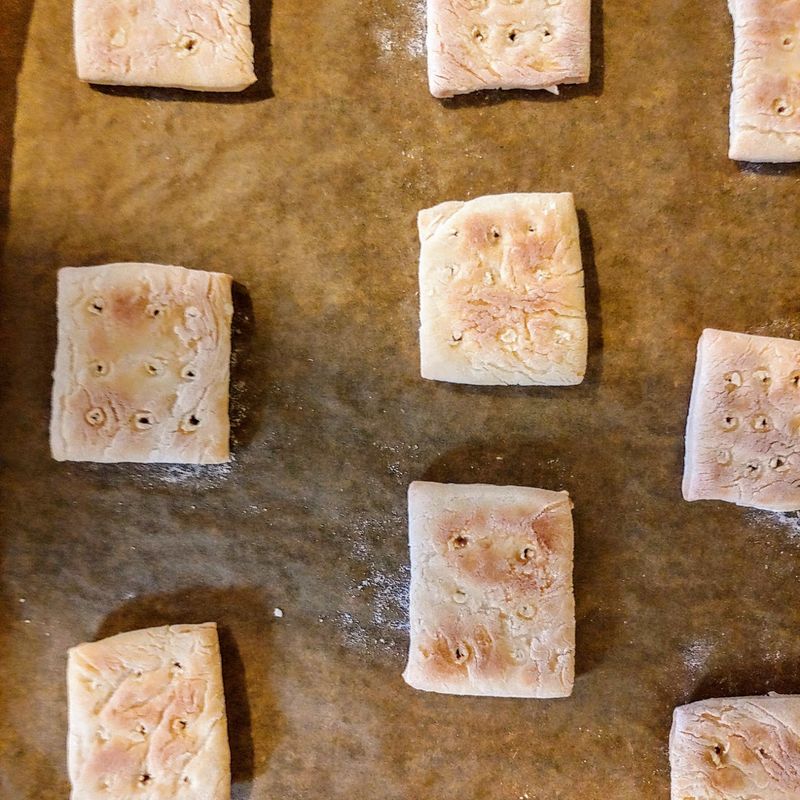
Sailors joked that hardtack was tough enough to break teeth. They were not exaggerating!
Made from just flour, water, and sometimes salt, these crackers were baked until bone dry.
With no moisture inside, mold had nothing to grow on, so hardtack could last for years. Civil War soldiers even called them tooth dullers.
Want to try it? Soak a piece in soup or coffee first, just like hungry sailors did centuries ago.
2. Beef Jerky on the Trail
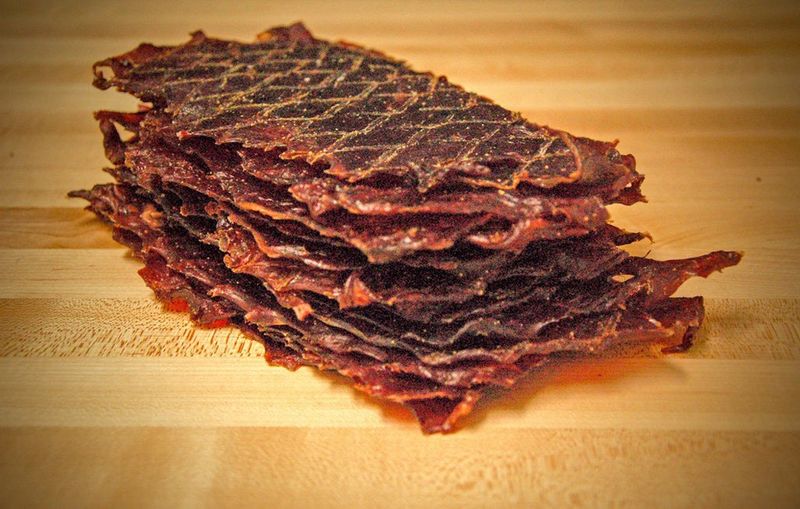
Picture a cowboy riding for days across dusty plains with a pouch of dried meat at his side. That snack was jerky, and its roots go back to Indigenous peoples of the Americas.
The word comes from the Quechua term charqui. Drying thin strips of meat removed water and slowed spoiling.
Today, hikers love jerky for the same reason. It is light, packed with protein, and needs no fridge at all.
3. Pemmican, Energy in a Bundle
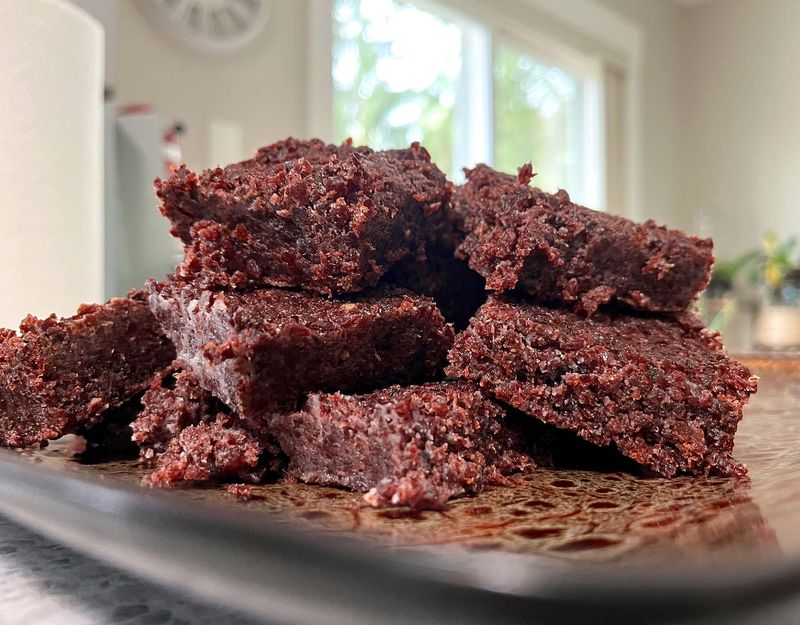
Here is a recipe that powered fur traders across Canada. Native American cooks pounded dried meat, mixed it with melted fat, and sometimes added berries.
The result was pemmican, a dense food that could stay good for months or even years. One small chunk packed tons of calories.
Explorers heading to the North and South Poles carried it too. It might not look fancy, but it kept people alive in brutal cold.
4. Salt Cod Across the Atlantic
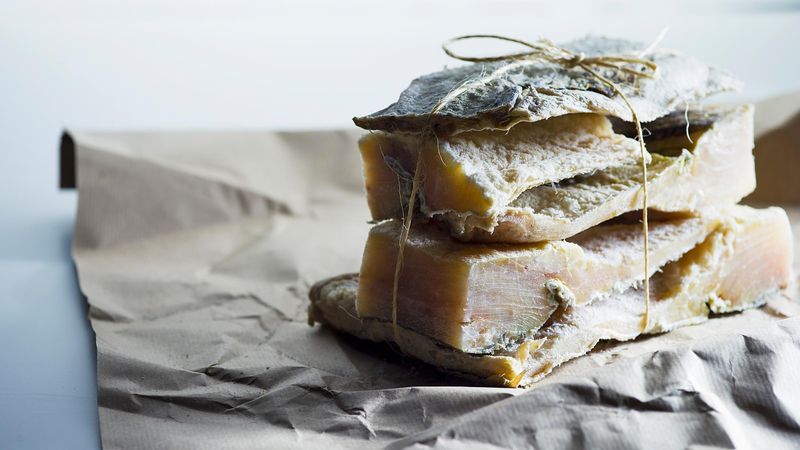
Did you know dried fish helped build empires? Viking and Basque fishermen discovered that cod, salted and dried in the wind, could stay edible for a very long time.
Ships carried stiff salt cod across oceans, and it became a beloved dish in Portugal, Spain, and the Caribbean.
Portuguese cooks claim there are over 365 ways to prepare bacalhau, one for each day. Just remember to soak it overnight before cooking!
5. Honey That Never Quits
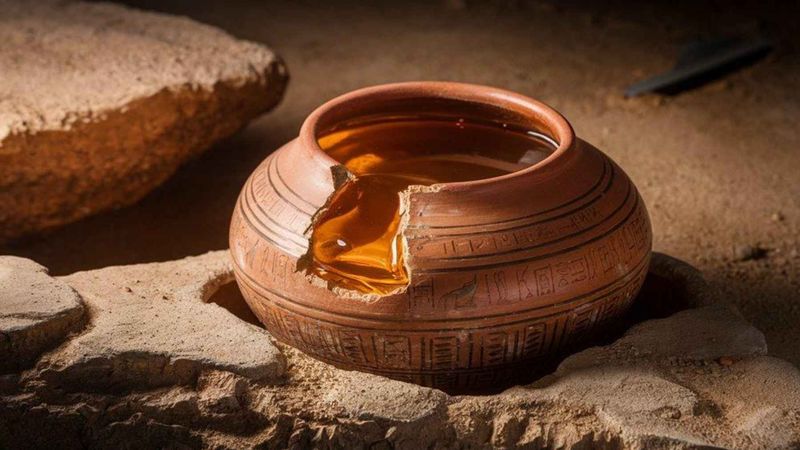
Archaeologists once found pots of honey in Egyptian tombs that were thousands of years old, and it was still safe to eat. Pretty amazing, right?
Honey has very little water and is naturally acidic, so germs struggle to survive in it. Travelers and traders prized it as a sweetener that would never go bad.
If your honey turns crunchy, do not toss it. Gently warm the jar in water to smooth it out.
6. Dried Dates for Desert Caravans
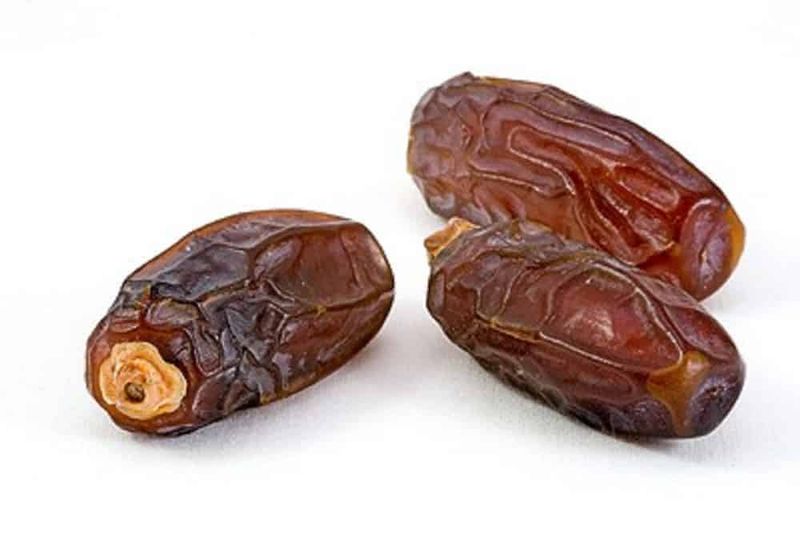
Camels carried more than people across the Sahara and Arabian deserts. They also hauled sacks of sweet, chewy dates.
These fruits dry naturally on the palm and keep for months without spoiling. A handful gave caravan travelers quick energy, fiber, and natural sugar under the blazing sun.
Many families still break their fast with dates during Ramadan. Try stuffing one with peanut butter for a tasty snack that would make any desert trader proud.
7. Parmesan, the Cheese Built to Last
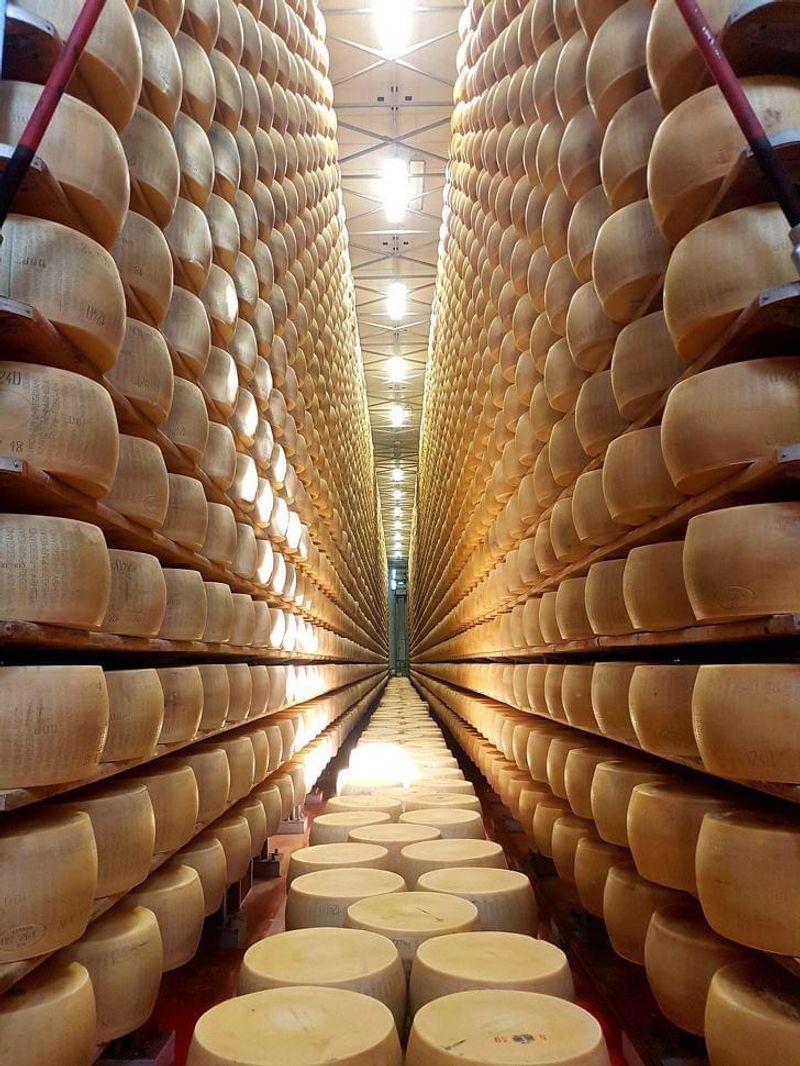
Big, hard, and heavy, a wheel of Parmesan can weigh around 80 pounds. Italian cheesemakers age it for one to three years, which squeezes out moisture.
That low water content made it perfect for long sea voyages and trade trips across Europe. Some banks in Italy even accept wheels as loan collateral!
At home, wrap leftover Parmesan in wax paper instead of plastic. It breathes better and stays fresh for weeks longer in your fridge.
8. Sauerkraut Saves the Sailors

Captain James Cook had a secret weapon against scurvy, a nasty disease caused by missing vitamin C. His ships carried barrels of sauerkraut.
Fermenting shredded cabbage with salt preserved it for months and kept some vitamins inside. To get his crew to eat it, Cook served it to officers first so sailors would want it too.
Clever trick! Today, sauerkraut tops hot dogs and adds healthy gut bacteria to your meals.
9. Rice, the Grain That Travels Well
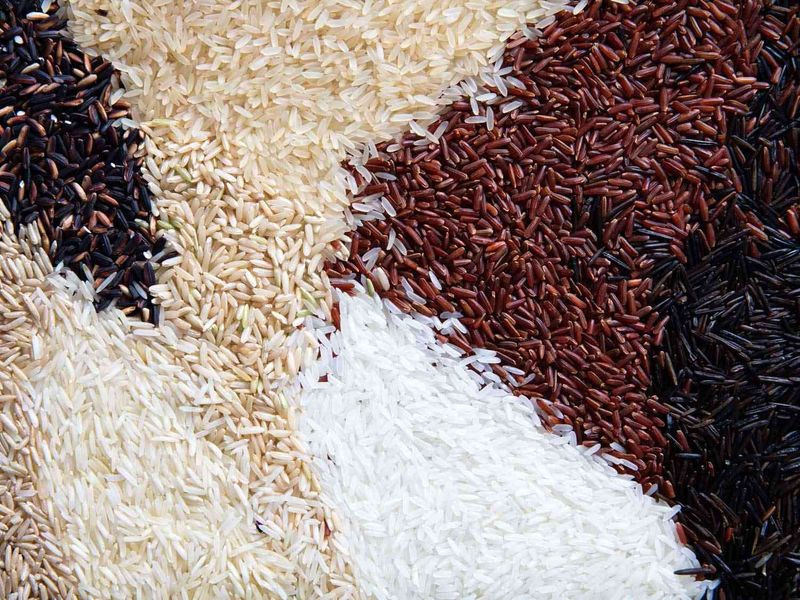
Half the people on Earth eat rice almost every day, and part of that success comes from its toughness. Uncooked white rice can last for years in a dry, sealed container.
Traders moved it across Asia, Africa, and eventually the Americas by ship and cart.
Here is a handy tip. Store your rice in an airtight jar away from heat, and it will be ready whenever dinner plans fall apart.
10. Spam Goes to War
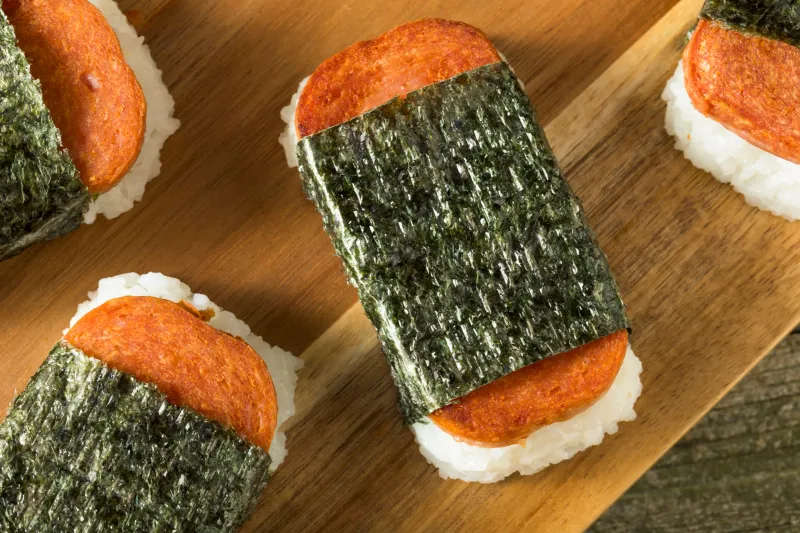
Love it or laugh at it, Spam has a fascinating story. Introduced in 1937, this canned pork became a hero during World War II.
Over 100 million pounds were shipped to soldiers overseas because it did not need refrigeration. Troops stationed in Hawaii, Guam, and the Philippines shared it with locals.
That is why Spam musubi is a favorite snack in Hawaii today. Fry a slice until crispy and see what the fuss is about.
11. Rock-Solid Ship Biscuits’ Cousin, Rusks
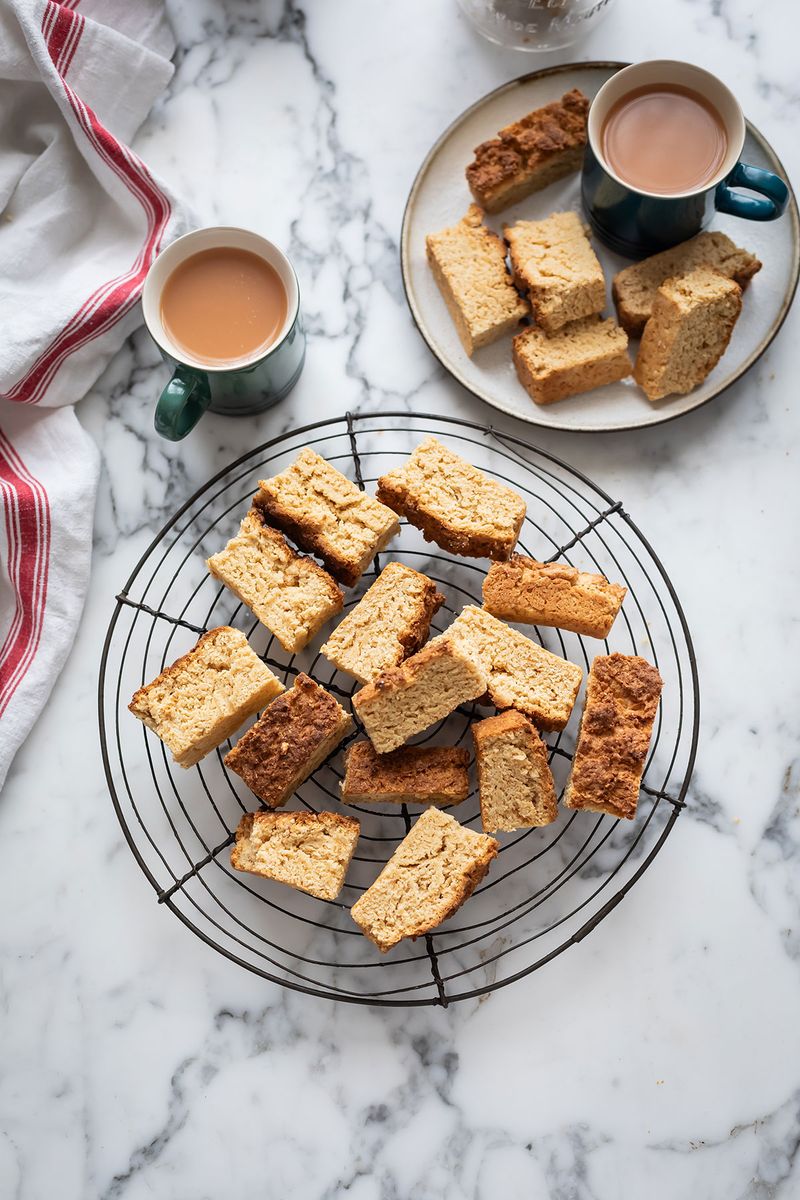
Bake bread once, then bake it again, and you get rusks. The second trip through the oven dries them out so they last for weeks.
Dutch settlers in South Africa packed rusks for long wagon journeys called treks. Families still dunk them in tea or coffee every morning.
You can make your own by slicing leftover bread and drying it slowly in a low oven. It is a smart way to cut food waste.
12. Prosciutto and Cured Ham
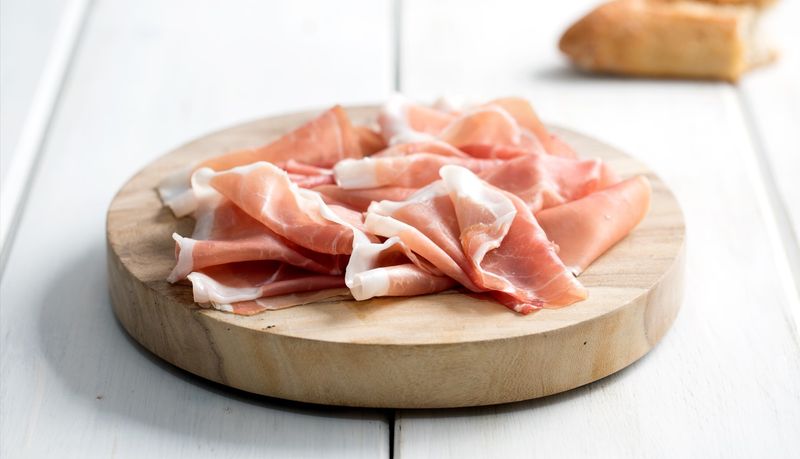
Walk into an Italian ham cellar and you will see rows of pork legs hanging quietly for over a year. Salt and time do all the work.
Curing pulls water out of the meat, making it safe to keep without cooling. Romans valued cured ham for long marches and trade.
Spanish jamón and Italian prosciutto are still treasured worldwide. Slice them paper-thin and pair with melon for a sweet and salty treat.
13. Raisins, Nature’s Candy
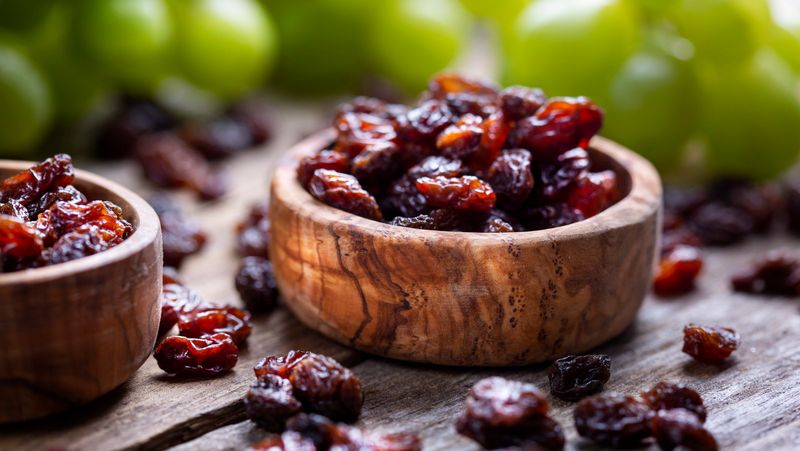
Legend says grapes left out in the sun by accident turned into the first raisins. Whether true or not, people quickly loved them.
Ancient Phoenicians and Romans traded raisins across the Mediterranean because they were light, sweet, and did not rot. Roman soldiers even received them as rations.
Toss a handful into oatmeal or trail mix. They give a quick energy boost on hikes, just as they did for travelers long ago.
14. Soy Sauce on the Silk Road
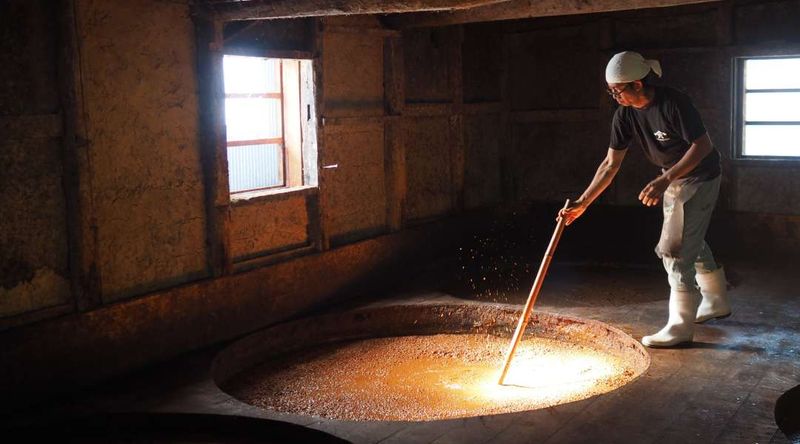
Fermented for months, salty, and full of flavor, soy sauce was made to last. Chinese cooks created it over 2,000 years ago to stretch precious salt.
Its high salt level kept bacteria away, so jars could travel along trade routes to Japan, Korea, and beyond. Dutch merchants later shipped it to Europe.
A few drops can wake up eggs, popcorn, or roasted veggies. Just keep the bottle sealed tight.
15. Black Pepper, Worth Its Weight in Gold
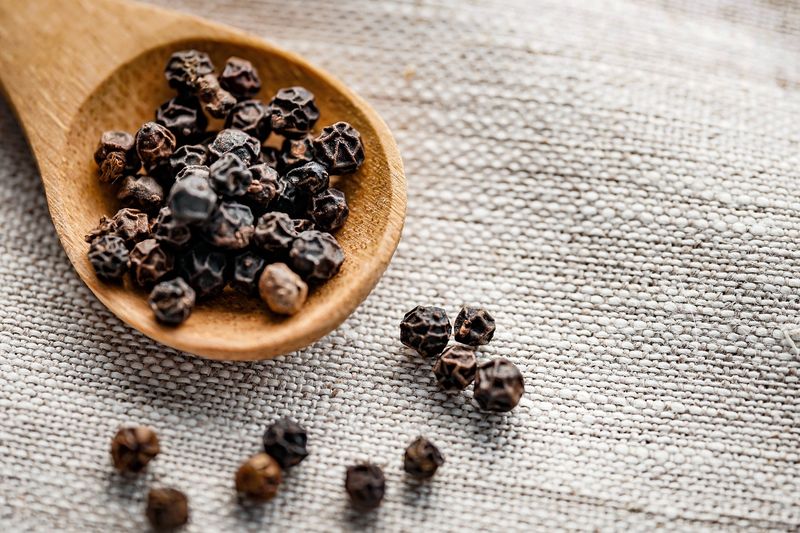
Believe it or not, peppercorns were once so valuable people paid rent with them. These tiny dried berries from India barely lose flavor when kept whole.
That durability made pepper perfect for spice ships crossing oceans. The hunt for it pushed explorers like Vasco da Gama to find new sea routes.
For the best taste, buy whole peppercorns and grind them fresh. Your scrambled eggs will thank you.
16. Lemons and Limes for Healthy Crews
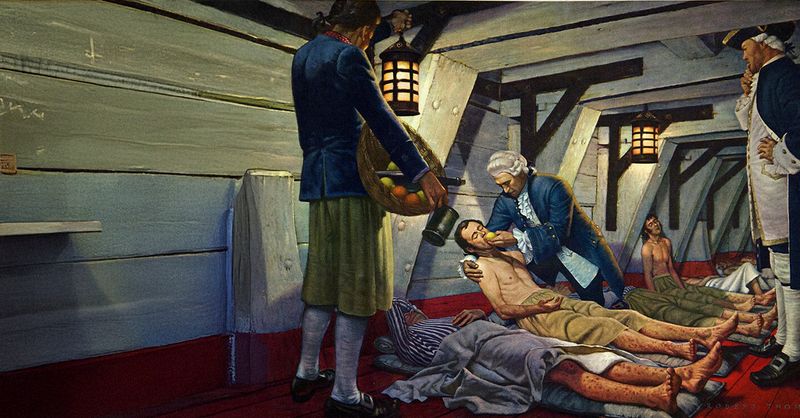
Ever wonder why British sailors got the nickname limeys? The Royal Navy gave crews daily citrus juice to fight scurvy.
Thick-skinned lemons and limes stayed fresh far longer than most fruits on a ship. Their juice could also be mixed into drinks for months at sea.
Keep lemons in a sealed bag in your fridge, and they can last up to a month. Squeeze one into water for a zesty boost.
17. Fruitcake, the Holiday Survivor
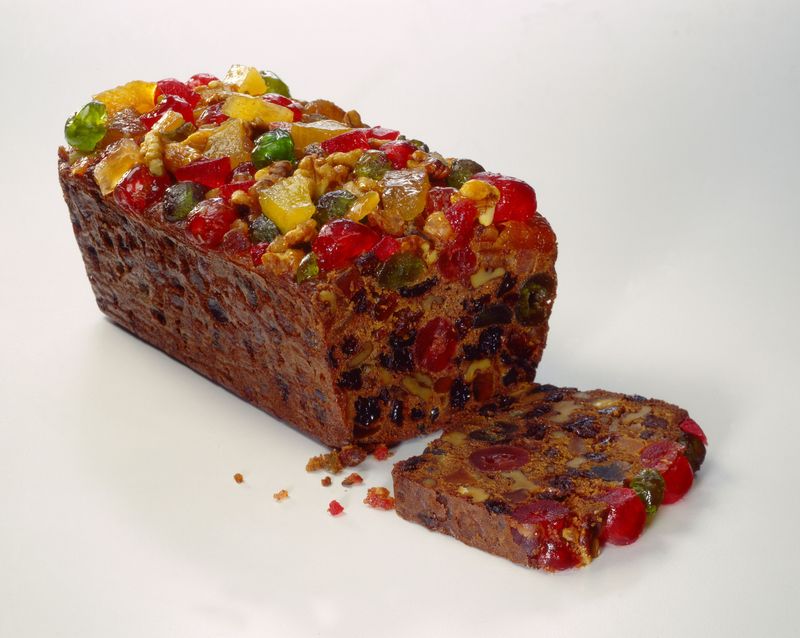
Fruitcake gets teased a lot, but it earned its reputation for a reason. Packed with dried fruit, sugar, and nuts, it resists spoiling for months.
Ancient Romans made a version for soldiers, and Crusaders carried it on long journeys. One fruitcake found in Antarctica was over 100 years old and looked almost edible!
Wrap yours tightly and store it somewhere cool. It might just outlast every other dessert in the house.