
Picture your grandma standing in the kitchen for hours, beating eggs with a fork and kneading bread until her arms ached. Back then, nearly every meal took real muscle, patience, and time.
Today, we press a button and a machine handles the hard part in minutes. Looking back at these old chores helps us appreciate modern kitchens and maybe even try a few classic methods for fun.
1. Kneading Bread Dough
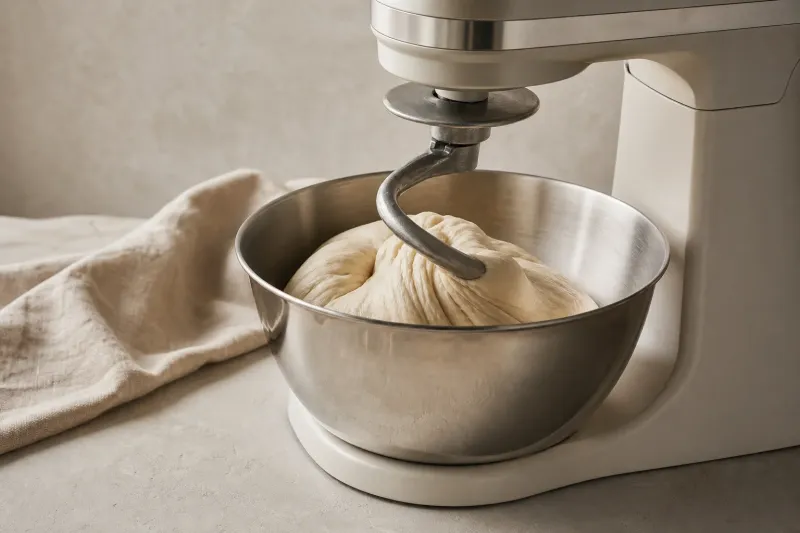
Ten to fifteen minutes of pushing, folding, and turning. That was the daily workout for bakers long ago, and their forearms showed it.
Now a stand mixer with a dough hook does the job while you wipe the counter. Bread machines go even further, mixing, rising, and baking all on their own.
Still, kneading by hand teaches you how good dough should feel. Try it once, and you will notice when it turns smooth and springy.
2. Whipping Cream Into Peaks
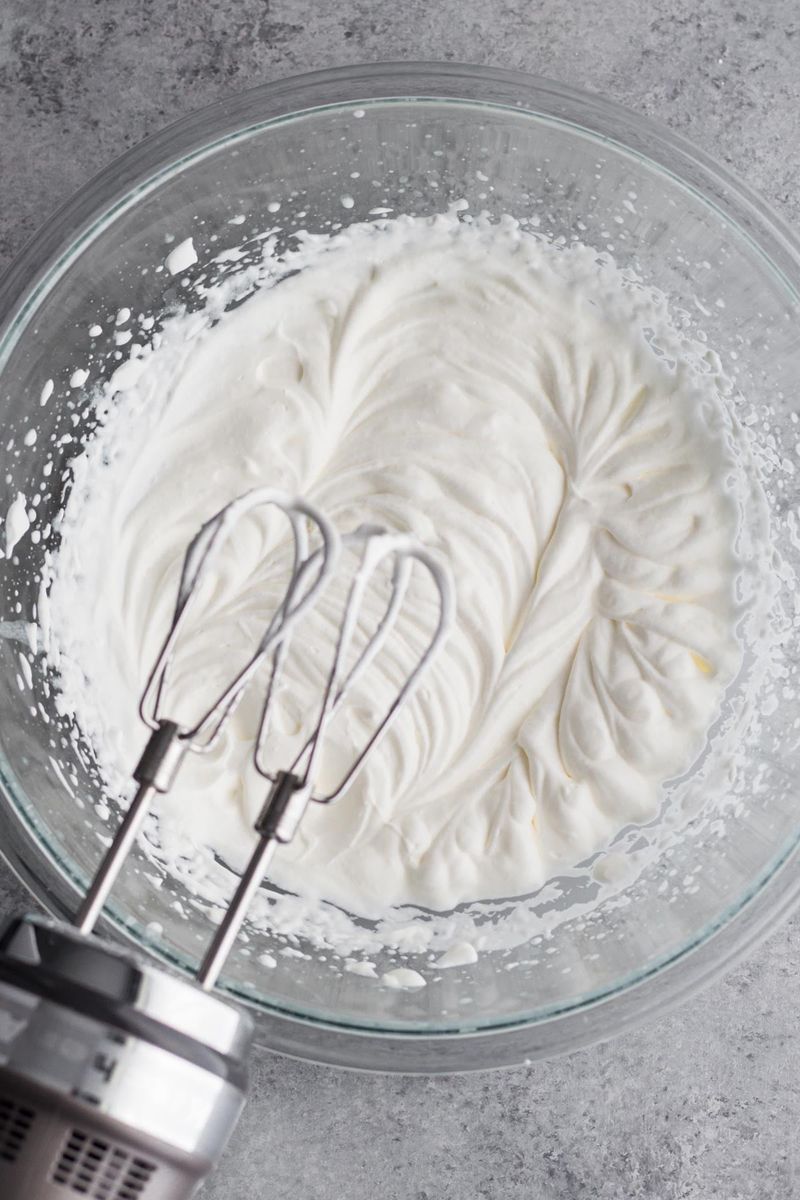
Grab a whisk and a bowl of cold cream, then start beating. Ten minutes later, your arm is burning and the cream might finally hold soft peaks.
Grandparents did exactly this for birthday cakes and holiday pies. An electric hand mixer now gets you fluffy whipped cream in about two minutes.
Quick tip: chill the bowl and beaters first. Cold tools help the cream thicken faster, whether you use muscle or motor.
3. Grinding Coffee Beans
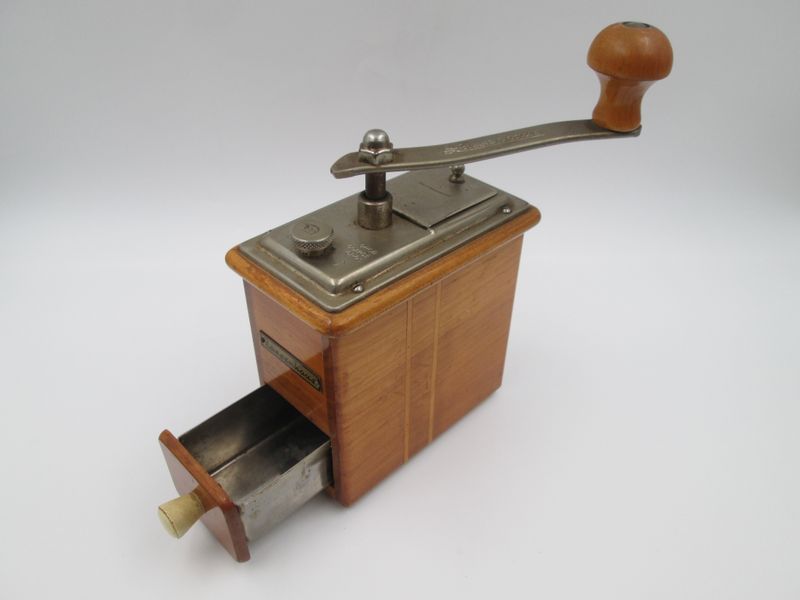
Crank, crank, crank. Many grandparents started every morning turning the handle of a wooden coffee mill wedged between their knees.
It could take several minutes to grind enough for a full pot. Electric grinders now turn whole beans into perfect grounds in under thirty seconds.
Fun fact: plenty of coffee fans still love hand grinders today. They are quiet, travel well, and make the morning ritual feel a little more special.
4. Churning Butter
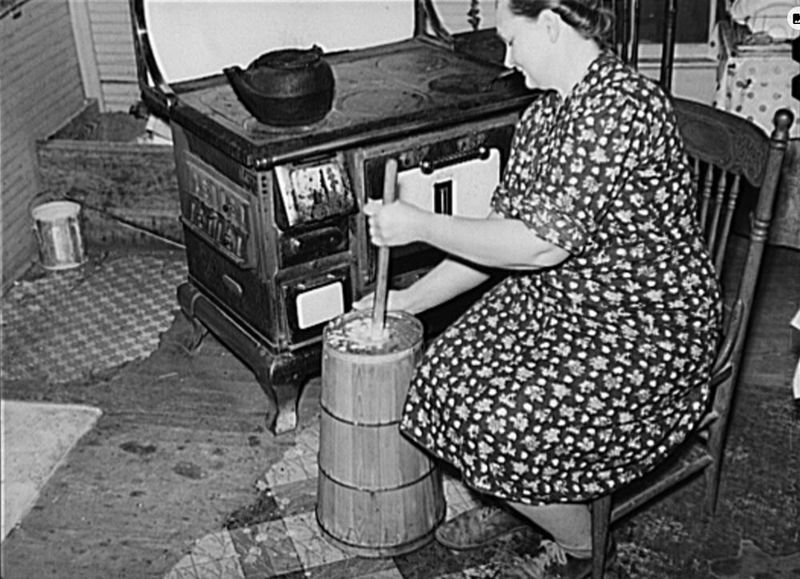
Imagine plunging a wooden stick up and down in a tall barrel for half an hour. Butter churning was a real chore, often handed to kids who could not escape it.
Today most people just buy butter at the store. If you want homemade, a stand mixer or food processor turns heavy cream into butter in about ten minutes.
Bonus: the leftover liquid is real buttermilk, perfect for pancakes.
5. Chopping Mountains of Vegetables
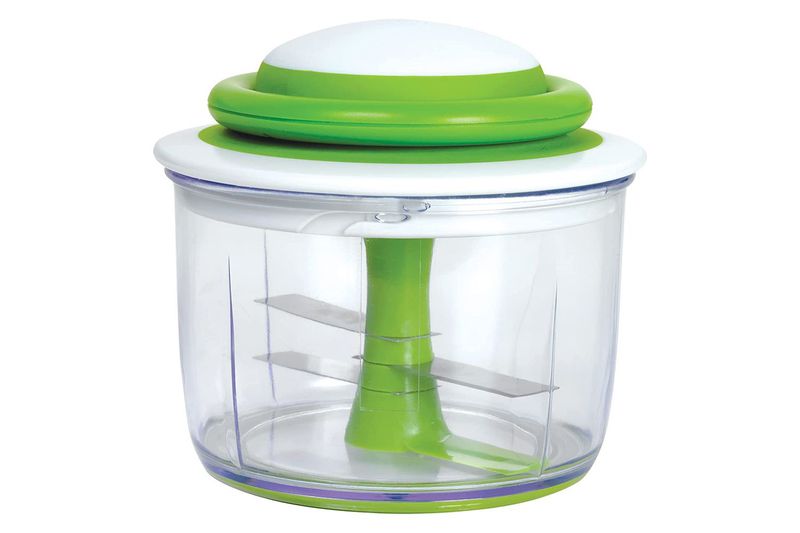
Soup night once meant a full hour of slicing onions, carrots, and celery while tears streamed down your face.
Food processors changed everything. Drop in the vegetables, pulse a few times, and the prep is finished before the pot even heats up.
Slicing discs can also shred cabbage or cheese in seconds.
Keep a sharp knife handy anyway. Some jobs, like neat diced garnishes, still look nicer when cut by hand.
6. Washing Every Single Dish
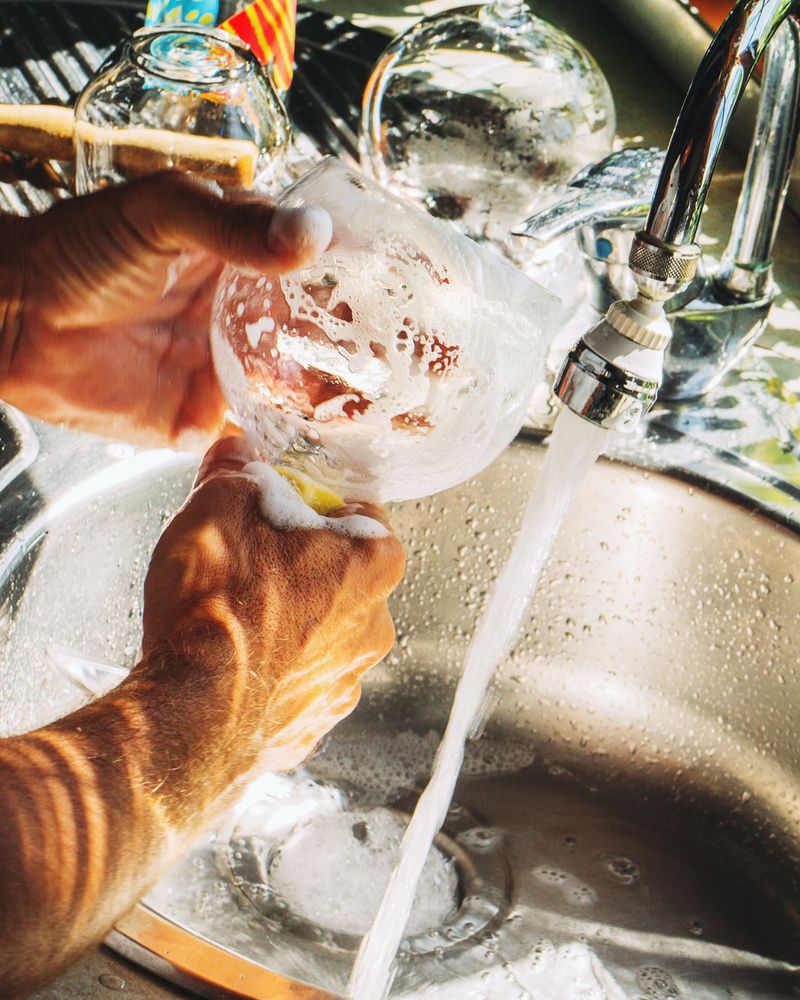
After a big family dinner, someone always got stuck at the sink. Grandparents scrubbed plates, pots, and glasses by hand, often for an hour or more.
Dishwashers now handle the whole load while everyone relaxes. Surprisingly, modern models often use less water than washing by hand.
For best results, scrape food off but skip heavy rinsing. Most detergents actually work better when there is a little grime left to grab onto.
7. Squeezing Fresh Juice
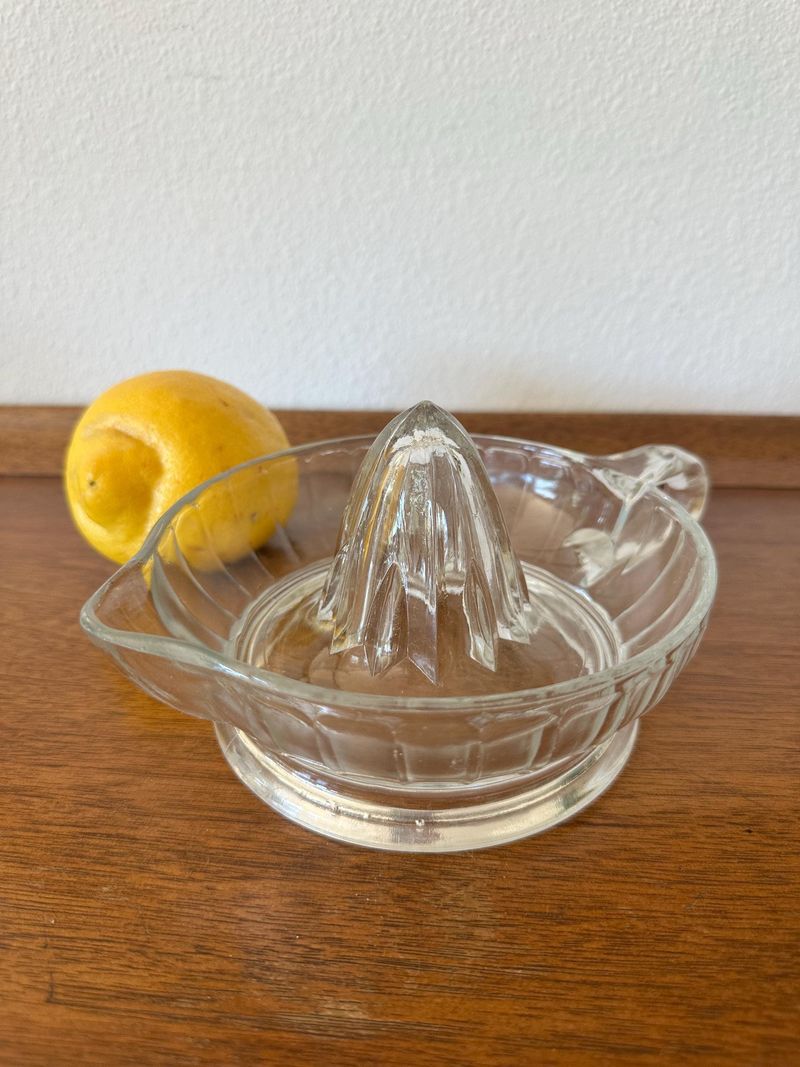
Sticky hands and sore wrists were the price of fresh orange juice back in the day. Grandparents twisted fruit halves on glass reamers, one by one.
An electric citrus juicer spins the fruit for you, filling a pitcher in minutes. Bigger juicers even handle apples, carrots, and leafy greens.
Did you know? Rolling a lemon firmly on the counter before squeezing helps release more juice, a trick older cooks swore by.
8. Grinding Meat at Home
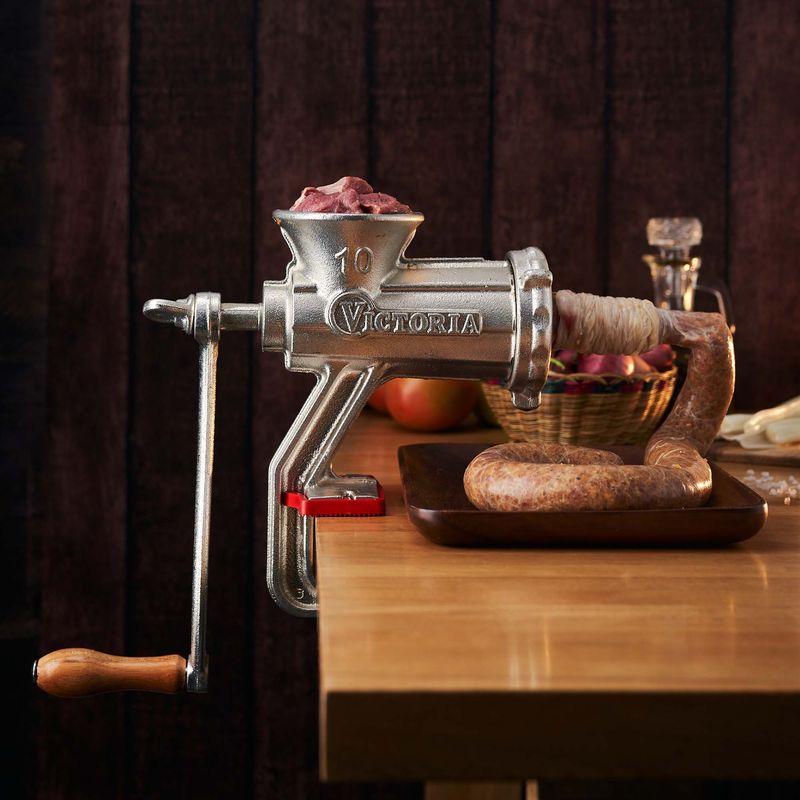
Clamped to the edge of the table, the old cast iron meat grinder was a kitchen heavyweight. Turning that handle through tough cuts took serious strength.
Today, an electric grinder or a mixer attachment turns beef into burger meat in just a few minutes. Many folks simply buy it pre-ground.
Grinding at home still has perks, though. You choose the exact cut and fat level, which makes juicier burgers.
9. Stirring Polenta and Grits
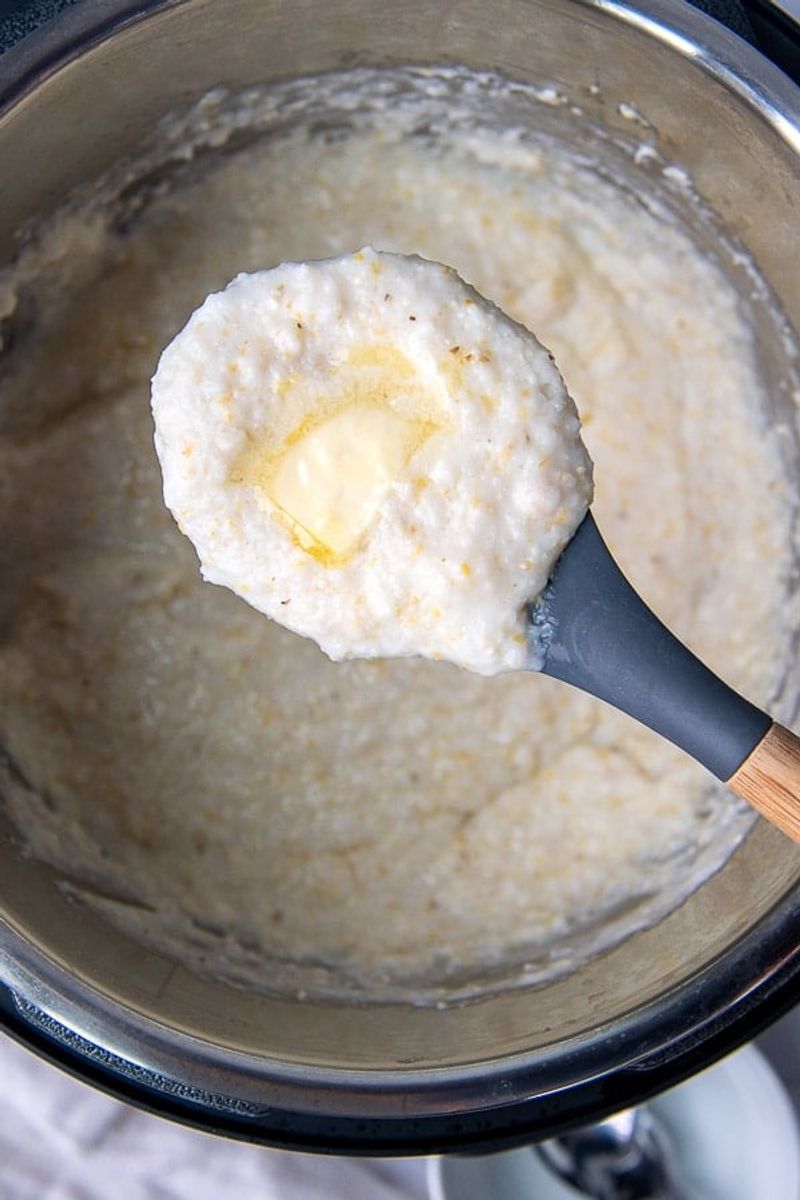
Stand there and stir. Do not walk away.
That was the rule for grits and polenta, which could stick and burn in seconds.
Grandmas often stirred for forty minutes straight. Now an electric pressure cooker makes creamy grits with almost no stirring at all, freeing you to set the table.
Southern cooks often add a splash of milk at the end. It makes the texture extra smooth and rich.
10. Making Ice Cream
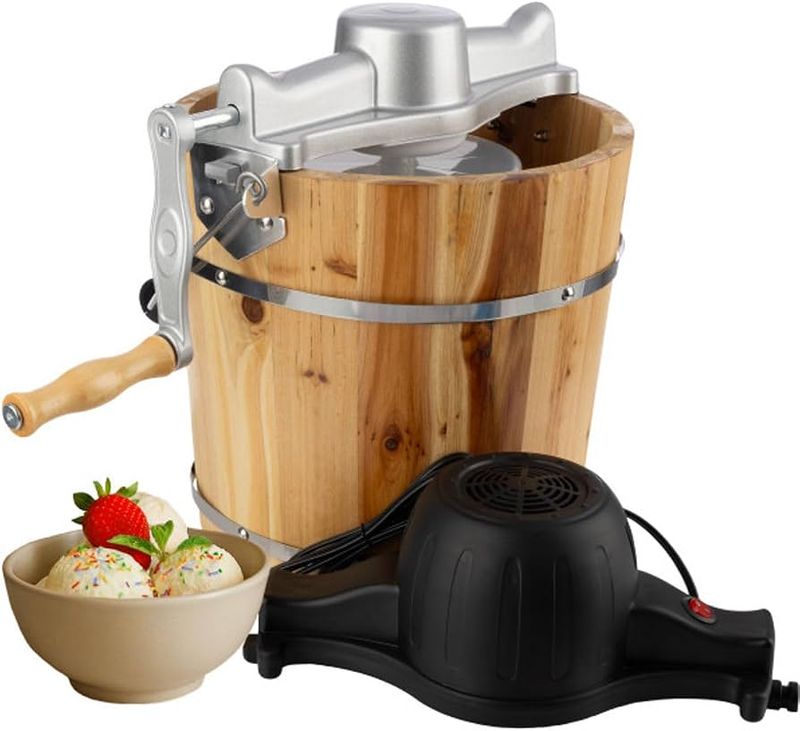
Summer memories for many grandparents include cranking a wooden bucket packed with ice and rock salt. Everyone took turns until their arms gave out.
The reward was worth it, but it took close to an hour. Modern electric ice cream makers churn a creamy batch in about twenty minutes with zero cranking.
Here is a cool science fact: salt lowers the freezing point of ice, making the bucket cold enough to freeze cream.
11. Shelling Peas and Beans
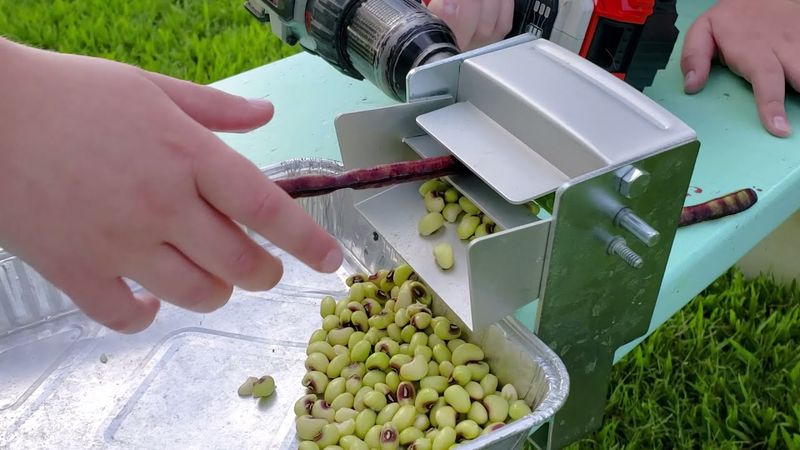
Porch afternoons often meant a big basket of pea pods and a long chat. Shelling them one by one could fill hours, though the gossip helped.
Hand-crank and electric pea shellers now pop peas out of their pods quickly. Frozen bags at the store skip the job completely.
Honestly, shelling with family is still a lovely way to slow down. Kids especially enjoy hearing that satisfying little pop.
12. Grating Cheese
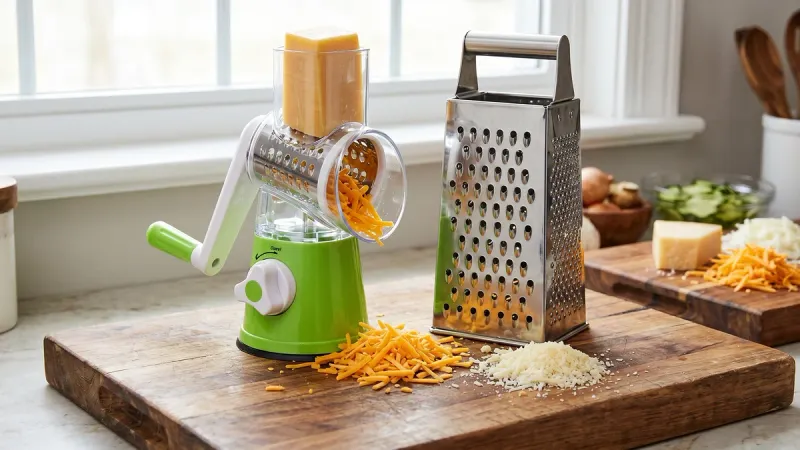
Scraped knuckles were basically a badge of honor for anyone grating cheese for a big casserole. Box graters work, but they are slow and a bit dangerous.
A food processor with a shredding disc handles a whole block in about thirty seconds. Your fingers stay safely out of the way.
Shredding your own cheese is smart. Bagged cheese has anti-caking powder, so fresh shreds melt smoother on mac and cheese.
13. Milling Flour
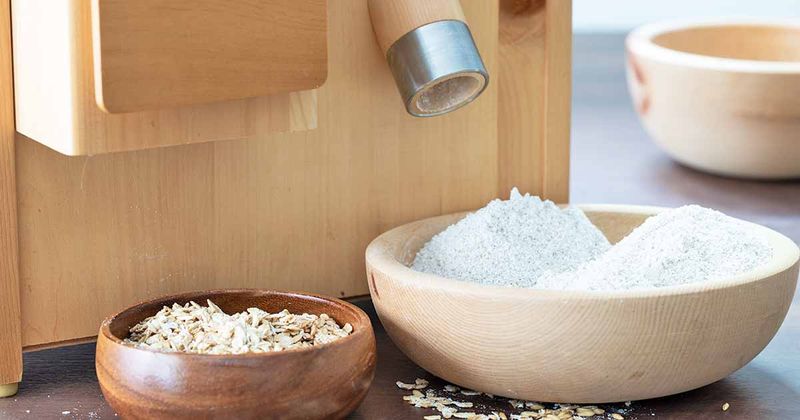
Long ago, flour did not always come in neat paper bags. Some families ground wheat berries with hand mills, a slow and dusty process.
Countertop electric grain mills now turn whole grains into fresh flour in minutes. Home bakers love them for flavorful whole wheat bread.
Fresh flour has more nutrients and a nuttier taste. Just store it in the freezer, since natural oils can spoil faster than store-bought flour.
14. Mashing Potatoes
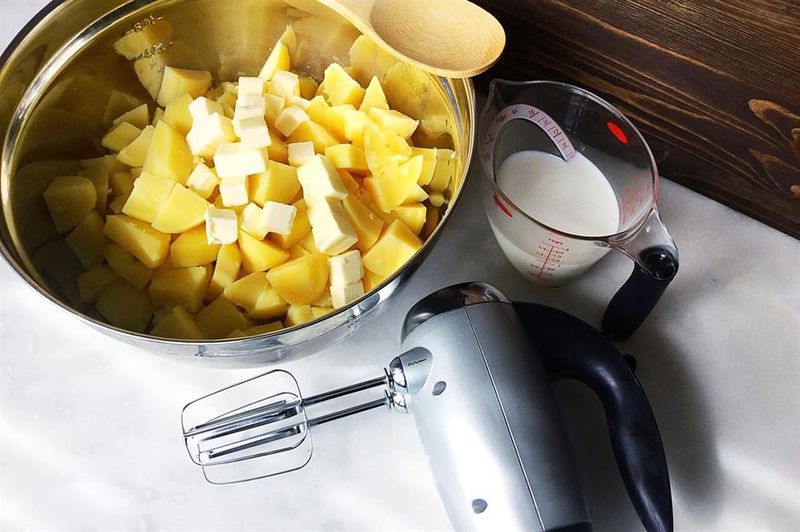
Thanksgiving at Grandpa’s house usually meant someone wrestling a giant pot of potatoes with a metal masher. Lumps were nearly impossible to avoid.
An electric hand mixer makes fluffy, smooth potatoes in a couple of minutes. A ricer gives a silky finish with less effort, too.
One warning: never use a blender. Overworking potatoes releases extra starch and turns them gluey, something no family dinner deserves.
15. Peeling Apples for Pie
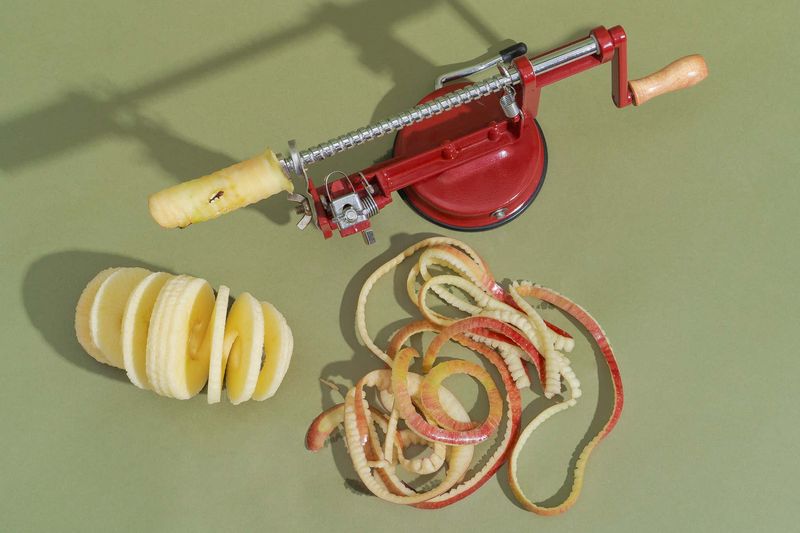
A long curly apple peel was once a little kitchen trophy. Grandmas peeled dozens of apples with a paring knife every fall for pies and sauce.
Crank-style and electric apple peelers now peel, core, and slice an apple in seconds. Making applesauce for the whole family suddenly feels easy.
Old folklore says tossing a whole peel over your shoulder reveals the first letter of your future sweetheart’s name.
16. Pressing Pasta Dough
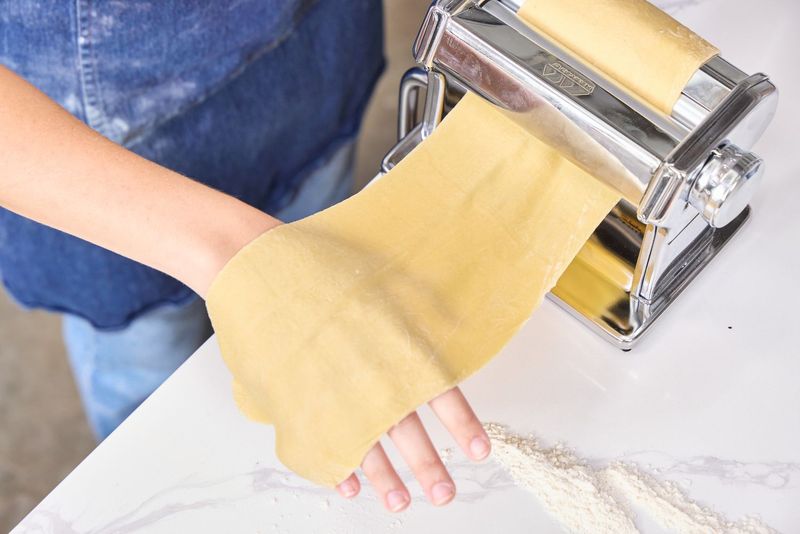
Nonna rolled pasta dough with a long wooden pin until it was thin enough to see through. Skilled hands made it look easy, but it took years of practice.
Electric pasta makers now mix dough and push out noodles in about fifteen minutes. Roller attachments for stand mixers flatten sheets perfectly every time.
Fresh pasta cooks fast, usually in two to three minutes, so keep an eye on the pot.
17. Watching a Simmering Stew
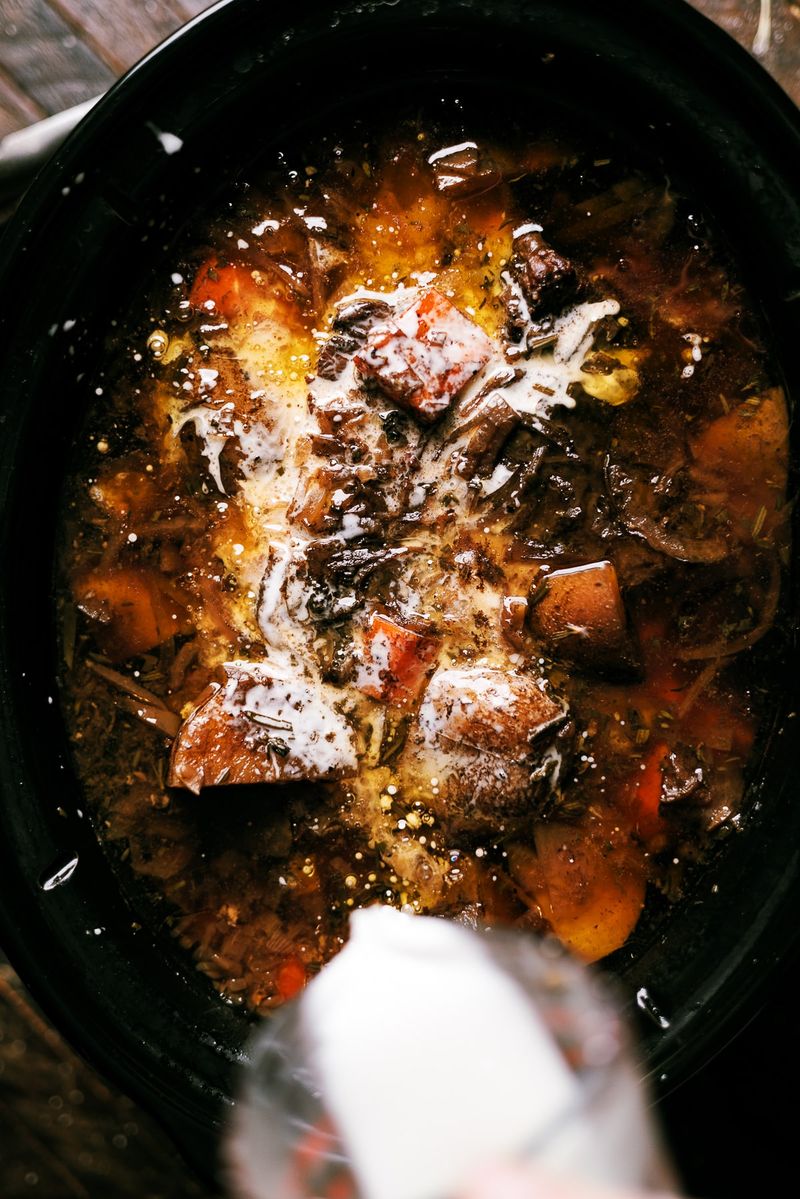
Tough cuts of meat need hours of gentle cooking. Grandparents had to stay close to the stove, adjusting the heat and checking the pot again and again.
Slow cookers let you toss in ingredients before school or work and come home to dinner. Pressure cookers make fork-tender stew in under an hour.
Brown the meat first if you have time. That quick sear adds deep, savory flavor to the finished stew.
18. Making Nut Butter
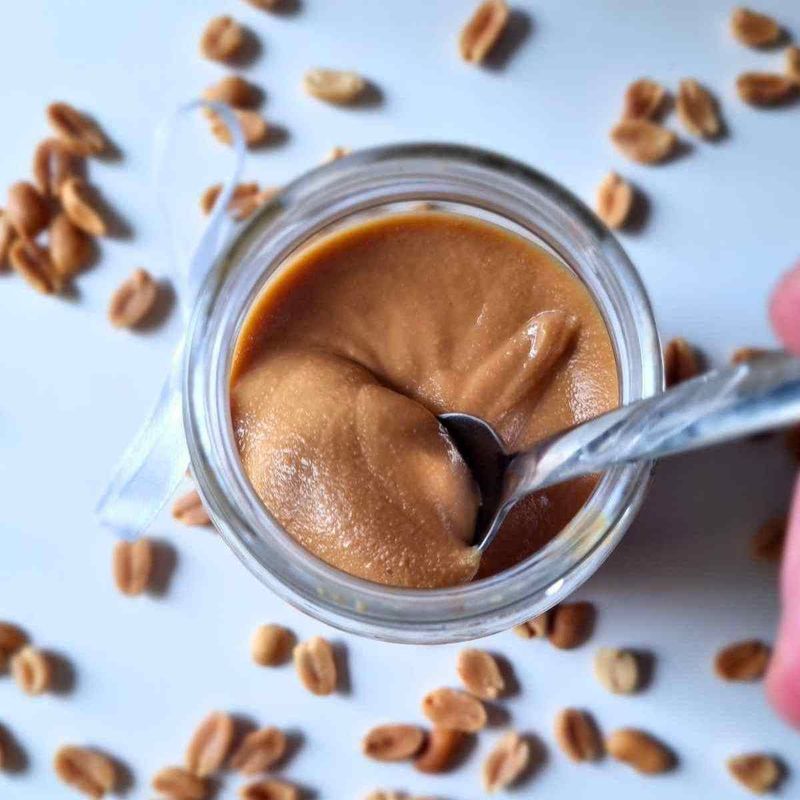
Peanut butter by hand? Yes, some families once crushed roasted nuts with mortars or grinders until they turned into a thick paste.
It was tiring and messy work.
A food processor does it in about ten minutes. Watch the nuts go from crumbs to a ball to silky smooth spread.
Try adding a pinch of salt or a drizzle of honey. Homemade versions skip the extra sugar many store brands include.
19. Sifting and Mixing Cake Batter
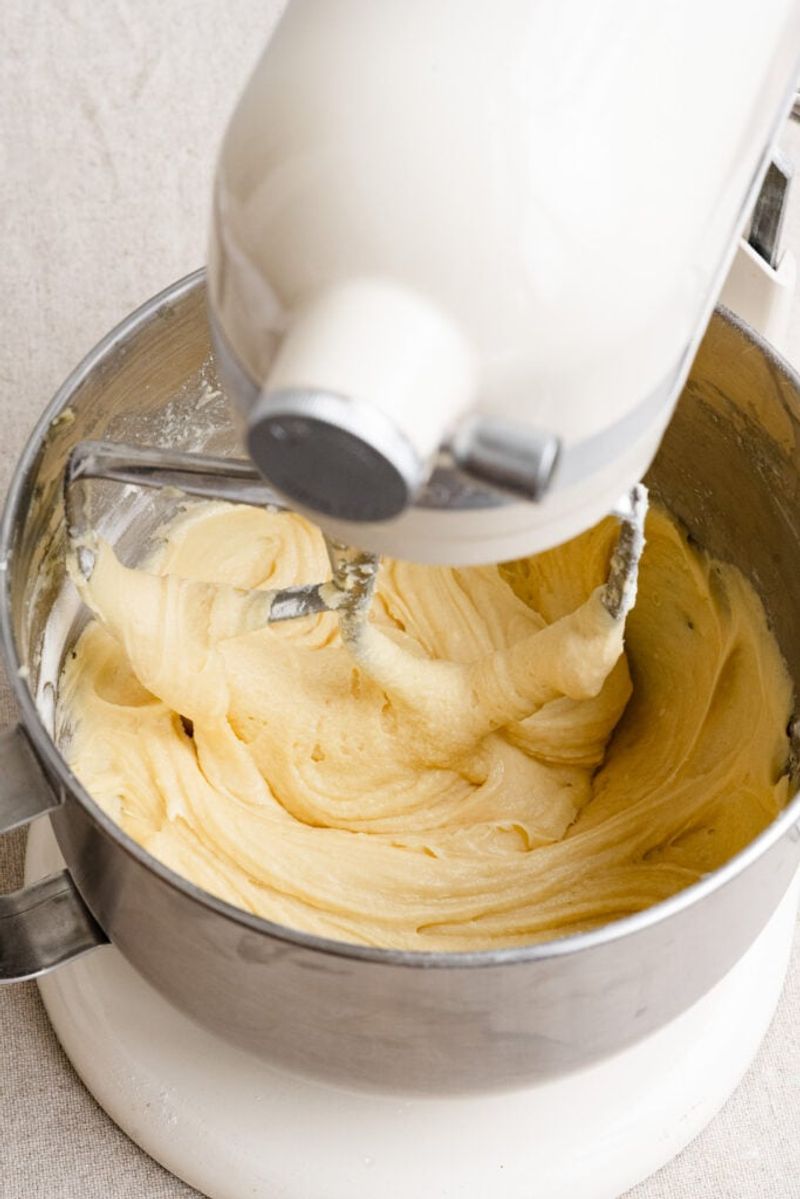
Old recipe cards sometimes said to beat the batter 300 strokes. Grandmas counted every single one with a wooden spoon, building air into the cake.
Stand mixers now cream butter and sugar to a fluffy texture in just a few minutes. Your arm stays fresh for frosting duty.
Remember to stop once the flour disappears. Overmixing creates tough, chewy cakes, which is the opposite of that light birthday slice you want.