
Your cup of tea, your Sunday roast, and even your chip shop dinner all hide stories from faraway lands. Many foods that feel completely British actually depend on ingredients that traveled across oceans hundreds of years ago.
Knowing where these ingredients came from helps us understand history, trade, and how cultures mix together. Get ready to look at your plate in a whole new way.
1. Fish and Chips
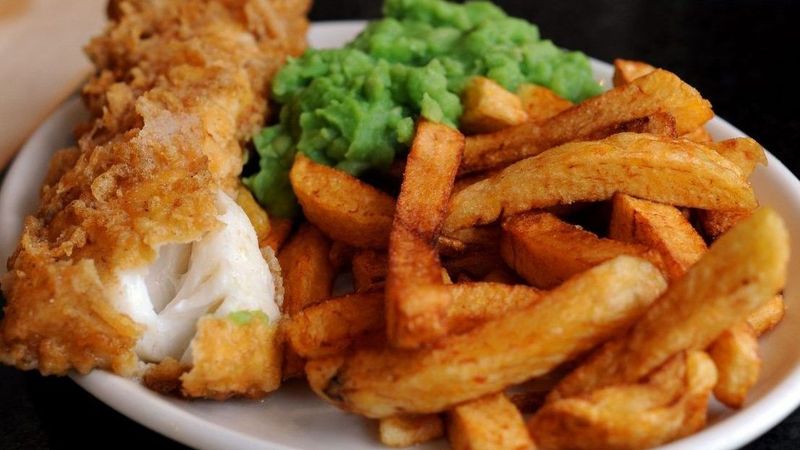
Picture a chilly seaside evening with hot chips in your hands. That beloved British supper owes a huge debt to South America.
Potatoes first grew in the Andes mountains of Peru, where people farmed them thousands of years ago. Spanish explorers carried them to Europe in the 1500s.
Even frying fish in batter was likely brought over by Jewish refugees from Portugal. So next time you add salt and vinegar, remember your meal is a true world traveler.
2. A Proper Cup of Tea
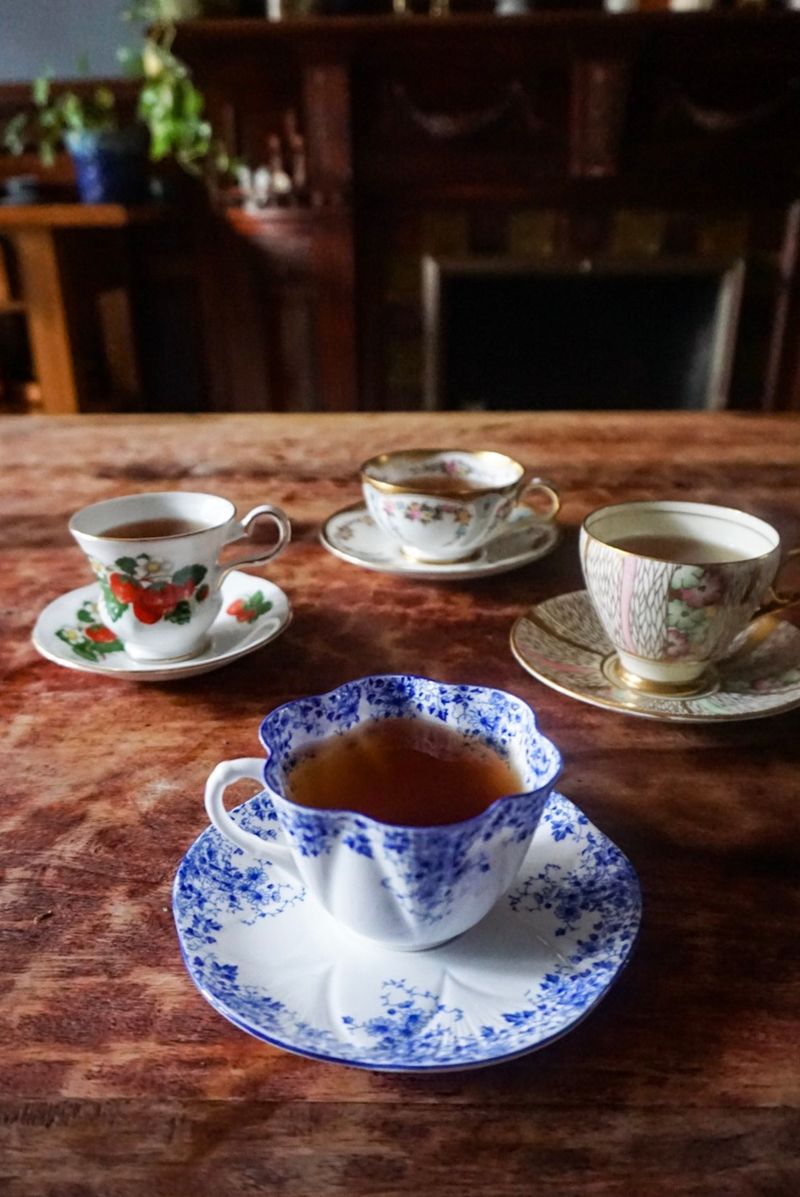
Britain drinks around 100 million cups of tea every single day. Yet not one tea leaf in that history started out on British soil.
Tea comes from China, where people sipped it for thousands of years. Later, huge plantations in India and Sri Lanka supplied British shops.
Queen Catherine of Braganza, a Portuguese princess, made tea fashionable at court in the 1660s. Pop the kettle on and toast her clever taste.
3. Chicken Tikka Masala
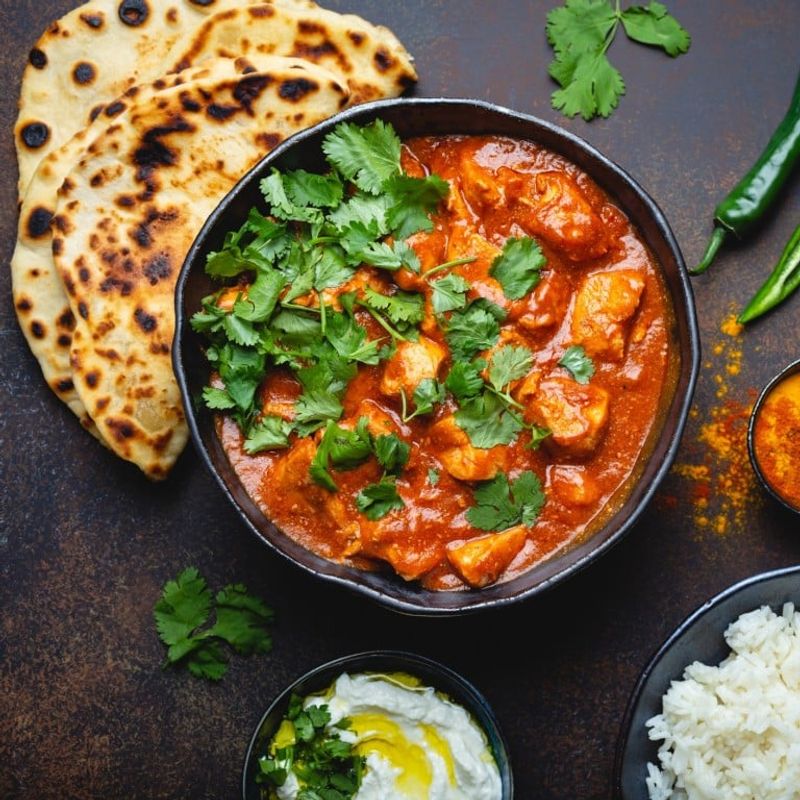
Some folks call it the national dish of Britain, and they are not entirely joking. Many say it was invented in Glasgow during the 1970s.
Still, its flavors come from much farther away. Spices like cumin, coriander, and turmeric arrived from South Asia, while tomatoes in the sauce first grew in Central and South America.
Try making it at home with a ready spice mix. Your kitchen will smell amazing.
4. Full English Breakfast Beans
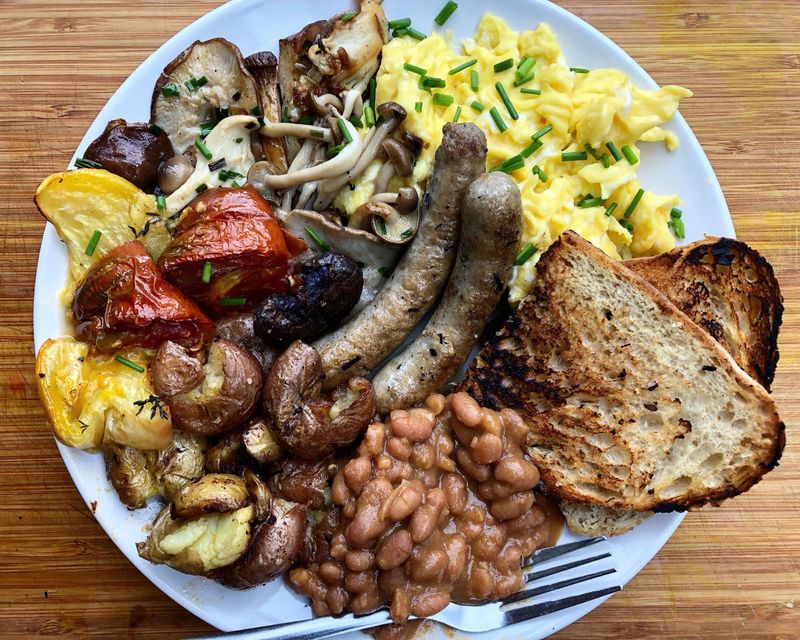
Baked beans feel as British as rainy weekends. Funny enough, those little haricot beans are American through and through.
Native peoples in Mexico and Central America grew them long before Europeans arrived. Canned baked beans in tomato sauce were first sold in Britain by an American company, Heinz, in 1901, at the posh Fortnum and Mason store.
Back then they were a fancy treat. Today they cost pennies and warm up any breakfast plate.
5. Christmas Pudding
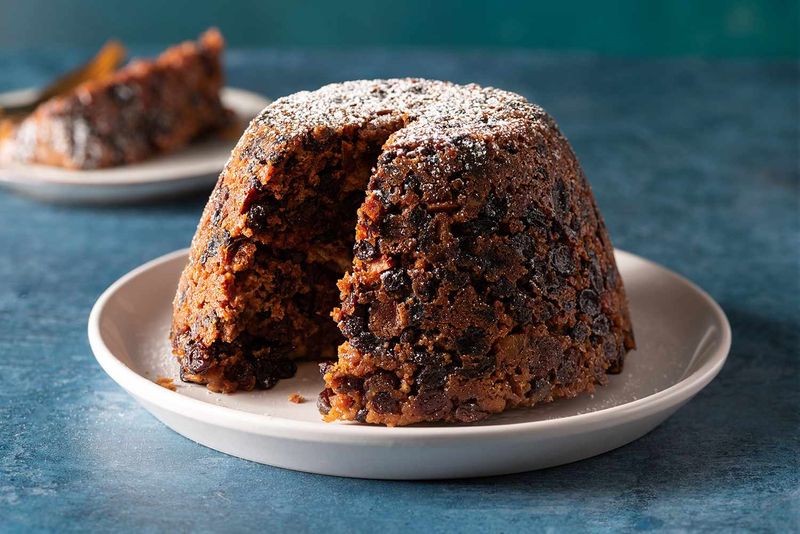
Lights off, brandy lit, and a blue flame dances over the pudding. What a magical holiday moment!
Behind that tradition sits a spice cabinet from around the globe. Cinnamon came from Sri Lanka, nutmeg and cloves from the tiny Spice Islands of Indonesia, and raisins from the Mediterranean.
Centuries ago, these spices cost a fortune, so the pudding showed off wealth. Families still stir it and make a wish together.
6. Marmalade on Toast
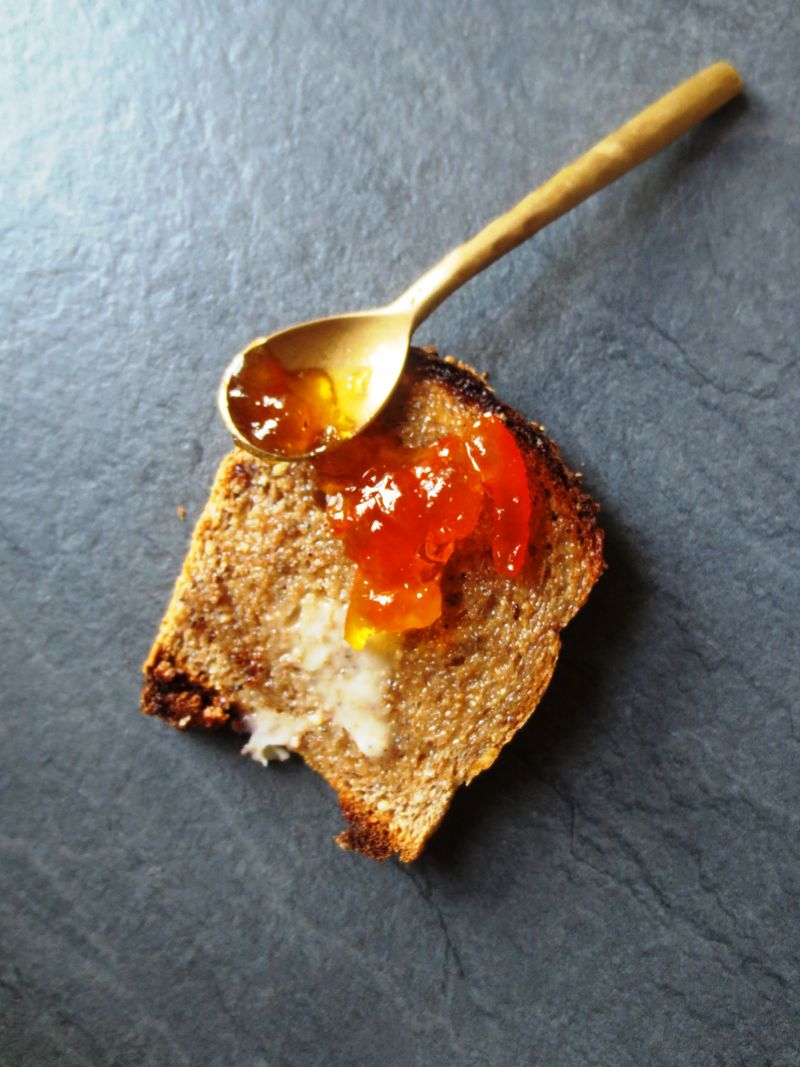
Paddington Bear keeps a marmalade sandwich under his hat for emergencies. Smart bear, honestly.
The bitter Seville oranges used in classic marmalade come from Spain, but their roots go back even further to Southeast Asia and China. Sugar to sweeten it came from distant plantations too.
January is Seville orange season in Britain. Grab a bag and try making your own batch.
It is sticky work, yet wonderfully rewarding.
7. Bakewell Tart
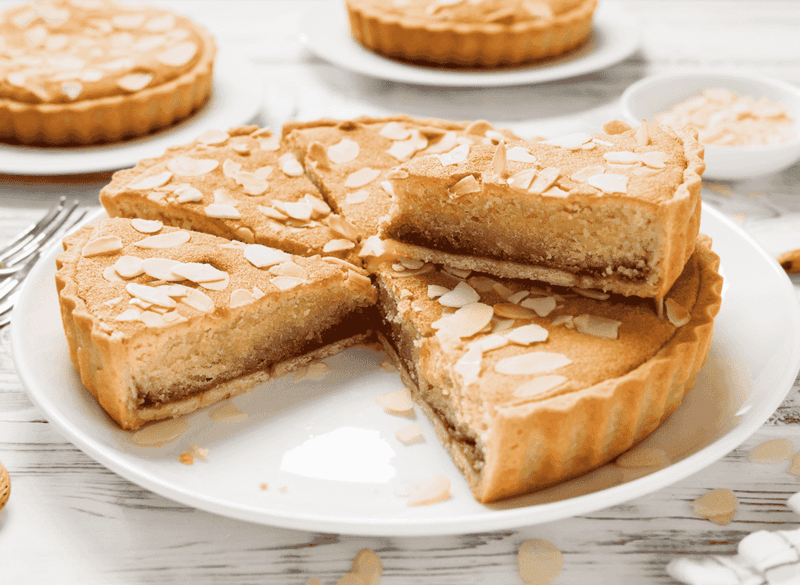
A small town in Derbyshire gave this pastry its name, and locals still argue about the original recipe.
The secret flavor, though, is almond. Almond trees first grew in the Middle East and Central Asia, then spread around the Mediterranean.
Britain never grew many, so almonds were imported for centuries.
Bite into the soft frangipane layer and you are tasting ancient Persian gardens. Pair a slice with tea for an afternoon treat.
8. Jaffa Cakes
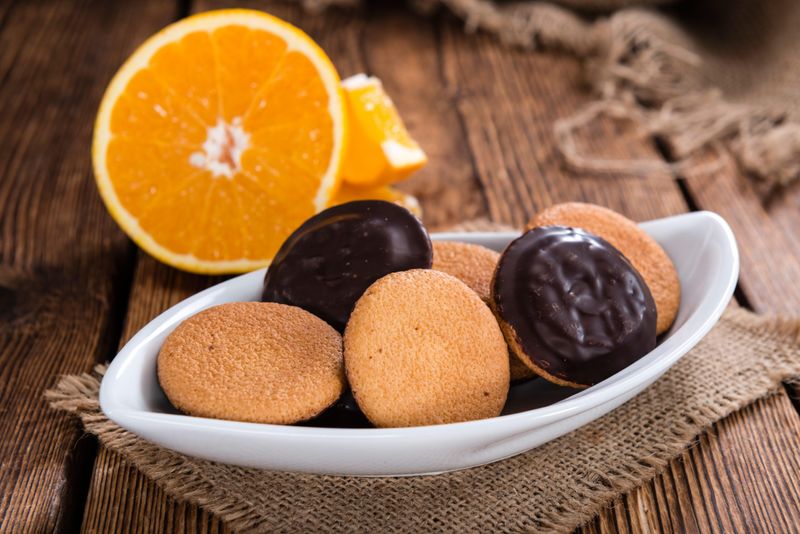
Cake or biscuit? A British court actually had to decide this in 1991, and cake won.
Whatever you call them, their ingredients globe-trot. The name comes from Jaffa oranges, grown near the port of Jaffa in the Middle East.
Chocolate comes from cacao beans, first enjoyed by the Maya and Aztecs in Central America.
So a simple snack mixes two continents. Not bad for something you can eat in one bite.
9. Worcestershire Sauce
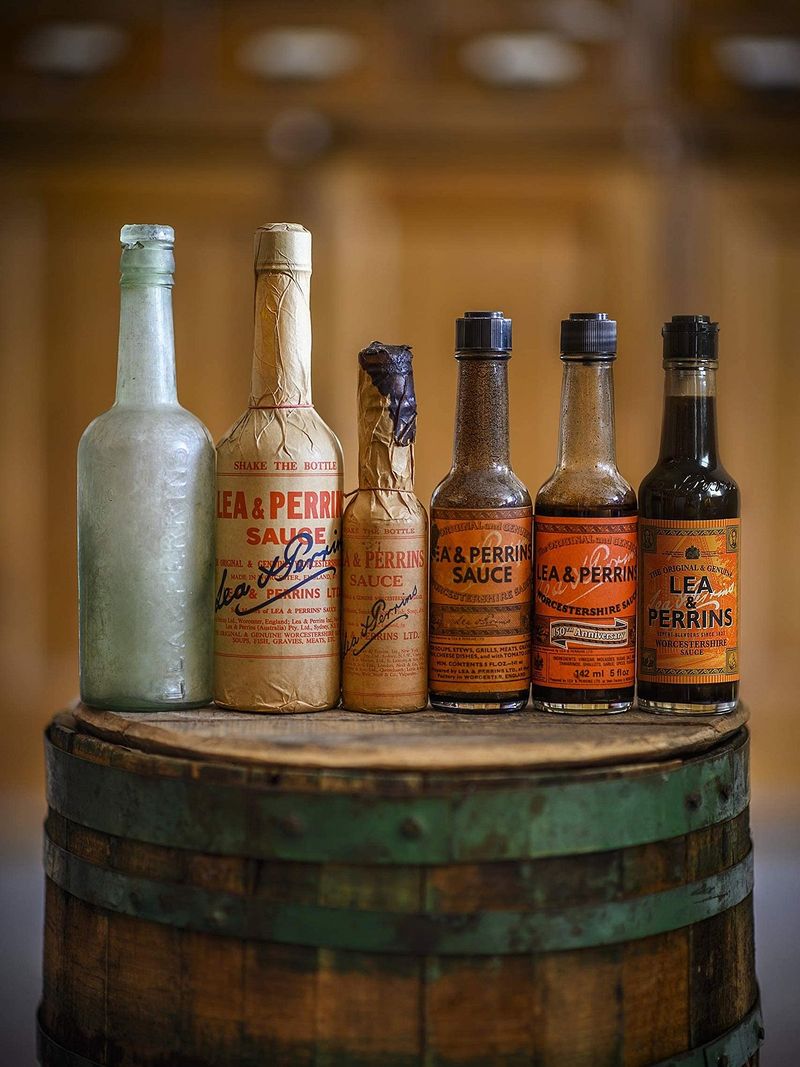
Legend says two chemists in Worcester mixed a sauce in the 1830s, hated it, and stored it in a cellar. Years later, they tasted it again and loved it.
Tamarind, a sour fruit from Africa and India, gives the sauce its tangy kick. Cloves, chili, and molasses also traveled far.
Shake a few drops onto cheese on toast. That deep savory flavor comes from a recipe shaped by faraway trade.
10. Cheese and Pickle Sandwich
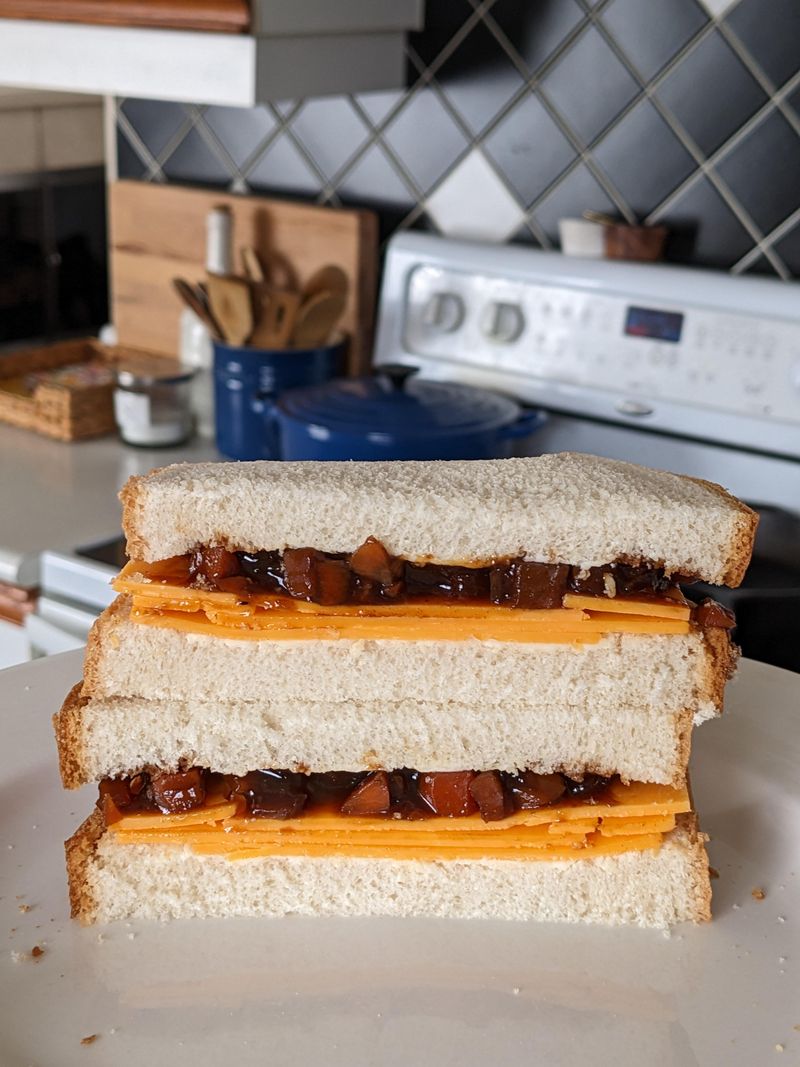
Lunchboxes across Britain hold this tasty classic. The cheddar is homegrown, but that chunky brown pickle has a well-traveled past.
Pickles and chutneys grew popular after British traders tasted them in India. The word chutney itself comes from Hindi.
Many recipes use spices, dates, and sugar from hot climates.
Want an easy upgrade? Add crisp apple slices to your sandwich.
The sweetness balances the tangy pickle perfectly.
11. Roast Dinner With Turkey
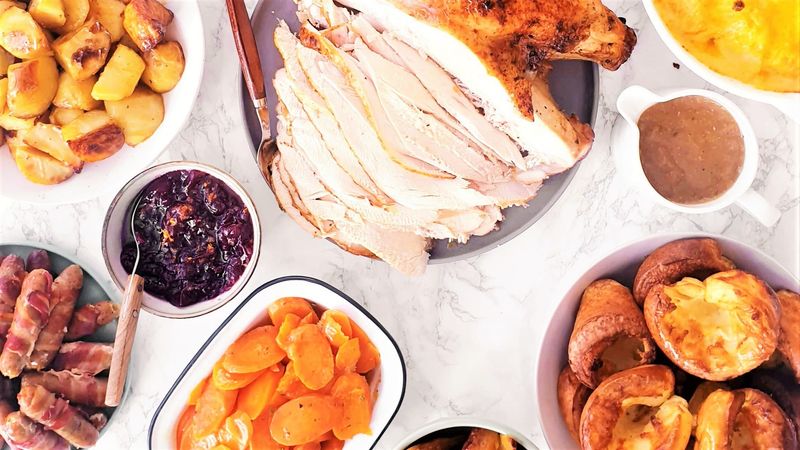
Gather the family, carve the bird, and pass the gravy. Christmas dinner simply would not feel complete without turkey.
Surprisingly, turkeys are native to North America. Indigenous Mexicans tamed them long ago, and traders brought them to England in the 1500s.
Before that, wealthy families feasted on goose or even swan.
Add roast potatoes, another South American import, and half your festive plate comes from the Americas.
12. Ketchup on Everything
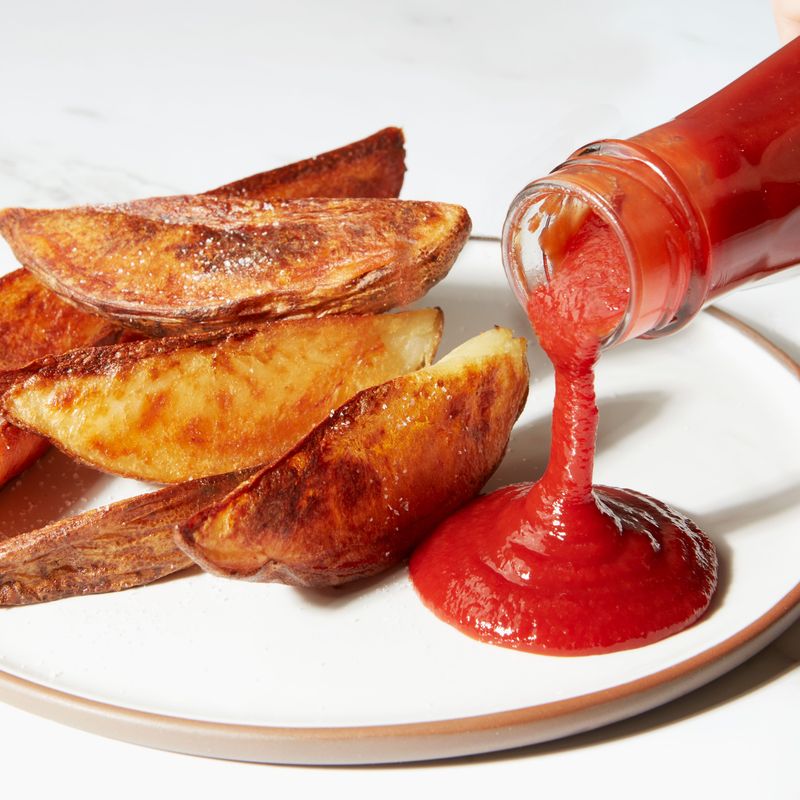
Here is a fun twist: ketchup did not start with tomatoes at all. Its name likely comes from a Chinese fish sauce called ke-tsiap.
British sailors brought the idea home, making versions with mushrooms and walnuts. Later, Americans added tomatoes, which first grew in South America.
Today a red squeeze bottle sits on nearly every café table. Dollop some on a bacon butty and enjoy centuries of tasty tinkering.
13. Crumpets With Sugar Sprinkles
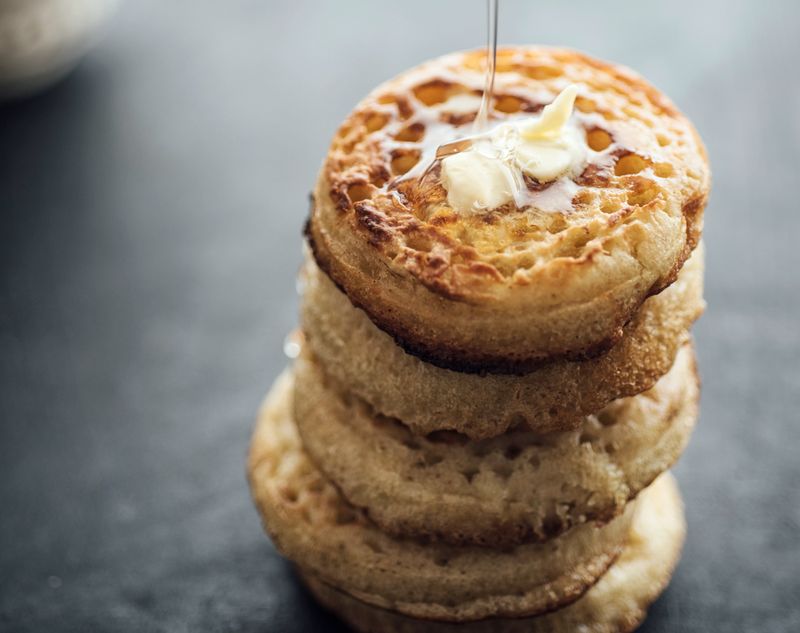
Hot crumpets with butter melting into every little hole. Few smells are cozier on a winter morning.
Many people top theirs with sugar or golden syrup. Sugarcane originally grew in New Guinea and later spread through India.
Sadly, much British sugar was once grown on Caribbean plantations using enslaved people.
Learning this history matters. It reminds us that even sweet treats carry serious stories worth knowing and remembering.
14. Coronation Chicken
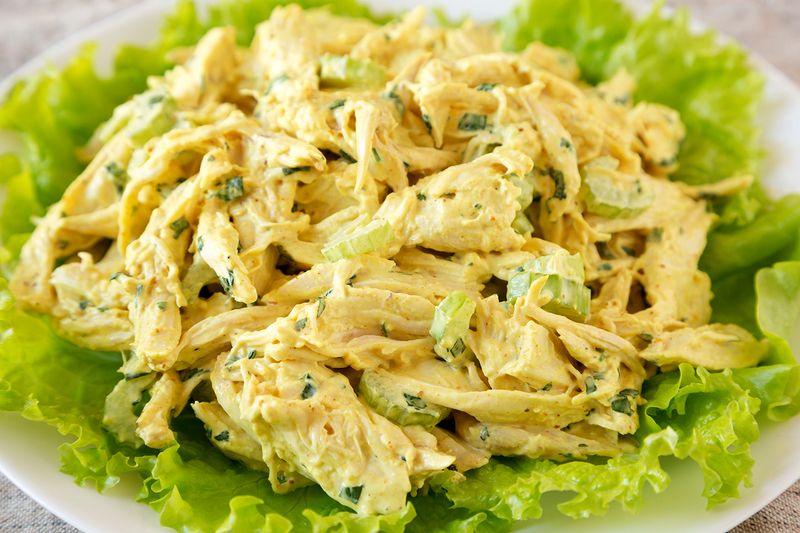
Created for Queen Elizabeth II’s coronation lunch in 1953, this creamy dish was fit for royalty.
Its golden color comes from curry powder, a spice blend inspired by Indian cooking. Recipes also include apricots, originally from China, and sometimes mango chutney.
It quickly became a sandwich favorite at picnics and parties. Mix leftover roast chicken with mayo, curry powder, and raisins for a quick royal-style lunch.
15. Hot Cross Buns

One a penny, two a penny, hot cross buns! Kids have sung that rhyme for generations.
These Easter buns get their warm flavor from cinnamon, nutmeg, and allspice. Allspice is a berry from Jamaica and Central America, while the others came from Asia.
Dried fruits like currants traveled from Greece.
Toast one, spread on butter, and breathe in. That spicy aroma is a whole map of old trade routes.
16. Chocolate Digestive Biscuits
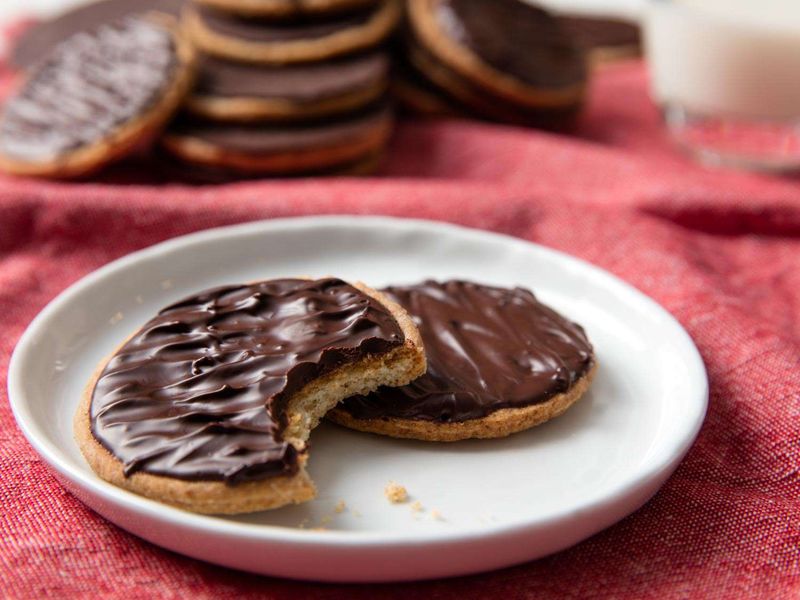
Dunk or don’t dunk? Britain is split, but everyone agrees chocolate digestives are delicious.
Created in Scotland in 1892, digestives were meant to help digestion. The milk chocolate topping came later, in 1925.
That chocolate starts as cacao beans grown in West Africa today, though the plant first came from the Amazon rainforest.
Quick tip: dunk for three seconds only. Any longer and your biscuit might crumble into the mug.
17. Mince Pies
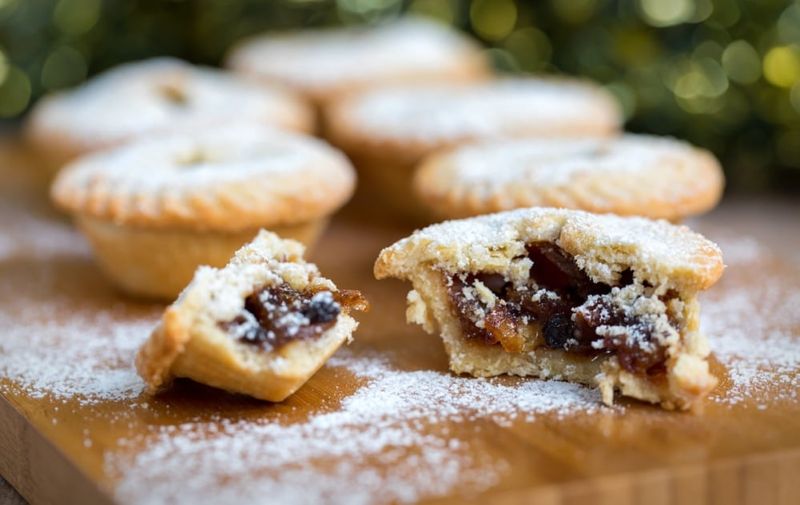
Medieval crusaders returning from the Middle East brought home exciting new spices. Those flavors found their way into early mince pies.
Back then, the pies really held meat mixed with fruit and spices. Now mincemeat is mostly raisins, sultanas, citrus peel, and cinnamon, all from warmer lands far away.
An old tradition says eating one mince pie each day of Christmas brings good luck. Twelve pies?
Challenge accepted.
18. Kedgeree
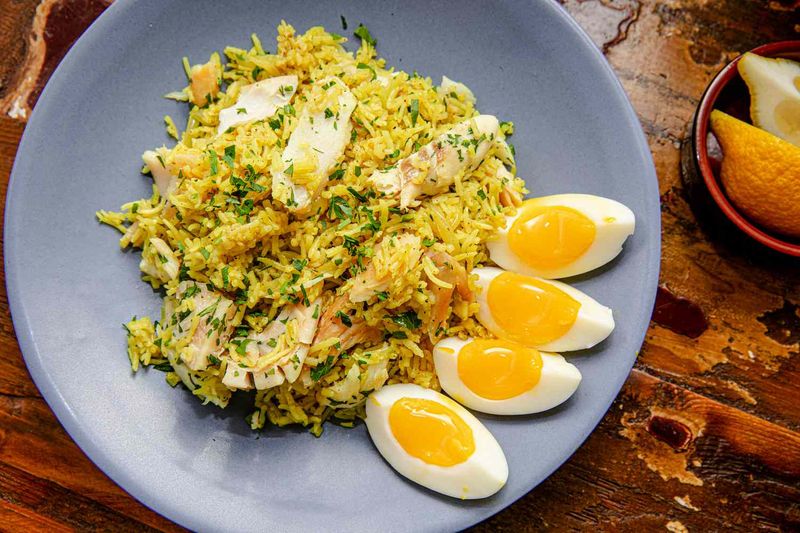
Victorian breakfasts could get adventurous, and kedgeree proves it. This mix of rice, smoked fish, eggs, and curry spice was a posh morning meal.
It grew from khichdi, an Indian dish of rice and lentils. British officers living in India loved it and brought a version home.
Rice itself first grew in Asia. Kedgeree makes a great way to use leftover rice, so give it a try for brunch.
19. Banana Sandwiches
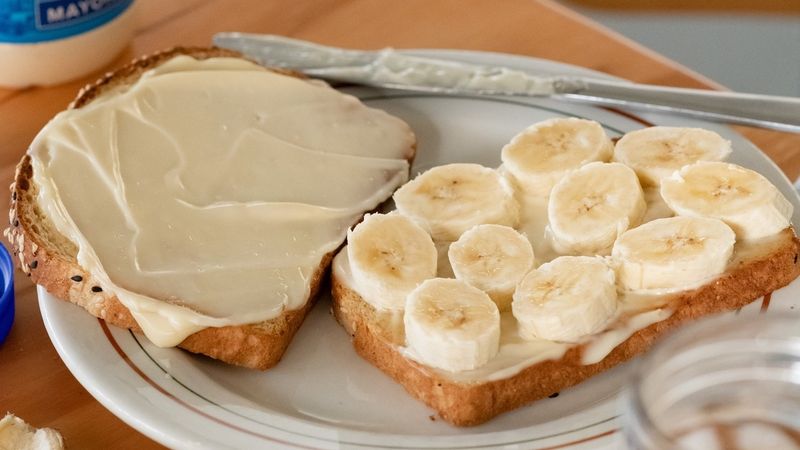
Ask a British grandparent about banana sandwiches and watch their eyes light up. They were a classic childhood snack.
Bananas first grew in Southeast Asia and Papua New Guinea. During World War Two, they vanished from British shops completely.
Some kids had never seen one until the war ended!
Today Britain buys billions every year. Mash one onto buttered bread for a quick, old-fashioned treat.
20. Piccalilli
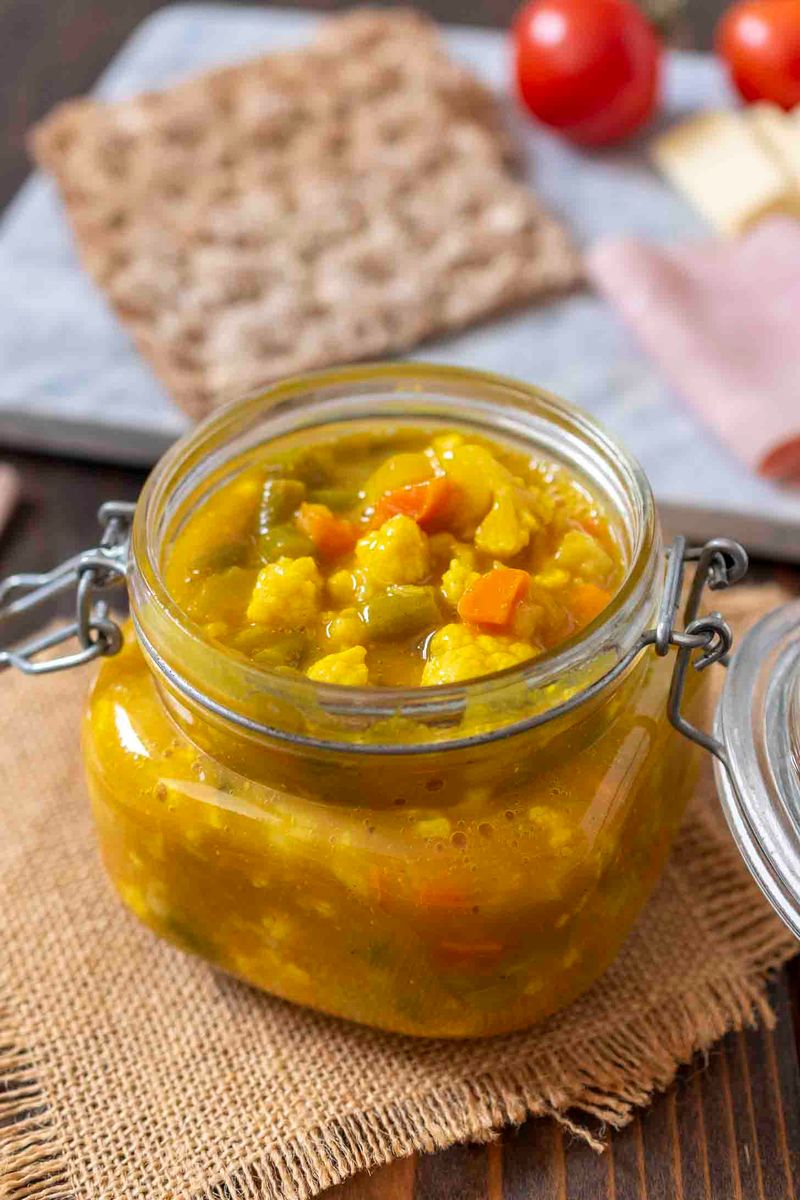
Bright yellow and bursting with crunch, piccalilli looks like sunshine in a jar.
Turmeric gives it that bold color. This root comes from South Asia and has been used in cooking and medicine there for thousands of years.
Mustard seeds and ginger add more heat.
Spoon some next to ham, cheese, and crusty bread for a ploughman’s lunch. The tangy veggies cut through rich flavors beautifully.
21. Ginger Biscuits
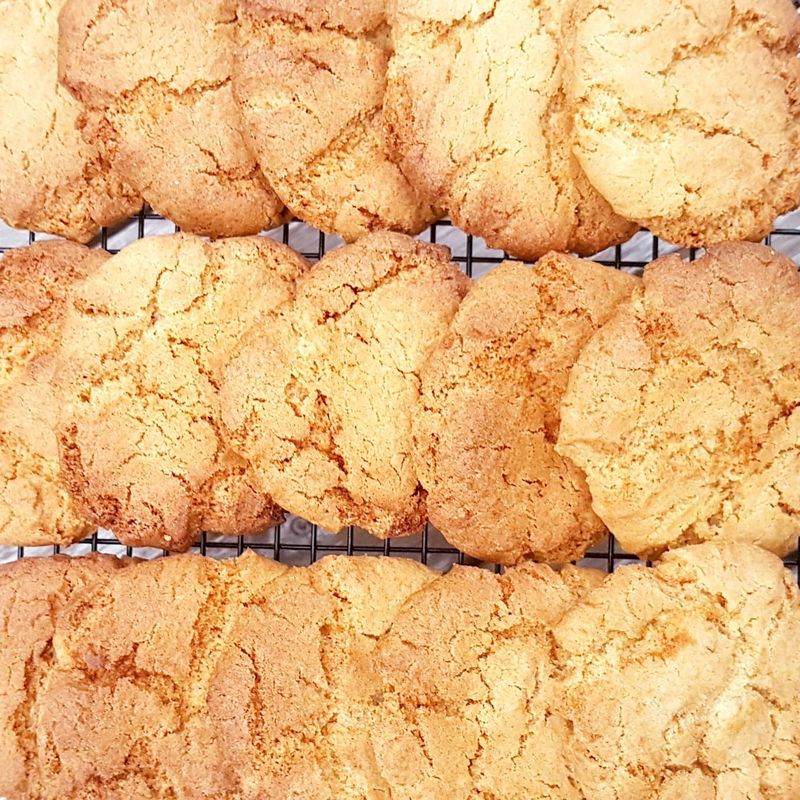
Snap! A good ginger nut breaks with a satisfying crack.
These crunchy biscuits have been British favorites for ages.
Ginger root comes from tropical Asia and reached Britain through Roman and Arab traders. In Tudor times, Queen Elizabeth I reportedly had gingerbread shaped like her guests.
Feeling queasy on a car trip? Many people nibble ginger biscuits to settle their stomach.
Tasty and handy at the same time.