
Diner menus once held dishes that are hard to find today. Some used leftovers, while others turned a few cheap ingredients into a filling meal.
As tastes and food prices changed, many of these plates slipped off the menu. Here are some worth remembering, and perhaps trying at home.
1. Turkey Croquettes
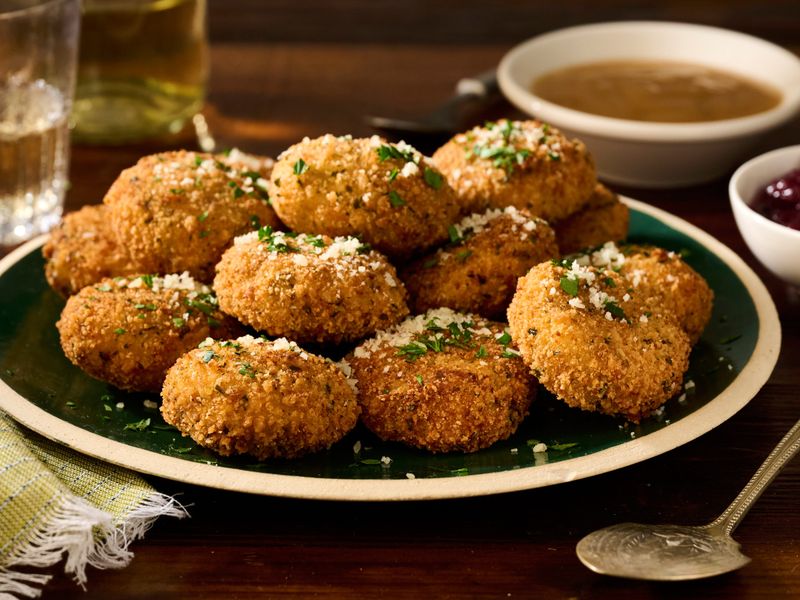
Leftover turkey once had a second act under a crunchy coat. Cooks mixed shredded meat with a thick binder, shaped it into small rounds, breaded it, and fried it until golden.
During lean years, that turned scraps into a filling diner meal.
Chicken fingers later became the easier sell. If you make croquettes at home, chill the mixture before shaping it so the pieces hold together.
Serve them with gravy or a bright cranberry sauce for contrast.
2. Sardine Sandwiches
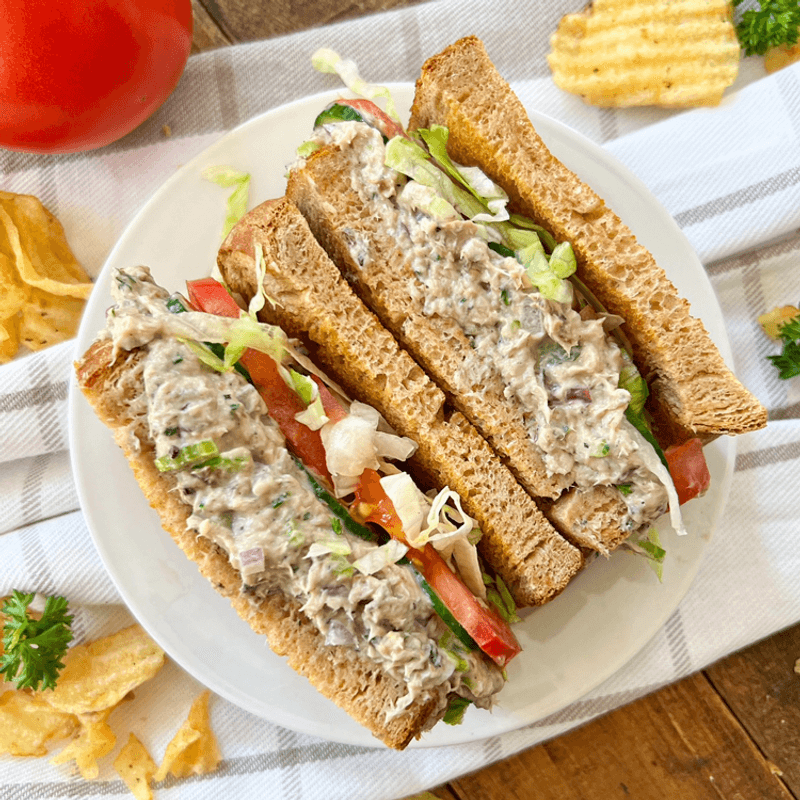
A tin of sardines could become lunch in minutes. Diners tucked the fish between slices of bread with mustard, onion, or lettuce, making a salty sandwich that needed little cooking.
It was a familiar choice in the 1930s and 1940s.
As tuna became the more popular canned fish, sardine sandwiches grew harder to spot. Curious about the taste?
Start with mild sardines, add a squeeze of lemon, and use crisp bread to balance their soft texture.
3. Wheatcakes and Buckwheat Pancakes
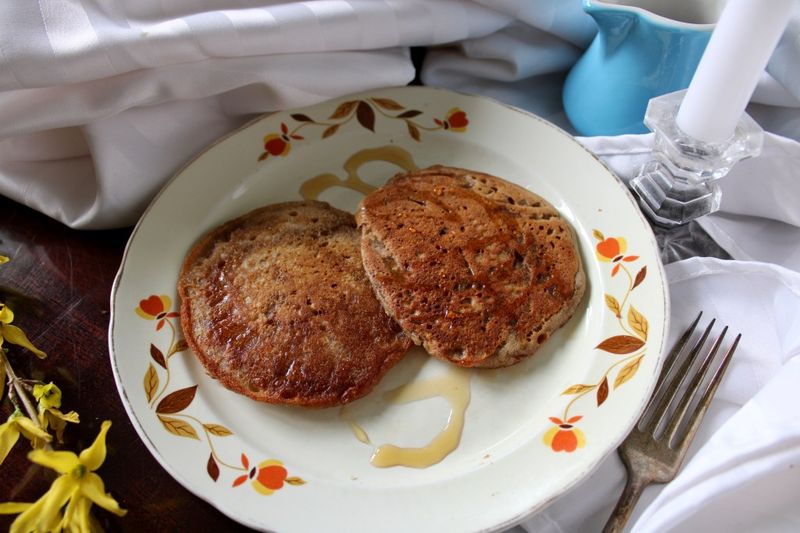
Before fluffy white pancakes took over breakfast menus, darker wheatcakes brought a heartier bite to the table. Whole wheat or buckwheat flour gave them an earthy flavor and a denser texture.
Some cooks added molasses for sweetness and color.
Refined flour and changing tastes pushed these cakes aside in many diners. For an easy introduction, replace just half the white flour in your usual pancake recipe.
A little butter and warm syrup help their rich flavor shine.
4. Liver and Onions
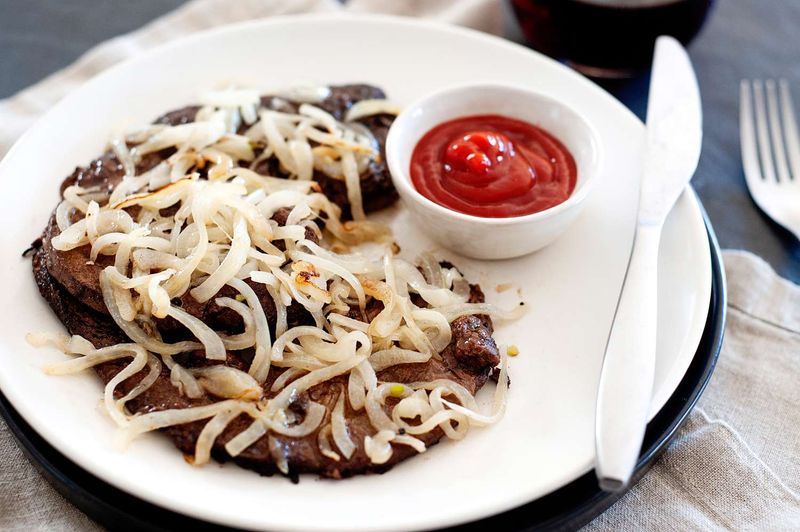
For some regulars, the smell of onions hitting the griddle meant dinner was on its way. Liver cooked quickly beside them, and the onions helped mellow its strong flavor.
It was once a dependable, affordable diner order.
By the 1970s, many customers were choosing other meats instead. Liver can turn tough when overcooked, so thin slices and a short cooking time matter.
If you are trying it for the first time, start with a small portion.
5. Oyster Stew
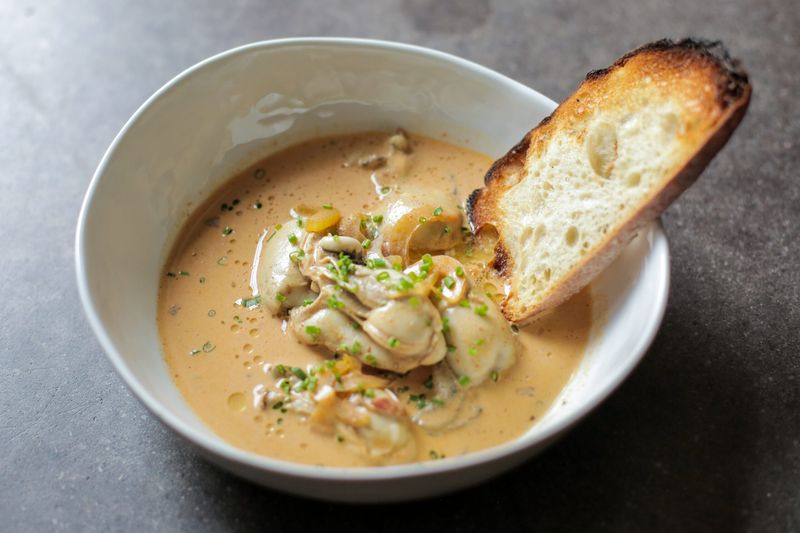
One spoonful of oyster stew could taste like a trip to the coast. Many versions were simple, with oysters warmed in milk or cream and butter.
Other cooks added vegetables or spices for a fuller bowl.
Fresh oysters became costly in many places, making the stew harder to keep on everyday menus. If you find it at a seafood diner, ask whether it is made to order.
At home, warm oysters gently so they stay tender.
6. Tuna Casserole
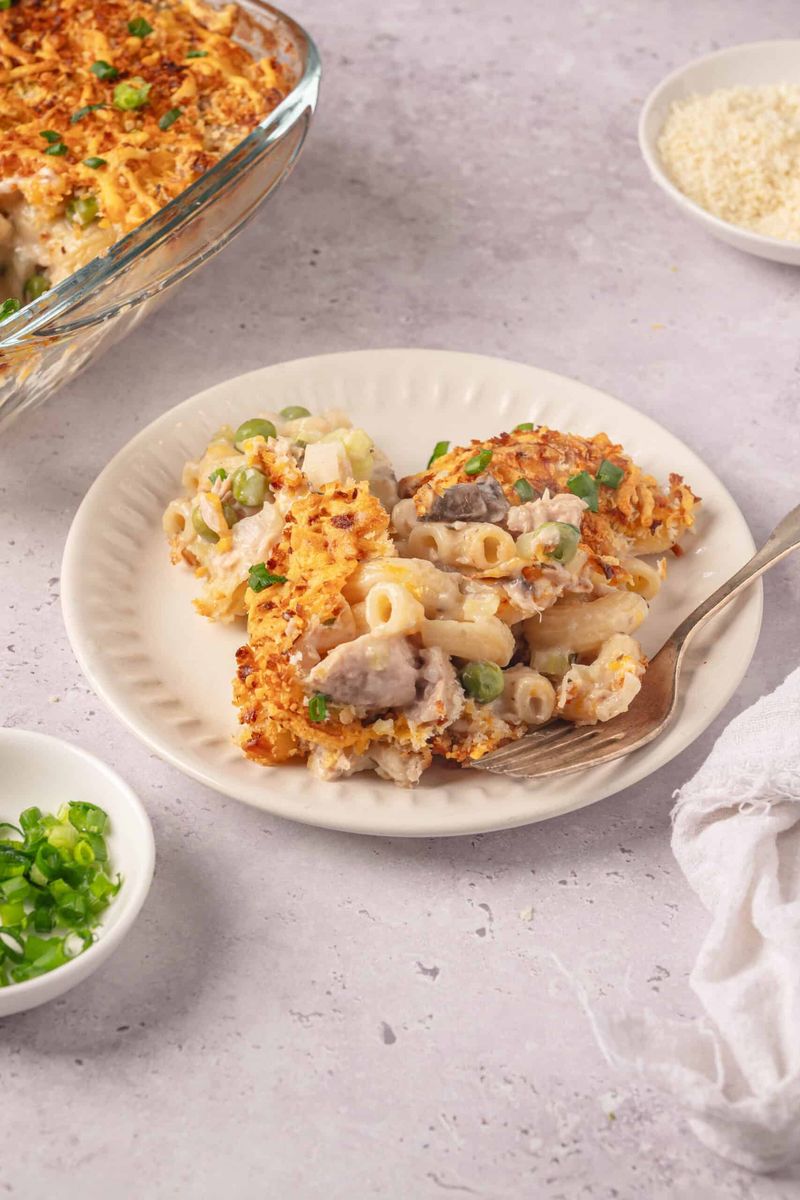
A bubbling dish of noodles and tuna promised a hot meal without fancy ingredients. Cream of mushroom soup often held everything together, while crumbs or crushed chips added crunch.
Diners served it because it was filling and easy to portion.
Later, its canned ingredients began to feel old-fashioned beside burgers and fresh sandwiches. Want to give it another chance?
Add peas, use a little lemon, and bake the topping until it turns crisp and golden.
7. Turkey Devonshire
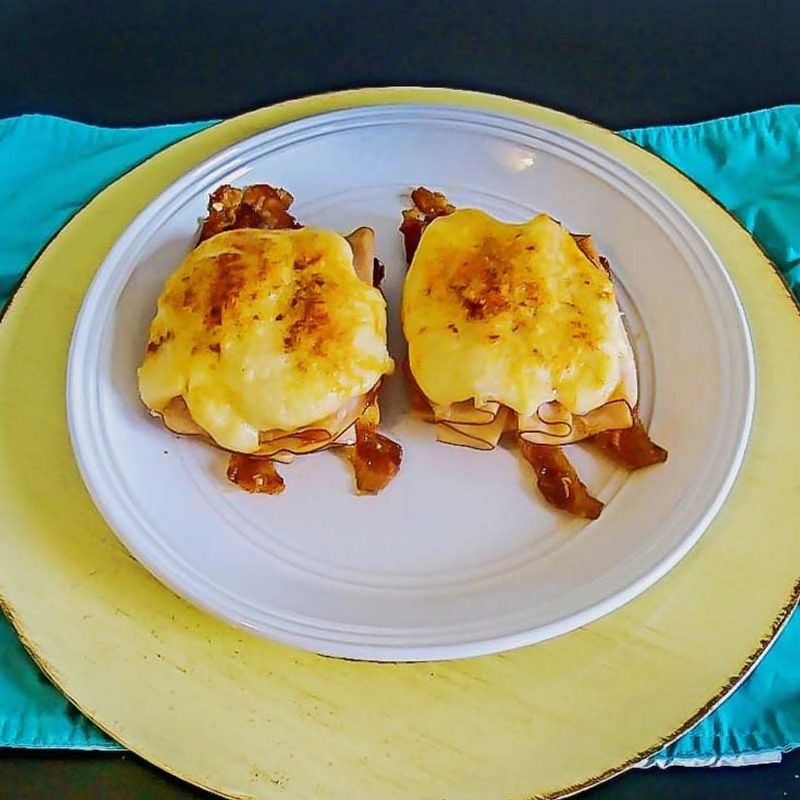
Imagine ordering a sandwich and needing a fork before the first bite. Turkey Devonshire stacked turkey, bacon, and tomato over toast, then covered the lot with a rich cheese sauce.
Some versions finished with Parmesan.
Its generous layers made it memorable, but the heavy plate is rare on modern menus. It remains tied to Pittsburgh food history.
If you spot one, consider sharing it, especially if you want room for pie afterward.
8. Salisbury Steak
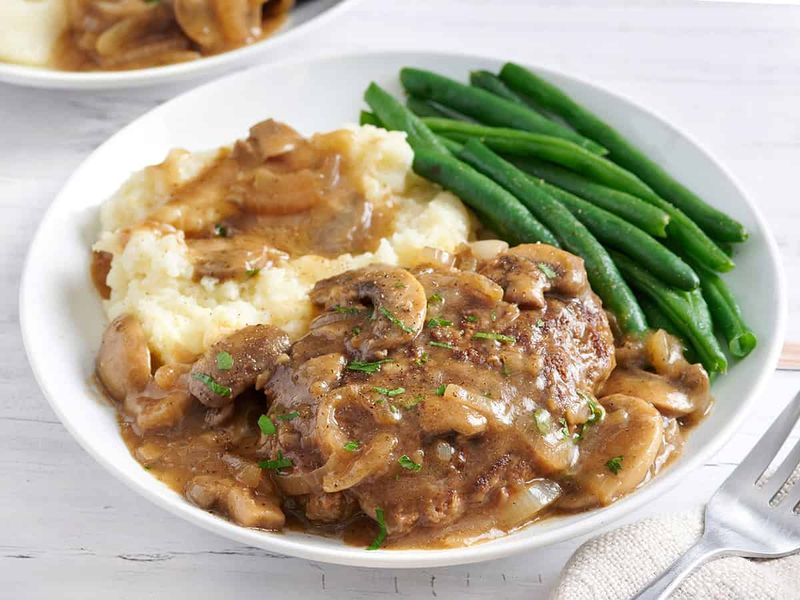
Gravy was the star of many Salisbury steak dinners. The plate paired a seasoned ground beef patty with a thick mushroom sauce, often alongside mashed potatoes.
Though its name came from a doctor who promoted a meat-focused diet, diners embraced it as comfort food.
Packaged versions later changed how many people thought of the dish, and it lost ground on menus. For better homemade patties, handle the beef lightly and let the gravy supply moisture.
9. Creamed Chipped Beef on Toast
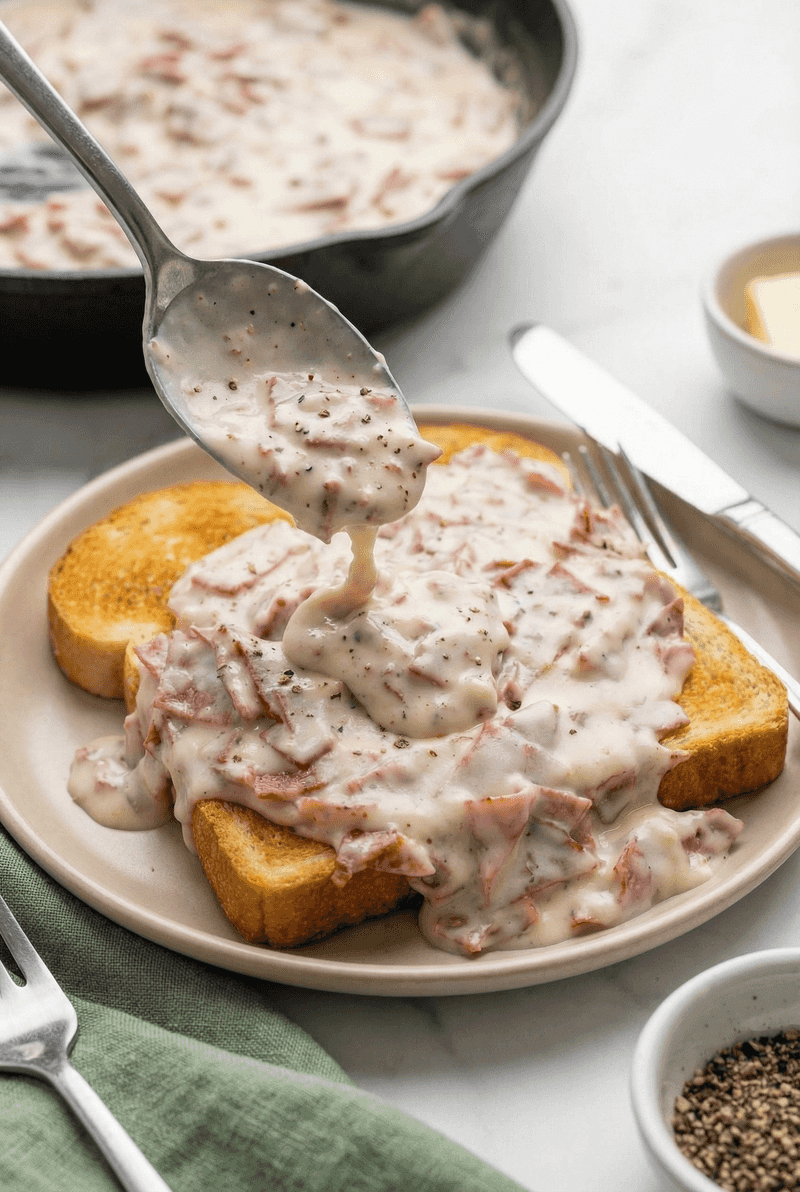
Salty dried beef, creamy sauce, and toast made a breakfast that stuck with you. Cooks sliced the beef thin, warmed it in a simple white sauce, and poured it over bread.
The meal was cheap, quick, and familiar in diners and home kitchens.
Many menus have dropped it, though fans still seek it out. Because the beef is salty, taste the sauce before adding seasoning.
A grind of black pepper gives the mild sauce welcome bite.
10. Coconut Cream Pie
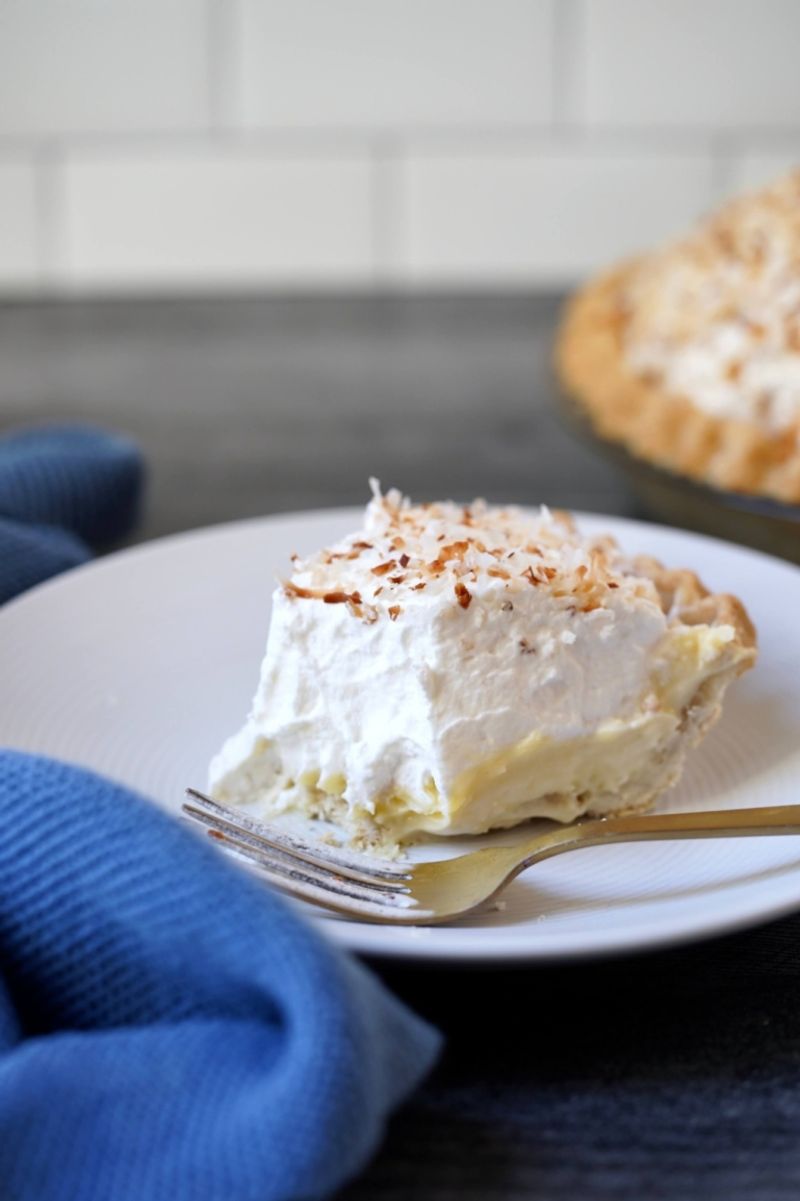
Behind the diner glass, coconut cream pie looked like a small celebration. A flaky crust held cool custard, with whipped topping and coconut piled above it.
The dessert was especially loved around the 1950s.
Making the filling, crust, and topping takes time, which may help explain why fewer diners offer it now. If you buy a slice, look for custard that holds its shape without feeling rubbery.
Toasted coconut adds a pleasant crunch.
11. Jell-O Salad
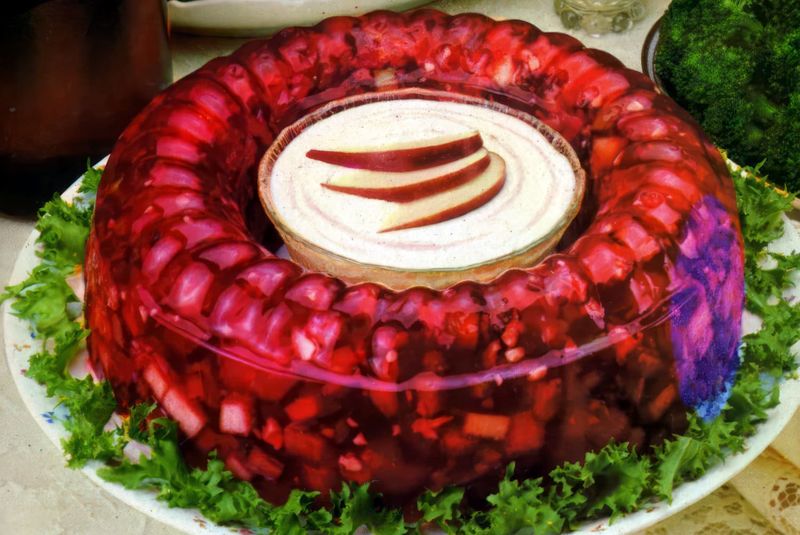
Wiggly fruit salad could once arrive beside a savory diner meal. Gelatin held canned fruit and, in some versions, marshmallows or coconut in a colorful mold.
A jellied Waldorf salad might also include apples, celery, and nuts.
Today, the sweet texture can surprise people expecting leafy greens. These dishes recall a time when packaged foods felt modern and handy.
To try one, use less added sugar and include crisp fruit for a fresher bite.
12. Jelly Omelettes
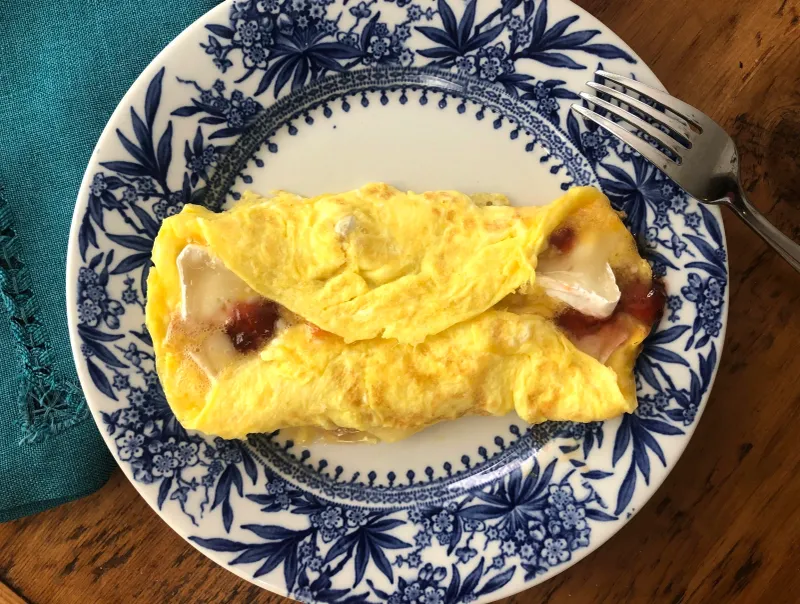
Jelly inside eggs sounds like a kitchen mix-up, yet it had a place on old menus. A thin omelette wrapped around a spoonful of fruit jelly, making a breakfast that was both sweet and savory.
Cheese appeared in some versions, too.
Modern diners usually keep sweet toppings for pancakes, so this combination is tough to find. Try it at home with a tart jelly, such as raspberry, and add only a little.
The eggs should still lead.
13. Milk Toast
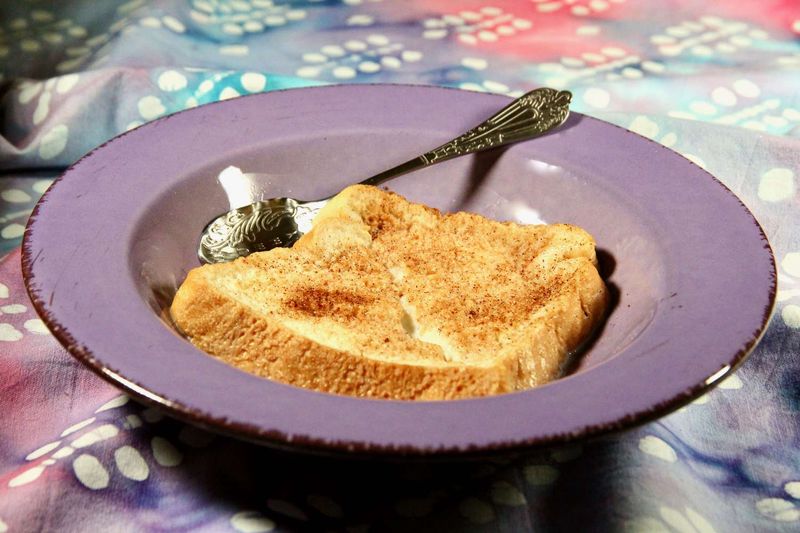
On a chilly morning, milk toast offered comfort without much fuss. Toast sat in warm milk, sometimes with butter and sugar added.
Its soft texture made it a familiar choice when someone wanted a gentle meal.
Beside loaded breakfast sandwiches, such a plain dish can seem out of place today. You can still make it in minutes at home.
Toast the bread well first, then pour on just enough warm milk to soften it without losing every bit of crunch.
14. Roast Beef Manhattan
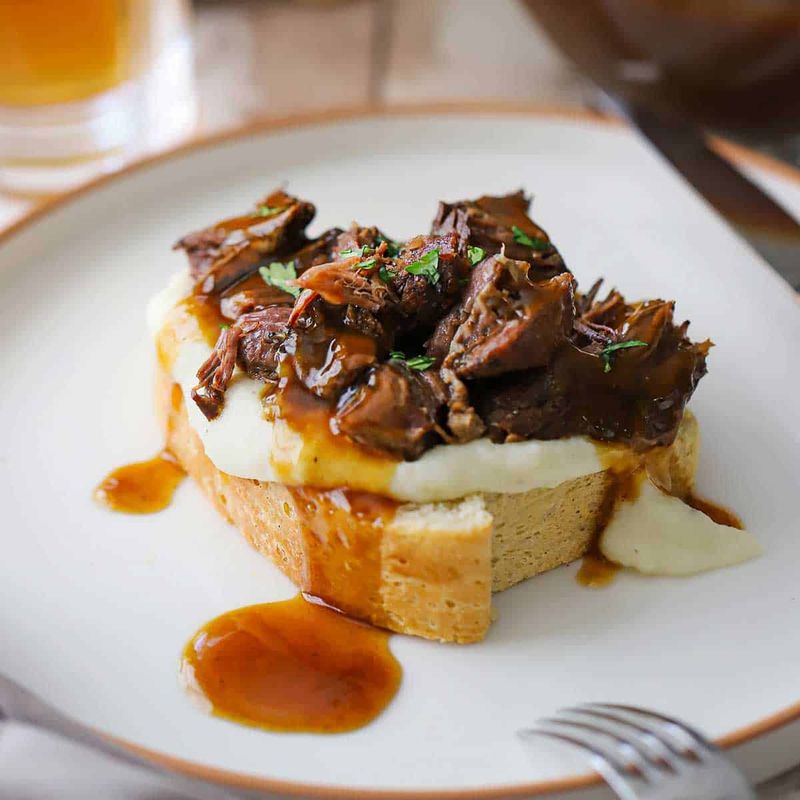
A plate of roast beef Manhattan rarely leaves anyone hungry. Sliced beef and bread share space with mashed potatoes, while brown gravy ties everything together.
Some kitchens place the potatoes between halves of an open-faced sandwich; others arrange the parts differently.
The dish still turns up in older eateries, though it is less common on newer menus. When ordering, ask how that kitchen serves it.
A side of green beans can balance the rich gravy.
15. Cottage Cheese Diet Plate
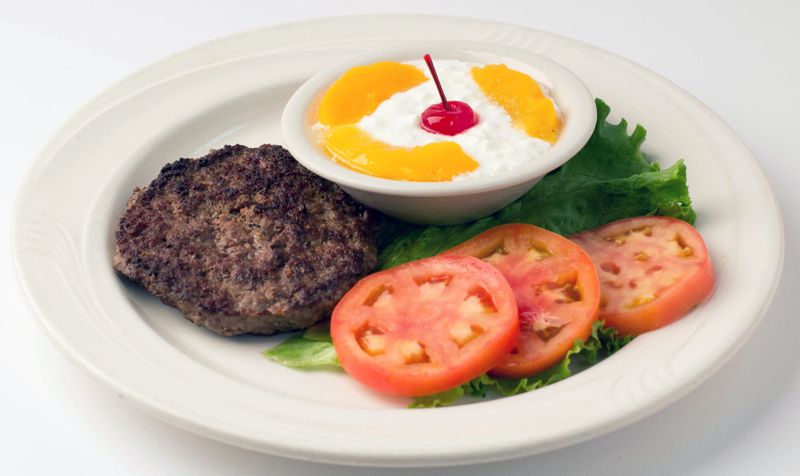
Not every vintage diner special came covered in gravy. A diet plate might pair a scoop of cottage cheese with fruit, lettuce, and a plain beef patty.
For decades, it was sold as a lighter choice beside fries and sandwiches.
Ideas about healthy eating have changed, and the familiar cottage cheese plate has faded from many menus. If you build one yourself, add colorful vegetables and choose fruit you enjoy.
A balanced meal need not feel like a punishment.