
Tuscany is more than a place to see famous art. Its towns and villages show how people have lived, worked, and gathered for centuries.
Some have tall towers or grand squares, while others are best enjoyed over a slow lunch. Each stop offers a different way to get to know the region.
1. Pienza: A Renaissance Town With a View
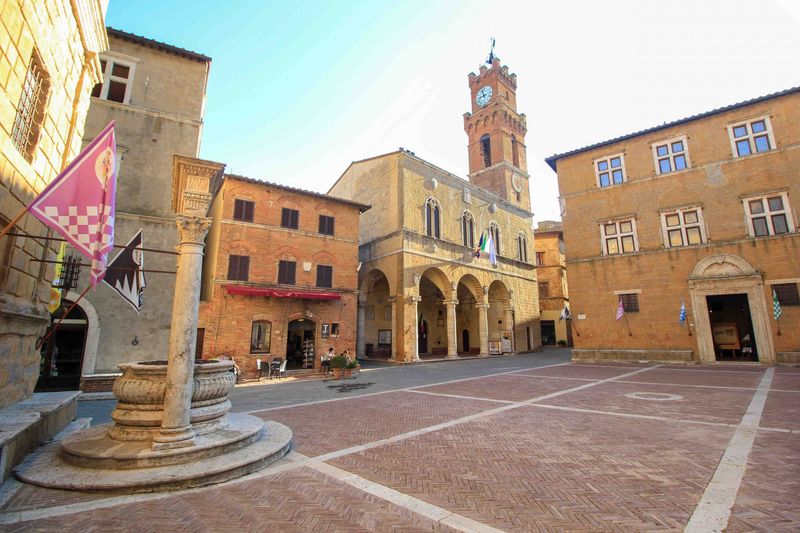
A short walk in Pienza can feel like stepping into a carefully drawn picture. Built around a Renaissance plan, this small UNESCO World Heritage town has handsome buildings and narrow lanes that open onto wide views of the Val d’Orcia.
Take time to look beyond the main square, where quieter streets invite a slower pace. Stop at a local cheese shop to try pecorino, the sheep’s milk cheese closely tied to Pienza.
Morning light makes the valley lovely for photos.
2. San Gimignano: Towers Above the Hills
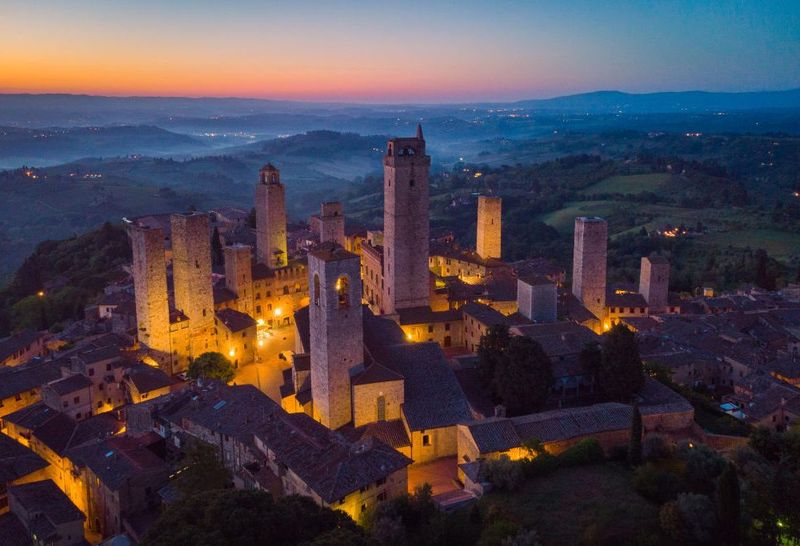
Look up when you reach San Gimignano: its medieval towers make a skyline unlike any other in Tuscany. Fourteen towers still stand, reminders of a time when wealthy families built upward to show their power.
The central streets can get busy, so explore a side lane after seeing the main squares. For a calmer visit, stay until evening, when many day visitors leave and the stone buildings glow under the lights.
Wear comfortable shoes for the uneven paving.
3. Montepulciano: Steep Streets and Valley Views
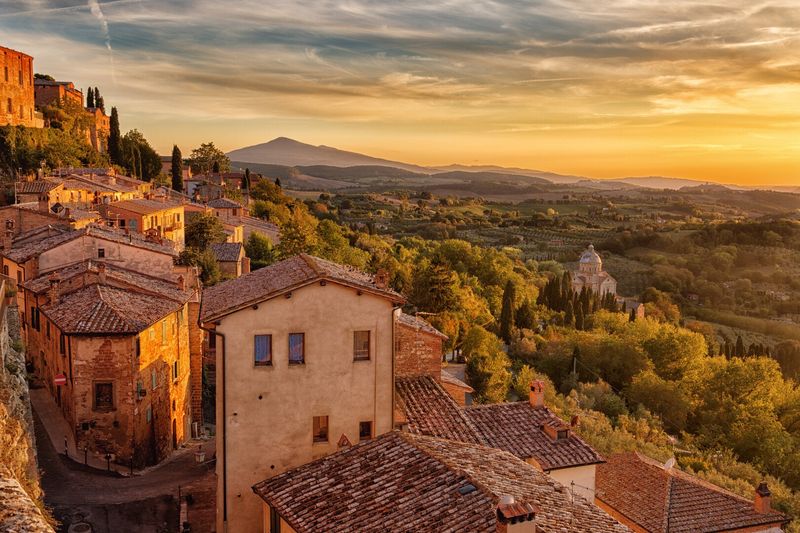
Save some energy for Montepulciano. Its streets climb a ridge, passing stone buildings, small restaurants, and wine shops before reaching grand Piazza Grande.
The effort pays off with views over the countryside.
If you want to taste local wine, ask for Vino Nobile di Montepulciano and check whether a tasting needs a booking. You can enjoy the town without drinking, too.
Pause on the walk uphill, browse a shop, and give yourself time to admire the landscape.
4. Volterra: Ancient Stories Behind the Walls
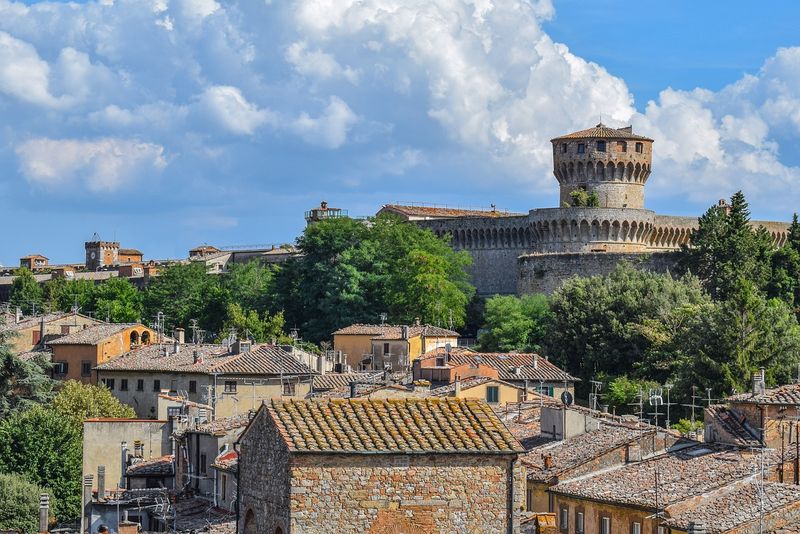
Ancient history feels close in Volterra, a walled hill town with roots stretching back to the Etruscans. Its older streets and broad views make it a rewarding stop for travelers who like to wander without a fixed route.
Visit the Etruscan Museum if you want to understand what came before medieval Tuscany. Then look for workshops selling alabaster, a stone long worked by local craftspeople.
The town sits high, so bring a layer when the weather turns breezy.
5. Siena: A Square Made for Gathering
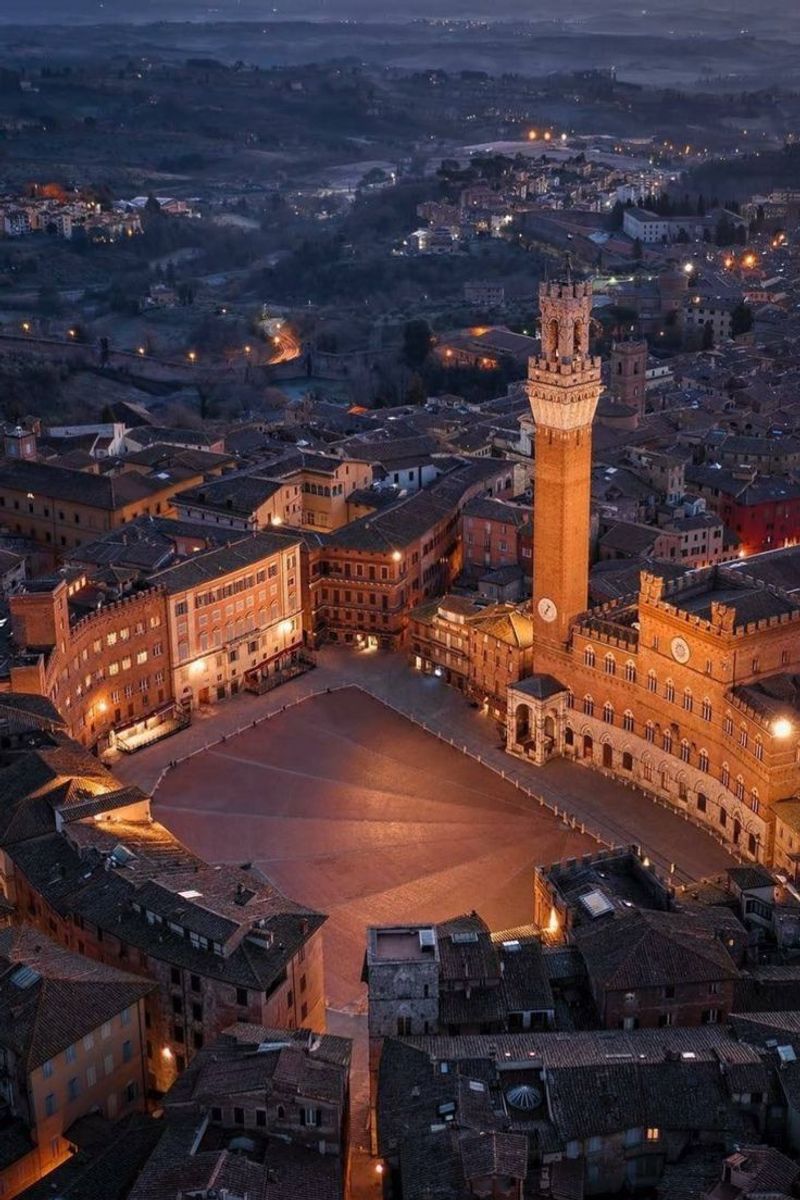
Few squares invite people to linger like Siena’s Piazza del Campo. Its sloping brick surface is the heart of the city and the setting for the Palio horse race, a tradition tied to Siena’s neighborhood groups.
Walk through the surrounding lanes to spot flags marking different contrade, then return to the square after dark. You can admire its shape without rushing between sights.
During Palio events, expect crowds and check access rules before planning your day.
6. Montalcino: Castle Walls and Vineyard Country
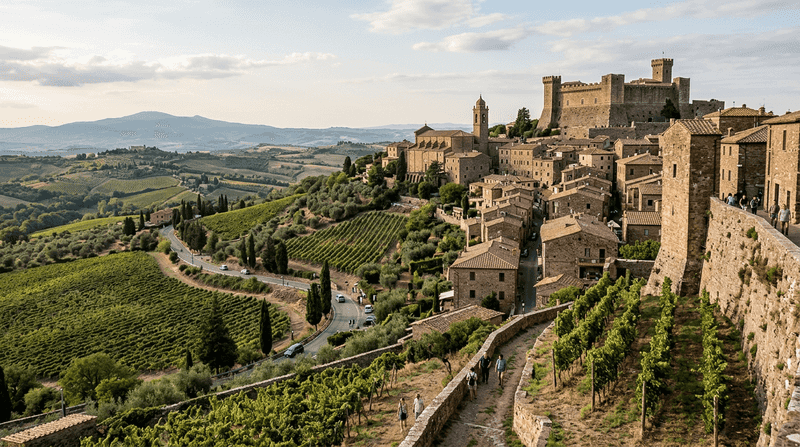
Wine gives Montalcino its fame, but the fortress makes a strong first impression. The 14th-century stronghold rises above streets surrounded by vineyards and olive groves, with far-reaching views from the hilltop.
Brunello di Montalcino is the local name to know if you visit an enoteca. Ask about tasting prices before ordering, and remember that you can also enjoy the area on a simple walk.
Leave room in your schedule for a relaxed meal rather than rushing onward.
7. Cortona: A Hilltop Full of Layers
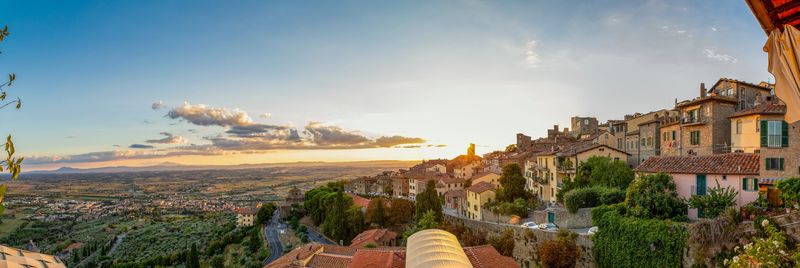
On a clear day, Cortona seems to watch over half the valley. From its hillside streets, you can see across the Val di Chiana toward Lake Trasimeno, while churches and museums tell much older stories.
Set aside time for the MAEC museum if Etruscan and later art interests you. The climbs between sights can be steep, so choose a few stops instead of trying to cover everything.
A pause at a viewpoint is part of the experience here.
8. Lucca: A Walk Above the Streets
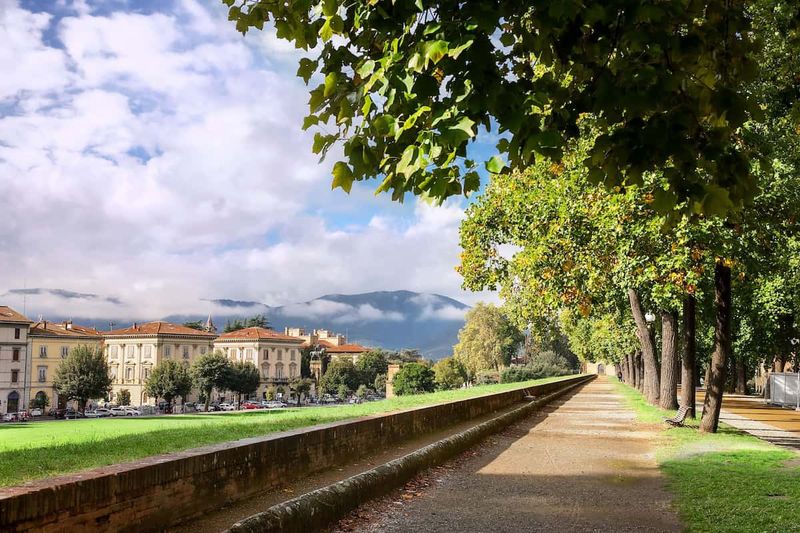
Lucca offers a rare pleasure: you can walk along the top of its old defensive walls. Today, the broad, tree-lined route feels more like a park than a fort, and it gives visitors a gentle way to circle the historic center.
Go on foot or rent a bike if the weather suits you. Inside the walls, leave time for churches, little squares, and a snack.
The route above is also handy when you want fresh air between indoor sights.
9. San Quirico d’Orcia: The Valley’s Quiet Heart
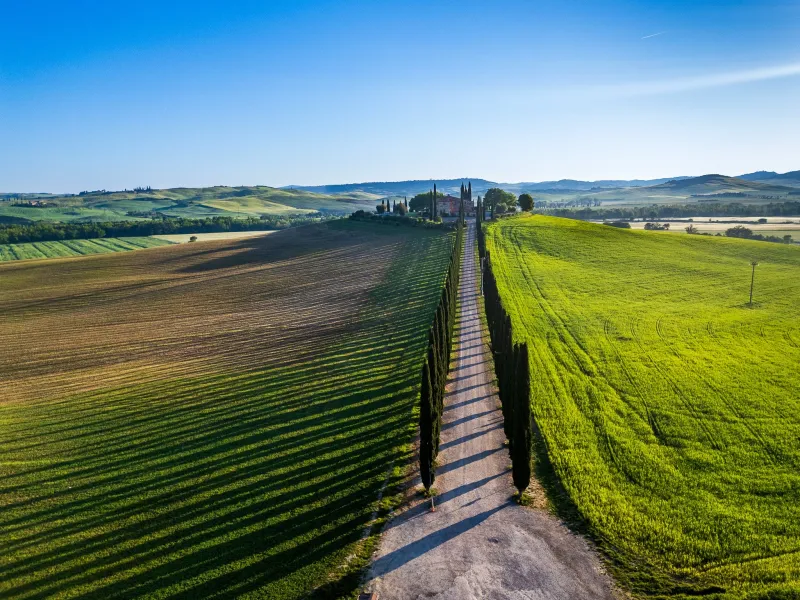
Cypress trees and rolling fields are part of the joy of reaching San Quirico d’Orcia. This small town sits within the Val d’Orcia, a landscape celebrated for its shaped hills and country roads.
Walk its historic center before heading out to see the nearby scenery. Poggio Covili, a farmhouse known for its cypress-lined approach, is a popular photo subject in the area.
Respect private property and use safe places to stop; narrow roads are for local traffic, too.
10. Monteriggioni: A Village Inside a Ring of Walls
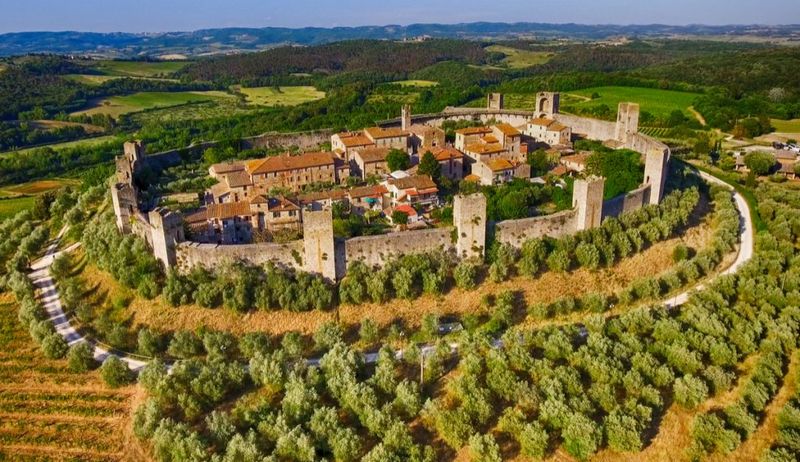
From a distance, Monteriggioni looks like a small stone crown set on a hill. Its ring of medieval walls still surrounds a compact village, making it easy to picture why a defended settlement mattered here.
Once inside, slow down and take in the main square rather than expecting a long checklist of sights. Check current opening hours if you hope to visit a wall walkway or museum.
The village works well as a short stop between longer outings.
11. Bolgheri: Beyond the Cypress Avenue
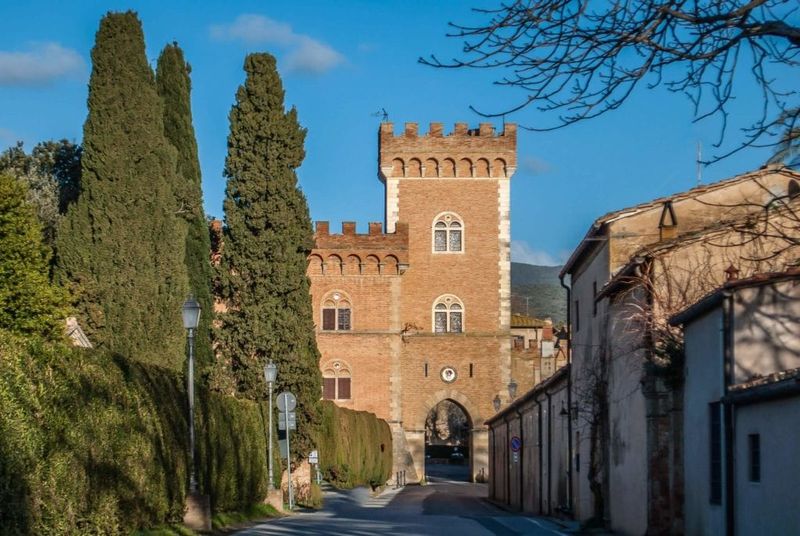
The road to Bolgheri makes an entrance worth remembering. Tall cypress trees line the famous approach to this village near Tuscany’s coast, creating a view many travelers know from photographs.
After you arrive, give the small center some attention as well. Wander its streets and enjoy a meal before exploring the surrounding wine country.
If you want a photo of the avenue, pull over only where parking is permitted. The roadside is not a safe place to stand.
12. Pitigliano: Stone Homes Above a Cliff
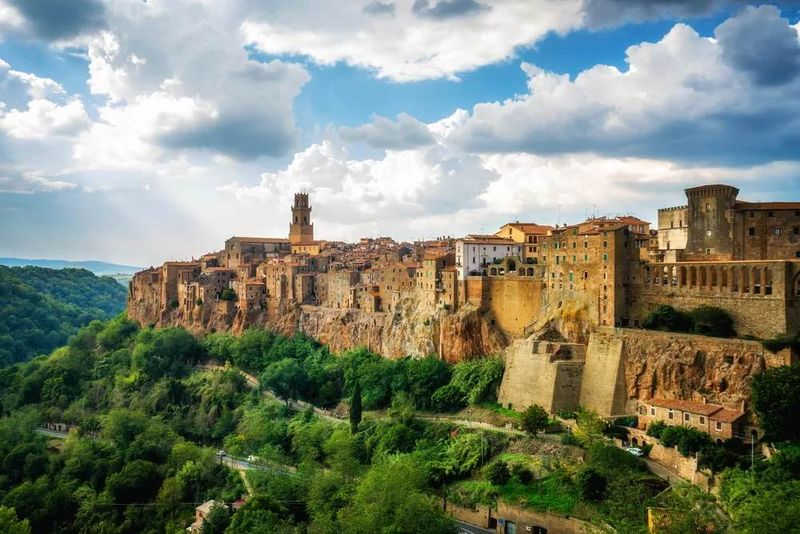
At first glance, Pitigliano’s buildings seem to grow straight out of the rock. The town rises from a volcanic tuff cliff, giving it a striking outline above the valley below.
Explore the lanes to learn more than the postcard view reveals. The area has deep Etruscan roots, including ancient burial sites, and the town also has an important Jewish history.
Bring shoes with good grip for uneven stone paths. For the cliffside view, look for a safe viewpoint outside the center.
13. Buonconvento: A Pause in the Crete Senesi
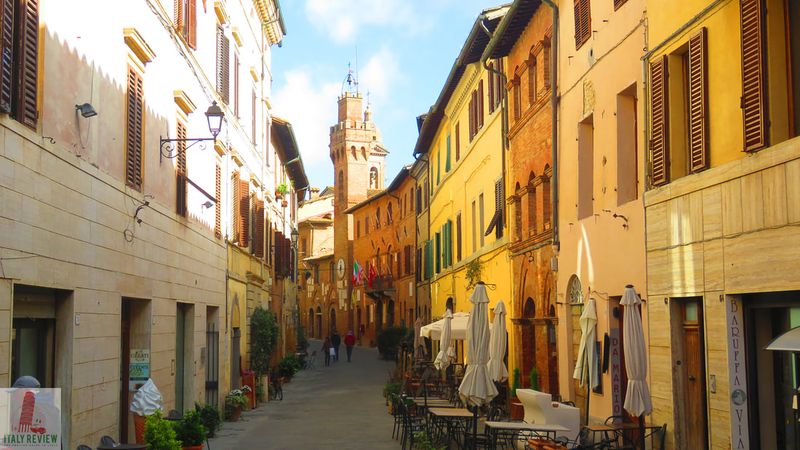
Some days call for a town that asks you to do less. Buonconvento, surrounded by the rolling Crete Senesi, offers a quieter stop than Tuscany’s busiest hill towns.
Its old center is small enough to explore without a strict plan.
Walk the streets, find a place for lunch, and notice how daily life continues around you. The surrounding hills change color with the seasons, so the drive can be as memorable as the visit.
Allow time for both.
14. Castagneto Carducci: Hills Near the Coast
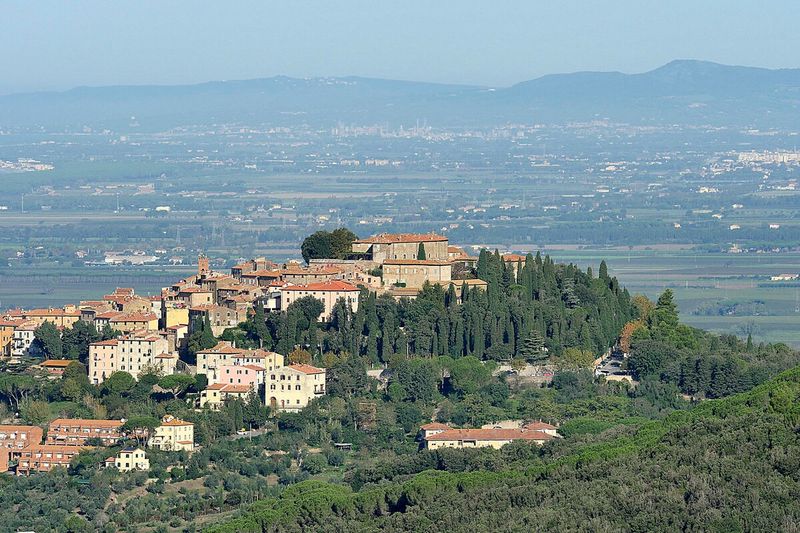
Sea air and hill-town streets meet around Castagneto Carducci. Set above the coast, the village gives you a different side of Tuscany from the inland towns, with countryside stretching toward the water.
Pair a stroll through its center with a longer outing to nearby Bolgheri, but do not treat Castagneto as just a detour. Stop for lunch and enjoy the views at an unhurried pace.
If you drive between villages, check parking signs before leaving your car.
15. Montecarlo: A Fortress and a Slower Pace
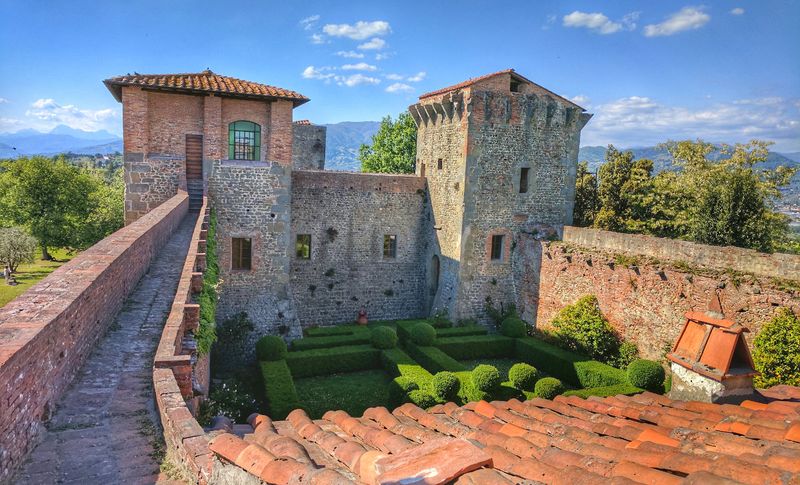
Not every Montecarlo comes with a casino. Tuscany’s Montecarlo is a walled village near Lucca, where the Rocca del Cerruglio fortress recalls centuries of local defense.
Spend a little time in the streets before deciding what to visit next. If the fortress is a priority, confirm access and opening times ahead of your trip.
The surrounding countryside also rewards a relaxed drive. Here, the pleasure lies in having enough time to notice the small details.
16. Anghiari: Small Streets, Strong Character
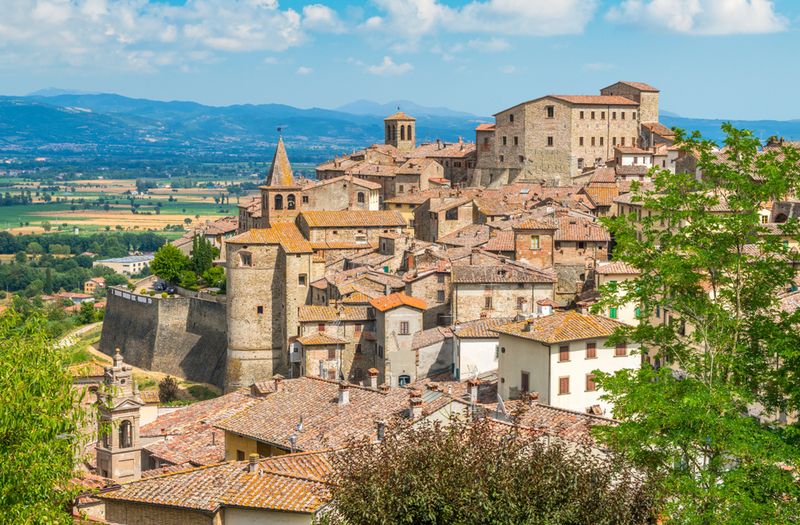
Anghiari has a way of making a simple stroll feel like an event. Stone buildings cluster along its old streets, and the town’s hilltop setting opens up views beyond the rooftops.
Rather than racing through, follow a lane that catches your eye and stop for a coffee. The name Anghiari is also linked to a 15th-century battle, giving history lovers another reason to visit.
Comfortable shoes help on the slopes, especially if you plan to wander without a map.
17. Barga: Tuscan Beauty Beneath the Mountains
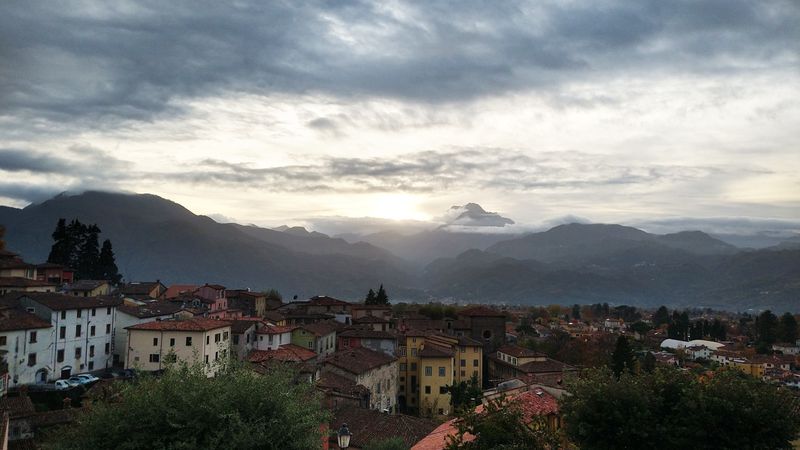
Forget the usual picture of soft Tuscan hills for a moment. Barga stands near dramatic mountain scenery, giving its historic streets a striking backdrop.
That contrast makes the town feel different from many of Tuscany’s better-known stops.
Walk up toward the cathedral for a broad view, taking your time on the climb. Weather can change the look of the peaks quickly, so bring a light layer.
Barga is a lovely choice when you want both village charm and mountain air.