
Gen X grew up with movies that understood the pressure of school, work, friendship, and finding a place in the world. Some made people laugh at awkward moments, while others took their worries seriously.
Their music, clothes, and characters still bring back strong memories. Here are the films that helped put a generation’s feelings on screen.
1. Fight Club (1999)
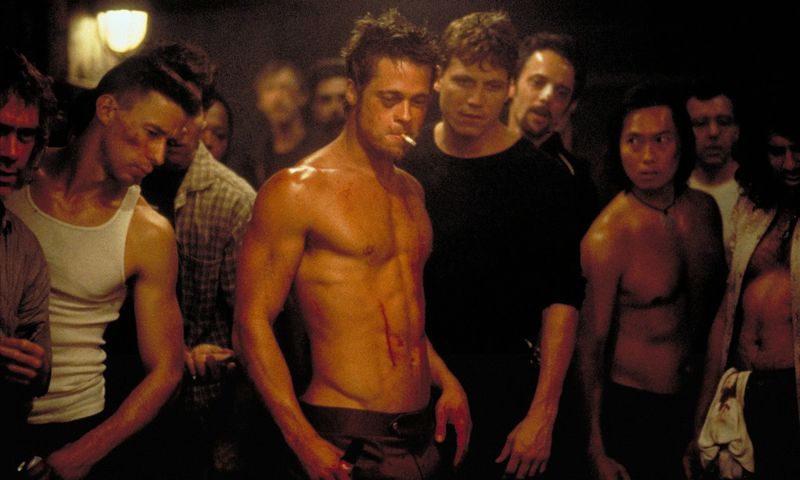
After another dull day at work, the narrator wants to feel something real. Fight Club turns that frustration into a wild story about identity, shopping, and anger.
Its dark humor spoke to adults who wondered whether buying more stuff could ever make them happy.
The movie also warns how easily a search for purpose can turn cruel. Watch it as a challenge to question empty habits, not as a guide to copying its violence.
2. Reality Bites (1994)
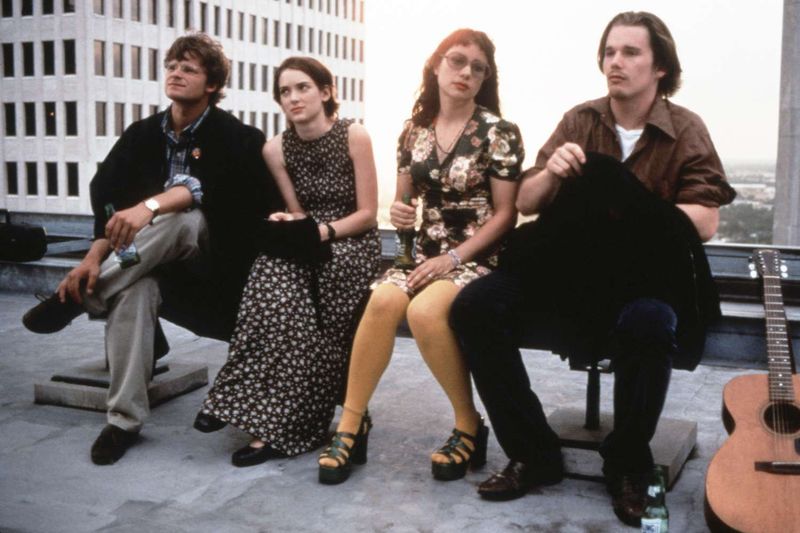
Graduation is over, but nobody has handed Lelaina a map for adulthood. Reality Bites follows friends juggling low-paying work, love, and big plans that refuse to fit together.
Its messy apartment and video camera make the early 1990s feel close enough to touch.
The film gets why choosing a career can feel personal. If you are between plans, its lasting comfort is simple: uncertainty does not mean you have failed.
3. The Breakfast Club (1985)
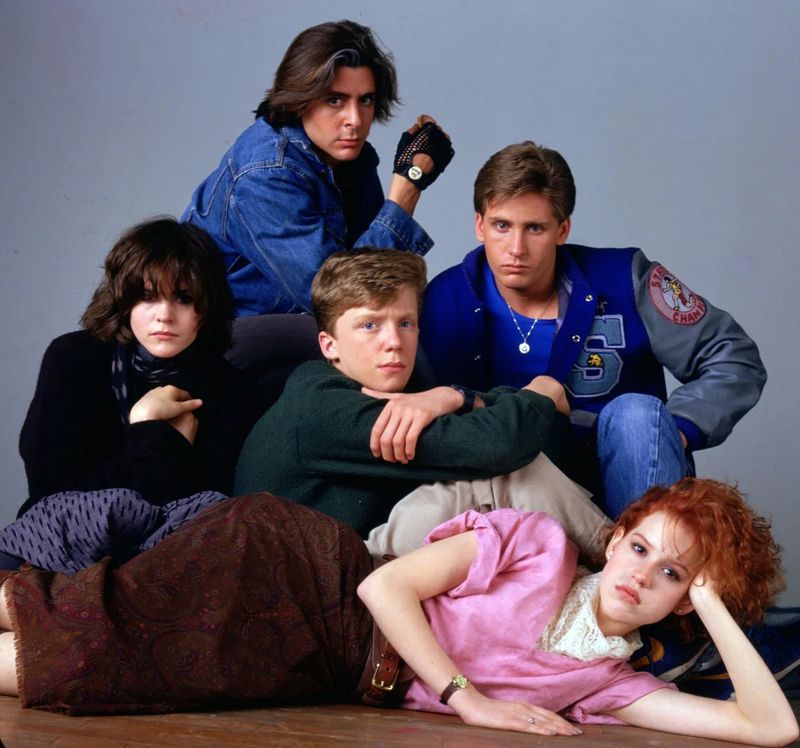
One Saturday detention puts five students in the same room, even though their school usually keeps them apart. The Breakfast Club lets each teen explain what hides behind a familiar label: athlete, brain, rebel, princess, or outsider.
Those talks made many Gen X viewers feel seen. The story still offers a useful reminder for school and beyond: people carry worries you cannot spot from across a hallway.
Listening can change how you treat them.
4. Dead Poets Society (1989)
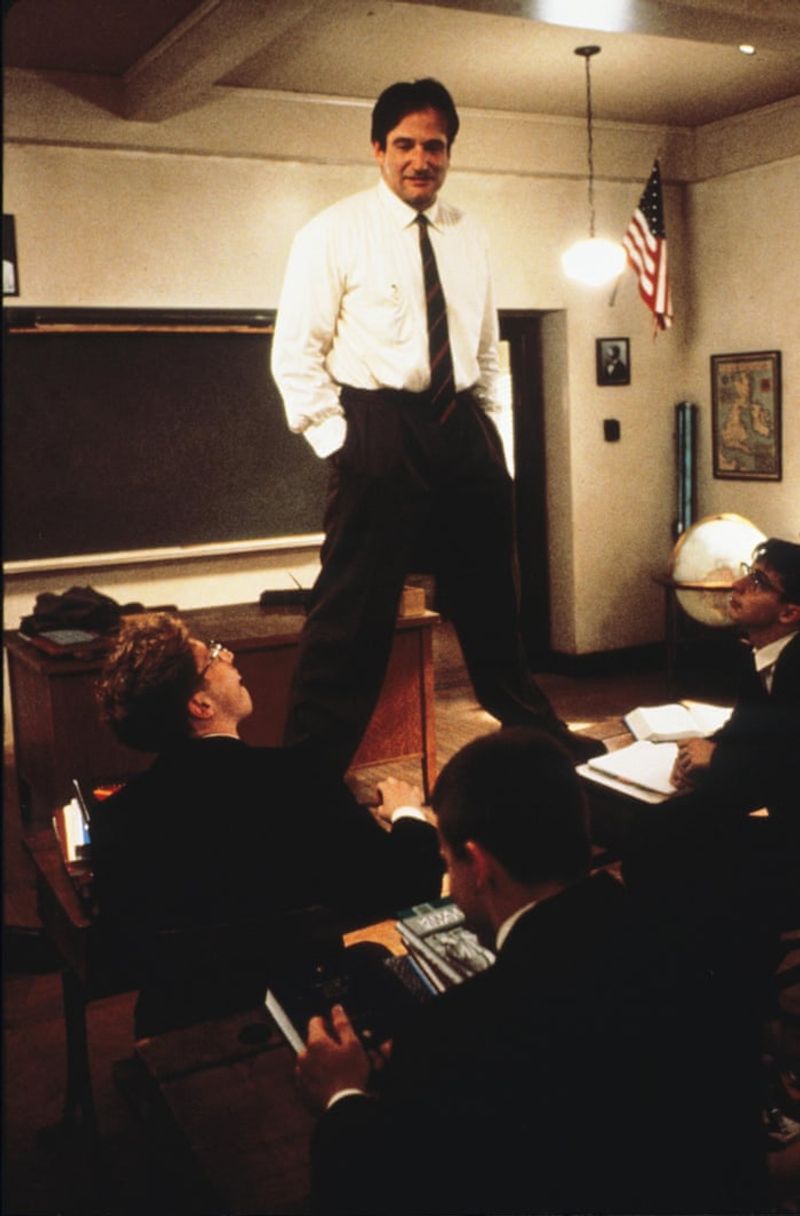
A teacher asks his students to look at poetry, and their lives, from a new angle. Dead Poets Society sets that invitation against strict school rules and family expectations.
For Gen X viewers, its call to think for yourself landed with real force.
The film also shows that standing out can carry serious costs. Its hopeful lesson is not to act without care, but to make room for your own voice while seeking support when pressure grows.
5. Before Sunrise (1995)
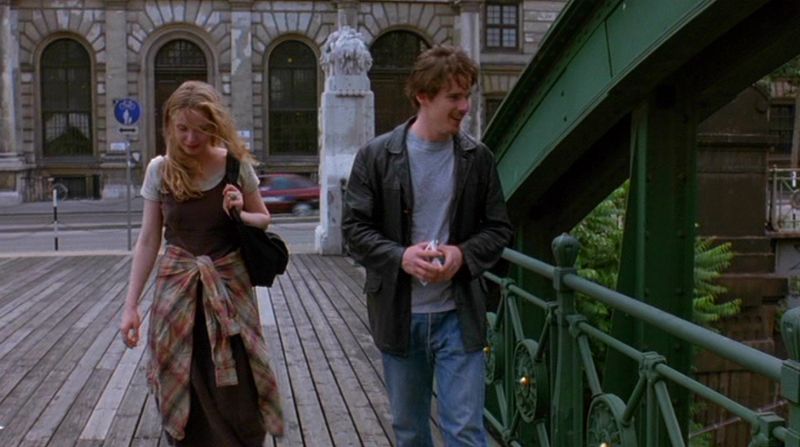
Two strangers meet on a train and decide to spend one night walking through Vienna. Before Sunrise makes conversation the main event.
Jesse and Céline talk about love, family, fears, and the future, as if every quiet street gives them another chance to be honest.
Its appeal is wonderfully simple: a connection can matter even when you do not know what comes next. Put your phone aside, and you may notice why listening feels romantic.
6. Office Space (1999)

That humming printer may be the most honest coworker in Office Space. Peter’s cubicle, pointless rules, and demanding bosses turn ordinary office annoyances into sharp comedy.
Gen X workers recognized the feeling of spending all day busy without knowing why.
The jokes still work in a world of meetings and inboxes. Beneath them sits a practical question: what would make work feel worthwhile?
The film suggests that a job title alone cannot answer it.
7. Fast Times at Ridgemont High (1982)
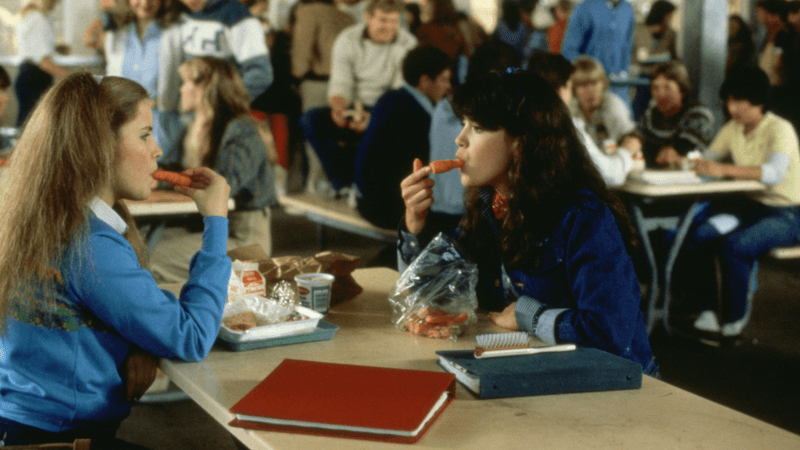
Homework, crushes, and a shift at the mall all compete for attention in Fast Times at Ridgemont High. Cameron Crowe wrote a teen world that feels busy, funny, and sometimes painfully awkward.
Its students make mistakes, but the movie gives their problems more weight than a simple joke would.
Older Gen X viewers saw pieces of their daily lives here. Younger viewers can spot a familiar truth: growing up means learning from choices, not always getting them right.
8. River’s Edge (1986)
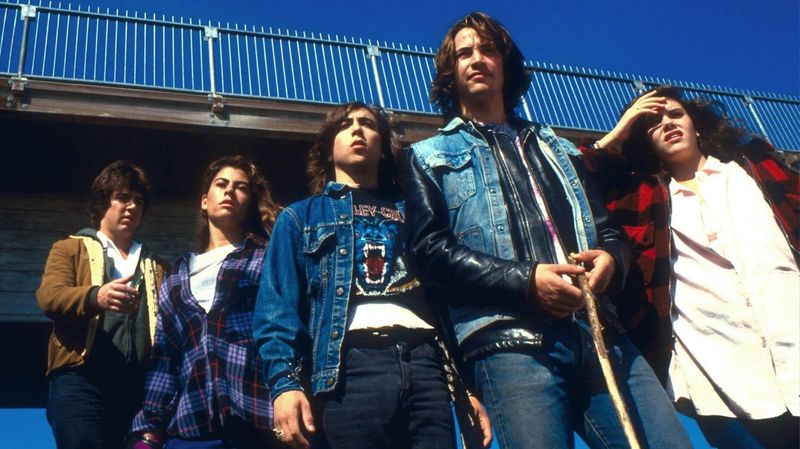
A terrible crime hangs over a group of teenagers, yet some seem unsure how to respond. River’s Edge is unsettling because it watches their silence as closely as the crime itself.
Keanu Reeves and Crispin Glover play young people caught in a world that feels cold and disconnected.
Not every Gen X story was cheerful or rebellious fun. Here, the useful question is uncomfortable: when something is wrong, will you speak up, even if your friends stay quiet?
9. Pretty in Pink (1986)
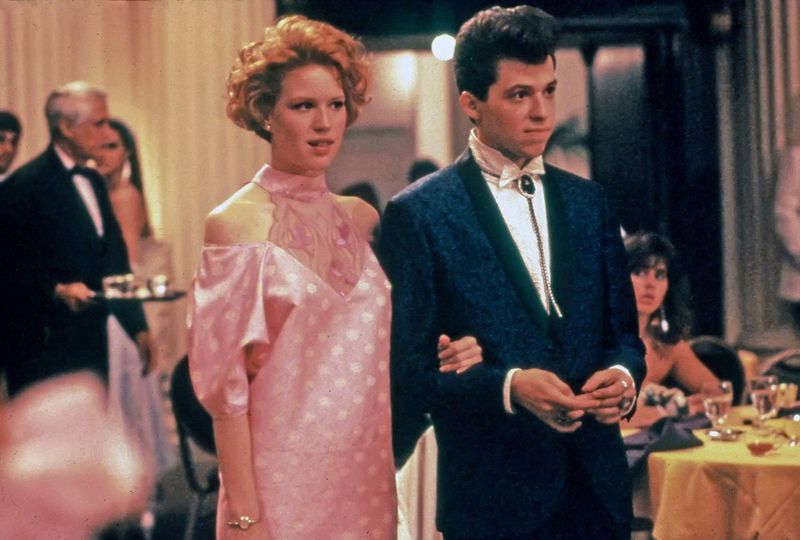
Andie can make an outfit her own, but she cannot make classmates ignore money and status. Pretty in Pink pairs its love story with the sting of being judged for what your family has.
Its clothes and soundtrack are fun; its class divide gives the drama staying power.
For anyone who has felt out of place, Andie’s confidence offers a small boost. You can care about romance while still deciding whose opinion of you truly matters.
10. Say Anything… (1989)

Lloyd Dobler knows whom he likes, even if he has no neat answer about his future. Say Anything… catches that strange summer after graduation, when love feels urgent and adult plans seem far less clear.
Its famous stereo scene became a lasting picture of bold, awkward affection.
The story remains appealing because Lloyd tries to be sincere rather than impressive. Romantic gestures can be memorable, but paying attention to another person’s hopes matters even more.
11. St. Elmo’s Fire (1985)
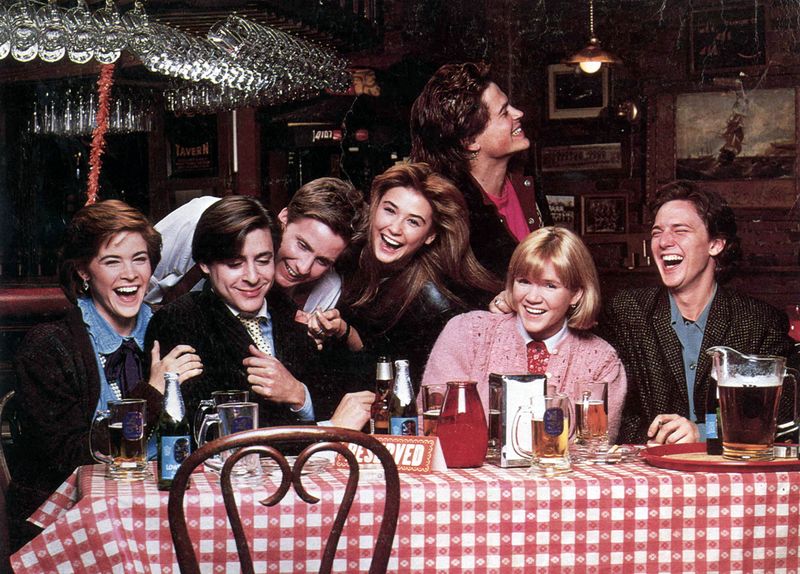
College friends promise to stick together, but life after graduation tests that promise quickly. St. Elmo’s Fire follows a close group through shaky jobs, complicated relationships, and choices they are not ready to make.
It captures the uneasy gap between looking grown up and feeling grown up.
Its characters often behave badly, which can make their friendship interesting to discuss. The takeaway is not that old bonds fix everything.
Friends still need honesty, patience, and room to change.
12. Swingers (1996)
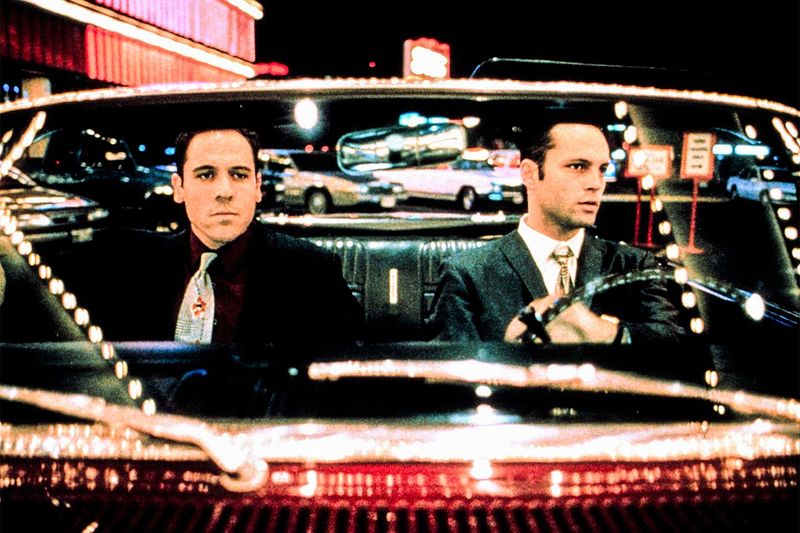
Mike wants to move past a breakup, and his friends have plenty of advice, not all of it good. Swingers follows them through Los Angeles bars and late nights, when meeting someone meant showing up and starting a conversation.
Its jokes about dating hide a tender story about bruised confidence.
Jon Favreau wrote and starred in the film alongside Vince Vaughn. Under the swagger is a helpful reminder: you do not have to rush healing to prove you are fine.
13. Empire Records (1995)

At Empire Records, the music is loud and the staff treats the shop like home. One chaotic day brings their private worries into the open while they try to protect the place they share.
For Gen X, browsing CDs in an independent store could be a way to find both new sounds and friends.
The movie’s cheerful mess has a lasting point: a community grows when people notice each other’s struggles and show up to help.
14. The Goonies (1985)
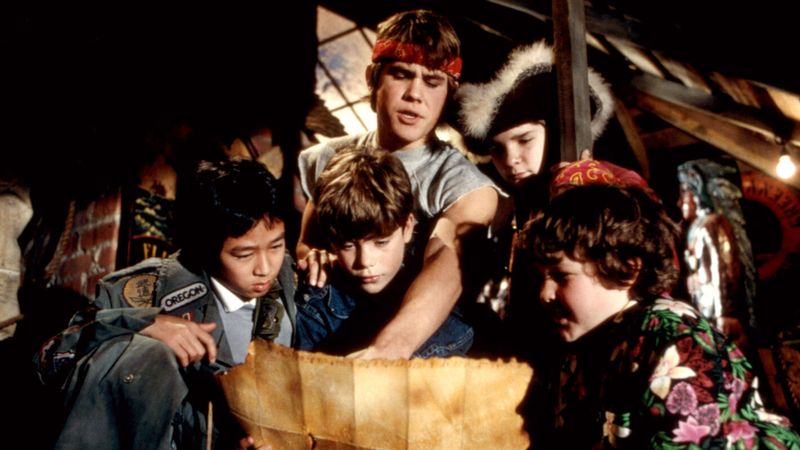
A treasure map turns an ordinary day into a race through tunnels, traps, and pirate secrets. The Goonies gives its young heroes the freedom to get scared, argue, and keep going together.
Gen X kids knew the thrill of heading outside with friends and making an adventure from almost nothing.
The story is bigger than its treasure. It celebrates loyalty and quick thinking, and reminds families that unplanned play can leave memories longer than any expensive outing.
15. Slacker (1990)
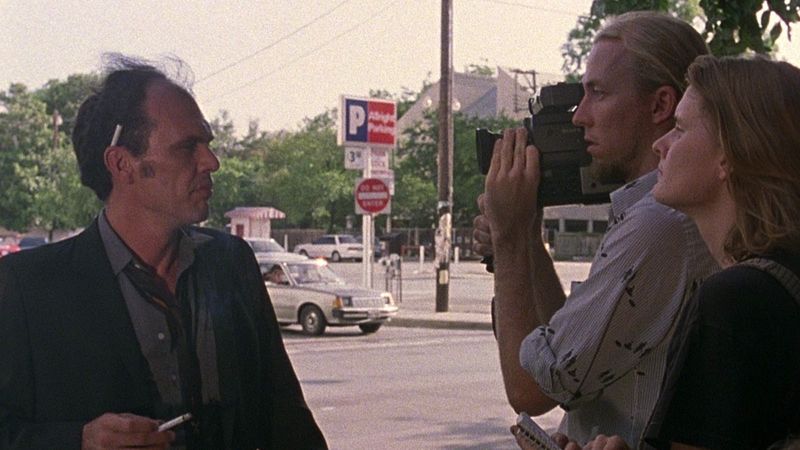
Someone walks into a conversation, then the camera follows someone else down an Austin street. Slacker skips a single hero and builds its world from curious, restless people.
Richard Linklater’s low-budget film helped give a name to a generation often accused of having no direction.
Look closer, though, and its wandering feels like a search for ideas and connection. The movie asks viewers to notice lives that are still taking shape, even without a tidy plan.