
Marriage has been around for thousands of years, but lately, more and more people are asking whether it still makes sense in today’s world. Relationship experts are noticing big shifts in how people think about love, commitment, and partnership.
From changing gender roles to the rise of social media, the reasons behind this shift are surprisingly relatable. Read on to discover why so many experts believe the traditional idea of marriage is overdue for a serious rethink.
1. Marriage Moved from Institution to Personal Fulfillment

Long ago, people married mainly for economic security or family alliances, not necessarily for love. Today, couples expect their partner to be a best friend, therapist, cheerleader, and romantic hero all at once.
That is a massive shift in expectations. Relationship experts say placing so much pressure on one person to meet every emotional need can leave both partners feeling drained and disappointed over time.
2. Individualism Is Reshaping How People View Commitment

Modern culture cheers loudly for personal growth, solo adventures, and self-discovery. Books, podcasts, and social media all celebrate the idea that you should put yourself first.
Marriage, by nature, asks you to share your life and sometimes compromise your own goals. Experts note that this tension between “me first” thinking and “we” living makes marriage feel like an awkward fit for many people today.
3. Gender Roles Have Changed but Old Habits Linger
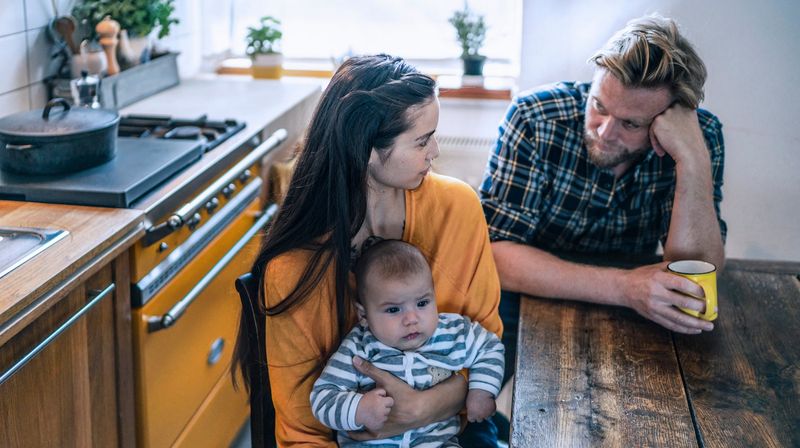
Not too long ago, the rules were simple: men earned money, women ran the home. Today, most people agree those rigid roles are outdated.
Yet research shows that women still handle more household chores and emotional labor, even when both partners work full time.
Experts call this the “second shift.” That lingering imbalance quietly builds resentment, making couples question whether traditional marriage structures were ever truly fair.
4. Women’s Financial Independence Changed the Equation
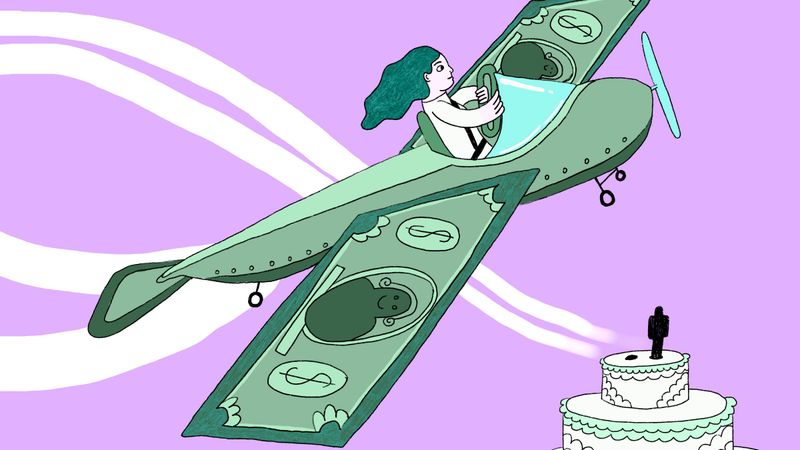
For centuries, marriage was partly a financial survival strategy for women who had limited access to education or jobs. That reality has changed dramatically.
Women now earn college degrees at higher rates than men and hold leadership positions across nearly every industry.
When financial independence is no longer tied to a marriage certificate, the decision to marry becomes purely a personal one rather than an economic necessity, experts explain.
5. Financial Pressures Make Marriage Feel Like a Risk

Student loans, sky-high rents, and the jaw-dropping cost of a wedding can make tying the knot feel more like a financial gamble than a celebration. The average American wedding now costs over $30,000, which is a staggering number for couples already juggling debt.
Relationship experts point out that financial stress is one of the top reasons couples argue and split. Starting a marriage already under financial pressure sets a shaky foundation from day one.
6. Alternatives to Marriage Are Now Widely Accepted

Cohabiting without marriage used to carry a social stigma, but that attitude has softened considerably. Living together, civil partnerships, and even single parenthood are now recognized as legitimate lifestyle choices across many cultures.
Because society no longer automatically views unmarried couples as “living in sin,” the urgency to formalize a relationship has faded. Experts say this growing acceptance of alternatives quietly chips away at marriage’s place as the only respectable path for couples.
7. Religious and Social Pressure to Marry Has Weakened
Generations ago, not marrying could mean social rejection or religious shame. Church attendance has dropped in many Western countries, and community pressure to follow traditional milestones has loosened significantly.
Without that external push, people feel freer to ask themselves honestly whether marriage aligns with their personal values. Experts say this is actually healthy, but it does mean fewer people end up choosing marriage simply because it was expected of them.
8. Couples Focus on the Wedding, Not the Marriage
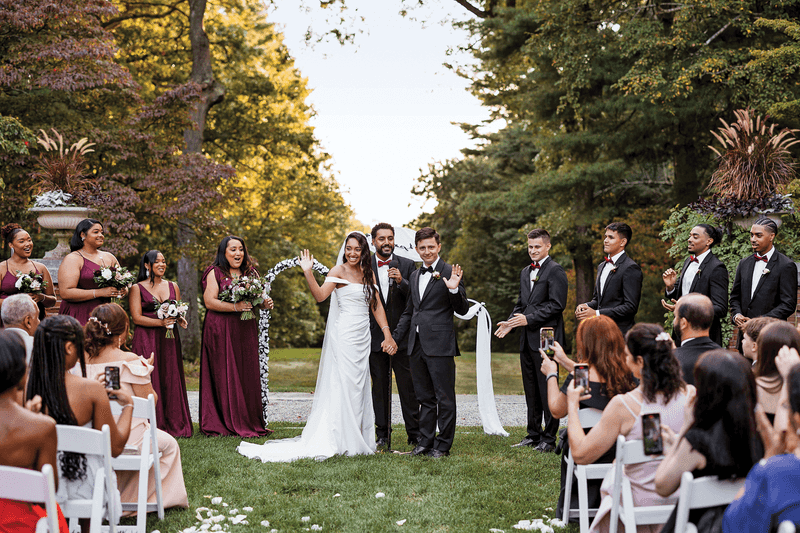
Pinterest boards, bridal magazines, and reality TV shows have turned weddings into massive productions. Couples can spend years planning the perfect day while barely discussing finances, conflict resolution, or life goals as a team.
Relationship therapists frequently see couples who were completely blindsided by the realities of married life after the honeymoon ended. Experts argue that pouring energy into one magical day while neglecting the decades that follow is a recipe for disappointment.
9. Smartphones and Social Media Interrupt Real Connection

“Phubbing” is the term experts use when someone snubs their partner in favor of their phone, and it happens constantly in modern relationships. Notifications, feeds, and group chats compete for attention that used to go to a spouse.
Studies show that heavy phone use during shared time lowers relationship satisfaction significantly. When two people can sit in the same room yet feel miles apart, it raises real questions about whether modern technology and traditional marriage expectations can peacefully coexist.
10. Hectic Lifestyles Leave Little Room for Each Other

Between demanding careers, side hustles, gym routines, and social commitments, many couples barely see each other during the week. Work emails follow people home, and the boundary between professional and personal time has nearly disappeared.
Experts warn that emotional disconnection sneaks in when quality time becomes scarce. Marriage was built on the idea of shared daily life, but when two people are constantly running in different directions, that foundation slowly crumbles without anyone noticing right away.
11. Expecting One Person to Meet Every Need Is Unrealistic

Somewhere along the way, the idea took hold that a good spouse should be your lover, best friend, career advisor, emotional support system, and adventure buddy all wrapped into one. That is an enormous amount of pressure to place on a single human being.
Relationship experts are pretty direct about this: no one person can realistically meet all of another person’s needs. When couples expect otherwise, they set each other up for inevitable failure and chronic dissatisfaction.
12. Community Support Systems Have Largely Disappeared
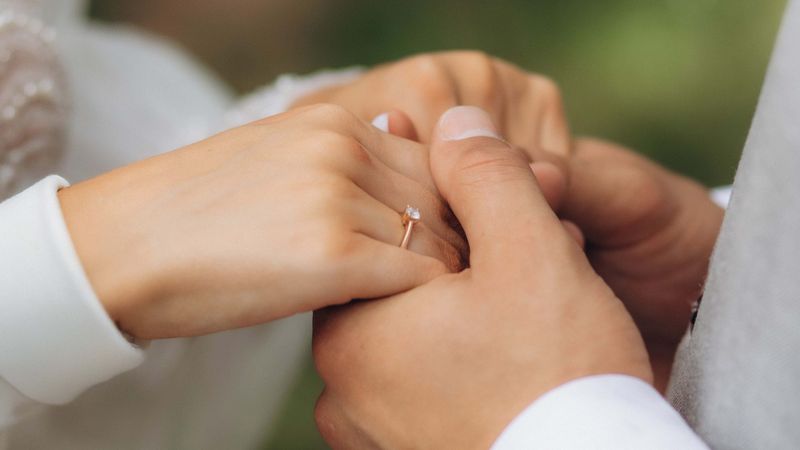
Older generations leaned on tight-knit extended families, neighbors, and religious communities to help navigate the hard stretches of married life. Today, many couples live far from family, barely know their neighbors, and have thinner social networks than past generations.
Without that village of support, every problem lands squarely on the couple alone. Experts say the isolation modern couples experience amplifies stress, making small conflicts feel overwhelming and leaving marriages more fragile than they need to be.
13. People Are Waiting Much Longer to Get Married
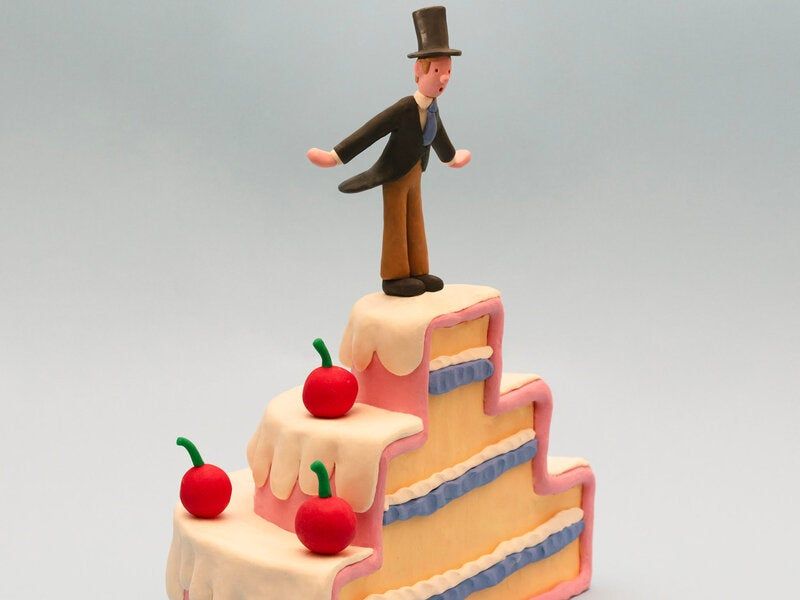
The average age of first marriage has climbed steadily over the past few decades. People are finishing advanced degrees, building careers, and traveling the world before even considering a wedding ring.
Marrying later is not necessarily a bad thing, as older couples often bring more maturity and self-awareness to the relationship. However, experts note that spending years as a fully independent adult can also make the compromises required in marriage feel surprisingly jarring when the time finally comes.
14. Therapy and Open Communication Have Become Essential
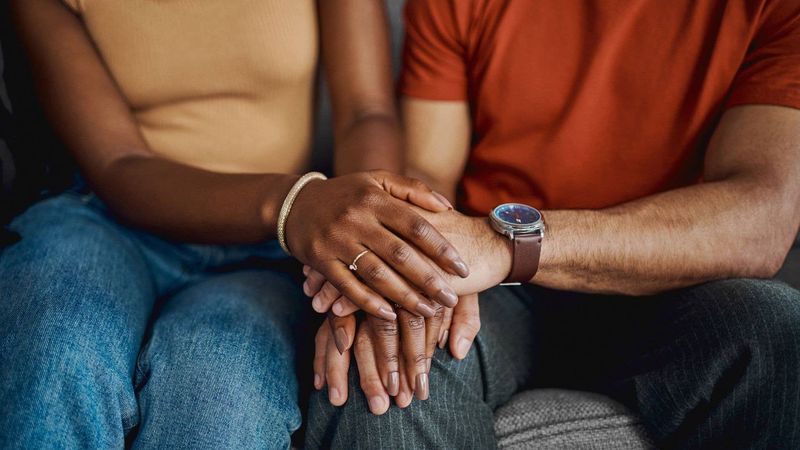
Couples therapy used to carry a heavy stigma, as if seeking help meant the relationship was nearly over. Now, going to therapy before problems escalate is increasingly seen as a smart and proactive choice.
While that shift is genuinely positive, it also signals that maintaining a modern marriage requires a level of emotional work that previous generations rarely talked about openly. Experts view the normalization of therapy as healthy, but also as evidence that marriage today is far more emotionally complex than it once was.
15. People Change Over Time and So Do Their Needs
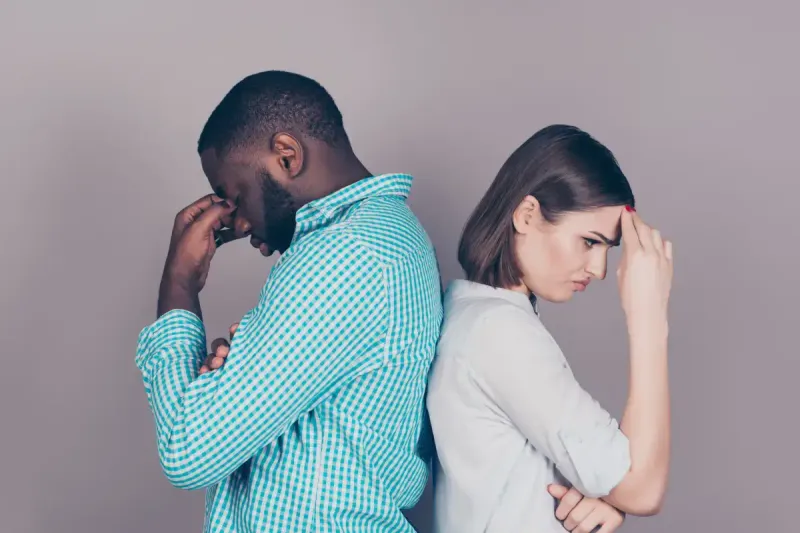
The person you are at 25 is genuinely different from who you become at 40. Values shift, priorities evolve, and what you need from a partner can transform dramatically over the years.
Traditional marriage assumes two people will grow in compatible directions forever, but experts acknowledge that is not always how life works. Recognizing personal growth as a natural human process challenges the classic “till death do us part” promise in ways that feel honest rather than cynical.
16. Marriage Is Increasingly Seen as a Contract, Not a Covenant
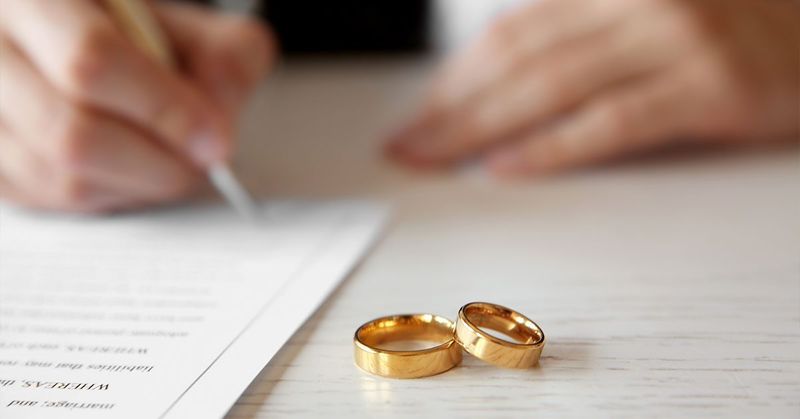
Prenuptial agreements were once considered unromantic and rare. Today, they are common, practical, and openly discussed.
This shift reflects a broader change in how people conceptualize marriage itself.
When couples approach marriage as a legal arrangement that can be renegotiated or dissolved, it carries a very different emotional weight than viewing it as a sacred, permanent bond. Experts note this contract mindset can make exiting a marriage feel more acceptable, which changes how seriously people commit from the very start.
17. High Divorce Rates Normalize Moving On Rather Than Staying

With roughly half of all marriages in the U.S. ending in divorce, lifelong commitment to one partner is no longer the assumed outcome it once was. Serial monogamy, where people have a series of meaningful but ultimately temporary relationships, has become a recognizable pattern.
Experts are not judging this trend, but they do point out that when divorce is normalized and even expected, it subtly shifts how much effort couples invest in working through difficulties before calling it quits.