
Some places on Earth are so extraordinary that the world has agreed they must be protected forever. UNESCO World Heritage Sites are landmarks recognized for their outstanding cultural, historical, or natural value to humanity.
From ancient ruins to breathtaking natural landscapes, these wonders tell the story of our planet and the people who shaped it. Whether you are a history lover or an outdoor adventurer, these 18 sites will absolutely take your breath away.
1. Historic Sanctuary of Machu Picchu, Peru
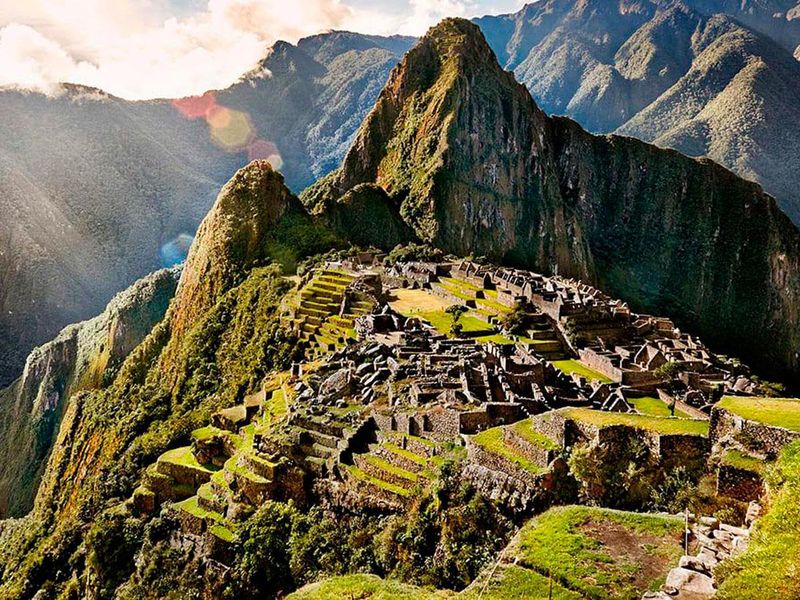
Hidden high in the Andes Mountains at nearly 8,000 feet above sea level, Machu Picchu feels like a city floating in the clouds. Built around 1450 by the Inca emperor Pachacuti, this royal estate was never discovered by Spanish conquerors, which is why it remains so remarkably well-preserved.
The site features precisely cut stone walls, agricultural terraces, and advanced drainage systems that still impress engineers today. Named a UNESCO World Heritage Site in 1983 and a New Seven Wonders of the World in 2007, Machu Picchu is truly unmissable.
2. Great Wall of China
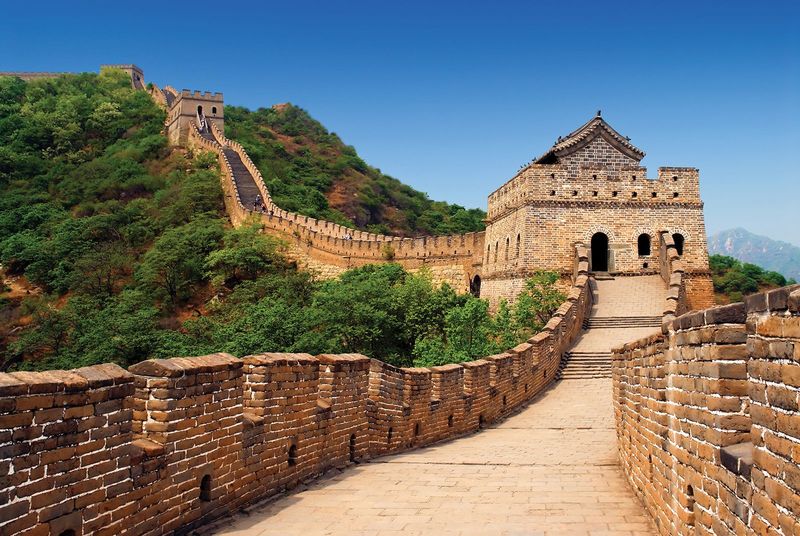
Stretching over 21,000 kilometers across China, the Great Wall is one of the most jaw-dropping feats of human engineering ever attempted. Construction began as early as the 7th century BC, and the most iconic sections were built during the Ming Dynasty between 1368 and 1644.
For more than 2,000 years, this massive fortification guarded China’s borders and preserved its culture. Recognized as a UNESCO World Heritage Site in 1987 and voted a New 7 Wonders of the World in 2007, walking its ancient stones feels like stepping straight into history.
3. Taj Mahal, India
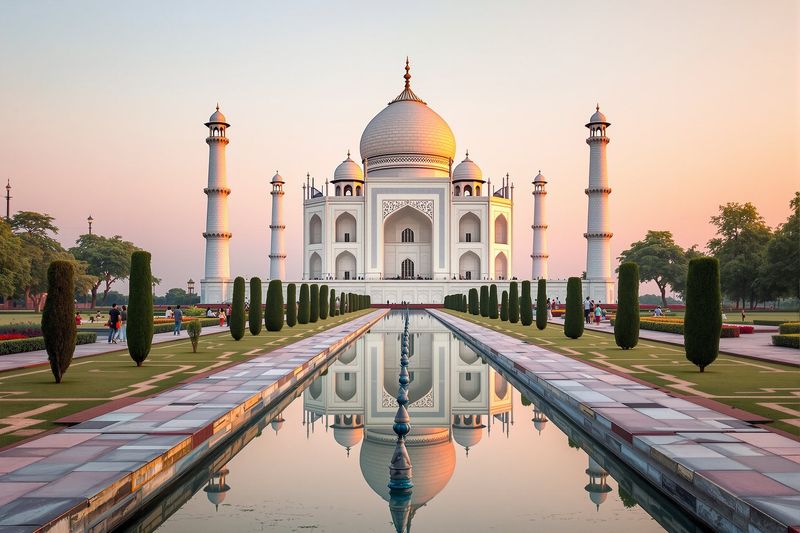
Built out of pure love, the Taj Mahal stands as one of the most romantic structures ever created. Emperor Shah Jahan commissioned this stunning white marble mausoleum in 1631 to honor his late wife, Mumtaz Mahal, and it took around 20,000 workers over two decades to complete.
Every detail, from its perfect symmetry to the intricate pietra dura stonework inlaid with semiprecious gems, is breathtaking up close. Recognized by UNESCO in 1983 as the greatest masterpiece of Mughal architecture, a visit here is genuinely unforgettable.
4. Acropolis of Athens, Greece
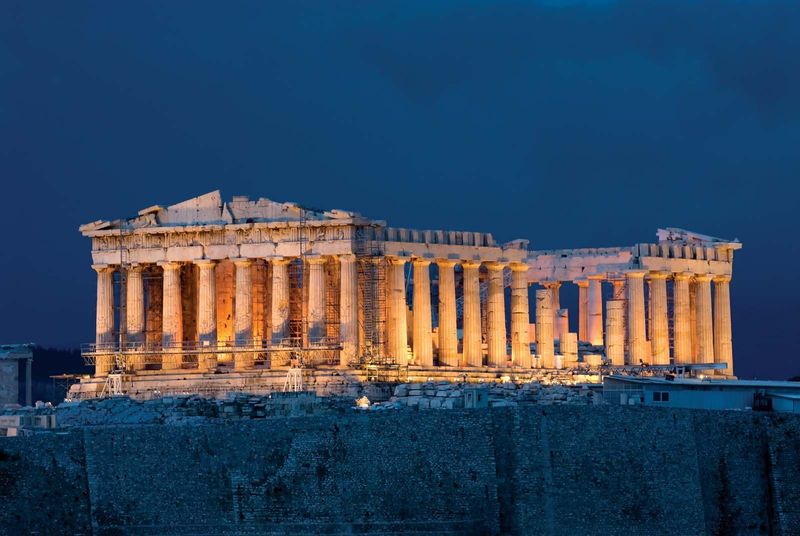
Perched dramatically above the city of Athens, the Acropolis is a symbol of ancient civilization that has shaped the entire world. The most iconic structures, including the magnificent Parthenon dedicated to the goddess Athena, were built in the 5th century BC under the statesman Pericles.
Here is a fun detail most people do not know: the temples were originally painted in bold blues, reds, and yellows. Designated a UNESCO World Heritage Site in 1987, the Acropolis remains a masterclass in architectural genius, complete with earthquake-resistant column designs.
5. Pyramids of Giza, Egypt
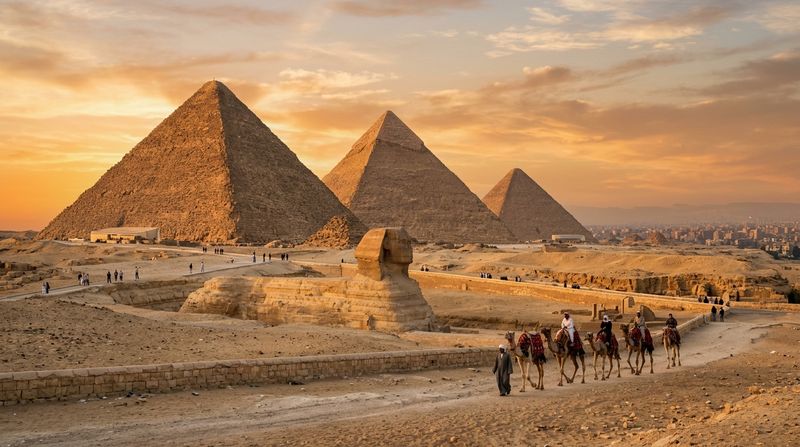
Standing for over 4,500 years, the Pyramids of Giza are the only surviving wonder of the original Seven Wonders of the Ancient World, and they still manage to leave visitors completely speechless. Built for pharaohs who expected to become gods in the afterlife, the Great Pyramid of Khufu originally soared 481 feet into the sky.
Workers dragged massive limestone blocks on sledges up ramps to create these colossal tombs. Inscribed as a UNESCO World Heritage Site in 1979, Giza remains one of archaeology’s greatest mysteries and marvels.
6. Mont Saint-Michel, France
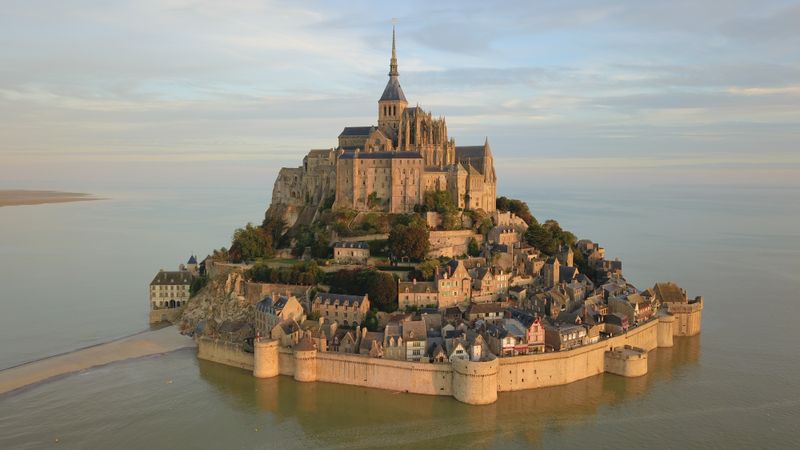
Few sights in the world are as magical as Mont Saint-Michel rising from the sea during high tide, completely surrounded by water like something from a fairy tale. Founded in 708 AD after a bishop reportedly had a vision of Archangel Michael, this Gothic abbey grew into one of Europe’s most visited landmarks.
During the Hundred Years War, its powerful tides and shifting sands made it virtually unconquerable. A UNESCO World Heritage Site since 1979, over three million visitors flock here every year to witness its timeless splendor.
7. Historic Centre of Rome, Italy
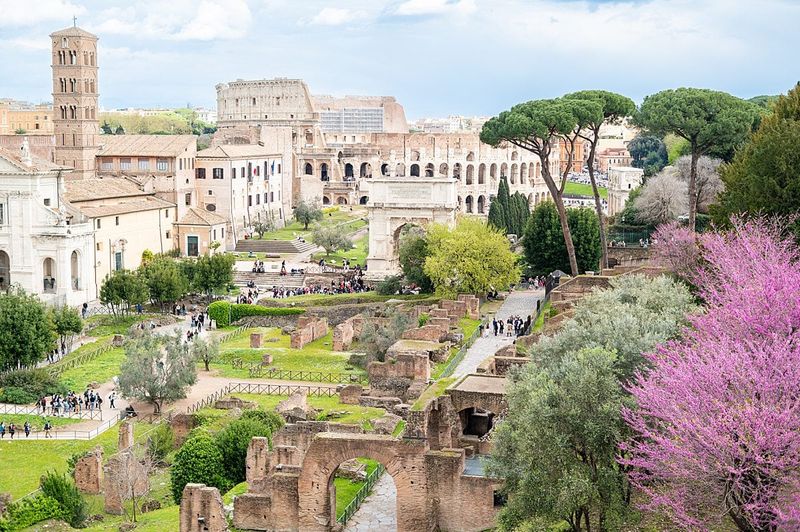
Rome was not built in a day, and exploring its historic center proves exactly why. Inscribed on the UNESCO World Heritage List in 1980, this living city contains nearly three millennia of architecture layered on top of itself, from ancient Roman forums to Baroque piazzas.
Landmarks like the Colosseum, Pantheon, Trevi Fountain, and Piazza Navona share the same streets with everyday Roman life. UNESCO specifically recognizes Rome’s enormous influence on global architecture, urban planning, and the arts, making a walk through its cobblestone streets feel like time travel.
8. Angkor Wat, Cambodia
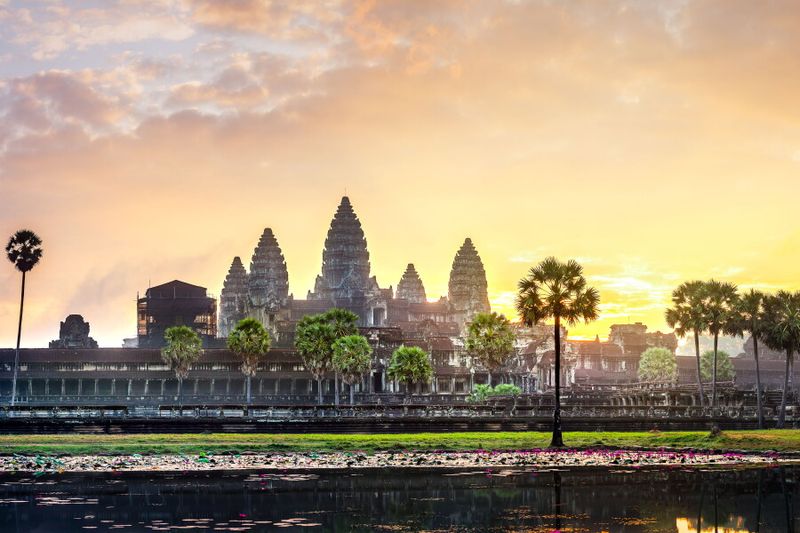
Angkor Wat holds a record that no other ancient monument can claim: it is the only one depicted directly and completely on a national flag. Built in the early 12th century by King Suryavarman II, this Khmer masterpiece covers roughly 400 acres, making it the world’s largest religious structure.
Originally dedicated to the Hindu god Vishnu, it later became a Buddhist temple. With over 1,000 buildings and stunning bas-relief carvings depicting Hindu epics, Angkor was named a UNESCO World Heritage Site in 1992.
9. Palace of Versailles, France
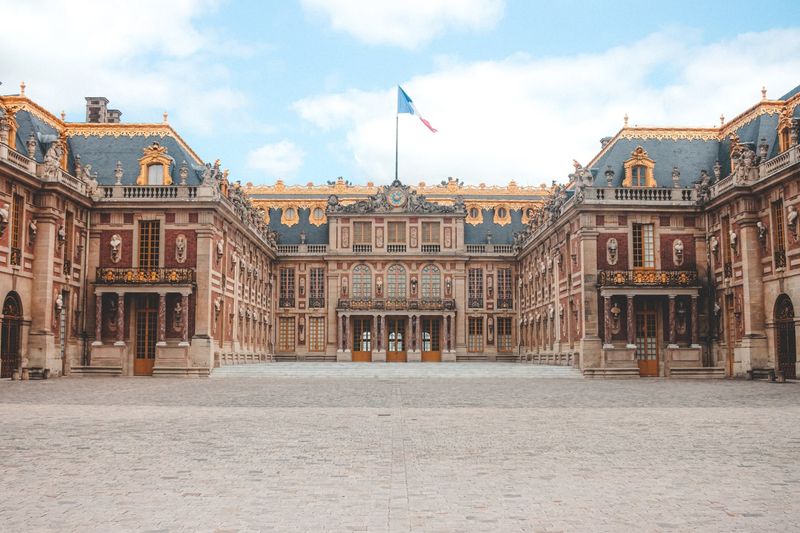
What started as a modest hunting lodge for King Louis XIII became one of the grandest royal palaces on Earth. Louis XIV transformed Versailles between 1661 and 1710 into a symbol of absolute power, complete with the dazzling Hall of Mirrors, a 73-meter gallery lined with 357 Venetian mirrors.
The surrounding gardens, designed by Andre Le Notre, cover about 800 hectares of fountains, sculptures, and canals. Designated a UNESCO World Heritage Site in 1979, Versailles also holds historical weight as the location where the Treaty of Versailles was signed.
10. Old City of Dubrovnik, Croatia
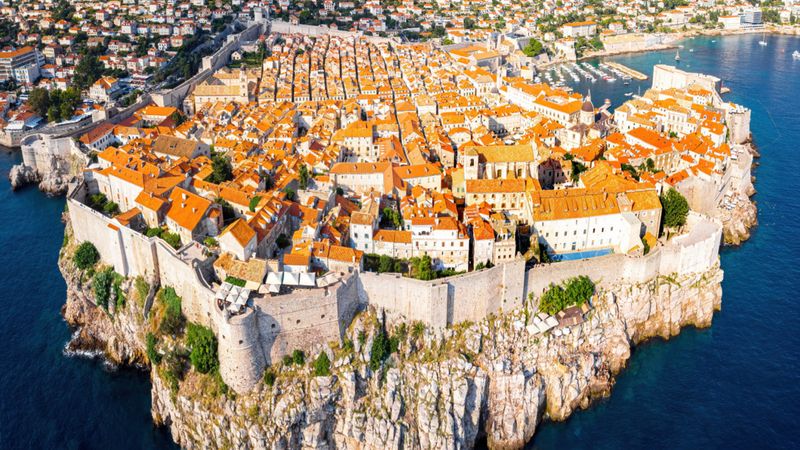
Called “The Pearl of the Adriatic,” Dubrovnik’s walled old city is one of the best-preserved medieval towns anywhere in the world. Its stone walls, built between the 12th and 17th centuries, stretch nearly two kilometers and were once considered among the greatest fortification systems of the Middle Ages.
Despite being badly damaged by a 1667 earthquake and armed conflict in the 1990s, major restoration efforts coordinated by UNESCO brought it back to life. A UNESCO World Heritage Site since 1979, walking Dubrovnik’s ancient walls offers some of the most stunning coastal views imaginable.
11. Petra, Jordan
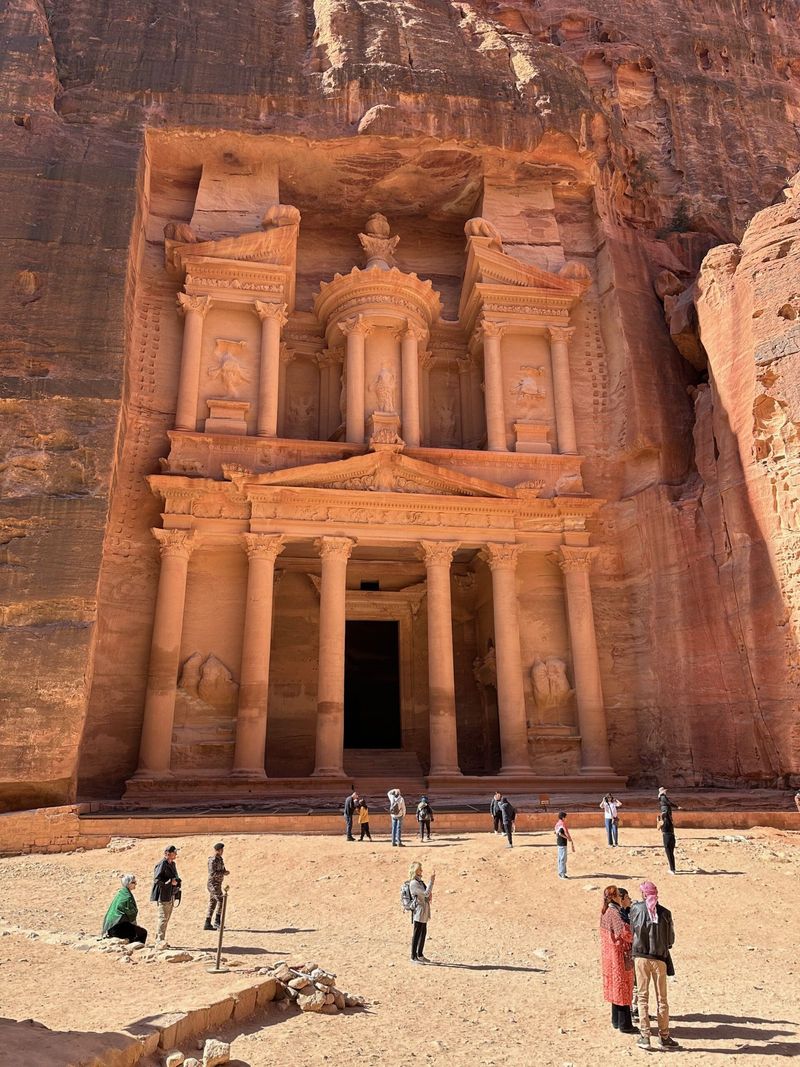
Carved entirely into rose-red sandstone cliffs by the Nabataean people over 2,000 years ago, Petra earns its nickname “The Rose City” the moment you lay eyes on it. The area has been inhabited since around 7000 BC, and Petra grew wealthy as the capital of the Nabataean Empire through trade in frankincense, myrrh, and spices.
The iconic Treasury building, Al-Khazneh, is jaw-dropping when first spotted through the narrow Siq canyon. Designated a UNESCO World Heritage Site in 1985 and a New 7 Wonders of the World in 2007, Petra is pure magic.
12. Historic Centre of Florence, Italy
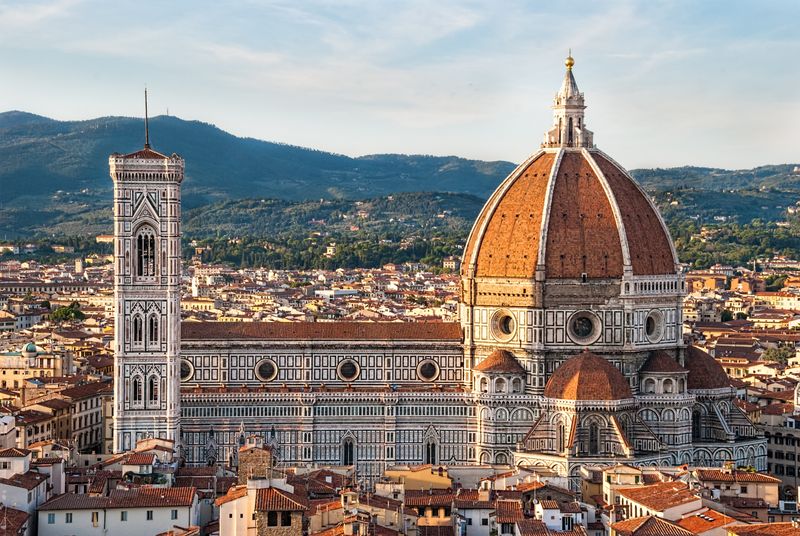
Florence is the city that gave birth to the Italian Renaissance, and its historic center wears that legacy with extraordinary pride. Designated a UNESCO World Heritage Site in 1982, this compact city center is packed with an almost unbelievable concentration of art, architecture, and cultural treasures.
Filippo Brunelleschi’s massive cathedral dome remains an engineering wonder centuries after its construction, and the Piazza della Signoria buzzes with history at every corner. For art lovers especially, wandering Florence’s streets and galleries is a deeply moving, once-in-a-lifetime kind of experience.
13. Old Town of Lijiang, China
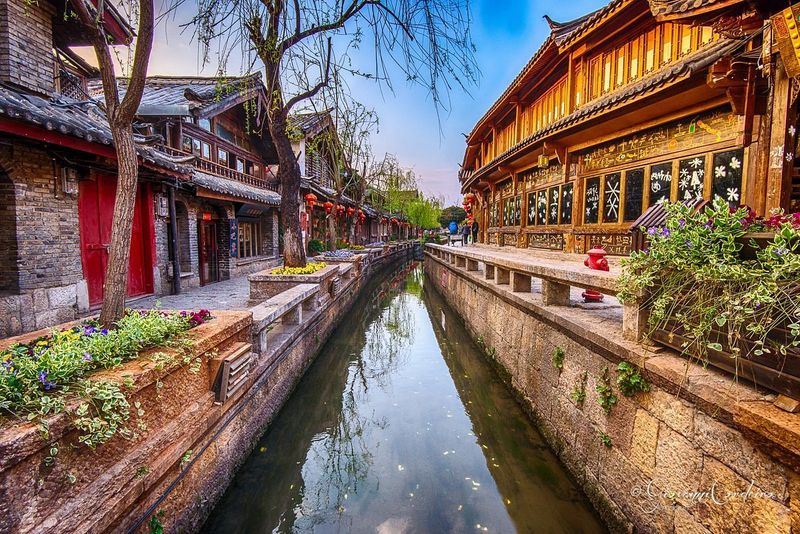
Lijiang is unlike any other ancient town in China, partly because it has no city wall, which is quite rare for a settlement with over 800 years of history. Sitting 2,400 meters above sea level in Yunnan Province, it served as a key trading hub along the old Tea Horse Road and Southern Silk Road.
Its architecture beautifully blends Naxi, Han, Bai, and Tibetan cultural styles, and an ancient water-supply system still works perfectly today. Inscribed on the UNESCO World Heritage List in 1997, Lijiang even holds a rare UNESCO Triple Heritage designation.
14. Okavango Delta, Botswana
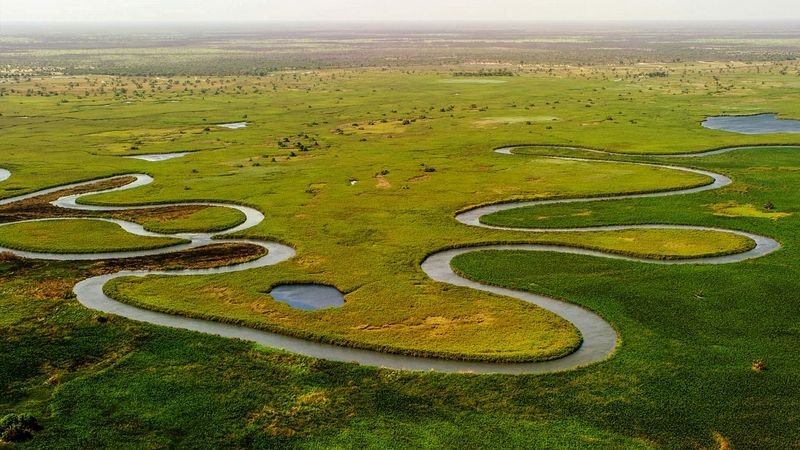
Imagine a massive river flowing through the desert and simply disappearing into the sand, never reaching the ocean. That is exactly what happens in the Okavango Delta, a one-of-a-kind inland delta in Botswana where the annual flooding happens during the dry season, breathing life into an otherwise arid landscape.
The result is a lush wetland paradise supporting endangered species like African elephants, lions, cheetahs, black rhinos, and African wild dogs. Inscribed as a UNESCO World Heritage Site in 2014, the Okavango Delta is a truly extraordinary natural phenomenon.
15. Uluru-Kata Tjuta National Park, Australia
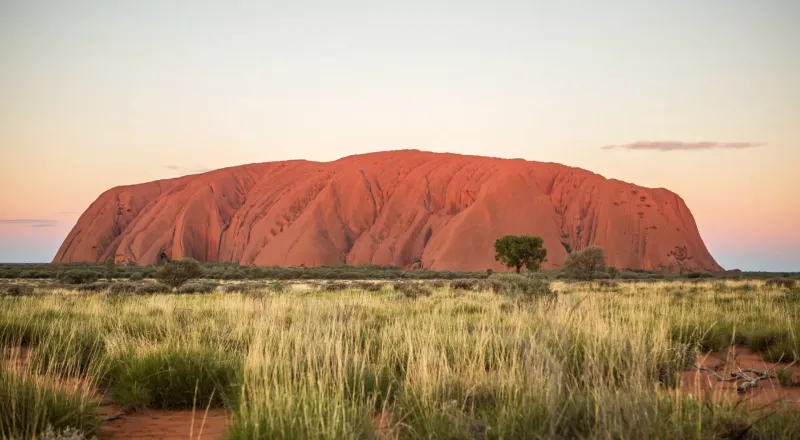
Rising 348 meters from the flat red desert of Australia’s Northern Territory, Uluru is one of the most spiritually powerful and visually striking landscapes on the planet. This immense sandstone monolith and the nearby 36 rock domes of Kata Tjuta were formed over 500 million years ago and are sacred to the Indigenous Anangu people, who have called this land home for more than 30,000 years.
First inscribed on the UNESCO World Heritage List in 1987 for natural values, it received a second designation in 1994 recognizing its deep cultural significance and joint land management.
16. Plitvice Lakes National Park, Croatia
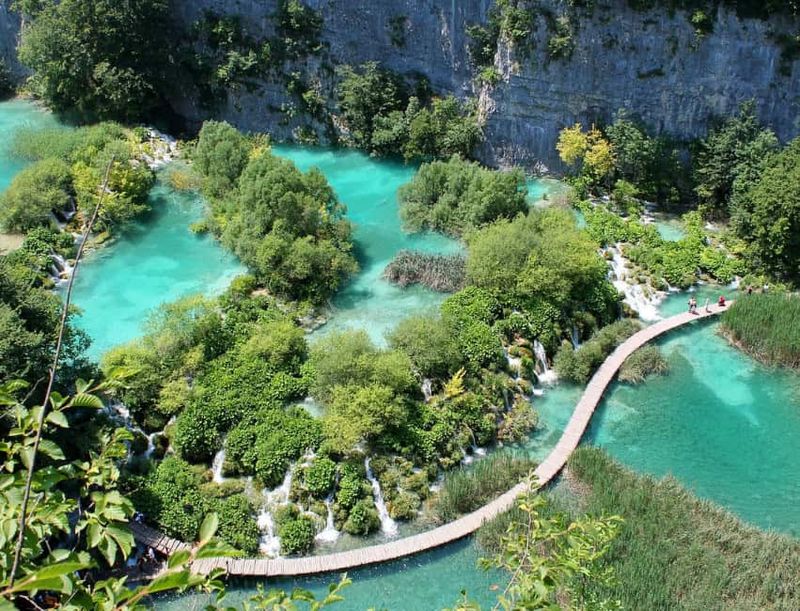
Croatia’s oldest and largest national park is a place where the water itself seems to paint the landscape in shades of turquoise, emerald, indigo, and deep blue. Plitvice Lakes features 16 cascading main lakes and over 90 waterfalls, all connected by natural travertine barriers formed by a fascinating ongoing geological process.
Wolves, bears, and over 150 bird species roam its 73,000-acre forest landscape. Inscribed on the UNESCO World Heritage List in 1979, Plitvice is Croatia’s crown jewel and one of Europe’s most visually stunning natural parks.
17. Galapagos Islands, Ecuador
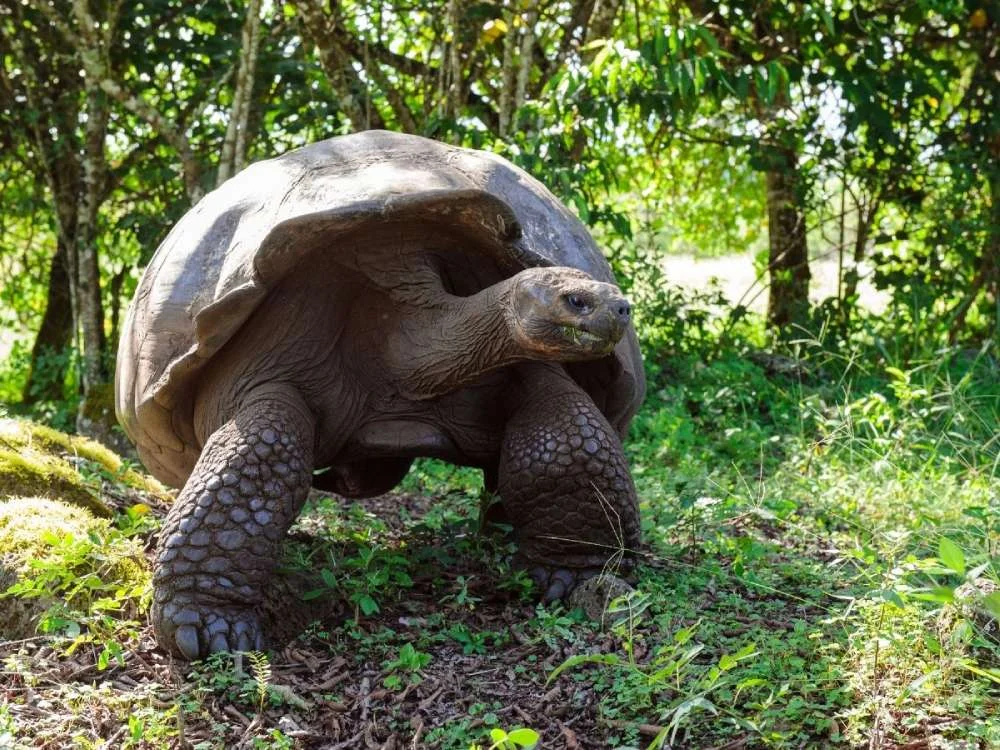
Charles Darwin’s visit to the Galapagos Islands in 1835 changed science forever, and standing among its extraordinary wildlife today, it is easy to understand why. Located 800 to 1,100 kilometers off the coast of Ecuador in the Pacific Ocean, these volcanic islands are home to one of the highest concentrations of endemic species on Earth.
Giant tortoises, marine iguanas, and Darwin’s famous finches all evolved here in remarkable isolation. Inscribed on the UNESCO World Heritage List in 1978, the Galapagos remains a living classroom for evolutionary biology and conservation.
18. Serengeti National Park, Tanzania
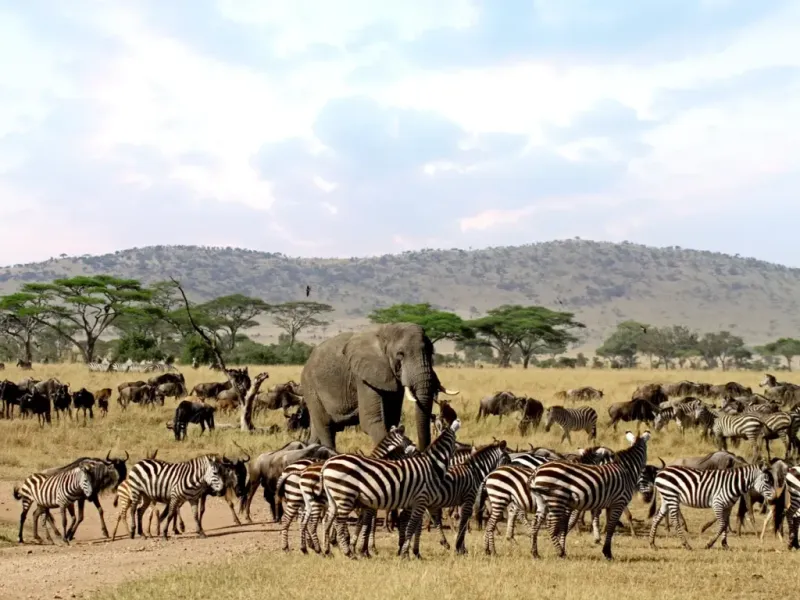
The Maasai word “Siringet” means “the place where the land runs on forever,” and standing in the Serengeti, you will feel every bit of that meaning. Every year, over 1.5 million wildebeest, 200,000 zebras, and 500,000 gazelles make the Great Migration across these vast plains in one of nature’s most spectacular events.
Home to the Big Five and over 500 bird species, this park spans more than 14,750 square kilometers. Designated a UNESCO World Heritage Site in 1981, Serengeti National Park is the ultimate African safari destination.