
Canned biscuits are one of the easiest shortcuts in the kitchen, but even simple things can go wrong fast. A few small missteps can turn fluffy, golden biscuits into flat, doughy, or burnt disasters.
Knowing what not to do is just as useful as knowing the right recipe. Avoid these common mistakes and you will be pulling perfect biscuits out of the oven every single time.
1. Baking Straight from the Freezer

Pull those biscuits out of the freezer and just toss them in the oven, right? Wrong.
When canned biscuit dough is still frozen, the leavening agents inside cannot activate properly, and the result is a dense, heavy biscuit that never really rises.
Let the dough sit at room temperature for about 30 minutes before baking. That small wait makes a big difference in texture and fluffiness.
Patience here is absolutely worth it.
2. Skipping the Oven Preheat

Sliding biscuits into a cold oven might seem like a time-saver, but it is actually a recipe for disappointment. Without proper heat from the start, biscuits cannot rise correctly, and you end up with a product that is gummy inside and overcooked outside.
Give your oven a full 15 to 20 minutes to reach the right temperature before baking. Rushing this step costs you the fluffy texture you are going for.
Always preheat first.
3. Using a Cold Baking Sheet
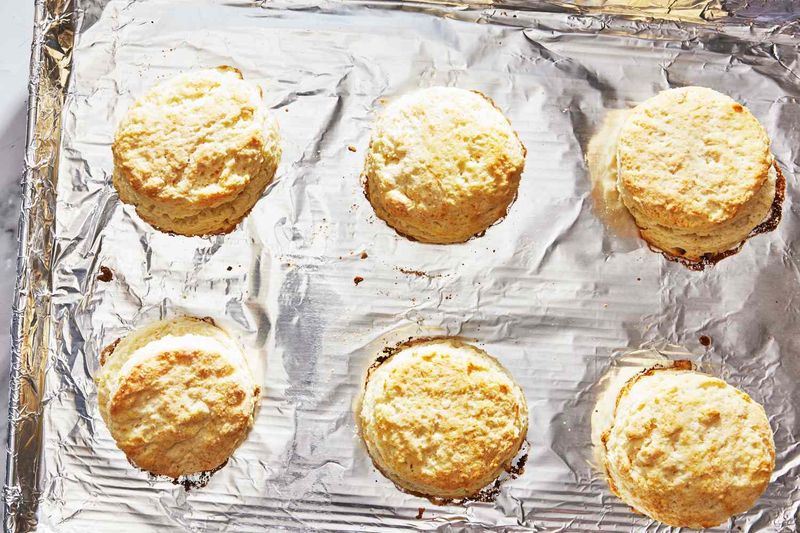
Here is a sneaky mistake that not many home cooks think about: placing your biscuit dough onto a cold baking sheet. When the pan is cold, the bottoms of the biscuits experience temperature shock, which causes uneven baking and a poor rise on the underside.
Try warming your baking sheet in the oven while it preheats. That way, the dough hits a hot surface right away and starts cooking evenly from the very first second.
4. Crowding the Baking Pan

Squeezing too many biscuits onto one pan feels efficient, but it actually works against you. When biscuits are crowded, they press against each other, which prevents proper browning and stops them from puffing up the way they should.
Give each biscuit enough room to breathe and expand. Spacing them out allows hot air to circulate around each one evenly.
If needed, use two pans rather than cramming everything onto one sheet.
5. Ignoring the Package Spacing Instructions
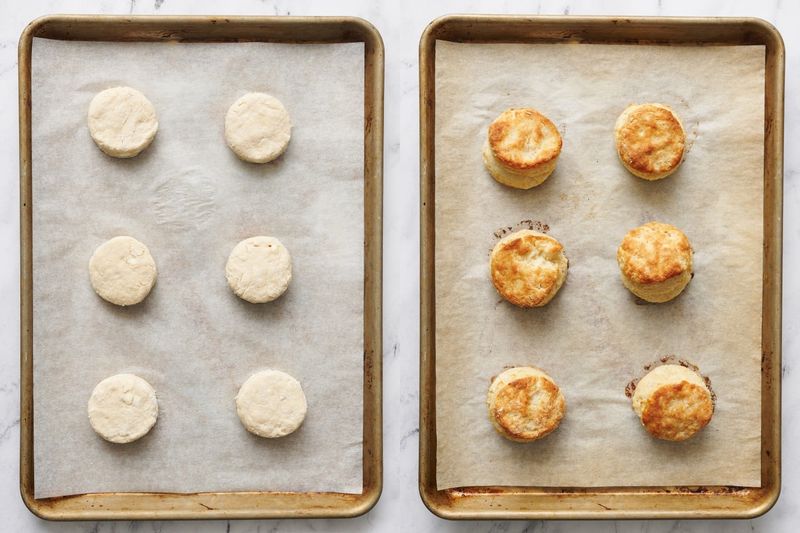
Most people tear open the can and just eyeball where to place each biscuit, but the spacing guidelines printed on the package actually matter. Those instructions are tested and designed to help every biscuit cook evenly and rise to its full potential.
Taking 30 extra seconds to follow the directions can mean the difference between fluffy biscuits and flat, unevenly cooked ones. The packaging is not just for show.
Treat it like a mini recipe card.
6. Picking the Wrong Biscuit Variety
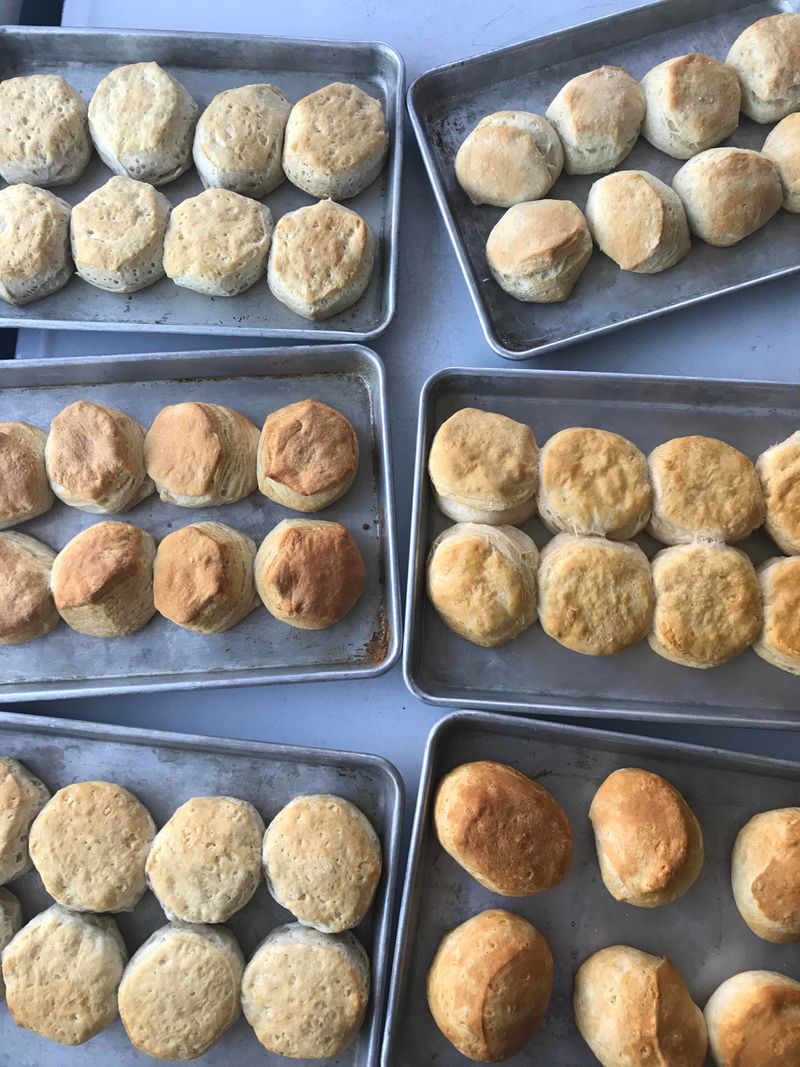
Not all canned biscuits are created equal, and grabbing just any can off the shelf can lead to a mismatch between your biscuit and your dish. Classic buttermilk biscuits have a tangy flavor, while Southern-style biscuits are heartier and denser.
Flaky layer varieties work beautifully as pull-apart rolls, but they might not hold up well in a casserole. Matching the right biscuit type to your recipe makes everything taste better and come together the way you imagined.
7. Baking with the Wrong Cookware
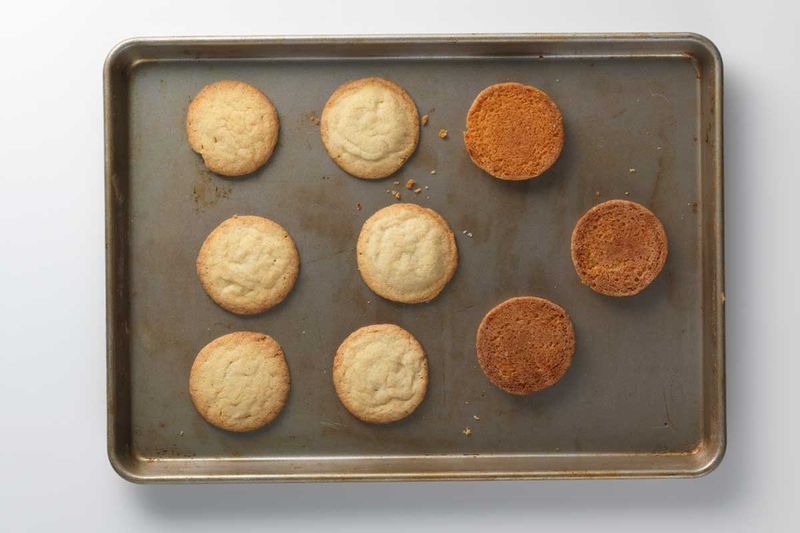
Dark or insulated baking pans absorb and hold more heat, which can cause the bottoms of your biscuits to brown way too fast or even burn before the inside is fully cooked. Many home cooks do not realize their pan color actually affects the final result.
A light-colored, non-insulated baking sheet is the safest bet for canned biscuits. If you only have a dark pan, lower your oven temperature by about 25 degrees and keep a close eye on the baking time.
8. Overworking the Dough

Canned biscuit dough is delicate, and the more you handle it, the tougher your biscuits become. Overworking the dough develops too much gluten and also melts the fat inside, both of which lead to flat, chewy biscuits instead of light, airy ones.
Handle the dough as little as possible. Separate the biscuits gently, place them on the pan, and step away.
The less you fuss with the dough, the better your biscuits will turn out every time.
9. Baking Dough That Is Too Cold
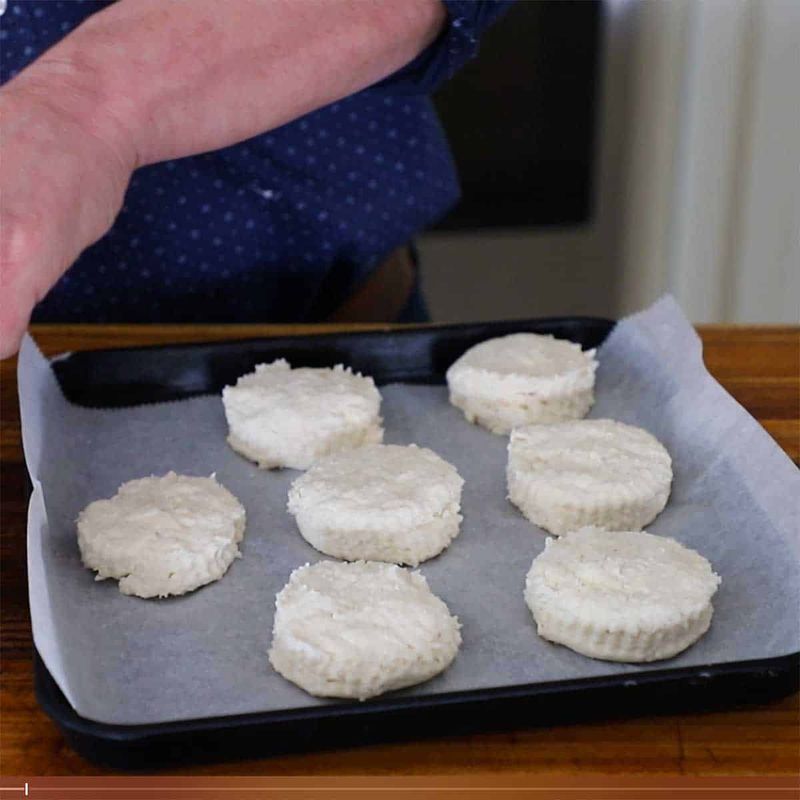
Even if the dough is not frozen solid, baking it straight from the fridge can still cause problems. When the dough is too cold, the butter inside melts too slowly during baking, which affects how well the biscuits rise and how light they feel.
A quick 15 to 20 minute rest on the counter before baking can make a real difference. Room temperature dough bakes more evenly and tends to produce a fluffier, more consistent result throughout the entire batch.
10. Not Checking Your Actual Oven Temperature
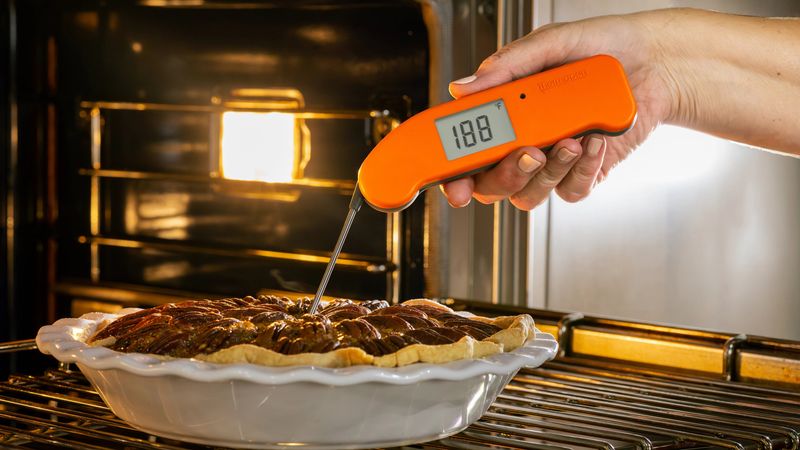
Your oven dial might say 375 degrees, but that does not mean the inside of your oven actually reaches that temperature. Many home ovens run hotter or cooler than the setting shows, which can leave biscuits raw in the middle even when they look done on the outside.
An inexpensive oven thermometer is a game changer. Place it inside your oven to see the real temperature and adjust accordingly.
Accurate heat means reliable, fully cooked biscuits every single time.
11. Trusting Only the Color for Doneness

Golden brown on the outside does not always mean fully cooked on the inside. Relying only on color to decide when biscuits are done is a common trap that leads to raw, doughy centers hiding under a beautiful exterior.
Try the toothpick test: insert a toothpick into the center of a biscuit and look for minimal moist crumbs when you pull it out. Canned biscuits are quick breads, so this simple trick works just as well as it does for muffins.
12. Leaving Leftover Dough Unsealed
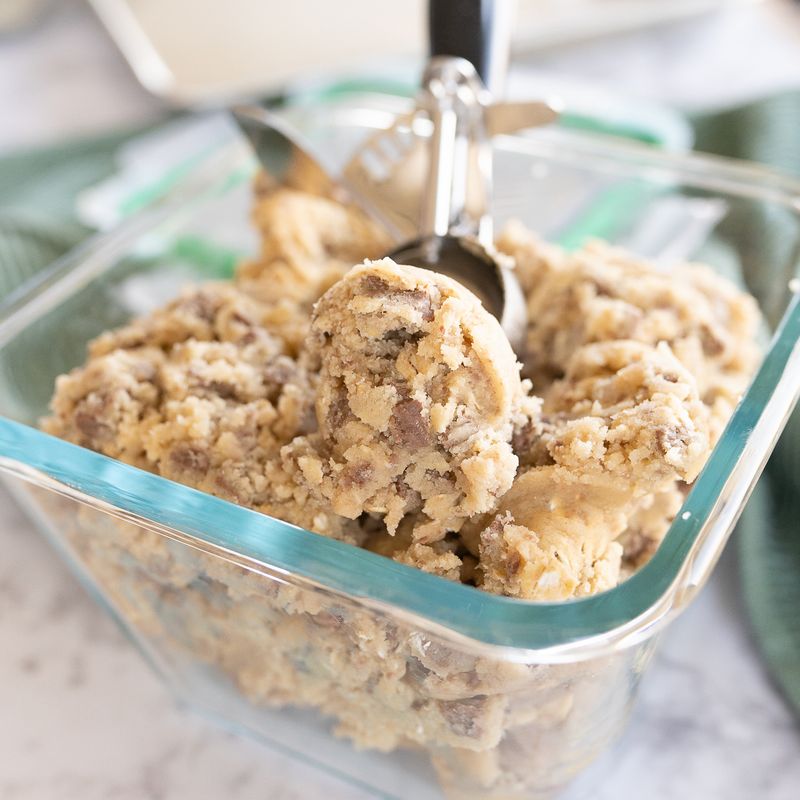
Opening a can and not using all the biscuits happens more often than you might think. Leaving that leftover dough exposed in the fridge without sealing it properly causes it to dry out, harden, and become nearly impossible to bake correctly.
Store any unused dough in an airtight bag or container and keep it in the refrigerator. It will stay usable for a short time, but do not wait too long.
Seal it right away to preserve the dough quality.
13. Freezing Opened Biscuits the Wrong Way
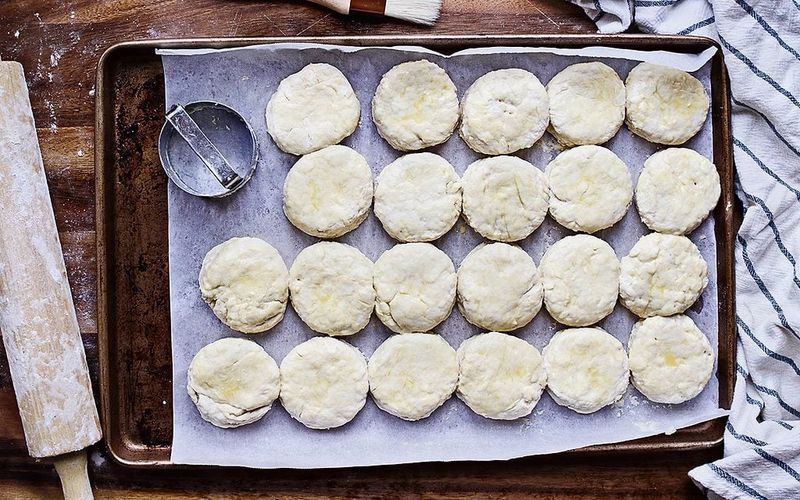
Tossing a pile of opened, uncooked biscuits straight into a freezer bag is a mistake that leads to a frozen clump of dough that is nearly impossible to separate later. Freezing them together ruins both the texture and the convenience.
Lay individual biscuits on a parchment-lined sheet and freeze them separately first. Once solid, transfer them to a freezer bag.
When you are ready to bake, pop them straight into a preheated oven without thawing for best results.
14. Skipping Flavor Enhancements

Straight out of the can, biscuits can taste a little plain and forgettable. Skipping the chance to boost their flavor is one of the easiest missed opportunities in any kitchen.
A simple brush of melted butter before or after baking already makes a huge difference.
Go further by adding everything bagel seasoning, shredded cheddar, garlic powder, or fresh chives. These quick additions take almost no extra effort and completely transform basic canned biscuits into something that actually gets compliments at the table.
15. Pressing the Biscuits Too Flat
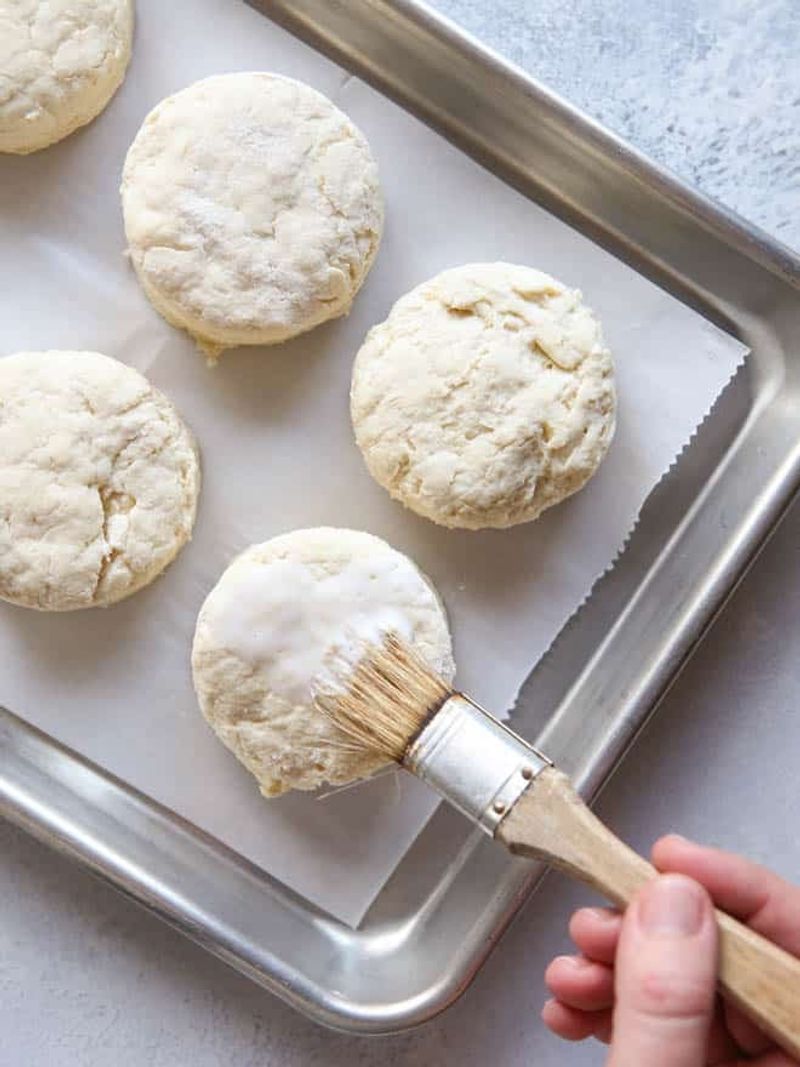
Some cooks press down on their biscuits before baking, thinking it helps them cook more evenly. Actually, flattening them too much before they go in the oven is a fast way to end up with thin, dense rounds instead of tall, fluffy biscuits.
Leave the biscuits at their natural height when you place them on the pan. The oven heat will do the work of spreading and rising on its own.
Less interference from you means a much more impressive result on the plate.