
Stranger Things is one of the most beloved sci-fi shows of the past decade, wrapping viewers in a cozy blanket of 1980s nostalgia. But eagle-eyed fans and history buffs have noticed that the show plays fast and loose with what was actually possible or real during that era.
From cars and cassette tapes to computers and Cold War spies, the Duffer Brothers made some creative swaps to keep the story exciting. Here are 20 moments where the show bent 1980s reality for the sake of great drama.
1. Barb’s Car Was Years Ahead of Its Time
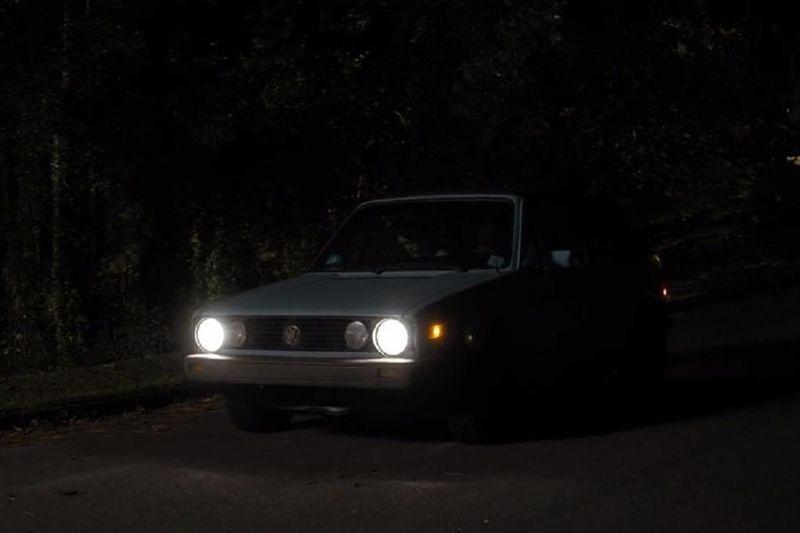
Barb Holland’s Volkswagen Rabbit convertible looks perfectly at home in Hawkins, but there is a problem hiding under the hood of this detail. The model shown on screen, with its plastic-covered bumpers and small inner headlights, was not available until 1988.
The show is set in 1983, making Barb’s ride five years ahead of schedule. It is a small slip, but car enthusiasts noticed it right away.
Sometimes getting the mood right matters more to filmmakers than matching every last model year.
2. The Periodic Table Had Elements That Did Not Exist Yet
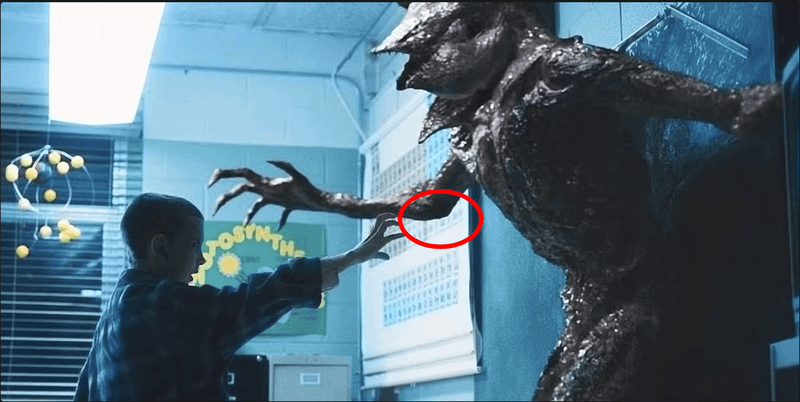
Picture a classic 1980s science classroom, posters on the wall and chalk dust in the air. The periodic table hanging in Hawkins Middle School looks completely normal at first glance, but chemistry fans spotted something off.
Several elements shown on that table had not been officially discovered or named by the early 1980s. It is the kind of background detail most viewers would never catch.
Still, for science teachers watching the show, it was hard to unsee once noticed.
3. HTML Code on Computers Before HTML Existed
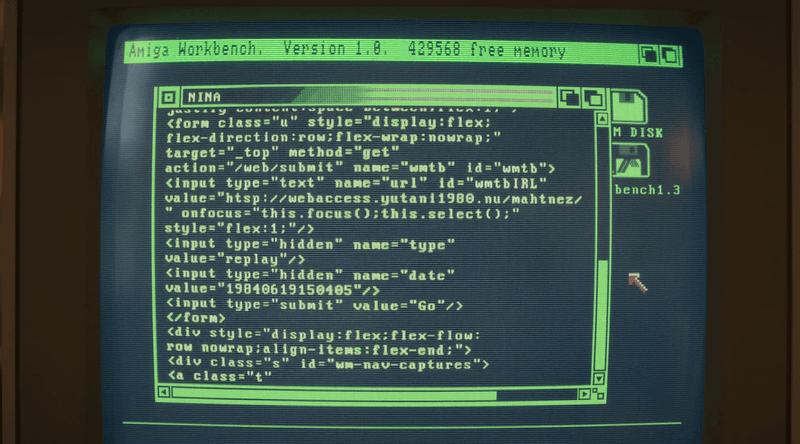
Computers in the 1980s had a certain charm, all green text and blinking cursors. So when characters on Stranger Things are shown using computers with what appears to be HTML code, history-minded viewers do a double take.
HTML was not invented until after 1990, meaning no one in 1983 would have typed a single angle bracket. The show needed computers to look busy and technical on screen.
Accuracy took a back seat to making the scene feel urgent and high-stakes.
4. Prozac Was Prescribed Before It Was Approved
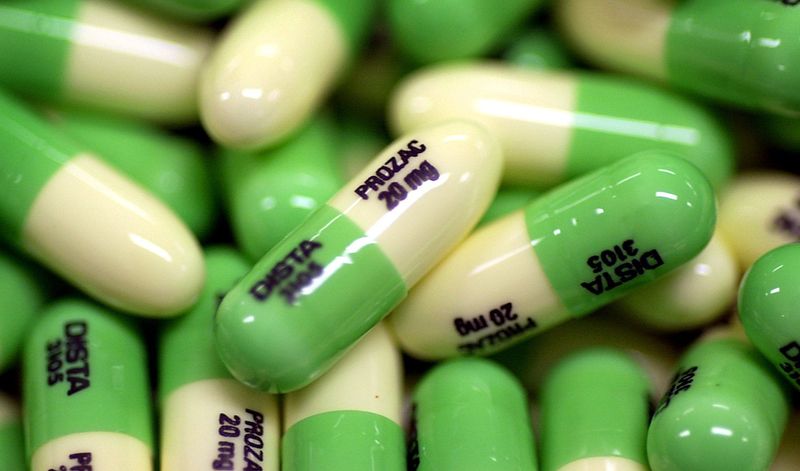
Anxiety and stress run high throughout Stranger Things, so it makes sense that some characters would reach for medication. But the show features Prozac being used for anxiety in its early 1980s setting, and that is where things get complicated.
Prozac was not approved by the FDA until 1987, well after the events of the first couple of seasons. Using it as a plot detail gave the story a modern emotional layer.
It was a small but telling sign that the writers were thinking about character more than calendar dates.
5. MADMAX Could Not Fit on the Dig Dug High Score Screen
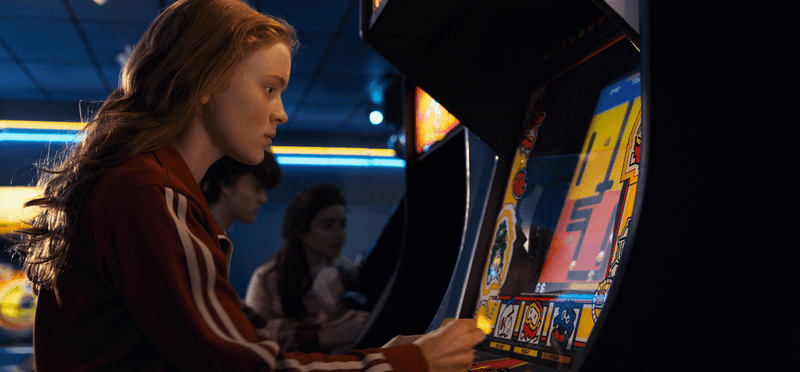
Max’s arcade high score entry is one of the coolest character introductions in Season 2. Watching the name MADMAX appear on the Dig Dug machine felt like a perfect 1980s moment.
There is just one catch.
Dig Dug only allowed players to enter three letters for their high score in 1984. MADMAX has six letters, which means it simply would not have fit.
The writers prioritized a memorable reveal over technical accuracy, and honestly, most fans were too impressed to complain.
6. A Cassette Tape From a Decade Too Late
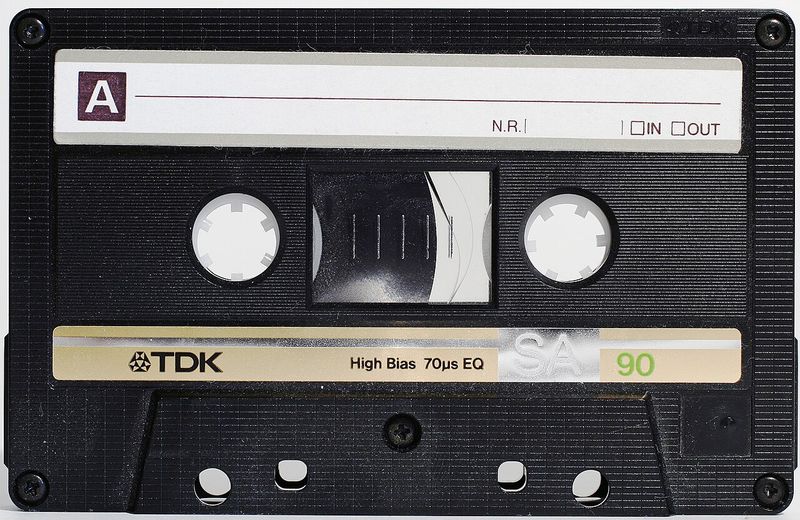
Cassette tapes are practically a mascot of 1980s culture, so seeing one in Stranger Things feels totally right. In Season 2, Episode 6, a Maxell UR line cassette tape makes an appearance alongside the era’s beloved music culture.
Here is the twist: those particular Maxell UR tapes were manufactured a full decade after the 1984 setting of the episode. It is the kind of prop error that slips past most viewers but sends collectors into a frenzy.
Getting the brand right is not always the same as getting the era right.
7. The Demogorgon Figurine That Came Out Too Early
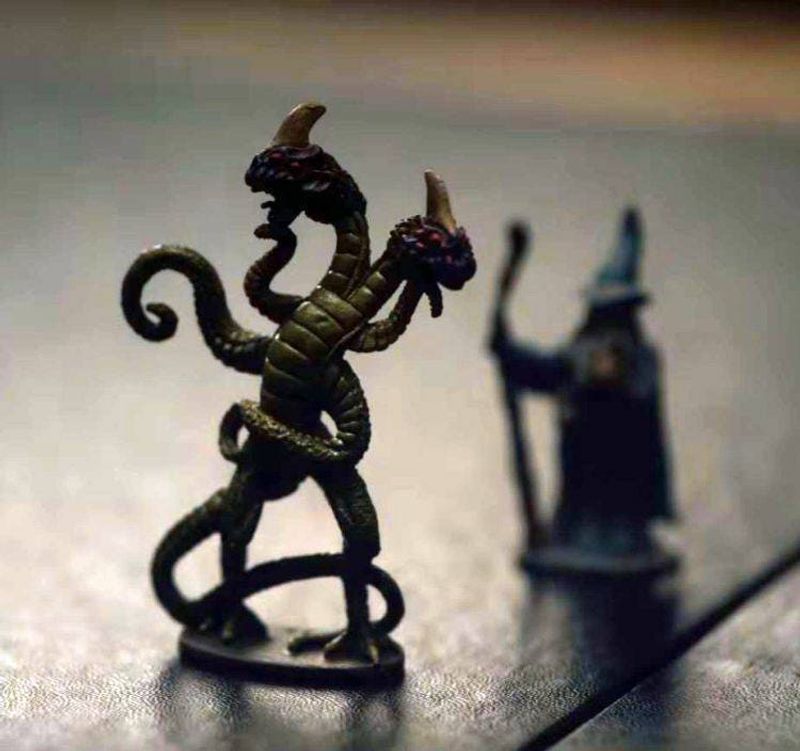
The boys’ Dungeons and Dragons sessions are central to Season 1’s storytelling, and the Demogorgon figurine they use became an iconic symbol of the show. Fans of the tabletop game, however, noticed something curious.
The official D and D Demogorgon figurine was not sculpted and released until 1984, but the show is set in 1983. It is a one-year gap that most people would never think about.
For die-hard D and D fans though, it was a fun little anachronism to catch while watching.
8. Chicago’s Skyline Showed Buildings Not Yet Built
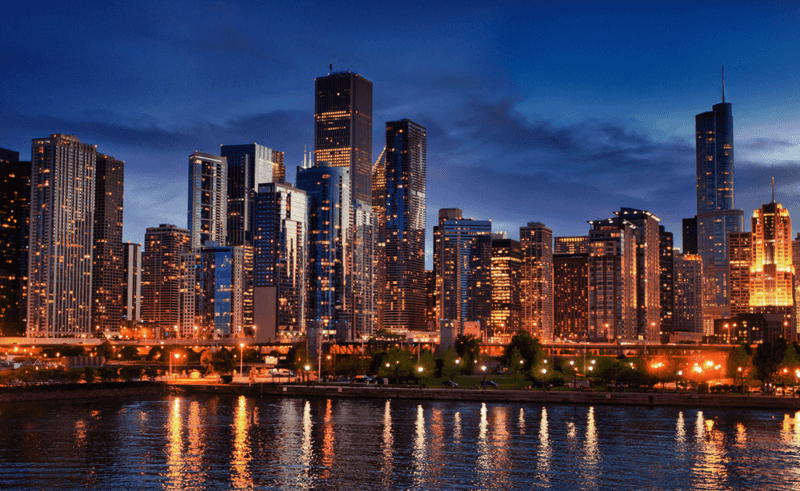
Season 2, Episode 7 takes Eleven on a road trip to Chicago, and the city looks stunning on screen. The skyline shot is meant to feel gritty and real, transporting viewers straight into the mid-1980s Midwest.
Sharp-eyed viewers spotted a big problem: the skyline includes buildings like the Trump International Hotel and Tower, the Two Prudential Plaza, and the Blue Cross Blue Shield Tower, all built in the early 1990s or later. It is a classic case of filming with what is there rather than what was there then.
9. Yellow Road Lines That Were Still White Back Then
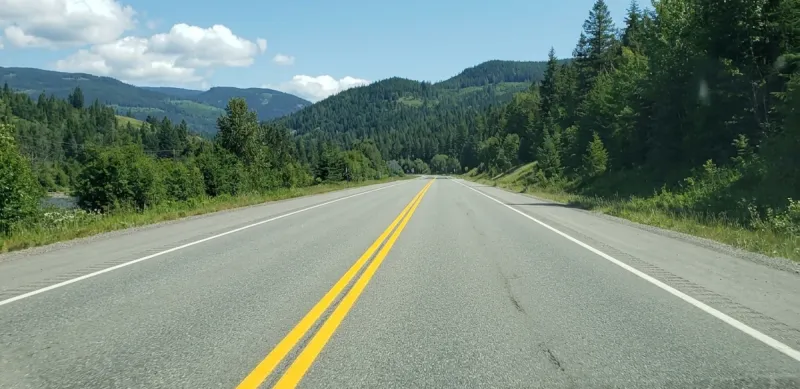
Road markings might not seem like exciting TV territory, but they tell a surprisingly detailed story about when a scene was filmed. In several Stranger Things scenes, yellow road lines are clearly visible on the pavement.
Back in the early 1980s, road lines in most American states were almost exclusively white. Yellow center lines became more widespread later in the decade and beyond.
It is a background detail the crew likely never thought twice about, but it adds up to another small slip in the timeline.
10. A Song Playing a Year Before Its Release
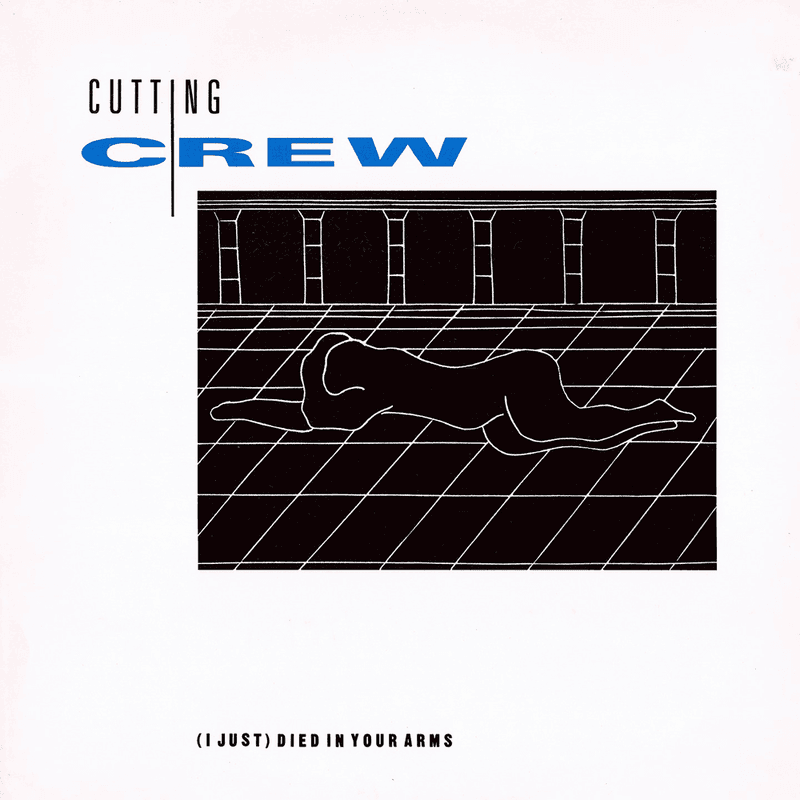
Music is one of Stranger Things’ greatest strengths, and the soundtrack pulls viewers straight back to the 1980s with every episode. Season 3 is set in 1985 and uses period music to build atmosphere throughout.
One song that slipped through, though, is “Died In Your Arms” by Cutting Crew. That track was not released until 1986, a full year after the season’s setting.
It is a small misstep in an otherwise carefully curated playlist, and it shows how tricky it is to match music to a very specific year.
11. The Word “Stalker” Used Before It Was Common
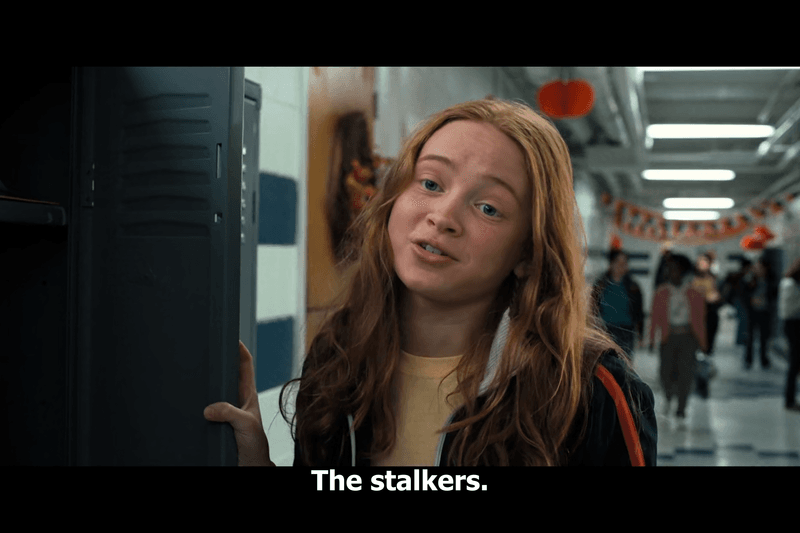
Max is one of Stranger Things’ most relatable characters, sharp-tongued and quick to call things out. At one point, she uses the word “stalker” in a way that feels completely natural to modern ears.
The catch is that “stalker” as a commonly understood social term did not enter everyday American speech until around 1989. Using it in the mid-1980s setting feels ahead of its time, even if it perfectly captures Max’s voice.
Language evolves, and sometimes TV writers use the words audiences know best rather than the words people actually said back then.
12. Modern Flashlight Bulbs Instead of Vintage Ones
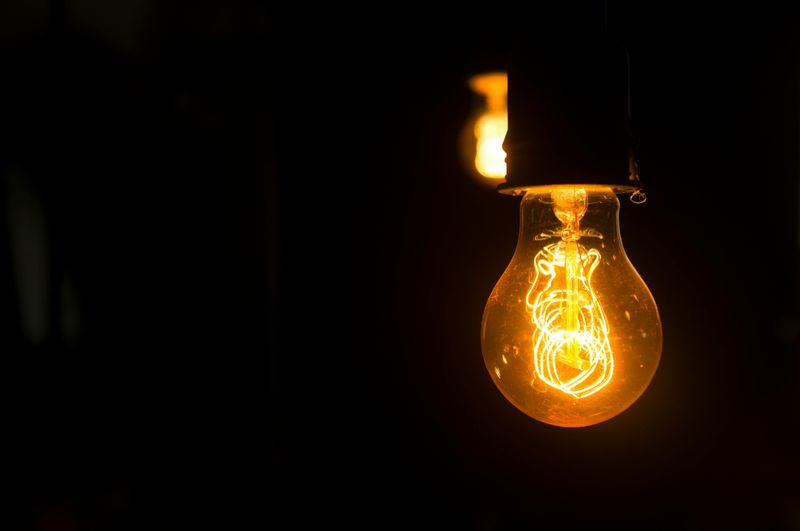
Flashlights are everywhere in Stranger Things, and for good reason. They are perfect tools for building suspense in dark tunnels and shadowy woods.
Most viewers never think twice about them.
Real 1980s flashlights produced a warm orange or yellow glow from their incandescent bulbs. The show often uses modern blue-white bulbs, which give a much brighter and more cinematic look on camera.
It is a practical choice for filming, but it quietly updates the technology by several decades every time a character clicks one on.
13. Trident White Gum on a Store Shelf in 1983
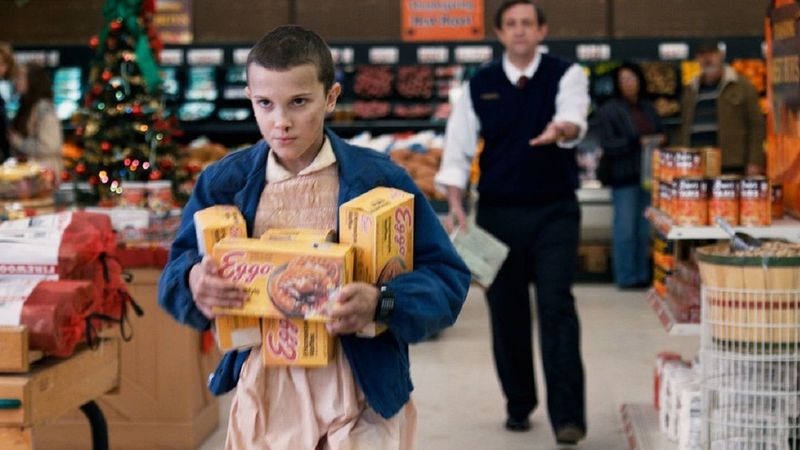
Background props in TV shows are usually chosen to feel authentic, filling shelves and countertops with items that look right for the era. Most of the time, the Stranger Things team nailed this.
One item, though, slipped through quality control.
A pack of Trident White gum can be spotted on a store shelf in a Season 1 scene set in 1983. The problem is that Trident White was not introduced until 2001.
It is a blink-and-you-miss-it moment, but once you know it is there, rewatching that scene becomes a little game.
14. Ham Radios Portrayed as More Popular Than They Were
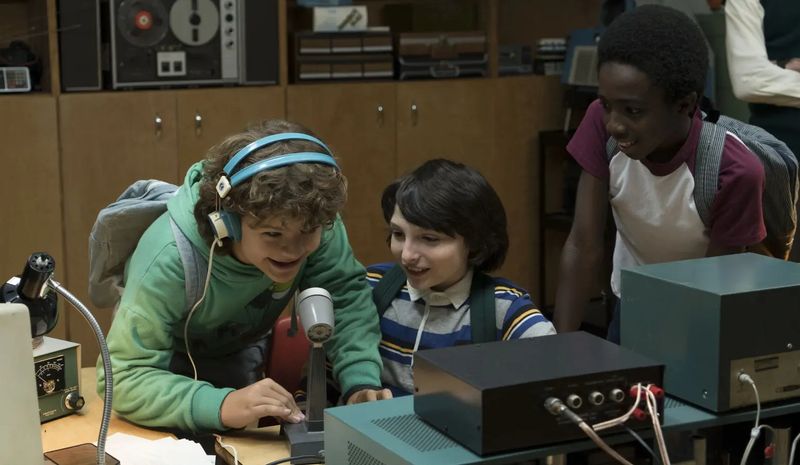
Ham radios play a big role in how the Stranger Things kids communicate when things go sideways. The show treats them as a normal, widely-used piece of technology that just about any tech-savvy kid might have.
In reality, ham radio was a niche hobby in the 1980s, enjoyed mostly by dedicated enthusiasts who got licensed to operate them. Casual teenage use would have been pretty rare.
Making ham radios feel more mainstream gave the writers a believable way to connect characters across distances without relying on cell phones that had not been invented yet.
15. Russian Spies in the American Midwest Were Exaggerated
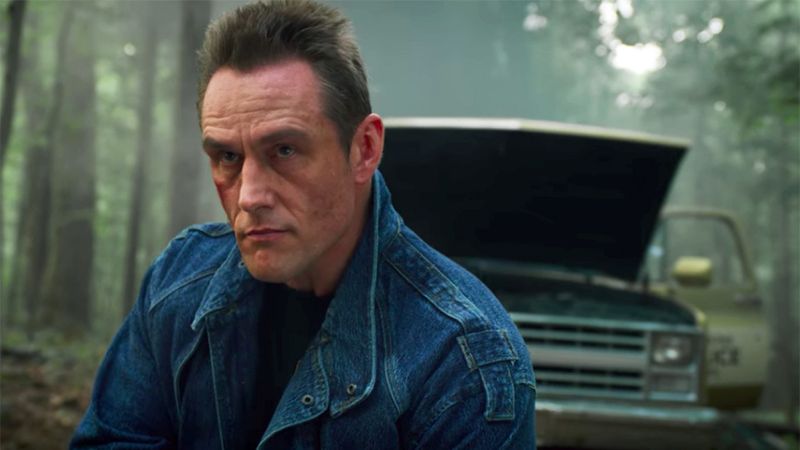
Cold War tension is woven all through Stranger Things, especially in Season 3 when a massive Soviet operation is discovered under the Starcourt Mall in Hawkins, Indiana. It makes for thrilling TV, no question about it.
Historians point out that the level of Russian infiltration shown in small-town Middle America is a pretty wild stretch of Cold War reality. Soviet espionage did exist, but it was focused on major cities and military sites, not Indiana malls.
The dramatic exaggeration works beautifully for the story, even if real Cold War scholars might raise an eyebrow.
16. Female Characters Were Stronger Than the Era Usually Showed
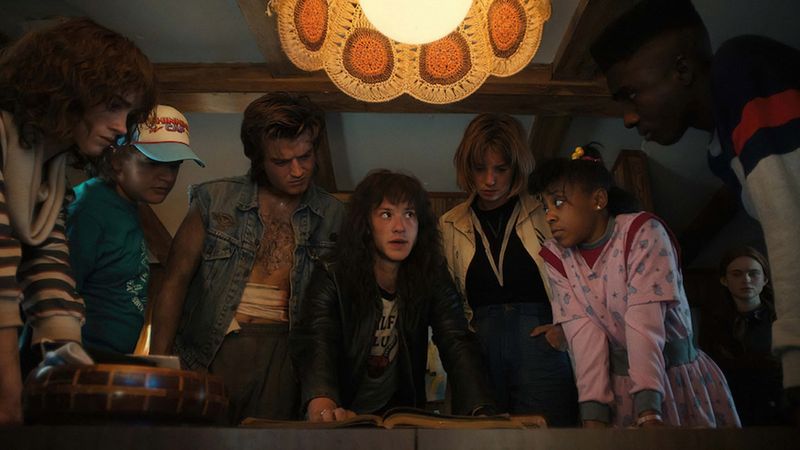
One of the most refreshing things about Stranger Things is how its female characters are written. Joyce, Eleven, Max, and Nancy all get to be brave, complex, and central to the action in ways that feel genuinely empowering.
Many actual 1980s films sidelined female characters or gave them much smaller, often stereotypical roles. Stranger Things reflects a modern sensibility about gender rather than strict historical accuracy.
It is not really a flaw so much as a deliberate creative choice, and most fans are very glad the writers made it.
17. Calling Proton Packs by a Name Not Yet Coined
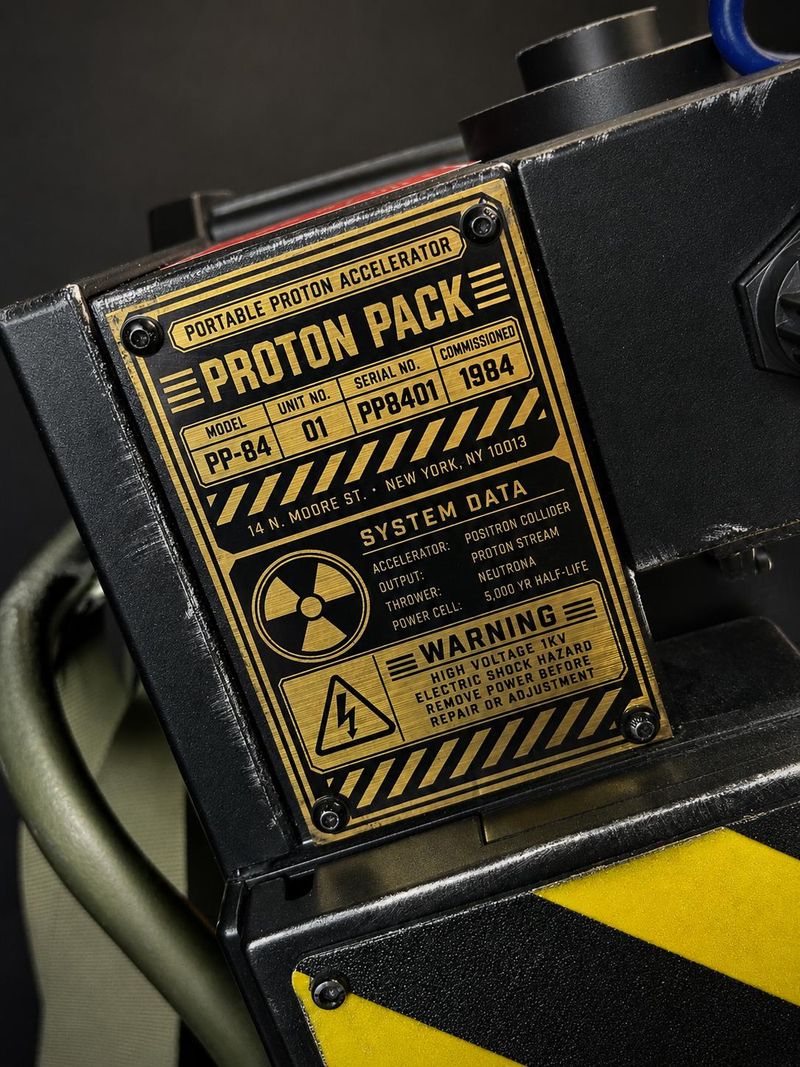
The boys dressing as Ghostbusters in Season 2 is one of the show’s most purely joyful moments. Their enthusiasm for the 1984 film feels completely authentic to the era, and the costumes are spot-on.
However, the boys refer to the Ghostbusters’ equipment as “proton packs,” a term that was not widely used until the 1989 sequel. In the original 1984 film, the equipment was called “positron colliders.” It is a small but telling mix-up between what fans call something today versus what people called it when the movie first came out.
18. A 1990 Book Sitting on a Shelf in 1983
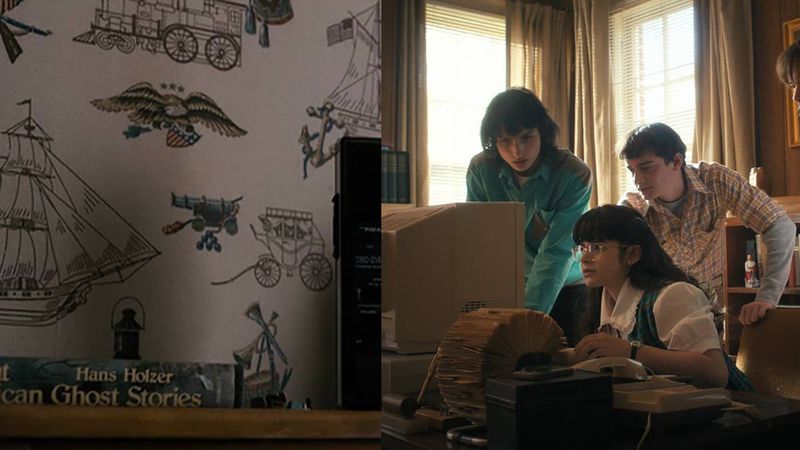
Books on shelves are classic background dressing for TV shows, meant to give characters depth and make settings feel lived-in. Usually they blend right into the scene without anyone noticing specific titles.
A copy of Hans Holzer’s book “Great American Ghost Stories,” published in 1990, was spotted on a shelf in a scene set in 1983. That is a seven-year gap between publication and placement.
It is a prop department mix-up that slipped past the continuity checkers, but ghost story fans who recognized the cover got a good chuckle out of it.
19. Telephone Models That Were Too Advanced for the Era
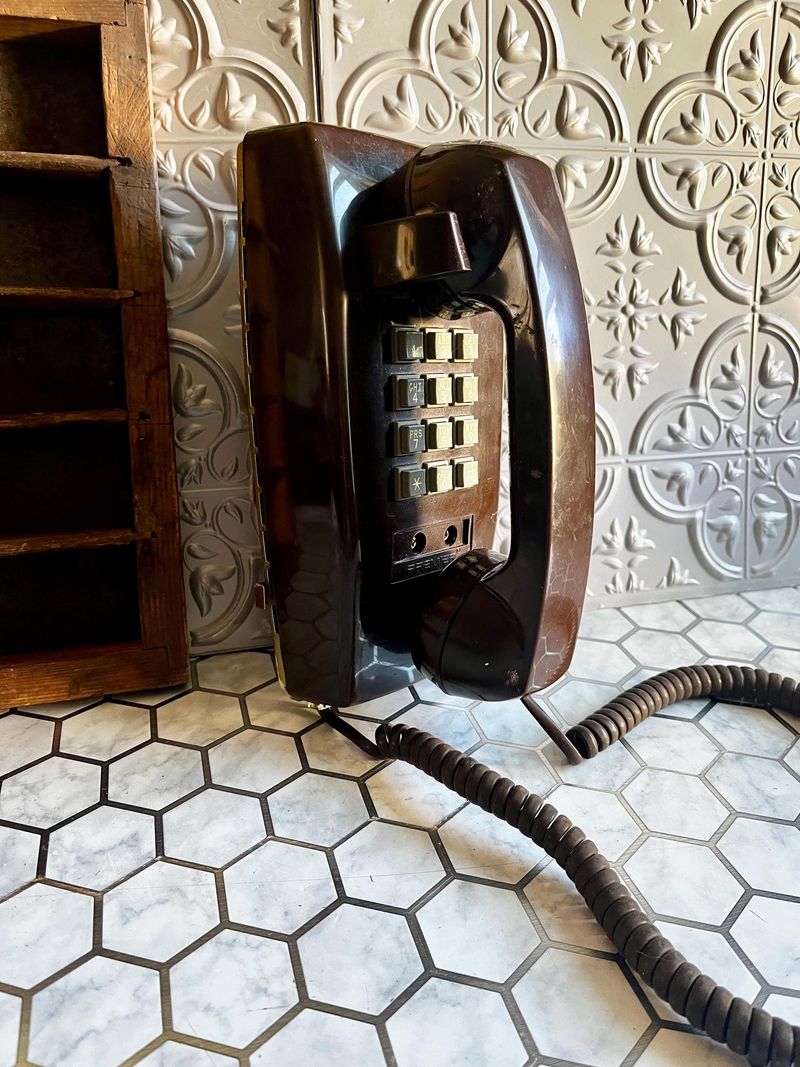
Telephones are everywhere in Stranger Things, ringing at just the right dramatic moments and keeping characters connected across the chaos. The show leans heavily on phones to build tension, and it works really well.
Several phone models shown in the series were not actually available in the early 1980s. On top of that, the show depicts too many homes with phones that plug directly into wall jacks, glossing over how many households still had hardwired phones during that period.
Small details like these quietly update the technology without most viewers ever noticing.
20. Cell Phones Were Deliberately Left Out to Create Suspense
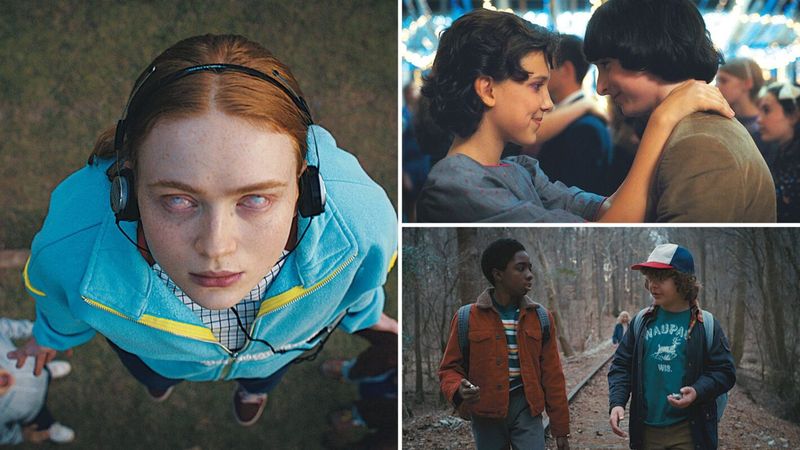
Here is one creative choice the show made completely on purpose. Stranger Things is set in a time before cell phones existed, and the writers leaned into that limitation hard.
No texting, no GPS, no quick calls for help.
By keeping characters cut off from easy communication, the show creates real suspense. Characters get lost, miss each other, and face danger alone in ways that would never happen today.
It is a brilliant use of the 1980s setting, turning a technological absence into one of the show’s most powerful dramatic tools.