
Spain is famous for paella and tapas, but its food scene goes way deeper than most people realize. Tucked away in local restaurants and family kitchens are incredible dishes that rarely make it onto tourist menus.
From hearty stews to silky soups, Spanish cuisine is packed with bold flavors and rich history. Give these underrated gems a chance, and you might just find your new favorite meal.
1. Pisto Manchego
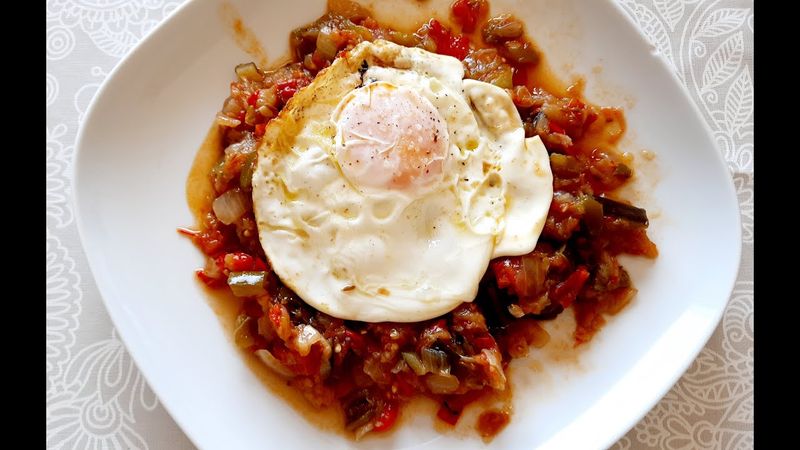
Think of pisto manchego as Spain’s answer to French ratatouille, only heartier and more satisfying. This slow-cooked vegetable stew from the La Mancha region blends tomatoes, peppers, zucchini, and onions into a rich, chunky sauce.
It is often topped with a fried egg or served alongside crusty bread. The vegetables melt together beautifully, creating deep, savory flavor in every bite.
Cheap, simple, and absolutely delicious, it is the kind of dish that makes you wonder why it is not more famous.
2. Fabada Asturiana
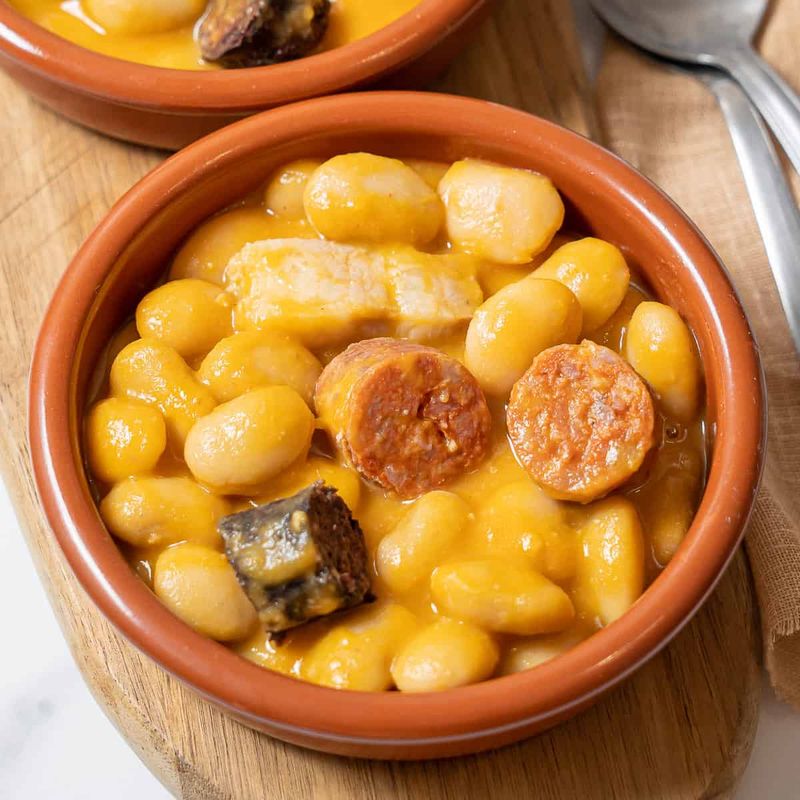
On a cold day, nothing beats a bowl of fabada asturiana. This thick, soul-warming stew from the Asturias region in northern Spain is built around giant white beans called fabes, slow-cooked with chorizo, morcilla, and cured ham.
The result is a deeply smoky, meaty broth that clings to every bean. It is the kind of meal that fills you up and keeps you warm for hours.
Locals treat it like a Sunday tradition, and once you try it, you will understand why.
3. Salmorejo
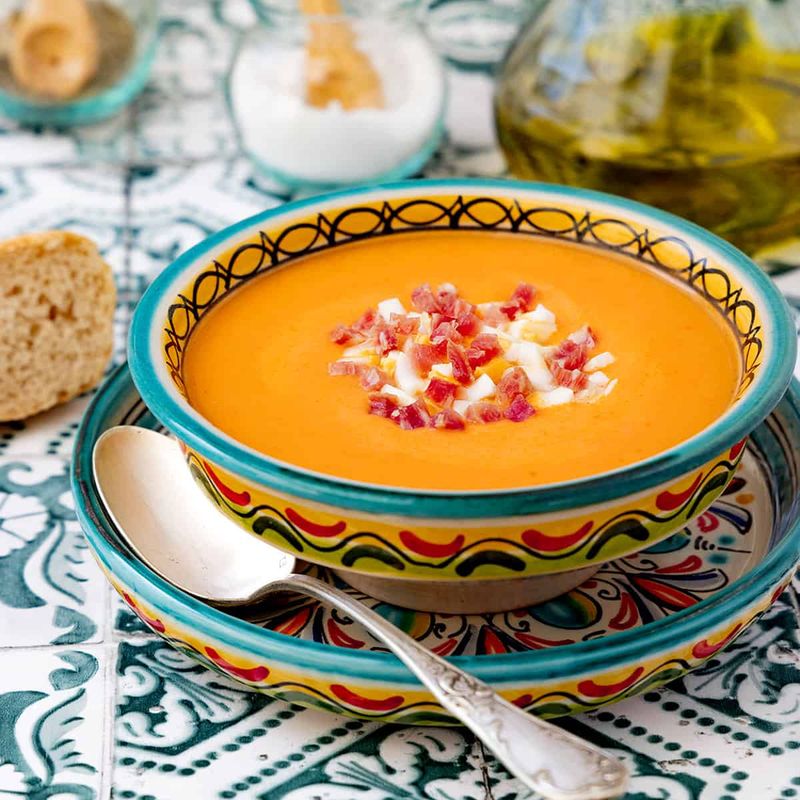
Gazpacho gets all the attention, but salmorejo from Cordoba deserves its own spotlight. This velvety cold tomato soup is thicker and creamier than its famous cousin, blended with bread, garlic, and good olive oil until perfectly smooth.
Topped with crumbled hard-boiled egg and bits of jamón, it is rich, refreshing, and surprisingly filling. On a hot summer afternoon, a bowl of salmorejo feels like exactly what your body was craving.
It is simple food done with remarkable elegance.
4. Cocido Madrileño
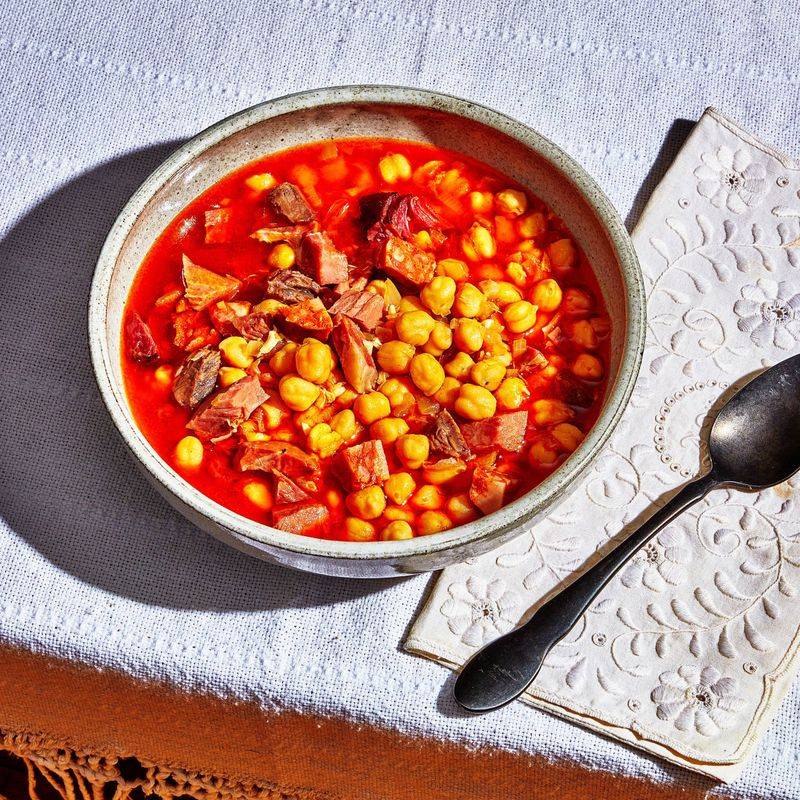
Cocido madrileño is not just a dish, it is an experience. This classic Madrid stew is traditionally served in three separate courses: first the rich broth with noodles, then the chickpeas and vegetables, and finally the assorted meats.
Chickpeas, chorizo, morcilla, chicken, and beef all slow-cook together until everything becomes incredibly tender. It is hearty, ceremonial, and deeply rooted in Madrid culture.
Many restaurants still serve it the old-fashioned way, making it a genuine taste of Spanish history on a plate.
5. Migas
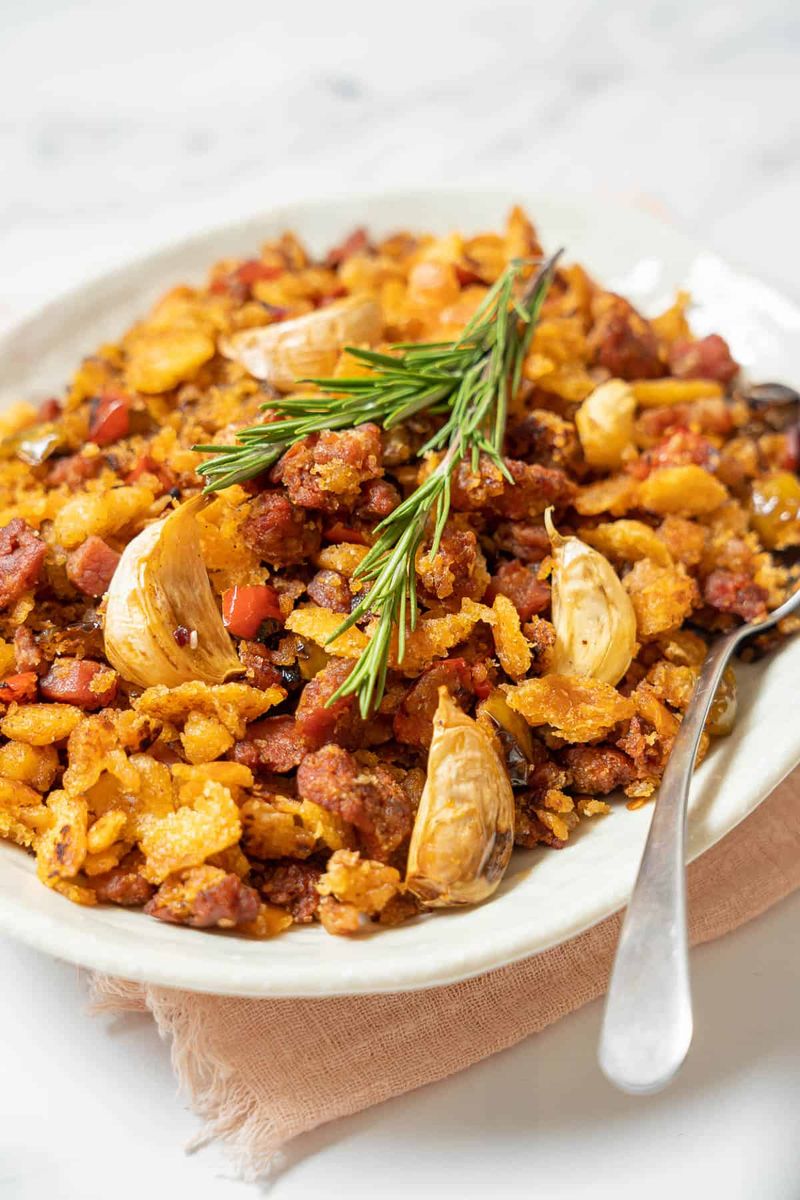
Migas started as a clever way for shepherds to use up stale bread, but it has grown into one of Spain’s most beloved comfort foods. Torn breadcrumbs are fried in olive oil with garlic, chorizo, and smoky paprika until golden and crispy.
The texture is wonderfully crunchy, and the flavor is bold and savory. Traditionally served with grapes or a fried egg on top, migas is a dish that surprises first-timers with just how satisfying humble ingredients can be.
6. Pulpo a la Gallega
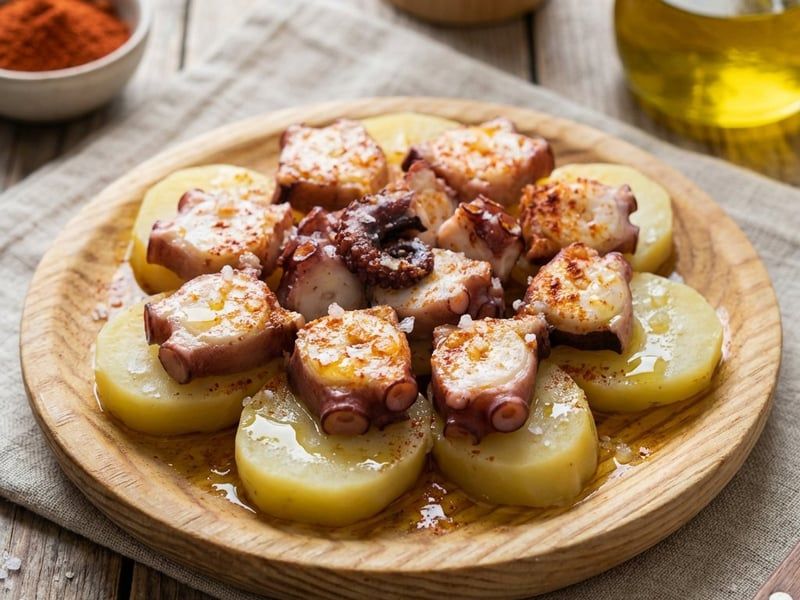
From the rainy, seafood-rich region of Galicia comes pulpo a la gallega, one of Spain’s most iconic yet underappreciated dishes outside its home turf. Boiled octopus is sliced, laid over soft potato rounds, and finished with olive oil, sea salt, and a generous dusting of smoked paprika.
The combination sounds simple, but the flavors are extraordinary. The octopus is tender, the paprika is smoky, and the whole dish carries a rustic elegance that is hard to forget after the first bite.
7. Ropa Vieja
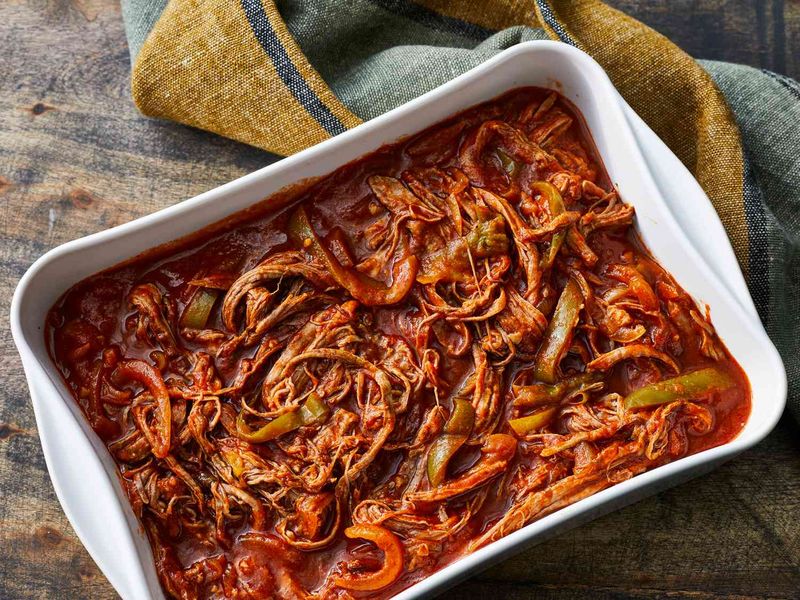
The name means ‘old clothes,’ which is a quirky way to describe shredded beef stewed low and slow in a tomato and pepper sauce. Ropa vieja has roots in the Canary Islands and was carried across to Latin America, but its Spanish origins are worth celebrating.
The beef becomes so tender it practically falls apart on its own. Served with rice or crusty bread, it is rich, comforting, and full of warm spice.
Every family has their own version, which makes it even more special.
8. Gazpachuelo
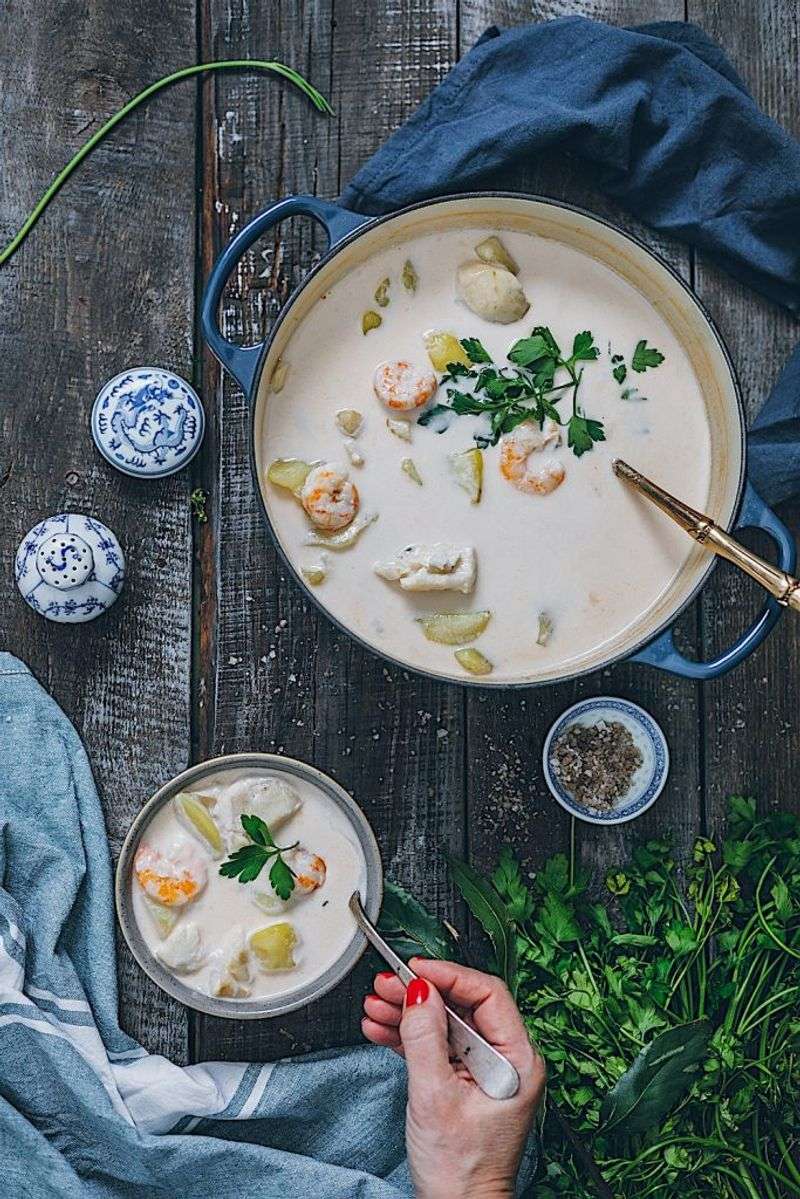
Do not let the name fool you into thinking this is just another cold soup. Gazpachuelo from Malaga is actually served warm, made with fish broth, potatoes, shrimp, and a swirl of homemade mayonnaise stirred right into the broth.
The mayo thickens the soup into something silky and surprisingly rich. It sounds unusual, but the result is deeply comforting and unlike anything most people have tasted.
Fishermen along the Costa del Sol have been eating this for generations, and it is absolutely worth tracking down.
9. Fideuà
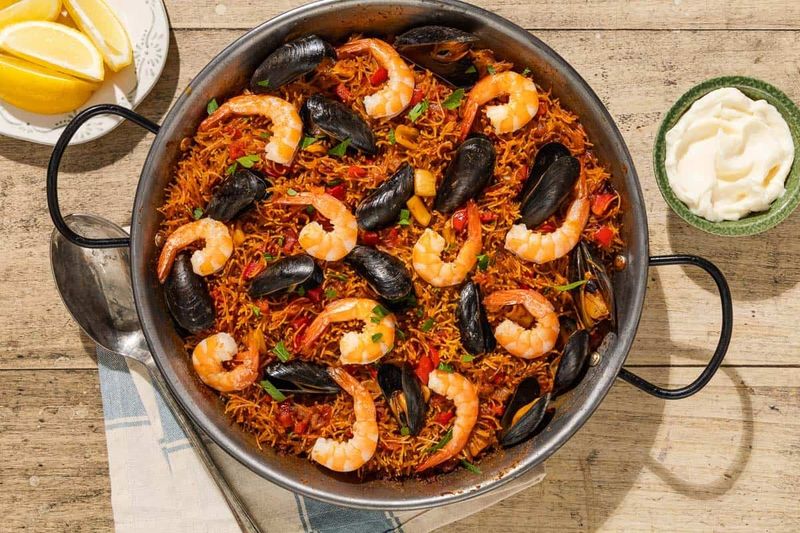
Paella uses rice, but fideuà swaps it for short, thin noodles that soak up all that incredible seafood broth. Born in the Valencia region, this dish is cooked in the same wide, shallow pan as paella and features shrimp, squid, clams, and a rich saffron-laced stock.
The noodles get slightly crispy on the bottom, creating a texture that is genuinely addictive. Served with a dollop of aioli on the side, fideuà is a dish that deserves far more international fame than it currently gets.
10. Zorza
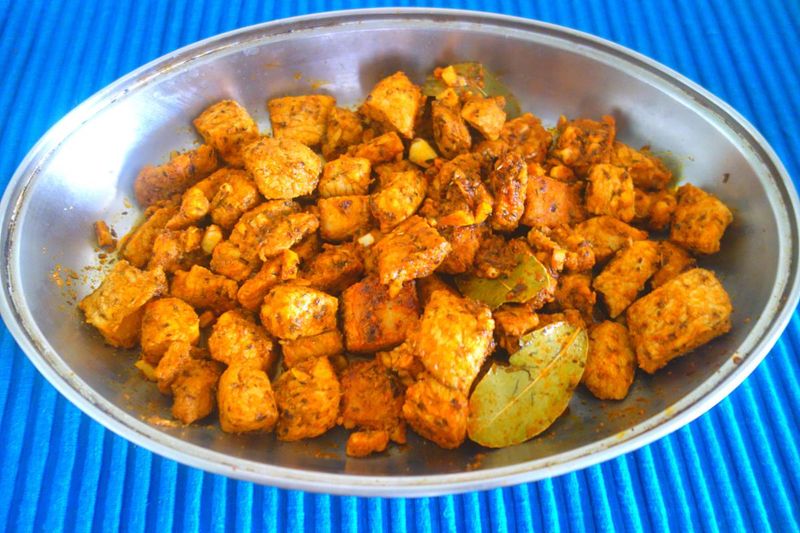
Zorza is the secret weapon of Galician home cooking. Raw pork is marinated with paprika, garlic, white wine, and oregano, then pan-fried until sizzling and fragrant.
It is the base mixture used for chorizo making, but eating it fresh and uncooked is a completely different experience.
The spices bloom in the hot pan, filling the kitchen with an irresistible aroma. Scooped up with crusty bread, zorza is bold, punchy, and deeply satisfying.
It is pure, unapologetic flavor without any fuss.
11. Olla Podrida
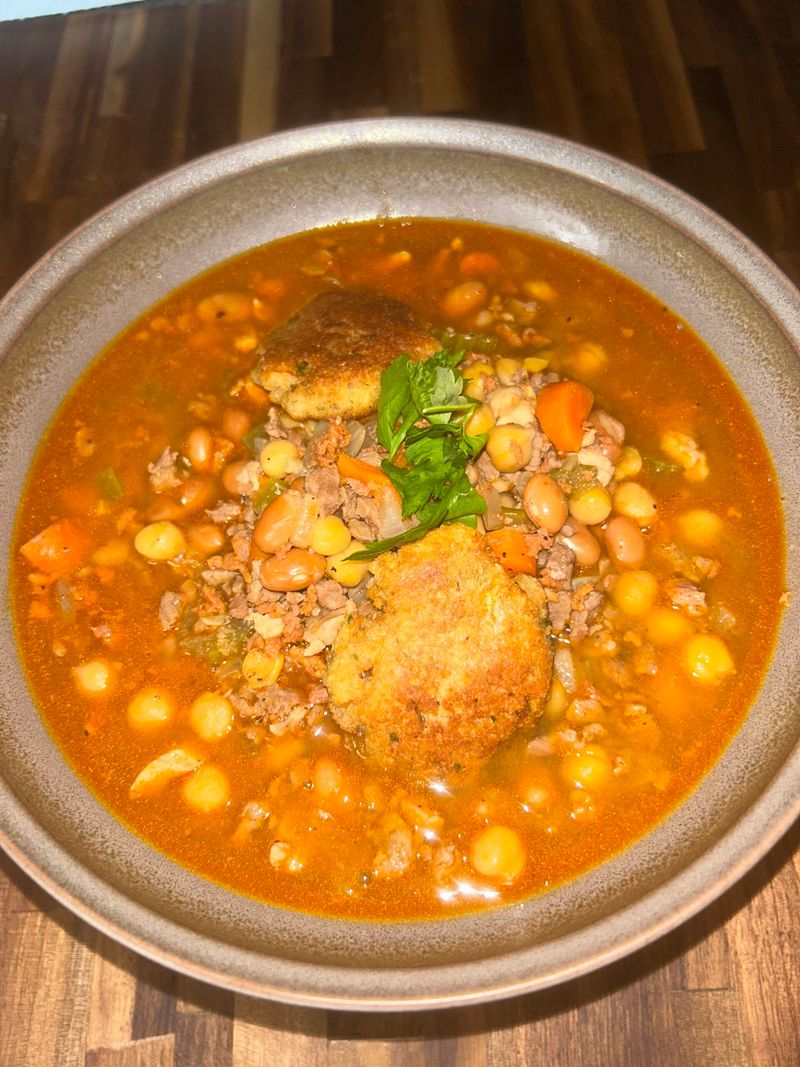
Olla podrida is one of Spain’s oldest recorded dishes, mentioned in classic literature including Don Quixote. The name translates roughly to ‘rotten pot,’ but do not worry, it is anything but.
This ancient stew combines pork, beef, chickpeas, and seasonal vegetables simmered together for hours.
The long cooking time creates a broth that is deep, complex, and utterly satisfying. It is a dish that feels like eating history, and its bold, meaty character makes it worthy of any modern table.
12. Marmitako
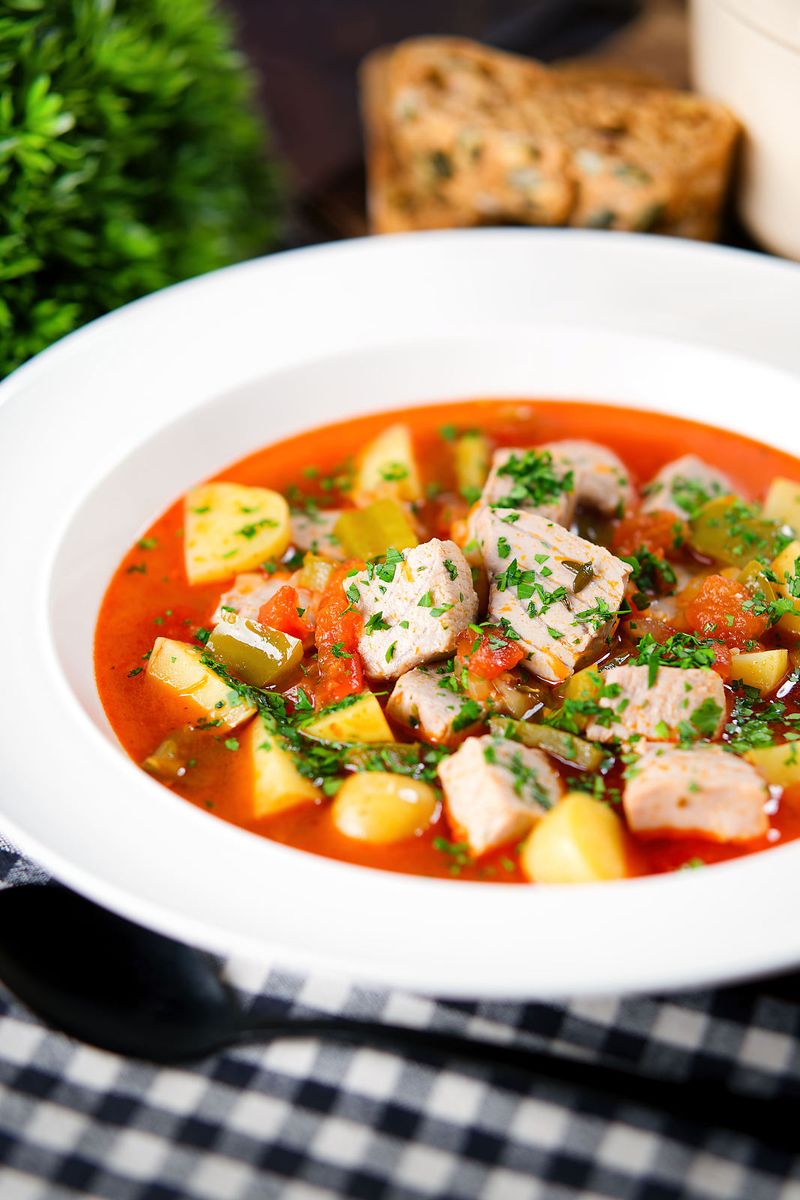
Basque fishermen invented marmitako out of necessity, cooking fresh tuna with potatoes, peppers, and tomatoes right on the boat during fishing trips. The result is a chunky, hearty stew that is packed with ocean flavor and rustic charm.
The tuna stays tender and flavorful rather than dry, which is a testament to how well the recipe is designed. Back on land, this dish became a Basque Country staple that locals eat year-round.
Fresh, filling, and full of personality, marmitako is a hidden treasure of northern Spain.
13. Caldo Gallego
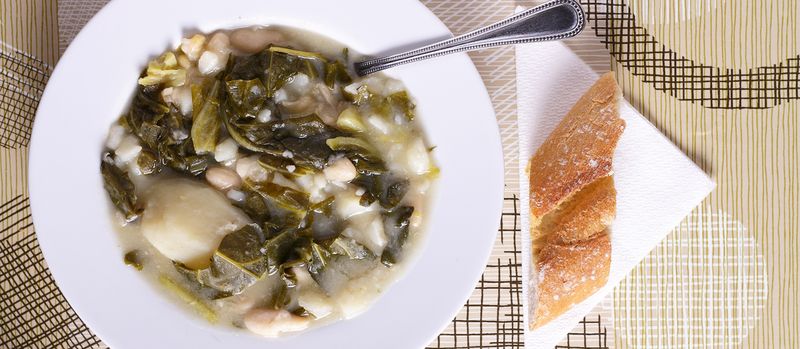
Caldo gallego is the kind of soup that wraps around you like a warm blanket on a rainy afternoon. This Galician broth is made with white beans, potatoes, turnip greens, and pork, all simmered slowly until everything is soft and flavorful.
The greens add a slight bitterness that balances the rich, porky broth beautifully. Simple and nourishing, it has been feeding Galician families for centuries.
A bowl of caldo gallego with good bread on the side is one of life’s most underrated pleasures.
14. Pipirrana
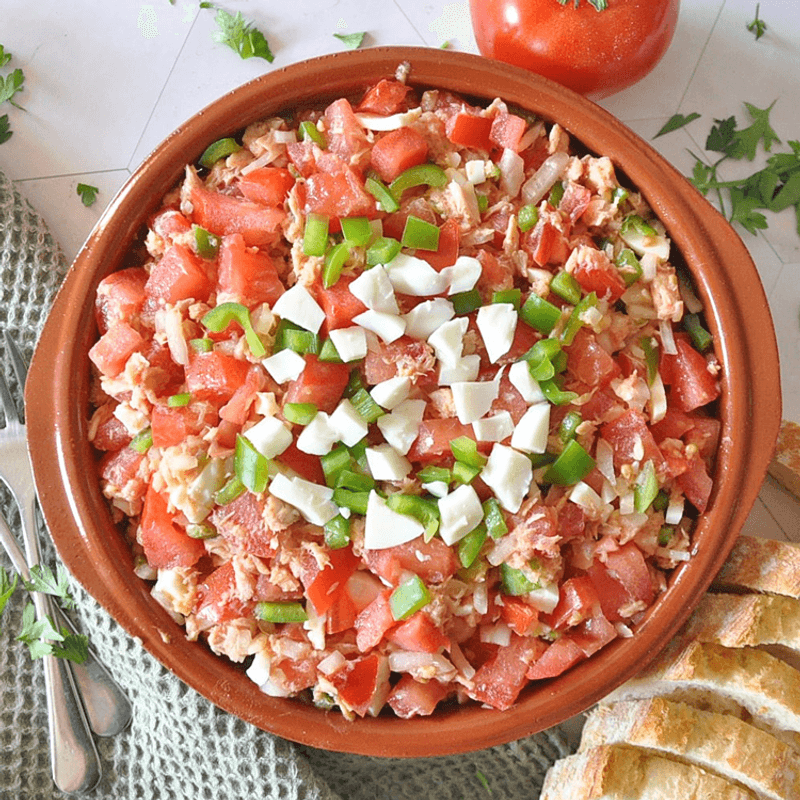
Forget boring salads. Pipirrana from Andalusia is a bright, chunky chopped salad that doubles as a full meal.
Diced tomatoes, cucumber, green pepper, and onion are tossed together with flaked tuna and hard-boiled egg, then dressed simply with olive oil and vinegar.
Every ingredient keeps its own character while blending into something greater than the sum of its parts. It is fresh, tangy, and incredibly satisfying on a hot day.
Pipirrana proves that Spanish cooking does not always need a stove to impress.
15. Caldereta de Cordero
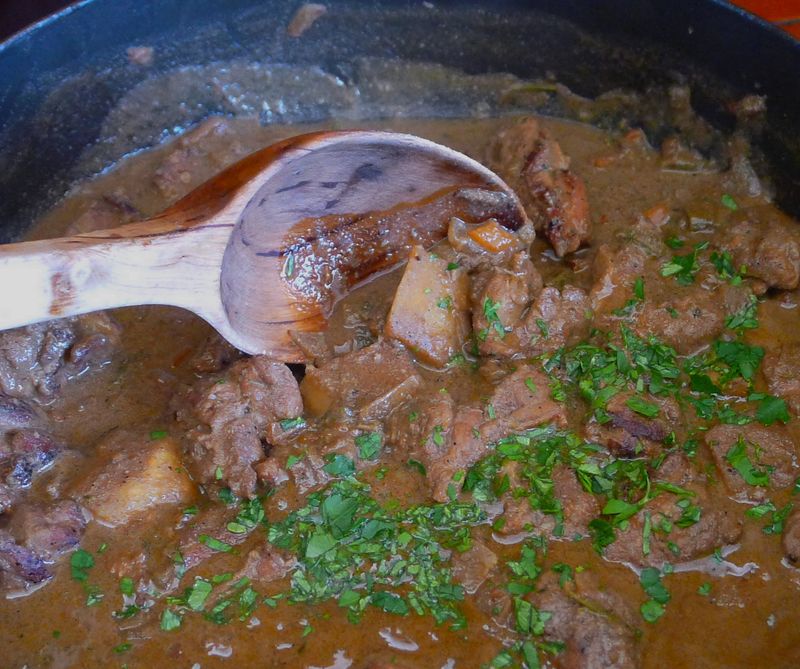
Lamb stew might not sound exciting until you taste caldereta de cordero from Extremadura or Castile. Tender chunks of lamb are braised low and slow with peppers, tomatoes, garlic, and white wine until the meat practically dissolves into the rich sauce.
In some versions, the liver is blended into the broth to deepen the flavor even further. The result is earthy, bold, and deeply satisfying.
Shepherd communities have made this dish for generations, and its rustic roots are part of what makes it so special.
16. Huevos a la Flamenca
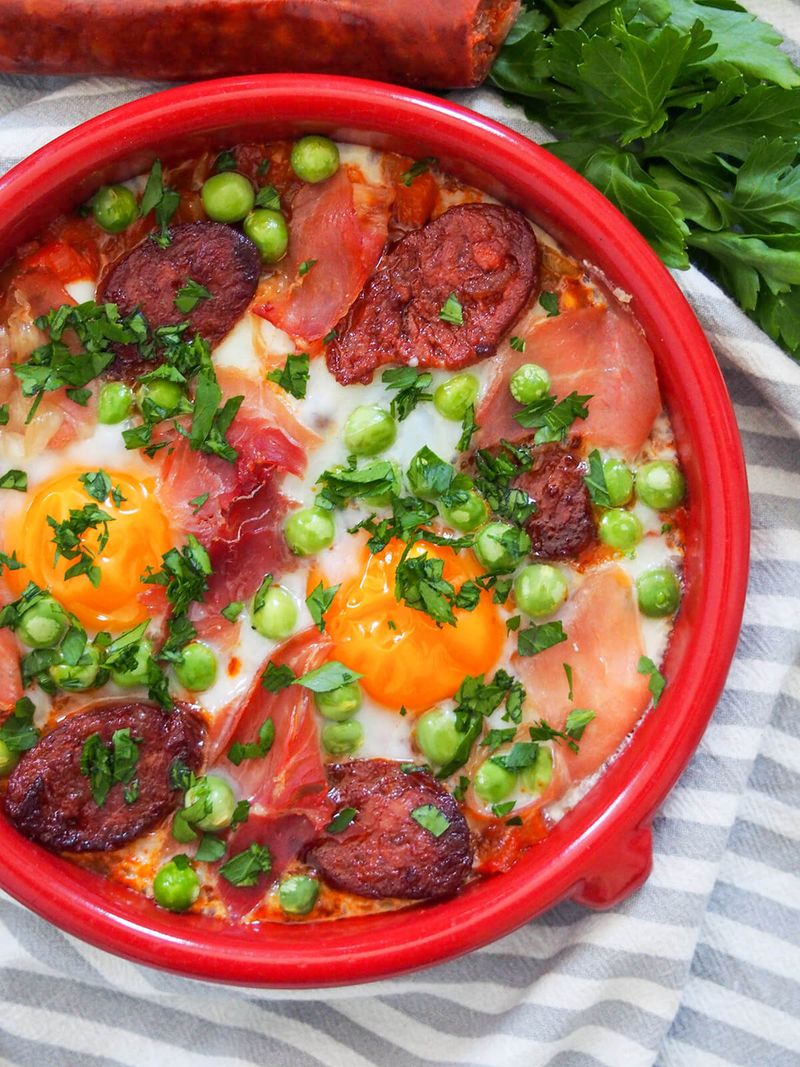
Huevos a la flamenca is basically a Spanish version of shakshuka, and it is every bit as satisfying. Eggs are cracked directly into a bubbling tomato sauce loaded with chorizo, peas, asparagus, and roasted red peppers, then baked until the whites are set but the yolks are still runny.
The whole thing comes to the table in the same clay dish it was cooked in, which keeps it warm and looks incredibly inviting. Scooped up with bread, it is the perfect breakfast, lunch, or dinner.
17. Tarta de Santiago
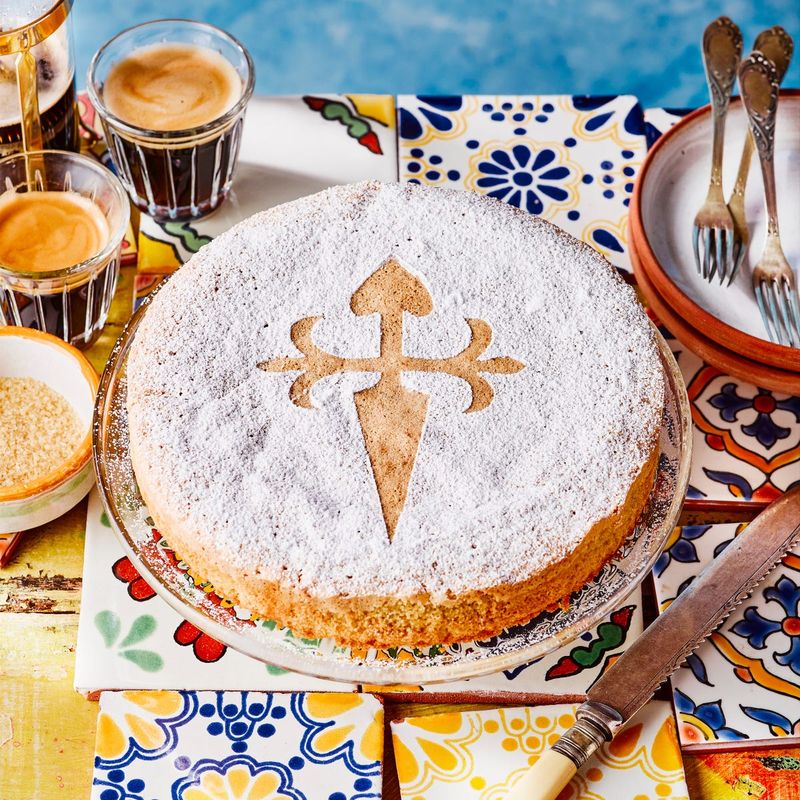
Spain’s dessert scene often gets overlooked, but tarta de Santiago is something truly worth seeking out. This Galician almond cake has been made since the Middle Ages and carries a beautiful tradition: the cross of Saint James stenciled in powdered sugar right on top.
Made with ground almonds, eggs, sugar, and lemon zest, it is naturally gluten-free and wonderfully moist. The flavor is nutty, fragrant, and not too sweet.
Whether you are a cake lover or not, this one tends to win everyone over.
18. Espinacas con Garbanzos
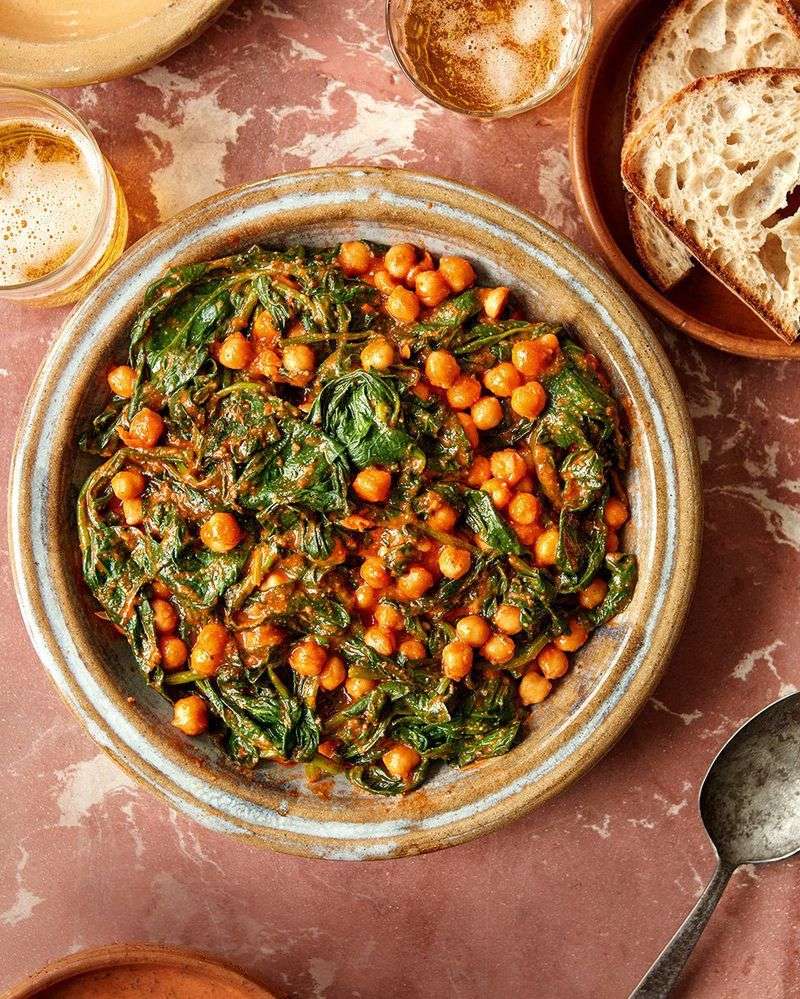
Street food in Seville often means a small paper cone filled with espinacas con garbanzos. This spinach and chickpea stew is spiced with cumin, garlic, smoked paprika, and a hint of vinegar, giving it a warmly complex flavor that feels almost Middle Eastern in character.
The combination of hearty chickpeas and wilted spinach in a rich tomato base is deeply comforting and nutritious. Eaten with toasted bread rubbed with garlic, it is one of those dishes that costs almost nothing to make but tastes absolutely extraordinary.