
Parenting is one of the most rewarding jobs in the world, but it does not come with a manual. Every parent wants to raise happy, confident, and kind kids, yet even the most loving parents sometimes stumble along the way.
Knowing what truly makes a difference, and what habits to ditch, can change everything for your family. Here is a practical, honest look at what great parents do and the common pitfalls worth steering clear of.
1. Practice Active Listening and Clear Communication

Put the phone down, look your child in the eyes, and really listen. It sounds simple, but active listening is one of the most powerful gifts you can give a child.
When kids feel truly heard, they open up more and trust you more deeply.
Validating their feelings, even when their worries seem small, shows them their emotions matter. Great parents pause what they are doing to give focused, genuine attention during conversations.
2. Set Clear and Consistent Boundaries
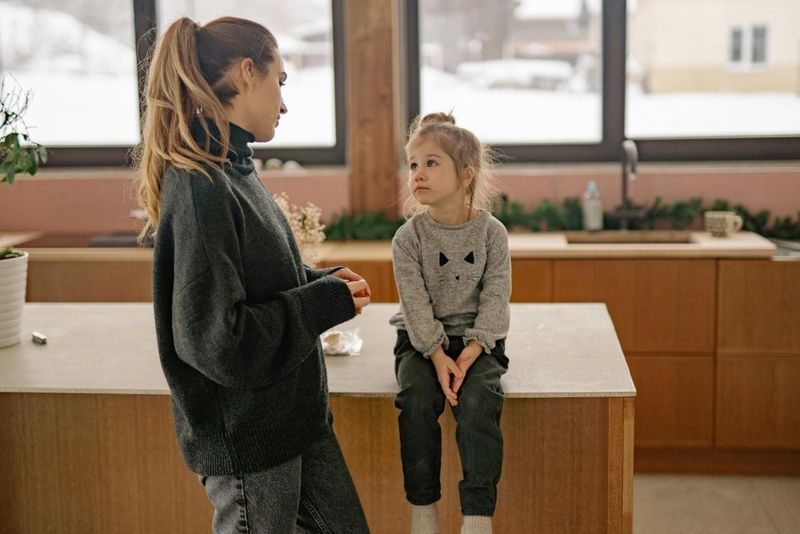
Kids actually feel safer when they know what the rules are. Clear, consistent boundaries give children a sense of structure they can count on, which builds confidence and reduces anxiety over time.
Discussing expectations together, rather than just handing down commands, helps children understand the reasoning behind the rules. Age-appropriate limits set with kindness are far more effective than strict demands that leave kids confused or resentful.
3. Model the Behaviors You Want to See

Children are watching everything you do, even when you think they are not. Research consistently shows that kids learn far more from what their parents do than from what they say.
Want a kind child? Be kind.
Want a patient child? Practice patience out loud.
Showing empathy, handling stress calmly, and treating others with respect teaches children these qualities more powerfully than any lecture ever could.
4. Give Regular Praise and Plenty of Affection

Specific praise goes a long way. Telling a child, “I love how hard you worked on that,” is far more meaningful than a generic “good job.” Positive reinforcement tied to real effort encourages kids to keep trying even when things get tough.
Unconditional love and regular physical affection, like hugs, high-fives, and quality one-on-one time, strengthen the parent-child bond in ways that last a lifetime.
5. Foster Intrinsic Motivation in Your Kids

Sticker charts and rewards have their place, but the real goal is helping kids find their own internal drive. Great parents ask questions like, “Why do you enjoy this?” or “How does it feel when you finish something hard?” to spark self-reflection.
When children learn to find satisfaction from within themselves, they become more motivated, resilient learners who pursue goals because they genuinely care, not just to earn a prize or avoid punishment.
6. Teach Independence and Problem-Solving Skills
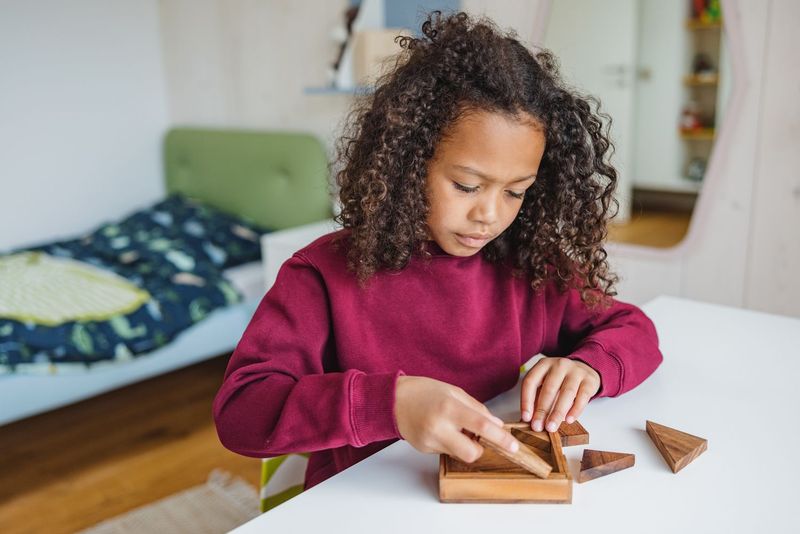
Letting kids struggle a little is actually a gift. When parents resist the urge to swoop in and fix everything, children learn that they are capable of handling challenges on their own.
That confidence is priceless.
Giving age-appropriate responsibilities, like packing their own lunch or managing a small chore, builds real-world skills and resilience. Children who are allowed to problem-solve grow into adults who face obstacles with creativity and calm.
7. Prioritize Character Over Achievement

Report cards matter, but who your child becomes matters even more. Parents who emphasize qualities like empathy, honesty, and resilience tend to raise kids who are emotionally healthier and more fulfilled in the long run.
Celebrating moments of kindness or courage, not just academic wins, sends a clear message: being a good person is the real measure of success. Character-focused parenting builds a foundation that no grade or trophy can replicate.
8. Manage Your Own Emotions and Practice Self-Care

You cannot pour from an empty cup. Parents who regularly manage their own stress and take care of their mental and physical health are simply better equipped to show up fully for their children each day.
Regulating your emotions in front of your kids also teaches them how to handle big feelings. When children watch a parent take a deep breath instead of exploding, they learn that self-control is possible, even in hard moments.
9. Share Personal Stories and Real-Life Experiences

Opening up about your own stumbles, fears, or awkward moments from childhood can be surprisingly powerful. Kids feel less alone when they realize even their parents have faced hard times and made mistakes along the way.
Sharing real stories, without turning them into lectures, creates a bridge of understanding between parent and child. Vulnerability builds trust, and trust opens the door to deeper, more honest conversations that strengthen your relationship over time.
10. Mistake: Not Truly Listening to Your Children

Cutting a child off mid-sentence or brushing off their concerns with “you are fine” sends a quiet but damaging message: your feelings do not matter here. Over time, children who feel dismissed stop sharing, and that silence can grow into distance.
Making a habit of interrupting or judging a child’s perspective without empathy leaves kids feeling unsupported. Slowing down to truly hear them out, even when life is busy, is one of the simplest and most important things a parent can do.
11. Mistake: Using Harsh Words or Physical Punishment

Yelling, spanking, or using cutting remarks might feel like quick fixes in a frustrating moment, but research shows they do far more harm than good. Harsh discipline can damage a child’s self-esteem, affect brain development, and actually make behavior worse over time.
Children need correction, but they need it delivered with calm and respect. Discipline rooted in understanding and natural consequences is consistently more effective than fear-based tactics that leave emotional scars.
12. Mistake: Helicopter Parenting and Overprotection
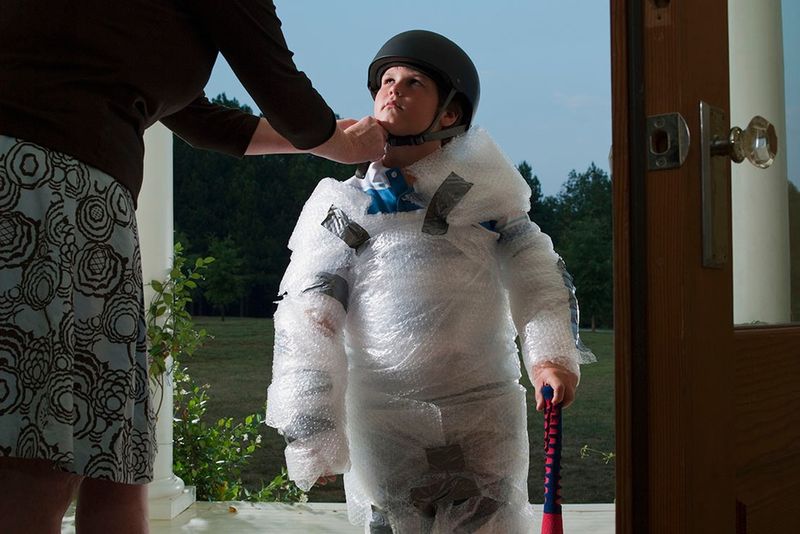
Hovering over every move your child makes might feel protective, but it sends the message that you do not trust them to handle life. Kids who are micromanaged miss out on the chance to explore, fall, and grow from their own experiences.
Overprotective parenting has been linked to higher rates of anxiety and low self-esteem in children. Stepping back a little, and letting kids navigate age-appropriate challenges, is how they build genuine confidence and independence over time.
13. Mistake: Inconsistent Rules and Parenting

When rules change depending on your mood, or when one parent says yes and the other says no without any discussion, kids get confused fast. Inconsistency makes it hard for children to understand what is expected of them, and that uncertainty breeds anxiety and testing behavior.
Children thrive on predictability. Applying consequences consistently, and staying on the same page as a co-parent, gives kids a stable foundation and helps them feel secure enough to respect boundaries.
14. Mistake: Putting Achievement Above Everything Else

Pushing kids to be the best, get the highest grades, and outperform everyone else might seem motivating, but it often backfires. Studies link excessive achievement pressure to higher rates of anxiety, depression, and even substance use in young people.
When winning becomes the only thing that matters, children start to believe their worth depends on their performance. Celebrating effort, growth, and character alongside accomplishments keeps kids emotionally grounded and genuinely motivated to keep trying.
15. Mistake: Being Too Distracted to Be Present

Phones, social media, work stress, and mental to-do lists are all real distractions, but when they pull you away from your child too often, the impact adds up. Kids notice when a parent is physically there but emotionally somewhere else entirely.
Children need a warm, attentive presence to feel secure and supported. Even short windows of fully focused, screen-free time each day can make a meaningful difference.
Being truly present is a simple act that speaks volumes to a child.