
Some horror characters are so unforgettable that they stick with you long after the credits roll. From creepy clowns to silent killers, these iconic figures have crawled their way out of movies and books and into everyday life.
You can spot them on Halloween costumes, cereal boxes, and even birthday cakes. Here are the horror legends who proved that a great scare never really dies.
1. Freddy Krueger
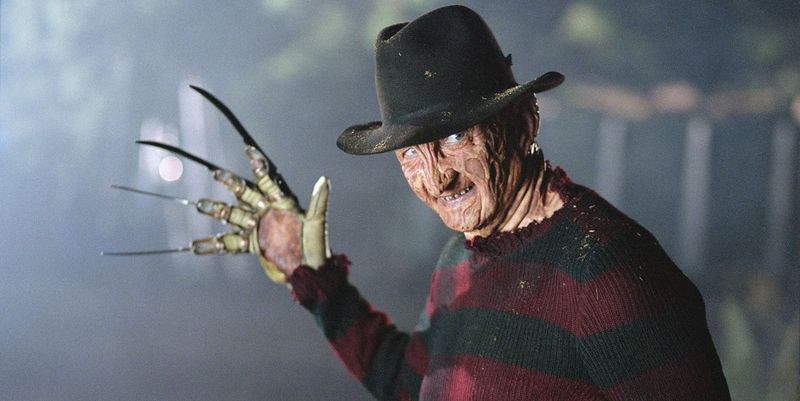
Few villains are as creatively terrifying as Freddy Krueger, the dream-stalking killer from the “A Nightmare on Elm Street” franchise. He attacks his victims while they sleep, making their dream deaths real.
His burned face, striped sweater, and bladed glove are instantly recognizable worldwide.
Robert Englund brought Freddy to life with a wicked sense of dark humor, which made the character stand out from other slashers. Freddy expanded into TV, comics, and video games, becoming a full-blown pop culture phenomenon.
2. Michael Myers
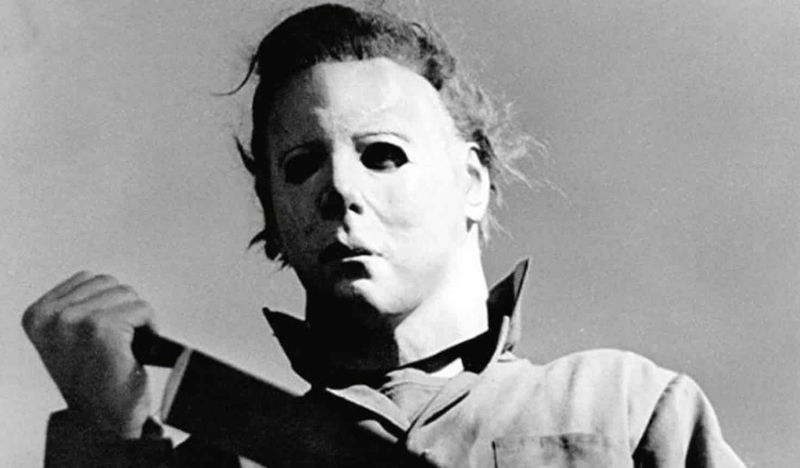
Michael Myers does not speak, does not run, and somehow always catches up. First appearing in John Carpenter’s 1978 film “Halloween,” he murdered his sister as a child and returned years later to terrorize the town of Haddonfield, Illinois.
Known simply as “The Shape,” his white mask was originally a painted William Shatner mask bought for under two dollars. That eerie, blank stare helped define what a slasher villain looks and feels like for generations of horror fans.
3. Jason Voorhees
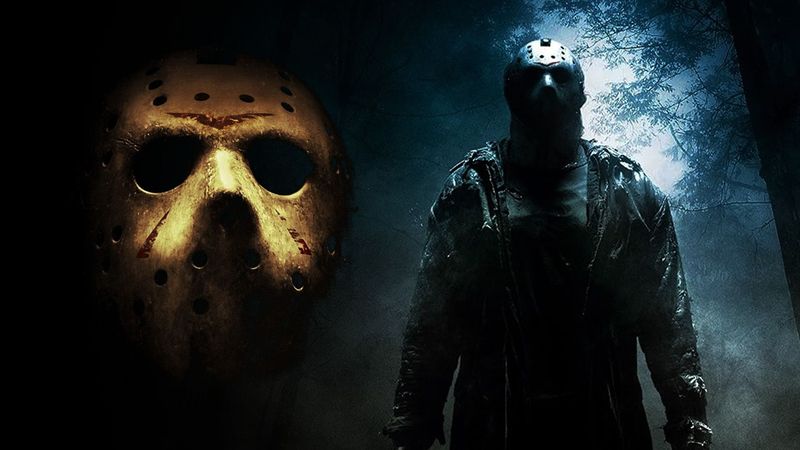
Born from tragedy at Camp Crystal Lake, Jason Voorhees became one of the most feared names in horror history. He is a near-silent, seemingly unstoppable killer who punishes anyone who dares trespass on his territory.
His hockey mask, introduced in “Friday the 13th Part III,” became one of the most copied Halloween costumes ever made.
What makes Jason so compelling is his relentless, almost mechanical pursuit. He rarely speaks, but his presence alone turns any scene into something chilling and unforgettable.
4. Pennywise the Dancing Clown
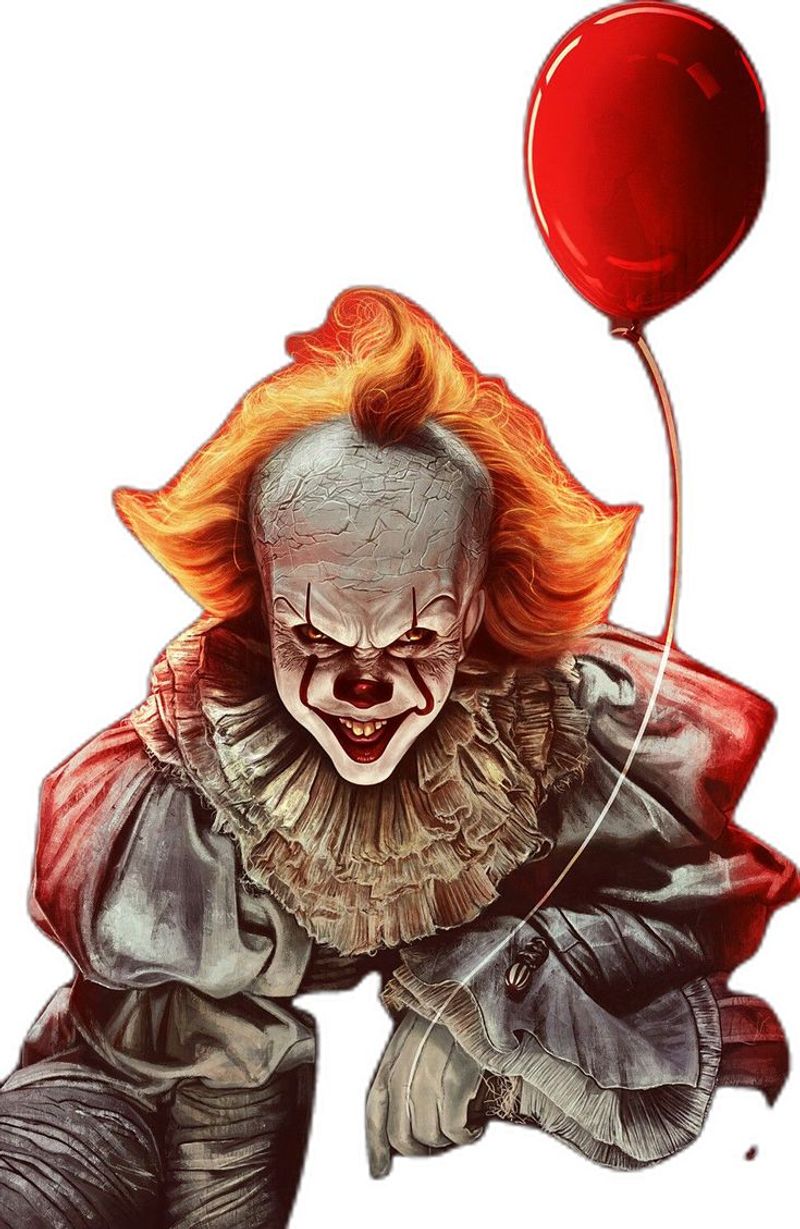
Pennywise is the reason so many people are afraid of clowns today. Stephen King created this ancient, shape-shifting entity in his 1986 novel “It,” and the character feeds on children’s deepest fears.
Tim Curry’s 1990 portrayal was creepy and theatrical, while Bill Skarsgard’s 2017 version was downright terrifying.
The red balloon became a symbol of dread almost overnight. Pennywise proved that a clown costume could be the scariest outfit imaginable, turning a childhood party staple into a nightmare figure.
5. Hannibal Lecter
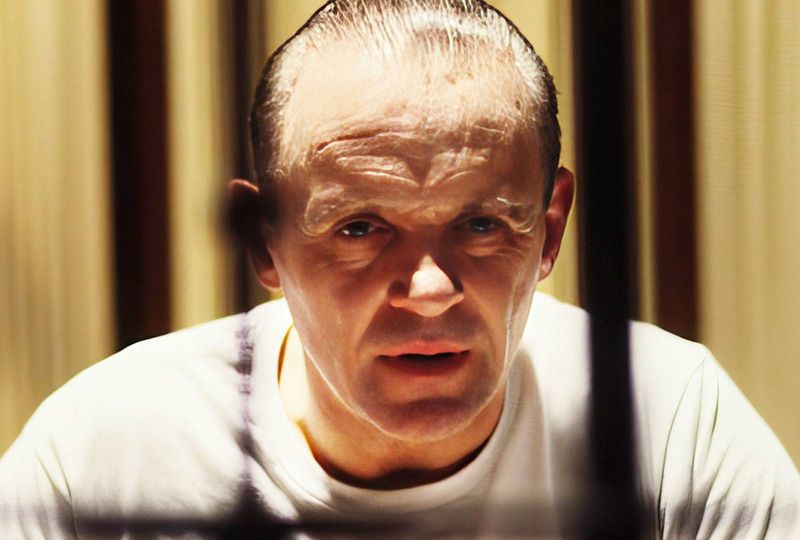
Sophisticated, brilliant, and deeply terrifying, Hannibal Lecter redefined what a movie villain could be. Anthony Hopkins earned an Academy Award for his portrayal in “The Silence of the Lambs” (1991), despite appearing on screen for only about 16 minutes.
His calm, cultured manner made him far scarier than any monster with claws.
Lecter is a cannibalistic former forensic psychiatrist who manipulates everyone around him with ease. His character sparked a lasting cultural fascination with intelligent, charming serial killers that continues in books, films, and TV shows today.
6. Dracula
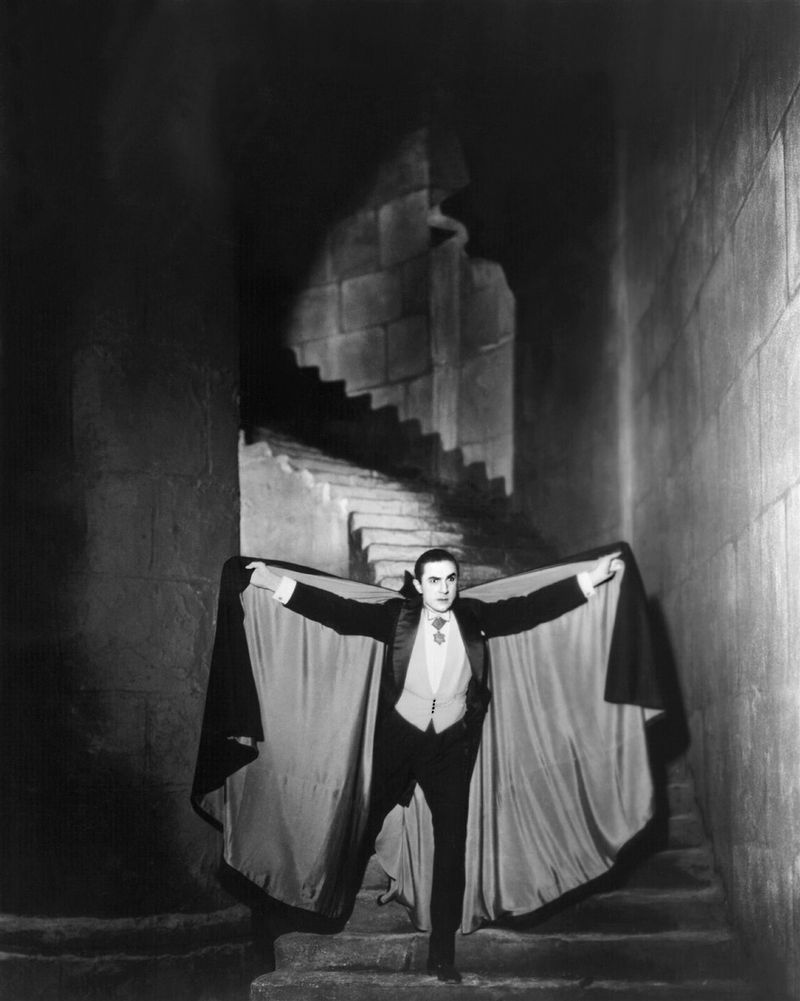
Count Dracula is arguably the most portrayed character in all of cinema history, with over 200 film adaptations to his name. Bram Stoker created him in his 1897 novel, drawing loosely from the historical figure Vlad the Impaler.
Bela Lugosi’s 1931 film performance set the gold standard for vampire style: cape, fangs, and an aristocratic accent.
Dracula’s influence stretches far beyond horror. He shaped vampire mythology in video games, cartoons, and even breakfast cereal mascots, proving that some legends truly never die.
7. Frankenstein’s Monster
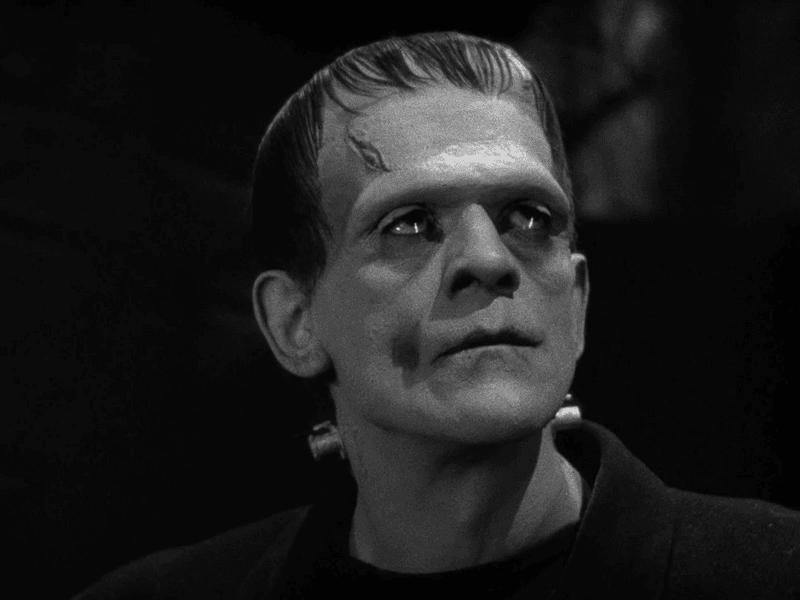
Mary Shelley gave the world Frankenstein’s Monster back in 1818, but it was Boris Karloff’s performance in Universal Pictures’ 1931 film that burned the image into popular memory forever. The flat-topped head, neck bolts, and slow, lumbering walk became the definitive look for one of horror’s most tragic figures.
Often mistakenly called “Frankenstein” himself, the Monster is actually a creature assembled from corpses and brought to life by electricity. His story raises questions about science, creation, and loneliness that still resonate with audiences today.
8. Leatherface
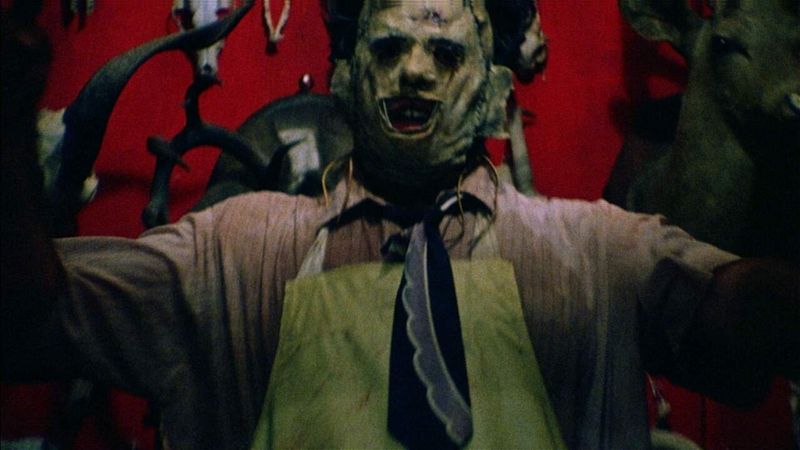
When “The Texas Chain Saw Massacre” hit theaters in 1974, audiences were genuinely disturbed by Leatherface. He is a mentally disabled member of a cannibalistic family, known for wearing masks crafted from human skin and wielding a roaring chainsaw.
His character was loosely inspired by real-life killer Ed Gein.
Leatherface helped invent the template for the big, silent, masked slasher villain that horror fans know well. His unsettling design and raw brutality made him one of the genre’s most enduring and widely referenced figures.
9. Norman Bates
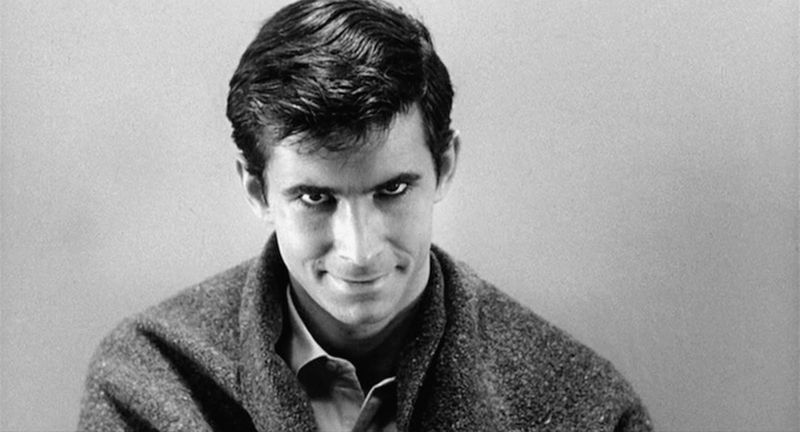
Robert Bloch created Norman Bates in his 1959 novel “Psycho,” but Anthony Perkins made the character unforgettable in Alfred Hitchcock’s 1960 film. Norman seems shy and polite at first, which makes his dark secret all the more shocking.
He is a motel owner whose personality is split between himself and a twisted version of his deceased mother.
Norman Bates changed horror forever by showing that the scariest monsters can look completely normal. His character influenced decades of psychological thrillers and helped redefine what audiences expected from a villain.
10. Ghostface
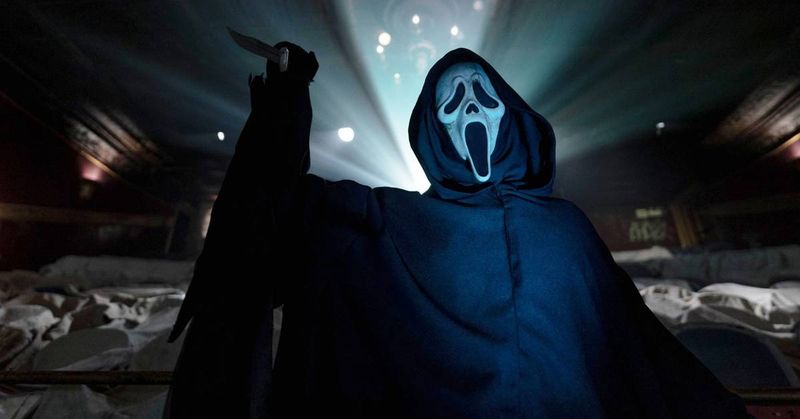
What makes Ghostface unique among horror icons is that anyone could be wearing the mask. Introduced in Wes Craven’s 1996 film “Scream,” Ghostface is not a supernatural monster but a very human killer who hides behind a white mask inspired by Edvard Munch’s famous painting “The Scream.”
That unpredictability made the franchise genuinely thrilling. Ghostface became a Halloween staple and a merchandising hit almost immediately.
The character also works as a clever commentary on horror film tropes, giving fans both scares and laughs in the same breath.
11. Pinhead
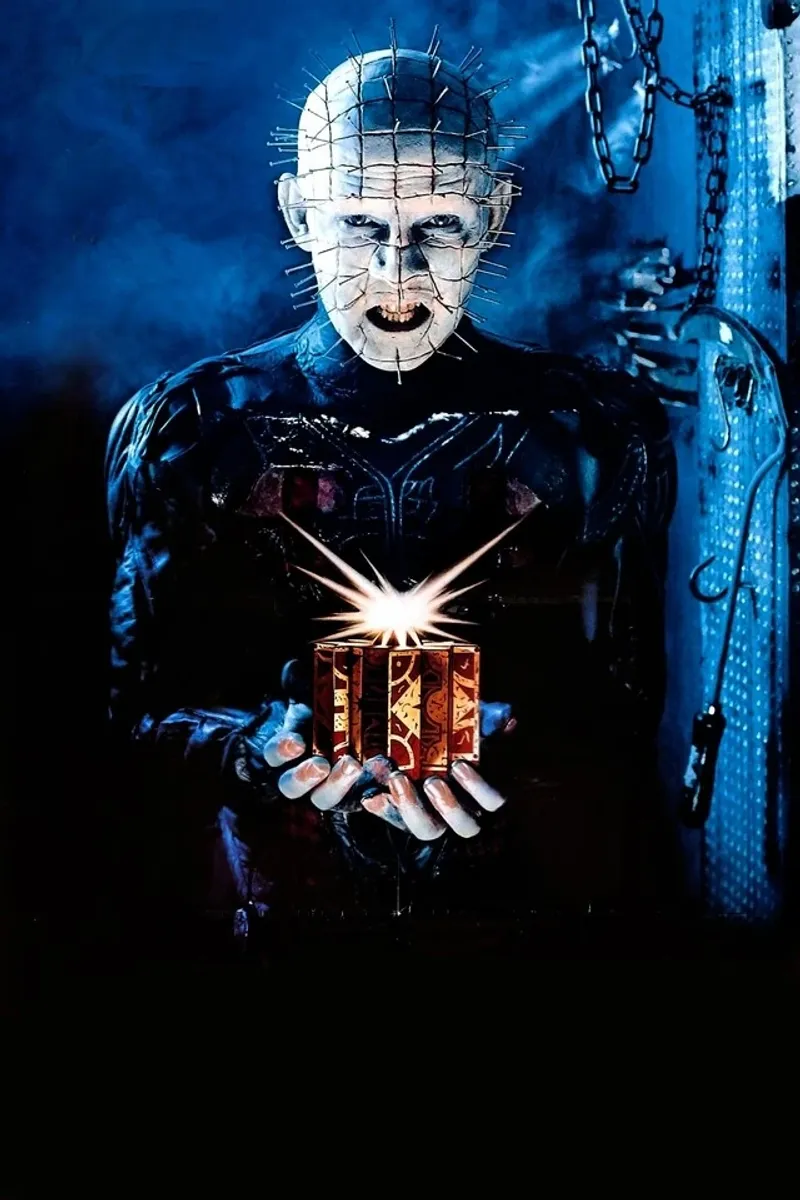
Pinhead stands apart from other horror villains because of his eerie intelligence and almost poetic way of speaking. He is the leader of the Cenobites, beings who were once human but transformed into creatures devoted to extreme sensation.
First appearing in Clive Barker’s 1986 novella “The Hellbound Heart,” Pinhead travels to Earth through a puzzle box called the Lament Configuration.
His nail-studded head and articulate demeanor made him one of horror’s most visually striking and philosophically interesting villains, far beyond the typical slasher mold.
12. Regan MacNeil
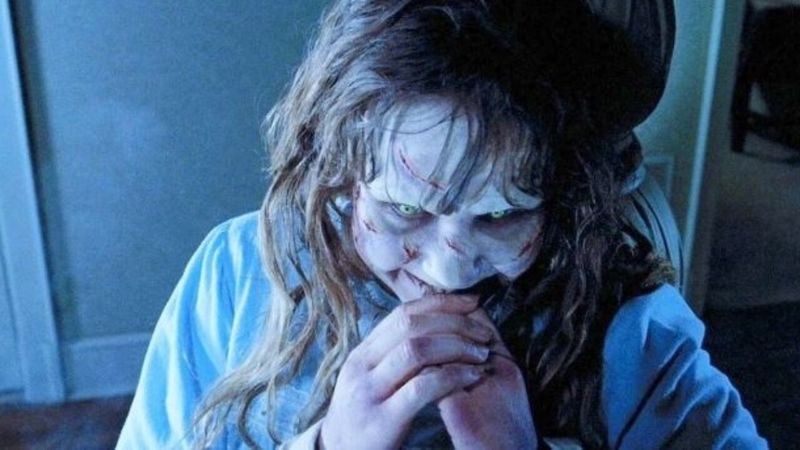
“The Exorcist” (1973) remains one of the most culturally shocking horror films ever made, and Regan MacNeil is the reason why. Linda Blair’s portrayal of a 12-year-old girl possessed by the demon Pazuzu reportedly caused audience members to faint and leave theaters in distress.
Based on William Peter Blatty’s 1971 novel, Regan’s transformation from sweet child to terrifying vessel set a new standard for demonic possession stories. Her iconic scenes influenced nearly every possession horror film that came after, making her one of the genre’s most disturbing and lasting figures.
13. Samara Morgan
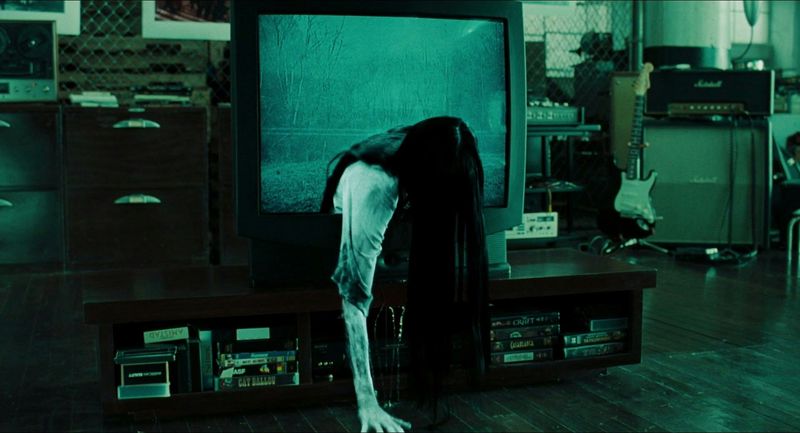
Long, wet black hair covering a pale face crawling out of a TV screen – Samara Morgan made that image permanently frightening. She is the vengeful child spirit at the center of “The Ring” franchise, a Western adaptation of Japan’s Sadako Yamamura from the “Ringu” series.
Her cursed videotape kills viewers exactly seven days after watching.
Samara popularized the “string-haired ghost girl” horror trope across Western cinema. Her slow, jerky movements and blank, hair-covered face created a new kind of dread that felt fresh and deeply unsettling to audiences worldwide.
14. Count Orlok
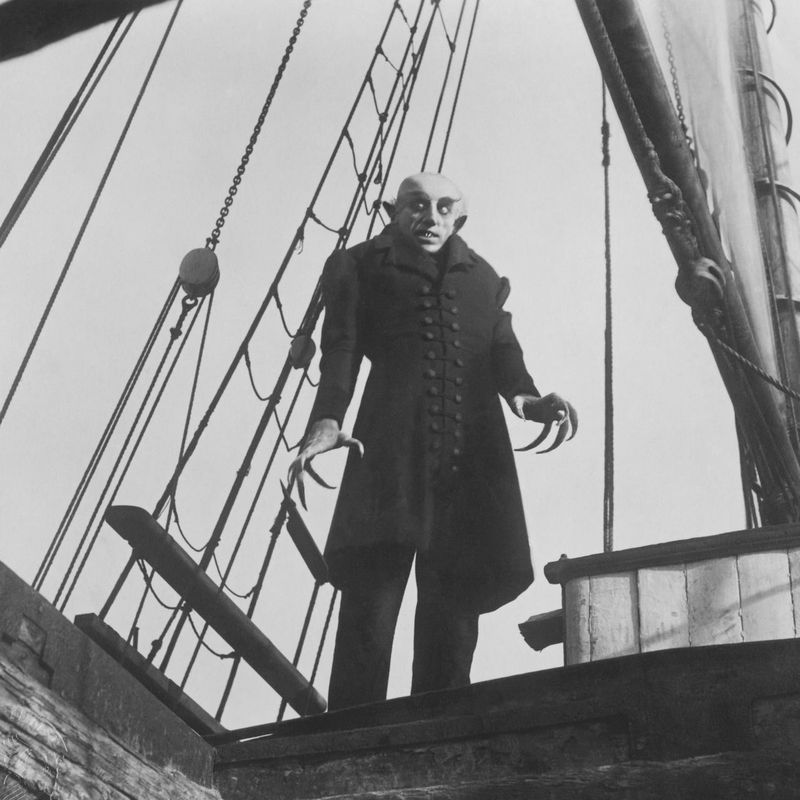
Long before Dracula wore a stylish cape in Hollywood, Count Orlok was already haunting silent cinema. Max Schreck’s portrayal in the 1922 film “Nosferatu” presented a vampire as something truly monstrous: rat-like, ghoulish, and radiating pestilence rather than aristocratic charm.
The film was actually an unauthorized adaptation of Bram Stoker’s “Dracula.”
Orlok’s distinct look, with his bald head, pointed ears, and claw-like fingers, influenced vampire design for a century. His shadow creeping up a staircase remains one of cinema’s most chilling visual moments.
15. Jack Torrance
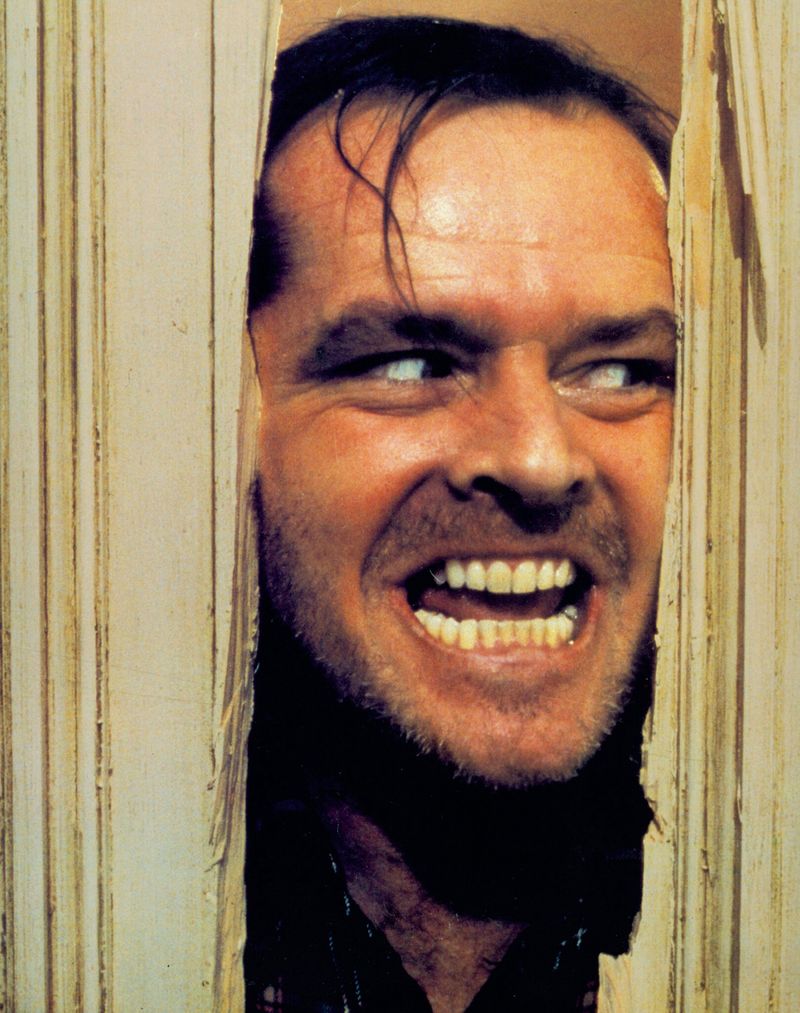
“Here’s Johnny!” became one of the most quoted lines in movie history, thanks to Jack Nicholson’s electrifying performance in Stanley Kubrick’s 1980 film “The Shining.” Jack Torrance starts out as a struggling writer and recovering alcoholic who slowly unravels while caring for an isolated mountain hotel during winter. The Overlook Hotel seems to feed on his instability.
Stephen King created the character in his 1977 novel, and the American Film Institute ranked Torrance among cinema’s 25 greatest villains. His descent into madness remains one of horror’s most compelling character studies.
16. Xenomorph
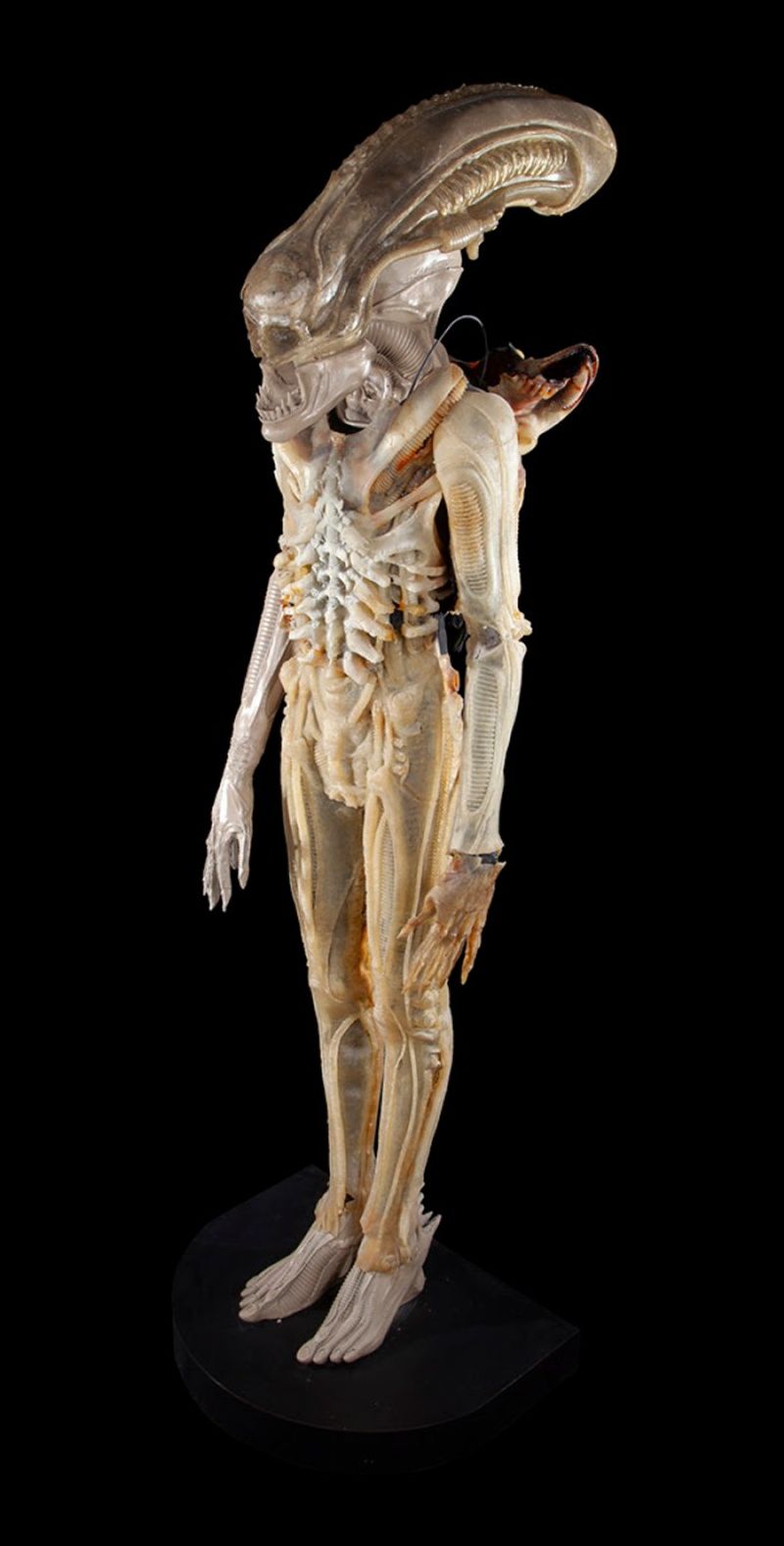
Swiss surrealist artist H.R. Giger designed the Xenomorph for Ridley Scott’s 1979 film “Alien,” and the result was a creature unlike anything audiences had ever seen.
With its elongated biomechanical skull, acidic blood, and inner jaw that extends to strike, the Xenomorph felt genuinely alien rather than like a person in a costume.
It became one of the most recognized movie monsters on the planet. The creature’s design influenced science fiction and horror for decades, and it remains a pop culture staple appearing in films, games, and merchandise worldwide.
17. Carrie White
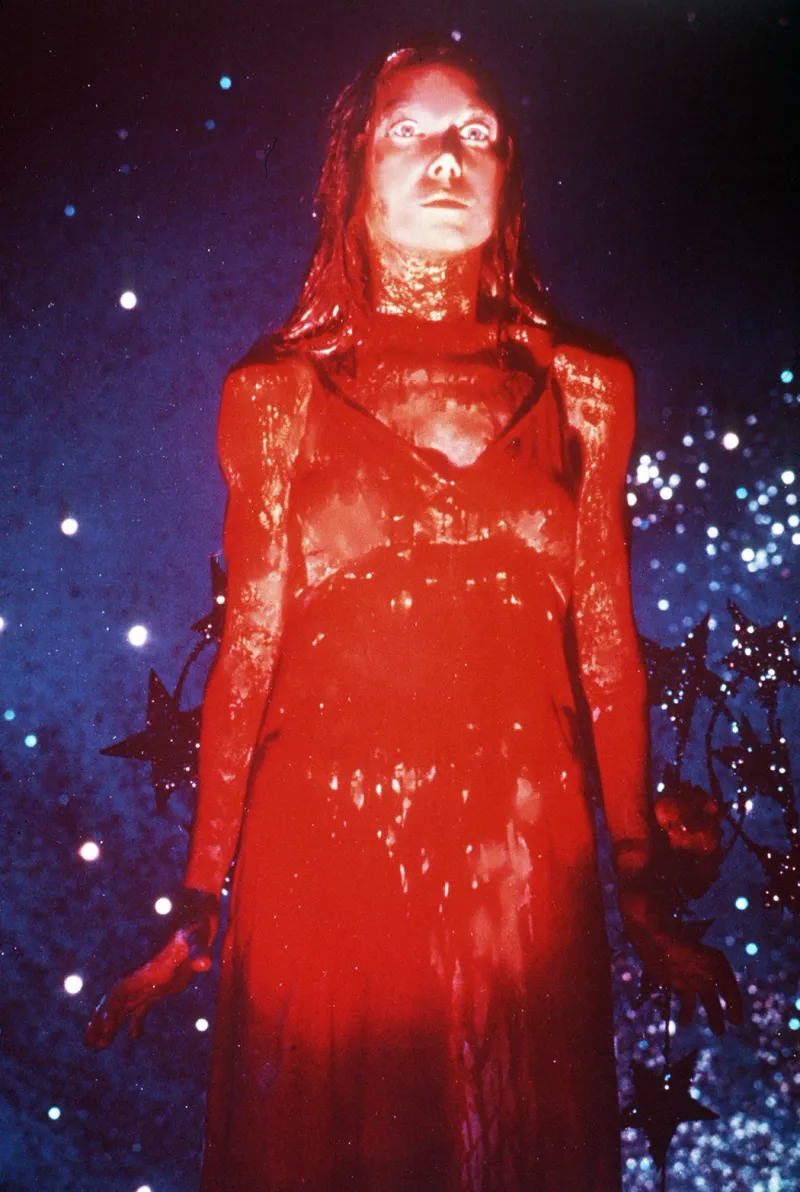
Soaked in pig’s blood and radiating rage, Carrie White became one of the most powerful images in horror history. Stephen King’s first published novel, “Carrie” (1974), introduced a high school outcast with telekinetic abilities who endures relentless bullying and abuse from both classmates and her fanatically religious mother.
Sissy Spacek’s portrayal in the 1976 film adaptation made the prom night scene legendary. Carrie resonated with audiences because her story tapped into real feelings of social rejection and the terrifying idea that the quiet kid might one day reach a breaking point.
18. Jigsaw – John Kramer
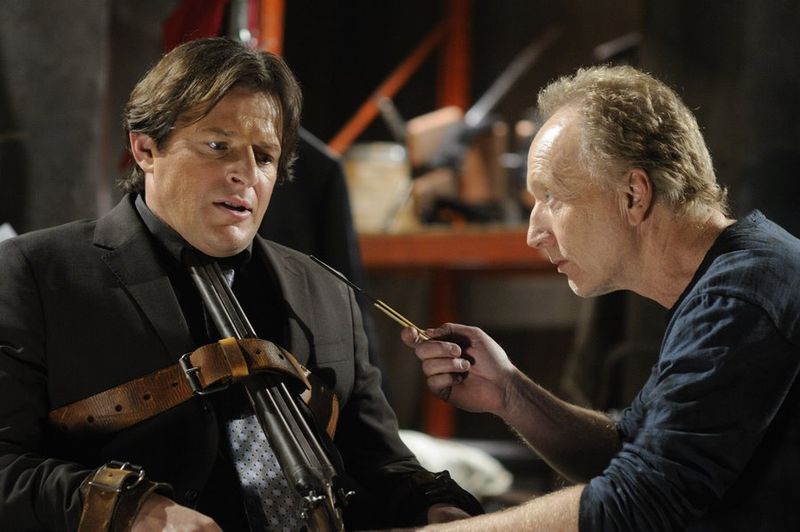
Most horror villains chase their victims. John Kramer, better known as the Jigsaw Killer from the “Saw” franchise, rarely lays a hand on anyone directly.
Instead, he builds elaborate, deadly traps designed to test whether his victims truly want to survive. He sees himself not as a murderer but as a teacher delivering brutal life lessons.
Tobin Bell’s cold, measured performance gave Jigsaw a philosophical edge that made him stand out. The franchise launched in 2004 and grew into one of the most commercially successful horror series ever made, with a dedicated worldwide fanbase.
19. Chucky
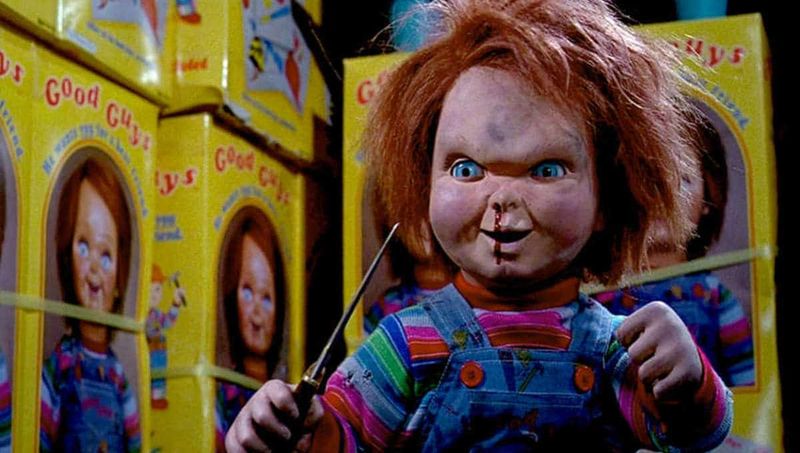
A foul-mouthed, knife-wielding doll might sound almost silly, but Chucky has terrified audiences since his debut in “Child’s Play” (1988). The soul of serial killer Charles Lee Ray is transferred into a “Good Guy” doll, turning a child’s toy into something deeply sinister.
Brad Dourif’s voice performance gave Chucky a menacing personality that was hard to shake.
Over the years, Chucky leaned into dark comedy without losing his edge. His sardonic humor and shocking violence made him a beloved staple of horror culture, earning a dedicated fanbase across multiple film sequels and a TV series.