
Walk into almost any Baby Boomer’s home and you might notice a familiar scene: shelves packed with things that haven’t been touched in years. From stacks of old magazines to drawers full of mystery cables, these items once had a purpose but now just take up space.
Many Boomers hold onto these things out of habit, nostalgia, or the belief that they might come in handy someday. Here is a look at 20 things that are almost certainly just collecting dust right now.
1. Record Albums and CDs
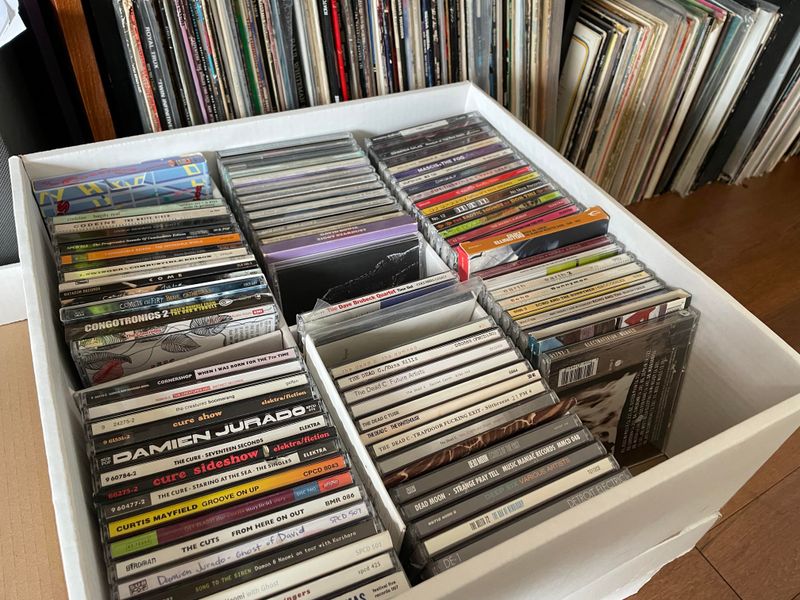
There was a time when a wall of vinyl records meant you were the coolest person on the block. Today, millions of songs are just a tap away on streaming apps, making those towering stacks of albums and CD cases more of a storage problem than a music solution.
Many Boomers still hold onto hundreds of discs they never play. Donating them to a local library or record shop could bring joy to someone who actually wants them.
2. VHS Tapes and VCRs
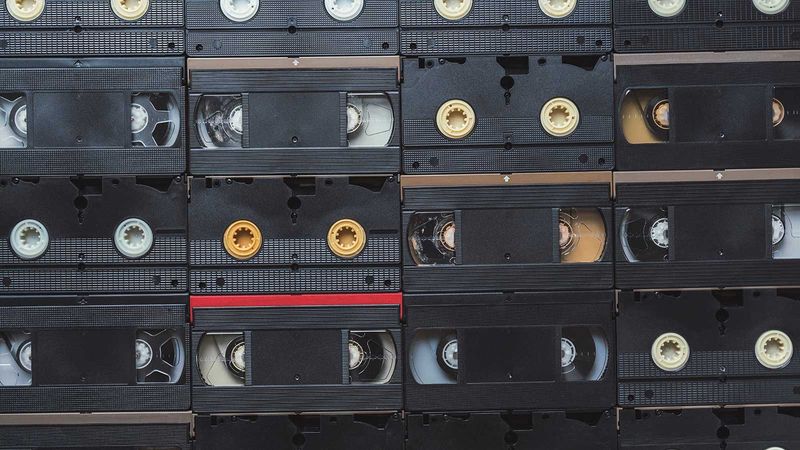
Remember rewinding a tape before returning it to the video store? VHS tapes were once the crown jewel of home entertainment, but most TVs today cannot even connect to a VCR without an adapter.
Boxes of recorded sitcoms and old movies are stashed in closets across the country, unwatched for decades. If the memories matter, services exist that can convert VHS footage to digital files before the tape deteriorates completely.
3. Landline Phones
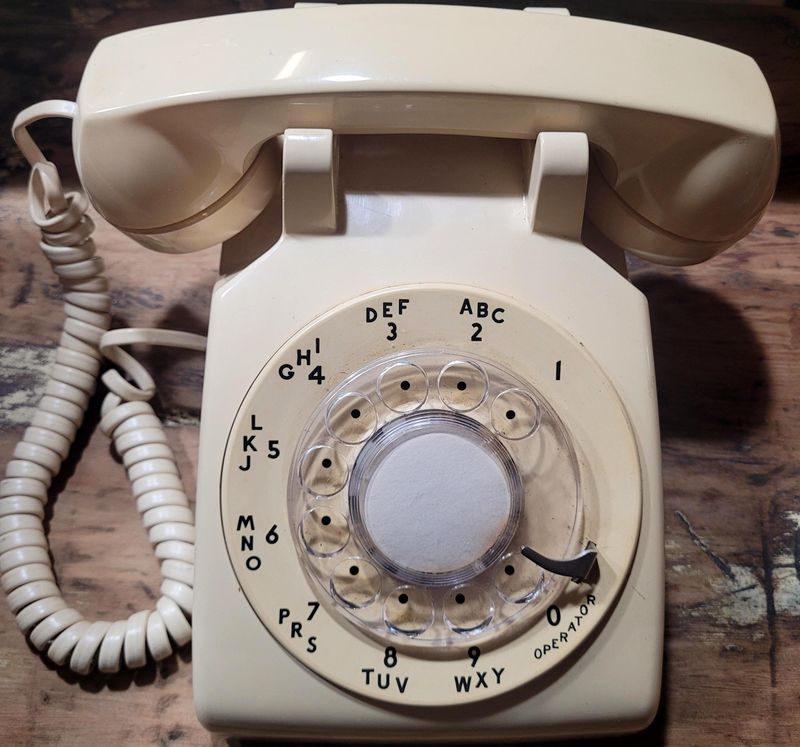
Paying a monthly bill for a phone that rings maybe twice a week from telemarketers is not exactly a great deal. Yet millions of Boomers still keep landlines plugged in, often out of pure habit rather than genuine need.
Cell phones handle calls, texts, video chats, and emergencies far more efficiently. Cutting the landline could save a household anywhere from $30 to $60 every single month, which adds up fast over a year.
4. Outdated Cables and Chargers
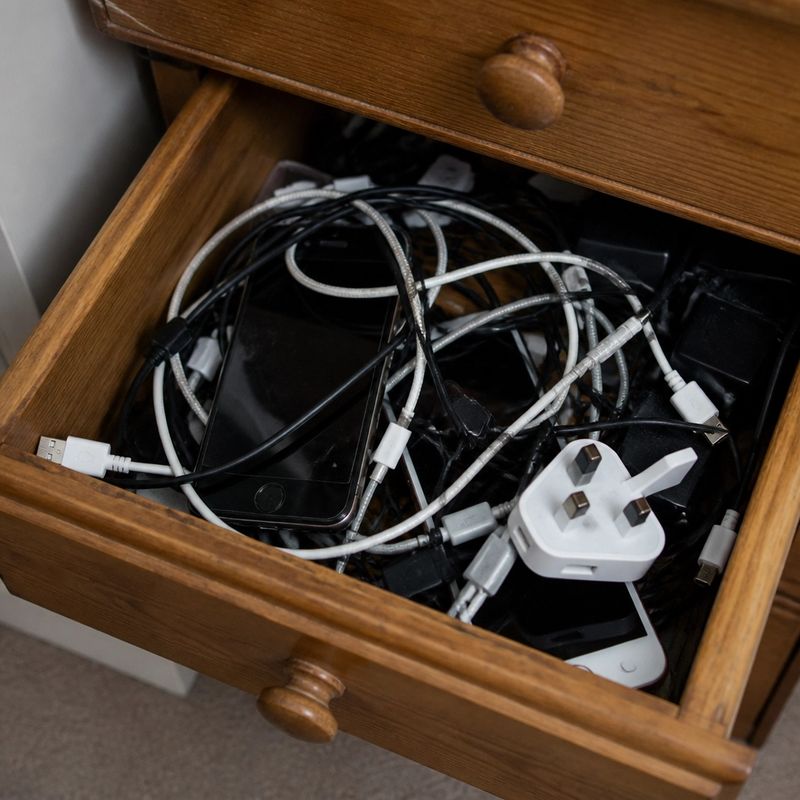
Open any Boomer’s junk drawer and odds are good you will find a chaotic nest of cables for devices that no longer exist. There are chargers for flip phones, chunky USB-A cords, and mystery cables with connectors nobody can identify anymore.
Holding onto these “just in case” rarely pays off. Electronics recycling programs accept old cables safely, keeping harmful materials out of landfills while freeing up valuable drawer space at home.
5. Physical Maps and Atlases
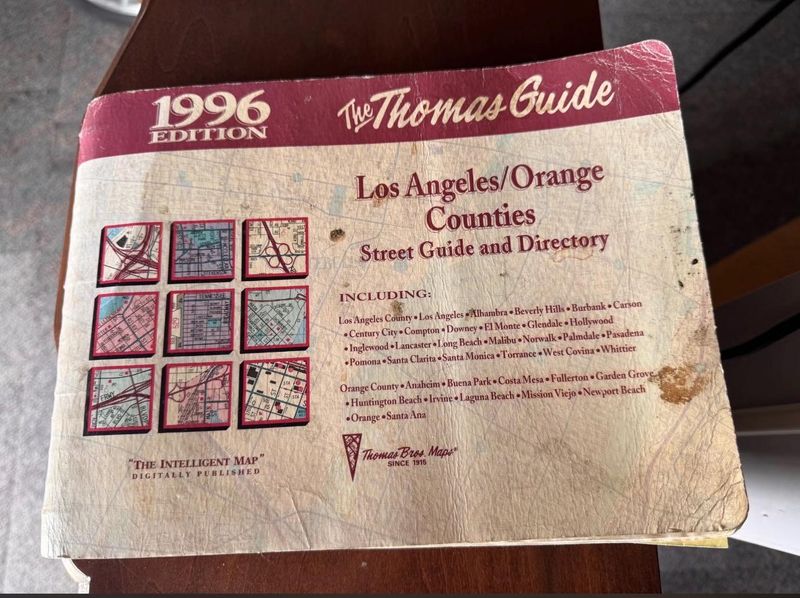
Before GPS existed, unfolding a giant road map on the hood of a car was a true skill. Today, a phone gives turn-by-turn directions, real-time traffic updates, and satellite views in seconds.
Those bulky atlases and creased state maps sitting in the glove box or on the bookshelf have not been consulted in years for most families. They make surprisingly popular donations to vintage shops or nostalgic collectors who appreciate the old-school charm.
6. Encyclopedias and Outdated Reference Books
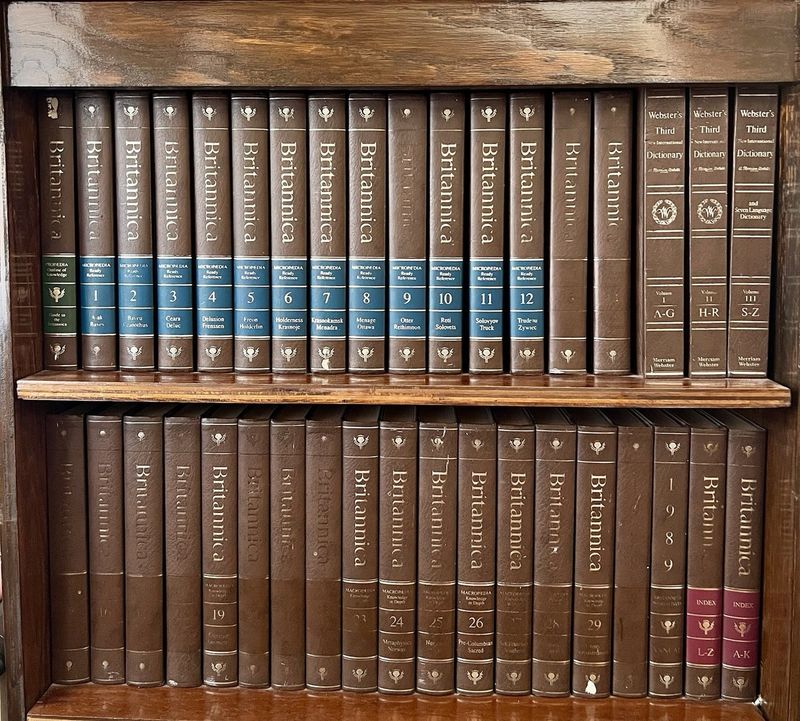
A complete set of encyclopedias once represented a serious family investment, sometimes costing thousands of dollars. Parents bought them hoping their kids would grow up smarter, and for a while, they delivered.
Now the internet answers any question in seconds with far more current information. Those heavy matching volumes lining the shelf are largely decorative at this point.
Schools and libraries rarely accept donations anymore, so many sets end up being recycled or sold for almost nothing.
7. Old Magazines and Newspapers
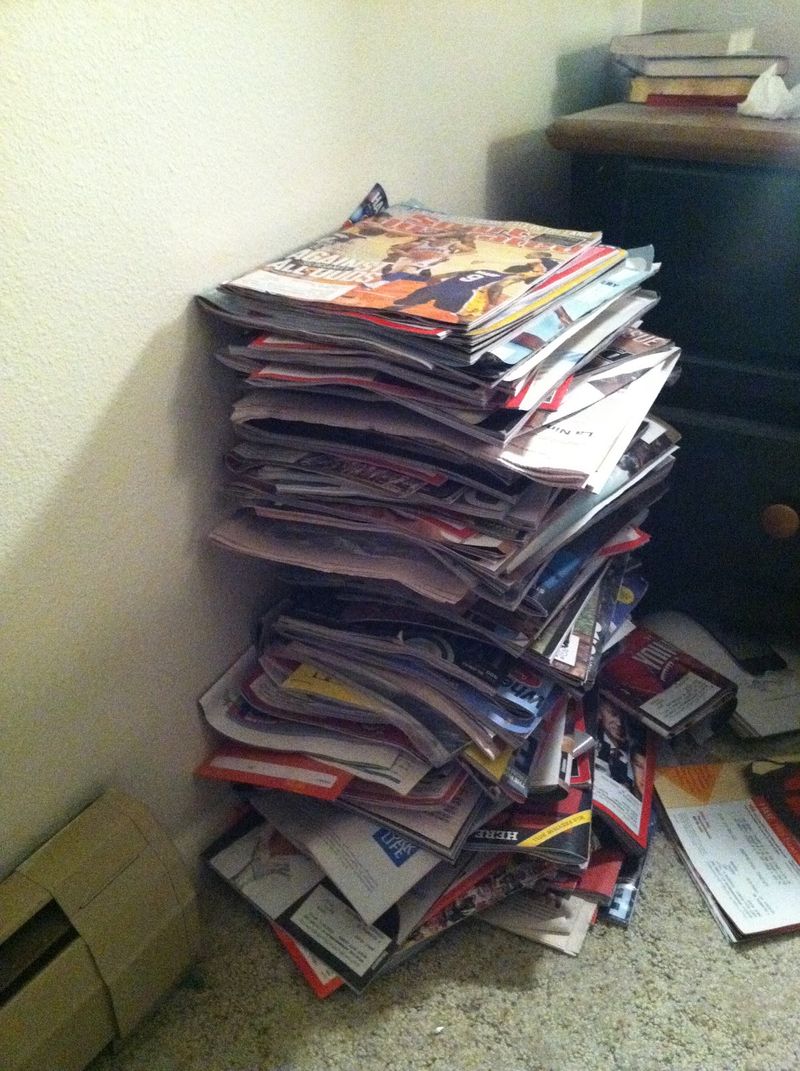
Saving a magazine because it has one interesting recipe or a newspaper from a historic event sounds reasonable at the time. But those stacks have a sneaky way of multiplying until they take over entire rooms or garages.
Most clippings can be photographed and stored digitally in minutes. Special edition newspapers from major events do hold some collector value, but the average TV Guide from 1987 is not exactly a hot commodity at the antique market.
8. Printed Photos in Boxes and Albums
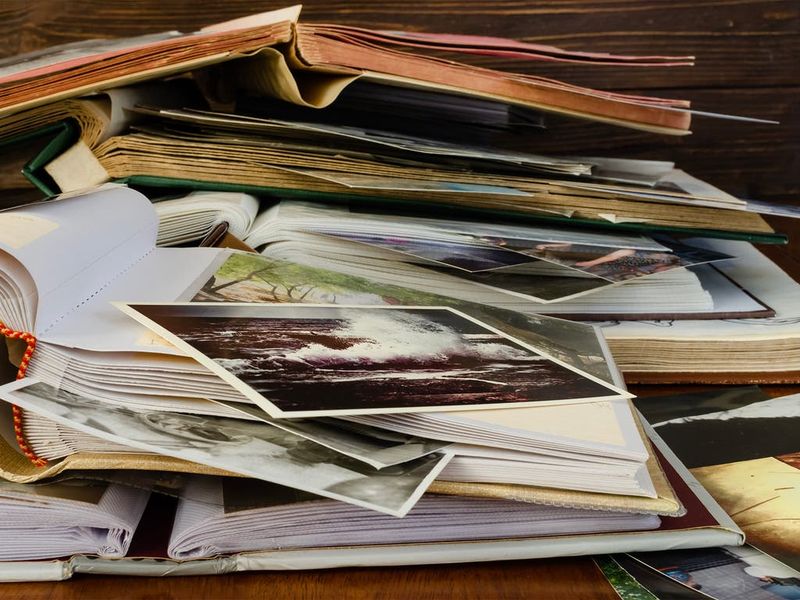
Thousands of printed photos sitting in shoeboxes in a dark closet is one of the most common sights in a Boomer household. Many of those pictures have never been viewed since the day they were developed at the drugstore.
Scanning and organizing them digitally preserves the memories far better than a box that could be damaged by moisture or fire. Services like ScanMyPhotos make the process easy, and digital copies can be shared with the whole family instantly.
9. Mismatched Tupperware and Lidless Containers
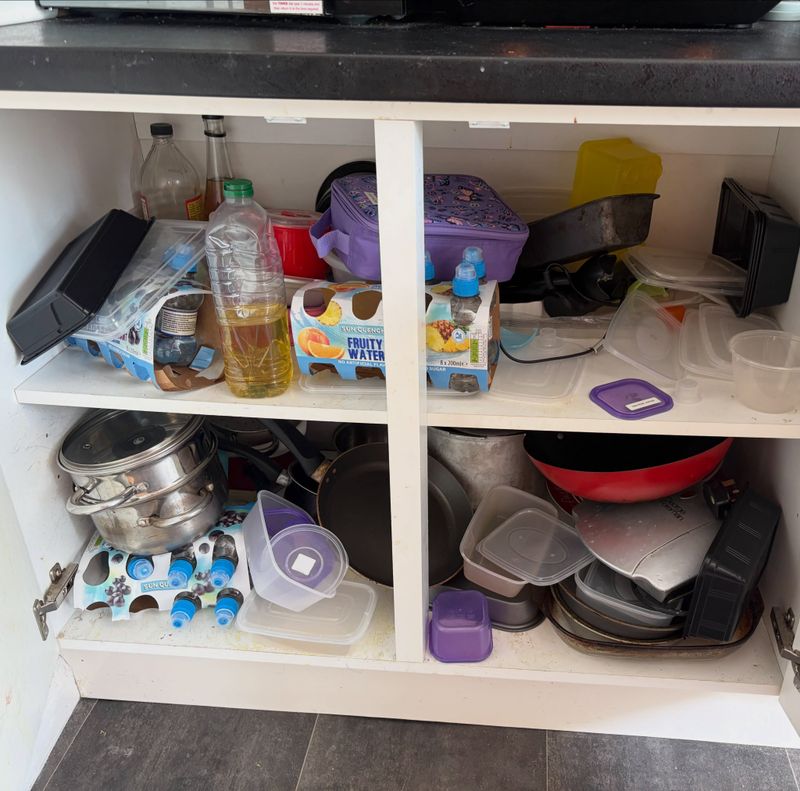
Every Boomer kitchen seems to have that one cabinet where containers and lids go to live out their days in complete chaos. You open it, something falls out, and you spend three minutes searching for a matching lid that simply does not exist.
Keeping containers without lids is genuinely useless for food storage. A quick purge, matching sets to their lids and tossing the orphans, takes less than 20 minutes and transforms that cabinet from a disaster zone into something actually functional.
10. Duplicate Dishes, Glasses, and Small Appliances
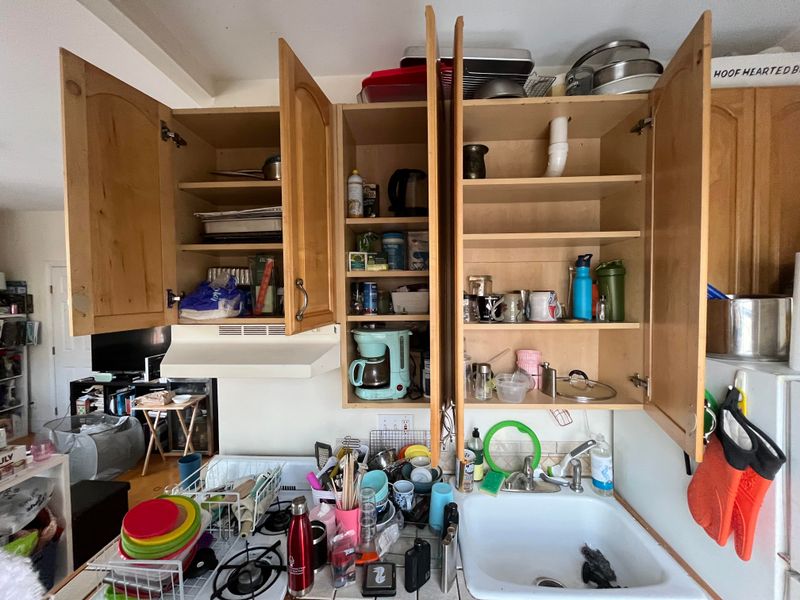
“We might need it for company” is the phrase that launched a thousand duplicate dish sets. Many Boomers own two or three full sets of plates, multiple sets of glasses, and countertop appliances they received as gifts and never unboxed.
Hosting large dinner parties is far less common today than it was in the 1970s and 80s. Donating extras to a local shelter or thrift store puts those items to real use and frees up serious cabinet and counter space.
11. Formal China Cabinets and Fine Porcelain
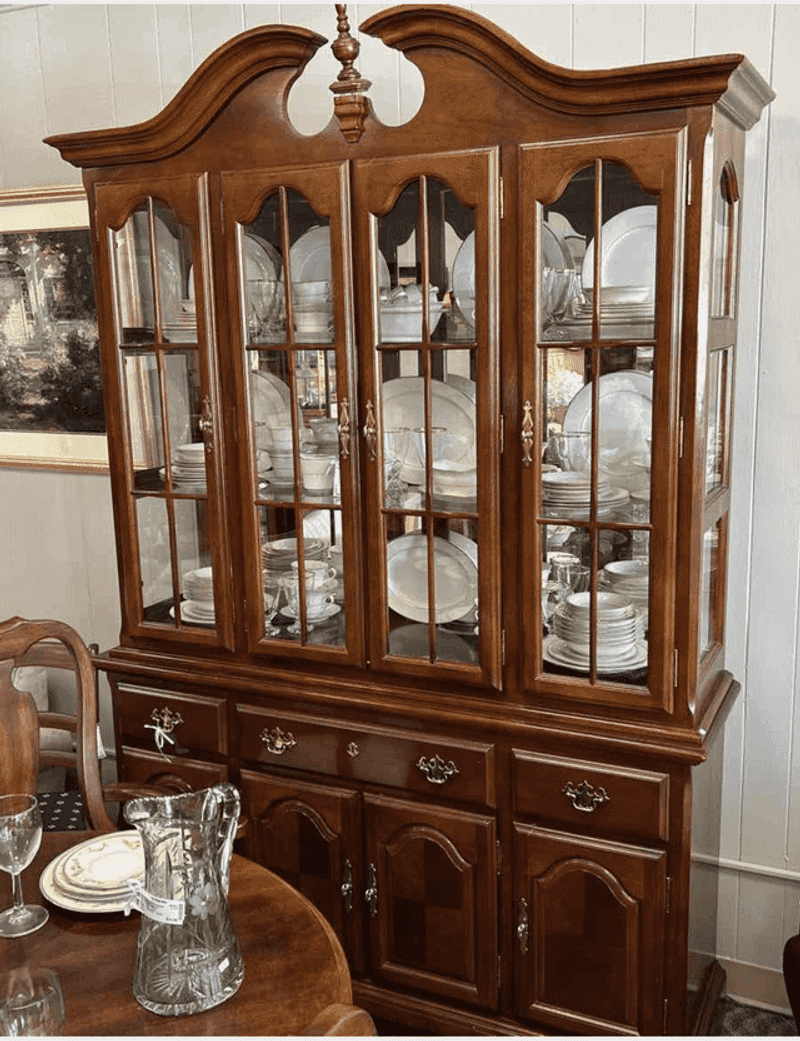
Fine china was once a wedding registry staple, a symbol of sophistication and good taste. Couples registered for full sets expecting years of elegant dinner parties, holiday feasts, and formal entertaining.
For most families today, those delicate porcelain pieces sit untouched behind glass doors year after year. Younger generations generally prefer casual, dishwasher-safe options.
Some antique dealers and estate sale buyers will pay decent prices for quality china sets, making it worth getting an appraisal before assuming it has no value.
12. User Manuals for Obsolete Appliances
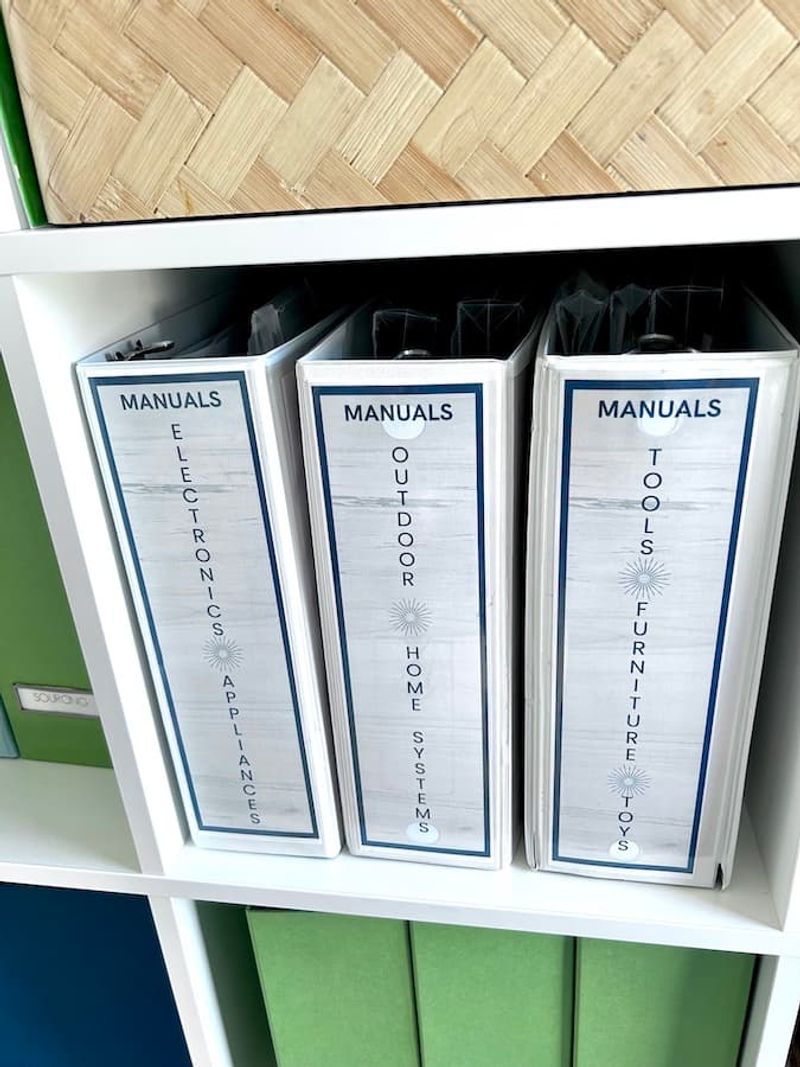
Somewhere in almost every Boomer home is a fat folder or stuffed drawer full of user manuals for appliances that were thrown out years ago. The microwave from 1998 is long gone, but its instruction booklet lives on.
Nearly every manufacturer posts current manuals online as free PDF downloads, making paper copies completely unnecessary. Tossing outdated manuals is one of the easiest decluttering wins available.
There is no sentimental value attached to a 40-page guide for a blender nobody owns anymore.
13. Old Electronics Collecting Dust
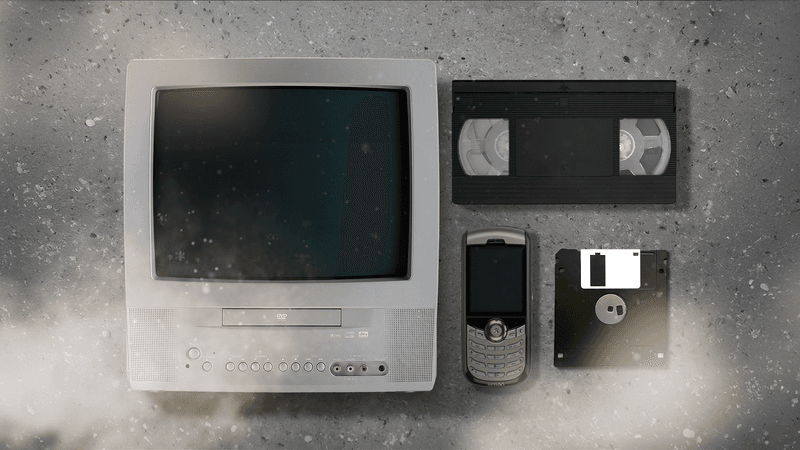
Ancient televisions with built-in VCR slots, cell phones with physical keyboards, and first-generation MP3 players all have one thing in common: they stopped being useful around the time social media was invented.
Many Boomers hold onto old electronics thinking they might be worth something someday, but most depreciate to nearly zero quickly. Best Buy and many municipalities offer free electronics recycling drop-off programs.
Clearing out old tech not only frees space but also handles hazardous materials responsibly.
14. The Famous Junk Drawer
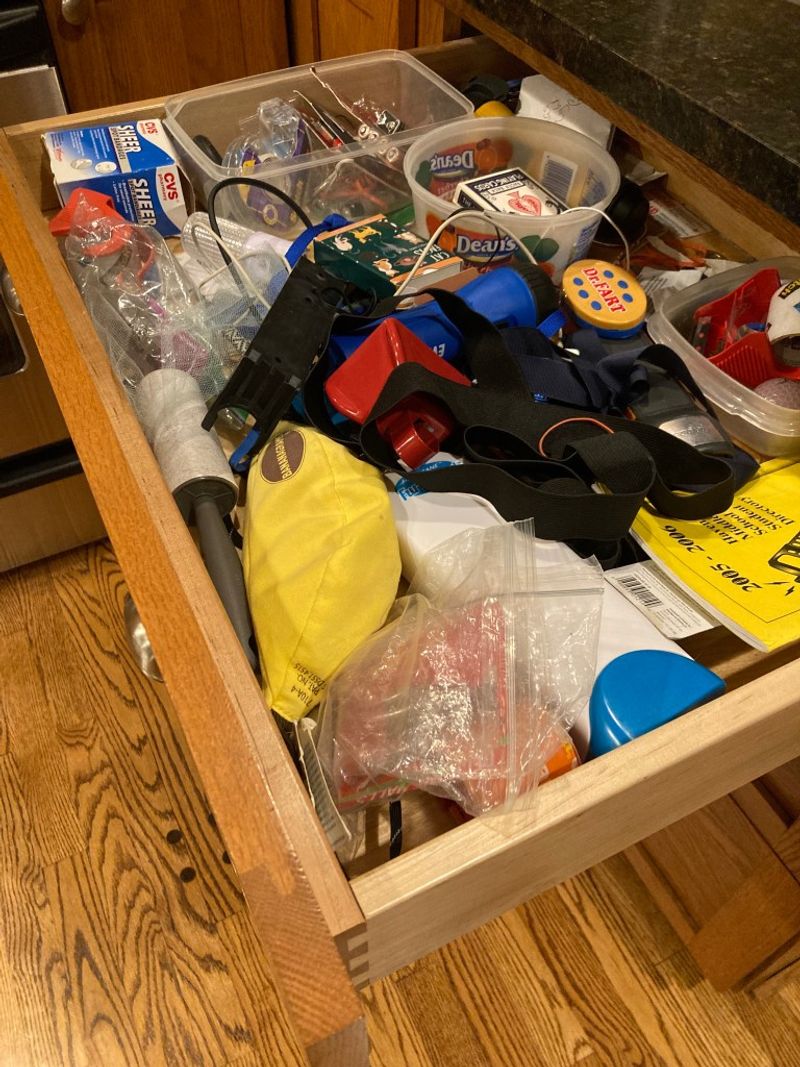
Every household has one, but Boomers have elevated the junk drawer to an art form. Rubber bands that have fused together, batteries of unknown charge, keys to locks that no longer exist, and gadgets with no identifiable purpose all coexist in one gloriously chaotic space.
Tackling a junk drawer takes about 30 minutes and usually results in a trash bag full of genuine garbage. Keeping only items with a clear purpose transforms it from a black hole into a genuinely useful storage spot.
15. Promotional Swag and Freebies
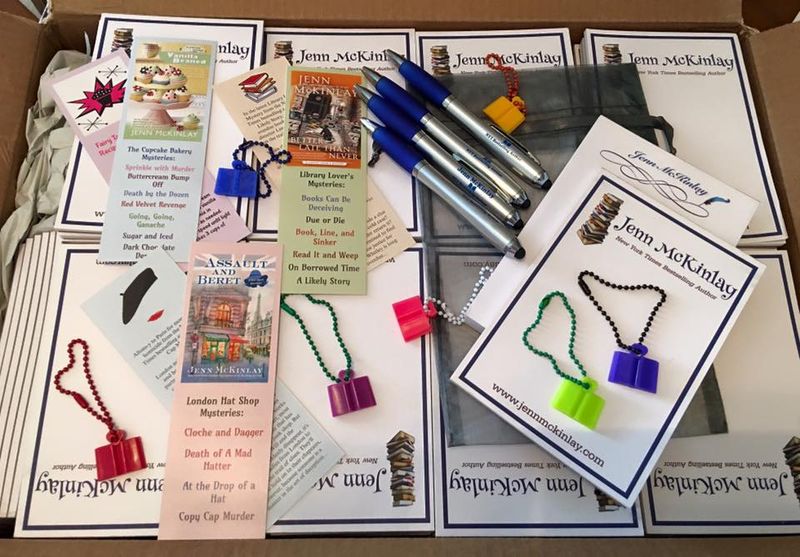
Free stuff feels impossible to throw away, especially when it came with a logo on it. Boomers have accumulated decades worth of branded pens, foam koozies, tote bags, and baseball caps from trade shows, banks, and company picnics.
The hard truth is that most of this swag was cheap to begin with and serves no real purpose now. Keeping a favorite reusable bag is sensible, but a drawer full of pens advertising a long-closed business is just clutter wearing a company logo.
16. Unused Tools and Hardware
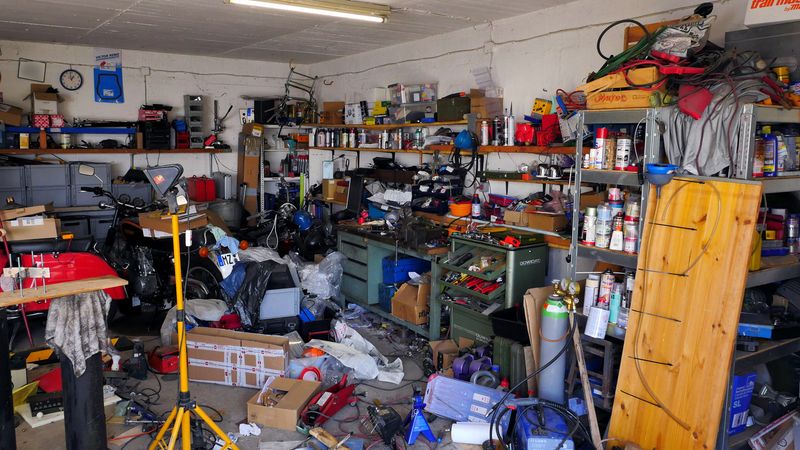
A garage full of tools sounds practical until you realize half of them have not been touched since the Clinton administration. Duplicate hammers, drill bits for drills that broke years ago, and specialty tools purchased for one specific project that never happened all pile up fast.
Donating functional tools to Habitat for Humanity ReStores is a genuinely good option. They use donated tools directly in home-building projects, meaning your forgotten socket wrench set could actually help build someone a house.
17. Excess Old Travel Luggage
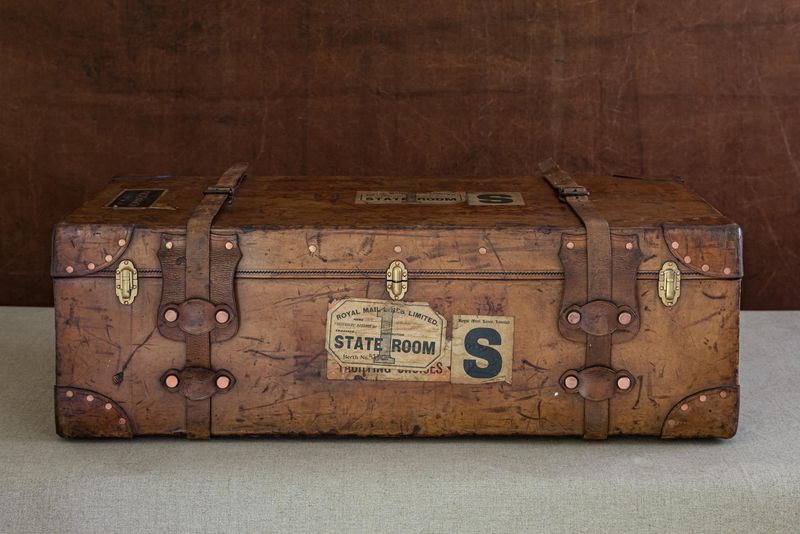
Travel luggage from the 1980s was built like a tank, which is exactly why it is still sitting in the closet today. Heavy, hard-sided, and often a bold floral pattern, these suitcases technically work but are far from ideal for modern travel.
Airlines now charge by weight, making lightweight spinner luggage a much smarter choice. Keeping three or four sets of outdated bags when one good modern set does the job means paying a storage price in square footage every single day.
18. Half-Empty Paint Cans and Old Chemicals
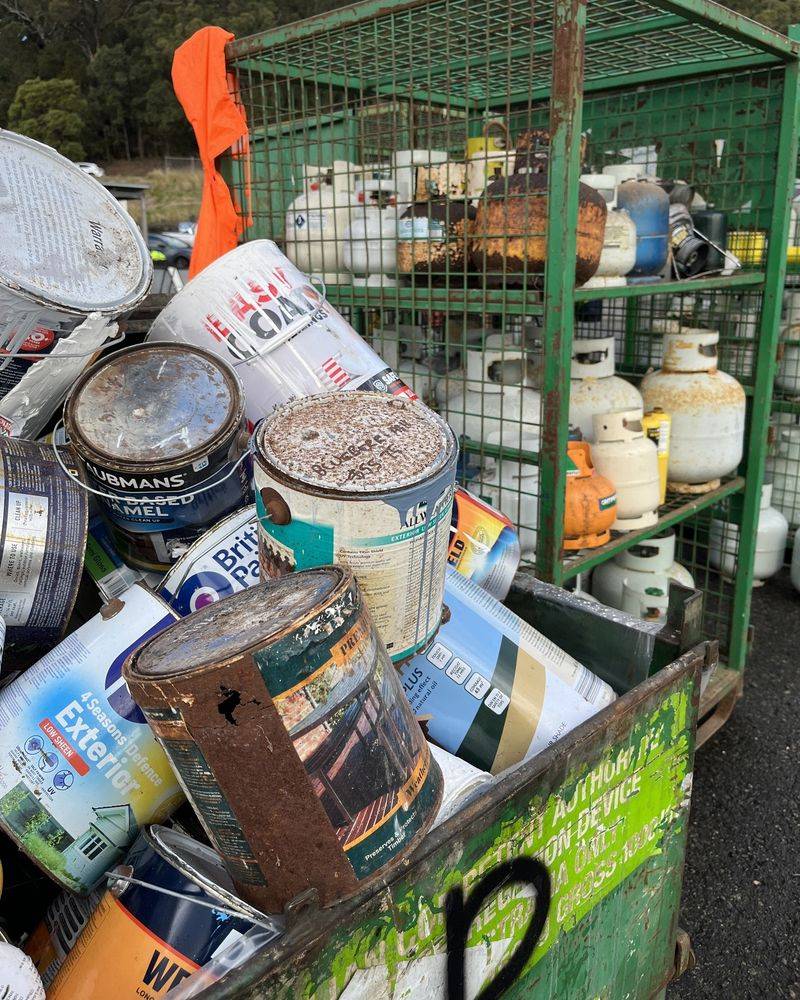
Garages and basements across the country are home to paint cans from colors that were trendy two houses ago. Alongside them sit old pesticides, cleaning solvents, and mystery liquids in unlabeled containers that nobody wants to open.
Most of this stuff has long passed its useful life. Dried-out paint and expired chemicals are not just useless, they can be hazardous.
Most counties host free household hazardous waste drop-off events where these materials are disposed of safely and responsibly.
19. Boxes of Adult Kids’ Childhood Stuff
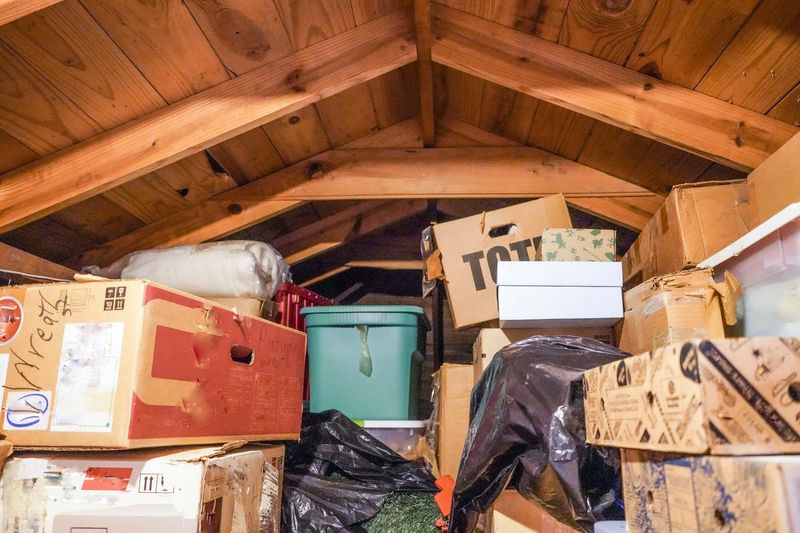
Boomers often become unofficial storage units for their grown children’s childhood belongings, fully convinced that someday Junior will come back for his third-grade art projects and broken action figures. Spoiler: he probably will not.
Having an honest conversation with adult kids about what they actually want is far kinder than letting boxes take over the attic for another decade. Most items can be photographed for memories, donated, or recycled without any real regret from anyone involved.
20. Decorative Soaps and Guest Towels
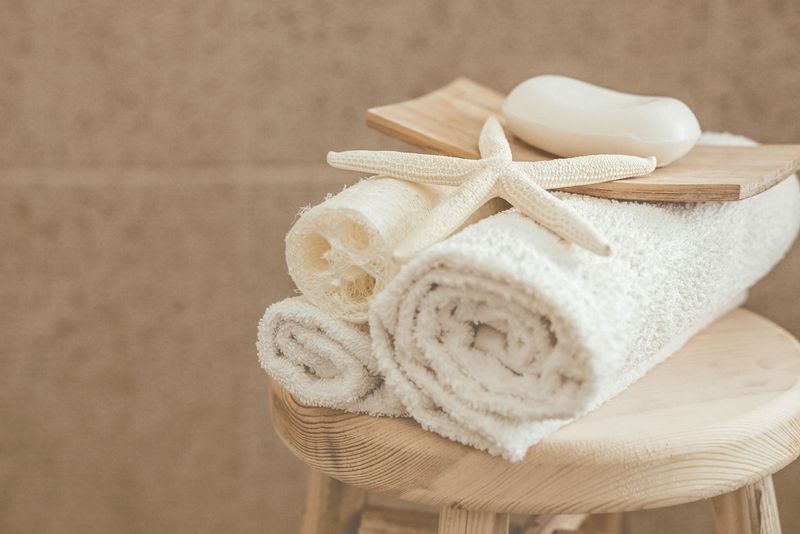
Shell-shaped soaps that smell like a department store and tiny embroidered towels folded just so in the guest bathroom are practically a Boomer trademark. They look lovely, sure, but nobody is allowed to actually touch them.
The irony is that guests end up drying their hands on their jeans rather than disturb the display. Swapping decorative items for ones people can genuinely use makes a guest bathroom feel welcoming rather than like a museum exhibit nobody signed up to visit.