
Italy is one of the best places in the world to eat, and not just because of pizza and pasta. Every city and region has its own special dishes that locals have been making for hundreds of years.
From rich meat sauces in Bologna to crispy fried snacks in Rome, the flavors across Italy are wildly different and totally delicious. If you ever get the chance to travel through Italy, chasing these regional dishes is one of the most rewarding things you can do.
1. Cacio e Pepe – Rome, Lazio
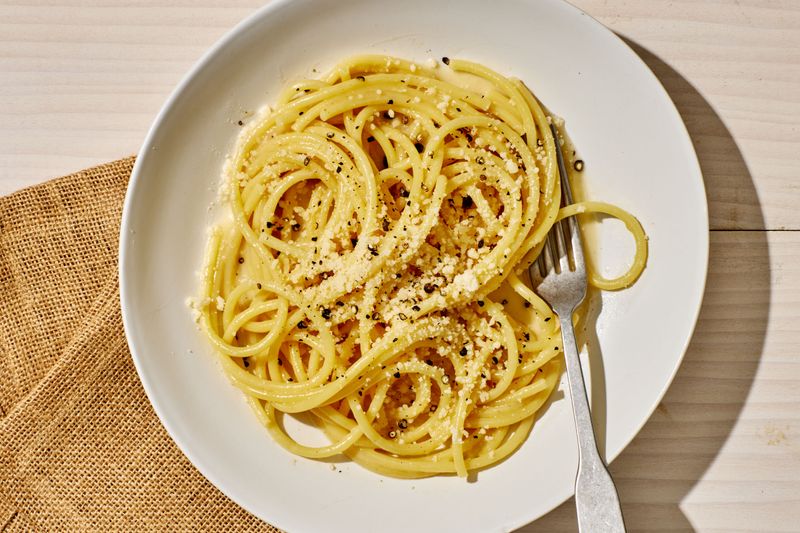
Roman cooks have been making cacio e pepe for centuries, and the recipe is shockingly simple: pasta, Pecorino Romano cheese, and black pepper. No cream, no butter – just technique and good ingredients.
Getting the cheese to melt into a silky sauce without clumping is a real skill.
When you find a bowl done right in Rome, it feels almost magical. Many trattorias in the Trastevere neighborhood are great places to try it fresh.
2. Bistecca alla Fiorentina – Florence, Tuscany
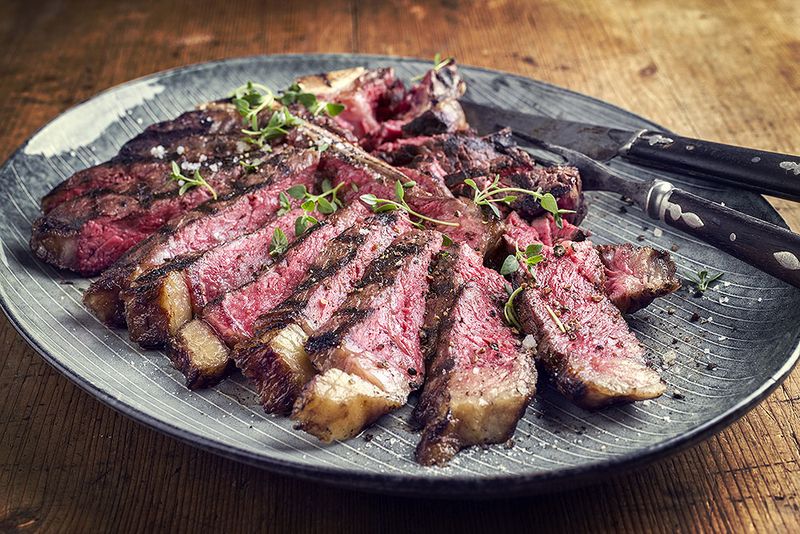
Few steaks in the world command the same respect as Florence’s famous bistecca alla Fiorentina. Cut from Chianina cattle and grilled over wood or charcoal, this T-bone is served rare – always rare – and seasoned with nothing more than olive oil and salt.
Ordering it well-done is considered almost offensive in Tuscany. The steak is typically sold by weight and shared between two or three people.
Track it down at a classic buca or osteria in Florence’s city center.
3. Risotto alla Milanese – Milan, Lombardy
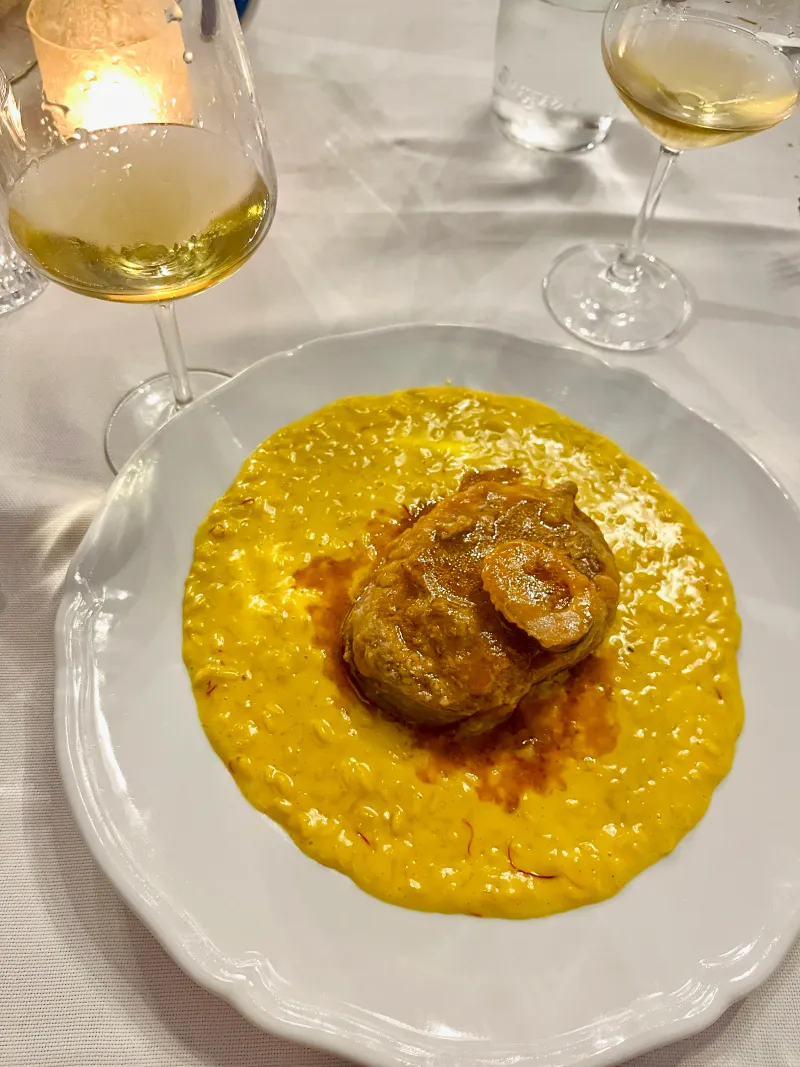
That gorgeous golden color comes from saffron, one of the world’s most expensive spices, stirred into creamy Arborio rice cooked low and slow with broth and butter. Risotto alla Milanese has been a Milan staple since at least the 1500s, and some food historians trace it back to a cathedral glassworker’s wedding feast.
Milanese chefs take enormous pride in getting the texture perfectly creamy, never stiff. Try it alongside ossobuco for the full traditional experience.
4. Ragù alla Bolognese – Bologna, Emilia-Romagna
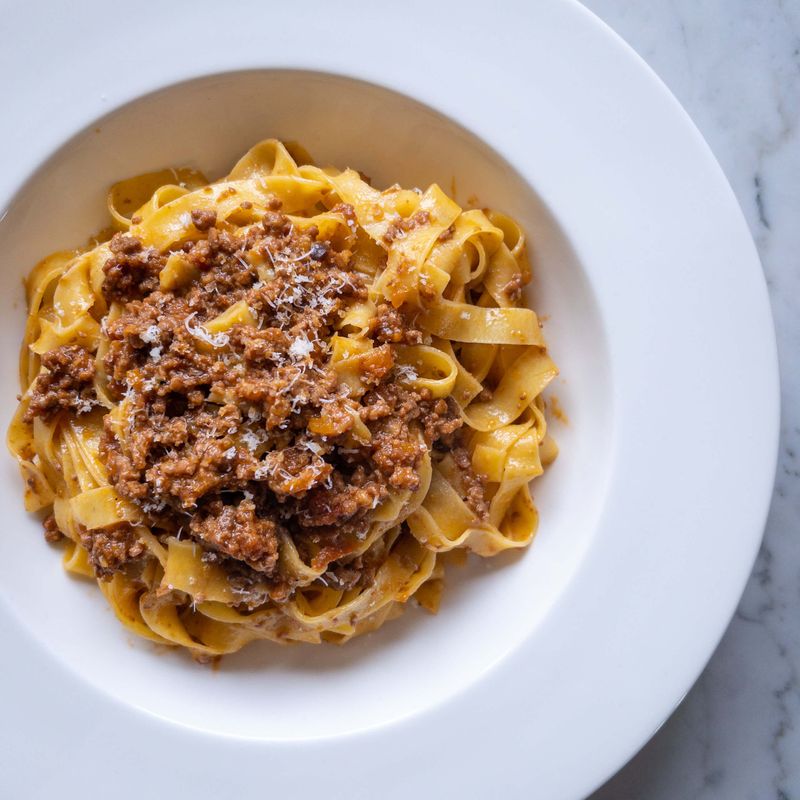
Bologna is nicknamed “La Grassa” – the fat one – and its famous meat sauce explains why. Real Bolognese is nothing like the quick tomato-heavy versions found abroad.
It is a slow-cooked blend of beef, pork, a touch of milk, and very little tomato, simmered for hours until deeply savory.
The official recipe, registered with the Bologna Chamber of Commerce in 1982, calls for serving it with fresh tagliatelle, never spaghetti. One bite and you will understand the obsession.
5. Pizza Margherita – Naples, Campania
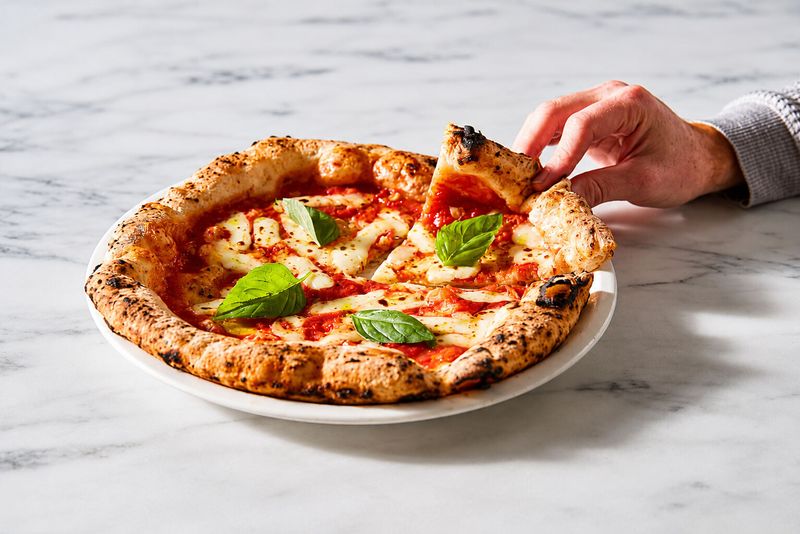
Pizza was born in Naples, and the Margherita is its most iconic form. A certified Neapolitan pizza must meet strict rules: San Marzano tomatoes, mozzarella di bufala, fresh basil, and a wood-fired oven reaching around 900 degrees Fahrenheit.
The crust should be soft and chewy with a few charred bubbles on the edge – called the cornicione. Pizzerias like Sorbillo and Di Matteo on Via dei Tribunali have been serving legendary slices for generations.
Naples is absolutely the right city to experience it.
6. Arancini – Palermo, Sicily
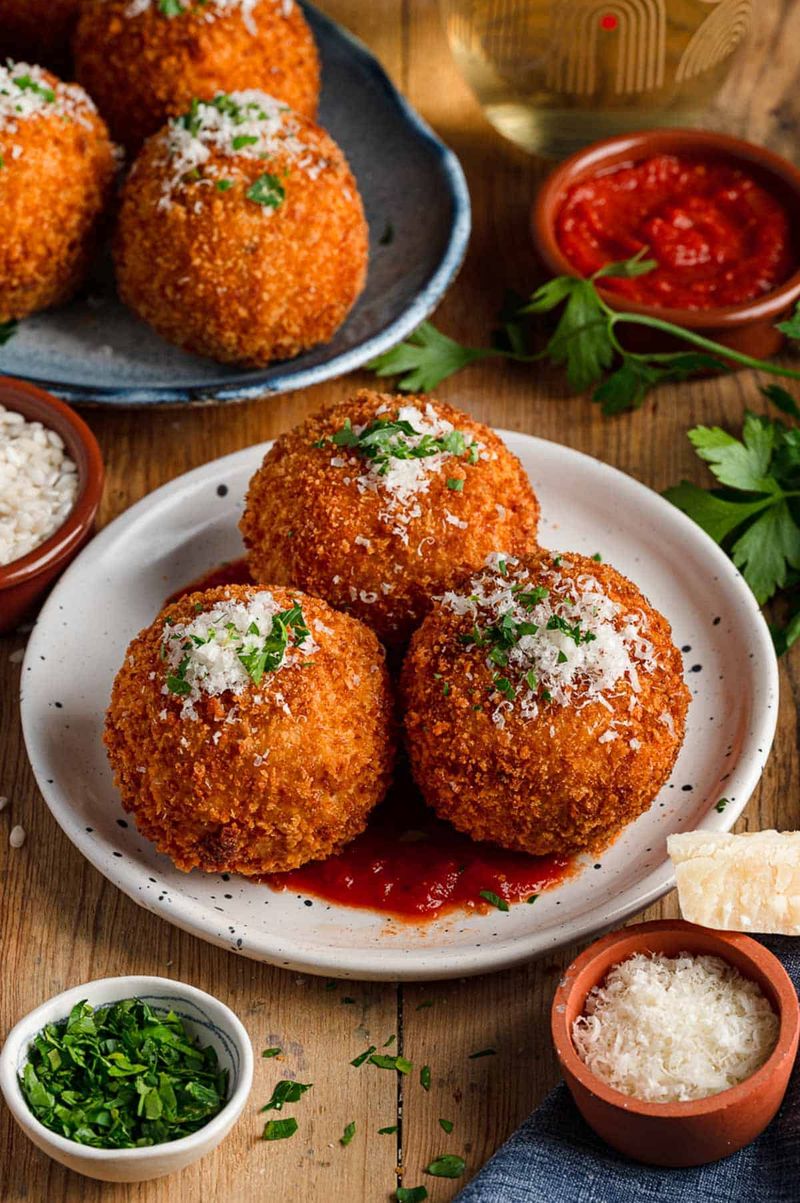
Crispy on the outside, warm and gooey on the inside, arancini are Sicilian fried rice balls that have been street food royalty in Palermo for centuries. The name means “little oranges” in Italian, which perfectly describes their round, golden appearance after frying.
Fillings vary by region within Sicily – some are stuffed with meat ragù and peas, others with butter and mozzarella or spinach. Mercato di Ballarò in Palermo is one of the best markets to grab these hot and fresh from a vendor.
7. Ribollita – Florence, Tuscany
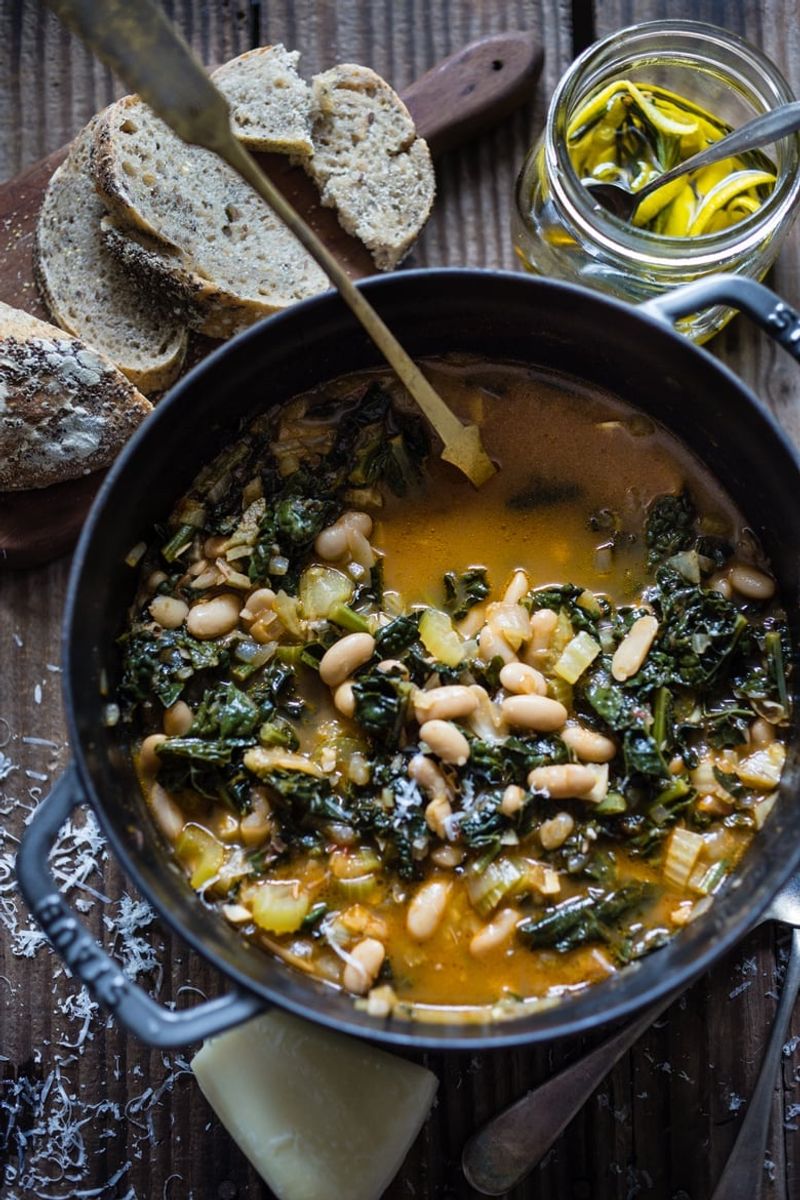
Ribollita is the kind of dish that warms you from the inside out on a cold winter day. This thick Tuscan peasant soup is made with cannellini beans, black kale, carrots, celery, and day-old bread to thicken it up.
The name literally means “reboiled” because it was traditionally made a day ahead and reheated.
Florentines are proud of this humble dish, and many family recipes have been passed down through generations. Order it at a local osteria far from the tourist trail for the most authentic version.
8. Saltimbocca alla Romana – Rome, Lazio
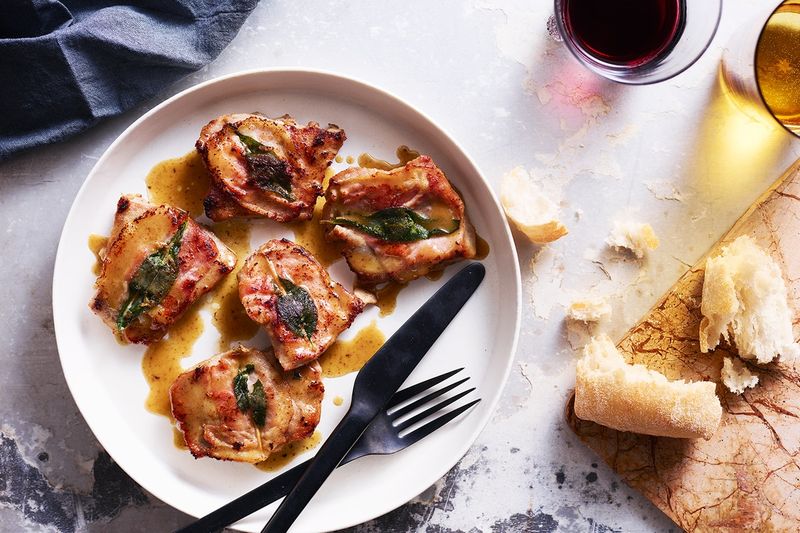
The name saltimbocca translates to “jumps in the mouth,” which is exactly what happens when you taste it. Thin slices of veal are layered with salty prosciutto and a fresh sage leaf, then pan-fried in butter and white wine until golden and tender.
This Roman classic is quick to make but packs a huge punch of flavor. You will find it on almost every traditional Roman menu, and it pairs beautifully with a side of sauteed spinach.
Simple ingredients, unforgettable result.
9. Pesto alla Genovese – Genoa, Liguria
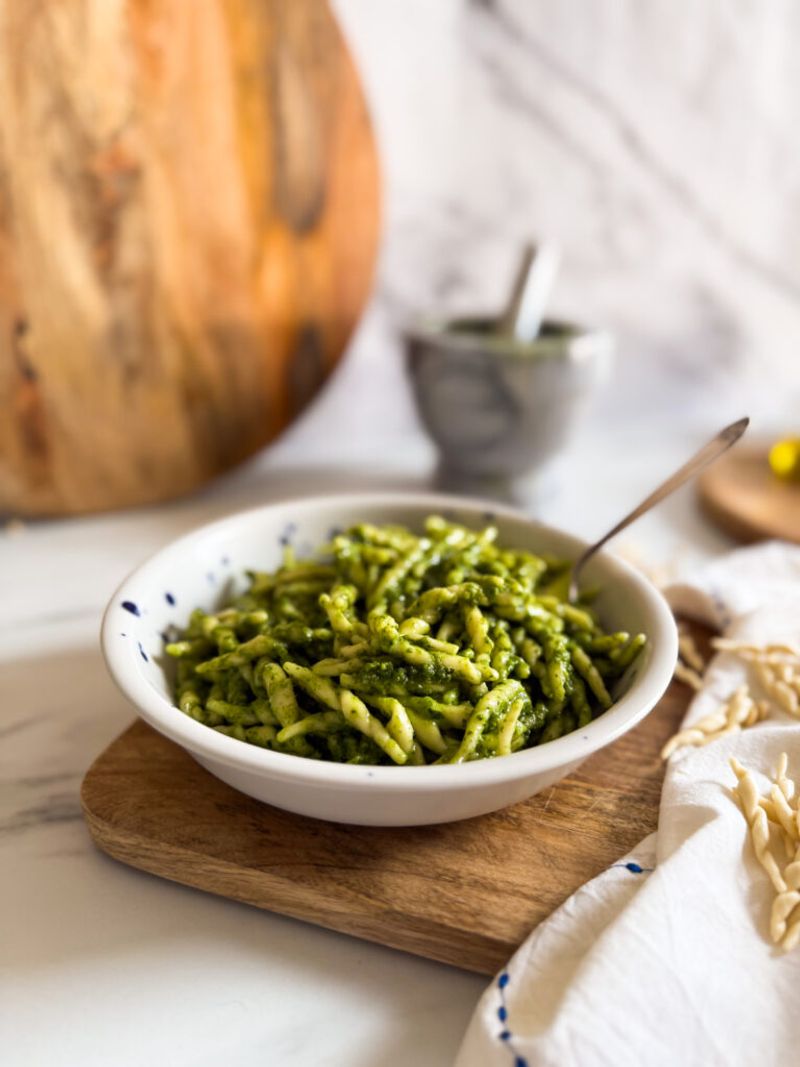
Walk through the old town of Genoa and you can almost smell the basil in the air. Pesto alla Genovese is made by grinding fresh Ligurian basil, pine nuts, Parmigiano-Reggiano, Pecorino, garlic, and good olive oil together – traditionally in a marble mortar and pestle.
The key is using small-leaf Ligurian basil, which is sweeter and less sharp than other varieties. Trofie pasta is the classic pairing.
Jarred versions sold abroad rarely capture the fresh, herby brightness of the real thing made in Genoa.
10. Brodetto di Pesce – Ancona, Marche
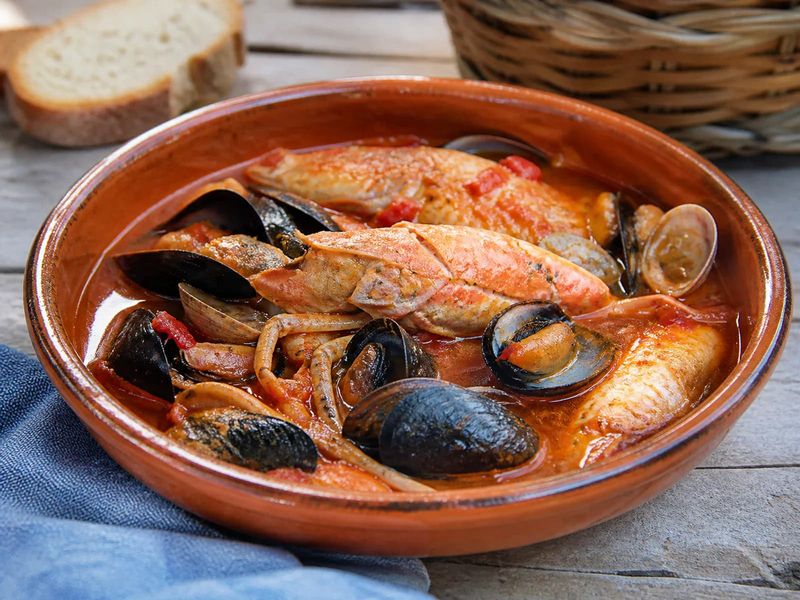
Ancona’s brodetto is one of Italy’s most underrated seafood dishes. This hearty Adriatic fish stew packs in whatever the boats brought in that morning – squid, mussels, clams, scorpionfish, and more – all simmered in a tangy tomato and vinegar broth with a hint of saffron.
Every coastal town along the Marche shoreline has its own version, and locals argue passionately about whose is best. The Ancona style uses white wine vinegar for a slightly sharp edge that cuts through the richness of the seafood beautifully.
11. Orecchiette con Cime di Rapa – Bari, Puglia
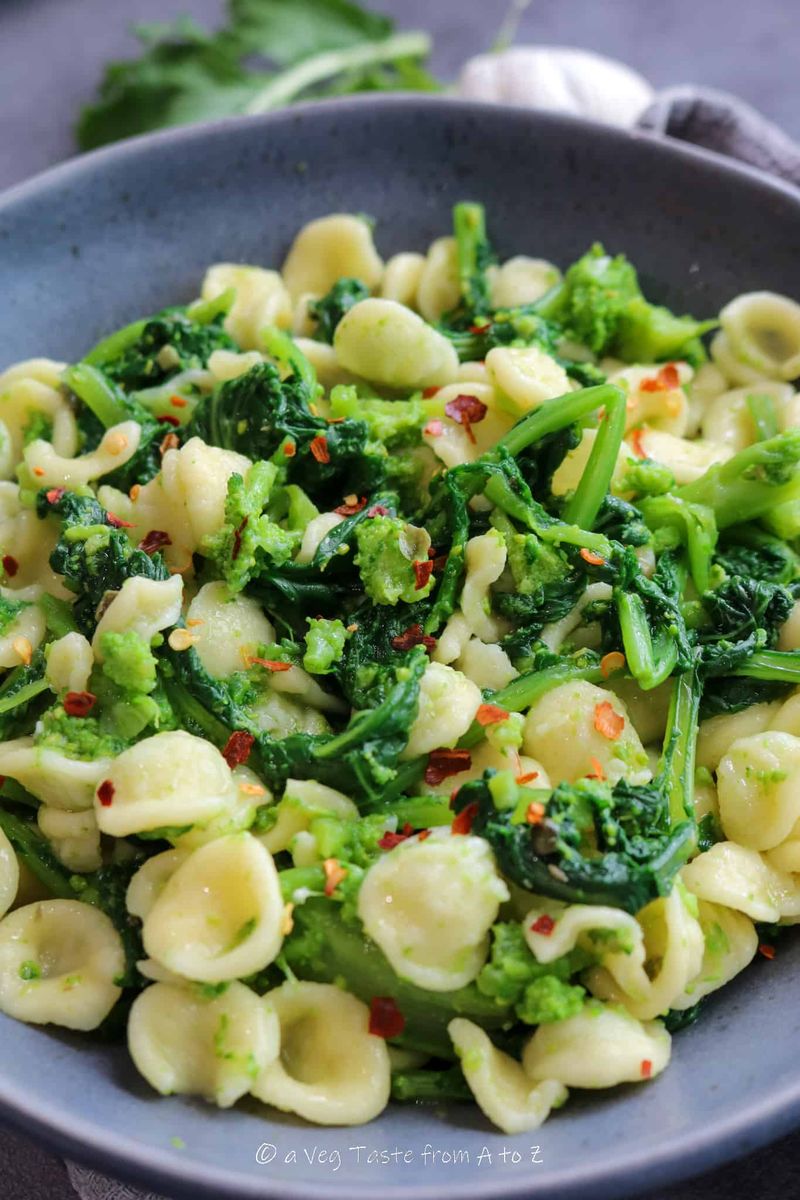
Down in Bari’s old town, you can watch nonnas sitting outside their doorways hand-rolling orecchiette – little ear-shaped pasta – right on wooden boards. It is one of the most charming sights in all of southern Italy.
Paired with cime di rapa, a slightly bitter leafy green related to broccoli, it becomes something extraordinary.
Anchovies and chili flakes are added to the pan for a salty, spicy kick. The bitterness of the greens plays perfectly against the savory pasta.
This dish is Puglia on a plate.
12. Canederli – Bolzano, South Tyrol
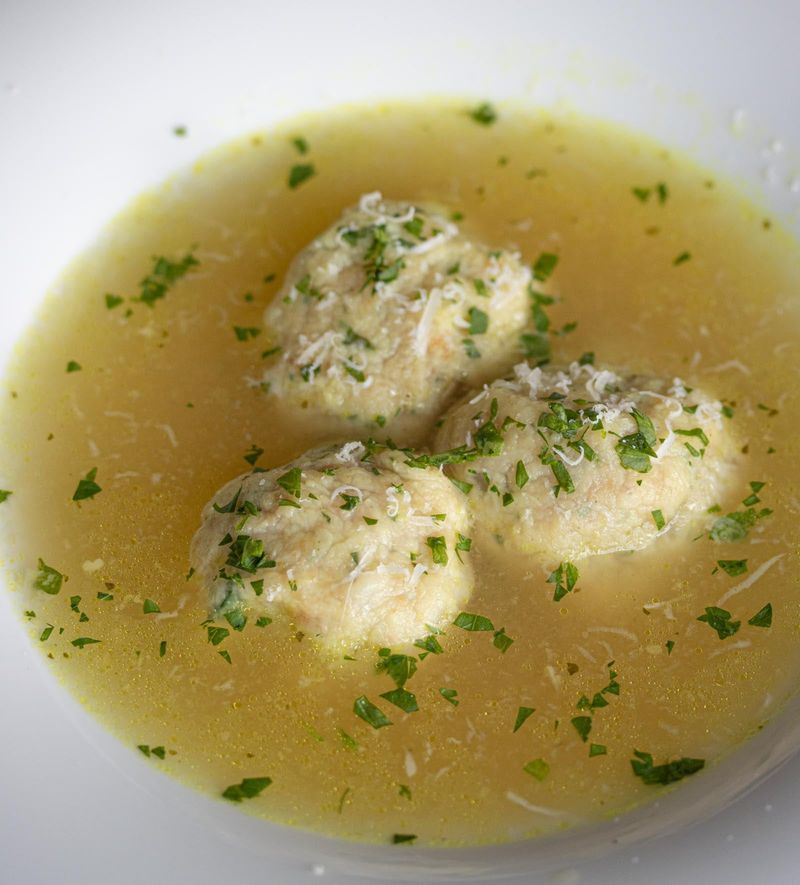
South Tyrol feels more like Austria than Italy in many ways, and its food reflects that beautifully. Canederli are large bread dumplings made from stale bread, eggs, milk, and speck – a local smoked ham – formed into balls and simmered in rich beef broth.
They are hearty, warming, and perfect after a day of hiking in the Dolomites. Some versions include cheese or spinach mixed into the dough.
The broth version is traditional, but canederli can also be served dry with melted butter and cheese.
13. Bagna Cauda – Turin, Piedmont
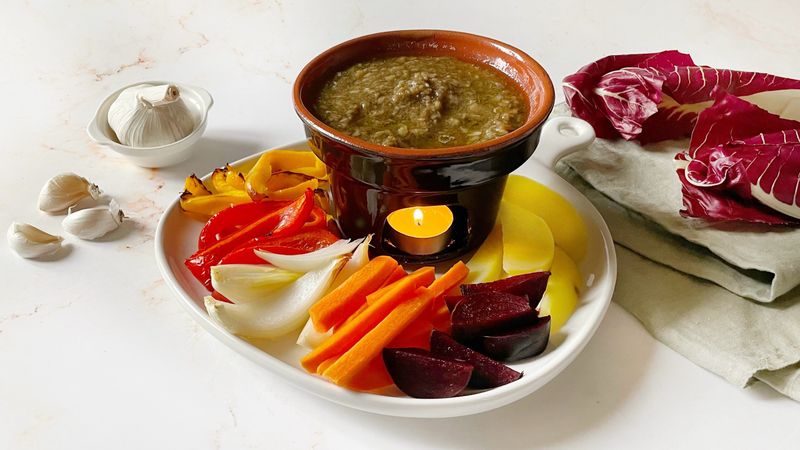
Bagna cauda means “hot bath” in Piedmontese dialect, and that is exactly what this dish is: a warm, pungent dip made from butter, olive oil, garlic, and a mountain of anchovies, all melted together over low heat. Vegetables like cardoons, peppers, and fennel are dunked straight in.
It is a communal dish, meant to be shared around the table during autumn and winter. Turin and the wider Piedmont region treat bagna cauda almost like a seasonal celebration, with dedicated festivals held in its honor every fall.
14. Sarde in Saor – Venice, Veneto
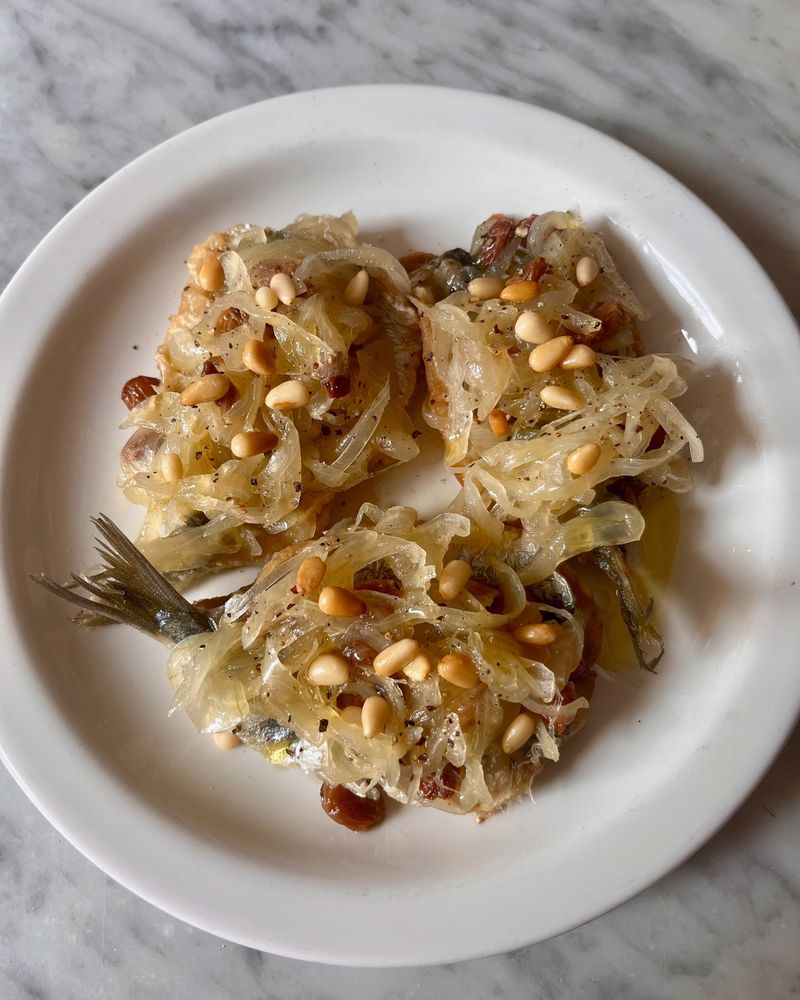
Venice has always been a city of trade, and sarde in saor shows it. This sweet-sour sardine dish layers fried sardines with slow-cooked onions, raisins, pine nuts, and a splash of vinegar – flavors that echo the spice trade routes that once made Venice fabulously wealthy.
It was originally a way for fishermen to preserve their catch for several days. Today it is a beloved cicchetto, a small bite served at Venetian bacaro bars alongside a glass of local wine.
The longer it marinates, the better it tastes.
15. Porchetta Sandwich – Ariccia, Lazio
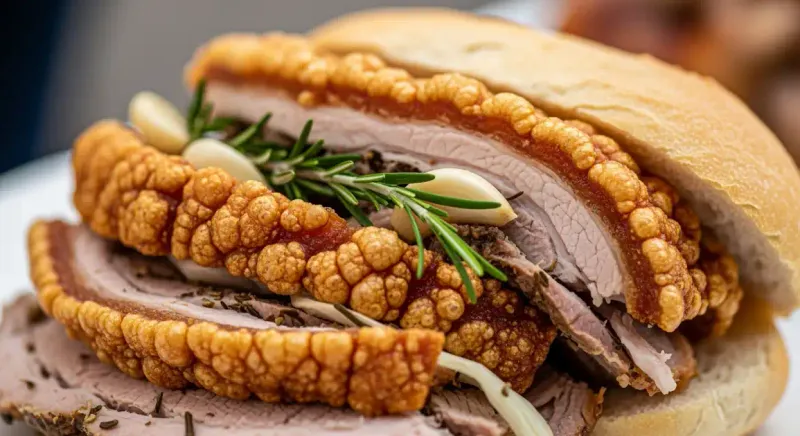
Just south of Rome, the town of Ariccia is the undisputed capital of porchetta. A whole pig is deboned, seasoned generously with rosemary, garlic, fennel, and black pepper, then slow-roasted until the meat is juicy and the skin crackles like a dream.
Sliced thick and piled into a crusty roll, a porchetta sandwich is one of Italy’s greatest street foods. You will find porchetta trucks parked near markets and festivals all across central Italy, but Ariccia is the place to taste the original and best version.
16. Nduja – Vibo Valentia, Calabria
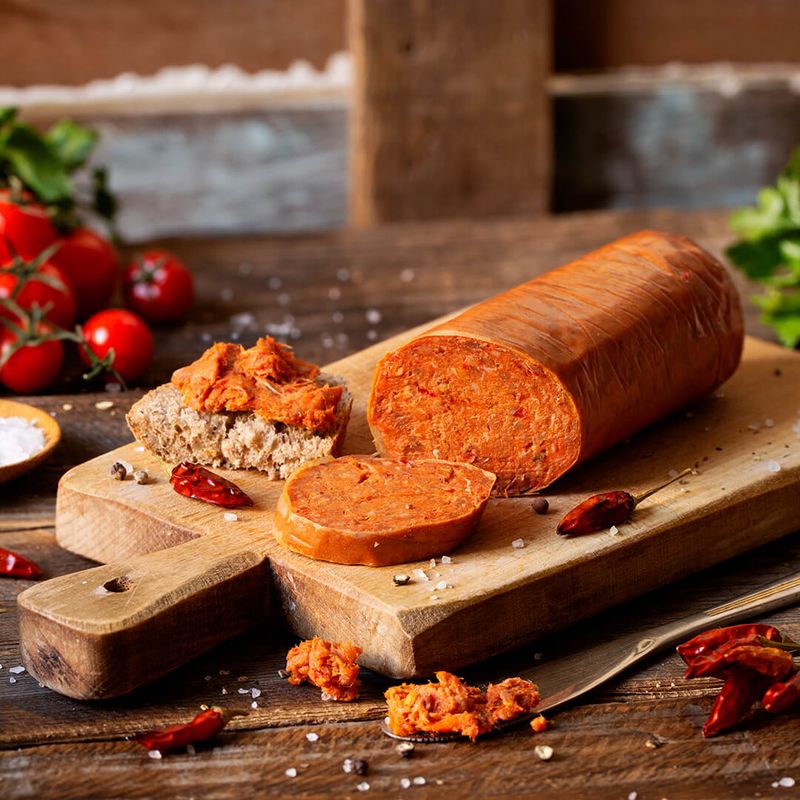
Spicy food lovers, meet your match. Nduja (pronounced en-DOO-ya) is a fiery, spreadable pork salami from Calabria, Italy’s toe-of-the-boot region.
It is loaded with Calabrian chili peppers, which give it an electric red color and a serious kick of heat that lingers long after the first bite.
Spread it on crusty bread, melt it into pasta sauce, or use it to top pizza – it makes everything more exciting. Spilinga, a small town near Vibo Valentia, is considered the spiritual home of nduja, and locals there take enormous pride in their recipe.
17. Culurgiones – Nuoro, Sardinia
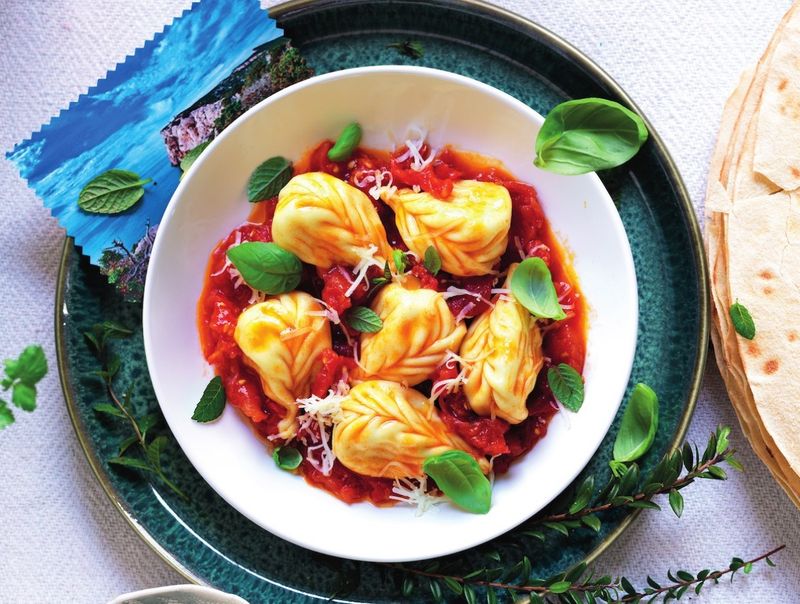
Culurgiones look almost too pretty to eat. These Sardinian stuffed pasta parcels are pinched by hand into a shape that resembles a wheat sheaf, a skill that takes years to master.
Inside, you will find a filling of mashed potato, Pecorino cheese, and fresh mint – an unusual but totally wonderful combination.
They are typically served with a simple fresh tomato sauce so the delicate filling can shine through. The Ogliastra region of Sardinia is where culurgiones originated, but you can find excellent versions throughout the island, especially in Nuoro.
18. Lampredotto Sandwich – Florence, Tuscany
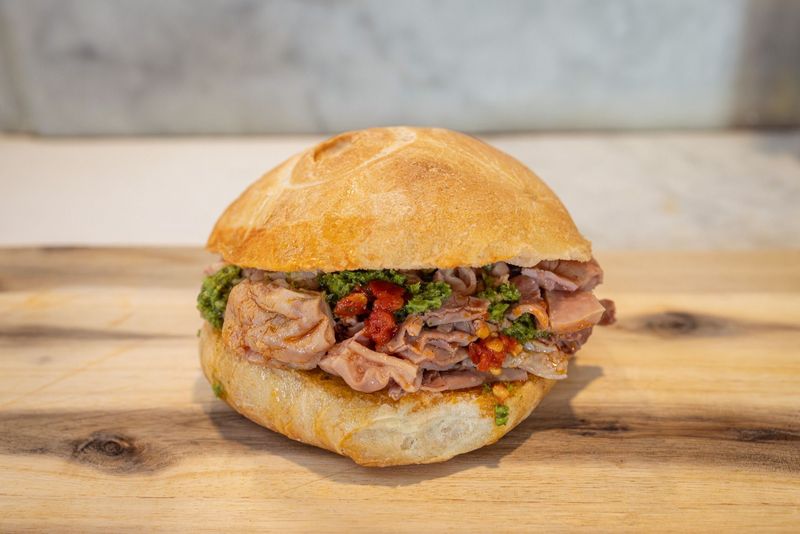
Florence has its fancy steaks, but its most beloved street food is something far more humble. Lampredotto is the fourth stomach of a cow, slow-simmered in broth with tomatoes, onion, and herbs until tender.
It gets piled into a crusty roll that is dipped into the cooking broth for extra flavor.
It sounds adventurous, but the taste is rich, savory, and deeply satisfying. A spoonful of green salsa verde on top cuts through the richness perfectly.
The lampredotto cart near the Mercato Centrale is a Florence institution not to be missed.
19. Granita con Brioche – Catania, Sicily
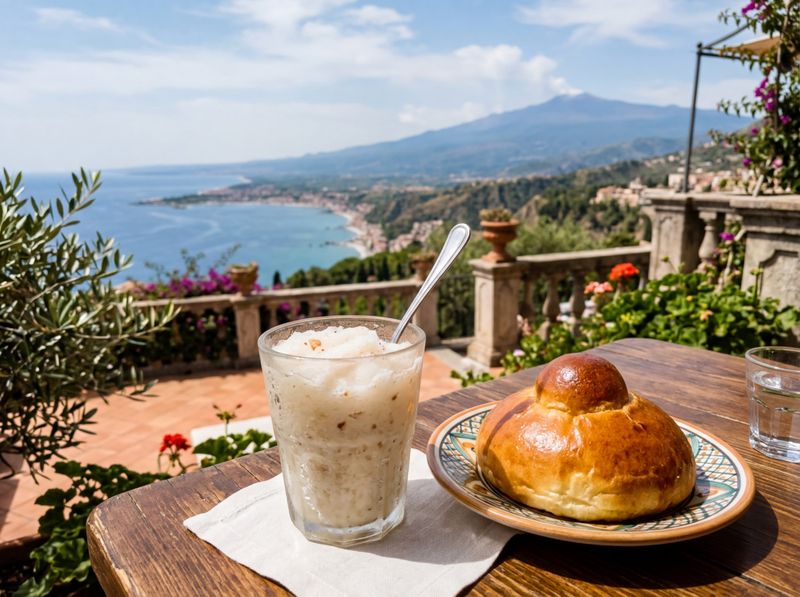
In Sicily, breakfast is not coffee and toast – it is granita and brioche, and it is glorious. Granita is a semi-frozen dessert made from water, sugar, and fresh fruit or nuts, scraped into a fluffy, icy texture.
Almond and pistachio are the most beloved flavors on the island.
The soft, pillowy brioche is torn apart and used to scoop up the granita, making every bite a mix of cold, sweet, and buttery. Catania and Messina both have strong granita traditions, and local bars serve it from early morning through the hottest part of the day.