
Walking into a French bakery feels like stepping into a dream, with buttery smells and beautiful pastries everywhere you look. Most tourists go straight for the croissant or the baguette, and honestly, who could blame them?
But French bakeries are packed with lesser-known treats that are just as amazing, sometimes even better. Skip the usual order just once, and you might discover your new favorite thing to eat.
1. Kouign-Amann
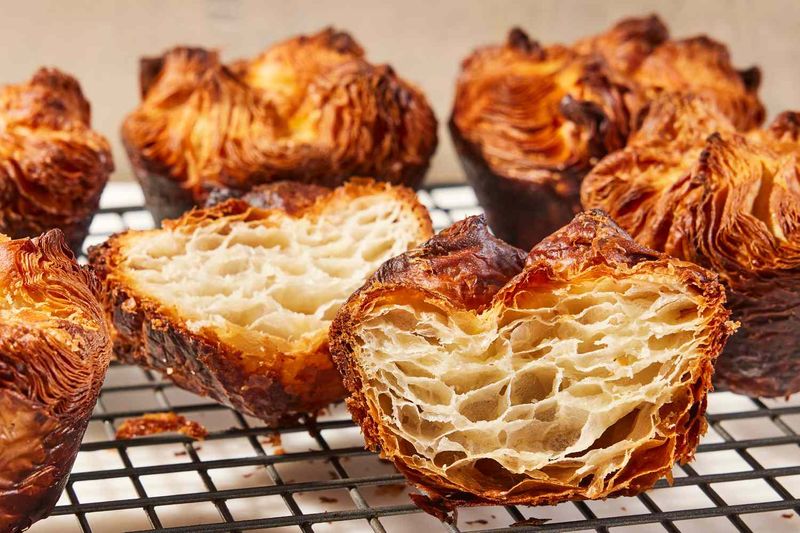
Pronounced “KWEEN ah-MAHN,” this Breton pastry is basically butter and sugar folded into bread dough and baked until the outside turns into a crunchy caramel shell. It originated in the town of Douarnenez in 1860 when a baker named Yves-Rene Scordia improvised with leftover dough.
The result is crispy on the outside, soft and chewy inside, and absolutely dripping with caramelized goodness. Most tourists walk right past it, which means more for you.
2. Financier
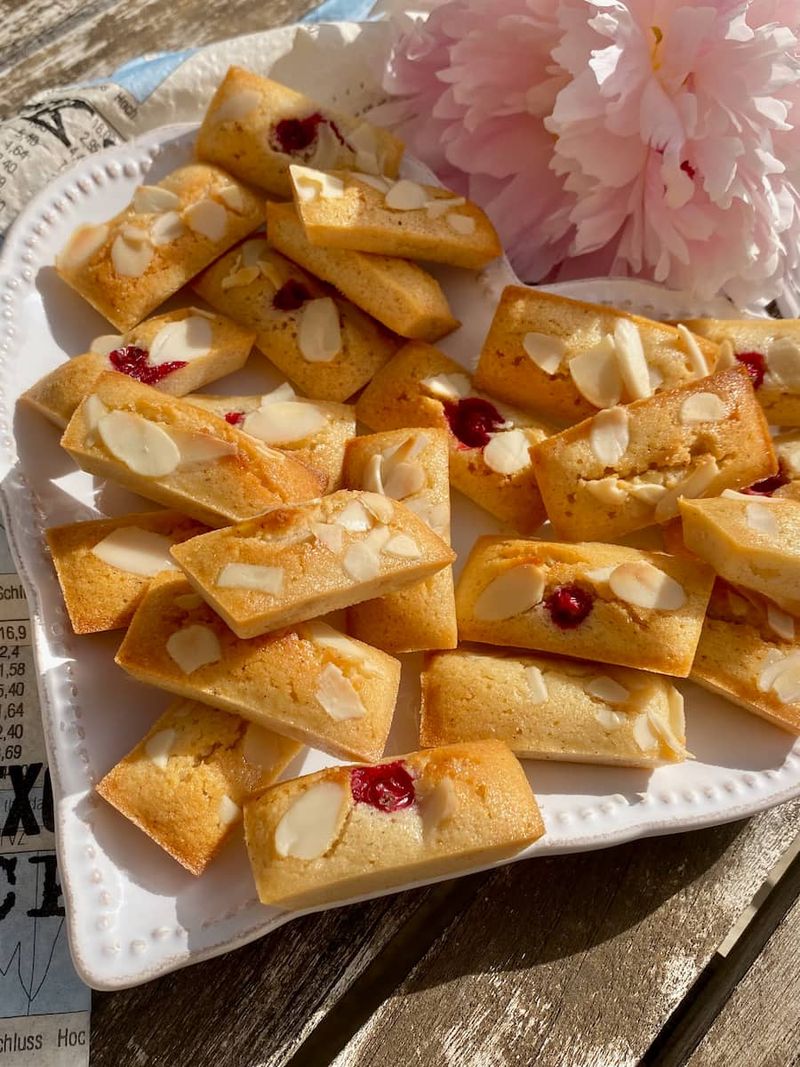
These tiny golden rectangles look almost too simple to be exciting, but one bite changes everything. Made with brown butter, almond flour, and egg whites, financiers have a nutty, rich flavor that feels fancy without being fussy.
The name reportedly comes from the financial district of Paris, where bankers grabbed them as a quick, clean snack. They fit perfectly in a suit pocket, which is both practical and delightful.
Grab a few for the road.
3. Chausson aux Pommes
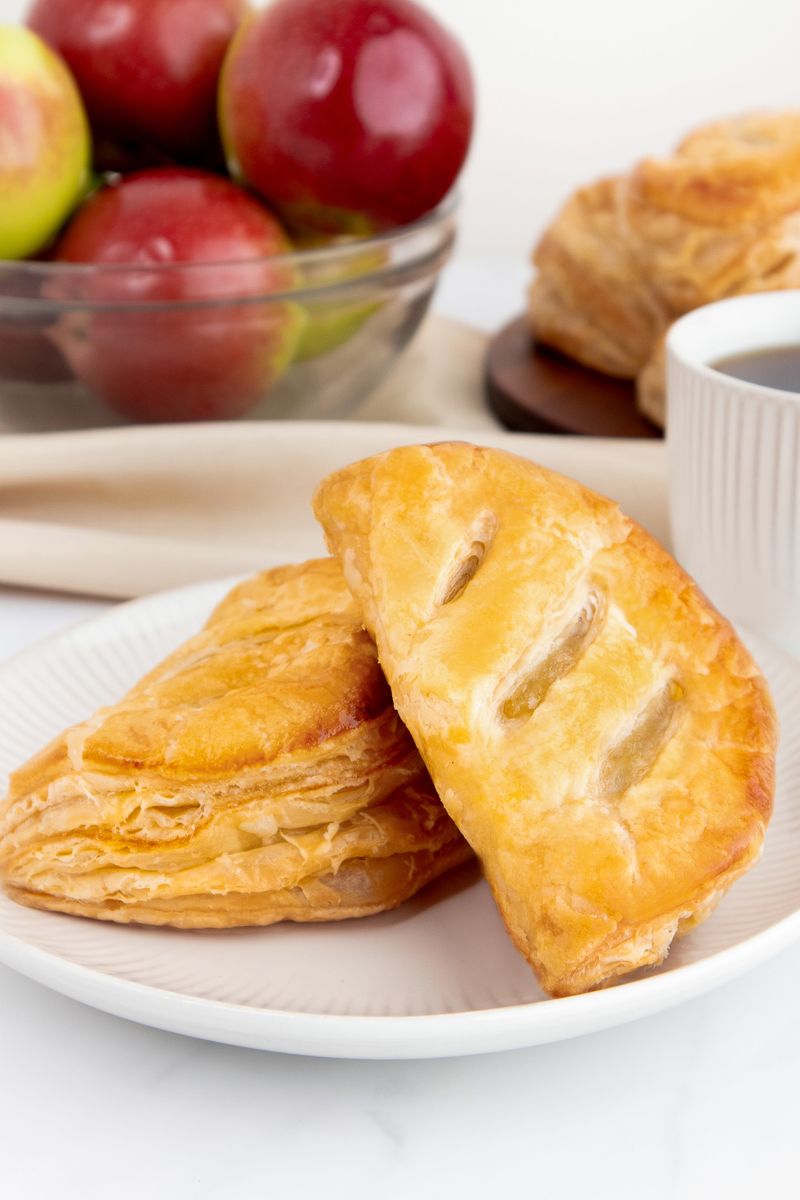
Forget everything you think you know about apple turnovers. The French version, chausson aux pommes, uses buttery puff pastry that shatters beautifully when you bite into it, surrounding a warmly spiced, jammy apple filling.
Unlike the overly sweet versions you might find elsewhere, this one balances tartness and richness in a way that feels grown-up and satisfying. It is a classic French bakery staple that tourists almost always overlook while hunting for croissants.
4. Palmier
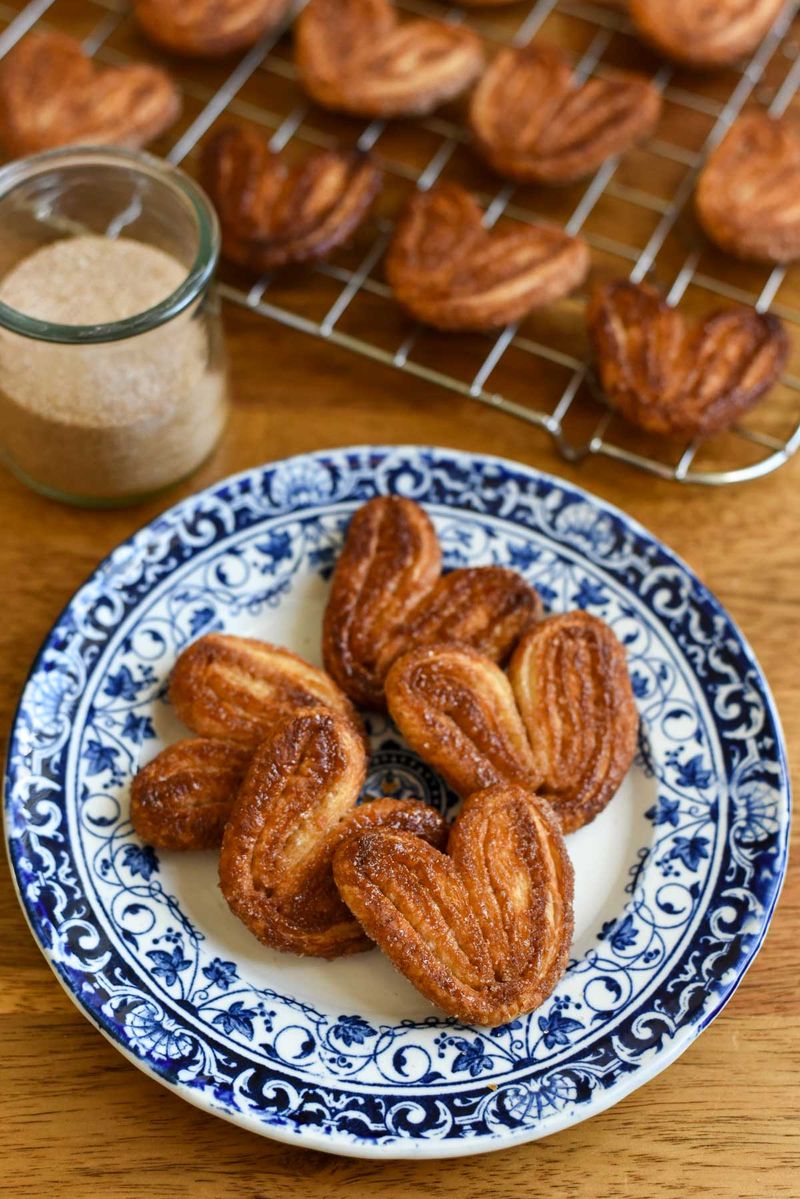
Shaped like a butterfly or a heart, palmiers are made from just two ingredients: puff pastry and sugar. They get rolled, folded, sliced, and baked until they puff up into crispy, golden, caramelized cookies that shatter with every bite.
Some bakeries dip them in chocolate or dust them with cinnamon for a fun twist. They are cheap, easy to eat while walking, and wildly underrated.
Most tourists skip them entirely, which is honestly a missed opportunity.
5. Canele
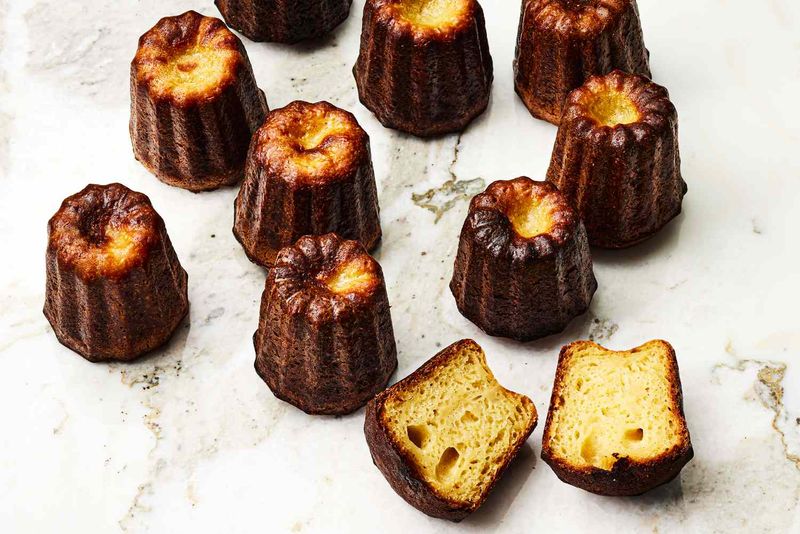
Dark, almost burnt-looking on the outside and custardy soft on the inside, caneles are one of the most misunderstood pastries in France. Originating from Bordeaux, they are flavored with rum and vanilla, which gives them a subtle warmth that sneaks up on you.
The thick caramelized crust is the magic part. It protects a pillowy, eggy center that tastes like a fancy custard in pastry form.
They are small but incredibly satisfying. Try at least two.
6. Flan Patissier
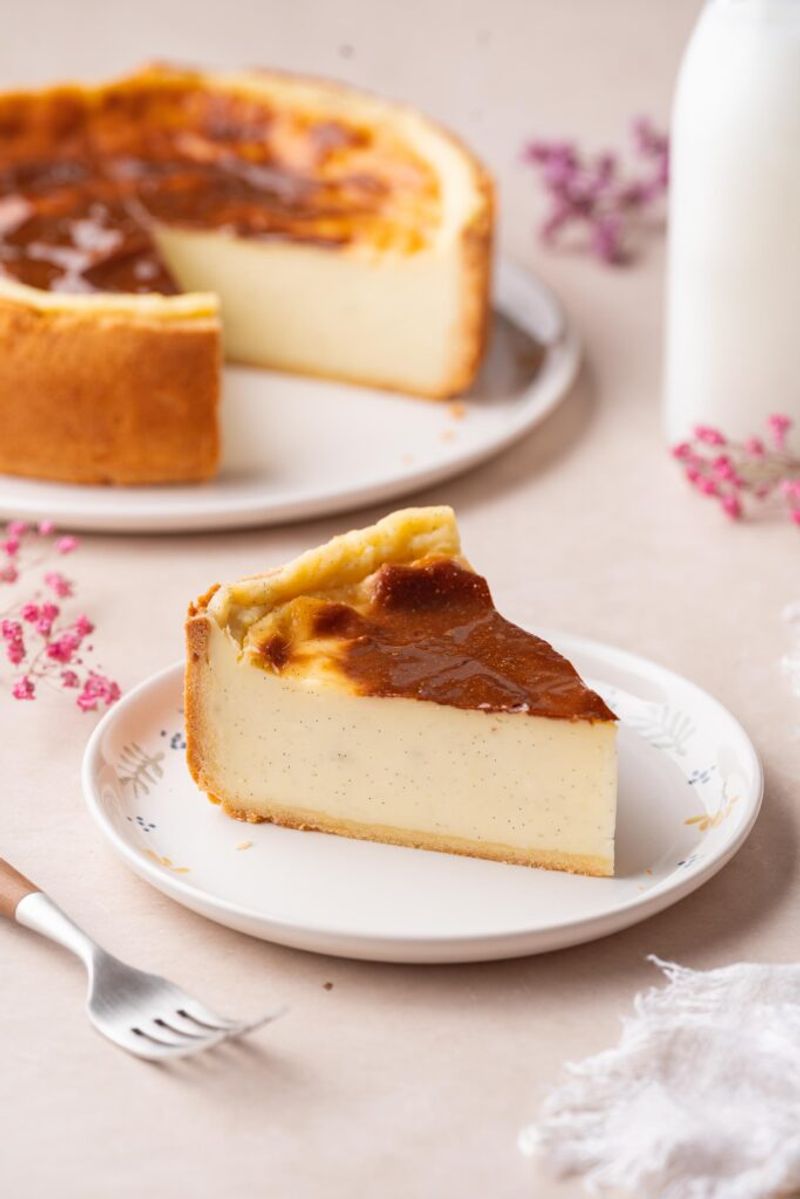
Picture a custard tart, but bigger, thicker, and way more satisfying. Flan patissier is a staple in French bakeries that gets almost zero tourist attention, yet locals buy it every single week without fail.
The filling is a firm, creamy vanilla custard baked inside a buttery pastry shell, with a slightly wobbly center and golden top. It is humble, honest food at its best.
One slice feels like a full meal, and you will absolutely want a second.
7. Tarte Tatin
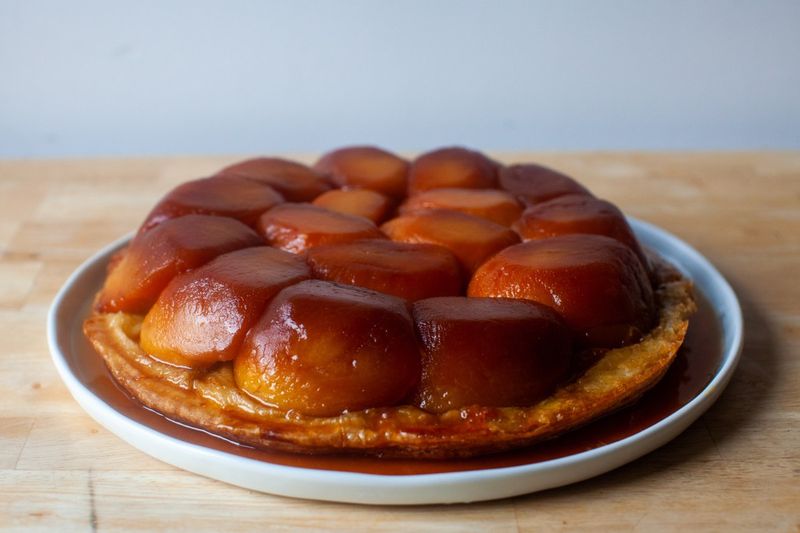
Legend has it that the Tatin sisters accidentally created this upside-down caramelized apple tart in the 1880s when they forgot to put the pastry in first. Whether the story is true or not, the result is genius.
Apples cook slowly in butter and sugar until deeply caramelized, then get topped with pastry and flipped after baking. The tart is sticky, golden, and intensely flavored.
Served warm with creme fraiche, it is one of France’s greatest culinary achievements.
8. Brioche Feuilletee
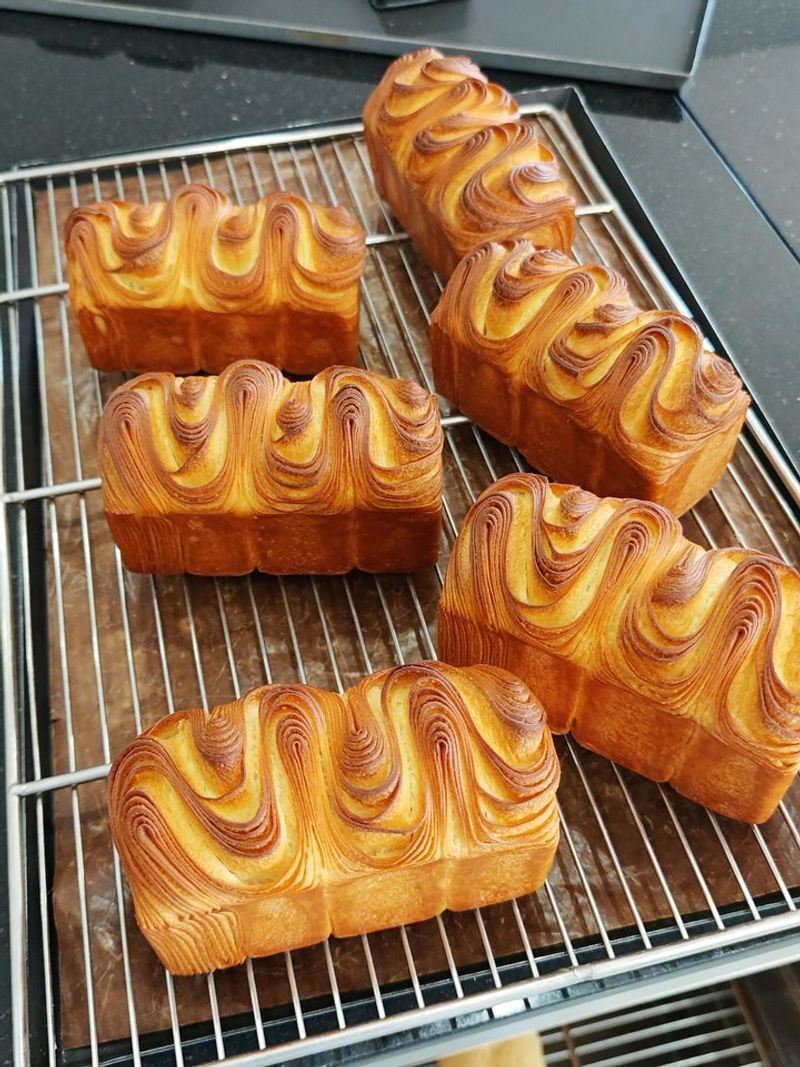
Somewhere between a croissant and a classic brioche lives the brioche feuilletee, a laminated bread that most tourists have never even heard of. The dough is enriched with eggs and butter, then layered like croissant dough to create visible, flaky sheets of goodness.
It is richer than a croissant but lighter than a regular brioche, and it pulls apart in the most satisfying way. Eat it plain or with a smear of jam.
Either way, you win.
9. Paris-Brest
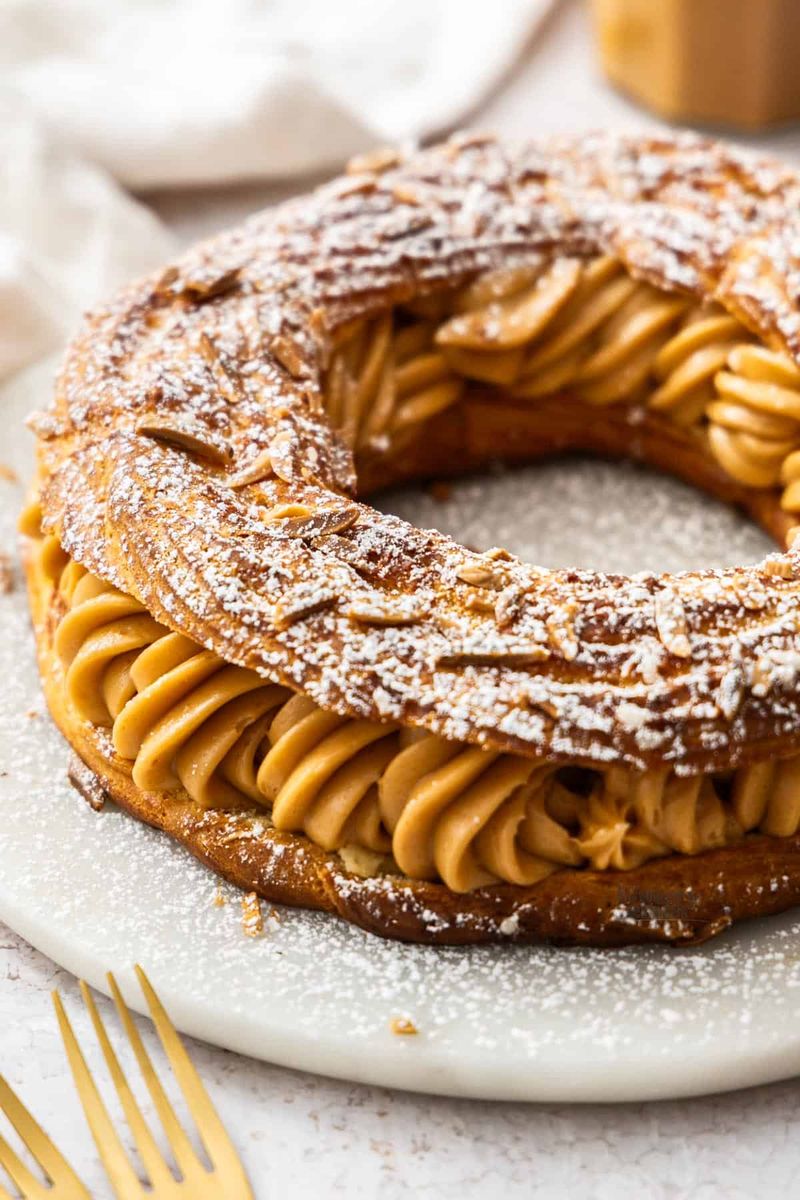
Created in 1910 to celebrate a famous bicycle race between Paris and Brest, this ring-shaped choux pastry is meant to look like a bicycle wheel. Clever, right?
Inside, it is filled with a praline mousseline cream that is nutty, silky, and deeply satisfying.
The choux shell is light and airy, which balances the richness of the filling perfectly. It is far less common on tourist menus than eclairs, but pastry lovers consistently rank it among France’s finest creations.
10. Religieuse
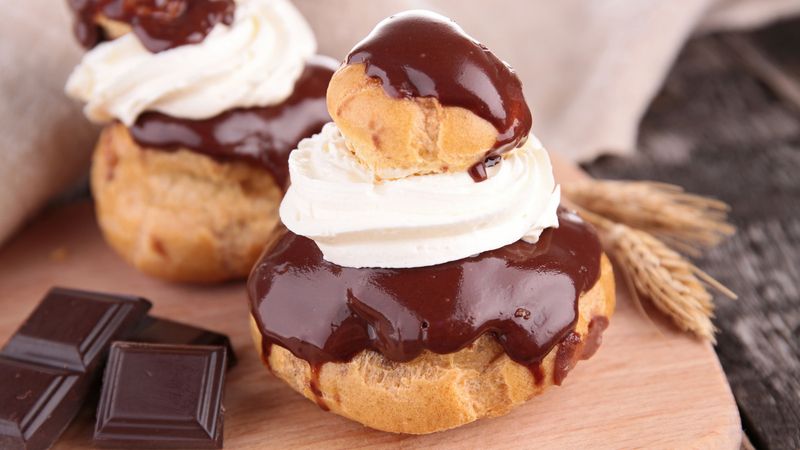
A religieuse is two cream-filled choux puffs stacked on top of each other and decorated with fondant icing to look like a little nun in a habit. The name literally means “nun” in French, which makes this one of the more charming pastry origin stories around.
Typically filled with chocolate or coffee cream, each puff is airy and light while the filling adds decadence. Tourists often overlook it in favor of eclairs, but the religieuse deserves equal attention.
11. Tarte au Citron
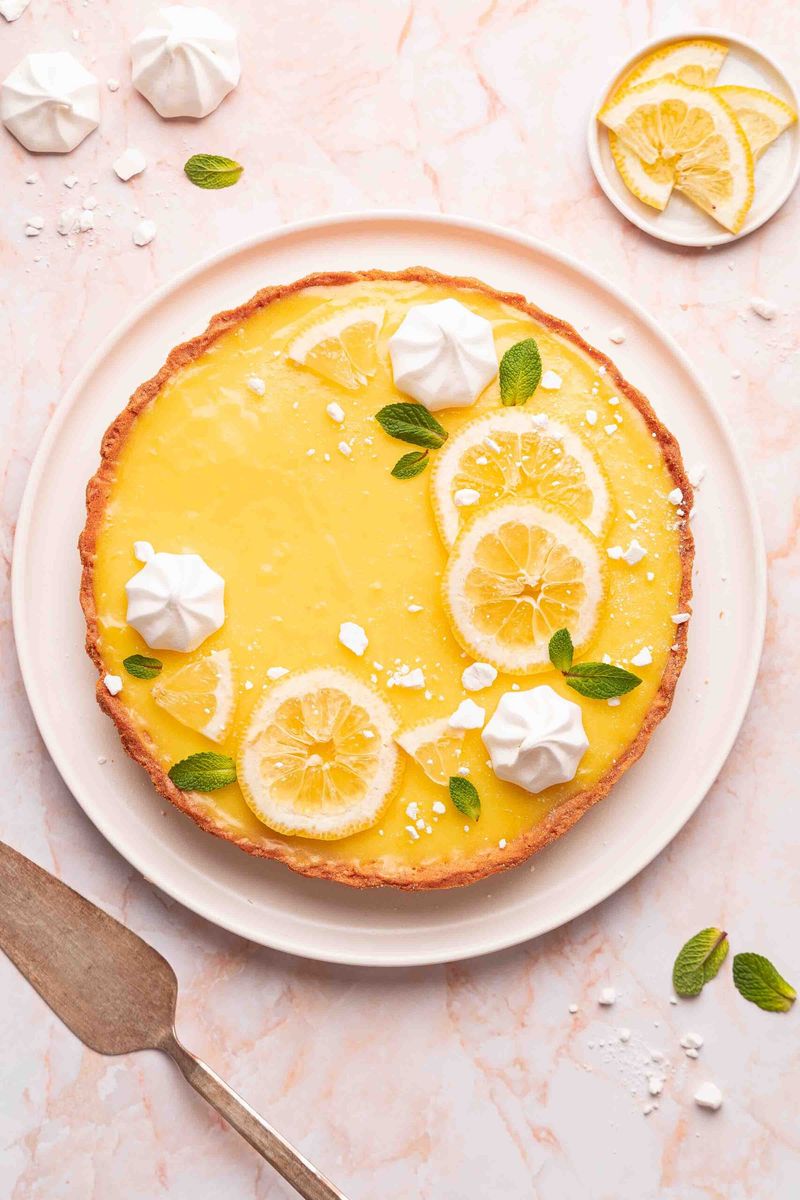
Sharp, bright, and refreshingly tangy, tarte au citron is a lemon tart that wakes up your taste buds in the best possible way. The filling is a smooth, glossy lemon curd baked inside a crisp, buttery pastry shell.
Some versions come topped with a torched meringue that adds a marshmallow-like sweetness to balance the citrus. It is elegant without being pretentious, and it pairs beautifully with an afternoon coffee.
Surprisingly, tourists rarely order it, choosing chocolate options instead.
12. Gateau Basque
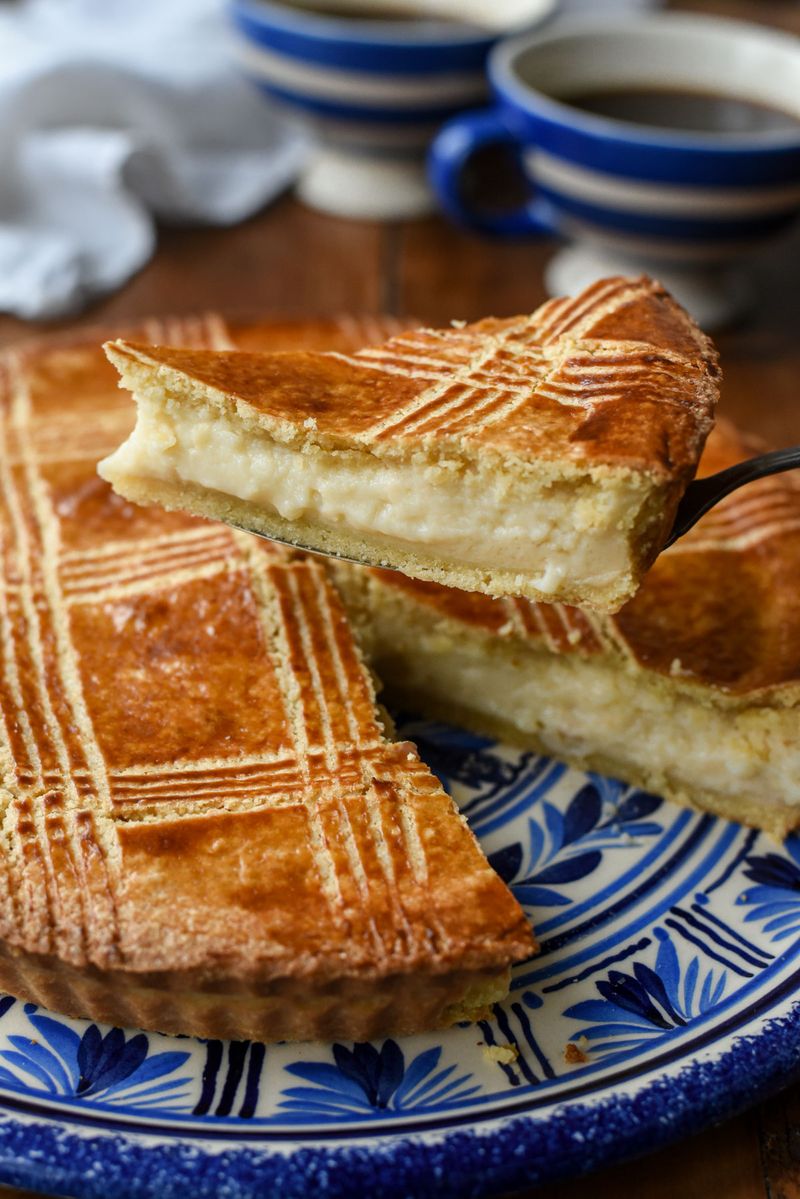
From the Basque region of southwest France, this thick, dense cake is unlike anything else in a French bakery. The outside is a buttery, almost cookie-like pastry, and the inside is filled with either a rich vanilla pastry cream or a tart black cherry jam.
It has a scored cross pattern on top, which is both traditional and beautiful. Gateau Basque is hearty and satisfying in a way that delicate Parisian pastries are not.
Regional and wonderful, it deserves far more attention.
13. Mille-Feuille
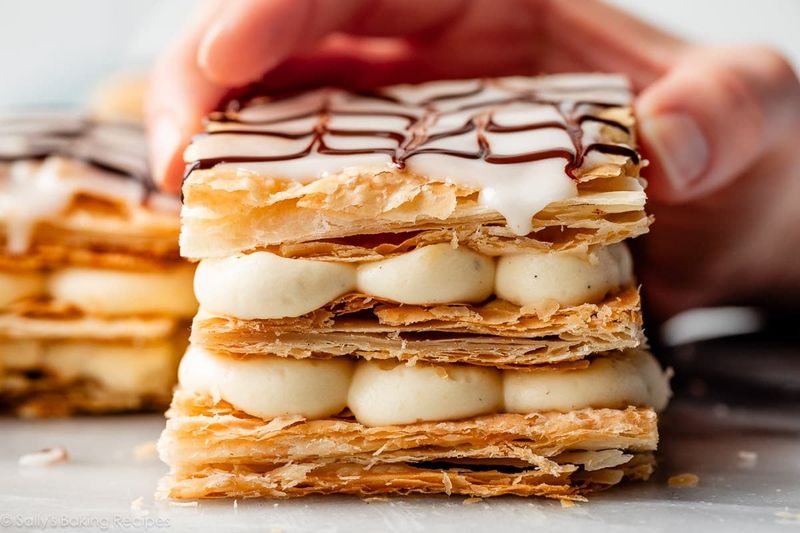
Mille-feuille means “a thousand leaves,” referring to the countless flaky layers of puff pastry that make up this iconic dessert. Sandwiched between those layers is a generous amount of silky vanilla pastry cream, and the top is iced with white fondant and a chocolate zigzag pattern.
It is a bit messy to eat, and that is part of the fun. Tourists often avoid it because it looks complicated, but bakery staff are used to helping.
Just ask for a fork.
14. Chouquette
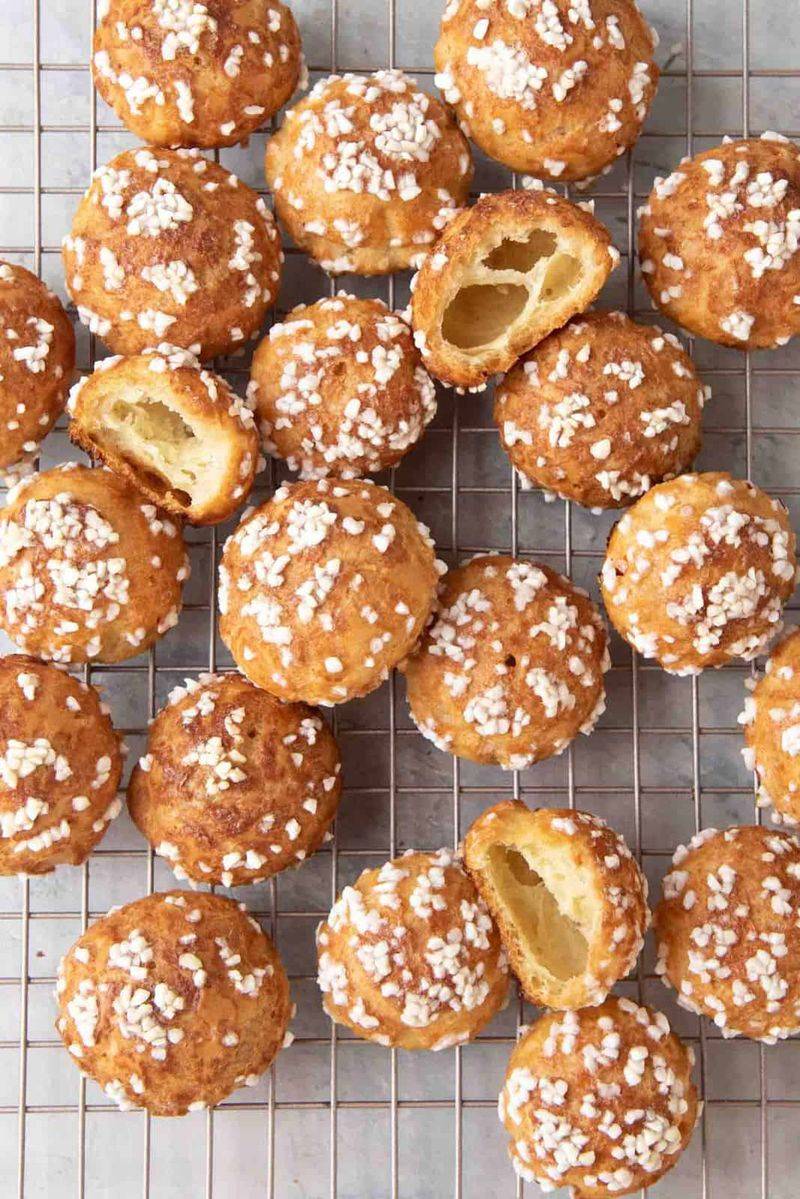
Chouquettes are tiny choux pastry puffs topped with crunchy pearl sugar, and they are sold by weight in little paper bags at almost every French bakery. They have no filling, no cream, no frosting.
Just light, airy dough and that satisfying crunch of sugar on top.
Locals buy them as an afternoon snack for kids or a quick treat to go. They cost almost nothing and disappear fast.
If you see them in a bakery, grab a bag without hesitation.
15. Saint-Honore Cake
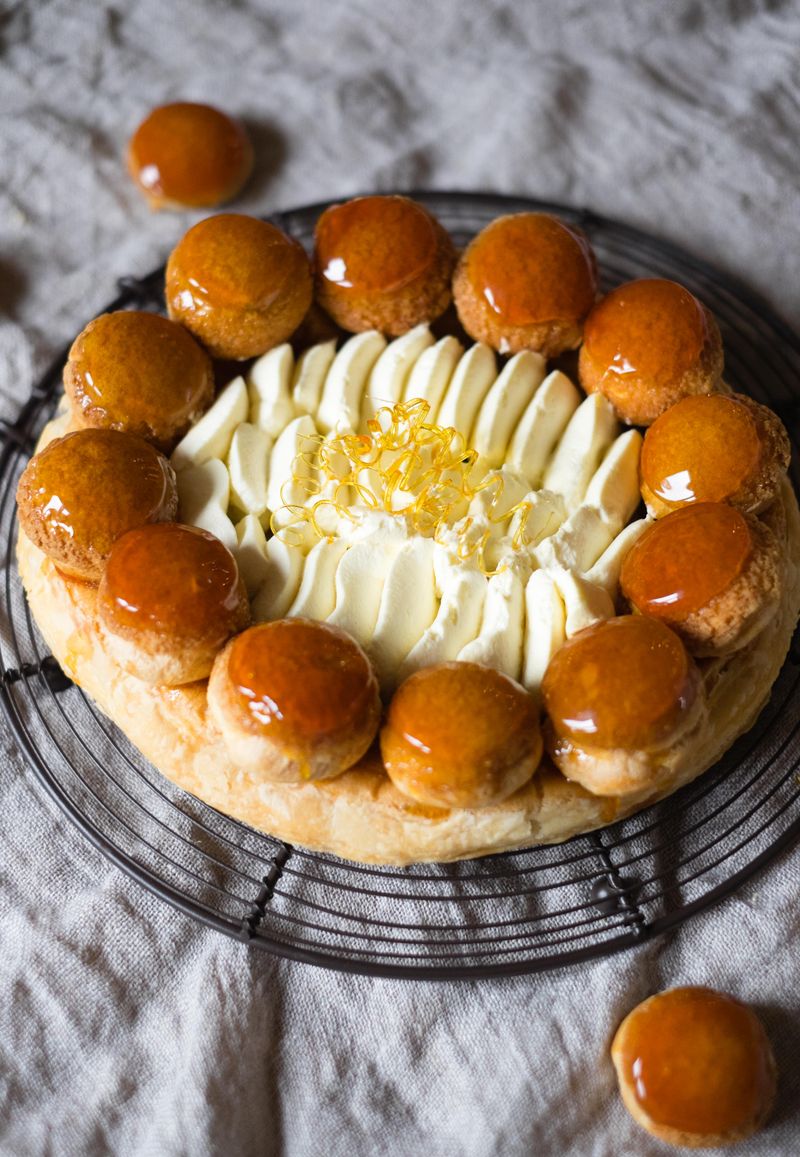
Named after the patron saint of bakers and pastry chefs, the Saint-Honore is one of the most theatrical cakes in French baking. It combines a puff pastry base, caramel-dipped choux puffs arranged in a circle, and a generous pile of light Chantilly cream piped in the center.
Every component requires skill and timing to pull off, which is why it is a true test of a bakery’s talent. Tourists rarely order it, but pastry lovers know it is something special.
16. Navette
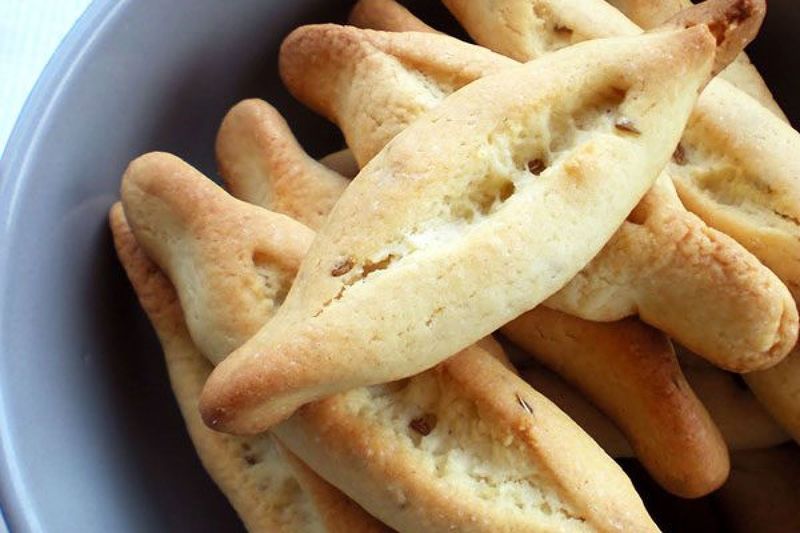
Navettes come from Marseille, and they are one of France’s oldest surviving pastry traditions. Shaped like a little boat, these firm, slightly crunchy cookies are flavored with orange blossom water, which gives them a floral, delicate scent that is completely unlike anything else in a French bakery.
They are not overly sweet, which makes them perfect for dipping in coffee or tea. Most tourists have never heard of them, but locals in Marseille have been eating them for centuries.
17. Merveilleux
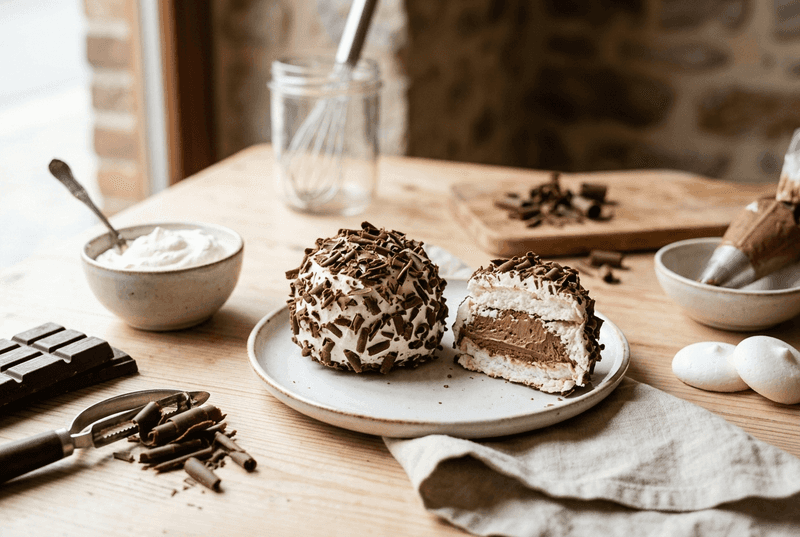
Popular in northern France and Belgium, the merveilleux is a show-stopping pastry made of crisp meringue layers sandwiched with whipped cream, then rolled entirely in chocolate shavings or crushed praline. The name means “marvelous,” and that is not an exaggeration.
The contrast between the crunchy meringue, airy cream, and rich chocolate coating is genuinely surprising. It looks like a fancy dessert from a fine dining restaurant but costs only a few euros at a good bakery.
Absolutely worth seeking out.