
Few settings in cinema are as creepy and captivating as the Victorian era, with its gas-lit streets, shadowy mansions, and dark secrets lurking behind polished manners. Horror films set in this period tap into a world where science and superstition collided, making the scares feel both timeless and deeply human.
Whether you love gothic ghost stories, murderous villains, or monstrous transformations, this list has something to send chills down your spine. Grab a blanket and get ready to revisit some of the most atmospheric horror films ever made.
1. Crimson Peak (2015)
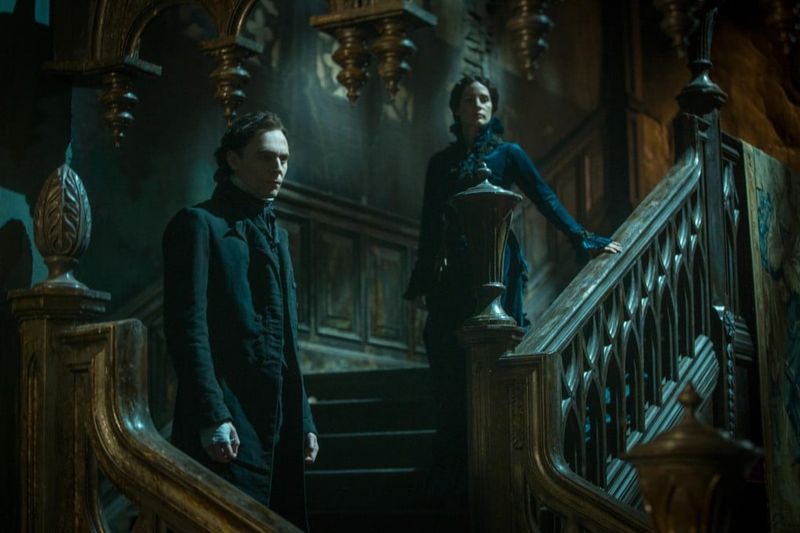
Guillermo del Toro crafted something truly stunning with Crimson Peak, a film where the house itself feels like a living, breathing character. Set at the very tail end of the Victorian era in 1901, every frame drips with gorgeous and terrifying detail.
The ghosts here are not the scariest part – the people are.
Mia Wasikowska, Tom Hiddleston, and Jessica Chastain deliver performances that linger long after the credits roll. Rewatch it for the breathtaking production design alone.
2. The Innocents (1961)
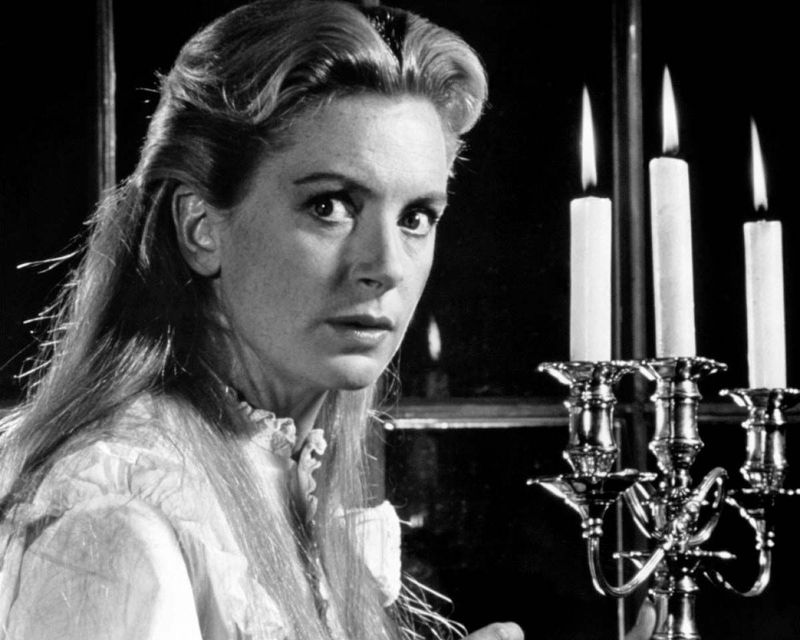
Rarely does a horror film rely so heavily on suggestion and atmosphere rather than outright scares, but The Innocents pulls it off brilliantly. Based on Henry James’ novella The Turn of the Screw, this black-and-white masterpiece follows a governess convinced the children in her care are being haunted – or possessed.
Deborah Kerr is absolutely magnetic in the lead role. The film never fully confirms what is real, which makes it all the more unsettling on a rewatch.
3. Picnic at Hanging Rock (1975)
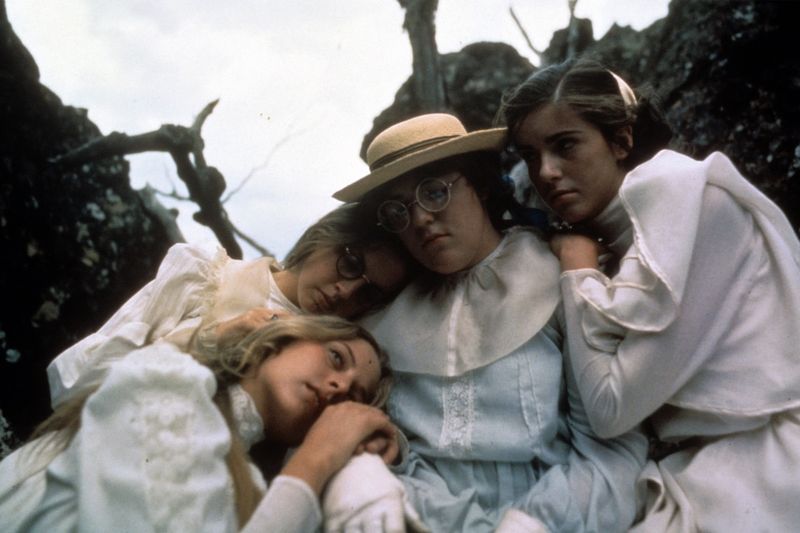
Some horror does not announce itself with a jump scare. Picnic at Hanging Rock creeps under your skin slowly, leaving you breathless and confused in the best possible way.
Set in 1900 Australia, the film follows a group of schoolgirls who mysteriously vanish during a Valentine’s Day outing.
Director Peter Weir uses heat, haze, and silence to build a dread that feels almost hypnotic. Revisiting it reveals new layers of meaning every single time.
4. Bram Stoker’s Dracula (1992)
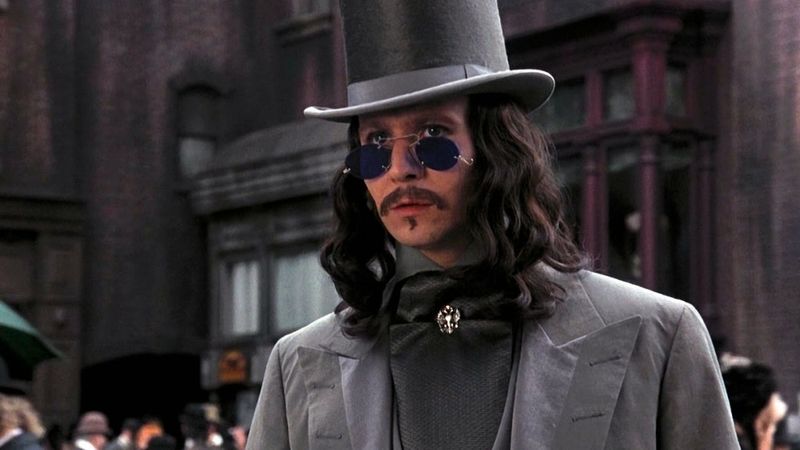
Francis Ford Coppola went all-out with this gloriously theatrical adaptation of the original 1897 novel, and the results are unforgettable. Gary Oldman’s portrayal of Dracula is unlike anything seen before or since – tragic, terrifying, and oddly romantic all at once.
The film stays remarkably faithful to Bram Stoker’s Victorian setting, complete with period-accurate costumes and technology like the phonograph and early cinema. Horror fans who have not revisited this one recently are truly missing out.
5. The Horror of Dracula (1958)
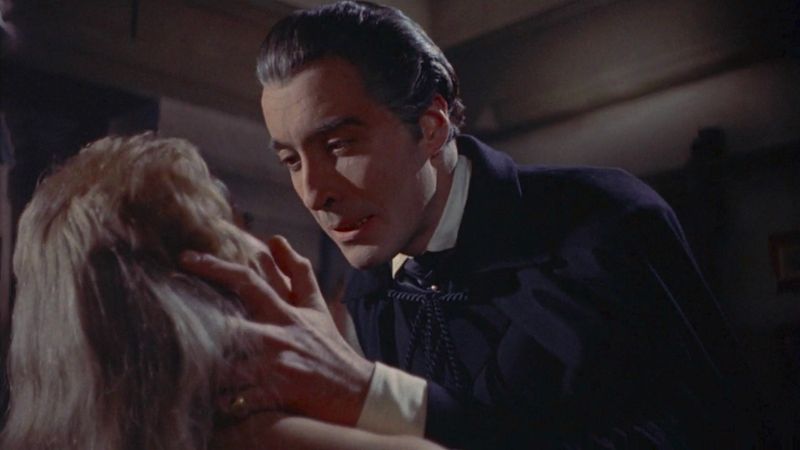
Christopher Lee redefined what a vampire could be in this seminal Hammer Film Production, trading the slow and creepy Nosferatu style for something far more physical and magnetic. Set in the 1880s, the film bristles with energy and a surprisingly modern pacing for its time.
Peter Cushing as Van Helsing is equally compelling, giving the film a thrilling hero-versus-monster dynamic. Hammer Horror fans and newcomers alike will find this one holds up remarkably well after all these decades.
6. Dr. Jekyll and Mr. Hyde (1941)
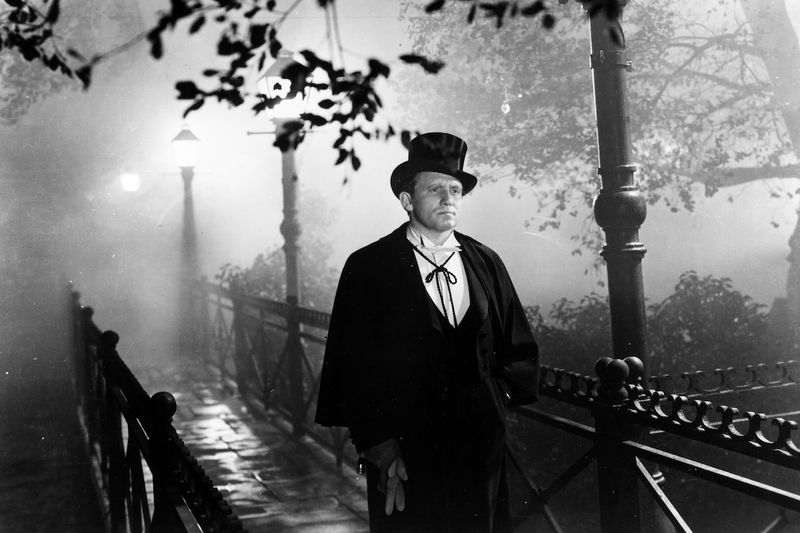
Spencer Tracy takes on one of literature’s most iconic dual roles in this well-crafted MGM adaptation of Robert Louis Stevenson’s novella. Set in Victorian London, the film explores what happens when a brilliant doctor unlocks the darkest corners of human nature through science.
Tracy’s performance is genuinely chilling because the transformation feels psychological as much as physical. The film raises questions about morality and temptation that feel just as relevant today as they did in 1941.
7. Dr. Jekyll and Mr. Hyde (1920)
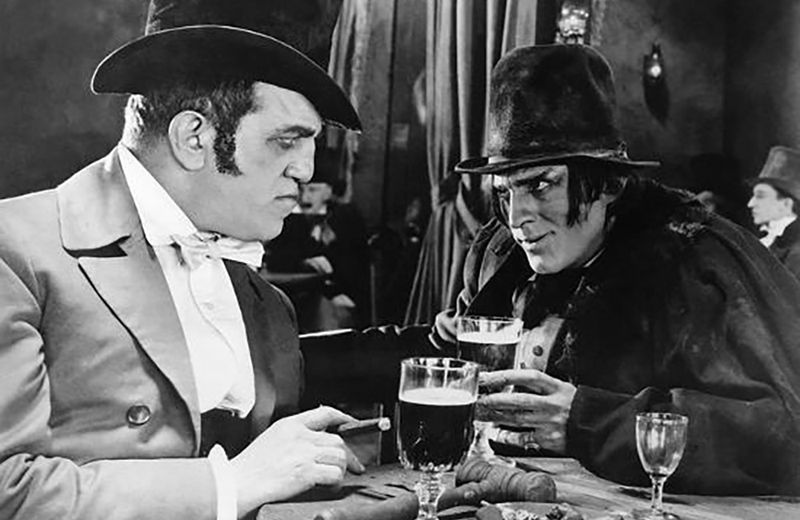
Long before sound came to cinema, John Barrymore delivered a jaw-dropping performance in this acclaimed silent film version of Stevenson’s classic tale. The transformation scenes are still impressive by today’s standards, achieved almost entirely through Barrymore’s incredible physical acting rather than heavy makeup.
Watching this film is like holding a piece of cinema history in your hands. For anyone curious about where modern horror storytelling began, this 1920 gem is a genuinely rewarding place to start.
8. From Hell (2001)
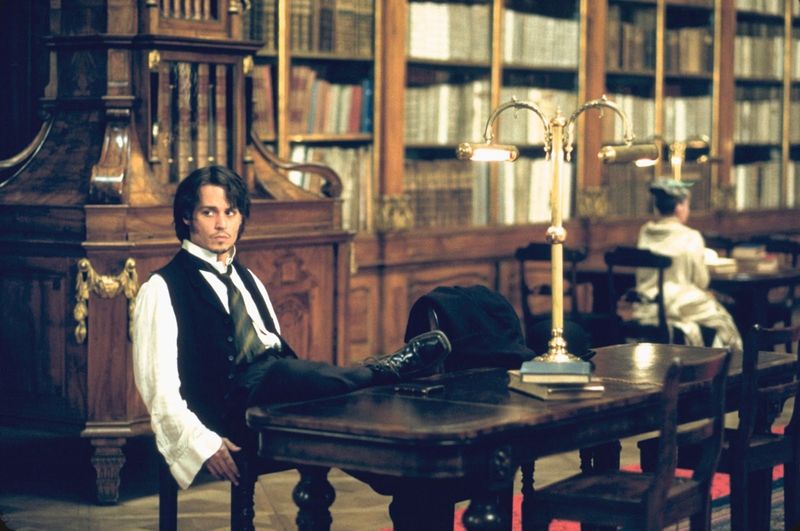
Jack the Ripper remains one of history’s most chilling unsolved mysteries, and From Hell brings the terror of 1888 Whitechapel to vivid, stomach-churning life. The Hughes Brothers directed this adaptation of Alan Moore’s graphic novel with a grim visual style that perfectly captures the grime and despair of the era.
Johnny Depp plays Inspector Abberline with a weary intensity that anchors the film. Rewatching it reveals just how carefully the film weaves real historical detail into its fictional framework.
9. Sweeney Todd: The Demon Barber of Fleet Street (2007)
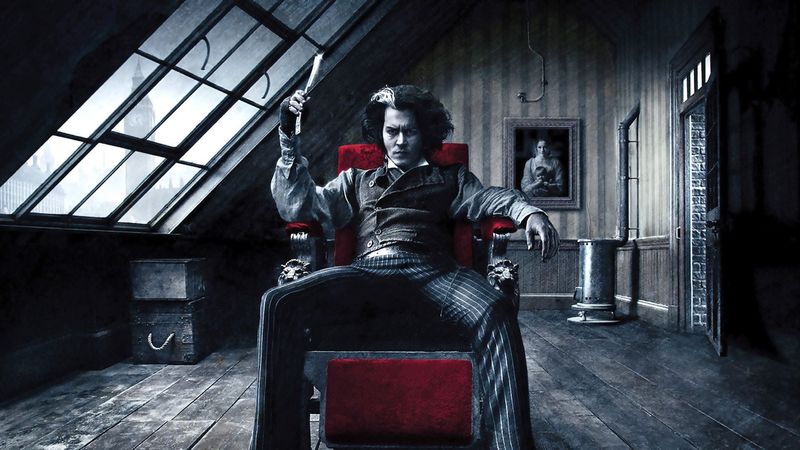
Tim Burton and Johnny Depp teamed up once again to deliver one of the most stylish horror musicals ever committed to film. Sweeney Todd is drenched in Victorian London atmosphere, from the soot-stained buildings to the grotesque pie shop below the barber’s chair.
The songs are genuinely haunting, and the story of revenge gone terribly wrong packs a real emotional punch. Horror fans who have not seen this one in a while might be surprised by how darkly funny and deeply moving it remains.
10. Mary Shelley’s Frankenstein (1994)
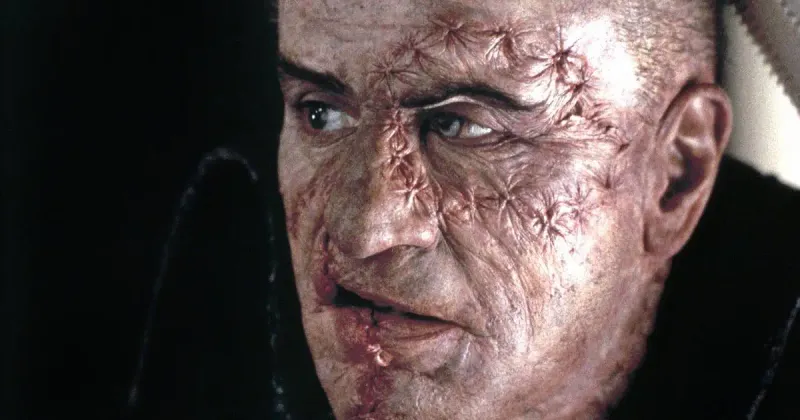
Kenneth Branagh directed and starred in this ambitious retelling of Mary Shelley’s beloved novel, bringing a raw emotional intensity that many earlier adaptations chose to ignore. The film leans fully into the 19th-century gothic horror atmosphere, complete with sweeping Arctic landscapes and candlelit laboratories.
Robert De Niro’s portrayal of the creature is surprisingly touching and complex. For anyone who thinks they already know this story, a fresh rewatch reveals just how much tragedy and moral weight Branagh packed into every scene.
11. Interview with the Vampire (1994)
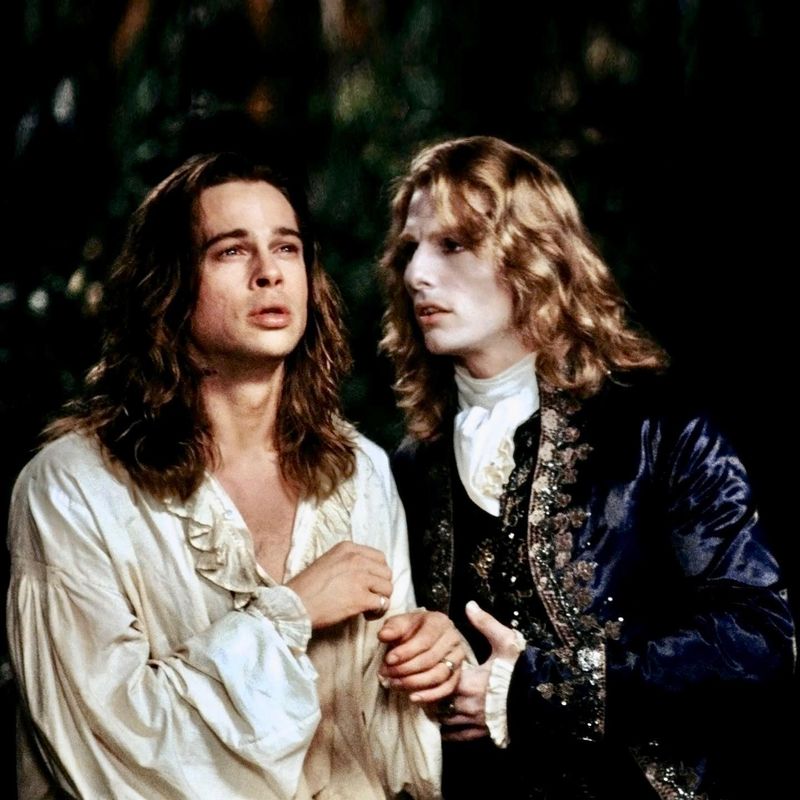
Anne Rice’s beloved novel gets a lush and melancholy big-screen treatment in this star-studded adaptation featuring Tom Cruise and Brad Pitt as centuries-old vampires reflecting on their endless lives. Significant portions of the story unfold during the Victorian era, exploring how immortality shapes morality and identity over time.
Kirsten Dunst, only eleven years old during filming, steals nearly every scene she appears in. Revisiting the film today highlights just how thoughtfully it handles themes of grief, guilt, and the cost of power.
12. The Wolfman (2010)
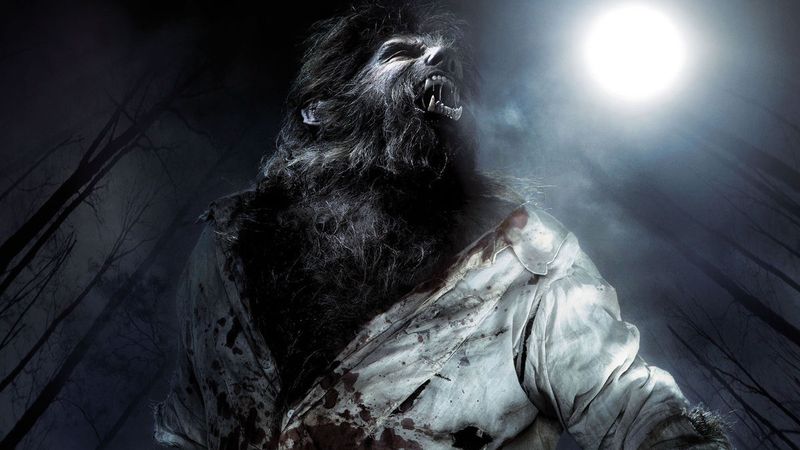
Set explicitly in Victorian England, this remake of the 1941 Universal monster classic brings a brooding, old-fashioned horror sensibility that feels refreshingly sincere. Benicio del Toro stars as Lawrence Talbot, a man who returns to his family estate only to find himself cursed in the most terrifying way imaginable.
Anthony Hopkins adds a layer of unsettling menace as his father. The practical makeup effects used for the werewolf transformation were handled by Rick Baker, a true legend in the craft.
13. Dorian Gray (2009)
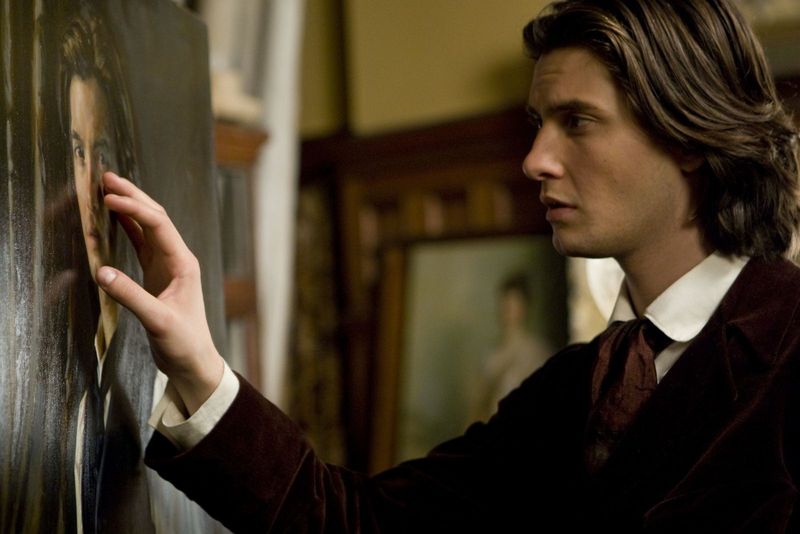
Oscar Wilde’s 1890 novel about vanity, corruption, and supernatural horror gets a stylish and genuinely creepy cinematic treatment in this British production. Ben Barnes plays the eternally youthful Dorian with a charm that slowly curdles into something deeply sinister as the story progresses.
The portrait itself, hidden away and rotting while Dorian stays young and beautiful, remains one of fiction’s most powerful horror concepts. Colin Firth brings elegant menace to the role of Lord Henry Wotton, the man who starts it all.
14. House of Usher (1960)
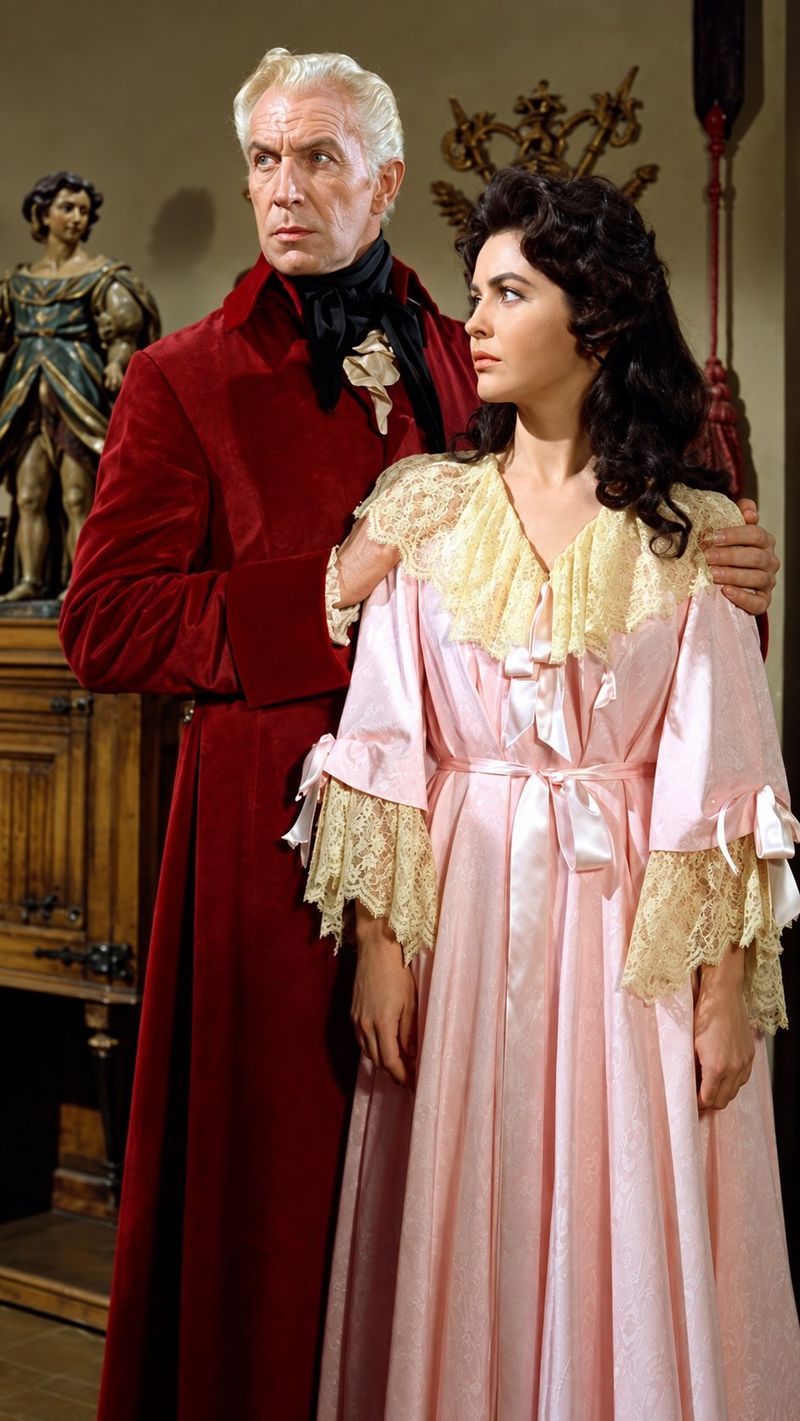
Roger Corman’s adaptation of Edgar Allan Poe’s The Fall of the House of Usher launched a beloved series of Poe-inspired films and proved that gothic horror could be genuinely cinematic and visually striking on a modest budget. Vincent Price is absolutely magnetic as the pale, tormented Roderick Usher.
The film’s slow-burn dread and crumbling mansion atmosphere feel tailor-made for a cozy but unsettling rewatch. Corman wrings every ounce of menace from the 19th-century setting with impressive skill.
15. The Lodger (1944)
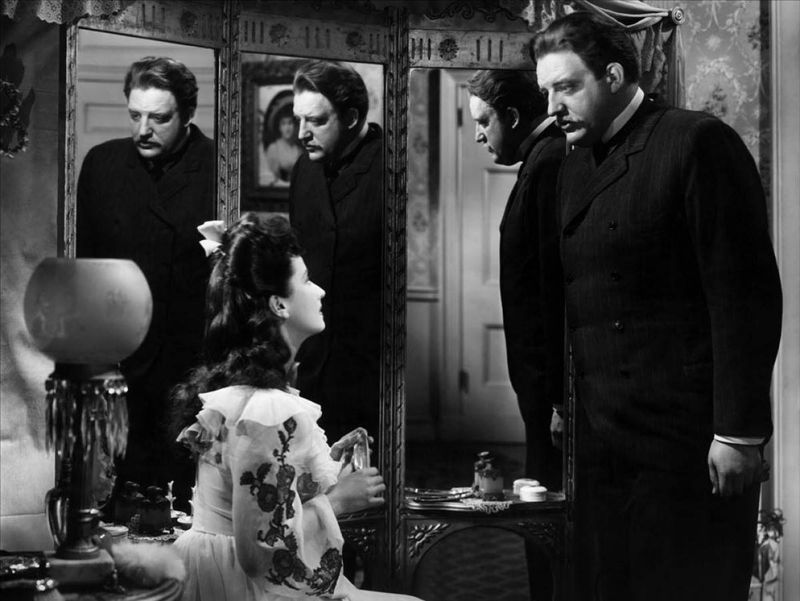
Long before From Hell brought Jack the Ripper to modern audiences, The Lodger offered a chilling fictional take on the infamous 1888 murders through the lens of a family who unknowingly rents a room to a suspicious stranger. Laird Cregar delivers a performance of remarkable intensity and tragic depth.
The film is a masterclass in building tension through suggestion rather than graphic violence. Horror fans with an appreciation for classic Hollywood craftsmanship will find this one a deeply satisfying rewatch.
16. The Phantom of the Opera (1925)
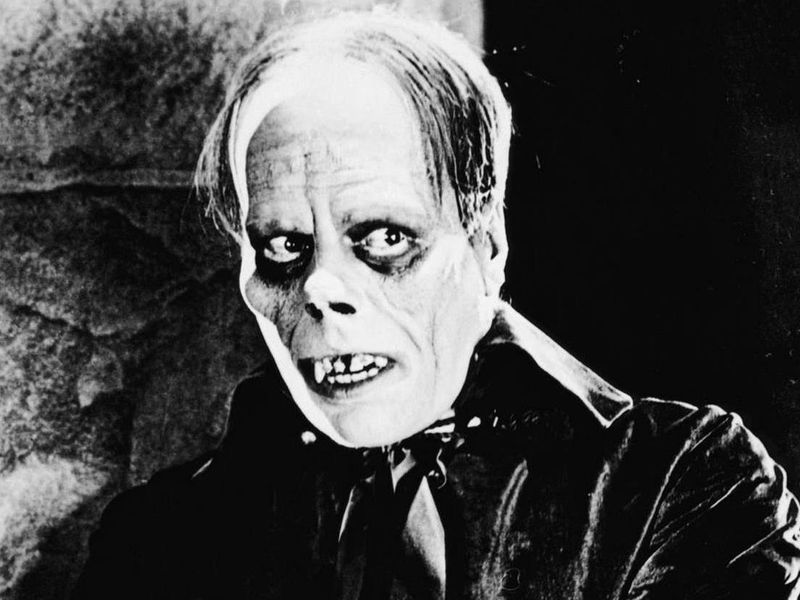
Lon Chaney earned his nickname, the Man of a Thousand Faces, in no small part because of this landmark silent horror film set beneath a grand late 19th-century Parisian opera house. His self-applied makeup for the unmasking scene reportedly caused audience members to scream and faint in theaters.
The film helped define what horror cinema could be and remains a foundational piece of the genre. Watching it today, you can still feel the magnetic pull of Chaney’s unforgettable and deeply human performance.
17. Jack the Ripper (1959)
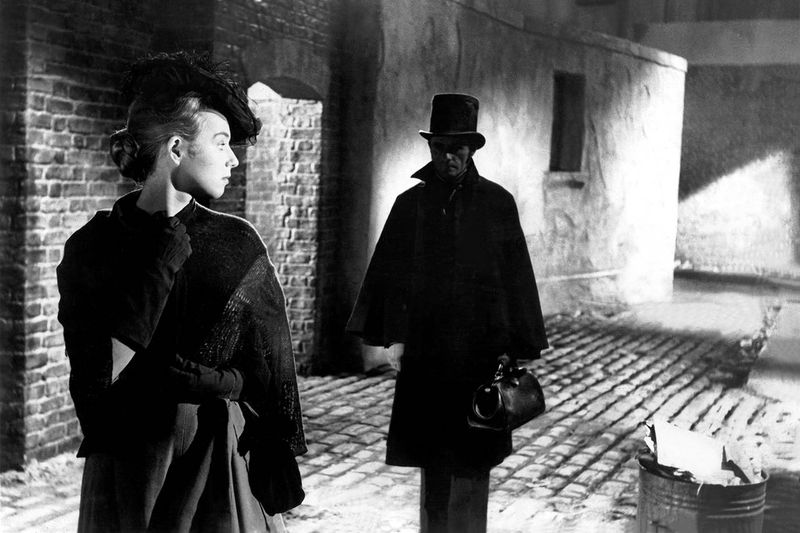
British cinema tackled the Jack the Ripper legend head-on in this gripping 1959 horror film that blends police procedural tension with gothic atmosphere to striking effect. Made just over seventy years after the actual 1888 murders, the film captures the genuine fear and paranoia that gripped London during that terrifying autumn.
The black-and-white photography gives the fog-soaked streets a menacing, claustrophobic quality. For fans of true crime history and classic horror, this underrated gem is well worth tracking down for a late-night rewatch.