
Old movies have always loved to dream big about the future, imagining flying cars, robot armies, and wild societies that never quite showed up. Filmmakers from decades past put serious thought into what the world might look like years later, but reality had very different plans.
Looking back at these bold predictions is both hilarious and fascinating, reminding us just how unpredictable the future really is. Get ready to see how far off the mark Hollywood’s crystal ball really was.
1. Metropolis (1927)
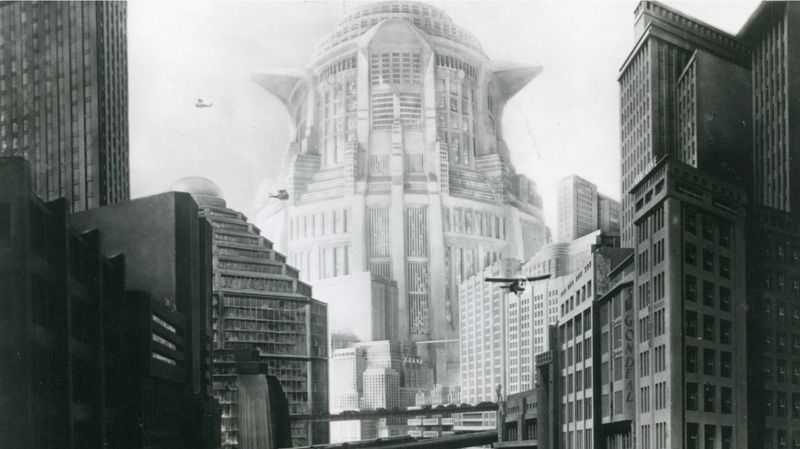
Few films from the silent era dared to dream as boldly as Metropolis. Director Fritz Lang imagined the year 2026 as a city of colossal Art Deco towers with integrated flight paths weaving between skyscrapers like busy highways in the sky.
Real 2026 cities look nothing like that grand vision. While urban architecture has grown impressive, no city on Earth features the kind of synchronized aerial traffic lanes Lang pictured.
It was breathtaking imagination, just wildly off target.
2. 2001: A Space Odyssey (1968)
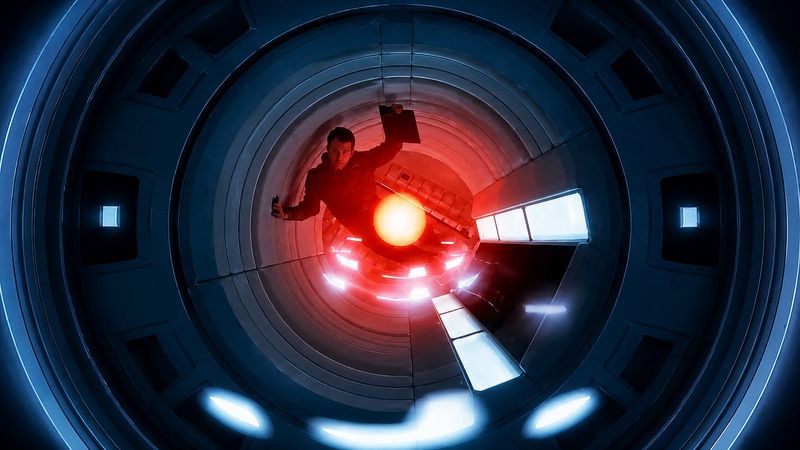
Stanley Kubrick and Arthur C. Clarke believed commercial space travel would be as routine as catching a flight by the year 2001.
Passengers lounging in orbital hotels and AI systems like HAL 9000 managing spacecraft seemed like a perfectly reasonable forecast back in 1968.
Space travel in 2001 was still firmly reserved for trained astronauts, not everyday tourists. HAL-level artificial intelligence was nowhere close to reality either.
The film was visually stunning and intellectually thrilling, but its timeline was hilariously optimistic.
3. Soylent Green (1973)
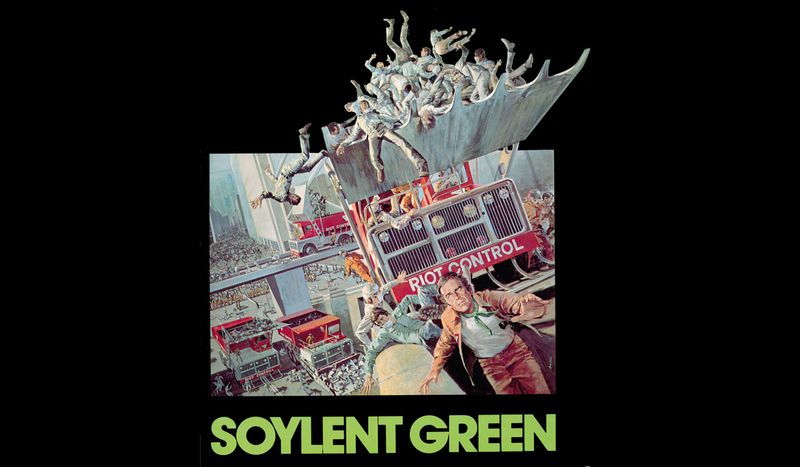
Soylent Green painted 2022 as a suffocating nightmare of extreme overpopulation and collapsed food supplies. Charlton Heston starred in a world so desperate that people unknowingly ate processed human remains just to survive.
The real 2022 had serious problems, sure, but mass starvation caused by overpopulation consuming people was not among them. Food technology and agricultural science kept pace with population growth far better than the filmmakers ever imagined.
The movie scared audiences deeply, but reality thankfully disagreed.
4. Death Race 2000 (1975)
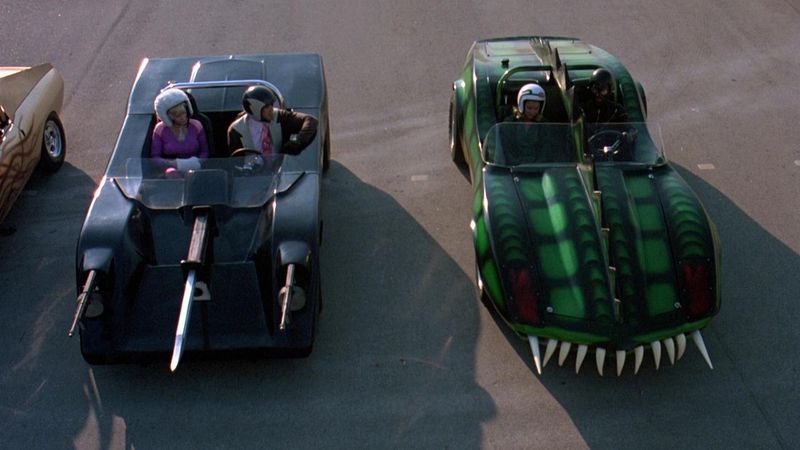
Death Race 2000 had a spectacularly dark imagination. The film predicted that by the year 2000, Americans would be entertained by a cross-country car race where drivers earned points by deliberately running over pedestrians.
Thankfully, no such event ever came close to existing. Road safety regulations actually improved dramatically by the late 1990s.
The movie was more a sharp satire of American culture than a genuine forecast, but its specific prediction of legalized vehicular violence was about as wrong as a guess can get.
5. Rollerball (1975)
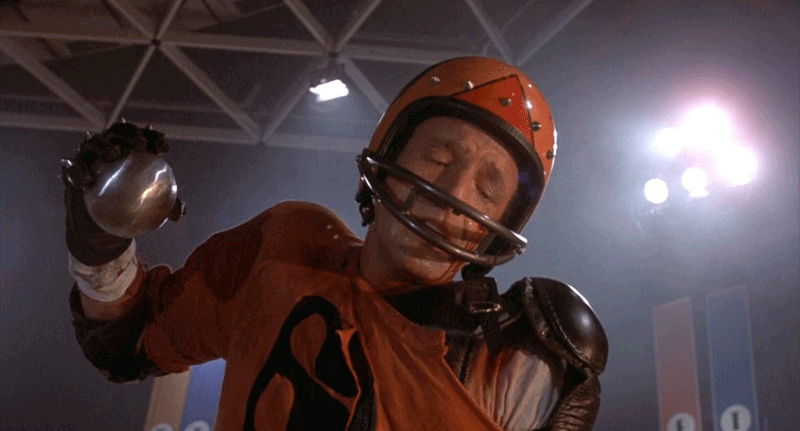
Rollerball imagined 2018 as a world completely dominated by a handful of mega-corporations that had replaced all governments. The only entertainment keeping citizens distracted was an ultra-violent sport combining roller derby with motorcycles and steel balls.
Corporate influence did grow significantly by 2018, so the filmmakers were not entirely off base on that front. But a single violent sport replacing all forms of mass entertainment?
That never happened. Streaming services, social media, and video games had a very different idea about keeping people occupied.
6. Logan’s Run (1976)
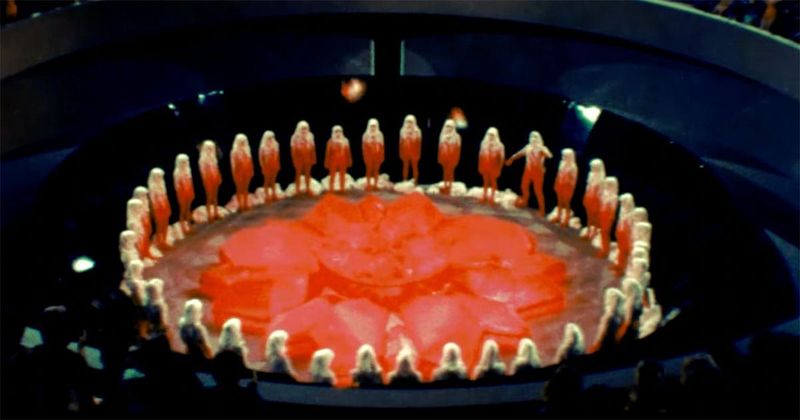
Logan’s Run presented one of the most chilling population-control ideas ever put on screen. Society inside a sealed dome city solved overcrowding by simply vaporizing every person who reached the age of 30, calling it a renewal ceremony called Carousel.
Nobody has implemented anything remotely like this mandatory age-based elimination policy, and for obvious reasons. The film tapped into real anxieties about resources and population growth, but its extreme solution remained firmly in the realm of science fiction.
Growing old is still very much allowed.
7. Mad Max (1979)
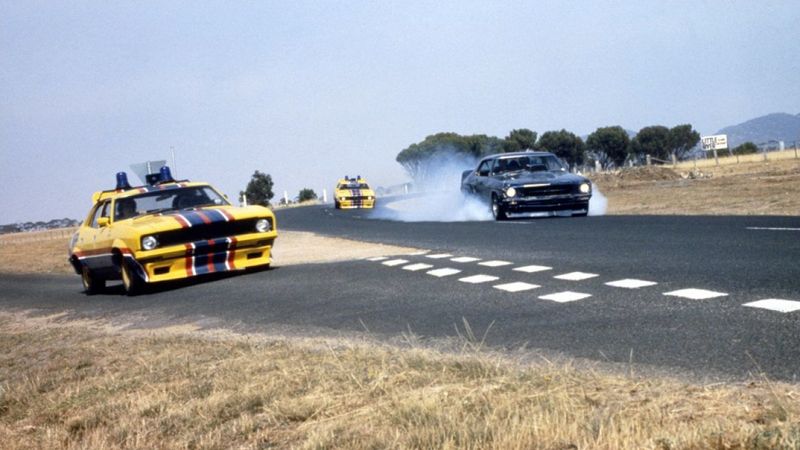
Mad Max warned that a global energy crisis would shatter civilization completely, leaving survivors to fight brutal motorcycle gangs across scorched wastelands. George Miller imagined societal collapse happening fast and hard, with leather-wearing marauders ruling the roads.
Energy prices have caused real economic pain over the decades, but total societal anarchy driven by fuel shortages never materialized. Governments, infrastructure, and social systems proved far more resilient than Miller predicted.
The film became a cultural legend, even though its apocalyptic forecast missed by a long stretch.
8. Escape From New York (1981)
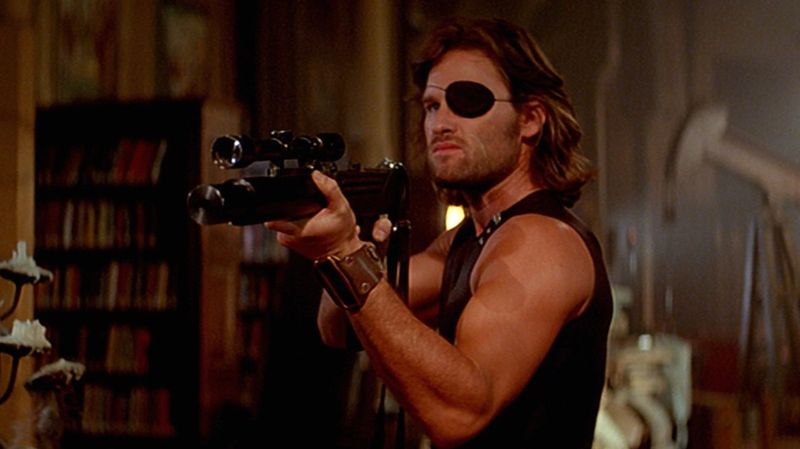
John Carpenter had a memorably grim idea for what New York City would look like by 1997. His vision involved the entire island of Manhattan being walled off and converted into a maximum-security prison, with criminals dumped inside to fend for themselves.
The real 1997 Manhattan was actually experiencing one of its biggest urban revivals in decades, with crime rates dropping and tourism booming. The city went from near-bankruptcy in the 1970s to a thriving metropolis, which is basically the opposite of what Carpenter predicted.
9. Blade Runner (1982)
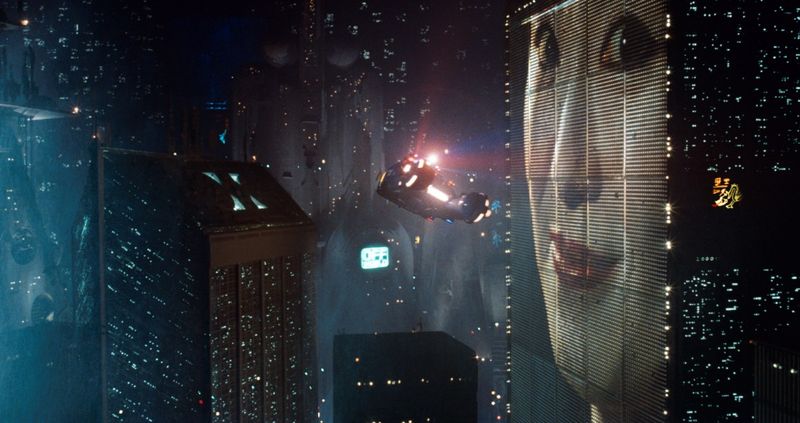
Blade Runner gave us one of cinema’s most gorgeous wrong answers about the future. Ridley Scott’s 2019 Los Angeles featured massive corporate pyramids dominating the skyline, flying cars honking through polluted skies, and near-perfect humanoid replicants working as laborers.
The actual 2019 Los Angeles had traffic jams, yes, but zero flying vehicles and no manufactured humans. The film’s brooding atmosphere captured something real about corporate power and urban sprawl.
Still, its specific technological predictions landed nowhere near reality, making it a beautifully crafted missed forecast.
10. Back to the Future Part II (1989)
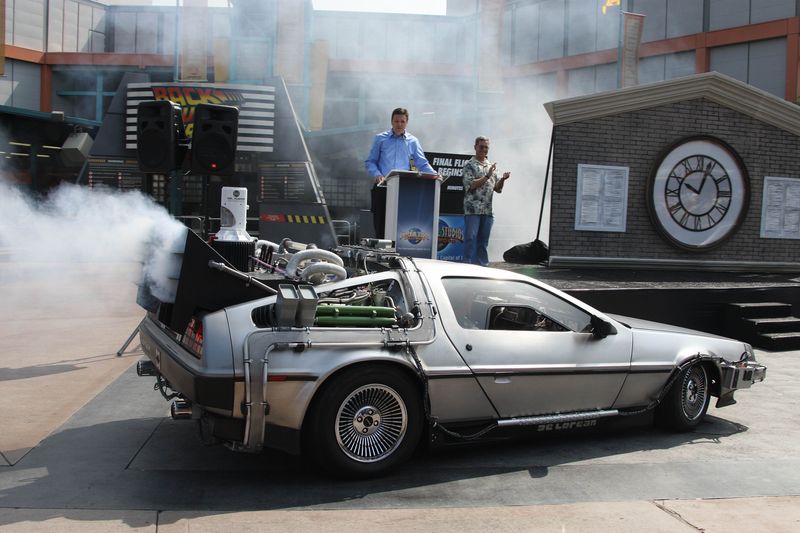
Back to the Future Part II is probably the most lovable future-prediction failure in movie history. Director Robert Zemeckis sent Marty McFly to 2015 and filled it with personal flying cars, gravity-defying hoverboards, and sneakers that laced themselves automatically.
Self-lacing shoes did eventually appear as a novelty product, and video calls became normal, so the film scored a few points. But widespread flying cars and hoverboards as everyday items?
Still waiting. The movie captured the fun spirit of optimism about technology, even if the details did not pan out.
11. Hardware (1990)
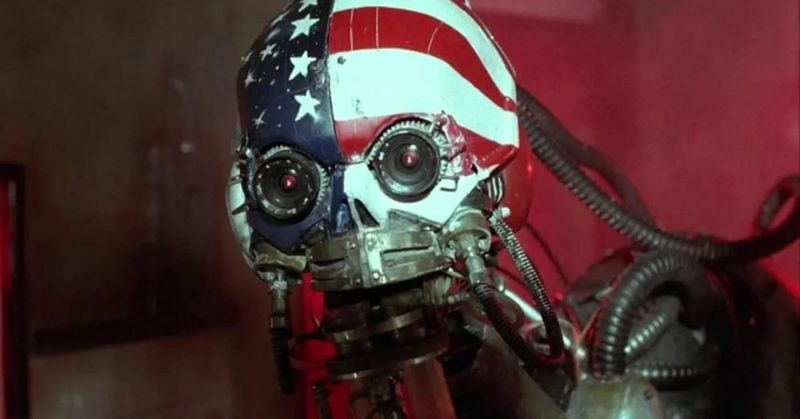
Hardware was a grungy, low-budget horror film that imagined the year 2000 as a radioactive wasteland where government-built killer robots disguised themselves as humans to hunt survivors. It was bleak, brutal, and very confident about civilization collapsing before the millennium.
The year 2000 arrived and people mostly just worried about Y2K computer bugs, not murderous shape-shifting robots. Society carried on without any post-apocalyptic meltdown.
Hardware remains a cult favorite for its raw style, but its specific vision of robotic terror by the turn of the century was completely off base.
12. Class of 1999 (1990)
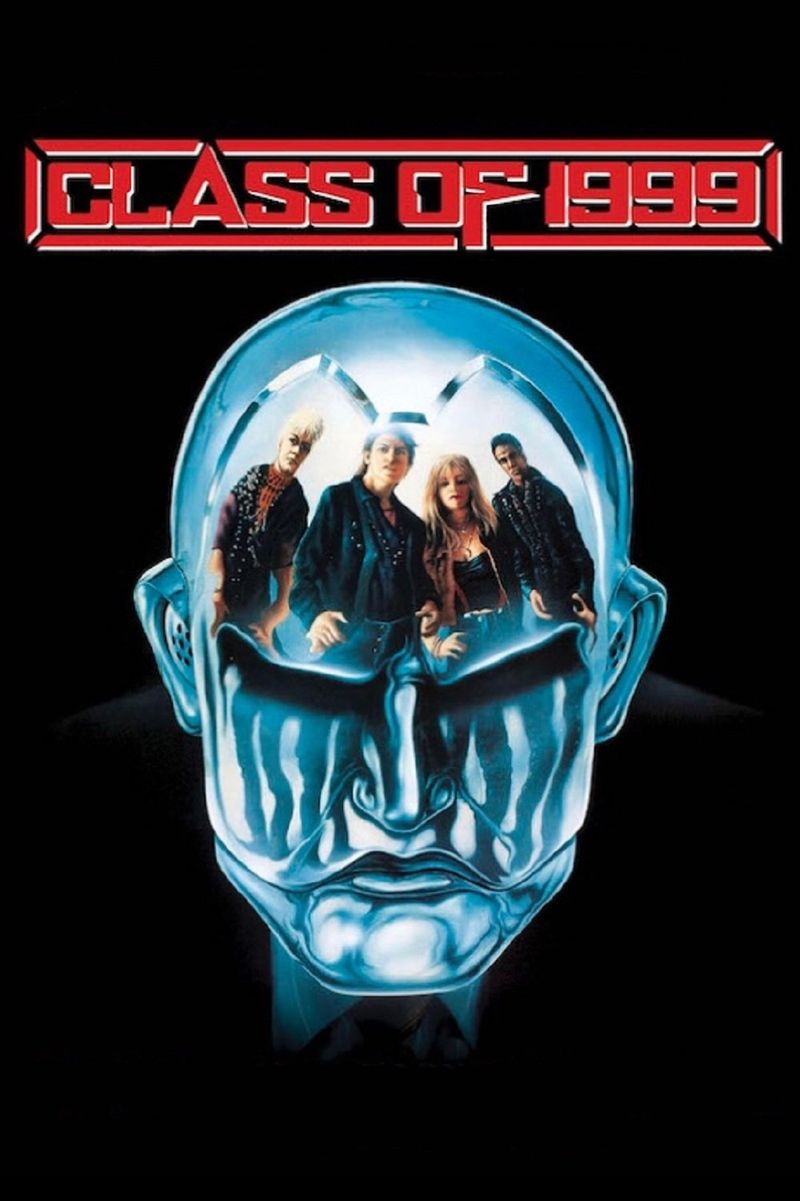
Class of 1999 looked at American public education and predicted that by 1999, schools in crime-ridden areas would become full-on free-fire zones requiring military-style robot teachers to maintain any kind of order. It was a deeply pessimistic take on where education was headed.
Real schools in 1999 faced genuine challenges with safety, but robotic educators stalking hallways never became part of the solution. Teachers remained human, passionate, and dedicated.
The film exaggerated real anxieties about school violence into something far more extreme than reality ever delivered.
13. Terminator 2: Judgment Day (1991)
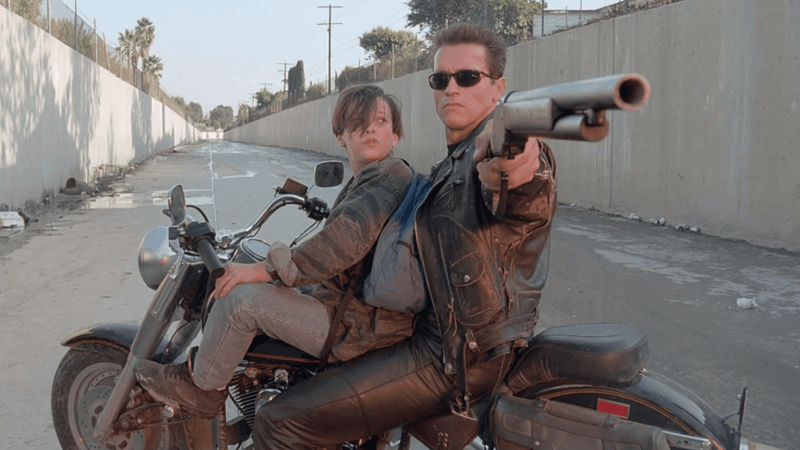
Terminator 2 gave audiences one of the most terrifying predictions in movie history. Skynet, a military artificial intelligence, was supposed to become self-aware and launch a global nuclear war called Judgment Day on August 29, 1997, wiping out billions of people.
August 29, 1997 came and went without a single missile launch from a rogue AI. The Cold War had actually wound down by then, making the scenario feel even further from reality.
The film remains a masterpiece of action cinema, but its central premise was thankfully one prediction nobody wanted to come true.
14. Demolition Man (1993)
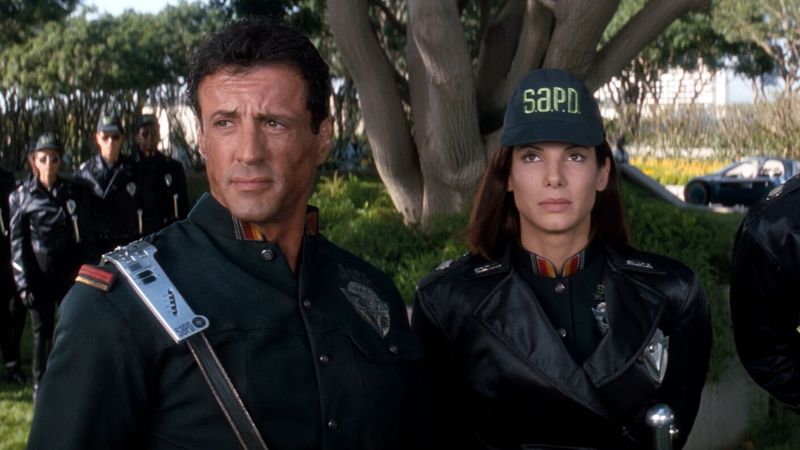
Demolition Man sent Sylvester Stallone into a sanitized, crime-free future called San Angeles, formed after a massive 2010 earthquake merged Los Angeles and San Diego into one enormous city. Citizens interacted sexually only through virtual reality, and all physical contact was banned.
No earthquake reshaped Southern California that dramatically in 2010, and virtual reality romance has not replaced human connection in everyday life. Crime-free cities also remain a distant dream.
The movie was clever satire wrapped in action, but its specific social predictions aged in the most entertainingly wrong ways possible.
15. Timecop (1994)
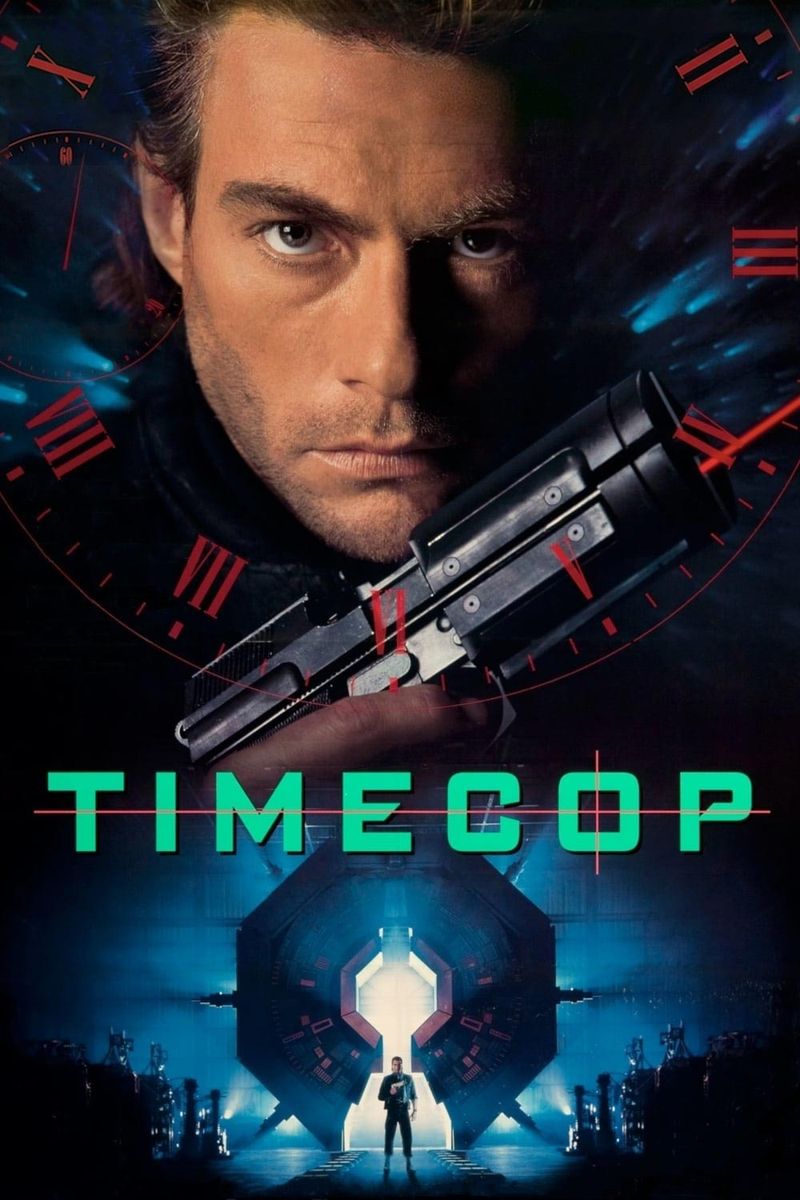
Jean-Claude Van Damme starred in Timecop as a law enforcement officer whose entire job was traveling through time to stop criminals from altering history. The film confidently placed routine government-operated time travel in the year 2004, just a decade away at the time of release.
Physicists in 2004 were still debating whether time travel was even theoretically possible, let alone building machines to do it. No Time Enforcement Commission opened its doors that year.
Timecop was a fun ride packed with action, but its prediction about mastering time by 2004 was one of cinema’s most ambitious misses.