
Your favorite classic TV shows may have taught you more fiction than fact. Many beloved series were set in real historical periods but quietly swapped out accurate details for convenience, drama, or just plain laziness.
From wrong weapons to made-up characters, the changes slipped right past millions of viewers. Get ready to look at some iconic shows in a whole new way.
1. M*A*S*H and the Helicopter That Did Not Belong
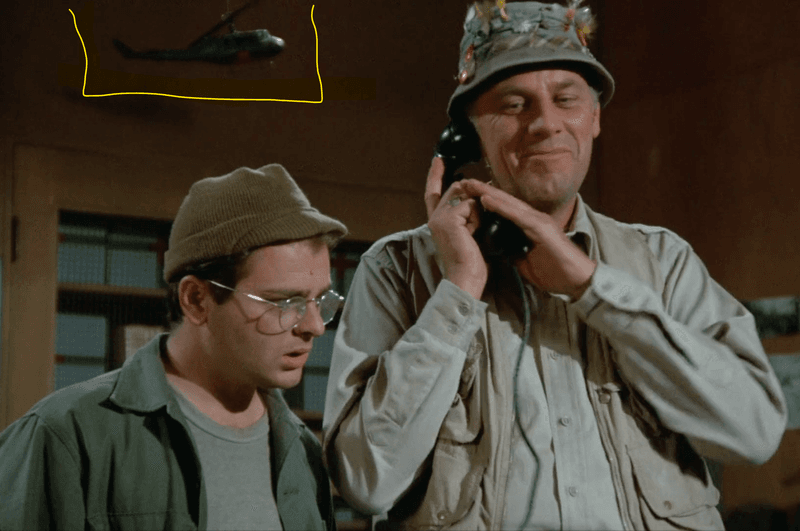
Few shows bent history as boldly as M*A*S*H, which was set during the Korean War from 1950 to 1953. The “Huey” helicopter shown throughout the series was actually a Vietnam War-era aircraft, not something used in Korea.
Early episodes even placed a Huey model in Henry Blake’s office before producers quietly removed it.
Characters also drank from aluminum beer cans, which were not invented until the late 1950s. Small details, big historical stretch.
2. M*A*S*H’s Comic Books and Pop Culture Mix-Ups
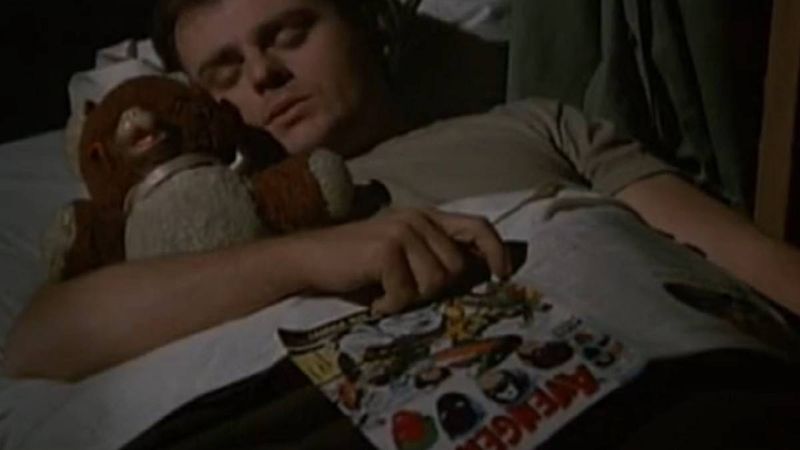
Radar O’Reilly was often spotted reading “Captain Savage and His Battlefield Raiders!” on M*A*S*H, which sounds perfectly fitting for a soldier. The problem?
That comic was not published until 1968, well after the Korean War ended.
Other slip-ups included references to the Mickey Mouse Club theme, which debuted in 1955, and the movie “The Ugly American,” published in 1958. Characters even discussed Godzilla before the film officially existed.
The show was practically a time machine.
3. M*A*S*H Forgot Where Korea Actually Is
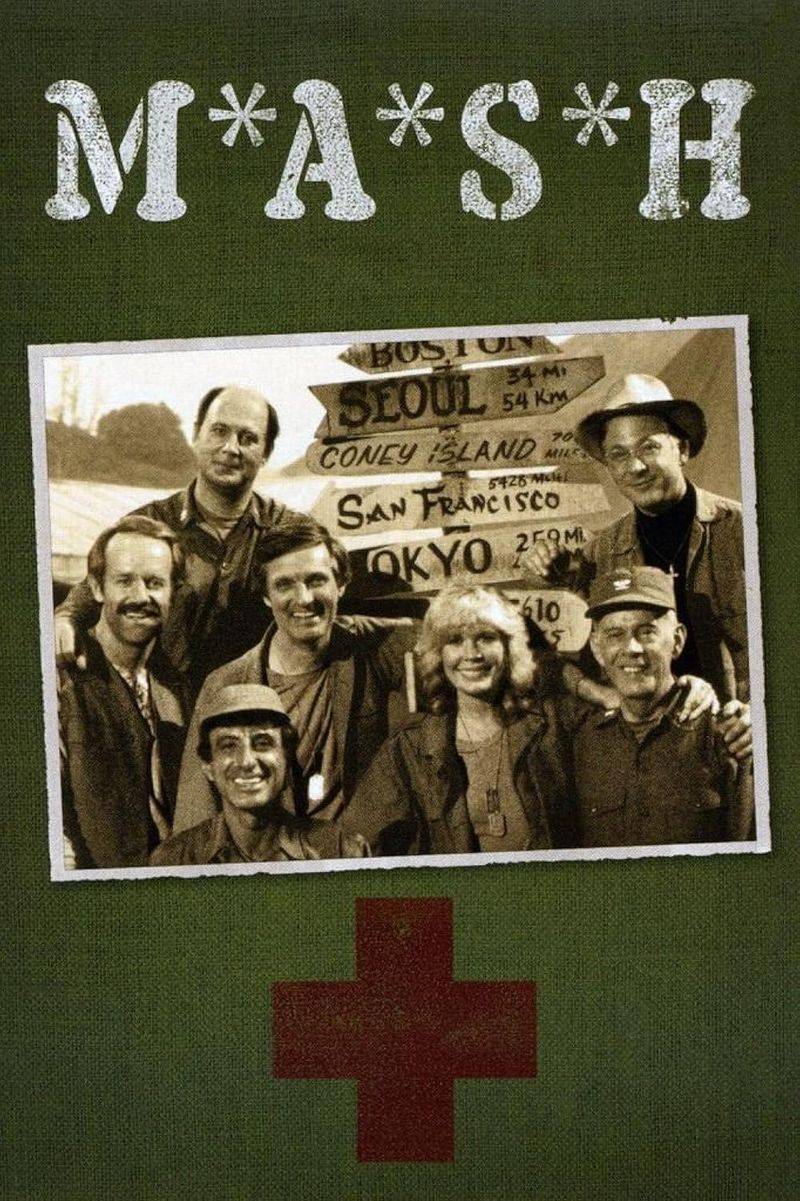
Early M*A*S*H episodes casually referred to Korea as being in Southeast Asia, which is simply not true. Writers also described jungles in Korea, which do not exist on the mainland.
Those kinds of landscape details were far more accurate for Vietnam, the war clearly on everyone’s minds when the show aired.
Geography was not the only issue. Some uniforms worn on screen were Army Green styles introduced in 1954, meaning they arrived after the war they were supposed to represent.
4. Little House on the Prairie Rewrote the Ingalls Family Story
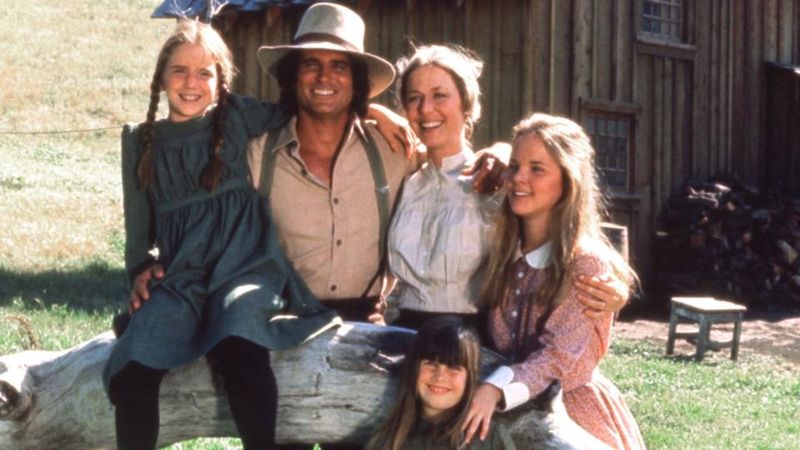
Little House on the Prairie made the Ingalls family feel like real American pioneers, but the show took serious creative liberties. Mary Ingalls never married in real life, though the show gave her a husband and a whole new life chapter.
Carrie Ingalls was also born in August, not on Christmas Day as the series dramatically portrayed.
Real history was basically a starting point, not a rulebook. The show used the family name while inventing much of the story around it.
5. Little House Invented Characters Who Never Existed
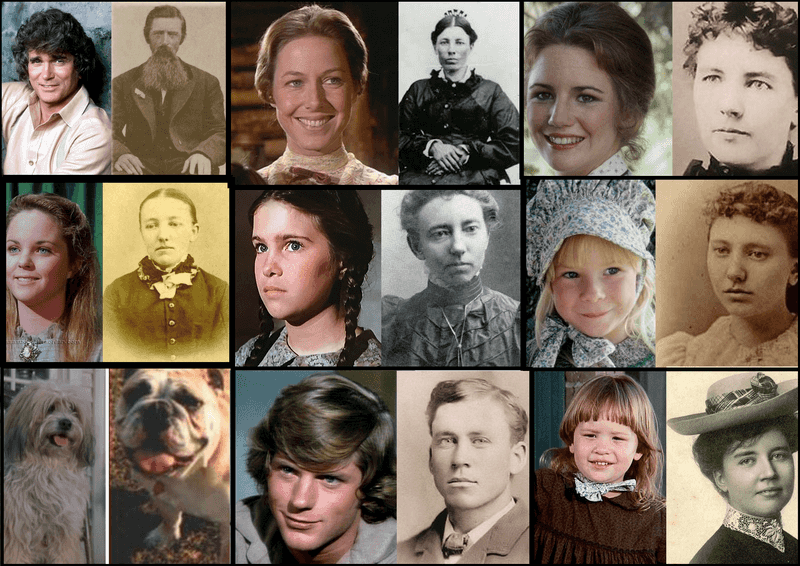
Albert, James, Cassandra, and Jenny Wilder were all completely made-up characters added to Little House on the Prairie for dramatic effect. None of them appeared in Laura Ingalls Wilder’s real memoirs or historical records.
The writers needed more storylines and simply invented new family members.
Even Nellie Oleson, one of the show’s most memorable characters, was a composite of several real people rather than one actual individual. Her storyline of marrying a Jewish man and having twins was entirely fictional.
6. Little House Got Mary’s Blindness Wrong
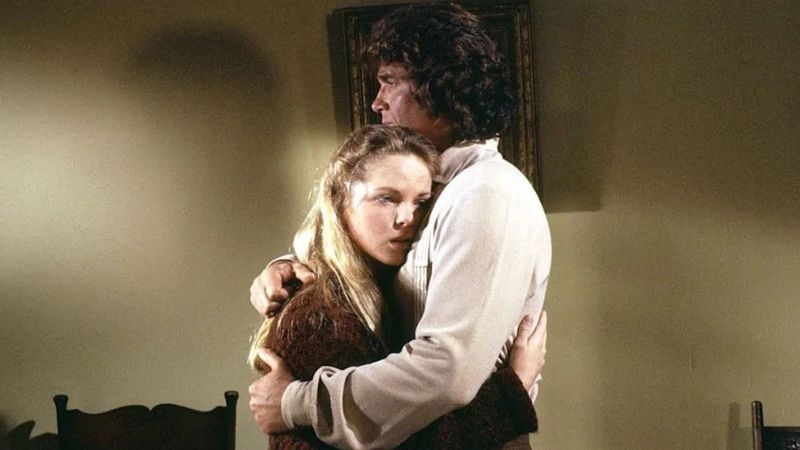
Mary Ingalls going blind is one of the most emotional storylines in Little House on the Prairie. The show blamed scarlet fever, following the same explanation used in Laura’s books.
However, medical historians now believe the real cause was meningoencephalitis, a serious brain inflammation that can damage the optic nerve.
It is a small but meaningful difference. Scarlet fever made for a more familiar diagnosis that audiences could recognize, even if the science pointed somewhere else entirely.
7. Bonanza’s Cowboys Carried Guns From the Wrong Decade
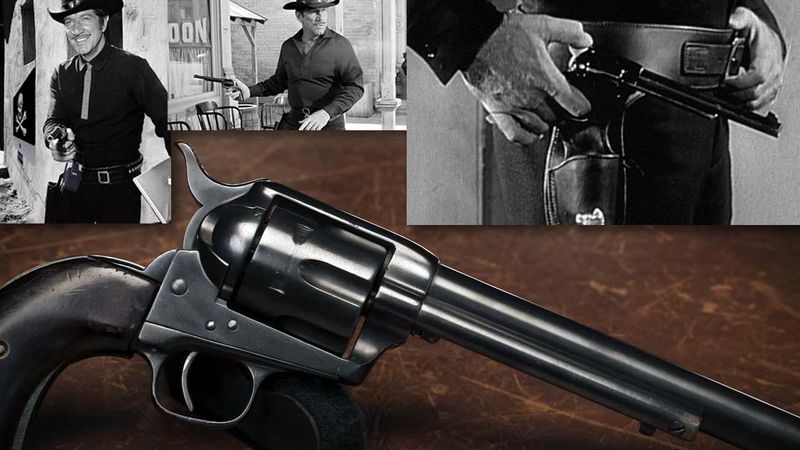
Bonanza was set in the 1860s near Virginia City, Nevada, but the Cartwright family regularly carried the 1873 Colt Single Action Army revolver. The math does not work.
That gun was not manufactured until a full decade after the show’s timeline, making every holster draw a quiet little history error.
Early seasons did use more accurate cap-and-ball guns, but producers eventually switched to later models because they were much easier to use with blank ammunition during filming. Convenience beat accuracy.
8. Bonanza Drew Its Ranch Map Completely Wrong
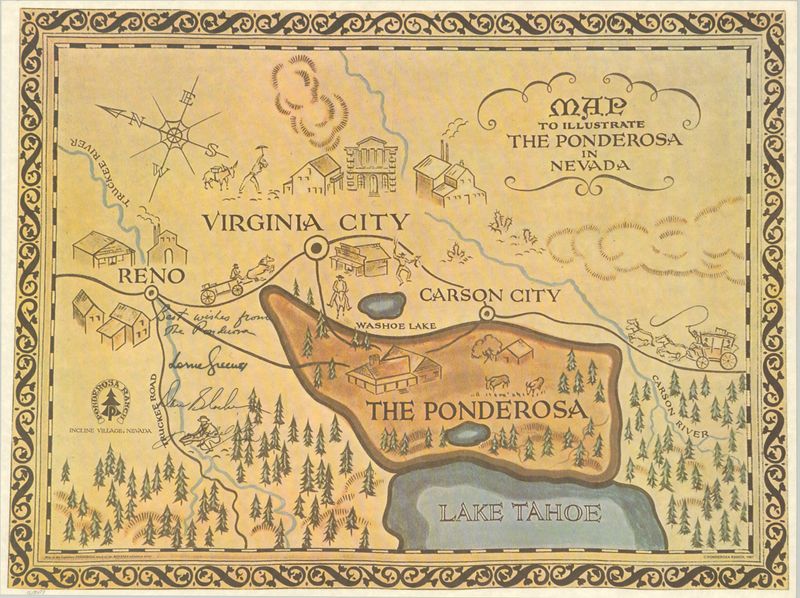
The famous Ponderosa Ranch map shown during Bonanza’s opening credits had a glaring problem: the compass bearings were drawn incorrectly. Rather than going back and fixing the actual map artwork, producers took the easier route and simply altered the compass rose on the map itself.
It sounds like something a kid might do on a homework assignment, but this was a prime-time Western watched by millions. The Cartwrights rode tall, even when their geography was quietly off by quite a bit.
9. Hogan’s Heroes Joked Through a Historically Dark Setting
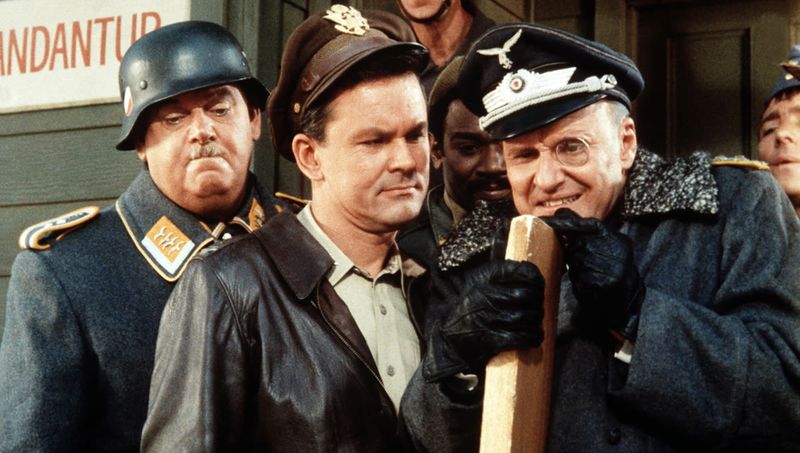
Hogan’s Heroes turned a German POW camp into a comedy playground, which was controversial from day one. Beyond the tone, the show also sprinkled in anachronistic pop culture references.
The cartoon character Speedy Gonzales was mentioned in the show, but that character did not debut until 1953, well after World War II ended.
The series also referenced fictional American military units. Unit numbers like the 182nd and 151st simply did not exist in the real U.S.
Army during the war.
10. Hogan’s Heroes Put Poison Ivy in Europe

Colonel Hogan once warned Sergeant Carter to watch out for poison ivy, which seems like practical outdoors advice until you realize poison ivy does not grow in Europe. The plant is native to North America, making that warning completely out of place for a camp set in Germany.
Small botanical blunders like this reveal how the writers were thinking from an American perspective rather than actually researching European geography and plant life. Still, the show ran for six seasons and fans loved every episode.
11. The Brady Bunch House Was Already Old When the Show Began
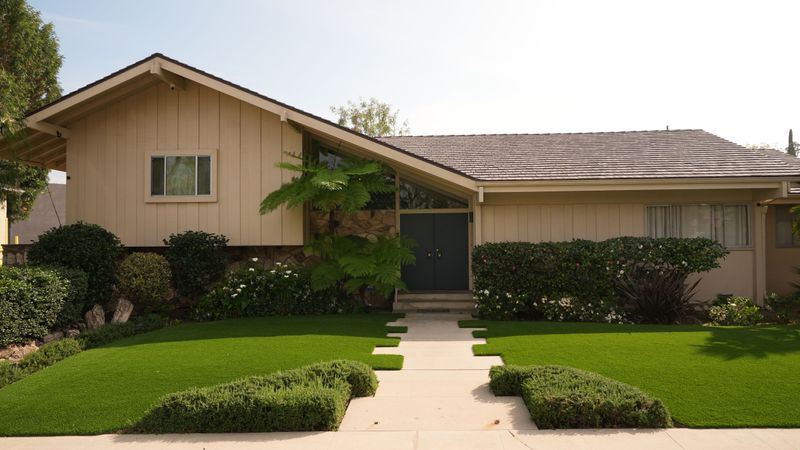
The Brady Bunch premiered in 1969 and presented itself as a portrait of modern American family life. However, the house used for all those exterior shots was actually built back in 1959, a full decade before the show even started.
That makes the iconic Brady home a vintage property dressed up as something fresh and contemporary.
Viewers never questioned it, and why would they? The house looked perfectly normal on screen.
Sometimes the best historical slip-ups are the ones hiding in plain sight.
12. The Andy Griffith Show Lived in the Wrong Decade
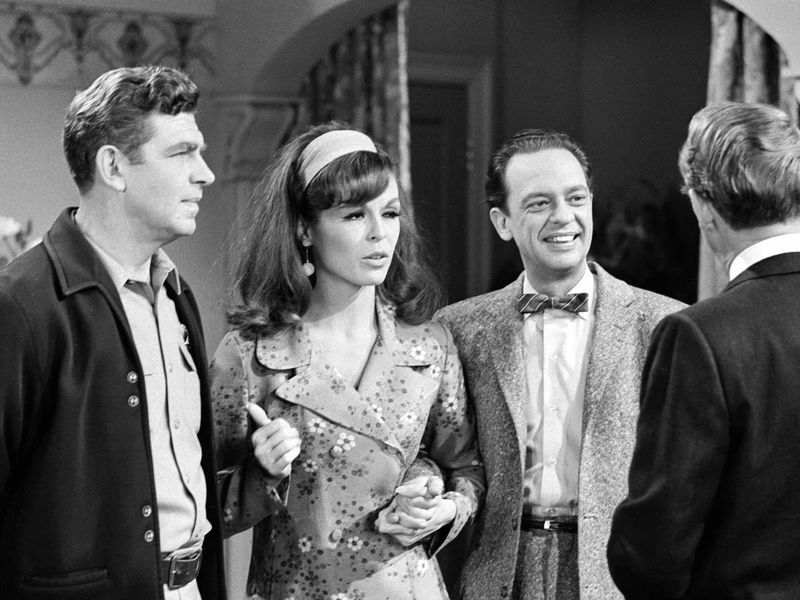
The Andy Griffith Show was technically set in the 1960s, but the whole series felt like a loving postcard from the 1930s. That was completely intentional.
The creators wanted to capture a “time gone by” atmosphere, giving audiences a cozy, slower world that felt more like their grandparents’ era than their own.
Mayberry never really existed in any specific decade. It was a nostalgic dreamscape stitched together from memories and wishful thinking, which is exactly why so many viewers found it so comforting to watch.
13. Gilligan’s Island Forgot Two of Its Own Characters
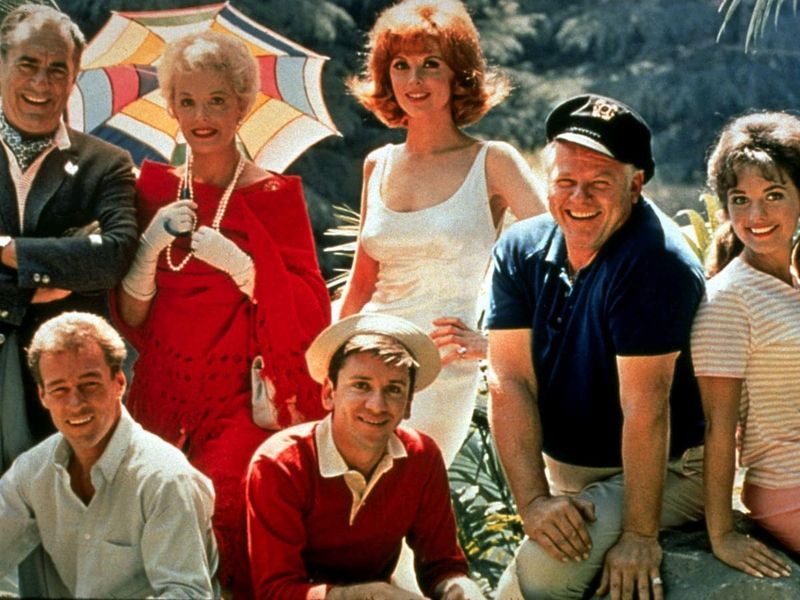
When Gilligan’s Island first aired its pilot, the theme song lyrics did not mention the Professor or Mary Ann at all. Those two characters were simply left out of the song entirely.
It took actor Bob Denver, who played Gilligan, to push for their inclusion in later seasons.
Once the change was made, the Professor and Mary Ann became permanent parts of the famous tune. It is a quirky reminder that even the most iconic TV moments were sometimes fixed after the fact.
14. Gilligan’s Island Quietly Honored a National Tragedy
After President John F. Kennedy was assassinated in November 1963, Gilligan’s Island made a quiet and respectful change to its opening title sequence.
A U.S. flag shown at half-mast was added to the scene of the Minnow leaving port, honoring the national period of mourning.
Most viewers probably never noticed it, but the detail was there. A silly comedy show paused just long enough to acknowledge a real-world heartbreak, blending entertainment history with actual American history in a surprisingly touching way.
15. Bonanza’s Men Were Too Clean-Shaven for the 1860s
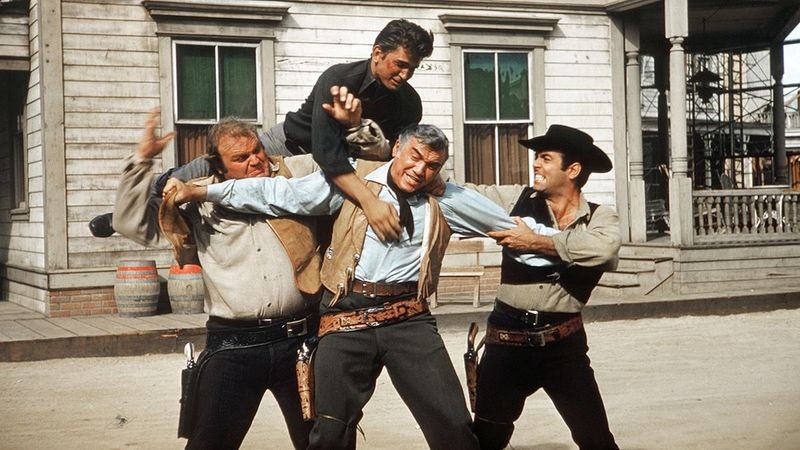
Walk through any photograph from the 1860s and you will notice one thing immediately: men had a lot of facial hair. Beards and mustaches were everywhere, partly because running water was scarce and daily shaving was genuinely difficult.
Bonanza, however, kept most of its male characters remarkably clean-shaven throughout the series.
It was a grooming choice that made the cast look more like 1960s TV stars than authentic frontier ranchers. Audiences accepted it without a second thought, which says a lot about TV’s power to shape expectations.
16. Little House Ignored Major Inventions of Its Own Era
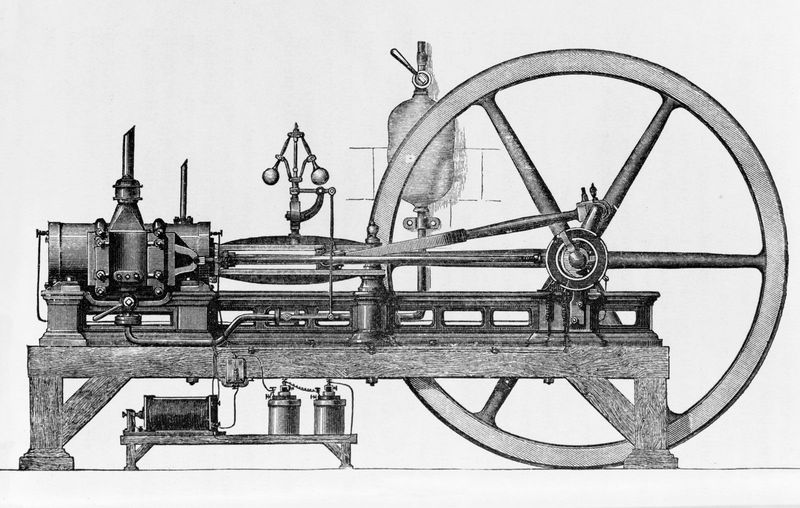
Little House on the Prairie was set between the 1870s and 1890s, a period that actually saw some of history’s most exciting inventions. Thomas Edison introduced the light bulb in 1879, the phonograph arrived around the same time, and photography was rapidly advancing.
The show mostly ignored all of it.
Life in Walnut Grove stayed frozen in a simpler, earlier version of pioneer life. Keeping the setting low-tech made for better storytelling, but it quietly erased a surprisingly innovative chapter of American history.
17. M*A*S*H’s Fashion Was Stuck in the 1970s, Not the 1950s
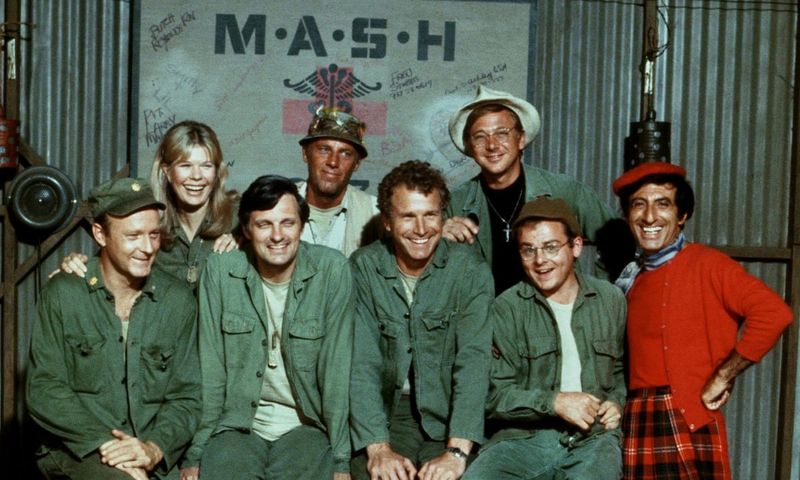
M*A*S*H was filmed in the 1970s and early 1980s, and that era’s fashion sense crept right into the Korean War setting. Many actors wore their hair in longer, shaggier styles that were trendy in the 1970s but would have been completely out of regulation for U.S.
Army soldiers in 1950.
Major Margaret “Hot Lips” Houlihan was also frequently seen with long fingernails, which would have violated Army protocol. The show nailed the emotional tone of wartime but let personal grooming slide right through the wardrobe department.
18. Little House Changed Where the Ingalls Family Actually Lived
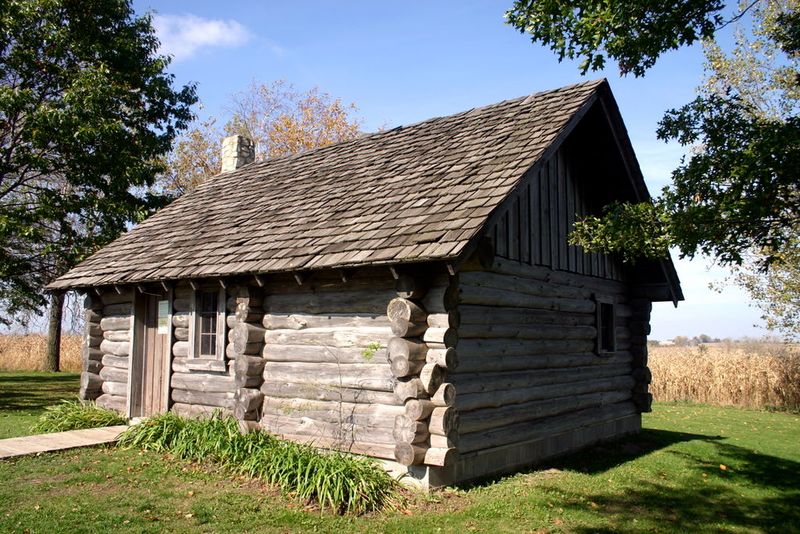
The real Ingalls family did not spend nearly as much time in Walnut Grove, Minnesota, as the show suggested. Their actual stay there was much shorter, and they moved around frequently, sometimes heading back east rather than always pushing west like classic pioneer stories tend to show.
Independence, Kansas, also played a bigger role on screen than it did in real life. The show turned a complicated, restless family history into a single rooted community story, which made for great TV but softened the harder truths of frontier life.
19. Bonanza’s Clothing Did Not Match Its Own Timeline
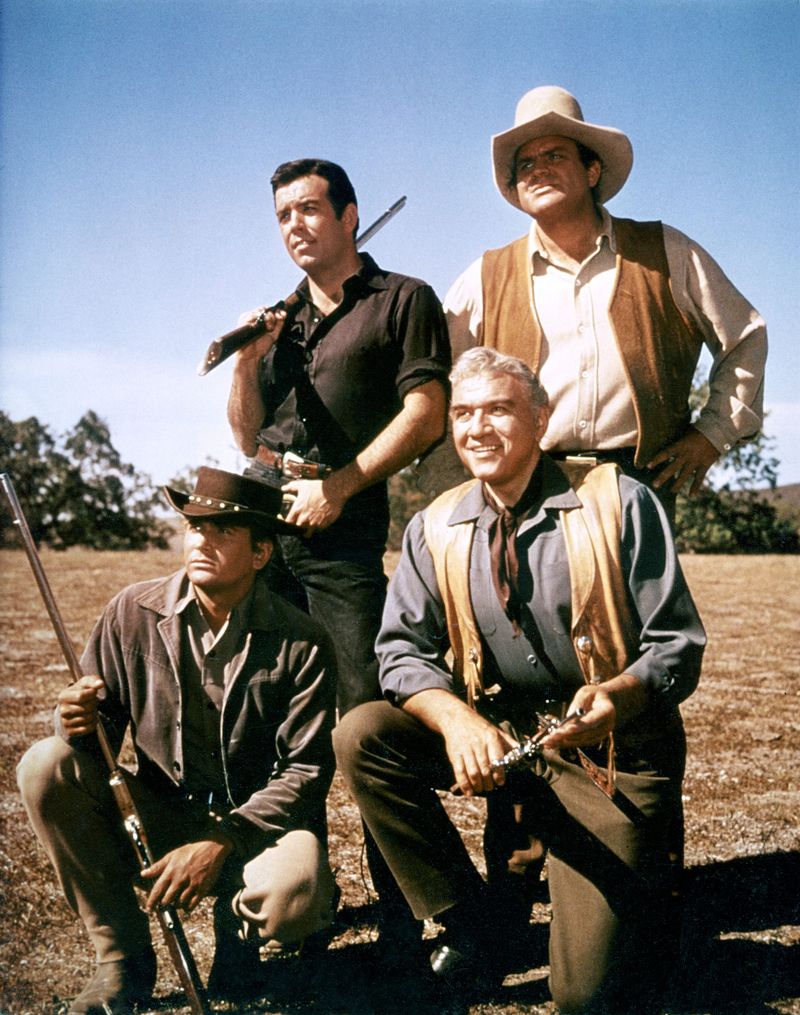
Getting a TV Western’s costumes perfectly right is tricky, and Bonanza did not always manage it. The clothing worn by characters throughout the series did not consistently reflect the actual fashion of the 1860s.
Saddle styles used on the show were also not always accurate to the period being depicted.
Costume departments in early TV production often worked fast with limited budgets, pulling from whatever was available. The result was a show that looked like the Old West while quietly wearing pieces from several different decades at once.