
Growing up, almost every kid had at least one fear that felt absolutely real, even if adults tried to convince them otherwise. From shadowy closets to pool sharks and killer bees, childhood was full of things that made our hearts race.
Looking back now, some of these fears seem pretty funny, but at the time they were completely terrifying. Whether you were a kid in the 1970s, 80s, or 90s, chances are you will recognize more than a few of these classic childhood frights.
1. Monsters Under the Bed or in the Closet
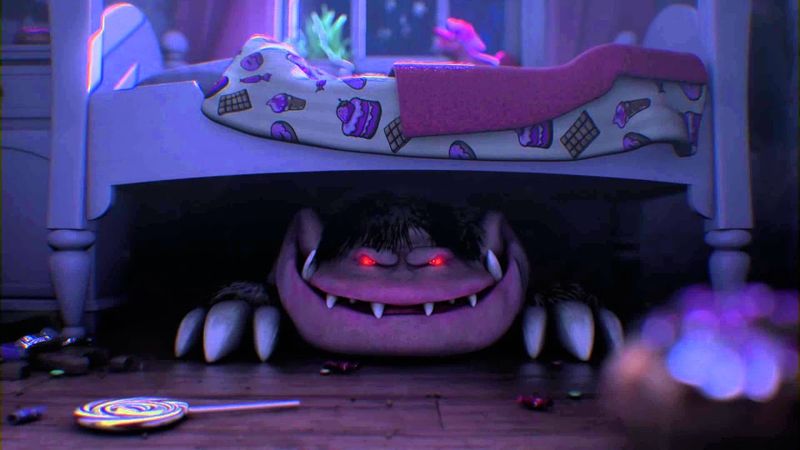
Every creak, every shadow, every strange sound after bedtime pointed to the same terrifying conclusion: something was hiding under your bed or inside your closet. Kids between ages three and six have incredibly active imaginations, making it nearly impossible to separate fantasy from reality at night.
Parents often used nightlights to help, but those flickering shadows just made things worse. Experts say this fear is a completely normal part of early childhood development, linked to growing imagination and a limited understanding of the world.
2. The Dark
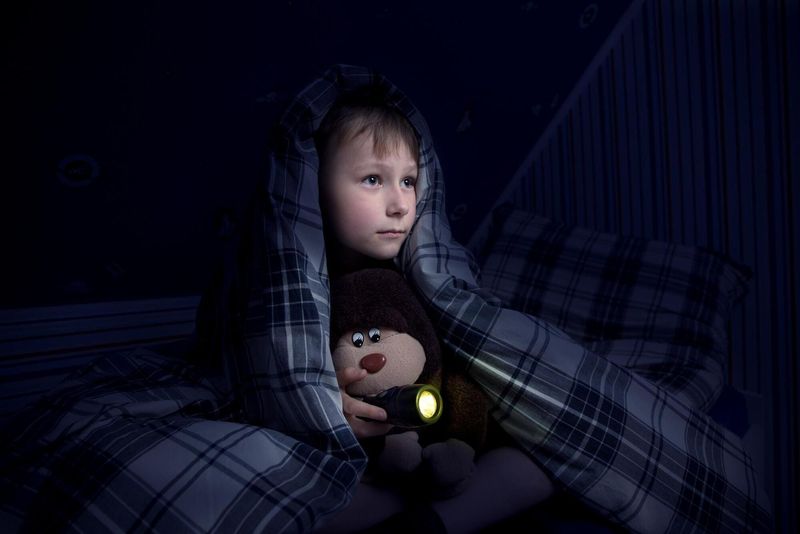
Turning off the bedroom light felt like stepping into enemy territory. The dark was not just dark, it was full of unknown possibilities, and young imaginations had no trouble filling that void with terrifying things.
Fear of the dark is one of the most common childhood fears, often tied to separation anxiety and the discomfort of being alone. Child psychologists confirm that this fear typically peaks between ages two and eight before gradually fading as kids grow more confident in their surroundings.
3. Separation from Parents

Few things hit harder than watching a parent walk out the door and wondering if they would ever come back. For children between ages one and six, separation from caregivers is not just uncomfortable, it feels genuinely dangerous.
This fear is rooted in biology. Young children depend completely on their parents for safety, food, and comfort.
Pediatric health experts note that mild separation anxiety is a healthy milestone, signaling that a child has formed a strong, loving bond with their caregiver.
4. Dogs and Other Animals
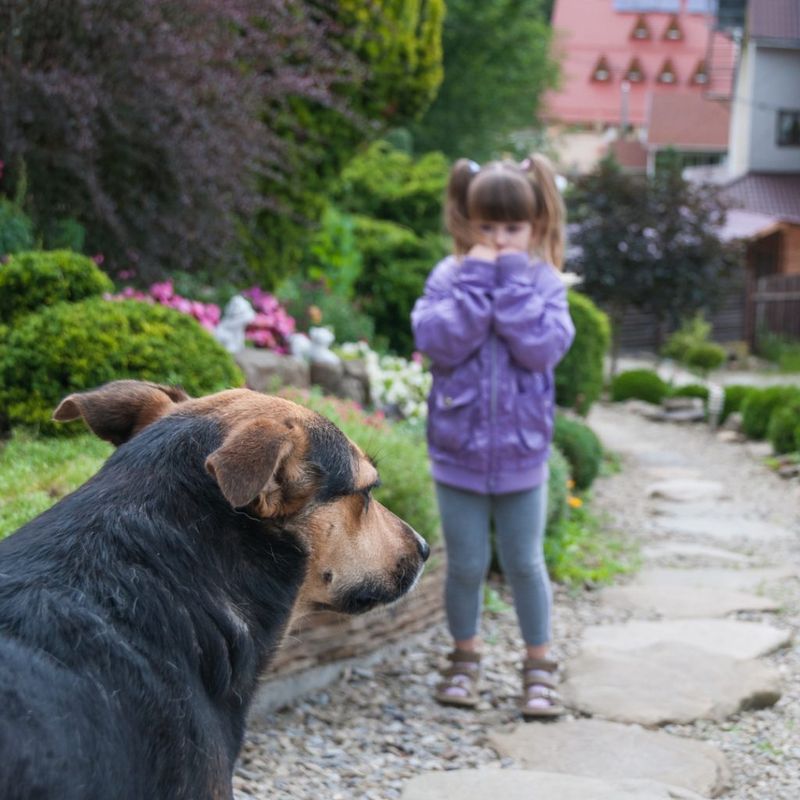
Even a wagging tail and floppy ears could not convince every kid that dogs were harmless. For many children, one unexpected bark or jump from a large animal was enough to spark a lasting fear that followed them for years.
Animal fears in kids often develop after a single scary encounter, or simply because the animal seems unpredictably big and loud. Reassurance helps, but child development specialists suggest gradual, supervised exposure to calm animals as the most effective way to reduce this type of fear over time.
5. Loud Noises
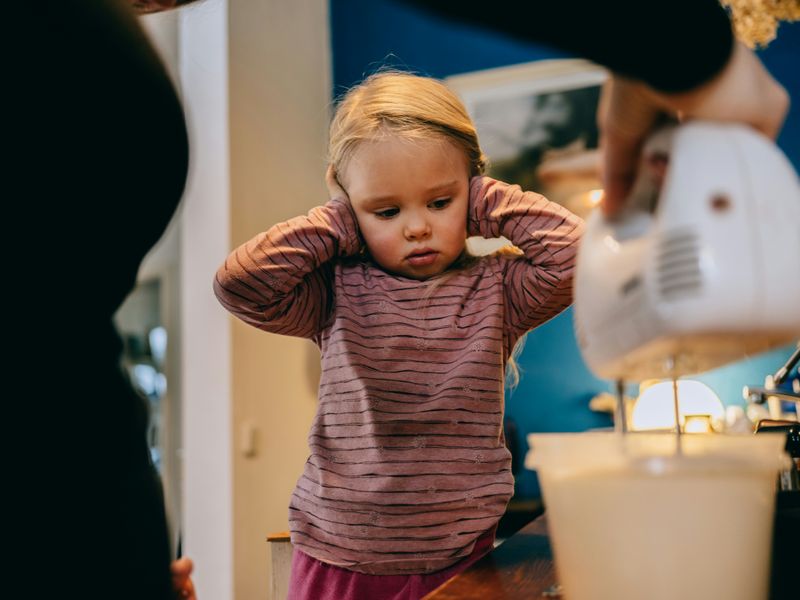
A slammed door, a dropped pan, a car backfiring down the street: any sudden loud sound could send a small child into a full meltdown. This reaction is not just learned behavior, it is hardwired into human biology from birth.
Infants have a reflex called the Moro response, where unexpected sounds trigger an instant startle reaction. This sensitivity often continues well into toddlerhood.
Pediatricians note that while most kids gradually become less reactive to loud sounds, some remain sensitive longer and may need extra comfort and reassurance during noisy situations.
6. Storms, Thunder, and Lightning

Thunder does not knock before it arrives. That booming, rattling sound rolling across the sky was more than enough to send most kids sprinting to their parents’ room in the middle of the night.
Preschoolers especially struggle with storm fears because they feel a complete loss of control when the weather turns wild. The combination of unpredictable noise and bright flashes is genuinely overwhelming for small children.
Child experts recommend staying calm, offering comfort, and explaining weather in simple terms to help kids feel safer during stormy nights.
7. Getting Lost or Kidnapped
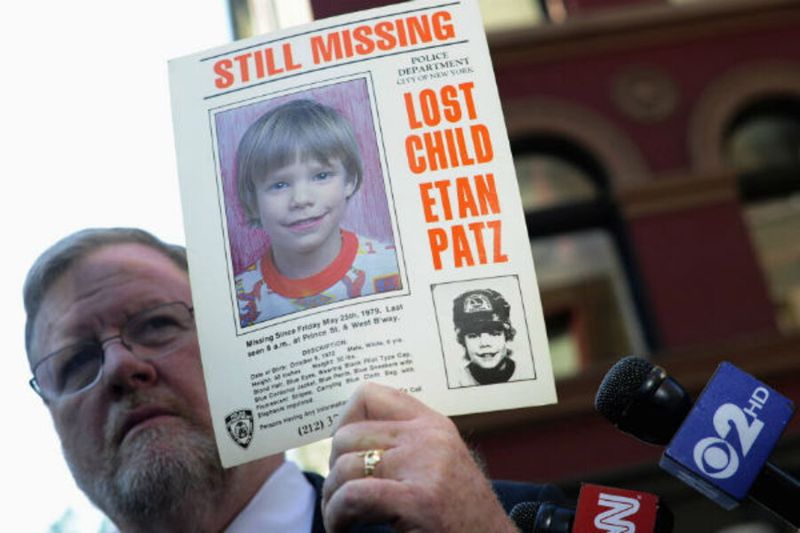
Around the time kids start understanding the real world a little better, a new fear creeps in: what if you got separated from your family and could not find your way back? Or worse, what if a stranger took you?
This fear became especially common during the 1980s and 90s, fueled by milk carton missing children campaigns and school safety programs. While awareness is important, many child psychologists note that the media coverage of the era caused more anxiety than the actual statistical risk warranted for most kids.
8. Ghosts and Witches
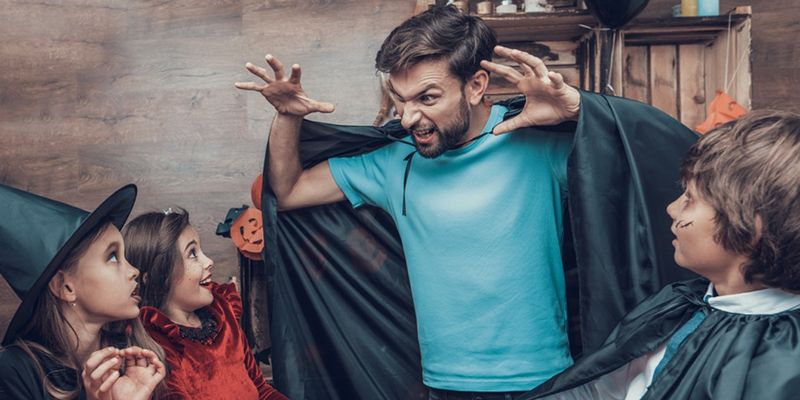
Somewhere around first or second grade, monsters under the bed got an upgrade: now there were ghosts floating through walls and witches cackling in the night. Kids at this age still have vivid imaginations, even as they start to grasp what is real and what is not.
Spooky stories shared at school, Halloween decorations, and cartoons all fed this particular fear. Psychologists say that fearing imaginary supernatural beings is completely developmentally normal for children ages five through eight, and most kids grow out of it naturally as their reasoning skills sharpen.
9. Doctors, Dentists, and Needles

Nothing could ruin a perfectly good morning faster than hearing the words, “We have a doctor’s appointment today.” The white coats, the cold stethoscopes, and especially the needles made medical visits feel like a form of mild torture for many kids.
Fear of medical procedures is incredibly common across all childhood ages and is usually rooted in anticipated pain or the unfamiliar environment. Pediatric experts recommend honest, age-appropriate explanations before appointments, along with praise and small rewards afterward to help children build positive associations with healthcare visits over time.
10. Insects, Spiders, and Snakes
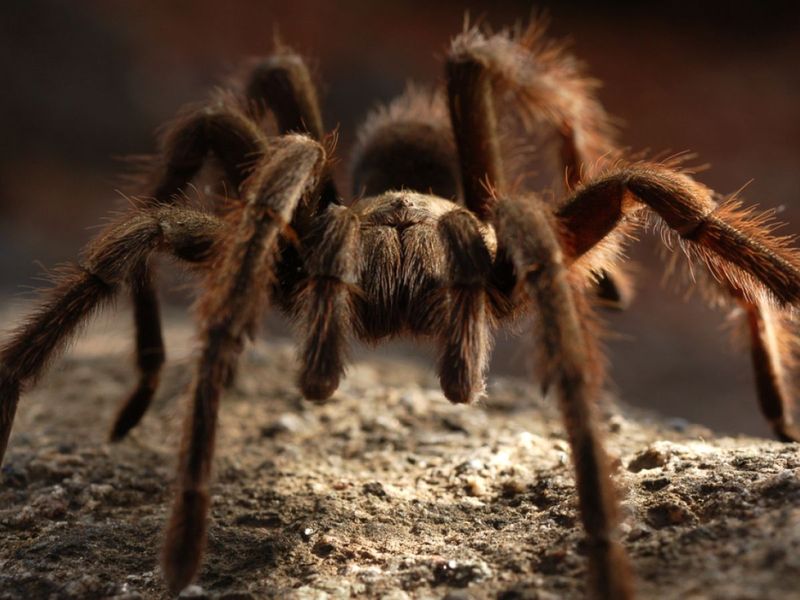
Spotting a spider in the bathroom could completely derail an otherwise normal morning. For many kids, bugs, spiders, and snakes were not just gross, they were terrifying creatures that seemed to pop up at the worst possible moments.
Experts believe some of these fears have evolutionary roots, since early humans benefited from avoiding potentially venomous creatures. Interestingly, studies show that children who grow up seeing adults react with fear to insects are more likely to develop similar fears themselves.
Calm reactions from grown-ups can actually make a big difference in shaping a child’s response.
11. Failure at School or in Performance
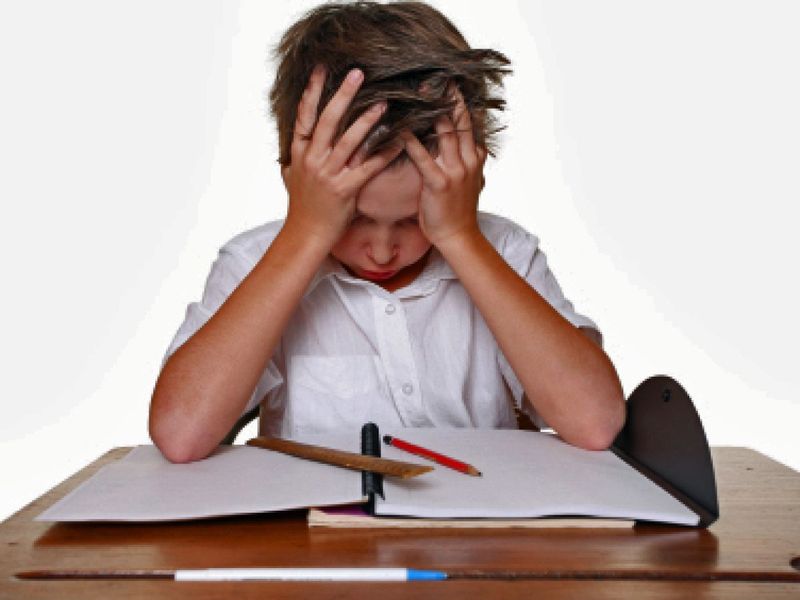
As kids grow older, the fear of failing a test or bombing a school play can feel just as scary as any monster. Academic pressure, peer judgment, and the desire to fit in all pile on top of each other during the preteen years.
Child psychologists note that performance anxiety typically increases between ages eight and thirteen, when kids become more aware of how others see them. Encouragement from parents and teachers goes a long way.
Reminding kids that mistakes are a normal part of learning, not a reflection of their worth, helps ease this common fear significantly.
12. The Basement
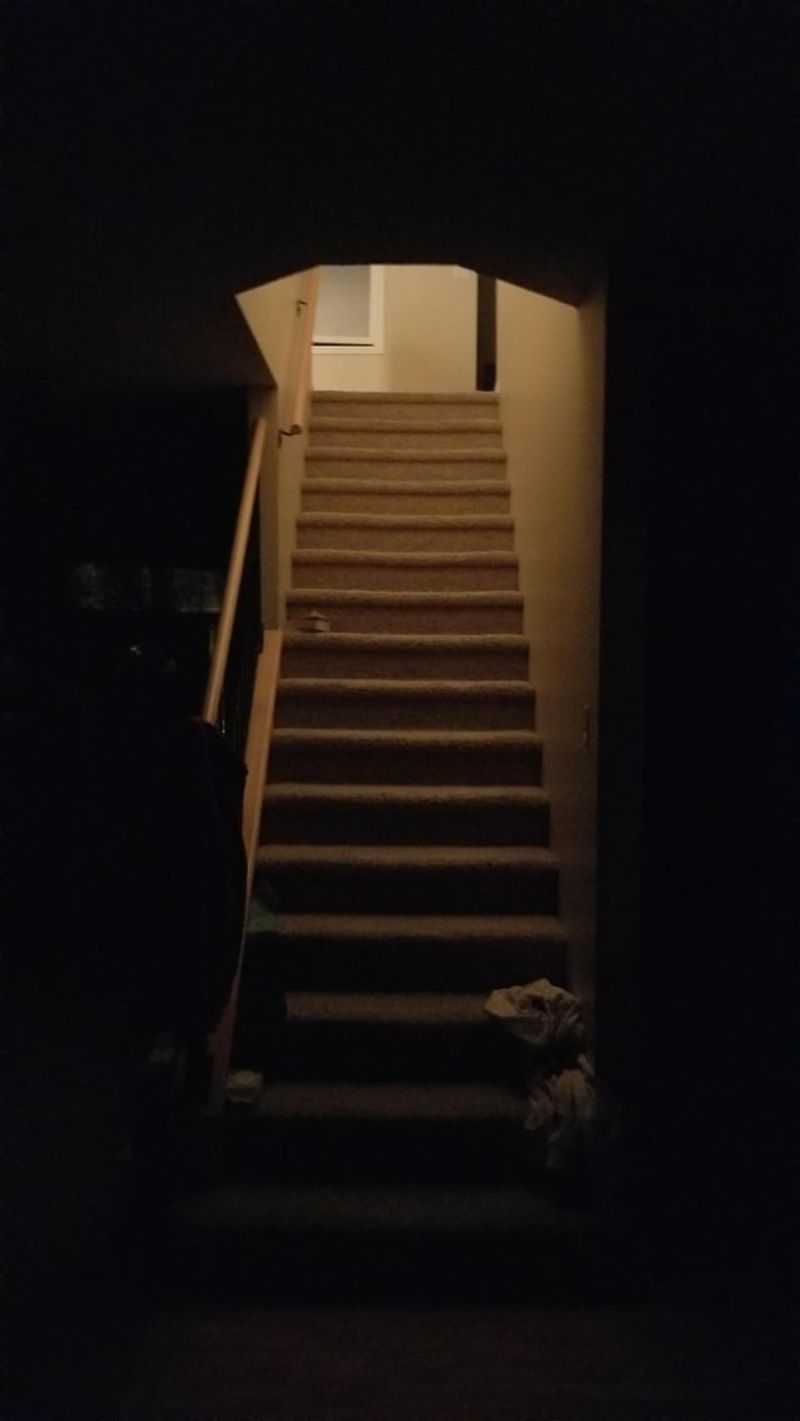
Every kid who had a basement knows the ritual: flip the light switch, grab whatever you came for, then sprint up the stairs like something was right behind you. The basement had a special kind of dread that no other room in the house could match.
Popular culture played a huge role in cementing this fear, with countless horror movies and TV shows using basements as the go-to setting for scary scenes. Even without any real threat, the combination of low lighting, strange sounds, and isolation made the basement one of childhood’s most reliably frightening locations.
13. Bloody Mary in the Mirror
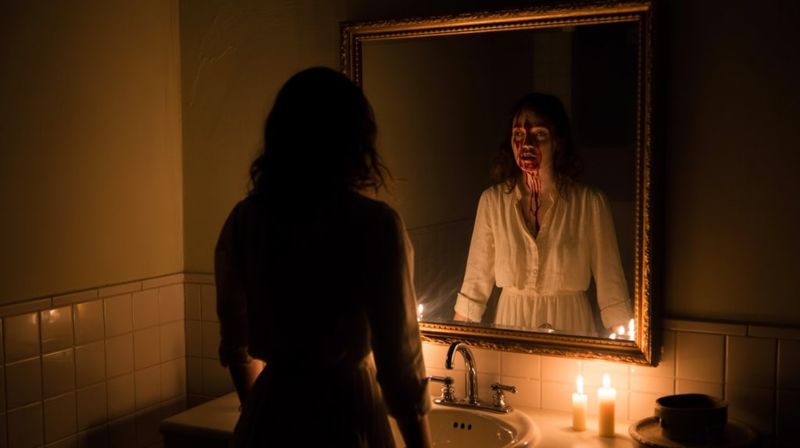
Someone at school always knew someone who had tried it. You were supposed to stand in front of a dark mirror, say “Bloody Mary” three times, and then… nobody really wanted to find out what came next.
This classic childhood dare was equal parts prank and genuine terror. What started as a way to scare friends almost always ended with the darer scaring themselves just as badly.
Folklorists trace versions of this mirror ritual back centuries, but its popularity among American schoolchildren peaked during the 1970s through the 1990s as a staple of slumber party scares.
14. Sharks in the Swimming Pool
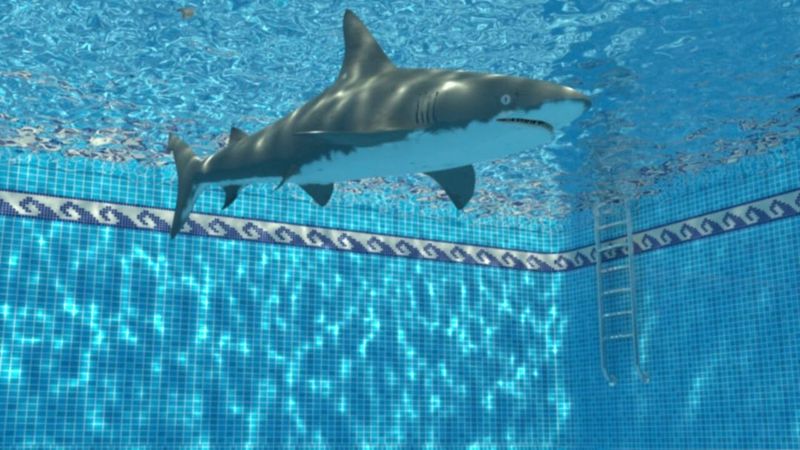
Logically, everyone knew there were no sharks in the pool. But logic has very little power over a seven-year-old staring down into the deep end where the water turns dark and murky.
This quirky fear was surprisingly widespread among kids who had seen “Jaws” or caught a shark documentary on TV. The deep end of a pool became a no-go zone for many children, regardless of how many times adults explained that sharks live in the ocean.
Sometimes imagination simply overrules facts, and the pool shark was proof of that.
15. Quicksand and the Bermuda Triangle
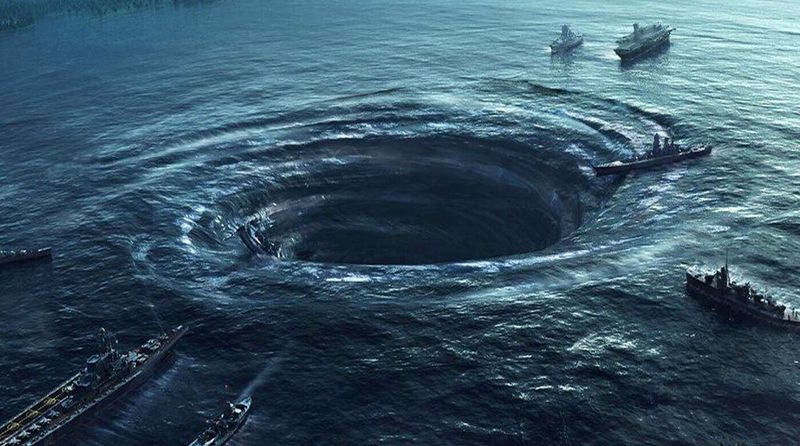
If you grew up watching adventure shows or reading geography books in the 1970s and 80s, you were probably convinced that quicksand was going to be a major life hazard. The Bermuda Triangle was not far behind as another source of genuine childhood dread.
These fears were largely media-driven, amplified by sensational TV specials and dramatic storytelling that made both phenomena seem far more common and deadly than they actually are. Researchers have since explained both away fairly thoroughly, but for an entire generation of kids, they were terrifyingly real threats lurking out in the world.
16. Killer Bees
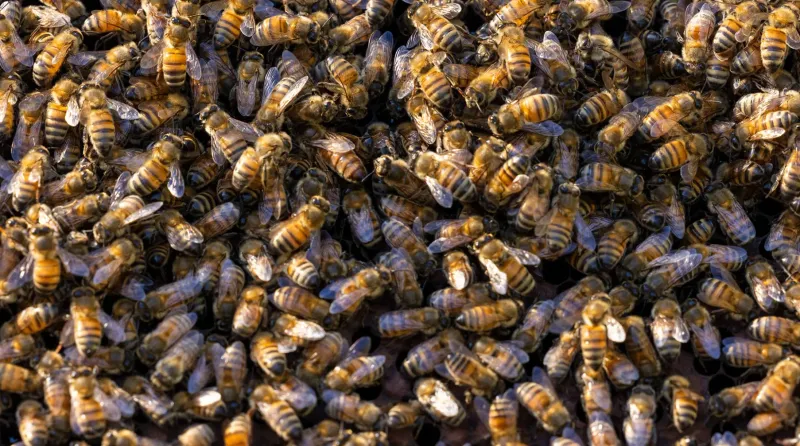
During the 1980s, news reports about Africanized “killer bees” spreading northward through the Americas were everywhere. For kids who heard these stories, every ordinary bumblebee buzzing past suddenly seemed like a potential assassin with wings.
The fear was not entirely irrational given the media coverage, which often leaned heavily on dramatic language and alarming statistics. Child psychologists note that kids are especially vulnerable to fears amplified by news and adult conversations around them.
While Africanized bees are genuinely more aggressive than regular honeybees, the widespread panic among children far exceeded the actual everyday risk for most families.
17. Communists and the Cold War Threat
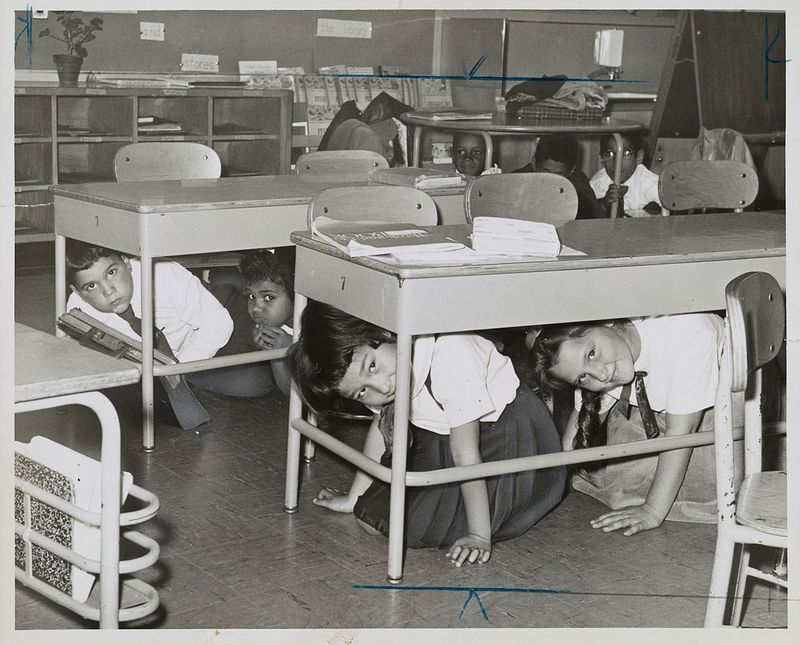
For kids growing up during the Cold War era, the threat of nuclear attack or a Communist invasion was not just something adults worried about. It filtered down into schoolrooms through duck-and-cover drills, civil defense films, and hushed adult conversations at the dinner table.
Many children of that era carried a low-level anxiety about “the Russians” that felt completely real and ever-present. Historians note that the government-sponsored fear campaigns of the 1950s and 60s, while well-intentioned for preparedness, placed an enormous psychological burden on an entire generation of American children who grew up under that shadow.