
Want to make better decisions with your money and your mind? The right book can completely change how you think about earning, saving, and spending.
Whether you are just starting out or looking to level up your financial game, these reads offer practical wisdom that actually sticks. Here are 18 books that can sharpen your thinking and help you build habits that lead to real financial freedom.
1. The Psychology of Money by Morgan Housel
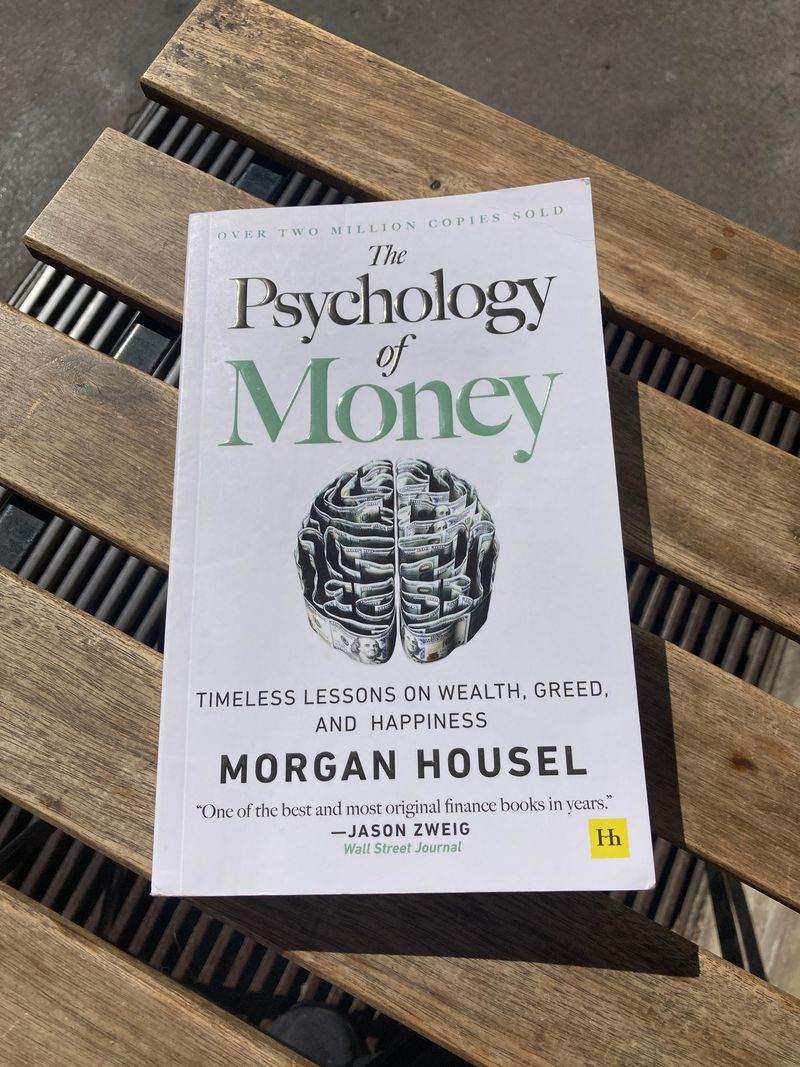
Most people think getting rich is about being the smartest person in the room. Morgan Housel disagrees, and he backs it up with fascinating stories.
This book shows that your behavior with money matters far more than your IQ or income level.
Housel breaks down how emotions, personal history, and hidden biases quietly shape every financial choice you make. Once you understand your own money psychology, you gain real control over your financial future.
2. Rich Dad Poor Dad by Robert T. Kiyosaki
Growing up, Robert Kiyosaki had two father figures with completely opposite views on money. One chased a paycheck his whole life, while the other built lasting wealth.
That contrast became one of the most popular personal finance books ever written.
Kiyosaki challenges the idea that you need a high salary to become rich. Instead, he teaches readers to focus on building assets, understanding taxes, and thinking like an entrepreneur rather than an employee.
3. Thinking, Fast and Slow by Daniel Kahneman
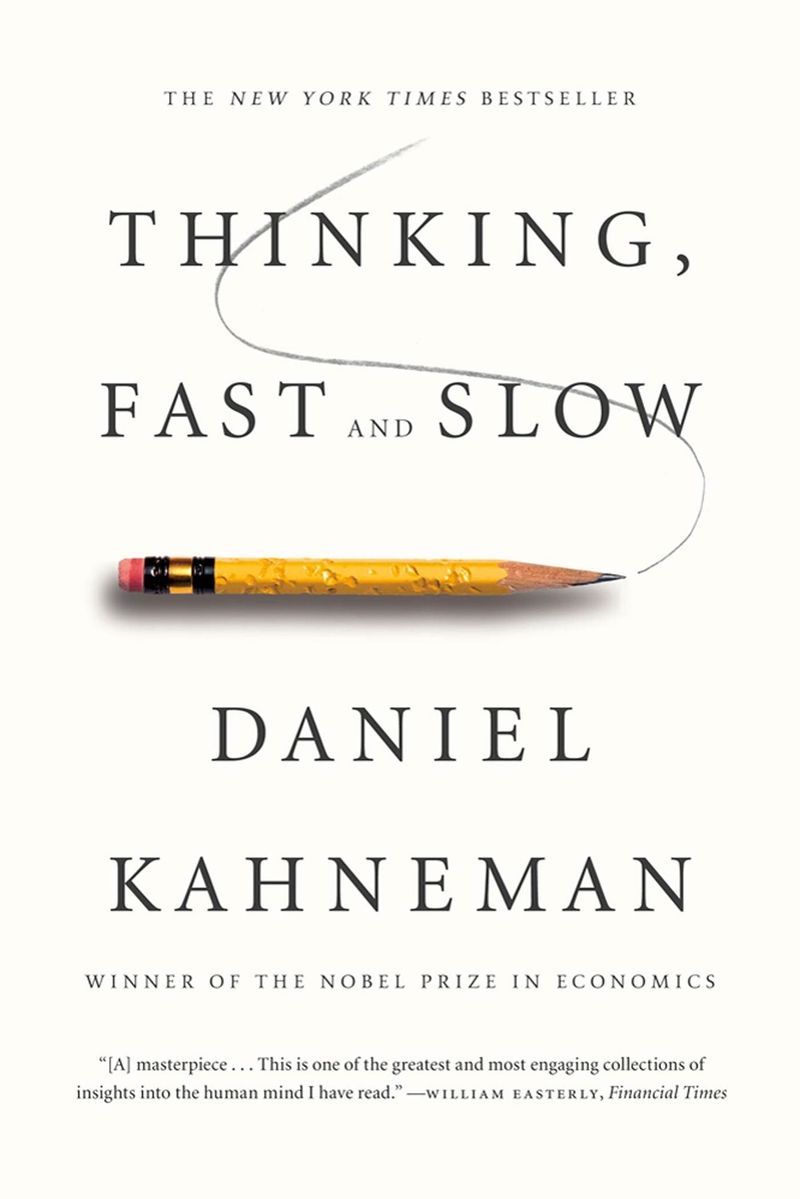
Nobel Prize winner Daniel Kahneman spent decades studying why smart people make bad decisions. His answer involves two systems in your brain: one that reacts quickly without thinking, and one that works slowly and carefully.
The problem is, the fast system runs the show most of the time.
Understanding this split helps you catch money mistakes before they happen. From overconfidence to loss aversion, this book exposes the mental traps that cost people real dollars every day.
4. Atomic Habits by James Clear
Before you can build wealth, you need to build the right daily habits. James Clear argues that tiny changes, repeated consistently, create massive results over time.
A 1% improvement every day adds up to being 37 times better by the end of a year.
Clear offers a practical four-step system for making good habits stick and bad ones disappear. For anyone trying to save more, spend less, or invest regularly, this book is an essential starting point.
5. The Millionaire Next Door by Thomas J. Stanley and William D. Danko
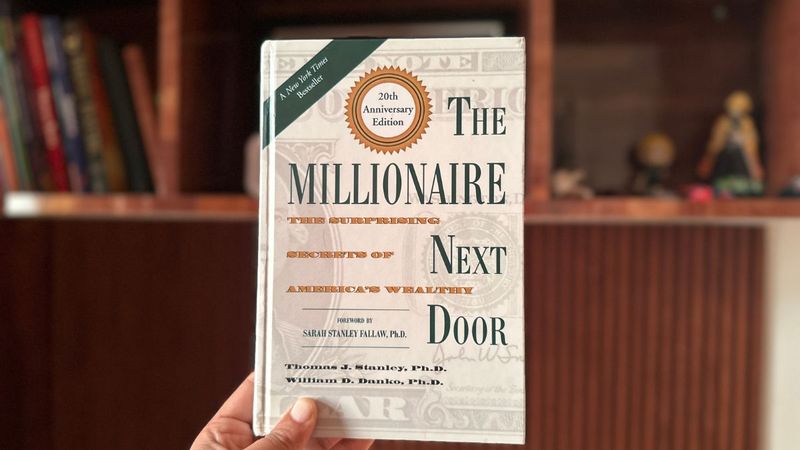
Surprise: most millionaires do not live in mansions or drive luxury cars. After surveying thousands of wealthy Americans, Stanley and Danko discovered that the truly rich tend to live well below their means and avoid flashy spending.
Wealth is often invisible from the outside.
The book identifies seven key habits shared by people who quietly accumulate wealth over time. It is a reality check that makes you rethink what financial success actually looks like in everyday life.
6. The Simple Path to Wealth by J.L. Collins
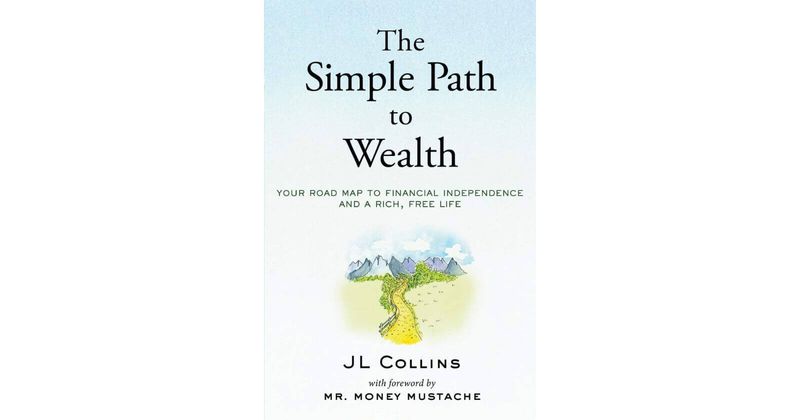
J.L. Collins originally wrote this book as a series of letters to his daughter, hoping to give her a no-nonsense guide to financial independence.
What started as personal advice became a roadmap that thousands of readers now swear by for building long-term wealth.
Collins cuts through the noise around investing and makes a strong case for keeping things simple with low-cost index funds. He also tackles debt, market crashes, and retirement planning in plain, easy-to-follow language.
7. I Will Teach You to Be Rich by Ramit Sethi
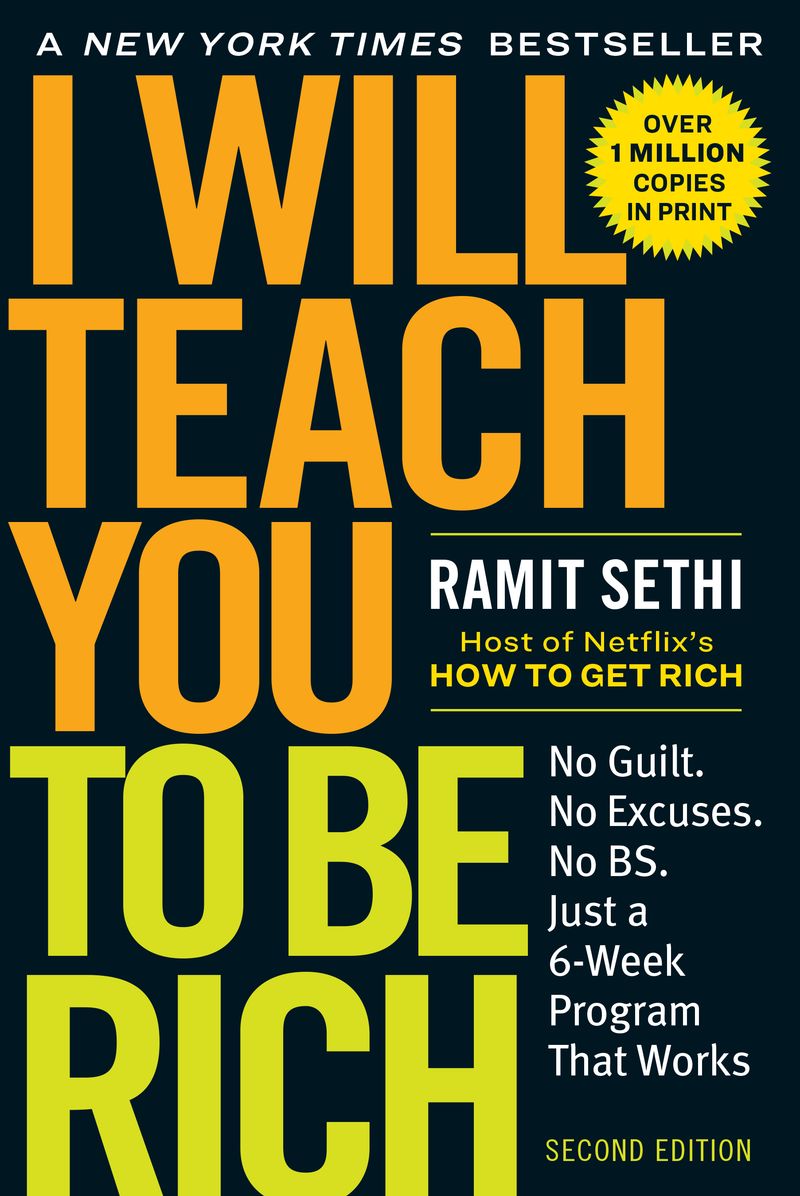
Ramit Sethi has a refreshing take on personal finance: stop cutting out lattes and start focusing on the big wins. His approach is bold, a little snarky, and incredibly practical for young adults who are tired of boring money advice that never seems to work.
Sethi walks readers through automating savings, negotiating bills, and investing without obsessing over every dollar. The goal is building a rich life on your own terms, not someone else’s definition of frugal living.
8. The Richest Man in Babylon by George S. Clason
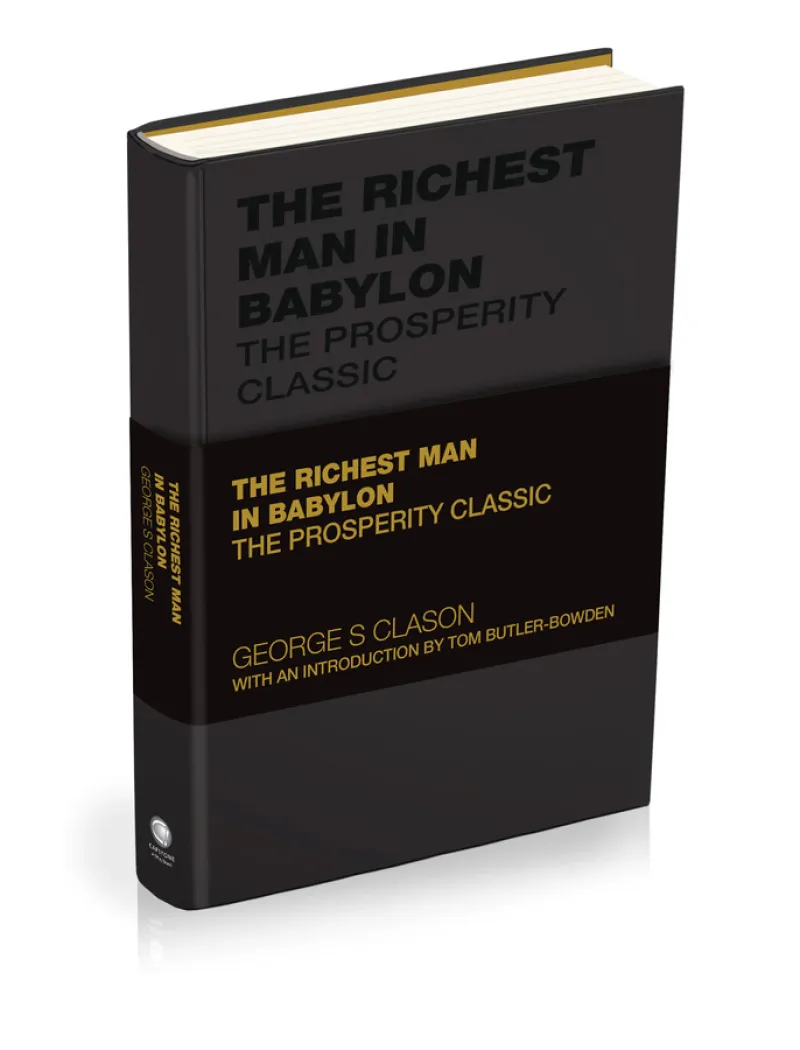
Set in the ancient city of Babylon, this book teaches money principles through short, memorable parables. The stories follow merchants and tradespeople learning timeless lessons about saving, investing, and avoiding debt.
It was first published in 1926, yet every lesson still applies today.
The most famous rule is paying yourself first, meaning saving at least 10% of everything you earn before spending a cent. Simple ideas like this one have helped generations of readers start building real wealth from scratch.
9. Think and Grow Rich by Napoleon Hill
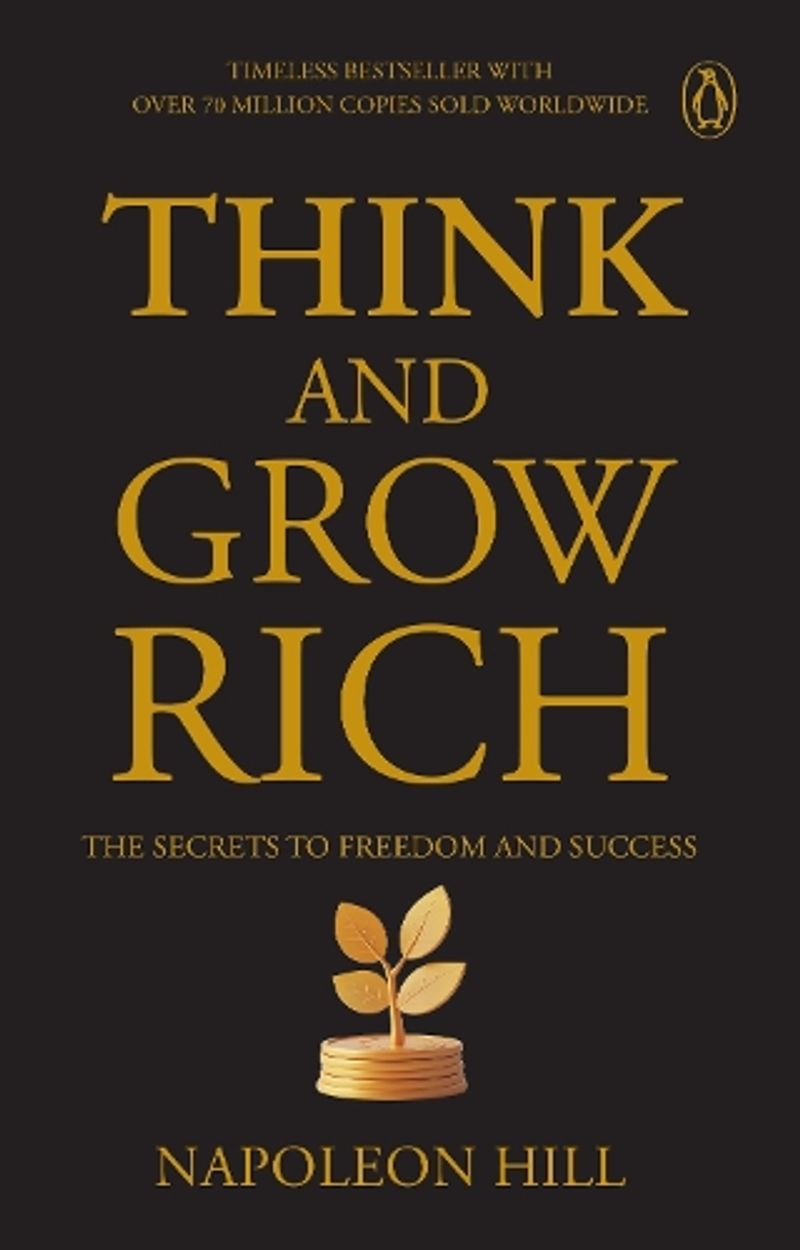
Published in 1937 after Hill studied over 500 successful people, this book remains one of the best-selling wealth-building titles of all time. Hill believed that a burning desire, combined with a clear plan, is the real engine behind financial achievement.
Your thoughts, he argued, shape your bank account.
While some ideas feel old-fashioned, the core message still resonates: mindset matters enormously when building wealth. Readers who apply Hill’s 13 principles often report major shifts in both confidence and financial results.
10. The Total Money Makeover by Dave Ramsey
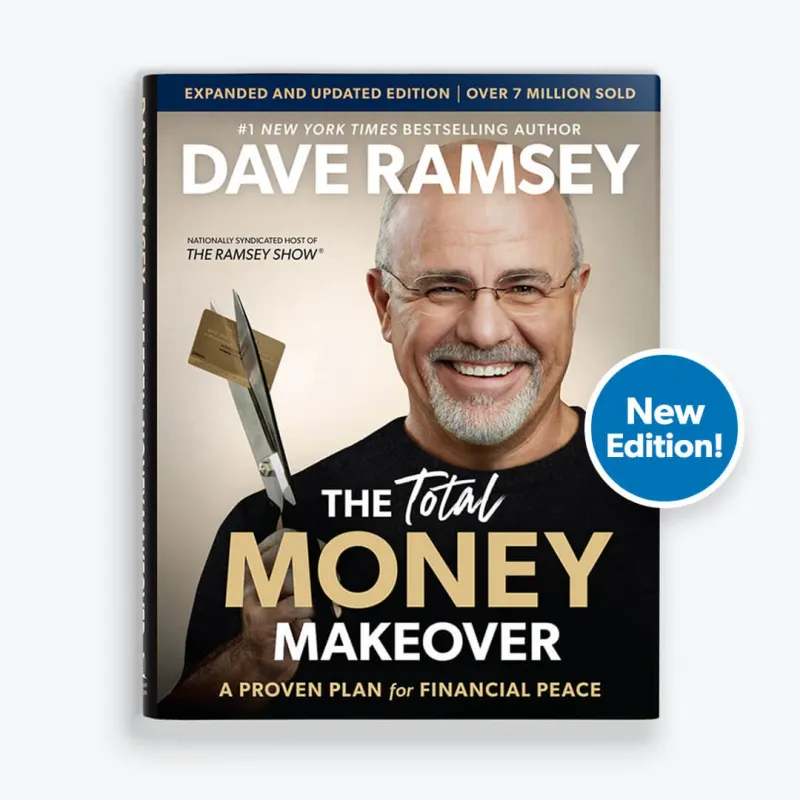
Dave Ramsey does not sugarcoat anything. His book is a no-excuses plan for getting out of debt and building a solid financial foundation, built around what he calls the Baby Steps.
Each step builds on the last, creating momentum that makes financial change feel achievable.
Millions of families have used this system to pay off debt and start saving for the first time. Ramsey’s straight-talking style cuts through financial confusion and gives readers a clear, actionable path forward regardless of their starting point.
11. Secrets of the Millionaire Mind by T. Harv Eker
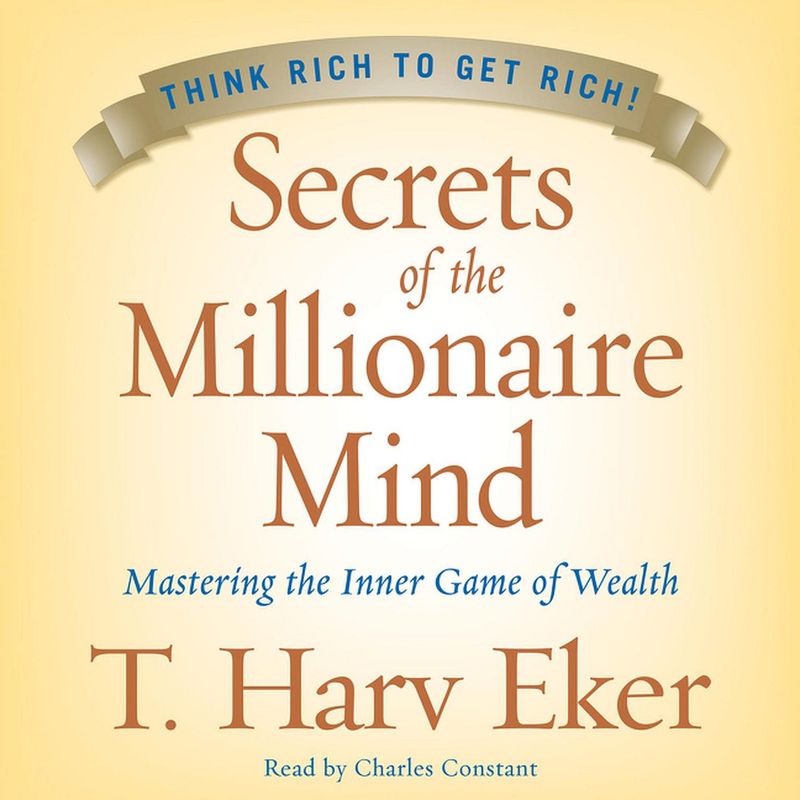
T. Harv Eker claims that your financial results are a direct reflection of your subconscious money blueprint, a set of beliefs formed in childhood that quietly run your financial life.
The idea sounds surprising, but his examples make it hard to argue with.
Eker contrasts the thinking patterns of wealthy people with those who struggle financially, showing how small mindset shifts can lead to big changes. Readers are challenged to swap a scarcity mindset for an abundance approach that opens new financial possibilities.
12. The Compound Effect by Darren Hardy
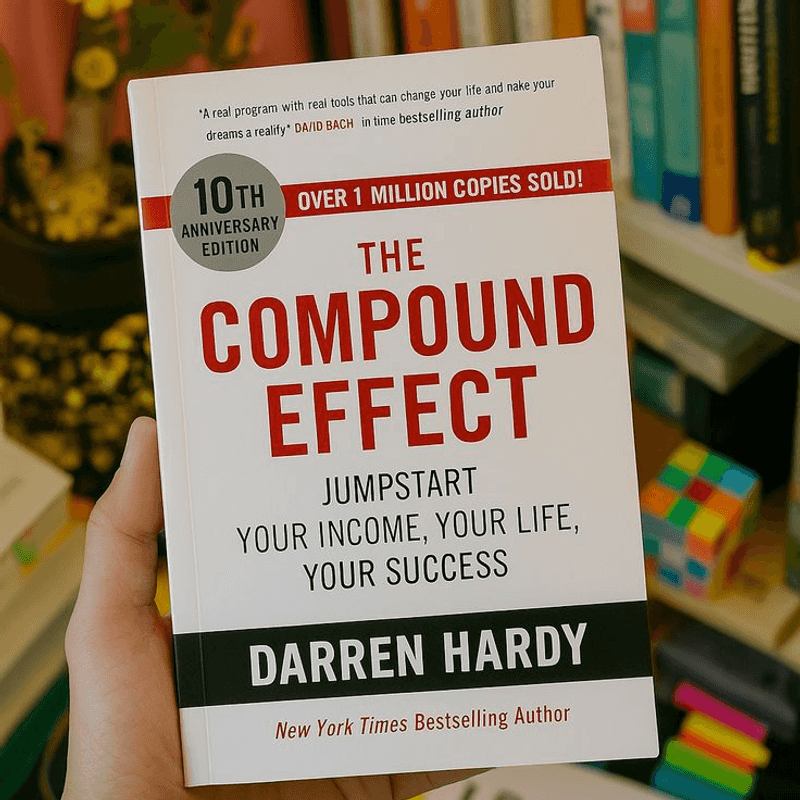
Here is a question worth asking: what if the small choices you make every day are quietly building or destroying your financial future? Darren Hardy says they absolutely are.
His book applies the mathematical power of compounding, usually associated with investing, to every area of life.
Skipping one unnecessary purchase or reading 10 pages of a useful book daily might seem trivial. But stacked over months and years, those small actions produce dramatic results.
Hardy’s message is motivating and backed by real examples that are easy to relate to.
13. Your Money or Your Life by Vicki Robin and Joe Dominguez
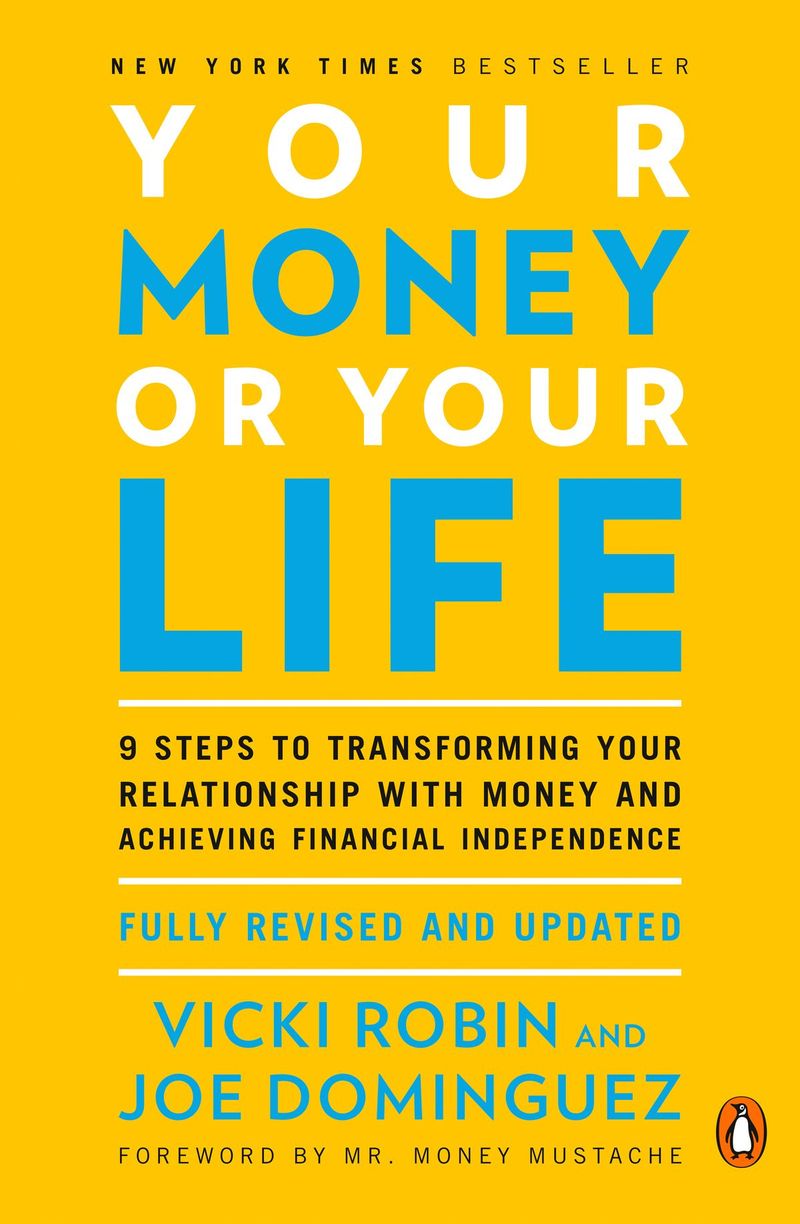
Every dollar you spend represents hours of your life that you traded for it. That simple but powerful idea is at the heart of this transformative book.
Vicki Robin and Joe Dominguez push readers to examine whether their spending actually reflects what they truly value.
The book introduces a nine-step program for achieving financial independence by aligning money with purpose. Readers who follow the process often find themselves spending less, saving more, and feeling genuinely happier, not because they gave things up but because their choices finally match their values.
14. The Intelligent Investor by Benjamin Graham
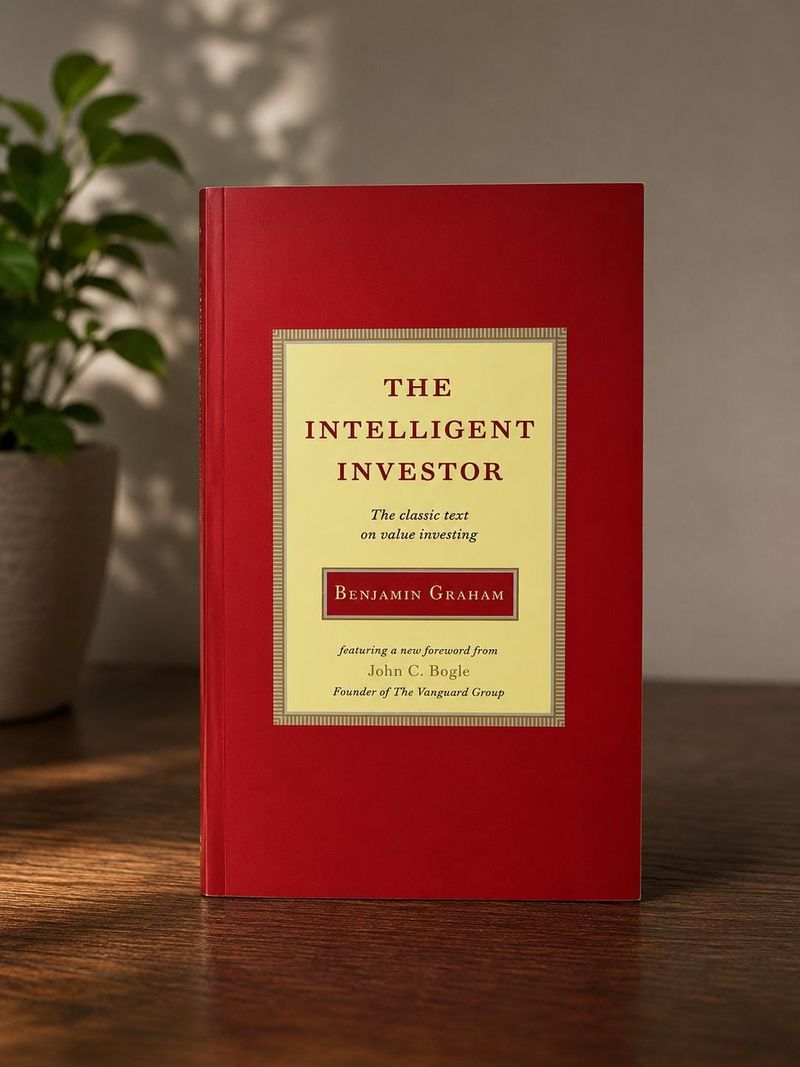
Warren Buffett once called this the best investing book ever written. Benjamin Graham, Buffett’s own mentor, wrote it to teach ordinary people how to invest wisely without gambling their savings on short-term market swings.
First published in 1949, its core wisdom has aged remarkably well.
Graham introduces the concept of value investing, buying solid companies at prices below their true worth and holding them patiently. The book rewards careful readers with a deep understanding of how markets behave and how to protect themselves from costly mistakes.
15. Get Good with Money by Tiffany Aliche
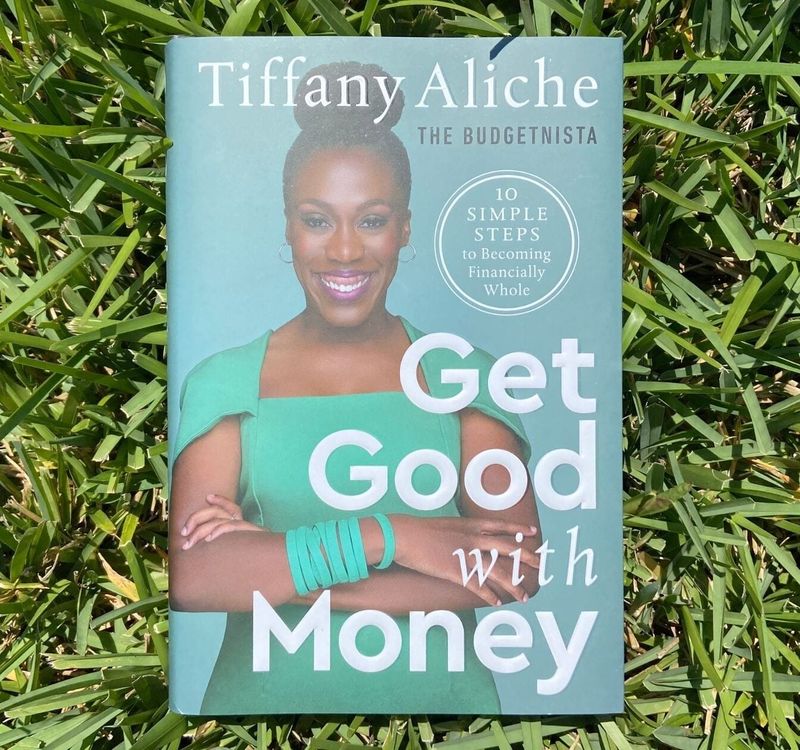
Known online as the Budgetnista, Tiffany Aliche brings a warm, relatable energy to a topic that often feels overwhelming. Her book lays out 10 clear steps for becoming what she calls financially whole, meaning you have a handle on every part of your money life.
From building a budget that actually works to tackling debt and starting to invest, Aliche covers it all without making readers feel judged. Her approachable voice makes this book especially great for people who have felt embarrassed or lost about money in the past.
16. The Automatic Millionaire by David Bach
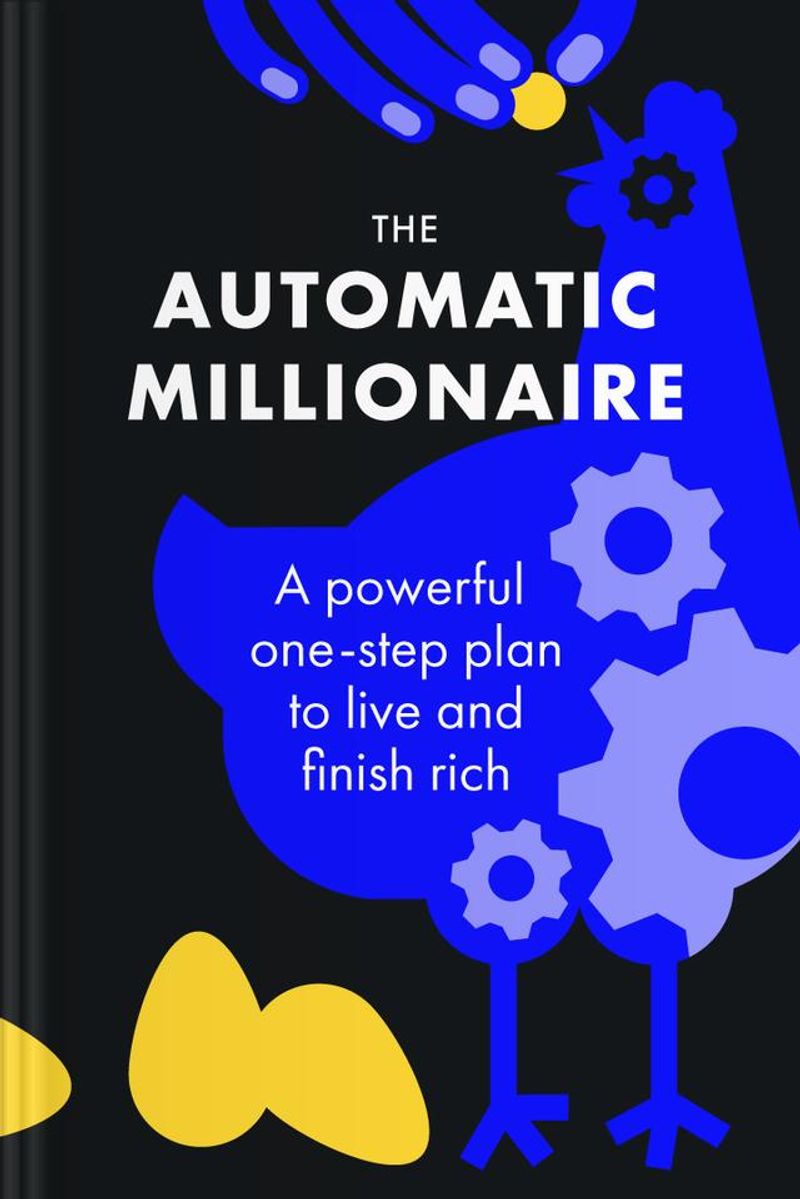
What if becoming a millionaire required almost no willpower at all? David Bach says it does not, as long as you set up the right systems.
His central idea is automating your savings and investments so the money moves before you ever have a chance to spend it.
Bach also introduces his famous Latte Factor concept, which is the idea that small daily expenses add up to a fortune over time. The book is quick to read but packed with actionable steps that anyone can start using the same week they finish it.
17. Never Split the Difference by Chris Voss
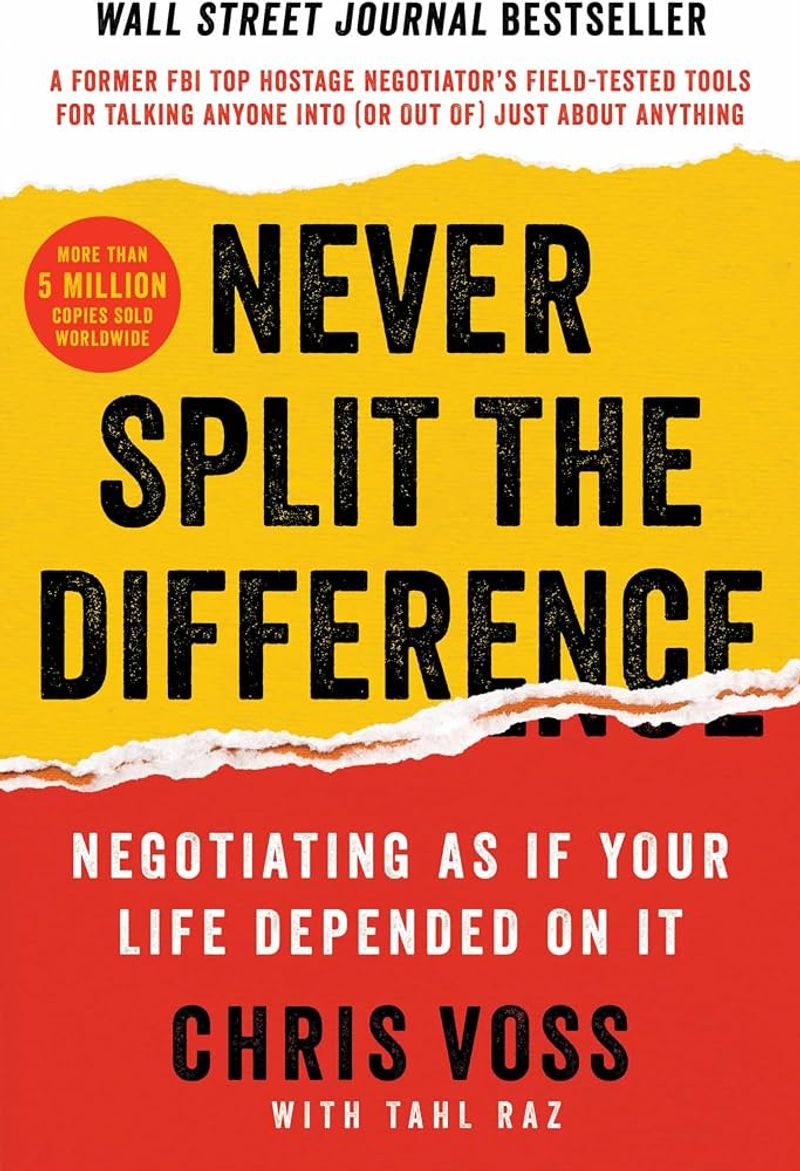
Chris Voss spent decades as an FBI hostage negotiator, talking people down from the most high-stakes situations imaginable. Now he applies those same techniques to everyday life, including salary negotiations, big purchases, and financial conversations that most people dread having.
Learning to negotiate effectively can add thousands of dollars to your income over a lifetime. Voss teaches readers to use empathy, active listening, and smart questioning to get better outcomes in any financial discussion, from asking for a raise to buying a car.
18. The Little Book of Common Sense Investing by John Bogle
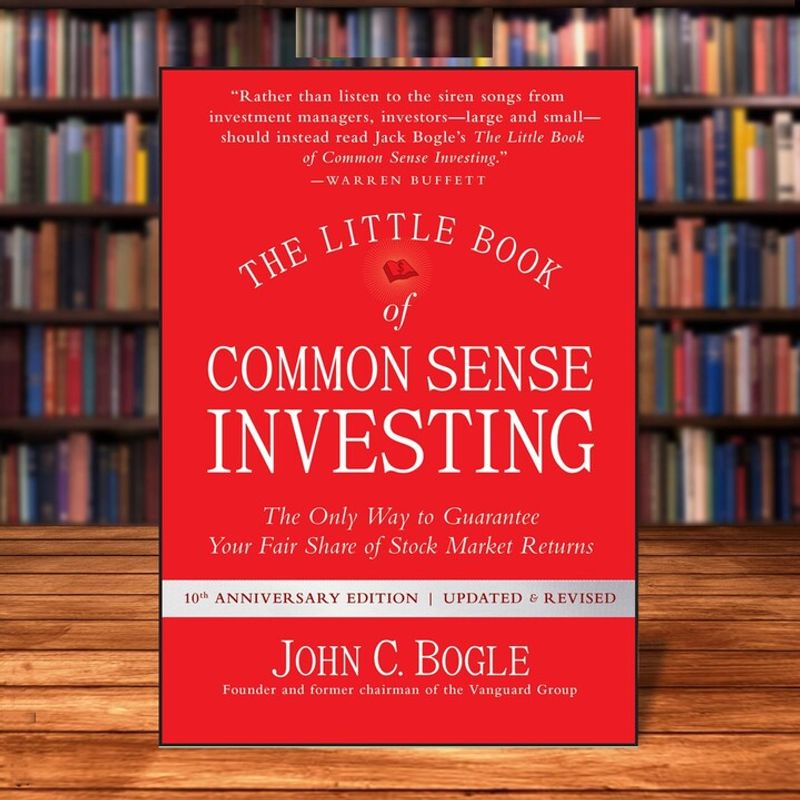
John Bogle founded Vanguard and invented the index fund, making him one of the most important figures in personal finance history. His book distills a lifetime of investing wisdom into a straightforward argument: stop trying to beat the market and just own it instead.
Low-cost index funds, held for the long term, outperform most actively managed funds over time. Bogle backs this claim with decades of data and makes the case in clear, jargon-free language that even first-time investors can follow and immediately act on.