
The 1970s was a decade full of change, challenge, and courage for Black women across America. From the workplace to the streets, Black women were fighting for their rights, expressing their culture, and building communities that mattered.
Their stories are powerful, complex, and deeply human. These snapshots offer a real look at what life was truly like for Black women during one of history’s most transformative decades.
1. Building Their Own Feminist Movement
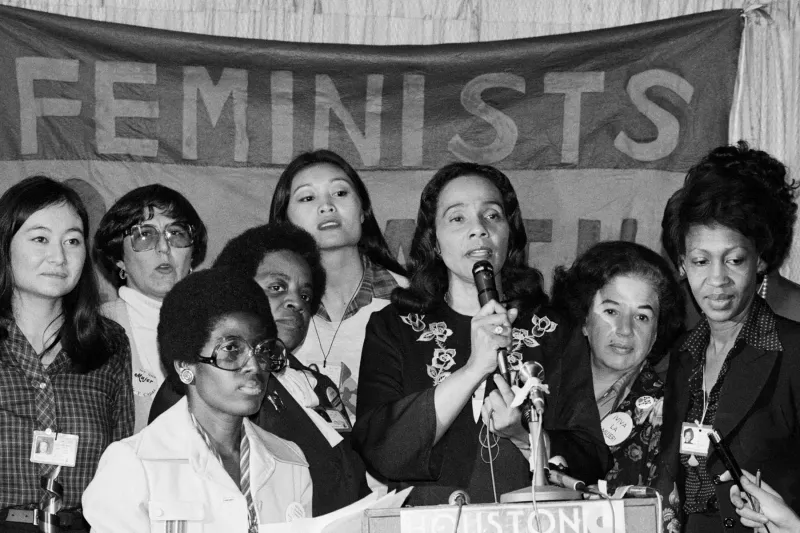
Black women in the 1970s got tired of being left out of the conversation. Mainstream feminist groups often ignored race, and Black Power movements sometimes ignored gender.
So Black women built their own spaces.
In 1973, the National Black Feminist Organization was founded and quickly grew to 2,000 members. A year later, the Combahee River Collective formed, pushing for justice that addressed race, gender, and class all at once.
Their work changed feminism forever.
2. Fighting Forced Sterilization in Hospitals
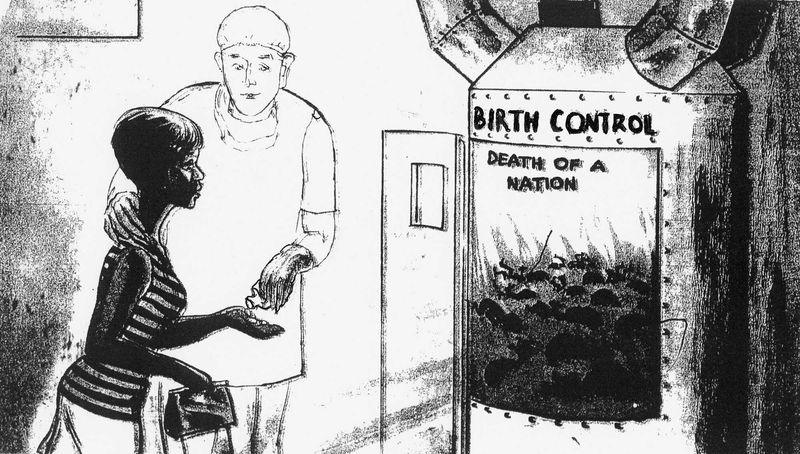
One of the most painful injustices Black women faced in the 1970s was coerced sterilization in California hospitals. Women were sometimes pressured or tricked into procedures that took away their ability to have children.
It was a quiet but devastating form of control.
Black feminists organized hard against this abuse. They made sure Black women’s reproductive rights stayed part of the larger abortion rights conversation.
Their activism helped protect thousands of women from a system that treated their bodies as less than human.
3. Outnumbering Men in the Black Panther Party
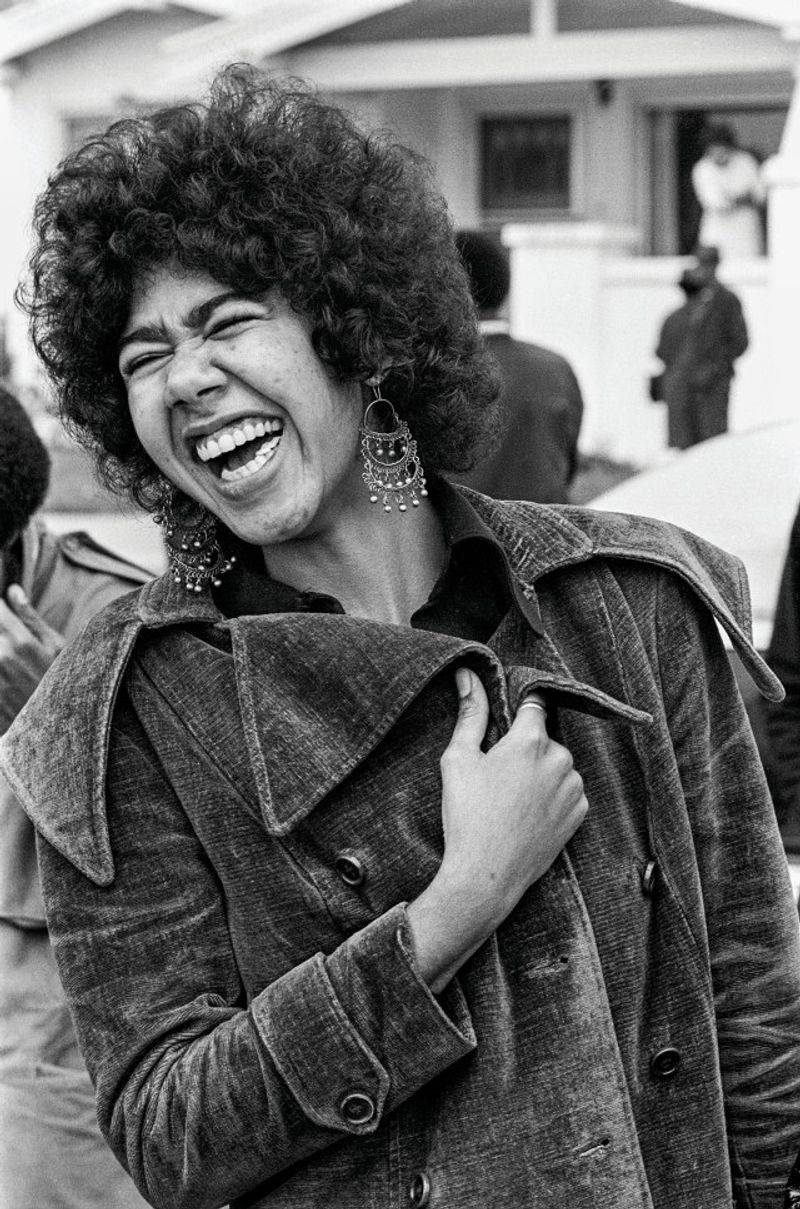
By the early 1970s, women actually outnumbered men inside the Black Panther Party. That fact surprises a lot of people.
Women ran breakfast programs, organized community health clinics, and kept operations moving every single day.
Still, sexism within the organization was a real problem that sparked heated internal debates. Over time, the party took stronger stances on gender equality, largely because Black women demanded better.
Their presence reshaped what the movement stood for at its core.
4. Working the Jobs No One Else Wanted
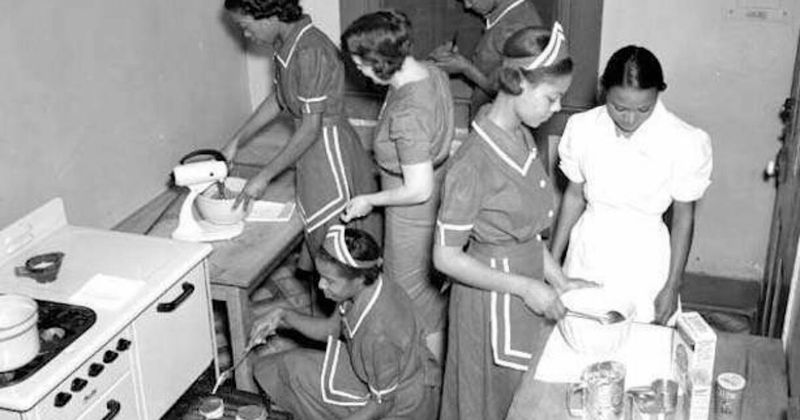
For generations, domestic work was one of the only jobs many Black women could get. Even after migrating north looking for better opportunities, employers often refused to hire Black women for anything else.
The cycle was hard to break.
Low wages, long hours, and no benefits were the norm. Yet these women kept their families fed and their communities alive.
Their labor built American households while their own needs went largely unnoticed by policymakers and the public alike.
5. Breaking Into the Transit Industry
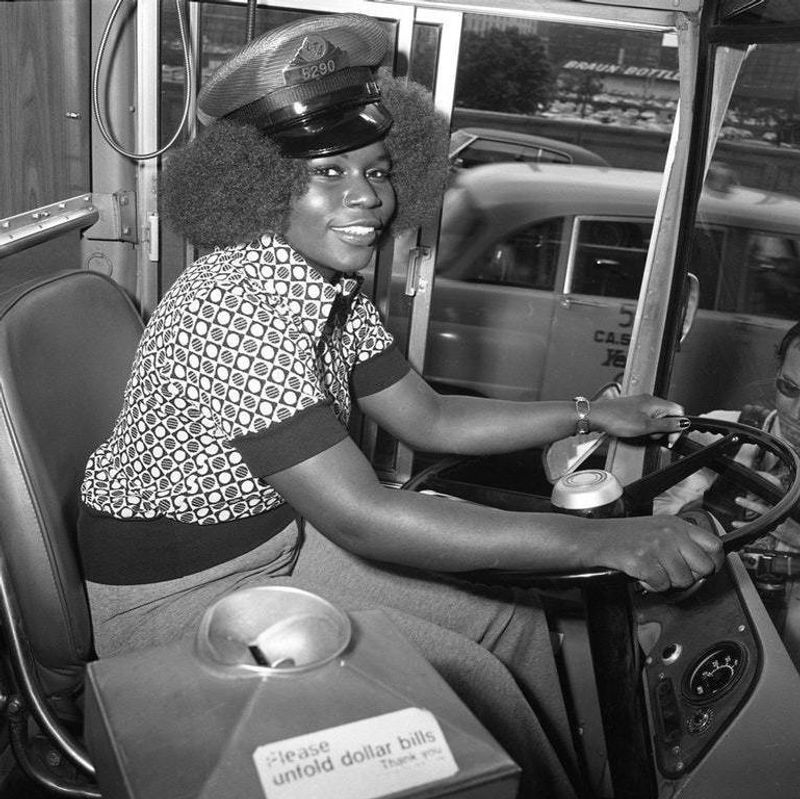
In 1971, four African American women made history in New York City. Retha Cholson, Eleanor McBean, Clovis D.
Washington, and Velma Newton became the first Black women appointed as Assistant Train Dispatchers for the Metropolitan Transportation Authority. It was a huge deal.
Jobs like these had always been closed off to Black women. Breaking through that barrier sent a message that rippled far beyond the train yard.
Progress was slow, but moments like this proved it was possible to push open doors that had long been shut.
6. Leading Labor Strikes for Fair Treatment
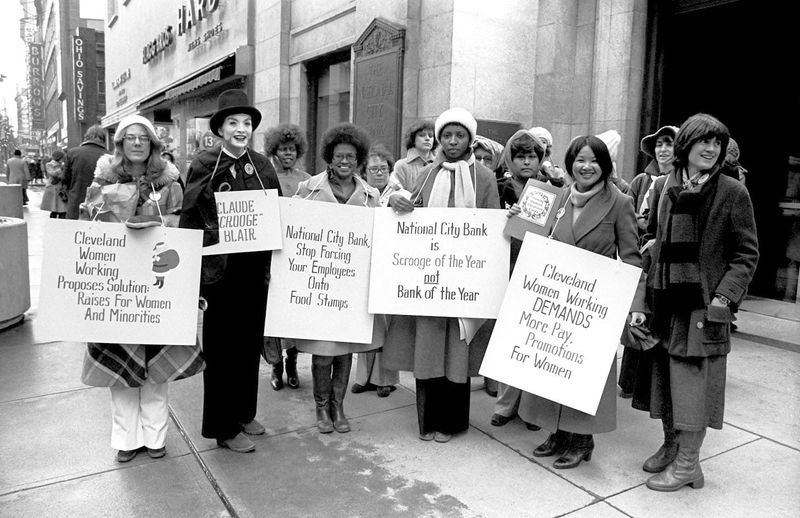
Black working-class women did not just accept unfair conditions quietly. They organized.
Strikes at places like Howard Johnson’s and Church’s Chicken showed that Black women were willing to walk off the job to demand respect and better pay.
Rent strikes in public housing were another powerful tool. By disrupting the systems that kept them underpaid and overlooked, these women challenged their status directly.
Their courage on the picket line helped shift conversations about labor rights in ways that still echo today.
7. Rocking the Afro as a Political Statement
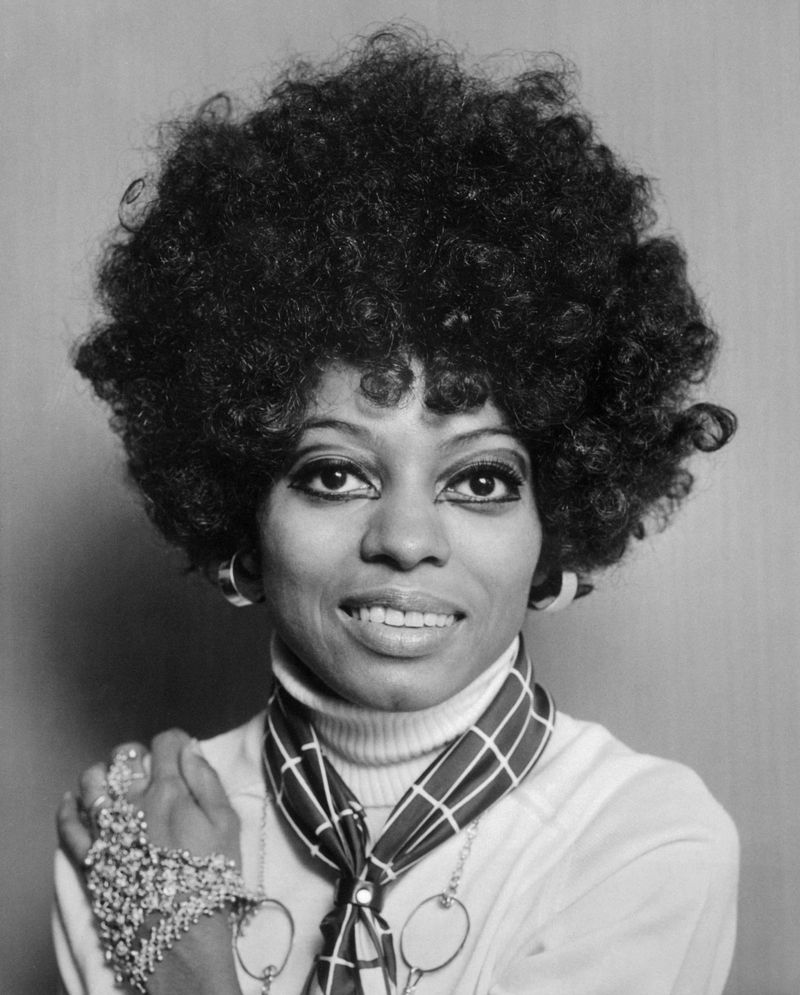
Wearing a natural afro in the 1970s was about way more than hair. For Black women, it was a bold declaration of identity and pride at a time when society pressured them to conform to white beauty standards.
The afro said: I am enough, exactly as I am.
But that pride came with a price. Many Black women faced discrimination at work for wearing their natural hair.
Some were reprimanded or even fired because employers called afros “unprofessional.” The fight over hair was really a fight over dignity.
8. Setting the Stage for 1970s Fashion
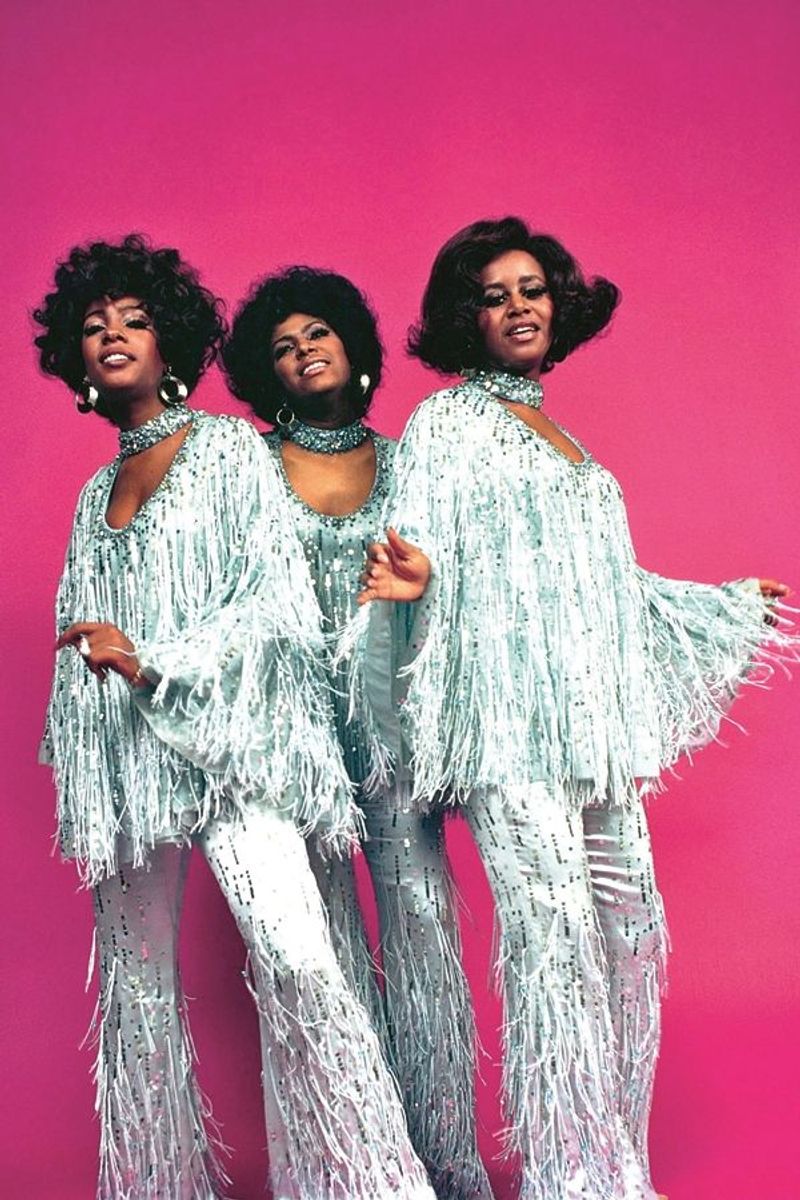
Black women were not just following 1970s fashion trends, they were creating them. From Afrocentric prints and flowing fabrics to glittery disco jumpsuits and satin gowns, Black women brought color, boldness, and creativity to every look they wore.
Tailored suits, casual denim, and knitwear also had their moment. The range was wide and the confidence was wider.
Black women dressed in ways that expressed freedom, culture, and joy, turning everyday streets into runways long before anyone used that phrase.
9. Pam Grier, Diana Ross, and Grace Jones as Icons
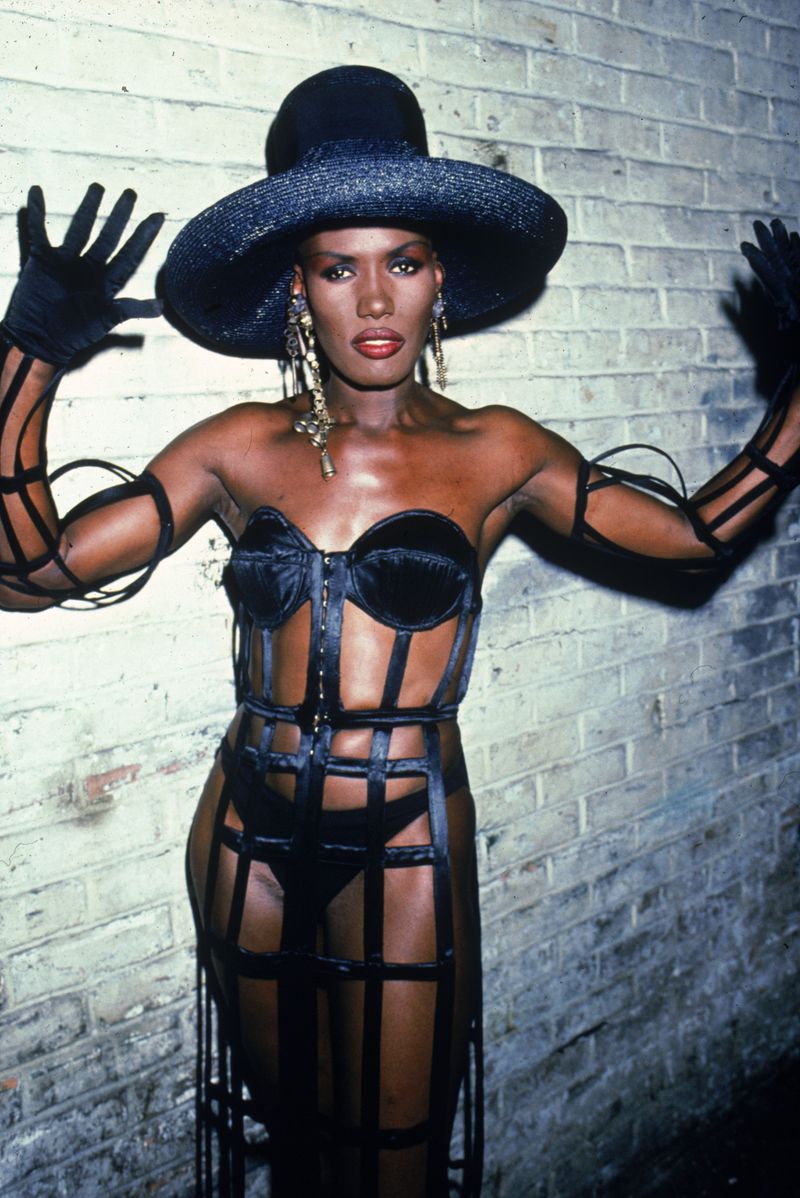
Pam Grier starred in action films that put Black women at the center of the story, tough and in charge. Diana Ross dazzled audiences with her voice and style.
Grace Jones broke every rule with her avant-garde look and unapologetic attitude. Together, they showed the world what Black excellence looked like on screen and on stage.
These women were more than entertainers. They were symbols of power and possibility for Black girls everywhere who finally saw themselves reflected in the spotlight.
10. Black Women Models Breaking Into European Fashion
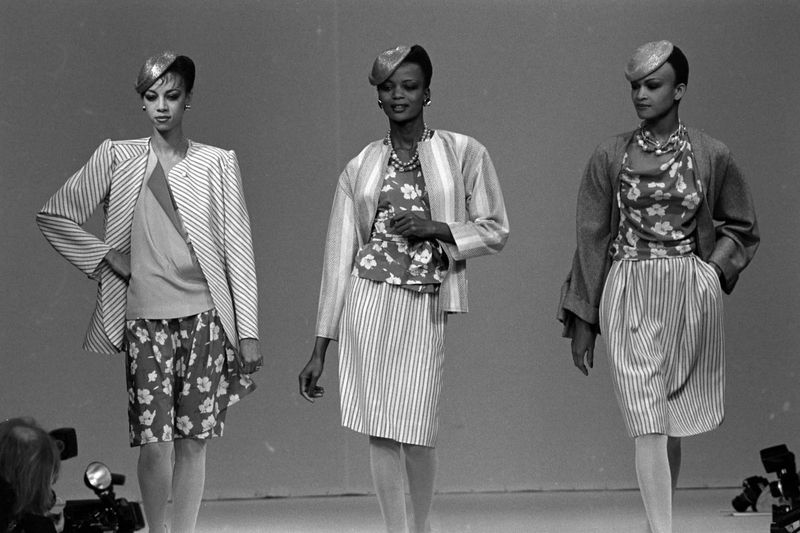
Racism in the American fashion industry pushed many Black models to seek opportunities in Europe, where they found more doors open to them. Paris and London became cities where Black women could actually build modeling careers without constantly hitting walls of discrimination.
Their success abroad highlighted just how much talent was being wasted back home. The 1970s marked a slow but real shift in how Black beauty was perceived globally.
These trailblazers paved the way for future generations to demand inclusion in American fashion as well.
11. Toni Morrison and the Literary Renaissance
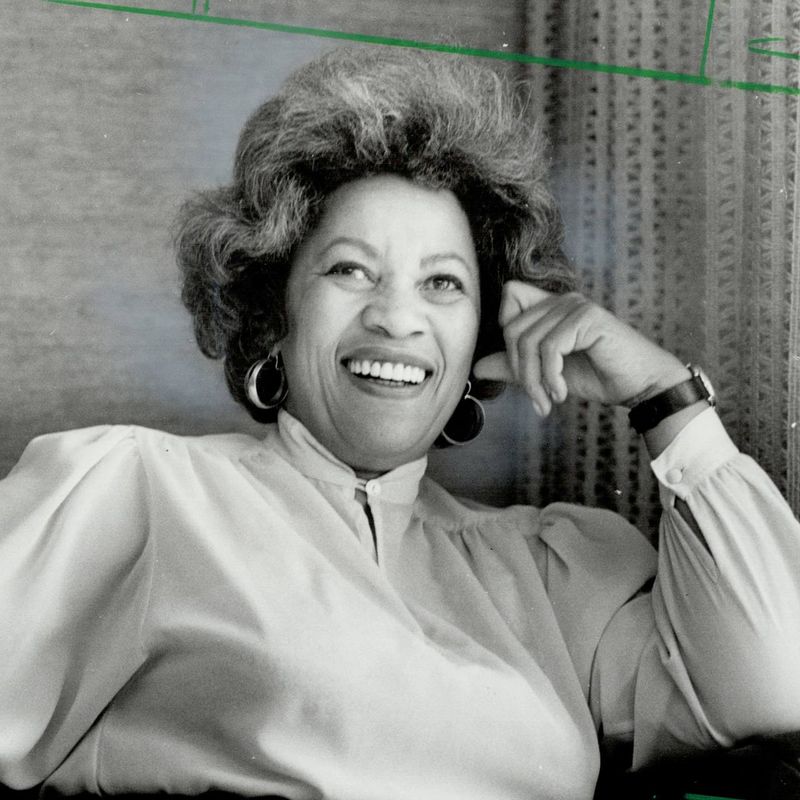
Toni Morrison published “The Bluest Eye” in 1970, and it cracked open a space for Black women’s stories in American literature. The novel explored what it meant to grow up Black and female in a world that told you that you were not beautiful or worthy.
Her work sparked what historians now call a Black women’s literary renaissance. Other writers followed, giving voice to experiences that had long been silenced.
Black women readers finally saw their inner lives reflected in books, and that mattered deeply.
12. Navigating Unspoken Rules at Work
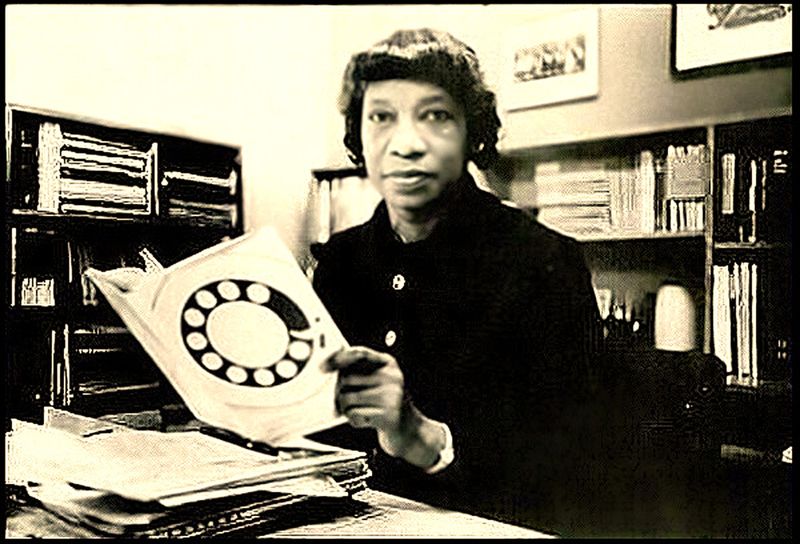
Getting a job was one thing. Keeping it meant learning a whole other set of unwritten rules.
Black women in professional settings often had to work twice as hard to be taken half as seriously. Code-switching, staying composed under pressure, and avoiding topics that made coworkers uncomfortable were daily survival skills.
These invisible expectations were exhausting. Many Black women carried the weight of representing their entire community in spaces where they were often the only one.
The emotional labor was real, even when no one acknowledged it.
13. Sunday Traditions as Community Anchors
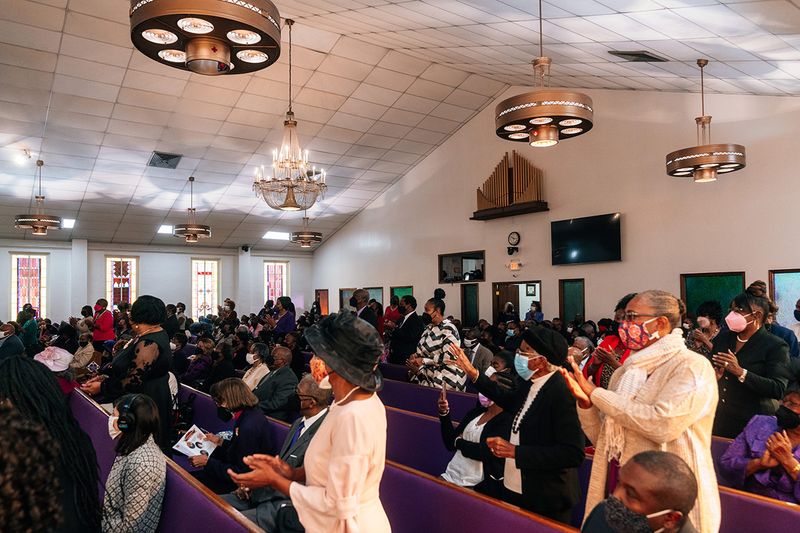
Sunday was sacred. For many Black women in the 1970s, church was not just a religious experience, it was the heartbeat of the community.
Women organized food drives, planned events, raised funds, and kept congregation life running smoothly week after week.
Getting dressed up for Sunday also carried cultural meaning. It was a form of pride and self-respect in a world that often refused to offer either.
These weekly gatherings were places where Black women could exhale, connect, and feel fully seen by people who truly understood them.
14. The Three-Fold Commitment of Black Middle-Class Women
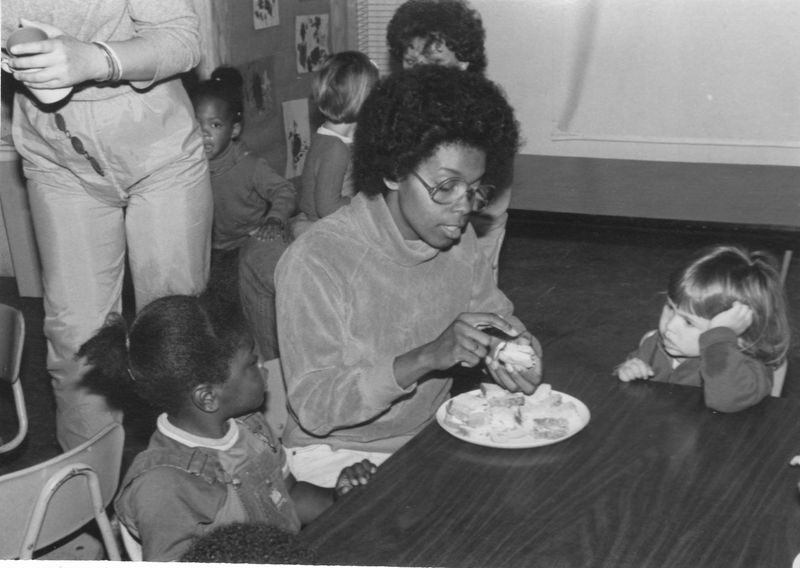
Black middle-class women in the 1970s often described their lives around a “three-fold commitment,” balancing family, career, and community all at the same time. This was not just a personal choice, it was a deeply held belief that Black women had a responsibility to lift as they climbed.
This vision of womanhood challenged the idea that a woman had to pick just one role. It was ambitious and exhausting in equal measure.
Yet many Black women wore all three hats with remarkable grace and intention every single day.
15. Building Grassroots Networks on the West Coast
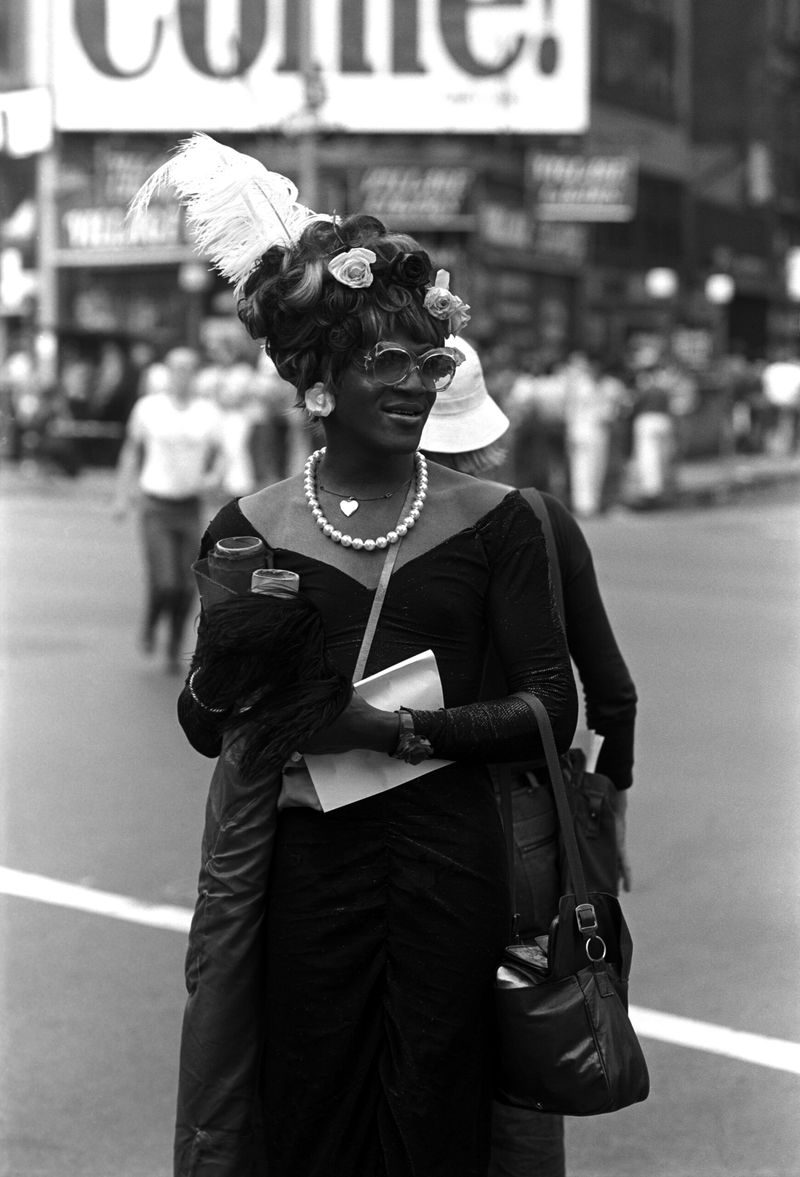
On the West Coast, Black feminists did not wait for institutions to help their communities. They built their own networks, organizing around practical needs like affordable housing, legal aid, and childcare.
Survival itself became a form of resistance.
Groups like Salsa Soul Sisters and the Third World Women’s Alliance were part of this broader movement to address real, everyday struggles. Their grassroots work proved that activism did not always look like a march.
Sometimes it looked like showing up for your neighbor with resources and respect.
16. Confronting Sexism Inside Civil Rights Movements
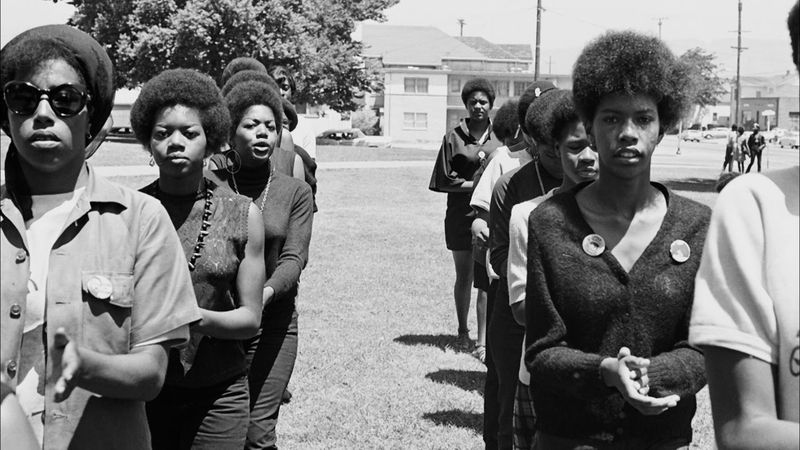
Black women were essential to the Civil Rights and Black Power movements, but their contributions were regularly overlooked. Men often got the credit while women did much of the organizing, communicating, and community-building behind the scenes.
That imbalance was hard to ignore.
Many Black women eventually pushed back openly against the sexism they faced within these movements. Some started their own women-centered campaigns.
Their willingness to name the problem, even among allies, took real courage and helped shift what justice meant for the movement as a whole.
17. A New Law and the Long Road to Equal Employment
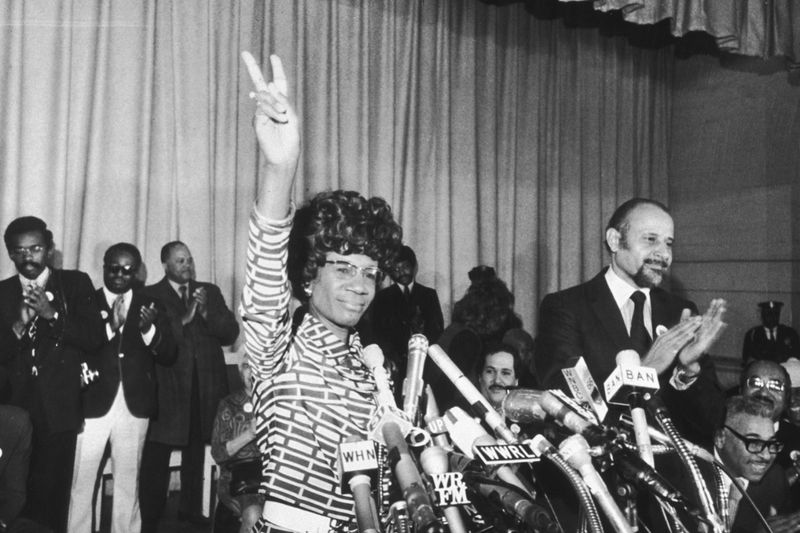
The Equal Employment Opportunity Act passed in 1972, officially making it illegal to discriminate in hiring based on race, sex, religion, or national origin. On paper, it was a major win.
In practice, change came slowly and unevenly for Black women.
Discrimination did not vanish because a law said it should. Many employers found subtle ways to keep Black women out of better-paying roles.
But the law gave Black women a legal tool to fight back, and many used it. The 1970s was just the beginning of a much longer battle for workplace equality.