
Hotels have long been known for their little luxuries and familiar comforts that make travelers feel right at home. But lately, many of those once-standard perks are quietly disappearing from rooms across the country and around the world.
From tiny shampoo bottles to full room service menus, the hotel experience is changing fast. Whether it is driven by sustainability goals, rising costs, or new technology, these shifts are worth knowing before your next trip.
1. Miniature Single-Use Toiletry Bottles
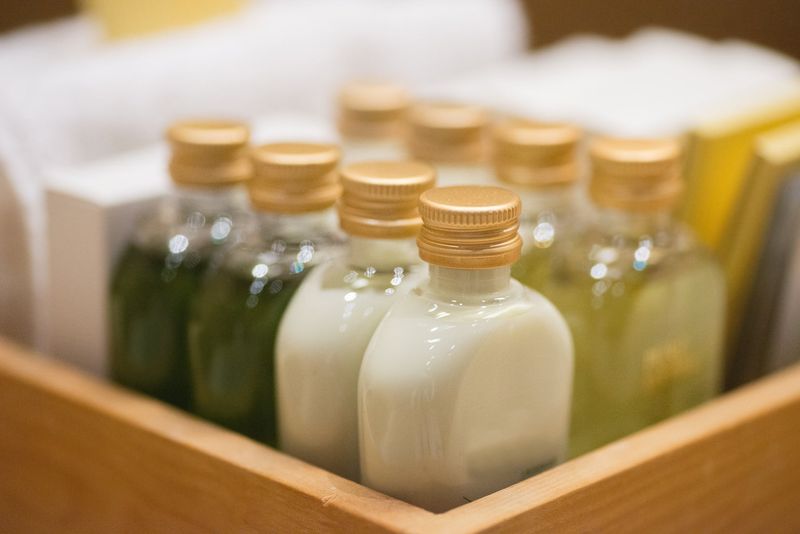
Remember grabbing those tiny shampoo and conditioner bottles as a little souvenir from your hotel stay? Those days are fading fast.
Hotels worldwide are swapping them out for large, refillable dispensers mounted right on the shower wall.
The push comes from growing concerns about plastic waste. Some regions, including parts of the European Union, are even moving to ban single-use toiletry bottles entirely.
It is a small change that adds up to millions of fewer plastic bottles each year.
2. Stocked Minibars
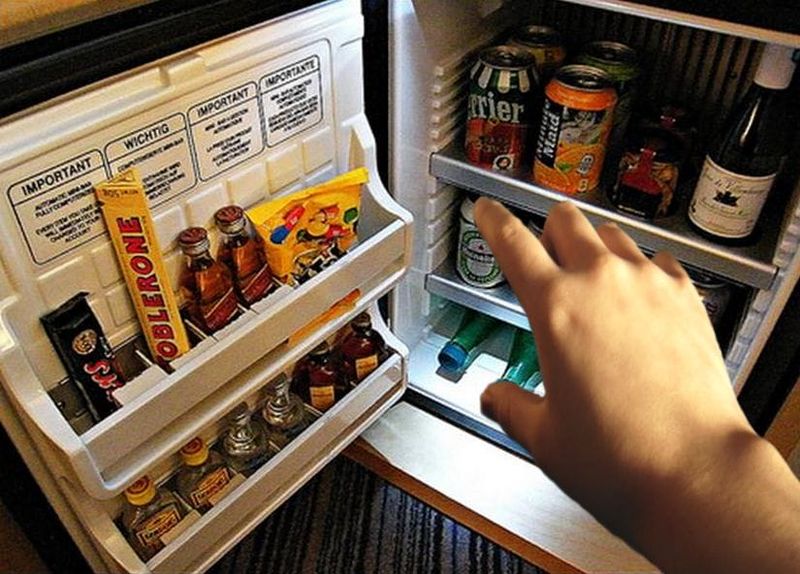
Once a thrilling little treasure chest tucked under the TV stand, the hotel minibar is slowly going extinct. The overpriced snacks and drinks that once tempted tired travelers are being replaced by something more practical.
Many hotels now point guests toward on-site capsule shops or delivery apps, which offer better prices and more variety. The minibar required constant restocking and monitoring, making it a costly operation that fewer properties feel is worth maintaining anymore.
3. Daily Housekeeping Service
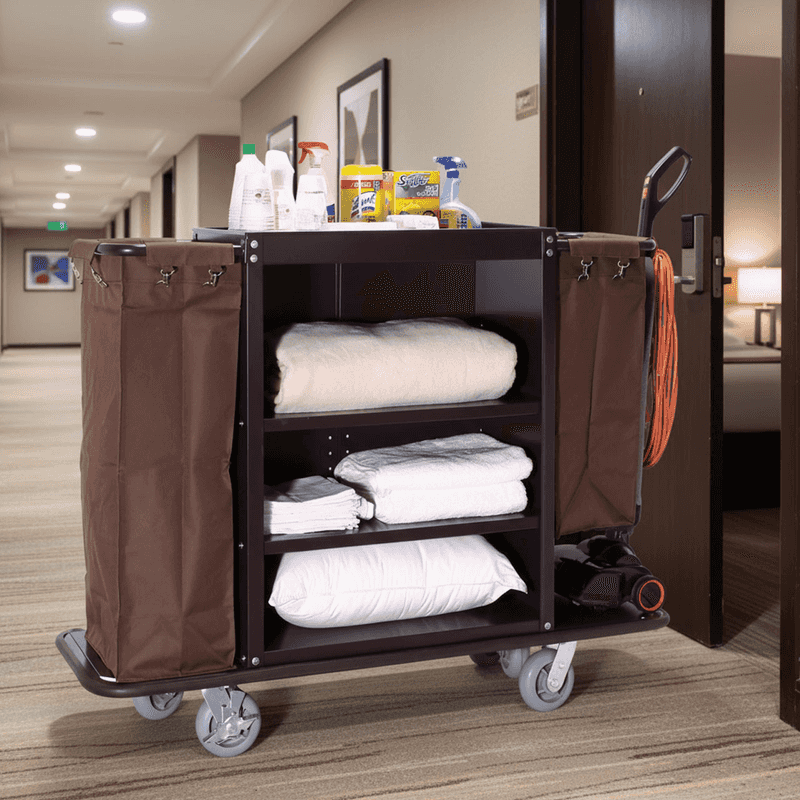
Getting fresh towels and a neatly made bed every single day used to be a given at almost any hotel. That expectation shifted dramatically when the COVID-19 pandemic forced properties to rethink how often staff entered guest rooms.
Even now that health concerns have eased, many hotels have kept the reduced schedule. Staffing shortages and cost savings make daily housekeeping harder to justify.
Guests can usually still request it, but it is no longer automatically provided every morning.
4. Plastic Key Cards
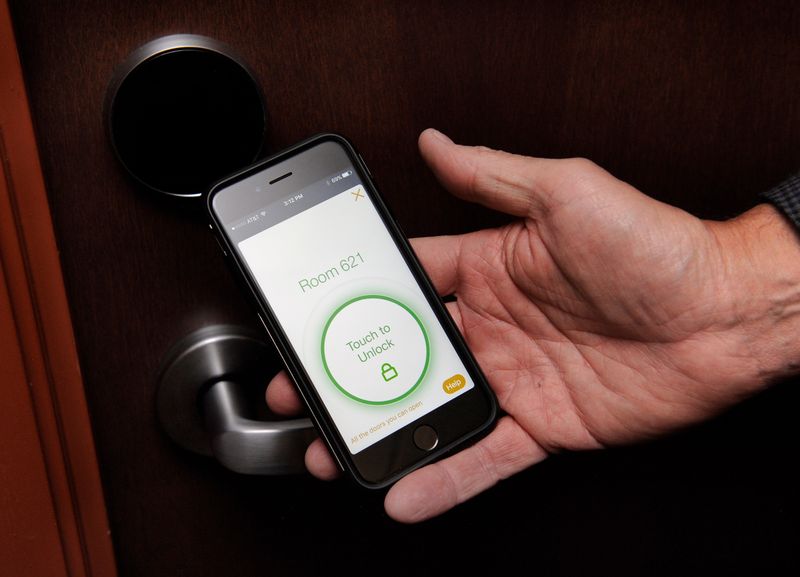
That satisfying click of a plastic key card sliding into the door slot may soon be a memory. Hotels are rapidly switching to digital room keys that live right on your smartphone, using Bluetooth or NFC technology to unlock doors.
Guests can check in through an app before they even arrive, skipping the front desk entirely. The switch cuts down on plastic waste and speeds up the arrival process.
It also means no more demagnetized cards ruining your entry at midnight.
5. Printed In-Room Materials

Thick hotel binders stuffed with restaurant menus, local attraction guides, and WiFi passwords were once a staple of every nightstand. Now, most of that information has moved to screens.
Tablets, smart TVs, and hotel apps have taken over.
The digital switch makes sense for hotels because updates happen instantly without reprinting hundreds of pages. Guests get current information, and properties save on printing costs and paper waste.
Still, some older travelers miss having something physical to flip through at the end of a long day.
6. In-Room Landline Phones and Alarm Clocks
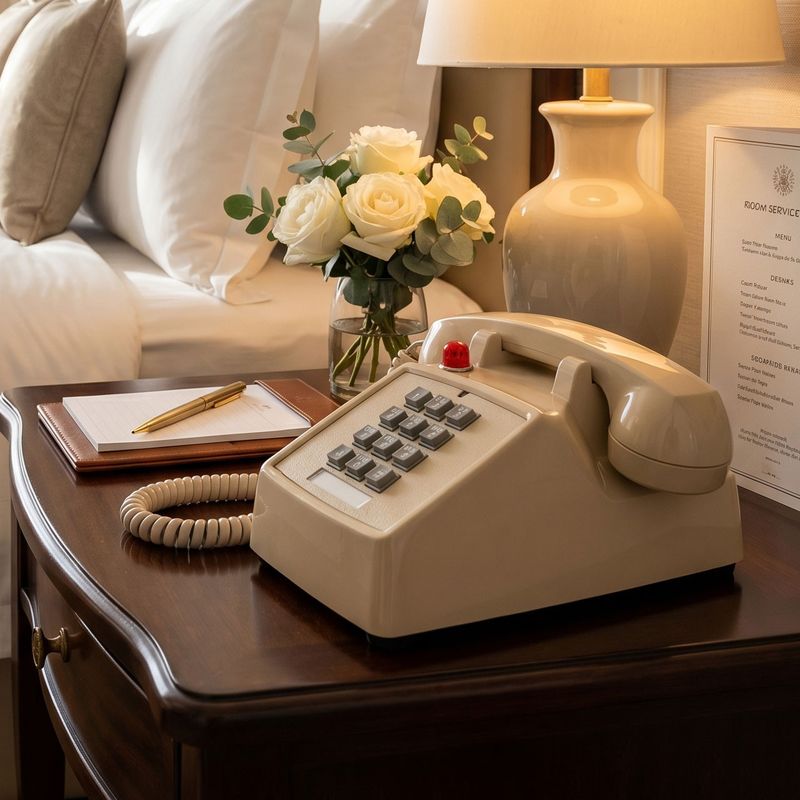
Back in the day, that chunky bedside phone was your lifeline to room service, the front desk, and wake-up calls. Now, nearly every guest carries a smartphone, making the landline feel like a relic from another era.
Separate digital alarm clocks are disappearing too, since most people simply use their phone. Hotels are reclaiming that nightstand space with wireless chargers and smart speakers instead.
It is a practical swap, though the old-school wake-up call still holds a certain nostalgic charm.
7. Generic Welcome Gifts
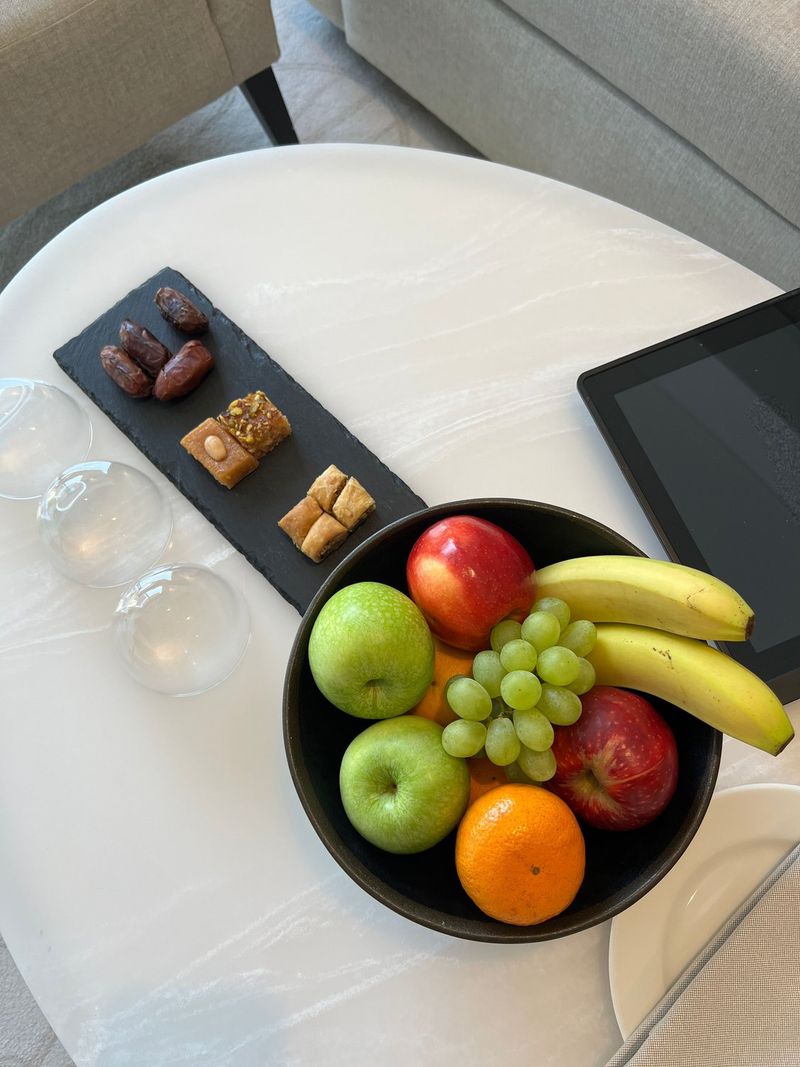
Arriving to find a fruit plate waiting in your room once felt like a small luxury. Truthfully though, those standardized welcome gifts often sat untouched and ended up in the trash, creating unnecessary food waste with little personal value.
Hotels are rethinking the welcome amenity entirely. Some are replacing generic offerings with locally sourced snacks or personalized touches based on guest preferences.
Others have dropped welcome gifts altogether. Either way, the era of the obligatory, uninspired fruit bowl is quietly coming to a close.
8. Full Room Service Menus
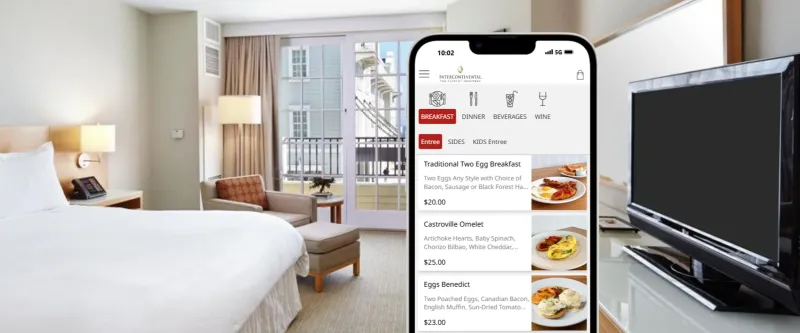
Ordering a club sandwich at midnight without leaving your room used to be one of the best parts of staying at a hotel. Full room service menus were a beloved perk, but they are becoming increasingly rare at properties of all sizes.
Running a full room service operation is expensive and labor-intensive. With food delivery apps just a few taps away, many hotels have trimmed their offerings drastically or eliminated room service entirely.
A few grab-and-go options or a QR code to DoorDash has become the new norm.
9. Traditional Front Desks
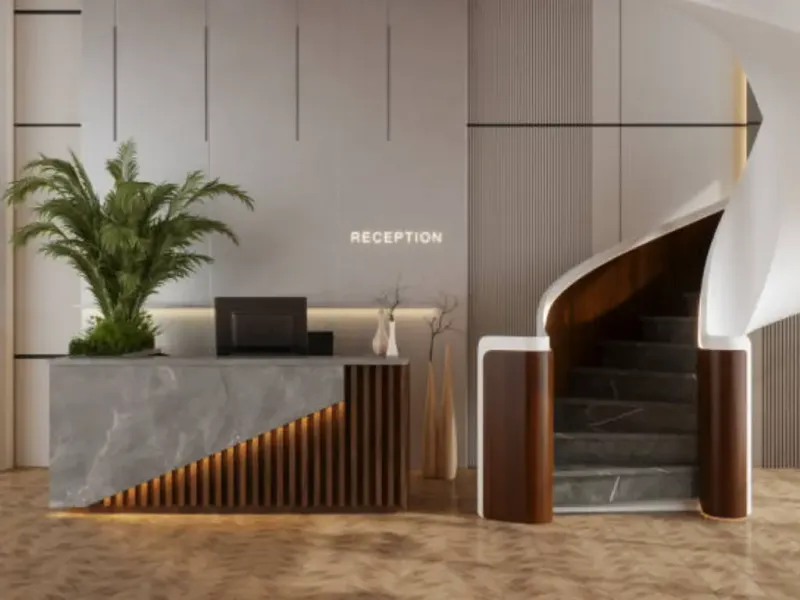
Walking into a hotel lobby and lining up at a long front desk to check in is a ritual that newer properties are actively redesigning away. Self-service kiosks and mobile check-in apps are becoming the preferred greeting for many travelers.
Midscale and boutique hotels especially are embracing the shift, replacing bulky front desks with open lobby spaces where staff roam freely and assist guests on the move. The goal is a faster, more relaxed arrival experience that feels less like a transaction and more like a welcome.
10. Bulky In-Room Work Desks

That oversized wooden desk shoved into the corner of a hotel room was supposed to help business travelers get work done. In reality, most people end up working from the bed, the couch, or a coffee shop down the street.
Hotels have noticed. Many are swapping out the heavy desks for slim floating ledges, compact tables, or multi-use surfaces that free up valuable floor space.
The change reflects how modern travelers actually work, spread across multiple spots rather than anchored to one fixed station all day.
11. Full In-Room Closets
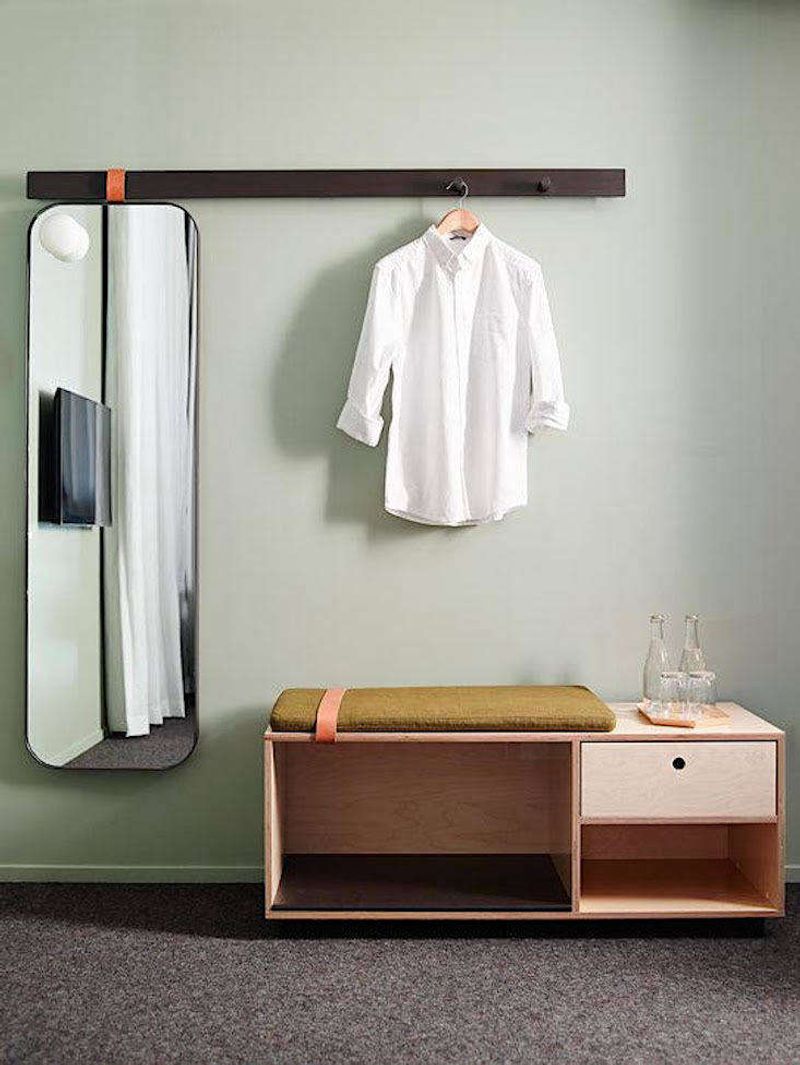
Full closets with sliding doors, hangers, and built-in shelves were once considered a basic hotel room feature. Younger travelers and shorter-stay guests, however, rarely unpack entirely, making a large dedicated closet feel like wasted square footage.
Some hotels have replaced closets with open clothing racks, a few hooks near the entry, or small alcoves for luggage. The result is a room that feels more open and airy.
For longer stays, though, the lack of proper storage can feel like a real inconvenience worth knowing about before you book.
12. Bathtubs in Standard Rooms
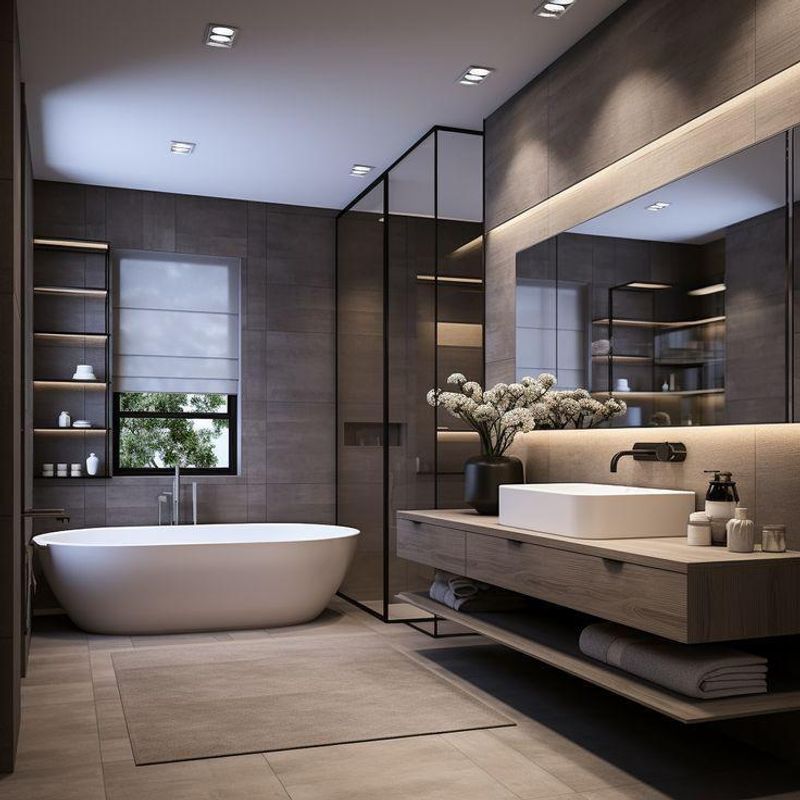
Soaking in a deep hotel tub after a long day of travel sounds relaxing, but fewer standard hotel rooms are offering that option anymore. Bathtubs are being pulled out and replaced with roomy walk-in showers at a surprising rate.
Business travelers and short-stay guests tend to prefer quick showers, and hotels have adjusted accordingly. A walk-in shower also takes up less room and is easier to clean thoroughly.
If a bathtub matters to you, it is now worth checking the room details carefully before confirming your reservation.
13. Bed Scarves and Decorative Throw Pillows
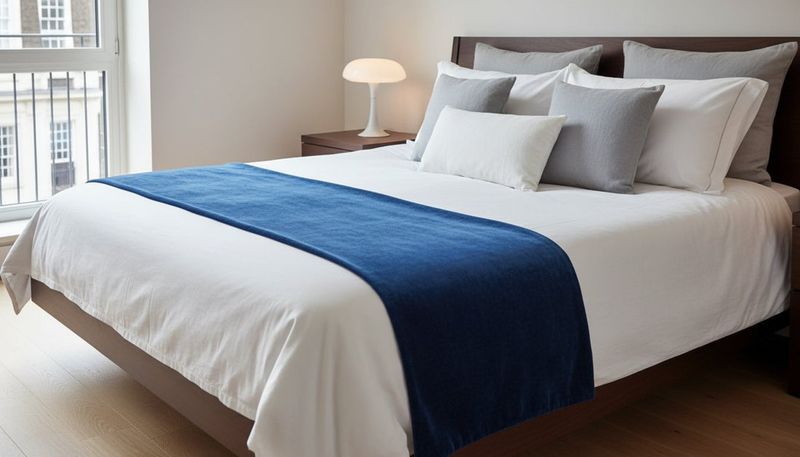
Those folded fabric strips draped across the foot of the bed and the mountain of decorative pillows piled against the headboard were once considered signs of a well-appointed hotel room. Now they are being quietly retired.
Removing them actually saves housekeeping time and reduces laundry loads, which adds up to real operational savings over time. The cleaner, more minimal bed look also fits the modern aesthetic many hotels are going for.
Fewer pillows also means less confusion about which ones are actually meant for sleeping on.
14. Traditional Solid Bathroom Doors
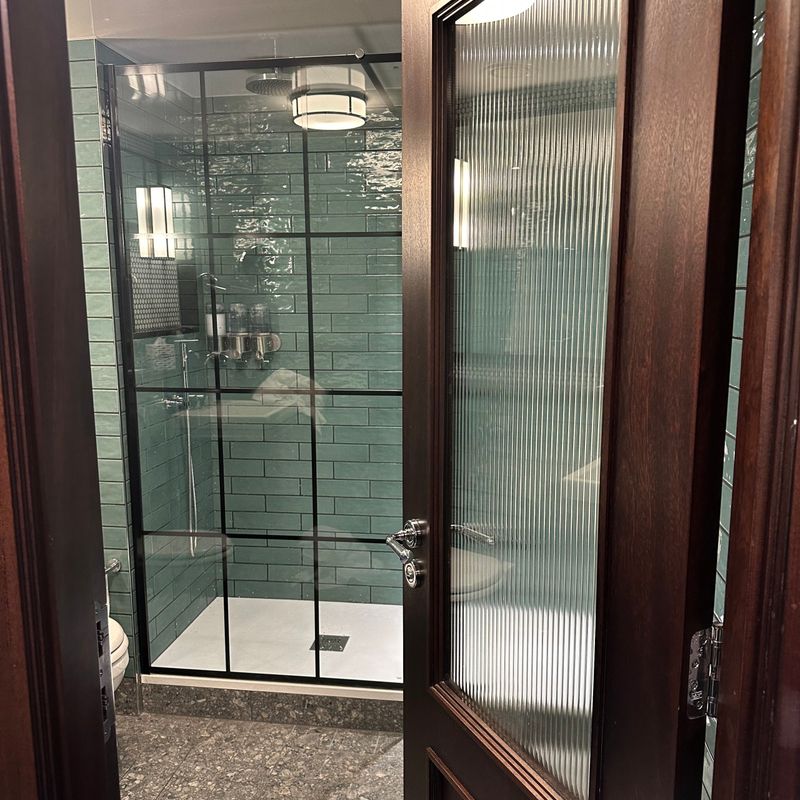
A solid bathroom door that closes fully and locks securely used to be something no one even thought twice about. Newer hotel room designs, however, are experimenting with frosted glass panels, fabric partitions, or open-concept layouts where the bathroom door barely exists.
The trend is meant to create a sleeker, more open feel and maximize the sense of space in smaller rooms. Many guests, though, have raised real concerns about privacy.
If sharing a room with someone you are not entirely comfortable with, a curtain where a door should be can feel like a significant downgrade.
15. Complimentary Sewing Kits
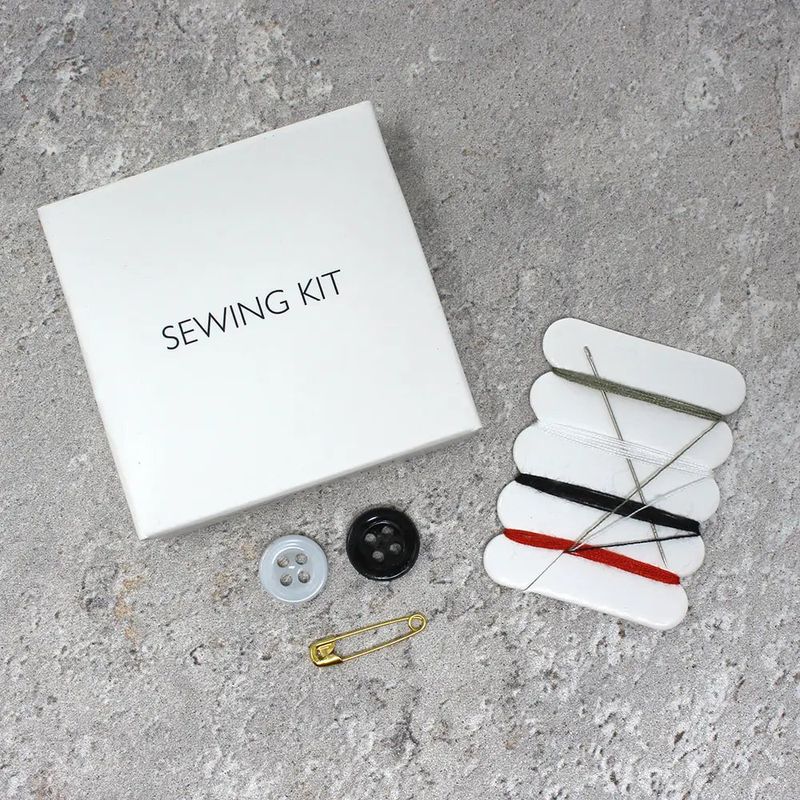
Once tucked neatly inside bathroom drawers alongside a shoehorn and a shower cap, the complimentary sewing kit was a quiet hero of hotel stays. Pop a button before a big meeting?
No problem. Hotels had you covered with a tiny kit that felt like a thoughtful little lifesaver.
Today, those kits are vanishing from rooms. Hotels cutting costs and reducing single-use items have quietly removed them from their amenity lineups.
Some properties still offer them at the front desk upon request, but finding one automatically in your room is becoming rare.
It is a small loss that speaks to bigger shifts happening across the hospitality world.