
Every year, the Oscars celebrate the best films Hollywood has to offer, but sometimes truly great movies get left out completely. Some of the most beloved and influential films in history never received a single Academy Award nomination, which can feel shocking when you look at the list.
Whether it was bad timing, genre bias, or just plain oversight, these snubs are hard to explain. Get ready to be surprised by some of the biggest Oscar misses of all time.
1. Zodiac (2007)
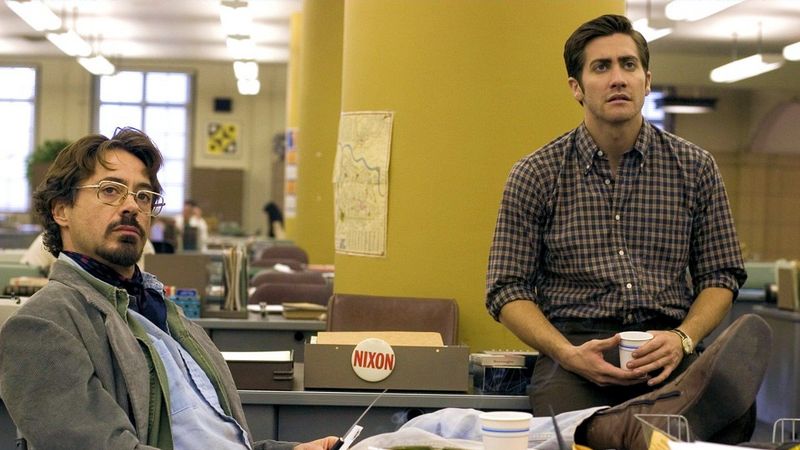
David Fincher built one of the most meticulous crime thrillers ever put on screen, and the Academy completely looked the other way. Zodiac follows journalists and detectives obsessed with catching San Francisco’s real-life Zodiac Killer.
The film is packed with tension, brilliant performances, and stunning period detail.
Critics and audiences adored it, and it routinely appears on “greatest films” lists. Not a single Oscar nomination came its way, making it one of the most shocking oversights in modern Academy history.
2. Heat (1995)
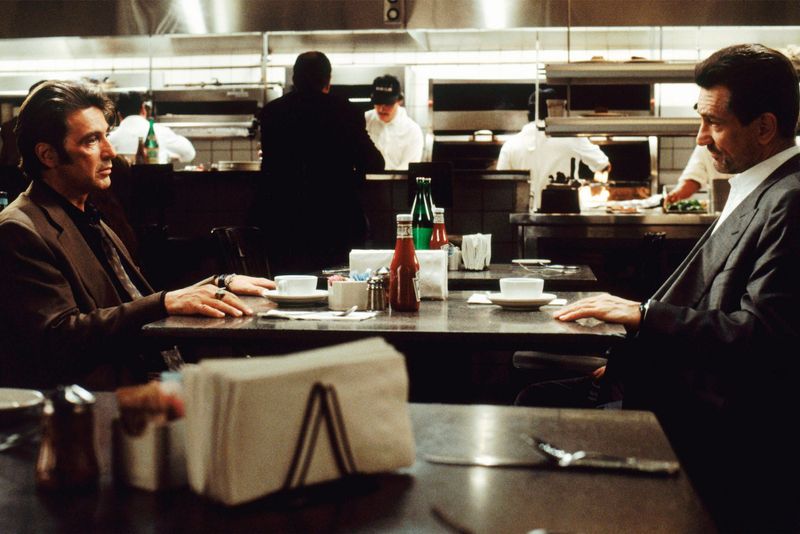
Few scenes in movie history match the electricity of Al Pacino and Robert De Niro sitting across from each other in a diner. Heat brought two of Hollywood’s greatest actors together for the first time on screen, and the result was pure magic.
Michael Mann’s crime epic is layered, tense, and deeply human.
Somehow, the Academy ignored it entirely. No nominations for acting, directing, or anything else.
Fans still talk about that snub decades later with genuine disbelief.
3. The Big Lebowski (1998)
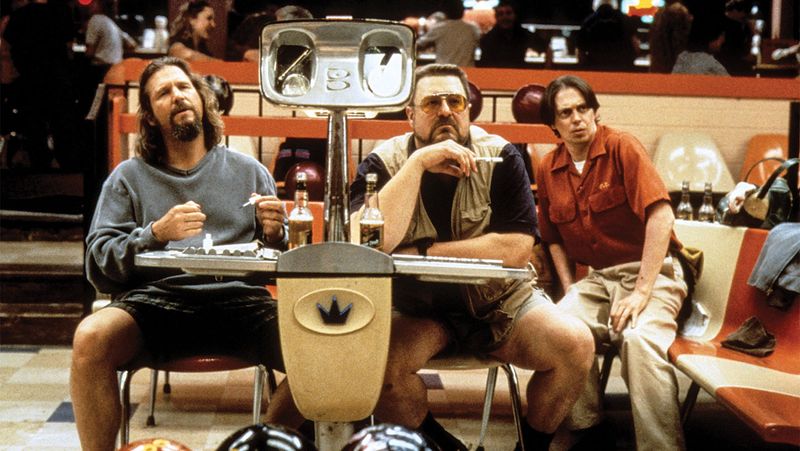
“The Dude abides.” Those three words have become a cultural touchstone, and yet the Coen Brothers’ wonderfully weird comedy walked away from Oscar season with absolutely nothing. The Big Lebowski is one of the most quoted, cosplayed, and beloved cult films ever made.
It even inspired a real-life religion called Dudeism.
The Academy passed on it without blinking. Looking back, skipping over Jeff Bridges’ legendary performance feels like a truly baffling call that still baffles movie lovers today.
4. The Good, the Bad and the Ugly (1966)
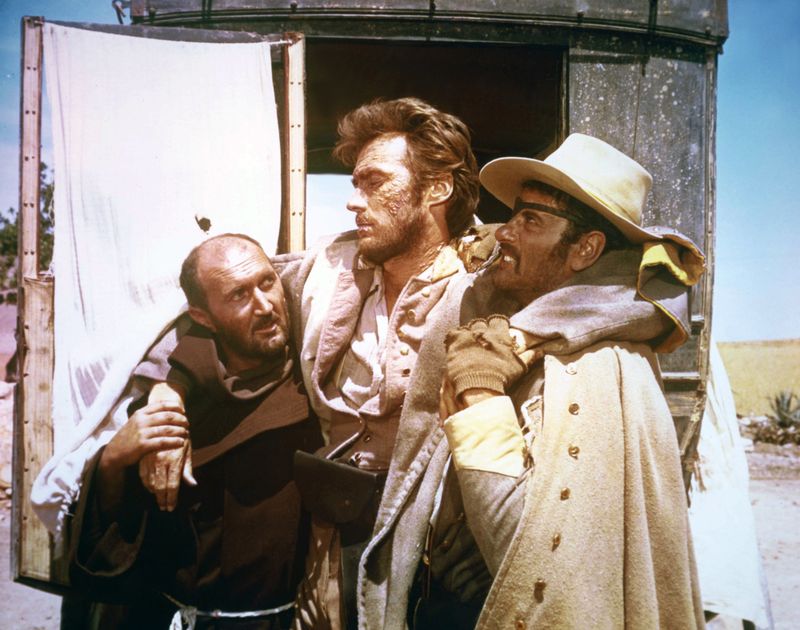
Sergio Leone created what many consider the greatest Western ever filmed, and the Oscars did not care one bit. The Good, the Bad and the Ugly features one of cinema’s most iconic scores, breathtaking cinematography, and a climax that has never been topped.
Clint Eastwood became a superstar because of this film.
Zero nominations. Not even a nod to Ennio Morricone’s unforgettable music.
The Academy’s complete silence on this masterpiece remains one of its most puzzling decisions.
5. The Thing (1982)
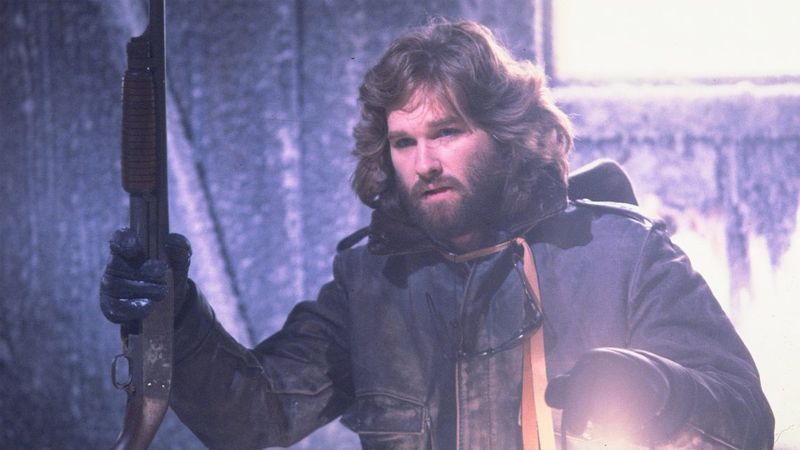
John Carpenter’s The Thing is a masterclass in paranoia, practical effects, and slow-burn dread. Released in the summer of 1982, it was unfairly buried by E.T. the Extra-Terrestrial at the box office and dismissed by critics at the time.
Today, it is universally praised as one of the greatest horror films ever made.
The special effects work alone should have earned recognition. Rob Bottin’s creature designs were groundbreaking.
The Academy gave it nothing, a decision that looks worse with every passing year.
6. Paths of Glory (1957)
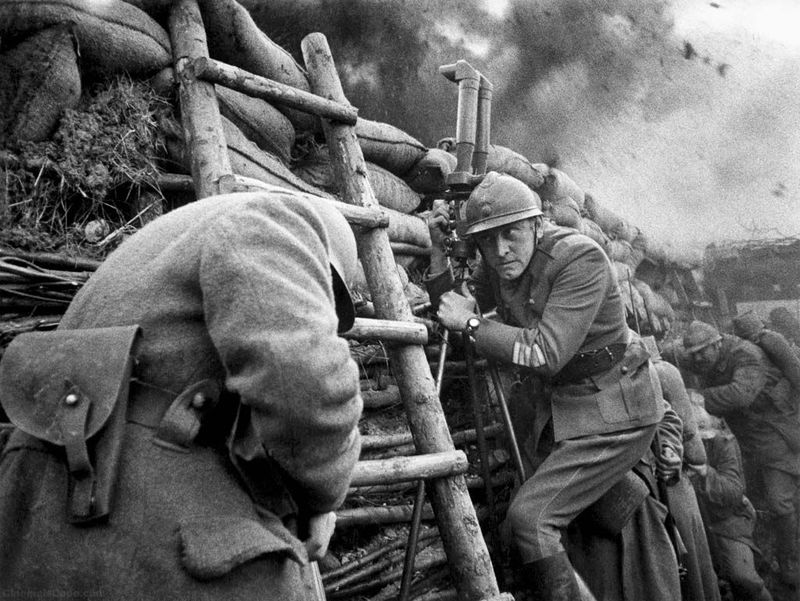
Stanley Kubrick’s anti-war film is raw, angry, and heartbreaking. Kirk Douglas plays a French officer fighting to save soldiers who were unjustly accused of cowardice during World War I.
The courtroom scenes crackle with moral fury, and the final sequence is genuinely devastating.
For a film this powerful and this honest about the cruelty of war, the Academy’s silence was stunning. Paths of Glory is now considered one of Kubrick’s finest achievements, which makes the snub even harder to understand.
7. Groundhog Day (1993)
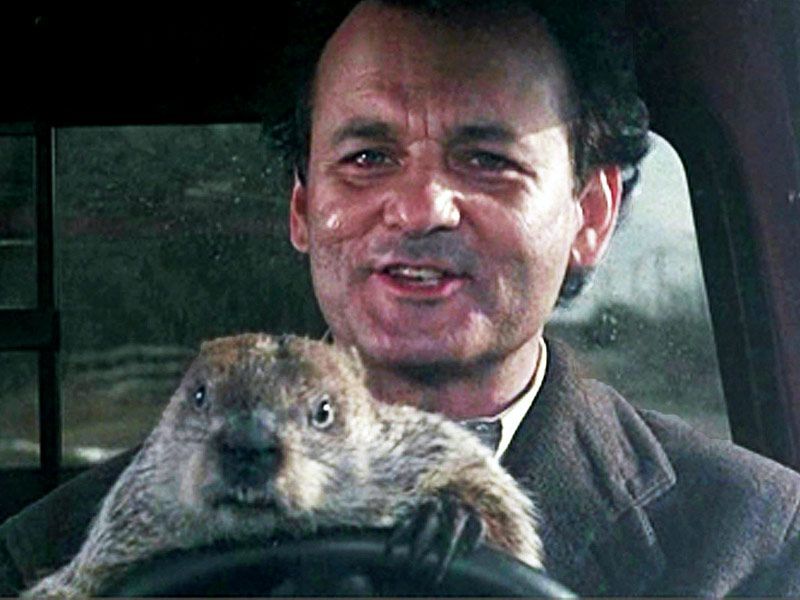
Bill Murray waking up to Sonny and Cher’s “I Got You Babe” every single morning became one of the most iconic images in 1990s cinema. Groundhog Day is funny, clever, and surprisingly philosophical.
It works as a comedy, a romance, and almost a spiritual fable about personal growth.
Writers and filmmakers still study it as a model of perfect storytelling structure. Despite all that, the Academy gave it zero nominations.
Murray’s performance alone deserved serious consideration.
8. The Searchers (1956)
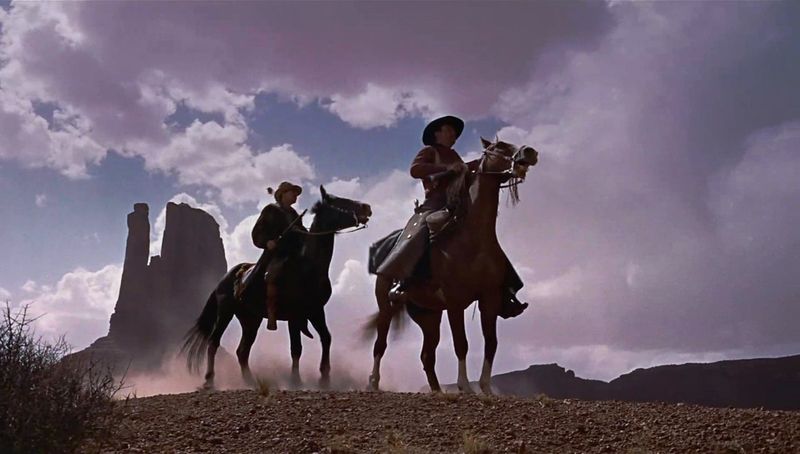
Orson Welles called it the greatest American film ever made. Martin Scorsese and Steven Spielberg have both cited The Searchers as a defining influence on their careers.
John Ford’s western follows a Civil War veteran on a years-long quest to find his kidnapped niece, and it is both beautiful and morally complex.
John Wayne gave arguably the finest performance of his career. The Academy handed it zero nominations.
That omission is routinely ranked among the most shocking in Oscar history.
9. Once Upon a Time in the West (1968)
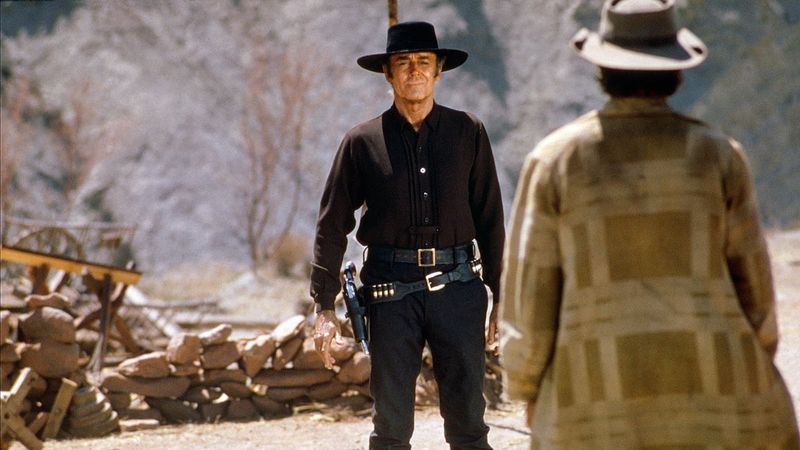
Sergio Leone returned to the Western genre and somehow topped himself. Once Upon a Time in the West is an epic, operatic film with stunning visuals and another legendary Ennio Morricone score.
Henry Fonda played against type as a chilling villain, which alone was a bold and brilliant casting choice.
The Academy ignored it completely. No nominations for the score, cinematography, or anything else.
Today it is considered one of the finest westerns ever committed to film by critics worldwide.
10. Reservoir Dogs (1992)
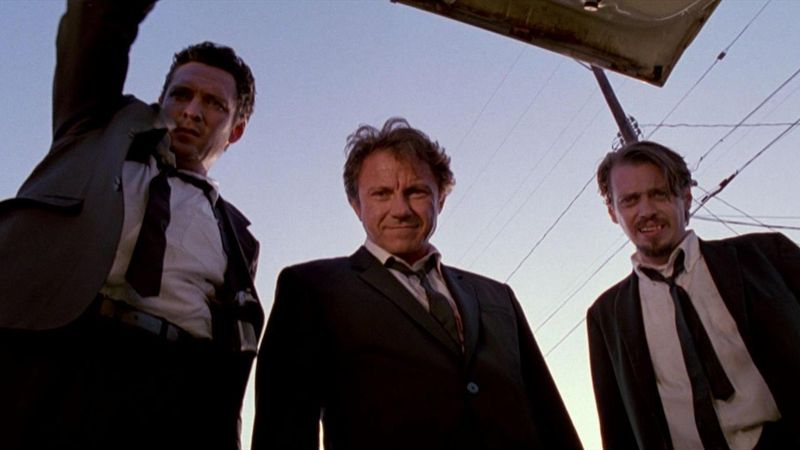
Quentin Tarantino burst onto the scene with one of the most confident debut films in cinema history. Reservoir Dogs is lean, sharp, and relentlessly gripping, built almost entirely on dialogue and tension rather than action.
It launched careers, inspired countless imitators, and changed independent filmmaking forever.
Not a single Oscar nomination followed. Some point to its violent content as the reason, but plenty of violent films have been recognized by the Academy.
The snub helped cement its rebellious, outsider reputation.
11. King Kong (1933)
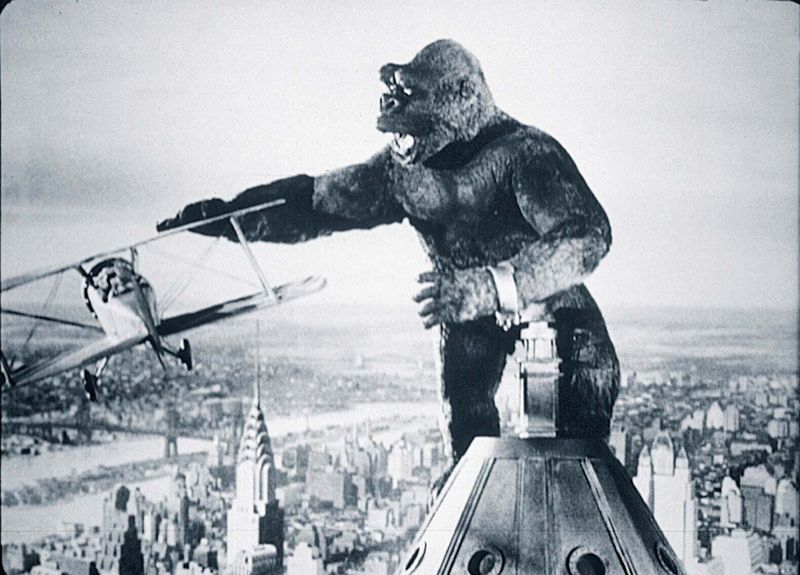
Long before CGI existed, filmmakers Merian C. Cooper and Ernest Schoedsack created a giant ape that made audiences scream in 1933.
King Kong was a technical marvel, using stop-motion animation and groundbreaking visual effects that were unlike anything audiences had ever seen. It defined monster movies for generations to come.
The Academy Award for Best Visual Effects did not even exist yet in 1933, but Kong was still shut out entirely. Its influence on Hollywood filmmaking is simply immeasurable.
12. The Shining (1980)
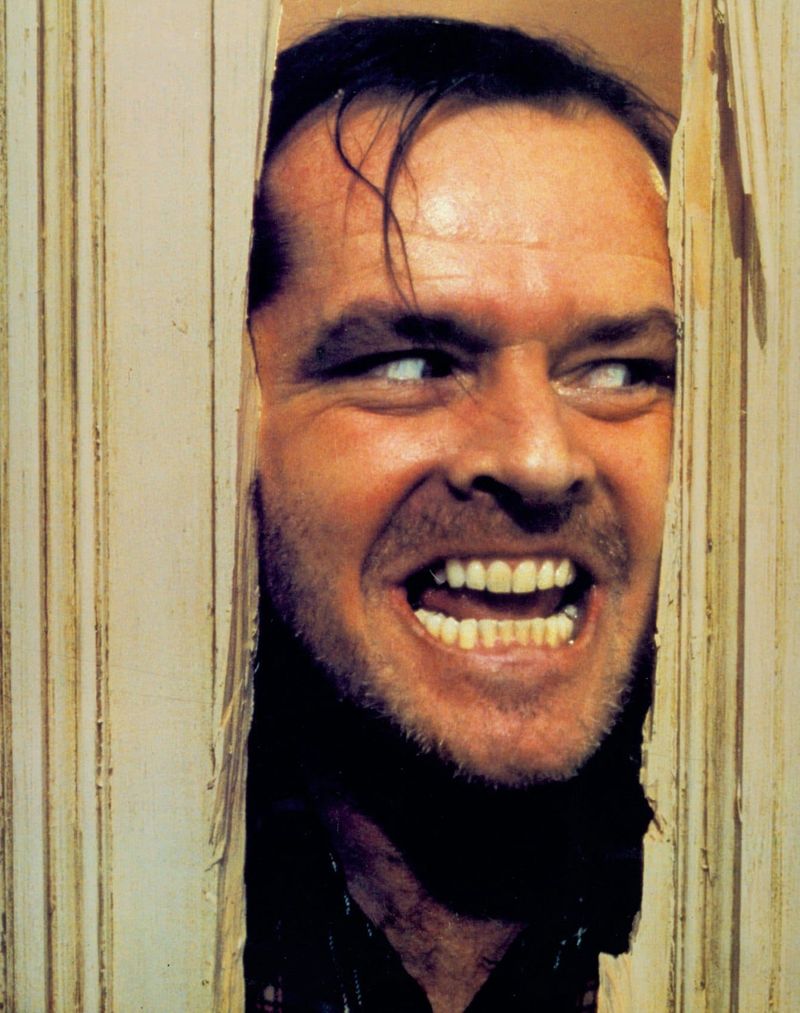
Stanley Kubrick’s adaptation of Stephen King’s novel is one of the most studied and discussed horror films ever made. Jack Nicholson’s performance is electric and terrifying, Shelley Duvall’s portrayal of slow-burning fear is heartbreaking, and Kubrick’s camera work is endlessly inventive.
The film gets creepier with every rewatch.
Remarkably, the Academy gave it nothing. Nicholson was not even considered.
Kubrick was famously frustrated by the Academy throughout his career, and The Shining is perhaps the clearest example of that ongoing tension.
13. This Is Spinal Tap (1984)
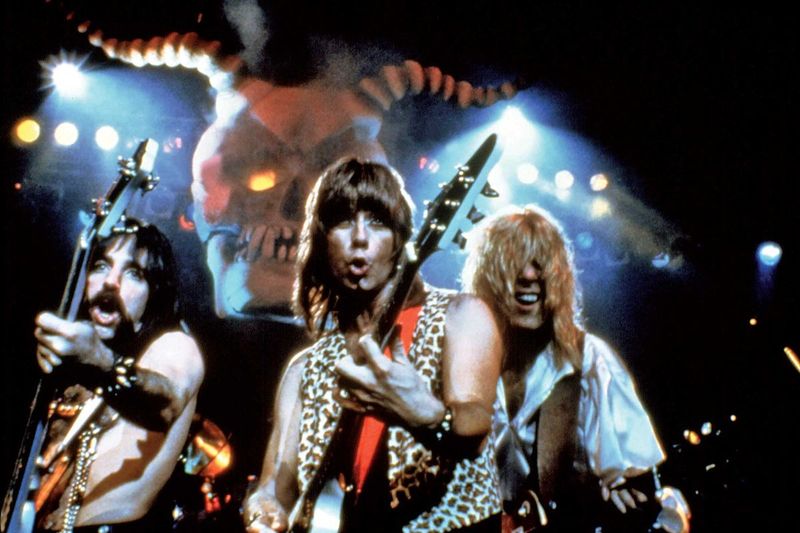
Rob Reiner’s mockumentary about a struggling British heavy metal band is one of the funniest films ever made, and it practically invented an entire genre of comedy filmmaking. “These go to eleven” is one of the most quoted movie lines of all time. The film feels so real that some viewers thought it was an actual documentary.
Zero Oscar recognition came its way. Christopher Guest, Michael McKean, and Harry Shearer all delivered comedy performances that were genuinely remarkable.
The Academy simply did not take comedy seriously enough.
14. Before Sunrise (1995)
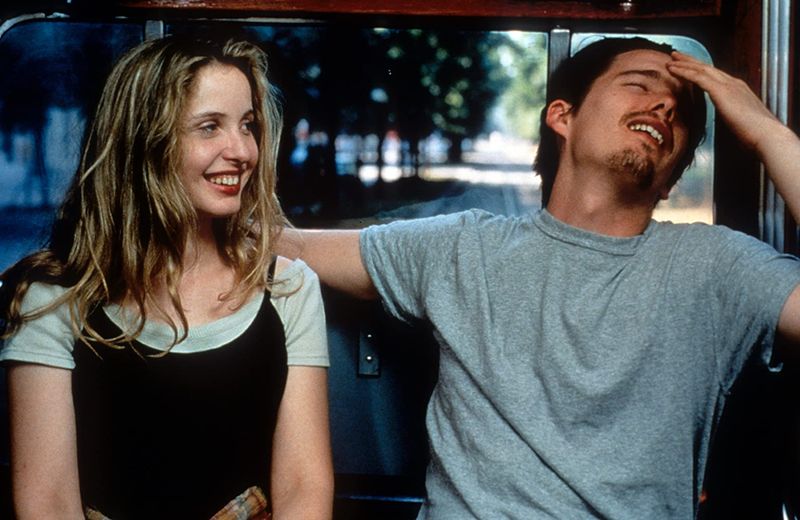
Richard Linklater put two strangers on a train to Vienna and let them talk for 80 minutes, and the result was pure movie magic. Before Sunrise feels completely real, like eavesdropping on a genuine connection forming between two people who know their time together is almost up.
Ethan Hawke and Julie Delpy were perfectly cast.
The film earned critical acclaim and launched a beloved trilogy. Still, the Academy passed on it without hesitation.
Its quiet, conversational style was apparently too subtle for Oscar voters to notice.
15. Eyes Wide Shut (1999)
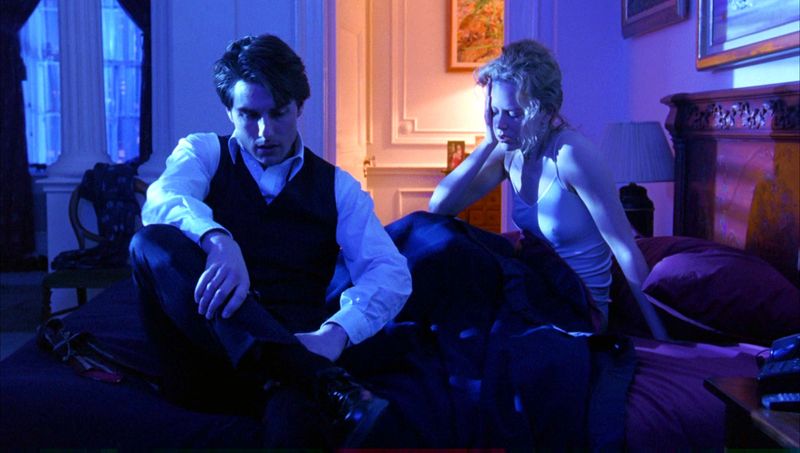
Stanley Kubrick’s final film arrived after 12 years of anticipation and was met with a divided reaction. Eyes Wide Shut is a slow, hypnotic exploration of desire, jealousy, and identity, starring Tom Cruise and Nicole Kidman at the height of their fame.
Kubrick passed away just days after showing the studio his final cut.
Despite the curiosity surrounding it and the star power involved, zero Oscar nominations followed. It was a quiet, strange farewell from one of cinema’s greatest directors, and the Academy said nothing at all.