
Growing up in the Boomer era meant learning life’s rules the hard way, and most of those rules have quietly vanished from modern parenting. Back then, kids roamed neighborhoods freely, did chores without complaining, and heard “no” without a lengthy explanation.
Today’s parents often take a very different approach, one focused on emotional support, safety, and open communication. Looking back at these old-school lessons reveals just how much parenting has changed, and why some of those lessons still spark debate.
1. Unsupervised Outdoor Play for Hours
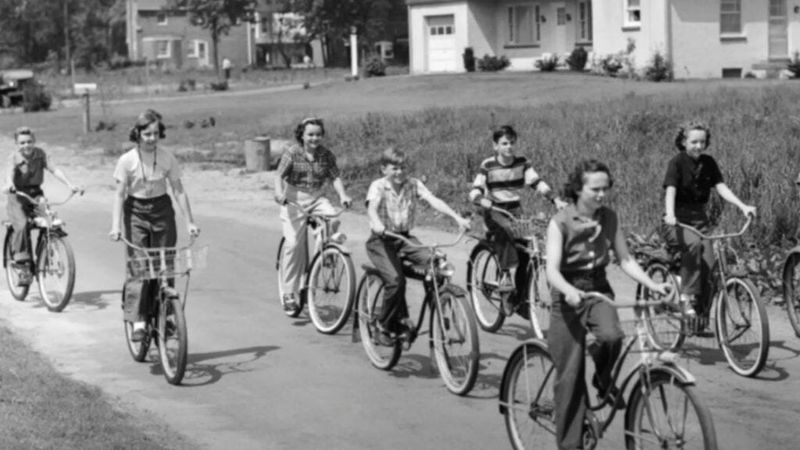
Picture a summer afternoon with no adults in sight, just kids on bikes, climbing trees, and making up their own rules. Boomer children spent hours outside without parents watching their every move.
They were expected back when the streetlights came on, and that was that.
Today, unsupervised outdoor play is rare. Many parents worry about safety and keep close tabs on their kids.
Research shows that free play builds creativity, confidence, and problem-solving skills that structured activities simply cannot replace.
2. Entertaining Themselves Without Adult Guidance
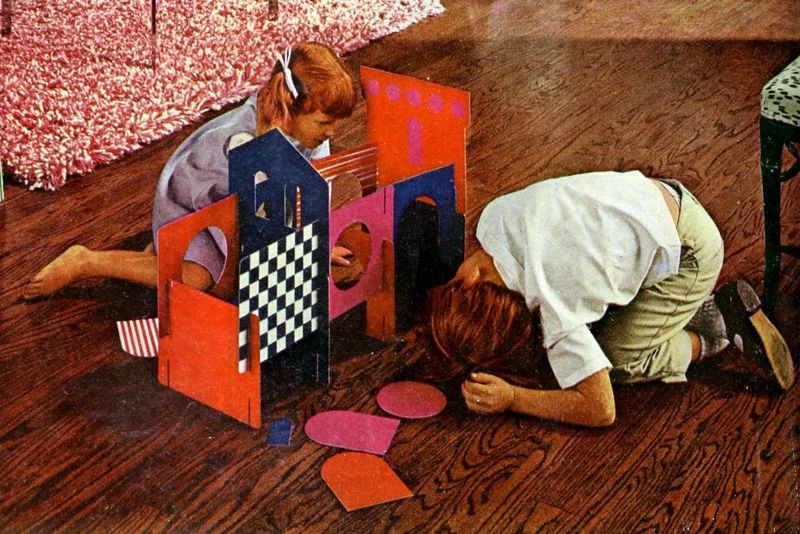
Boredom was not treated as an emergency back then. When a Boomer kid said “I’m bored,” the typical parent response was a shrug and a suggestion to go figure it out.
No one scheduled a playdate or handed over a tablet.
That boredom often sparked real creativity. Kids built forts, invented games, and entertained themselves for hours.
Modern parenting tends to fill every quiet moment with structured activities, leaving little room for a child’s imagination to truly stretch and grow.
3. Strict, Unquestioning Discipline and Authority

“Because I said so” was not just a phrase, it was the end of the conversation. Boomer parents ran tight ships, and children were not invited to debate the rules.
Questioning a parent’s decision was considered disrespectful, full stop.
Today’s parenting experts encourage explaining the “why” behind rules to help kids develop reasoning skills. While authoritarian parenting had its downsides, many Boomers credit that strict structure with teaching them discipline, accountability, and a strong sense of boundaries early in life.
4. Children Should Be Seen and Not Heard
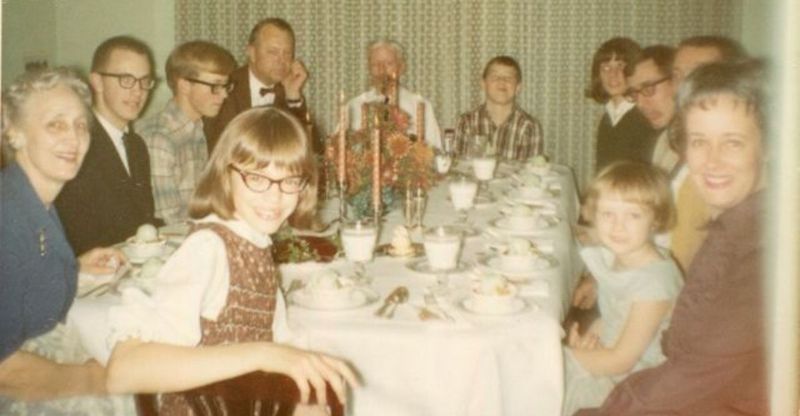
At family gatherings, Boomer kids knew their role: sit quietly, eat what was served, and do not interrupt. Emotional outbursts at the dinner table were met with a sharp look, not a heart-to-heart conversation.
Children were expected to blend into the background of adult life.
Child psychologists today strongly disagree with this approach. Encouraging kids to speak up and share their feelings helps build emotional intelligence and self-worth.
Still, many Boomers say learning to listen before speaking was a valuable social skill.
5. Chores Were Done Before Anything Fun
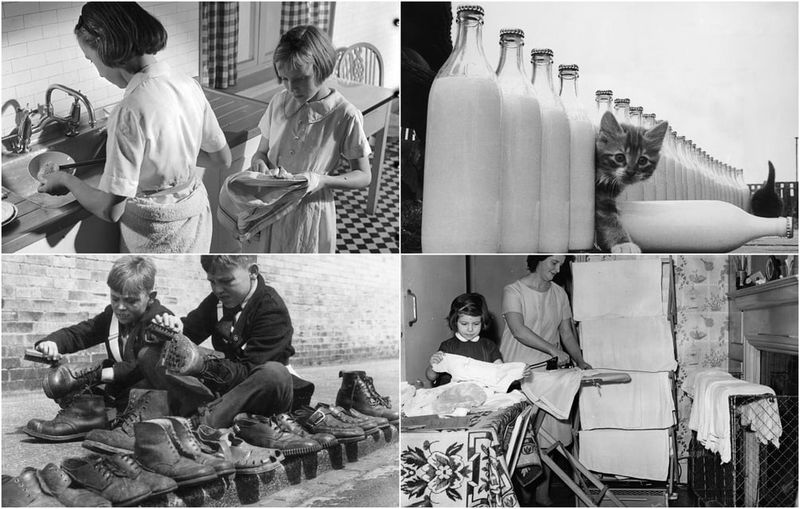
Saturday morning cartoons had to wait. Before any fun could happen, the chores had to be finished.
Boomer kids mowed lawns, washed dishes, vacuumed floors, and took out trash as a matter of routine, not as a bargaining chip.
Chores taught kids that responsibility comes before reward, a lesson that stuck with many into adulthood. Modern parenting often negotiates around chores or rewards them heavily.
While positive reinforcement has its place, learning that effort precedes enjoyment is a life skill worth passing on to the next generation.
6. Limited Discussion of Feelings and Toughen Up Culture

Crying too long meant someone would tell you to “shake it off.” Emotional sensitivity was not celebrated in Boomer households. Kids were expected to handle disappointment quickly and move on without much fuss or discussion about how they were feeling inside.
Mental health experts now know that suppressing emotions can cause long-term harm. Teaching children to name and process their feelings leads to healthier relationships and better mental wellness.
That said, some Boomers argue that learning to push through discomfort built a toughness that served them well throughout life.
7. Minimal Emphasis on Child Safety Measures
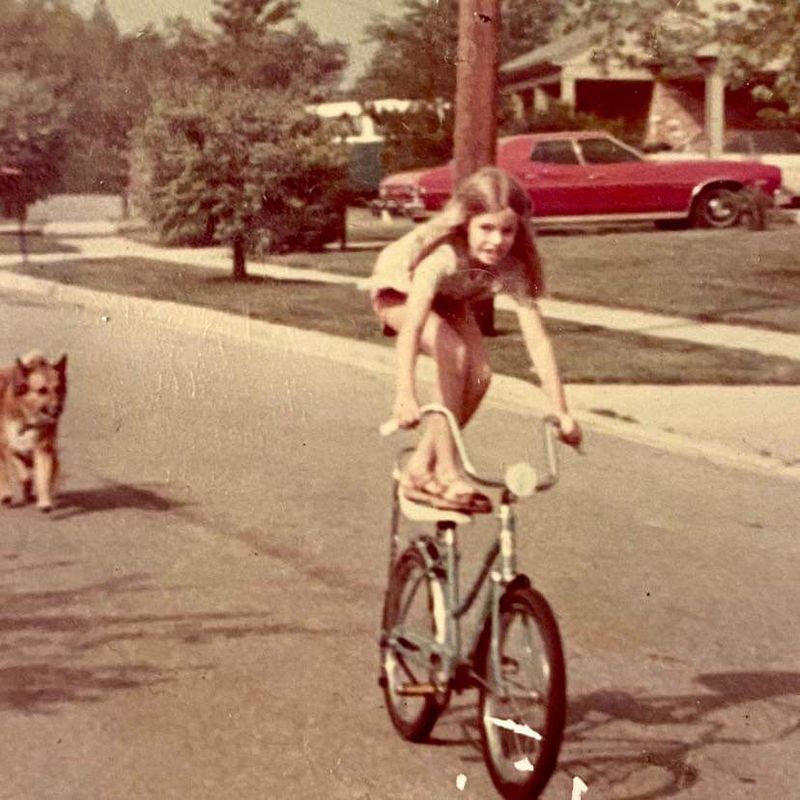
Bike helmets? Car seats?
Seatbelts? For most Boomer kids, those were not part of the picture.
Children rode in the back of pickup trucks, played on metal jungle gyms over concrete, and survived. It felt totally normal at the time.
Today, child safety standards are vastly more advanced, and for good reason. Injury statistics from that era were sobering.
Modern safety measures have saved countless young lives. Still, some Boomers joke that their generation was “built tough” simply because danger was never padded or protected away from them.
8. Financial Frugality as a Survival Skill

Wasting food or leaving lights on was practically a crime. Boomer parents lived through economic hardships that made every dollar count, and they passed that mindset directly to their kids.
Budgeting, saving, and avoiding waste were treated as basic survival skills, not optional habits.
Many young adults today struggle with financial literacy, partly because frugality is no longer a core parenting lesson. Learning to stretch a dollar, delay gratification, and avoid impulse spending are skills with lifelong payoff.
A little of that Boomer penny-pinching wisdom could go a long way today.
9. Unquestionable Respect for Elders and Teachers
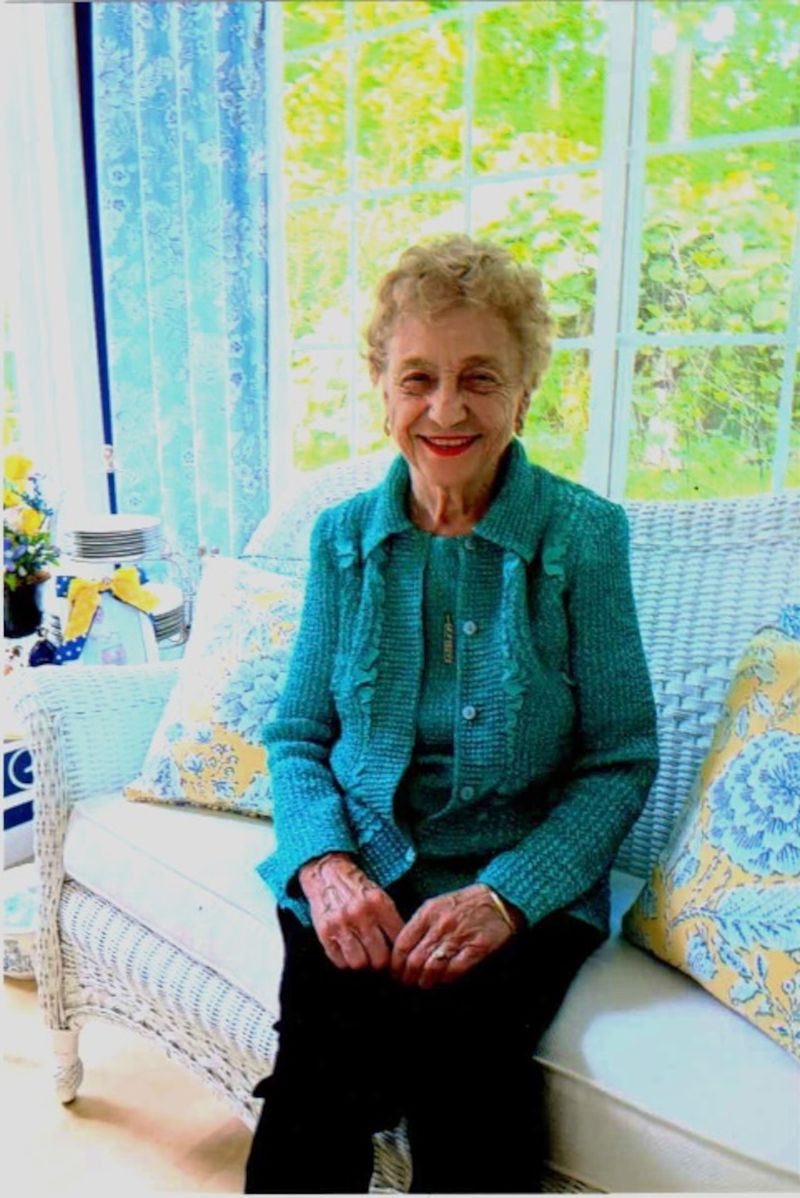
You called adults “sir” and “ma’am,” no exceptions. Talking back to a teacher was unthinkable, and rolling your eyes at a grandparent could earn a serious consequence.
Respect for anyone older was simply expected, no matter the situation or relationship.
Modern parenting encourages children to think critically and question authority respectfully. That shift has value, but many argue that basic courtesy toward elders has declined.
Teaching kids to be polite and show deference to experience does not have to conflict with also teaching them to think for themselves.
10. Learning Life Skills by Watching and Doing Alongside Parents

Knowing how to change a tire, sew a button, or bake bread from scratch was not unusual for Boomer kids. They learned by standing next to a parent and doing the task together, not by watching a YouTube tutorial or downloading an app.
Hands-on learning builds real confidence and competence. Many adults today admit they never learned basic home repair or cooking because those traditions faded.
Passing down practical skills through doing, not just telling, creates capable, self-sufficient people who can handle life’s everyday challenges without calling for outside help.
11. Acceptance That Life Is Not Always Fair
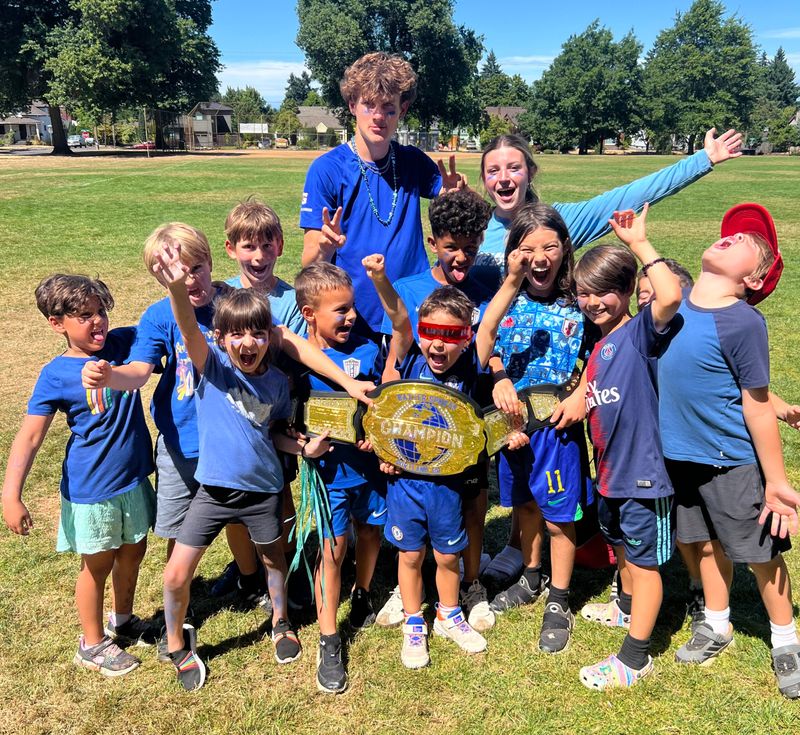
Losing a spelling bee meant going home without a trophy. Not making the team meant watching from the sidelines.
Boomer kids were told plainly that life was not fair, and the sooner they accepted that, the better off they would be.
Today, participation trophies and equal-outcome thinking are common. While kindness matters, shielding kids from disappointment can hinder resilience.
Learning to accept setbacks, adapt, and keep going is one of the most valuable emotional tools a child can develop before stepping into the real adult world.
12. Self-Reliance in Problem-Solving
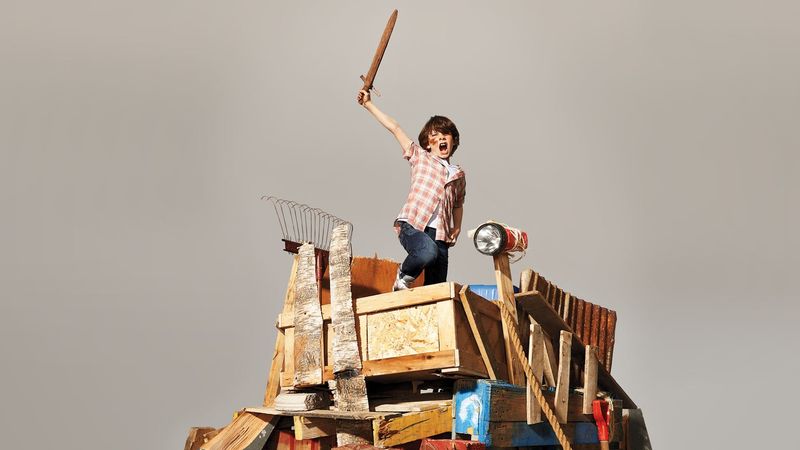
Got into a fight with your best friend? Work it out yourself.
Broke something? Figure out how to fix it.
Boomer kids were expected to handle minor conflicts and everyday problems without running straight to Mom or Dad for a solution.
Building that independence early created adults who could think on their feet and trust their own judgment. Modern parenting sometimes jumps in too quickly, solving problems before kids get a chance to try.
Letting children struggle a little is not neglect, it is actually one of the best gifts a parent can give.
13. Privacy Regarding Family Issues

“What happens in this house stays in this house.” That unspoken rule was taken seriously in Boomer families. Sharing personal family problems with neighbors, friends, or teachers was considered a betrayal of family loyalty and deeply embarrassing.
Today, open conversations and transparency are encouraged, even celebrated. Therapists and school counselors play active roles in family life.
While healthy communication is important, many Boomers believe that a sense of family privacy also built loyalty and trust within the home that modern oversharing has quietly chipped away at over the decades.
14. Saying No to Family or Friends Was Considered Impolite
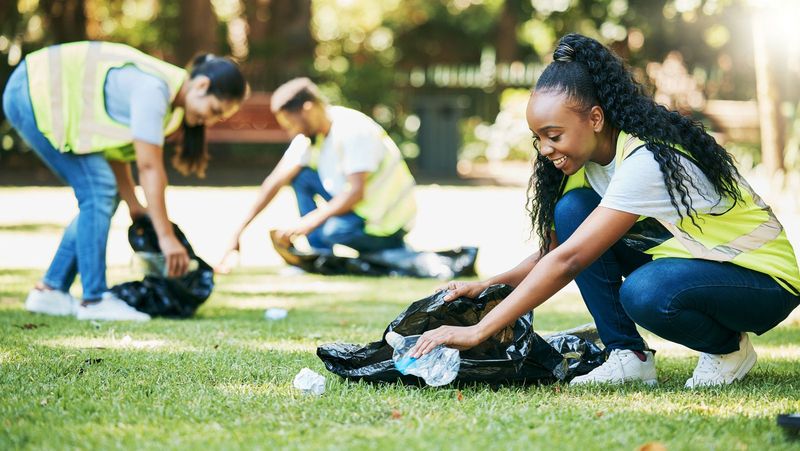
Turning down a request from a relative or close family friend was not really an option. Duty and loyalty ran deep in Boomer culture.
If grandma needed help or a neighbor asked for a favor, you said yes, no matter what your personal plans were.
Today, setting boundaries is actively encouraged, and for good reason. Healthy limits protect mental and emotional well-being.
But many Boomers credit that culture of obligation with teaching them genuine generosity and community mindedness, qualities that are harder to find in today’s more individually focused parenting landscape.
15. Unstructured Childhood with Less Scheduled Enrichment
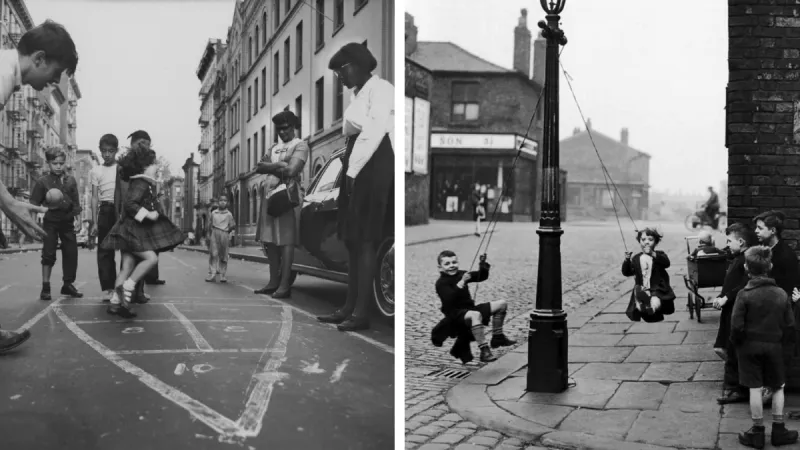
Summer break meant actual freedom. No soccer camps, no coding classes, no scheduled enrichment programs.
Boomer kids filled their own time, and that open-ended freedom was where creativity, leadership, and social skills quietly developed without anyone planning it out.
Modern childhood is often packed with back-to-back activities. While exposure to new skills is great, over-scheduling can leave kids exhausted and without the mental space to just be.
Child development researchers consistently find that unstructured play is where some of the most important emotional and cognitive growth actually happens.
16. Lack of Parental Tracking and Constant Supervision

Mom had no GPS, no cell phone, and no neighborhood app. She knew you were somewhere in the neighborhood and trusted you would come home when called.
That level of freedom felt completely normal to an entire generation of kids.
Today, tracking apps and constant check-ins are standard parenting tools. While safety awareness has genuine value, some researchers suggest that always knowing a child’s exact location can reduce their ability to develop independence and situational awareness.
Trust, it turns out, was also a powerful parenting tool that Boomers used without even realizing it.
17. Parent as Authority Figure, Not a Best Friend

Boomer dads were not trying to be cool. They were not asking their kids if they felt okay about a rule or texting them memes to bond.
The parent-child relationship had a clear hierarchy, and both sides understood their roles without much negotiation.
Today, many parents strive to be emotionally close and relatable to their children, which builds warmth and trust. But some child development experts warn that blurring the authority line can make consistent discipline harder.
A parent who is also a firm, fair guide gives children both the love and the structure they genuinely need.