
The 1970s were a wild, rule-breaking era for Hollywood. Filmmakers pushed boundaries, tackled taboo subjects, and sparked heated debates that spilled far beyond movie theaters.
Some of these films were banned, protested, or slapped with harsh ratings, yet audiences kept coming back. Decades later, many of these controversial classics still pack a punch and feel surprisingly relevant today.
1. A Clockwork Orange (1971)
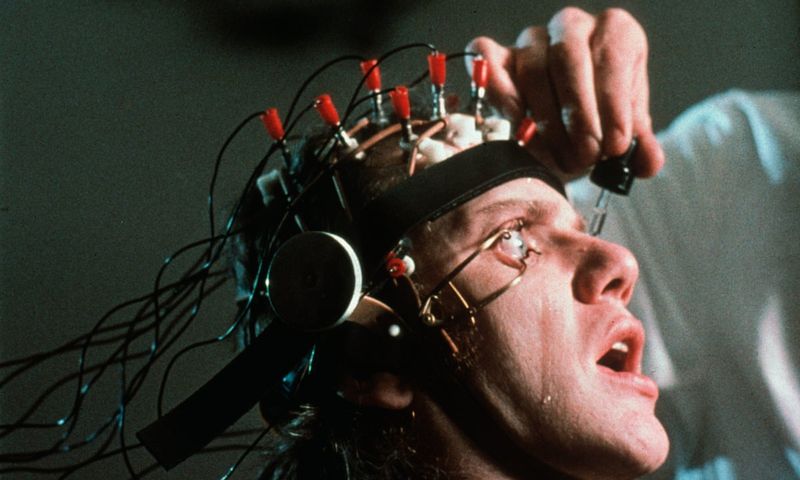
Stanley Kubrick’s vision of a violent future shocked audiences so badly that Kubrick himself pulled the film from UK distribution after receiving death threats. The story follows Alex, a teenage criminal who undergoes forced behavioral therapy.
Critics called it dangerous. Fans called it genius.
What makes it unforgettable is how it forces you to question free will, punishment, and what it truly means to be human. Fifty years later, it still feels unsettling in the best possible way.
2. Chinatown (1974)
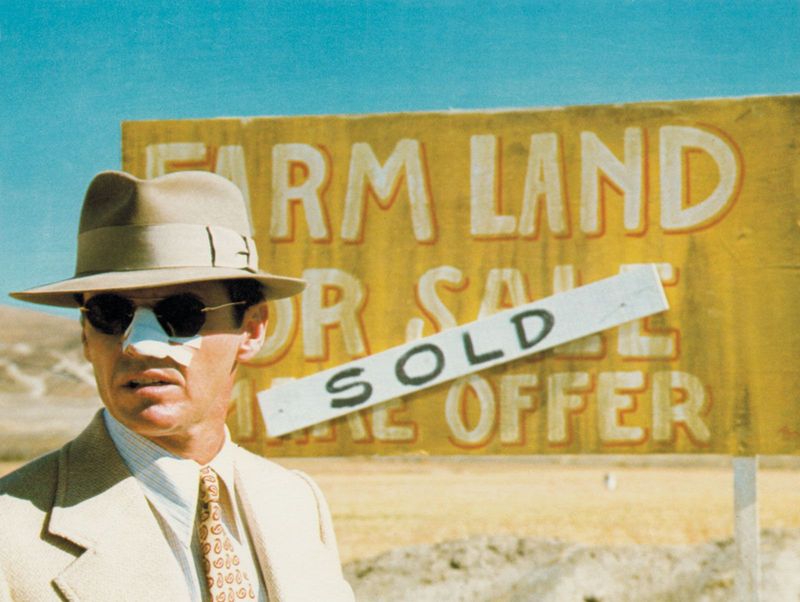
Roman Polanski’s neo-noir masterpiece arrived during a time when audiences were tired of Hollywood happy endings, and Chinatown delivered one of cinema’s most gut-punch finales. Jack Nicholson plays a private eye tangled in a web of corruption, water rights, and dark family secrets.
The film was controversial for its bleak ending and mature themes involving abuse of power. Yet it remains one of the sharpest, most perfectly crafted mysteries ever put on screen.
3. The Exorcist (1973)
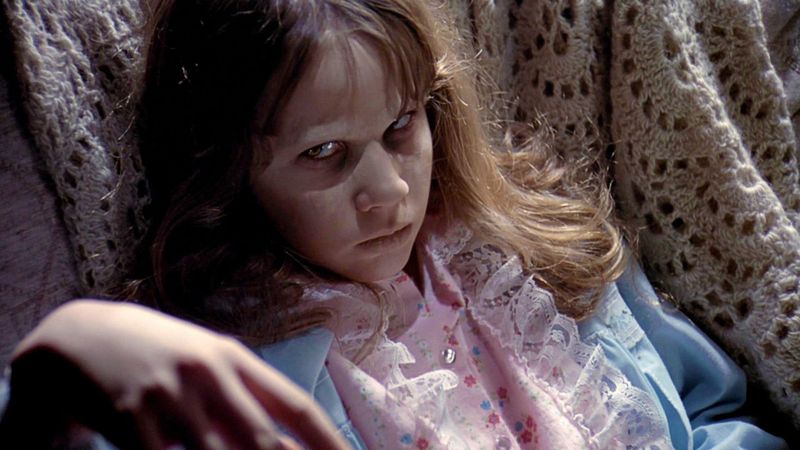
When The Exorcist hit theaters, people reportedly fainted, vomited, and walked out mid-screening. Warner Bros. received letters from religious groups demanding the film be banned, calling it an attack on Christianity.
Director William Friedkin leaned into the controversy, and box office numbers exploded.
Based on a bestselling novel inspired by a real exorcism case, the film blended genuine terror with deep spiritual questions. Audiences today still rank it among the scariest movies ever made.
4. Taxi Driver (1976)
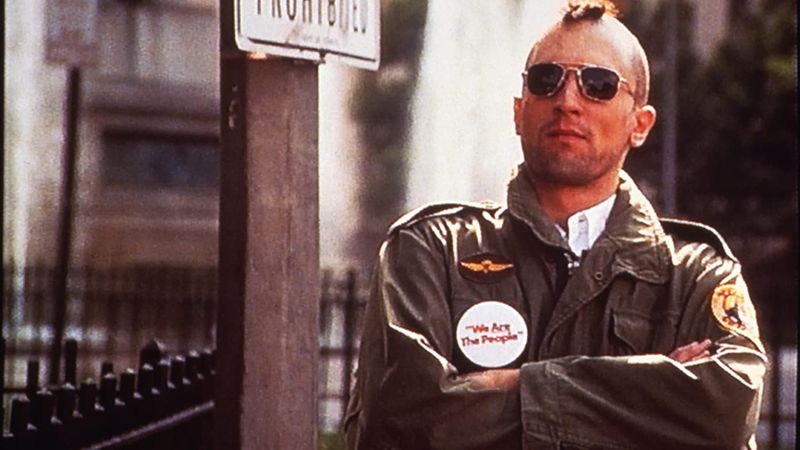
Martin Scorsese’s portrait of a lonely, unraveling Vietnam veteran named Travis Bickle disturbed critics and audiences alike. The film’s raw violence and Travis’s warped worldview sparked debates about glorifying vigilantism.
Some viewers cheered the ending. Others were horrified by their own reaction.
Taxi Driver also gained dark real-world notoriety when John Hinckley Jr. cited it as inspiration for his 1981 assassination attempt on President Reagan. Despite all that, it remains a cinematic landmark about isolation and urban decay.
5. Last Tango in Paris (1972)
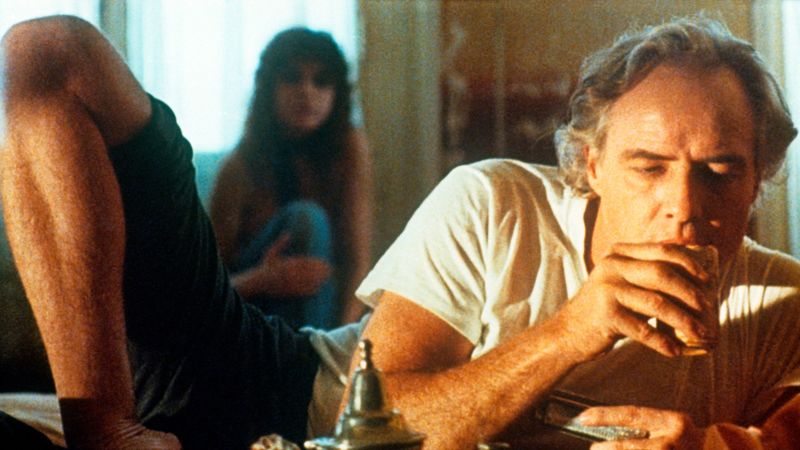
Bernardo Bertolucci’s film caused an international firestorm upon release, earning an X rating in the United States and getting banned in Italy. Marlon Brando and Maria Schneider starred in a raw, emotionally brutal story about grief and physical intimacy.
Critics were split between calling it art and calling it obscene.
Decades later, controversy resurfaced when Bertolucci admitted to not informing Schneider about a key scene. The film’s legacy remains deeply complicated, and that tension makes it impossible to ignore.
6. One Flew Over the Cuckoo’s Nest (1975)
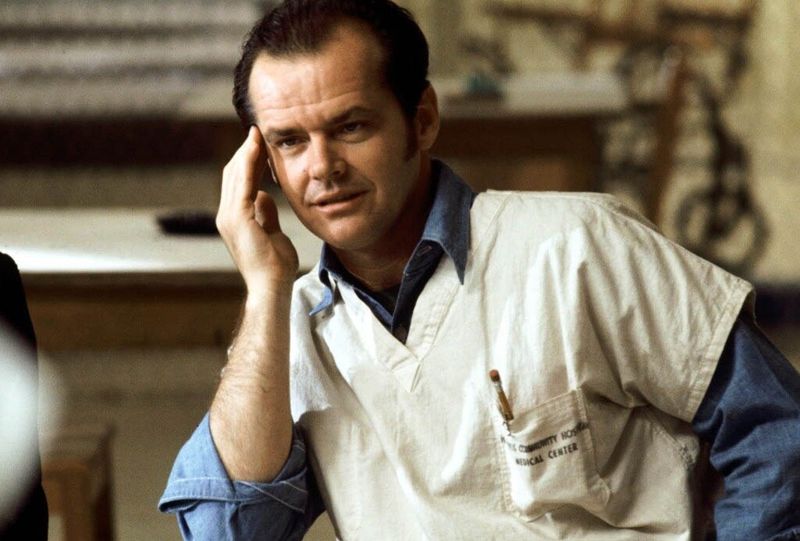
Few films have challenged authority as boldly as this one. Jack Nicholson plays Randle McMurphy, a free-spirited man who fakes mental illness to avoid prison work and ends up clashing with the cold, controlling Nurse Ratched.
The film stirred debate about mental health treatment and patients’ rights.
It swept all five major Academy Awards, a feat only two other films have matched. Its critique of institutions still resonates with anyone who has ever felt trapped inside a system.
7. Straw Dogs (1971)
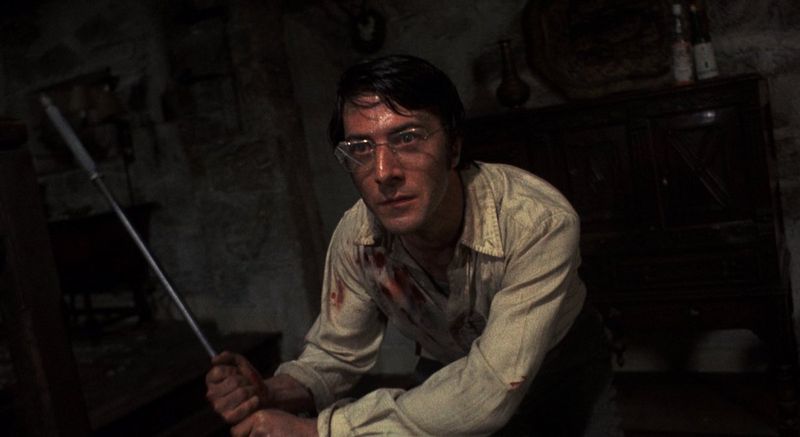
Sam Peckinpah’s film about a mild-mannered American mathematician pushed to violent extremes while living in rural England was condemned by feminist groups and censors almost immediately. Britain banned it for 18 years due to a deeply controversial assault scene.
Peckinpah argued he was exploring the nature of violence within ordinary people. Whether you agree with his methods or not, the film creates an almost unbearable sense of dread that builds masterfully.
It still sparks fierce arguments about what cinema should be allowed to show.
8. Apocalypse Now (1979)
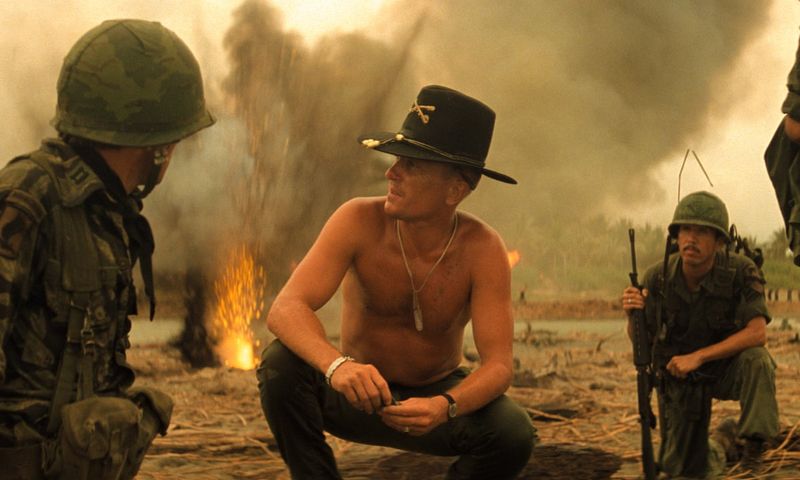
Francis Ford Coppola’s Vietnam epic was famously as chaotic behind the camera as it was on screen. The production nearly destroyed everyone involved, including Coppola himself.
When it finally released, audiences were divided over its hallucinatory style and ambiguous ending.
Based loosely on Joseph Conrad’s novel Heart of Darkness, the film questions heroism, war, and the thin line between civilization and savagery. Decades of analysis have only deepened its reputation as one of cinema’s most ambitious and haunting achievements.
9. Deliverance (1972)
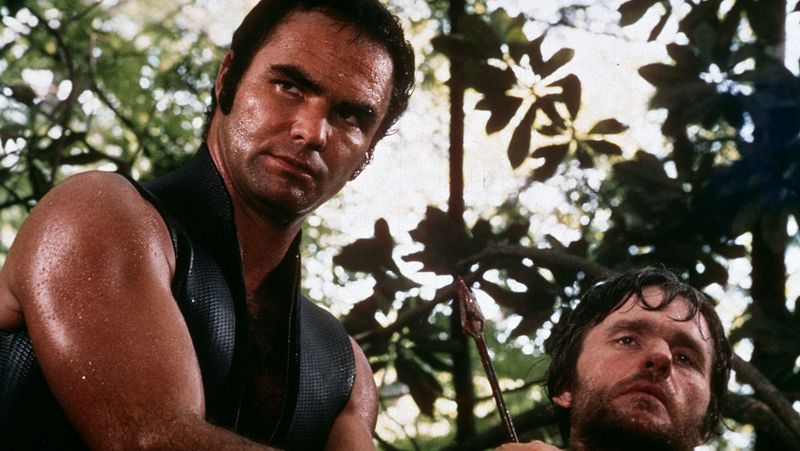
Before this film, weekend canoe trips sounded relaxing. After it, not so much.
John Boorman’s survival thriller follows four city men whose river adventure turns into a nightmare in rural Georgia. The film’s most disturbing scene was so shocking that many theaters initially refused to screen it.
Burt Reynolds and Jon Voight gave career-defining performances. The film raised uncomfortable questions about class, masculinity, and the unpredictable nature of the wilderness.
Its influence on the survival horror genre is still felt today.
10. The Boys from Brazil (1978)
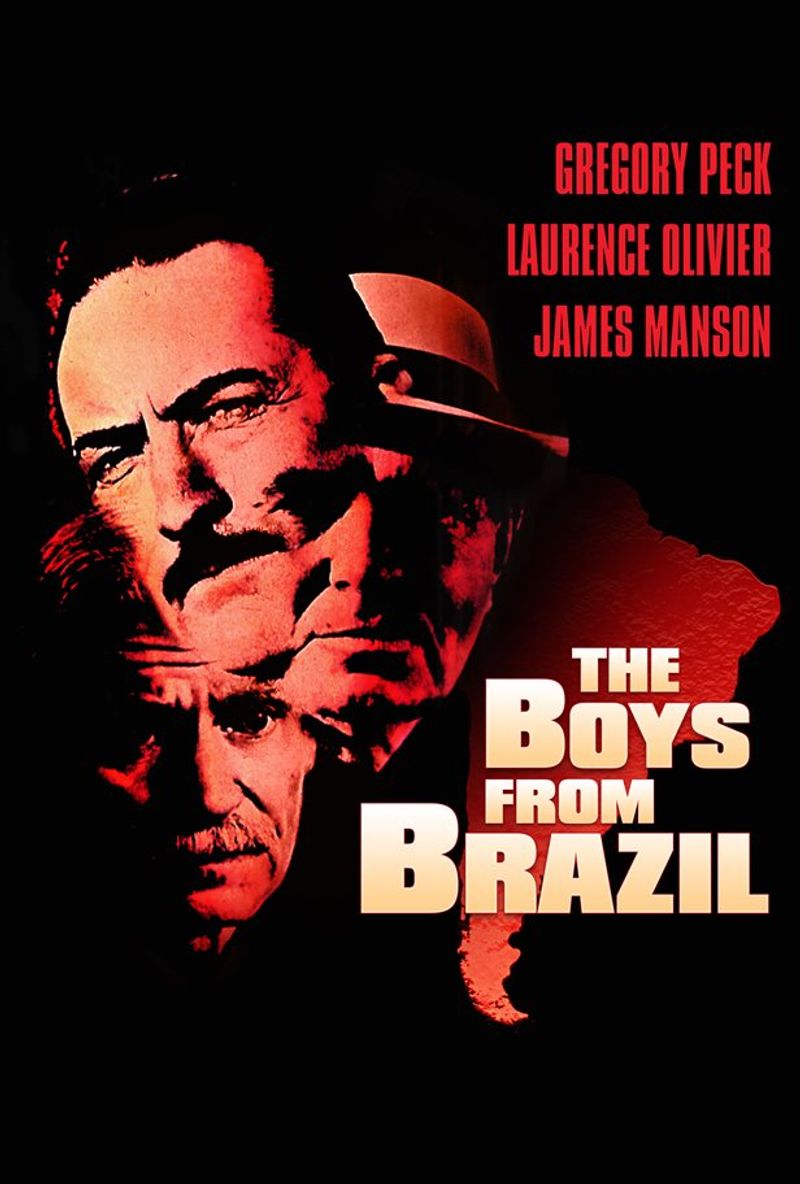
Gregory Peck playing a Nazi war criminal might sound like stunt casting, but he delivered one of the most chilling villain performances of the decade. The film centers on a plot to clone Adolf Hitler using genetic science, which felt genuinely disturbing in a post-World War II world still processing its wounds.
Critics debated whether the film exploited Holocaust history for thrills. Yet its questions about genetic engineering and the ethics of science feel even more relevant now than they did in 1978.
11. Carrie (1976)
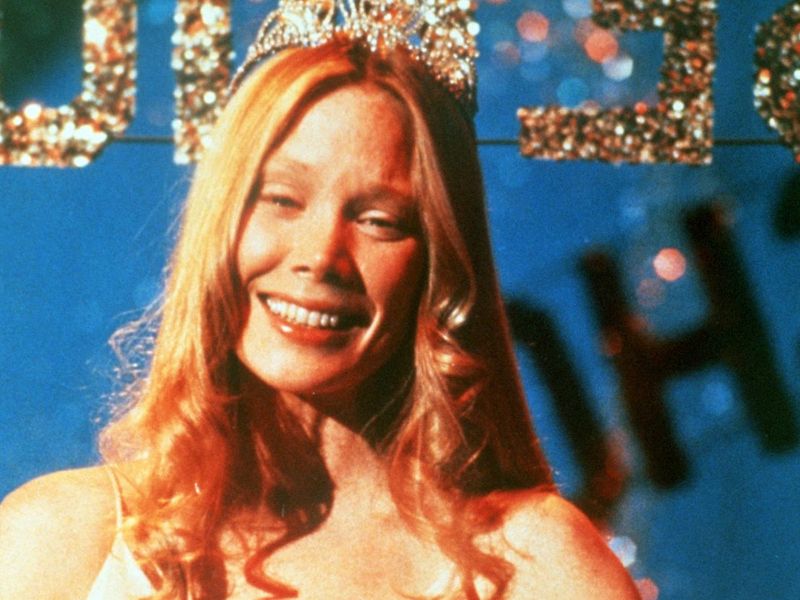
Brian De Palma took Stephen King’s debut novel and turned it into something that made bullying genuinely terrifying to watch. Sissy Spacek’s performance as the telekinetic Carrie White earned her an Oscar nomination and scared an entire generation of moviegoers.
Religious groups protested the film’s portrayal of a fanatically Christian mother. School administrators worried it would encourage students to mock outsiders.
Instead, it became a powerful and deeply empathetic story about what happens when cruelty goes unchecked. It still hits hard.
12. Network (1976)
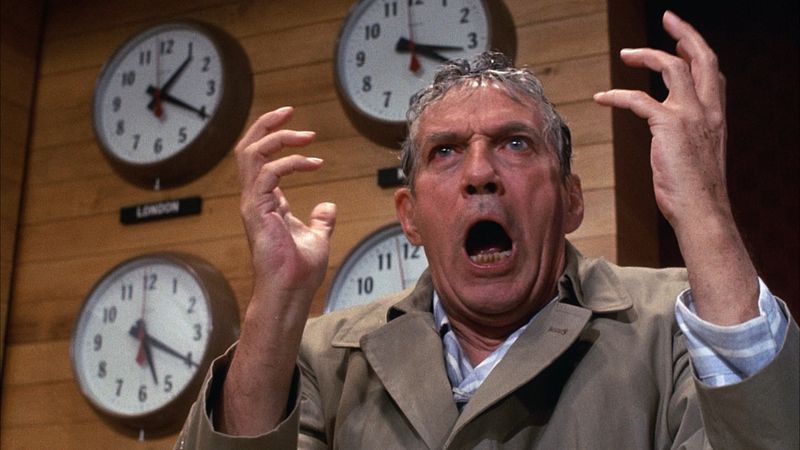
“I’m mad as hell, and I’m not going to take this anymore!” That line from Network entered the cultural vocabulary instantly and never left. Paddy Chayefsky’s blistering satire about television networks exploiting a mentally unstable anchorman for ratings was considered outrageous in 1976.
Today it feels eerily prophetic about media manipulation and the blurring of news and entertainment. The film won four Academy Awards and remains one of the most quotable, furious, and completely accurate films about American media ever made.
13. Midnight Cowboy (1969/Released Widely in 1970)
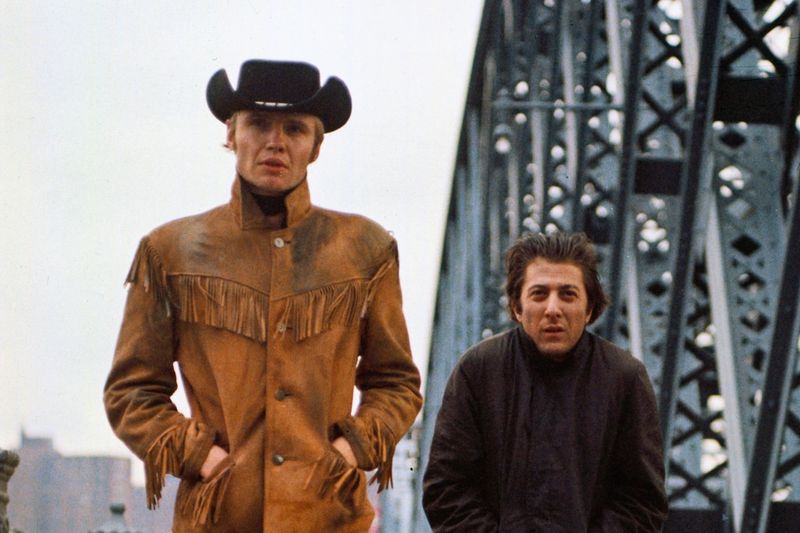
Midnight Cowboy holds a unique place in Hollywood history as the only X-rated film to ever win the Academy Award for Best Picture. The story of a naive Texas drifter and a sickly street hustler surviving in New York City was considered far too explicit for mainstream audiences in 1969.
The rating was later changed to R as standards shifted. Jon Voight and Dustin Hoffman created one of cinema’s most heartbreaking friendships.
Its portrait of poverty and loneliness in America still resonates deeply.
14. The Deer Hunter (1978)
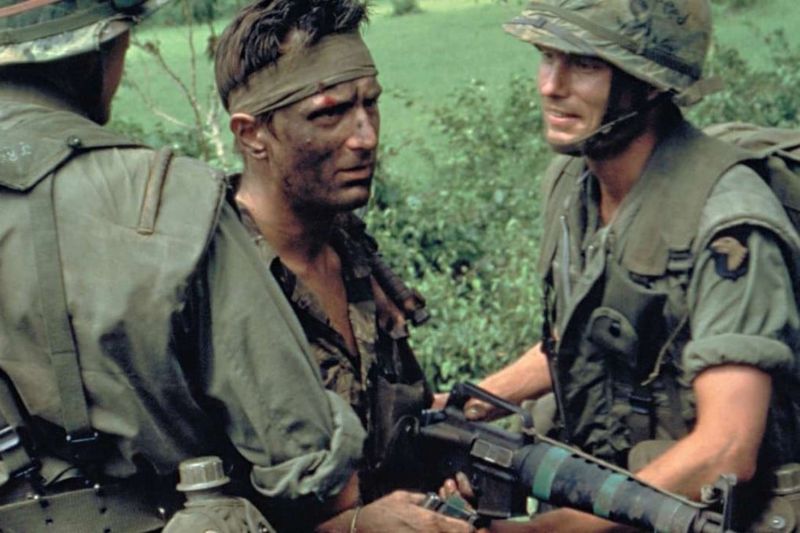
Michael Cimino’s Vietnam War epic divided critics almost perfectly down the middle. Some called it a masterpiece of American tragedy.
Others accused it of racist portrayals of Vietnamese characters. The Russian roulette sequences were so intense that several viewers reportedly suffered health episodes in theaters.
Robert De Niro, Christopher Walken, and Meryl Streep gave performances that defined their careers. The film won five Oscars including Best Picture.
Whatever your take on its politics, its emotional devastation remains total and undeniable.
15. Eraserhead (1977)
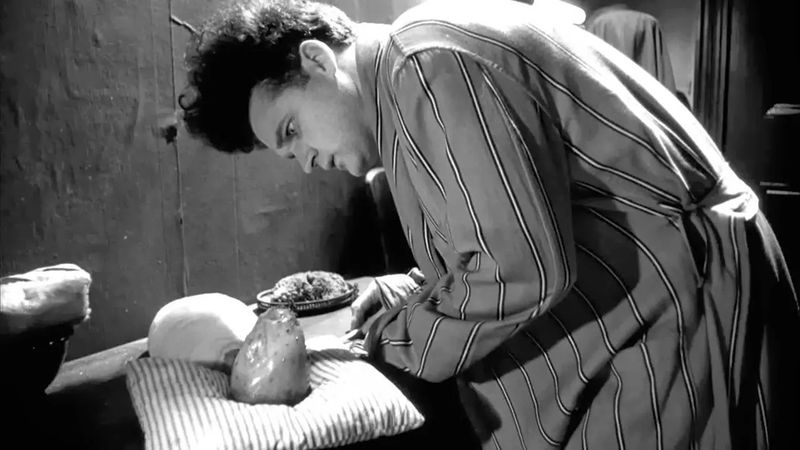
David Lynch spent five years making Eraserhead on a shoestring budget, and the result was something no one had ever seen before. The film follows a man caring for a severely deformed infant in a bleak industrial nightmare world.
Early audiences had no idea what to make of it.
It became a cult phenomenon through midnight screenings and never really left. Lynch has never fully explained what the film means, which somehow makes it more powerful.
Unsettling, hypnotic, and unlike anything else, it holds up perfectly.