
Good table manners say a lot about who you are, whether you’re at a casual family dinner or a fancy restaurant. Some habits that people pick up over the years can make others around them feel uncomfortable or disrespected.
Learning proper dining etiquette is not about being snobby – it’s about showing kindness and consideration to the people sharing a meal with you. Here are 20 common dining etiquette mistakes that are long overdue for retirement.
1. Talking With Your Mouth Full
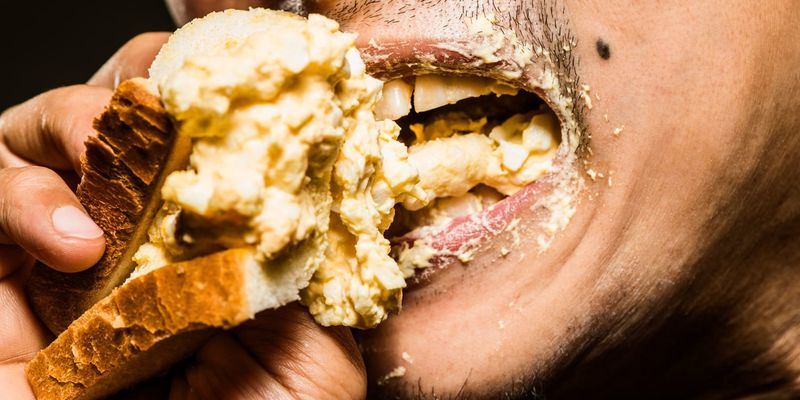
Nobody wants a front-row view of your half-chewed food. Talking with your mouth full is one of the oldest table manner rules in the book, yet it keeps showing up at dinner tables everywhere.
It can make other guests lose their appetite fast.
Chew, swallow, then speak. It is really that simple.
Taking smaller bites also helps you join conversations more quickly without the awkward waiting game.
2. Phone Scrolling During a Meal
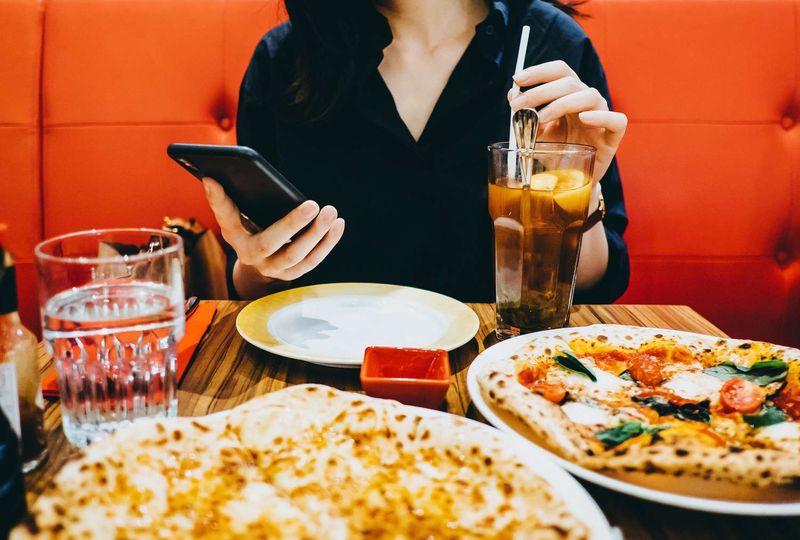
Phones have become the uninvited guest at almost every meal. Scrolling through social media or texting while others are trying to connect with you sends a clear message that your screen is more interesting than they are.
Try placing your phone face-down or leaving it in your pocket for the duration of the meal. Real conversation at the table is something a notification can never truly replace.
3. Reaching Across Someone Else’s Plate
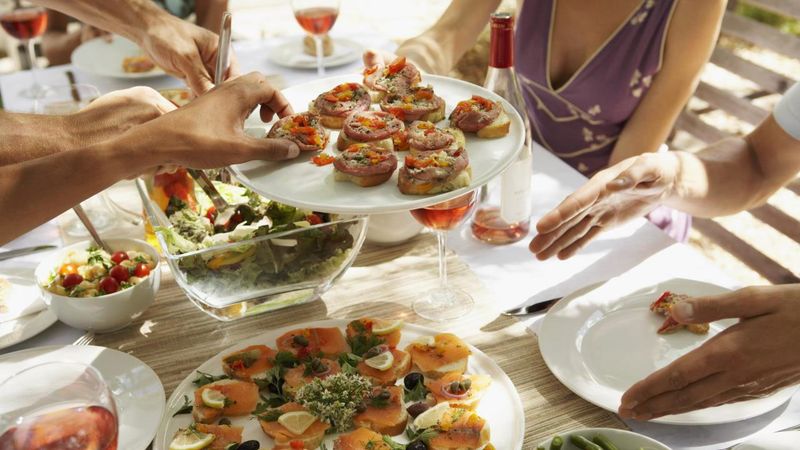
Stretching your arm across another person’s space and hovering over their plate is a fast way to make everyone uncomfortable. It is also a hygiene concern, since your sleeve or arm can make contact with someone else’s food.
Always ask someone to pass a dish rather than grabbing it yourself. A simple “Could you please pass the bread?” goes a long way in keeping the meal pleasant for everyone involved.
4. Snapping Fingers at the Server

Snapping your fingers at a server is disrespectful, plain and simple. Restaurant staff are professionals doing a demanding job, and treating them like they are at your beck and call is both rude and embarrassing to witness.
Making eye contact and giving a polite wave is the appropriate way to get a server’s attention. Treating service staff with basic courtesy reflects well on you and makes the experience better for everyone at the table.
5. Chewing With Loud, Smacking Noises
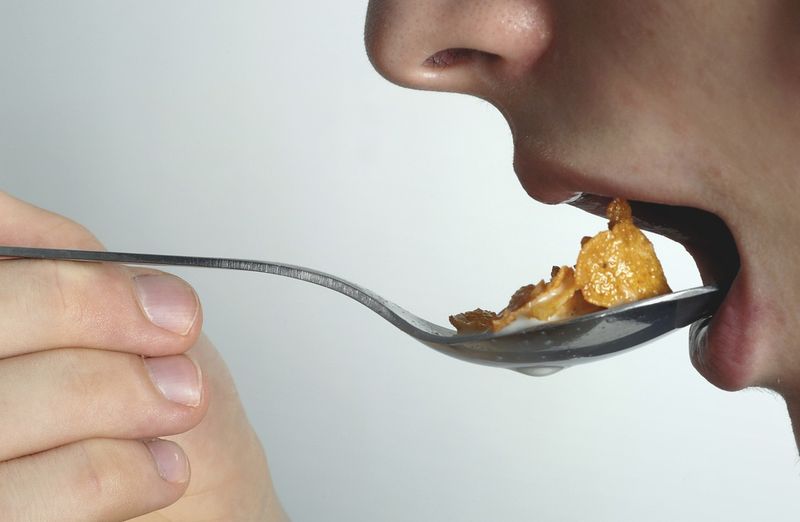
Few things at the dinner table are more grating than the sound of loud, open-mouthed chewing. It is the kind of noise that can make an otherwise lovely meal feel unbearable for everyone within earshot.
Keeping your mouth closed while chewing is a basic habit worth building early. If you find yourself making noise, try slowing down and taking smaller bites.
Your fellow diners will silently thank you for the effort.
6. Starting to Eat Before Everyone Is Served
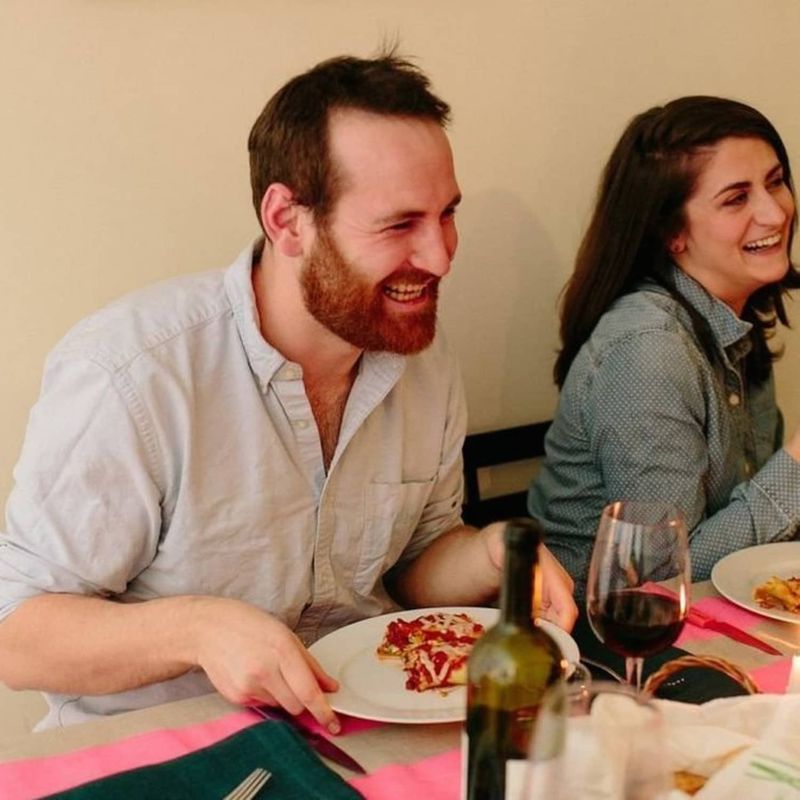
Digging into your food the moment your plate arrives, while others are still waiting, is a classic etiquette slip. It signals impatience and makes those still waiting feel like an afterthought during the meal.
The general rule is to wait until everyone at the table has been served before picking up your fork. At larger gatherings, a host may invite guests to start – but until then, patience is the polite choice.
7. Over-Seasoning Food Without Tasting It First

Grabbing the salt shaker before even tasting your food is a subtle insult to the person who cooked the meal. It suggests you have already decided the food needs fixing before giving it a fair chance.
Take a bite first. If the dish genuinely needs more seasoning after that, go ahead and add some.
This small habit shows respect for the cook’s effort and keeps you from over-seasoning something that was already perfectly balanced.
8. Leaving Your Napkin on the Table the Whole Meal
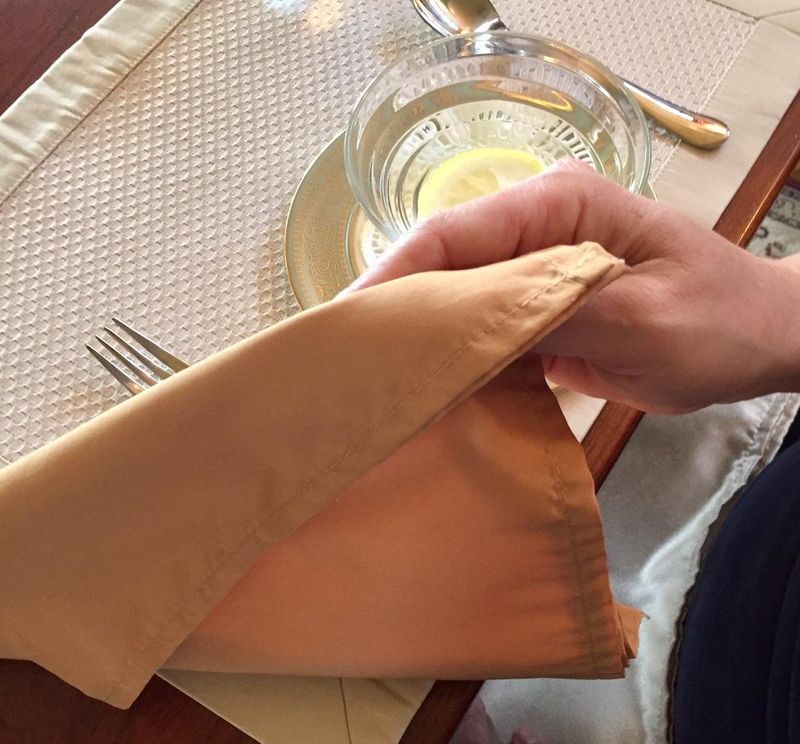
Your napkin is not just decoration. Leaving it folded on the table for the entire meal is a missed opportunity to practice one of the simplest etiquette rules out there.
As soon as you sit down, unfold your napkin and place it across your lap. Use it to gently dab your mouth when needed, and if you step away from the table briefly, place it loosely on your chair rather than on the table.
9. Complaining Loudly About the Food
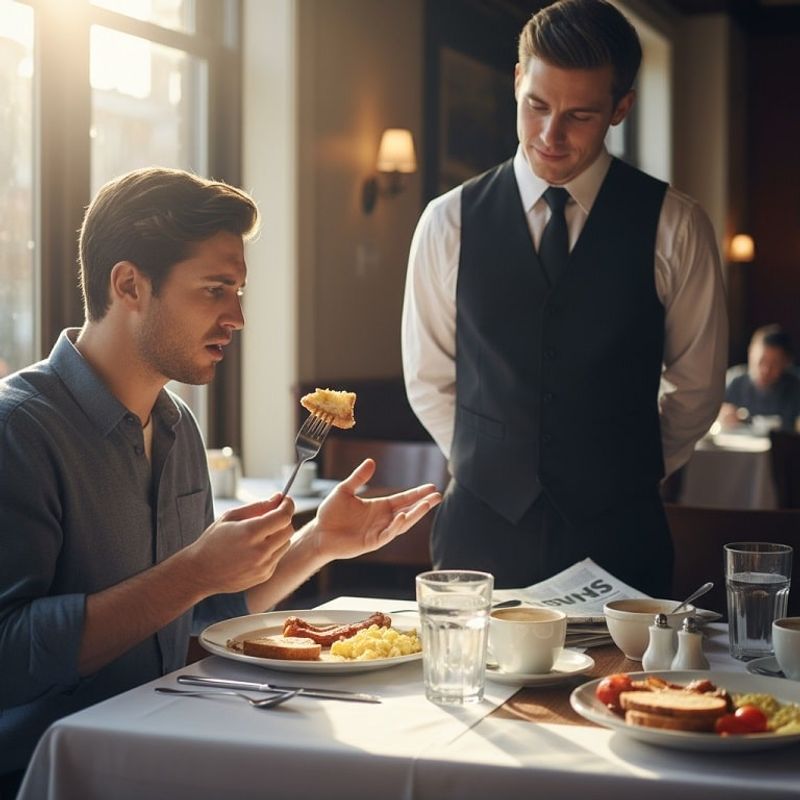
Everyone has had a meal that did not quite hit the mark, but turning your disappointment into a loud complaint session is poor form. It makes your fellow diners uncomfortable and puts unnecessary tension on what should be an enjoyable experience.
If something is genuinely wrong with your order, calmly and quietly let your server know. A polite, private conversation gets the issue resolved far more effectively than a dramatic scene ever will.
10. Forgetting to Say Please and Thank You

It sounds almost too basic to mention, but “please” and “thank you” are disappearing from many dining interactions. Whether you are asking for a refill or accepting a dish being passed to you, these two phrases carry a lot of weight.
Good manners are not just for formal dinners. Using polite language every time you interact with staff or fellow guests creates a warmer, more respectful atmosphere that everyone benefits from throughout the meal.
11. Double-Dipping Shared Appetizers
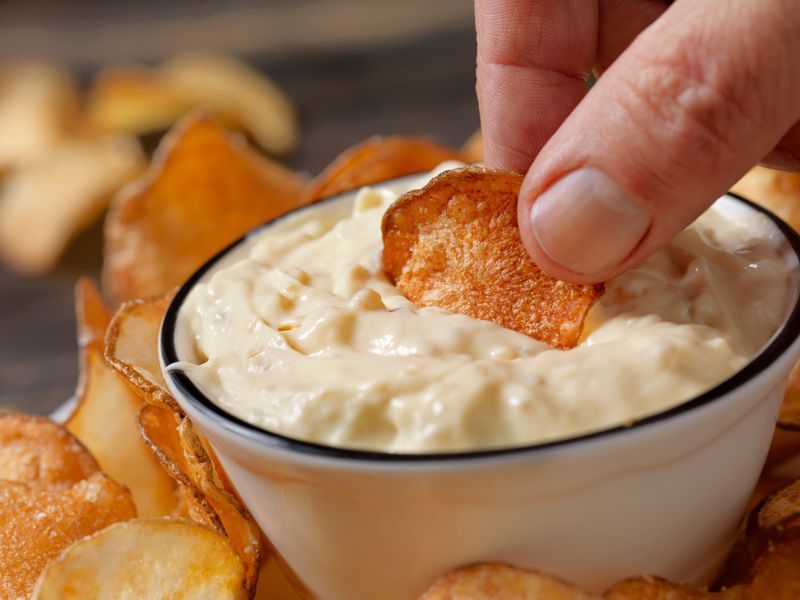
Double-dipping is the ultimate shared-food foul. Once you have taken a bite of something, putting it back into a communal dip introduces bacteria from your mouth into a dish that everyone else is eating from.
Take enough dip with your first scoop, or use a separate spoon to add more to your plate. It is a small adjustment that shows genuine awareness of the people around you and keeps the shared snacks safe for everyone.
12. Holding Your Utensils Like a Shovel
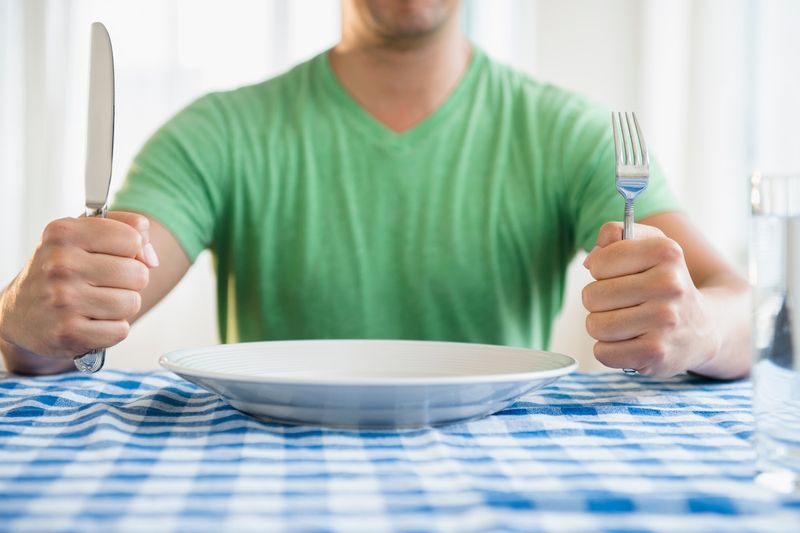
Gripping your fork or spoon with your entire fist might have been acceptable when you were four years old, but at the adult dinner table it draws unwanted attention. Proper utensil grip is something many people never learned but absolutely can.
Hold your fork between your index finger and thumb, resting it lightly on your middle finger. Practicing this a few times makes it feel natural quickly.
Proper grip also makes cutting and eating much more comfortable overall.
13. Bringing Up Divisive Topics at the Table
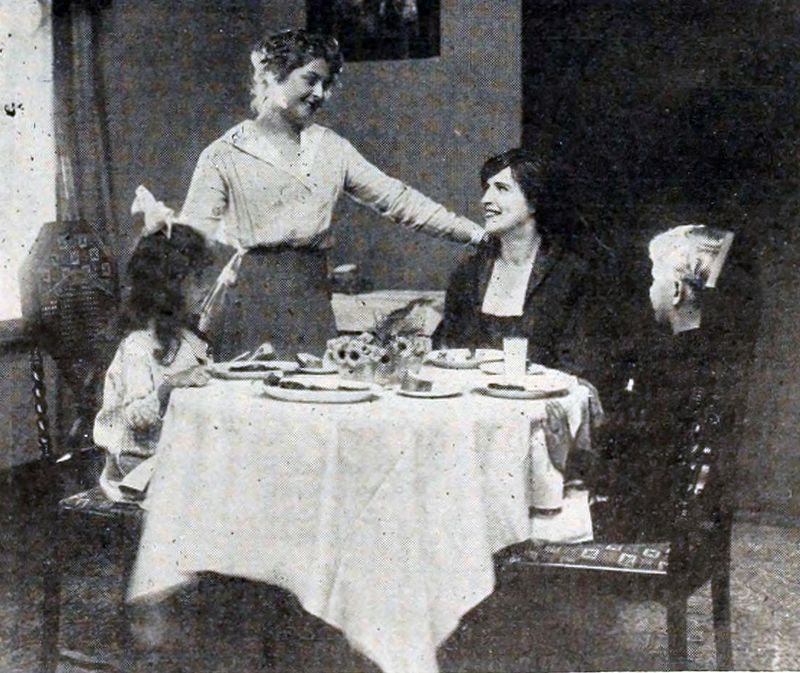
Mealtime is meant to be an enjoyable, connecting experience. Steering the conversation toward heated political debates, controversial opinions, or personal conflicts turns dinner into a battlefield that nobody signed up for.
Keep table talk light, engaging, and inclusive. Ask questions that invite everyone to participate, share funny stories, or talk about things you are all genuinely excited about.
Good food tastes even better when the conversation around it is warm and welcoming.
14. Pushing Food Around the Plate and Leaving a Mess
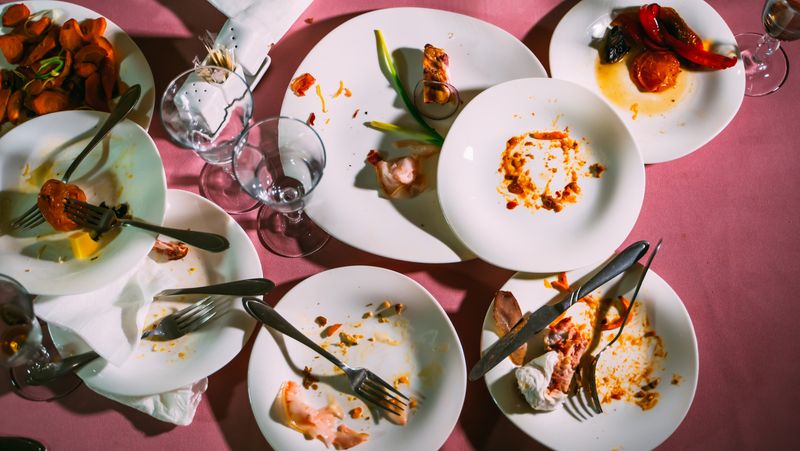
Playing with your food is one thing, but leaving a chaotic mess of smeared sauces and scattered crumbs behind is another. It can be off-putting to others at the table and creates unnecessary work for those cleaning up.
Try to eat neatly and keep your dining area tidy as you go. If you do not enjoy something on your plate, simply leave it to the side rather than pushing it around.
A little tidiness goes a long way.
15. Slurping Soup or Drinks Loudly
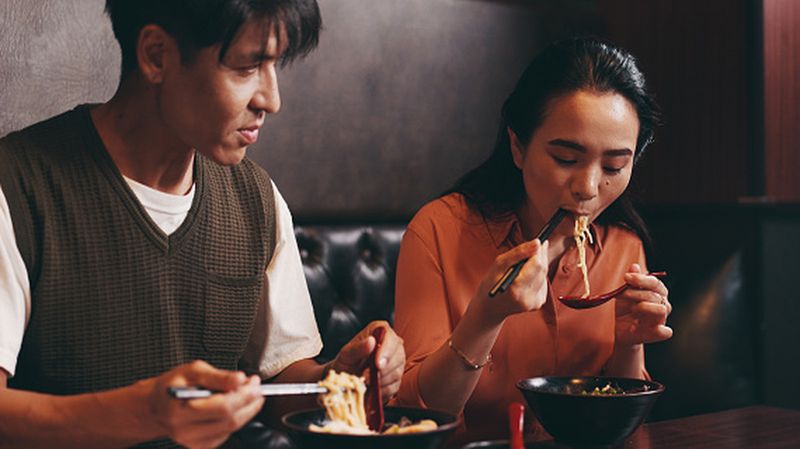
Slurping might be perfectly acceptable in some cultures, but in most Western dining settings it is considered quite rude. The sound carries across the table and can break the pleasant atmosphere of an otherwise lovely meal.
Gently blow on hot soup to cool it, then sip quietly from the side of the spoon. With drinks, take slow, controlled sips rather than rushed gulps that create noise.
Small adjustments make a noticeable difference in how polished you appear.
16. Monopolizing the Conversation

There is always one person who turns dinner into their personal monologue. While sharing stories is a wonderful part of dining together, completely dominating the conversation leaves others feeling invisible and disengaged.
Good dinner conversation is a two-way street. Make a point of asking others about their lives, listening actively, and giving everyone a chance to contribute.
The best meals are remembered not just for the food, but for the laughter and connection shared equally around the table.
17. Burping Without Excusing Yourself

Accidental burps happen to everyone, but the way you handle it matters. Not excusing yourself afterward, or worse, treating it like a joke at a formal dinner, is a quick way to make a bad impression on those around you.
A quiet “excuse me” after an accidental burp is all it takes to handle the moment gracefully. Covering your mouth also helps minimize the disruption.
It is a small gesture, but it shows you are aware of the people sharing the space with you.
18. Using the Wrong Fork or Knife and Making It Obvious
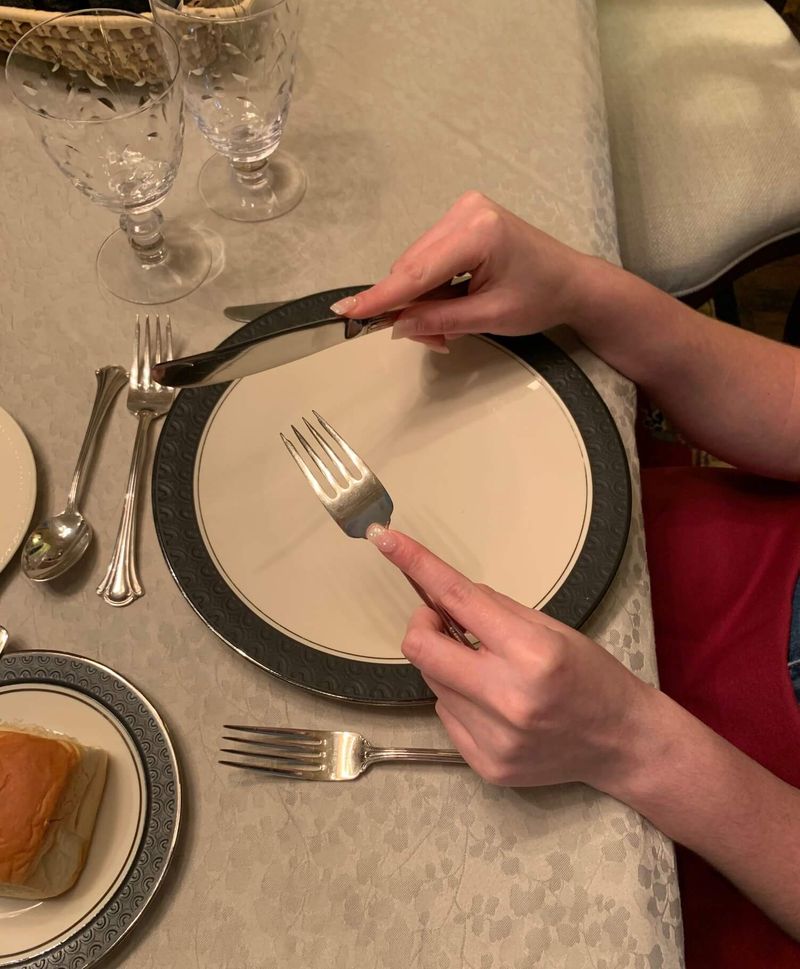
Formal place settings can feel like a puzzle, and picking up the wrong utensil is an easy mistake. The real etiquette error, though, is making a big fuss about it or loudly announcing your confusion to the whole table.
A simple rule to remember: work from the outside in. The utensil farthest from your plate is used first.
If you do grab the wrong one, just quietly swap or continue without drawing attention. Confidence covers most small mistakes beautifully.
19. Stacking Plates or Helping Clear Without Being Asked
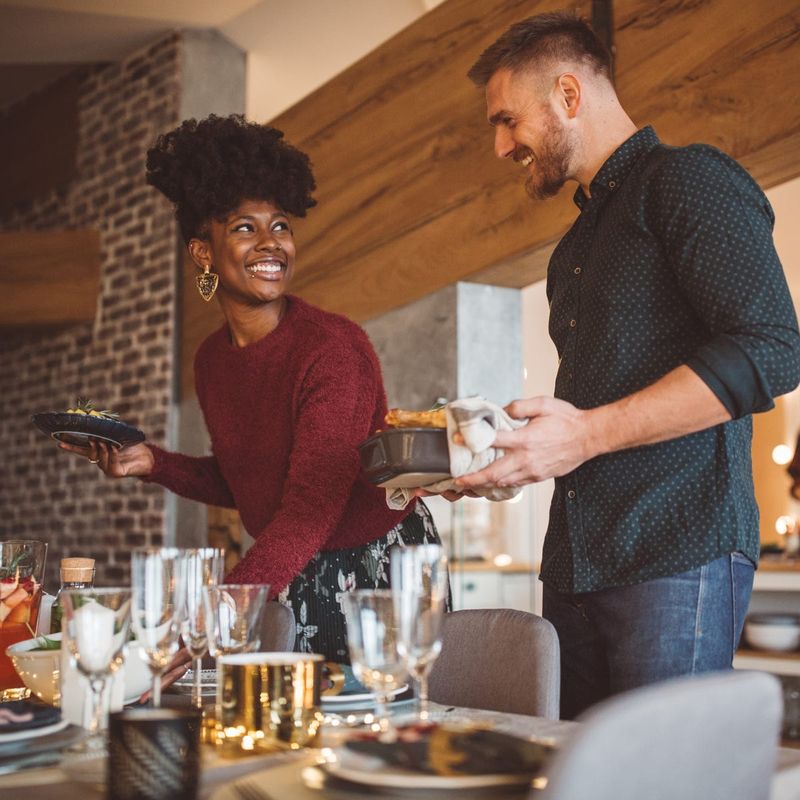
It seems helpful, but stacking plates and rushing to clear the table before the host signals it is time can actually disrupt the flow of the meal. It may also pressure other guests who are still eating to hurry up and finish.
Wait for the host to lead the clearing process. If you genuinely want to help, offer quietly and privately rather than jumping up and taking over.
Thoughtful gestures that follow the host’s pace are always more welcome than well-intentioned chaos.
20. Skipping the Thank You to Your Host

Hosting a dinner takes real effort – planning the menu, cooking, setting the table, and making sure everyone feels welcome. Leaving without expressing genuine gratitude is one of the most overlooked etiquette oversights people make.
Always thank your host before leaving, and consider following up with a message the next day. A heartfelt “thank you” acknowledges the work they put in and makes them feel appreciated.
It is the kind of small gesture that keeps dinner invitations coming your way.