
Have you ever pointed at a menu item because you were too embarrassed to say it out loud? You are definitely not alone.
Many popular foods from around the world have names that look nothing like they sound, leaving even confident speakers second-guessing themselves. Get ready to finally learn how to say these delicious dishes the right way.
1. Quinoa
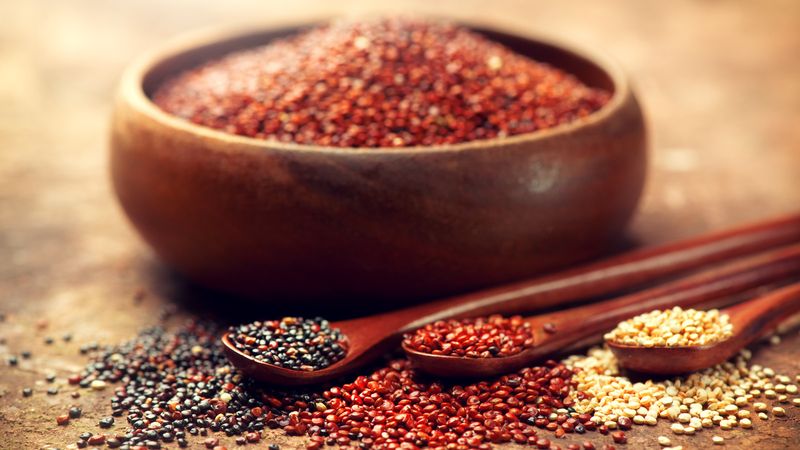
Most people see this word and say “KWIN-oh-ah,” but the correct pronunciation is actually “KEEN-wah.” This South American grain has been a staple food for thousands of years among Andean communities in Peru and Bolivia.
Quinoa is packed with protein and nutrients, making it a favorite among health-conscious eaters worldwide. Once you say it right, ordering it at a restaurant feels way more satisfying.
2. Gnocchi
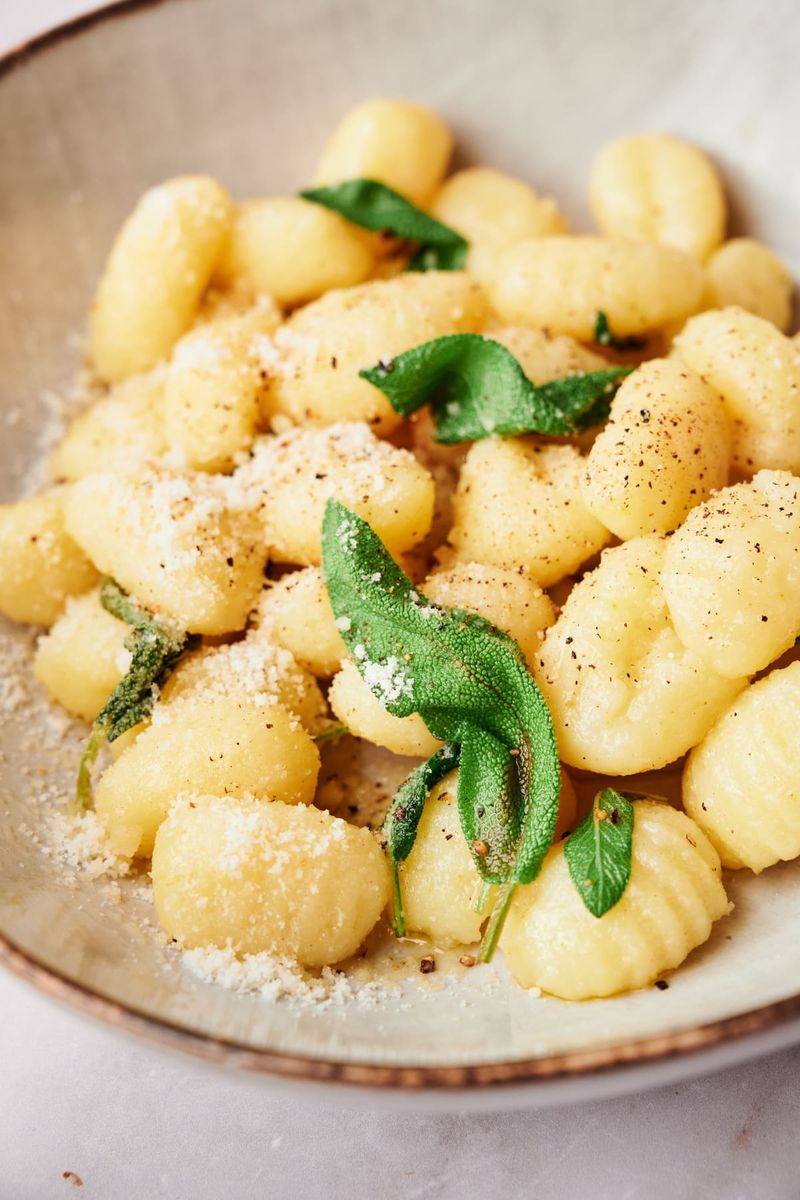
Gnocchi looks like it should be pronounced “guh-NO-chee,” but Italians will tell you the correct way is “NYOH-kee.” The silent G trips up almost everyone who encounters this beloved Italian pasta dish for the first time.
These small, pillowy potato dumplings pair beautifully with butter, sage, or marinara sauce. Knowing how to pronounce it properly makes ordering at an Italian restaurant feel like a real accomplishment.
3. Acai
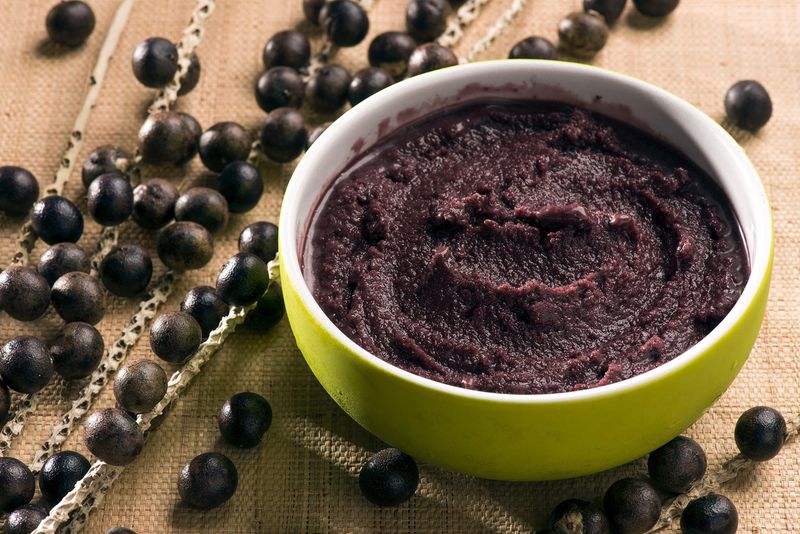
Written as “acai,” this trendy Brazilian berry often gets mispronounced as “AH-kye” or “AH-sigh.” The correct pronunciation is “ah-sigh-EE,” with three distinct syllables that honor its Portuguese origins.
Acai berries grow on palm trees in the Amazon rainforest and are celebrated for their deep purple color and antioxidant properties. Smoothie bowl fans everywhere should practice saying this one before their next cafe order.
4. Pho
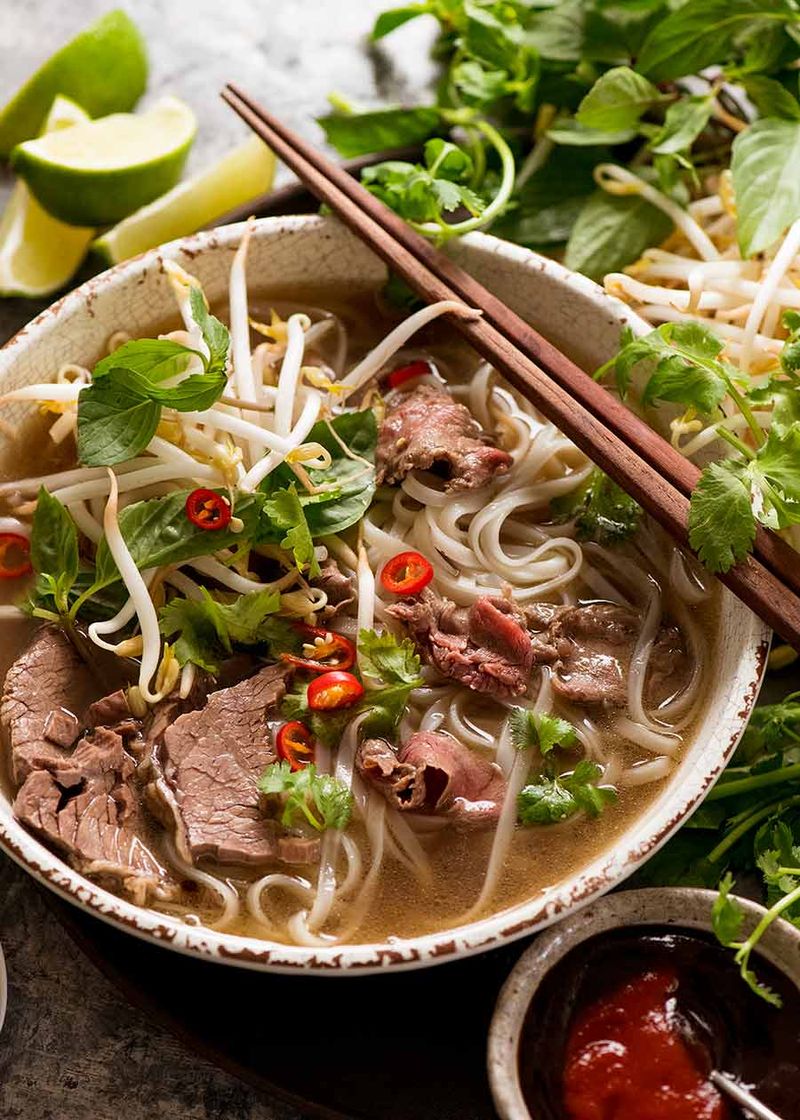
Seeing “pho” on a menu, many people confidently say “foh” or even “foe,” but Vietnamese speakers pronounce it closer to “fuh.” It rhymes with “duh,” and that single vowel sound is what makes it so deceiving.
This fragrant Vietnamese noodle soup has been warming hearts since the early 1900s in northern Vietnam. Getting the pronunciation right is a small but meaningful way to honor the dish’s rich cultural heritage.
5. Worcestershire
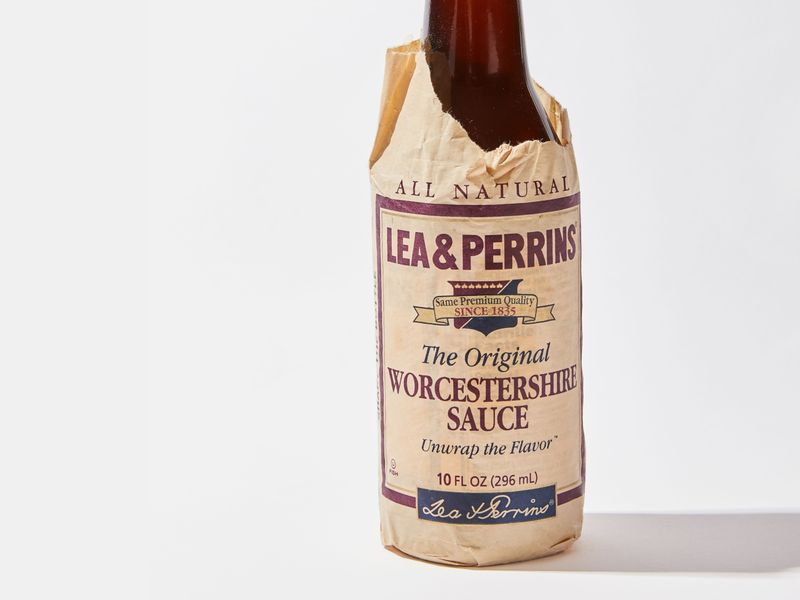
Worcestershire sauce is a classic British condiment that has been confusing non-English speakers since 1837. The spelling suggests something like “WOR-ces-ter-sheer,” but the actual pronunciation is simply “WUS-ter-sheer” or even just “WUS-ter-sher.”
Named after Worcester, England, this tangy fermented sauce contains anchovies, vinegar, and tamarind. Chefs around the world rely on it for depth of flavor, even if they quietly stumble over the name every single time.
6. Bruschetta
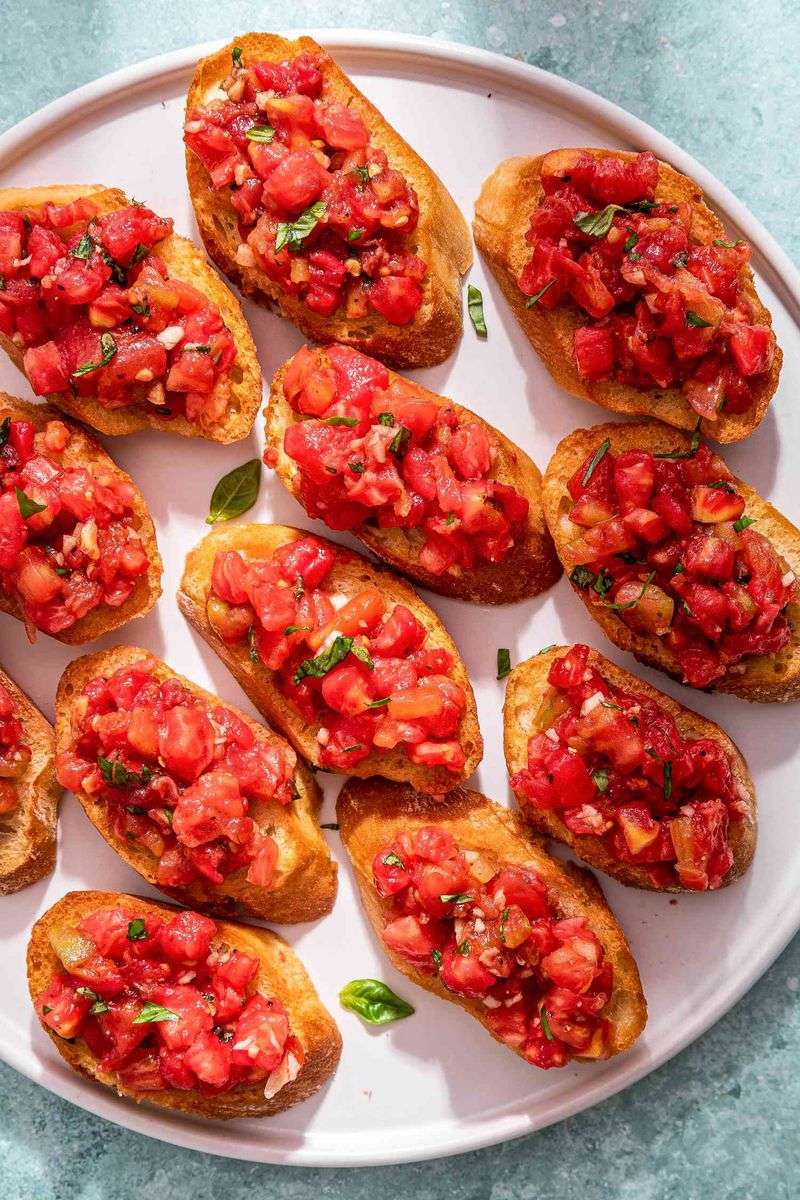
Many English speakers say “broo-SHET-ah,” but in Italian the correct pronunciation is “broo-SKEH-tah.” The “ch” in Italian makes a hard K sound, which completely changes how the word lands on the tongue.
Bruschetta is a classic Italian appetizer made from grilled bread rubbed with garlic and topped with fresh tomatoes. Ordering it correctly in a restaurant will impress your friends and maybe even earn a smile from the chef.
7. Gyro
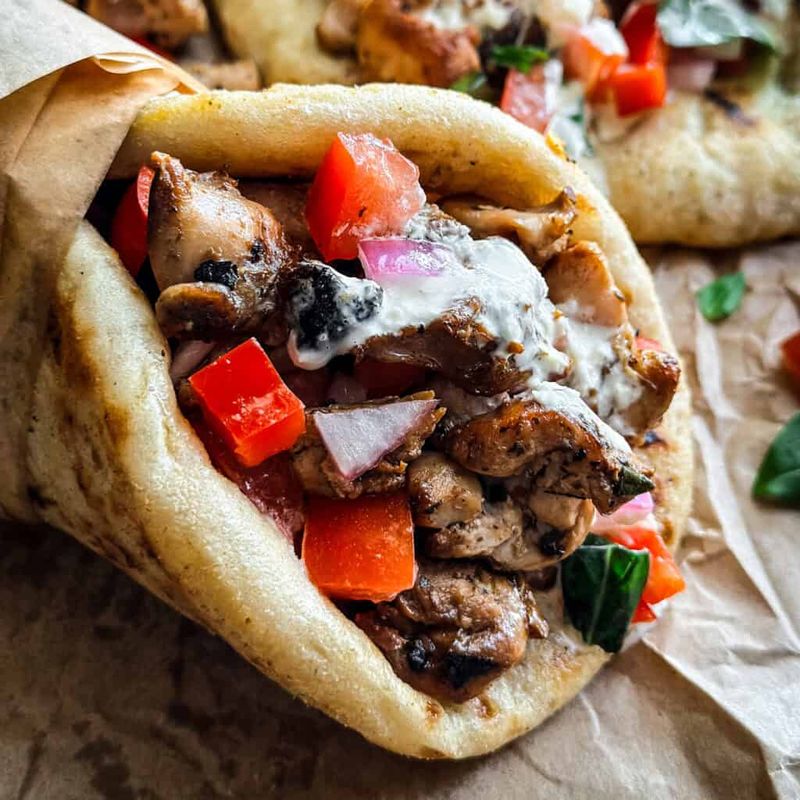
Walk past any Greek food stand and you might hear “JY-roh” being ordered, but the authentic Greek pronunciation is closer to “YEE-roh.” The G makes a Y sound in Greek, which feels completely counterintuitive to English readers.
A gyro is a popular Greek street food made from seasoned meat cooked on a vertical rotisserie, then wrapped in warm pita bread. Fun fact: the word “gyro” actually means “turn” in Greek, describing exactly how it is cooked.
8. Croissant

English speakers often say “KRWAH-sant” or “KRUH-sont,” but the French pronunciation is a smooth “kwah-SAHN” with a nearly silent N at the end. Trying to nail that French nasal sound can feel like a mini language lesson all on its own.
Croissants were actually inspired by Austrian pastries before French bakers perfected them into the buttery, flaky crescents we love today. Saying it correctly at a French bakery is genuinely one of life’s small pleasures.
9. Edamame
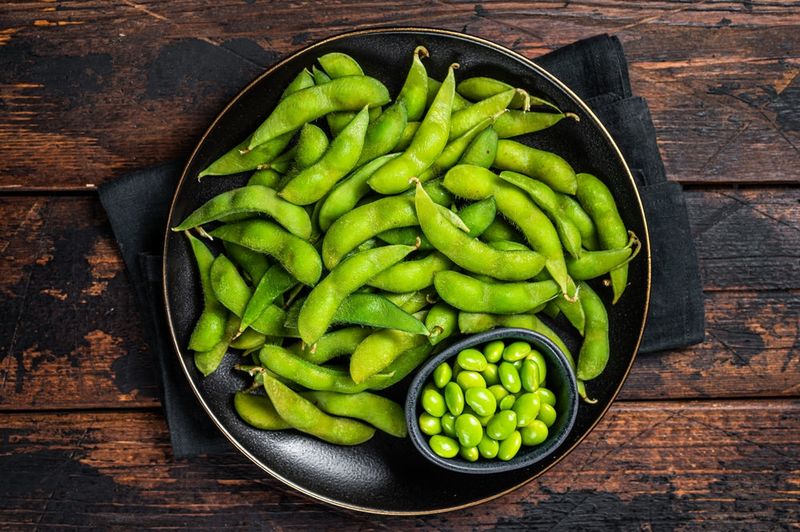
“EH-dah-MAH-meh” is the correct way to say this popular Japanese snack, but plenty of people squish it into “ed-uh-MAY-mee” without realizing it. Each syllable carries equal weight in Japanese, giving the word a clean, rhythmic feel.
Edamame are young soybeans harvested before they fully ripen, and they have been enjoyed in Japan for over two thousand years. Lightly salted and served warm, they are one of the most satisfying and nutritious snacks around.
10. Bouillabaisse
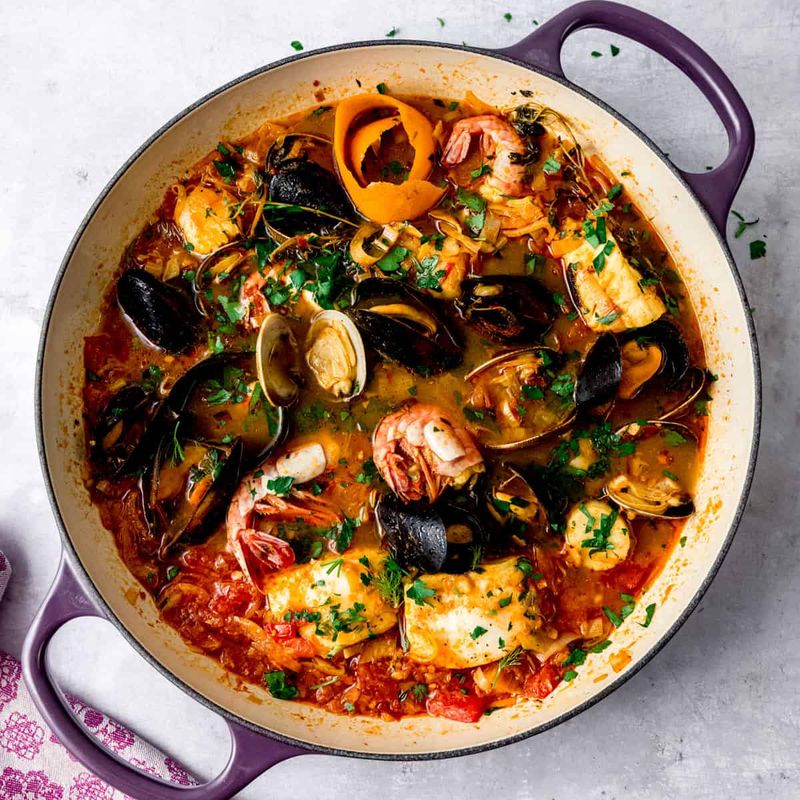
Bouillabaisse is a traditional Provencal fish stew from Marseille, France, and its name is a genuine pronunciation puzzle. The correct way is roughly “BOO-yuh-BAYZ,” which sounds nothing like the intimidating string of vowels and consonants on the page.
This hearty stew traditionally includes multiple types of fish, shellfish, and a saffron-laced broth. Chefs in Marseille take their bouillabaisse very seriously, so getting the name right is a respectful first step before ordering.
11. Tzatziki
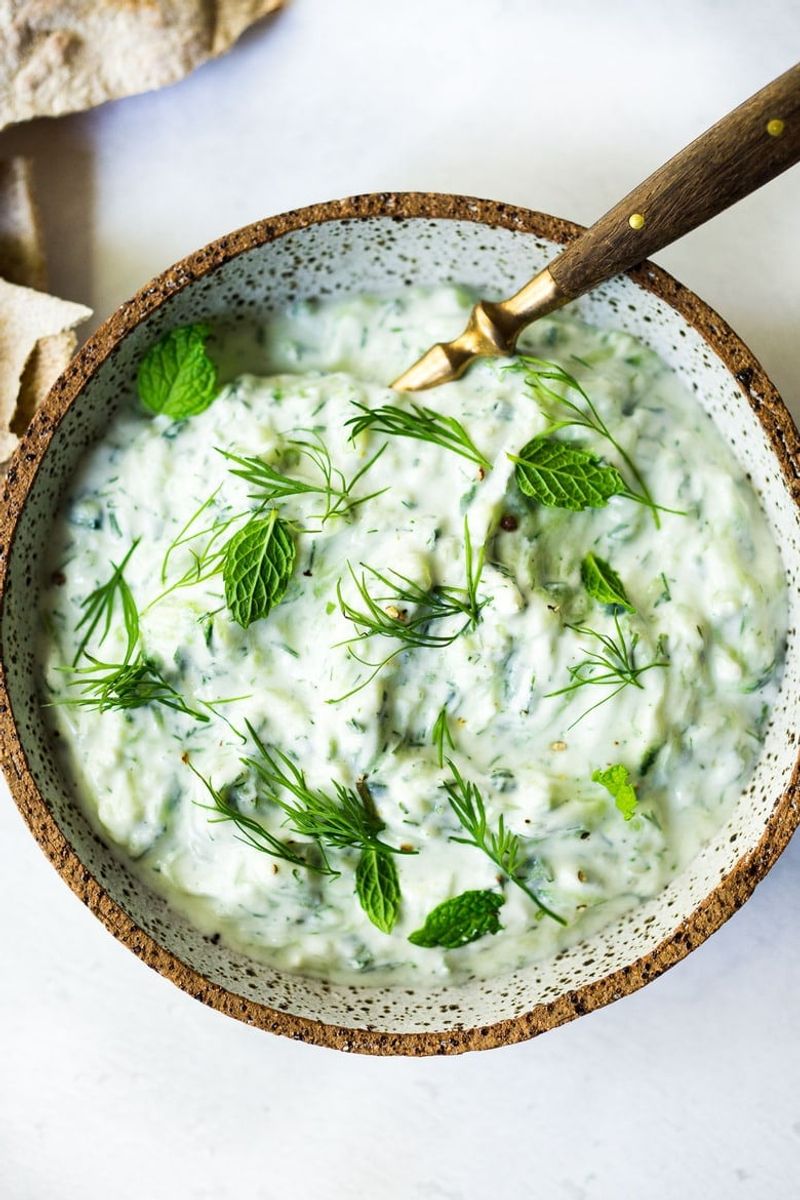
Tzatziki is one of those words that looks like a keyboard accident, but it is actually pronounced “tsah-TSEE-kee.” The opening “tz” sound is the trickiest part for English speakers, who are not used to starting a word that way.
This cool, creamy Greek dip is made from strained yogurt, cucumber, garlic, and fresh herbs. It pairs perfectly with grilled meats and warm pita, and once you can confidently pronounce it, ordering feels like a tiny victory.
12. Niçoise
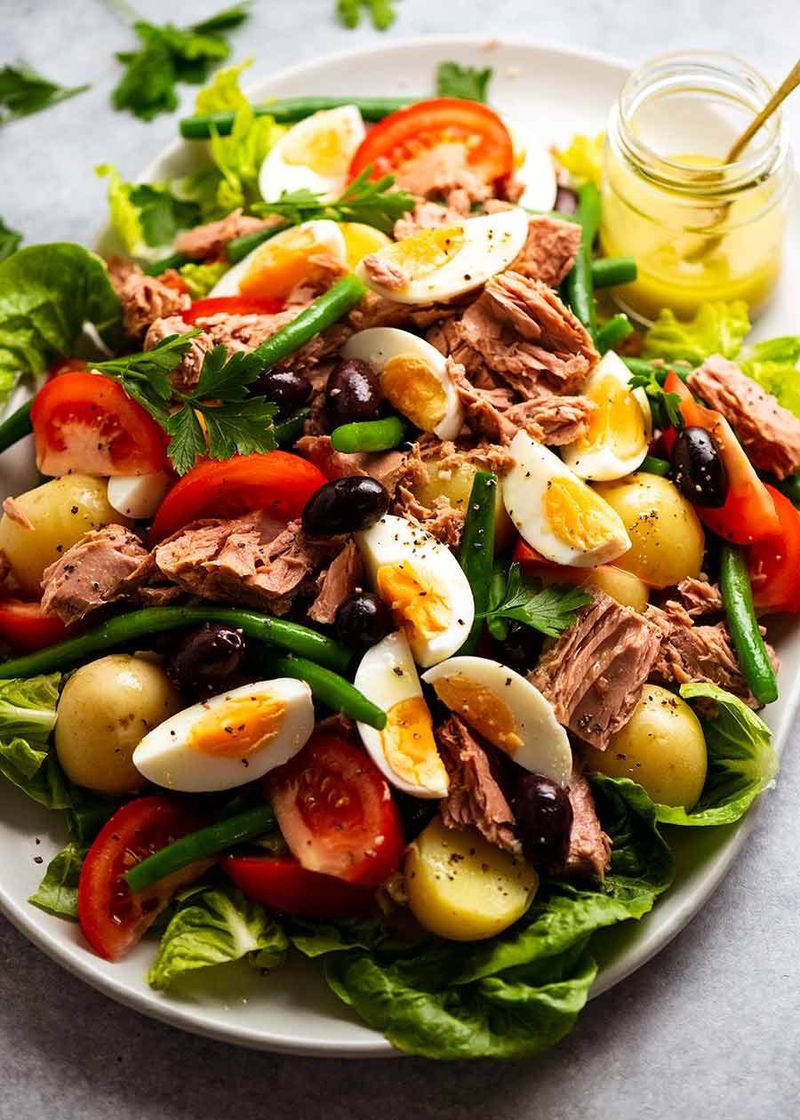
Niçoise, as in Salade Niçoise, is a classic French salad from Nice, and its name trips up even seasoned foodies. The correct pronunciation is “nee-SWAHZ,” with that soft French Z sound at the end giving it an elegant finish.
Packed with tuna, olives, eggs, and fresh vegetables, this salad is a full and satisfying meal. Knowing how to order it without hesitation adds a little extra confidence to any French dining experience.
13. Charcuterie
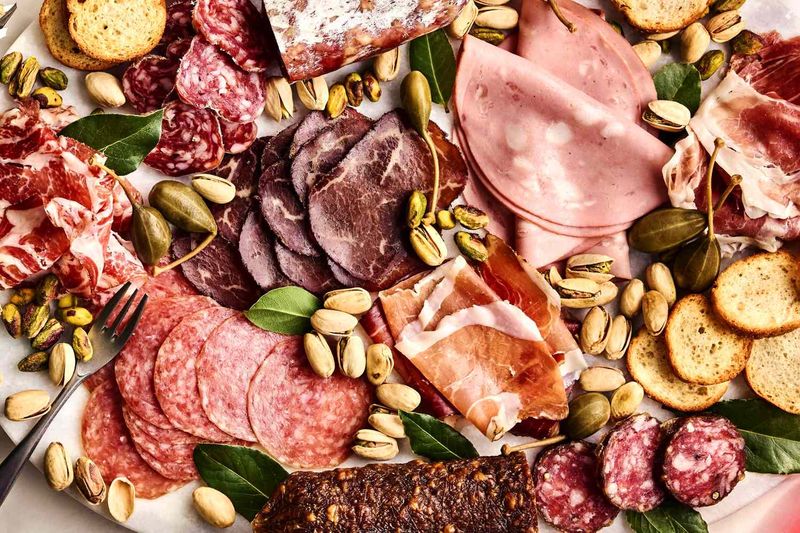
Charcuterie boards are everywhere on social media, but the word itself is a stumbling block for many. The correct French pronunciation is “shar-KOO-tuh-ree,” and skipping that soft R sound is what gives most English speakers away.
Charcuterie refers to the French art of preparing cured meats like salami, prosciutto, and pate. Building and naming your board correctly is half the fun at any gathering, and your guests will definitely notice the effort.
14. Miso
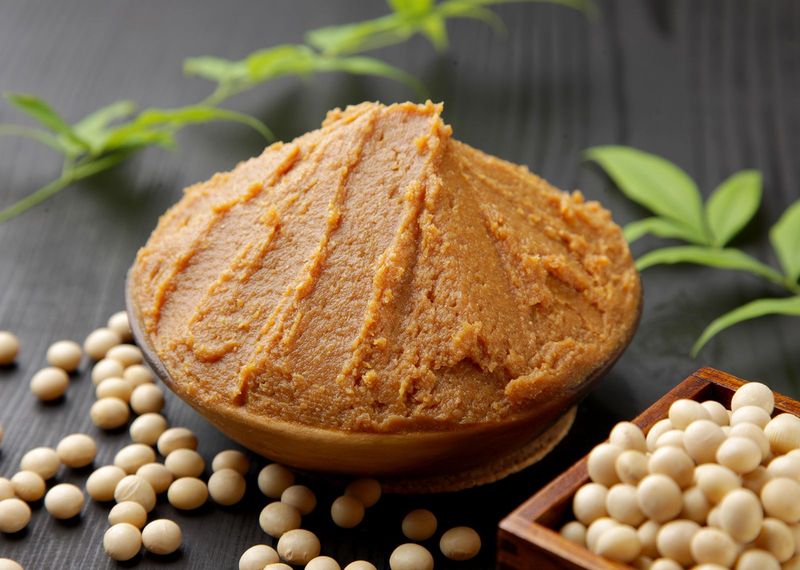
Miso looks easy enough, but many people say “MY-zoh” when the correct Japanese pronunciation is “MEE-soh,” with a short, clean EE sound at the start. It is a small difference that makes a big impression on Japanese food lovers.
Miso is a fermented soybean paste that has been a cornerstone of Japanese cooking for over a thousand years. Beyond soup, it is used in marinades, dressings, and glazes, adding a deep, savory richness to almost any dish.
15. Prosciutto
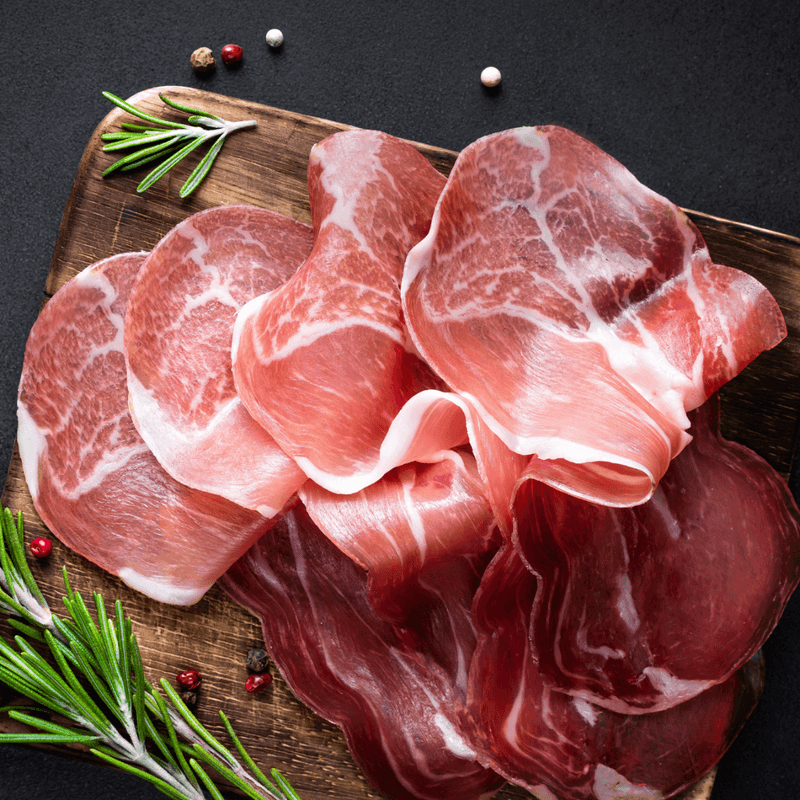
Prosciutto is the crown jewel of Italian cured meats, but its name causes endless confusion. The correct pronunciation is “proh-SHOO-toh,” not “proh-SKOO-toh” – that SC combination in Italian makes a SH sound, not a SK sound.
Made from dry-cured pork leg, authentic prosciutto di Parma is aged for at least twelve months to develop its silky texture and sweet, nutty flavor. Saying it right at a deli counter earns genuine respect from Italian food purists.
16. Haricots Verts
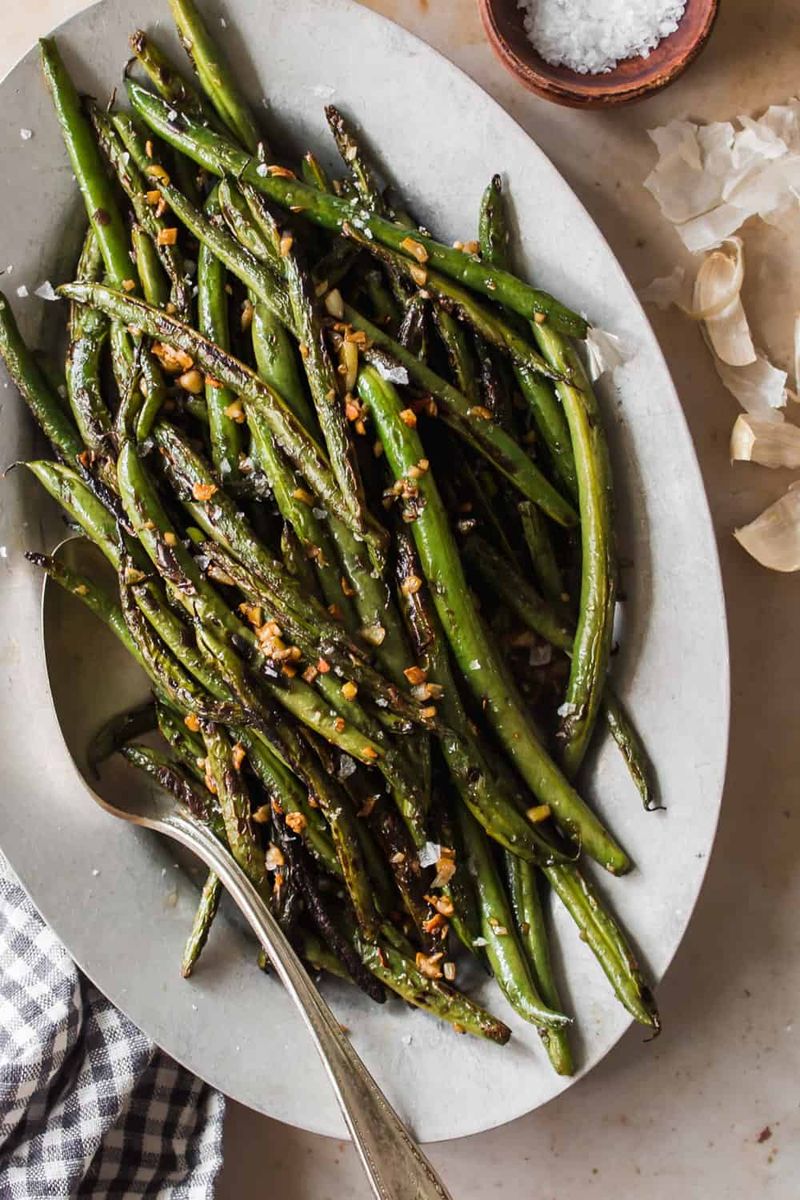
Haricots verts are simply French green beans, but the name sounds impossibly fancy when you first see it. The correct pronunciation is “ah-ree-KOH VAIR,” with both the T in haricots and the S in verts completely silent.
Thinner and more tender than regular green beans, haricots verts are a staple of French cuisine and fine dining menus worldwide. Once you drop the silent letters and nail the pronunciation, this elegant side dish feels a lot less intimidating to order.
17. Sriracha
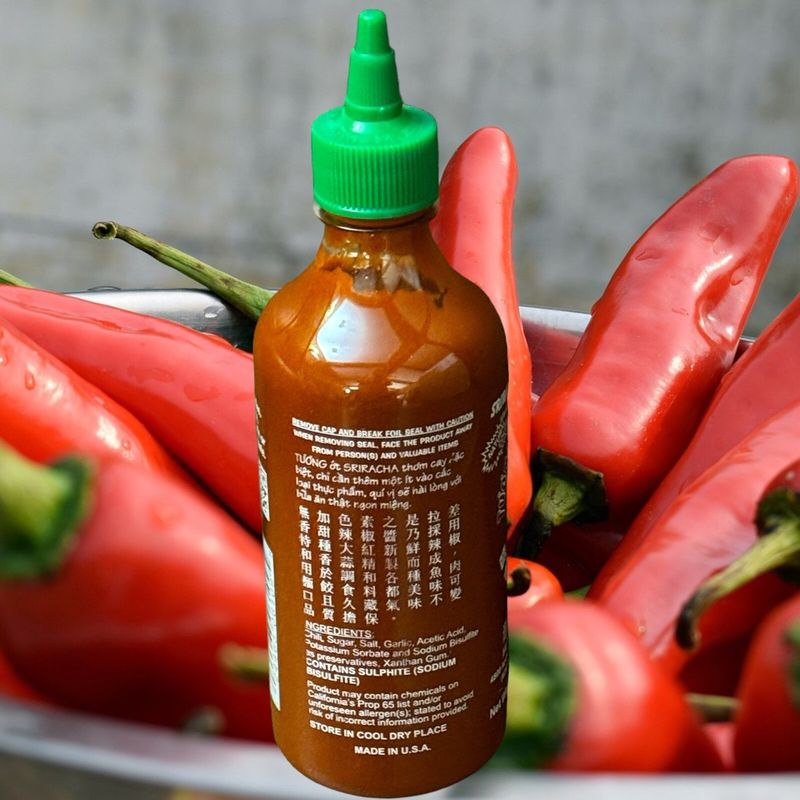
Sriracha has become one of the most popular hot sauces in the world, yet its name is still widely mispronounced. The correct way is “see-RAH-chah,” named after the coastal city of Si Racha in Thailand, where the sauce originated.
Many people say “sree-RAH-chah” or “sir-AH-chah,” but that opening SEE sound is the key to getting it right. Beyond its fiery kick, sriracha adds a garlicky sweetness that makes it a perfect condiment for noodles, eggs, and almost everything else.
18. Ceviche
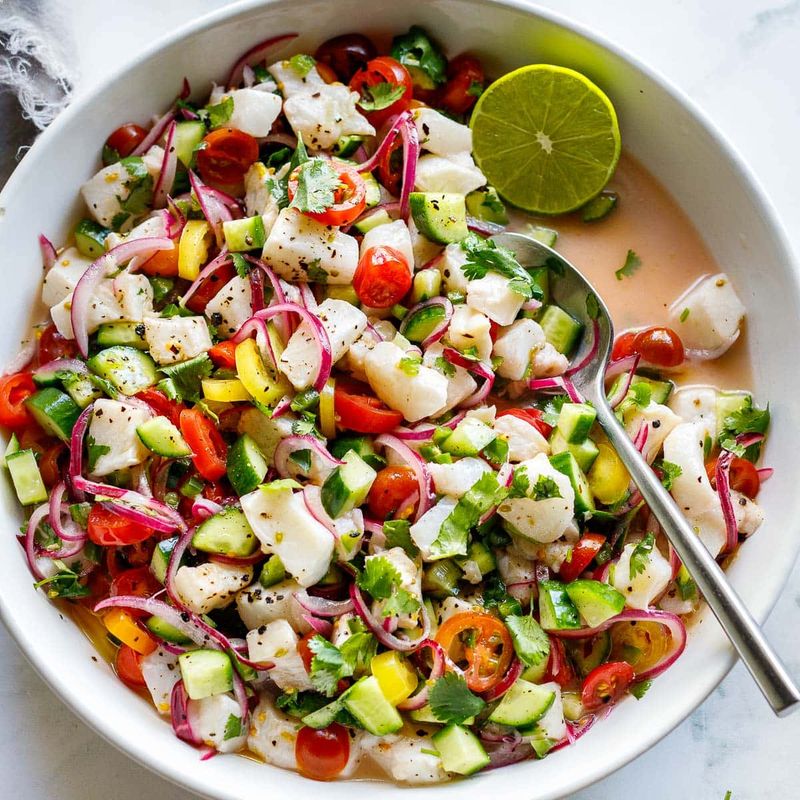
Ceviche is a beloved Latin American dish that gets mispronounced surprisingly often. The correct pronunciation is “seh-VEE-cheh,” not “seh-VICH” or “SIH-vish,” and nailing those three clear syllables makes a real difference when ordering.
Made from raw fish or seafood cured in fresh citrus juice, ceviche is a bright and refreshing dish popular across Peru, Mexico, and beyond. Peru even celebrates a national Ceviche Day every June, proving just how seriously this dish is taken.