
Some foods get so much attention that people expect them to change their lives after just one bite. America has plenty of dishes that sound incredible on menus, look stunning in photos, and come with price tags that make you think they must be worth it.
But sometimes, the reality does not quite match the legend. Here are 18 American foods that have built big reputations, yet often leave people feeling a little underwhelmed.
1. Truffle Fries
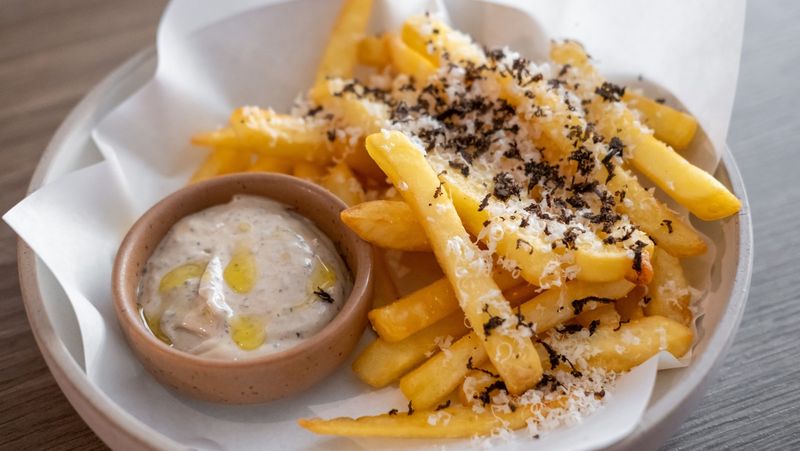
Truffle fries show up on almost every upscale burger joint menu, priced like they were hand-delivered from a French chef. The reality?
Most restaurants use truffle oil, which is a lab-made flavoring with very little connection to real truffles. The smell can be overwhelming rather than appetizing.
You often end up with soggy fries drowning in a scent that feels more like perfume than food. Regular well-seasoned fries from a good diner will beat these almost every time.
2. Lobster Roll
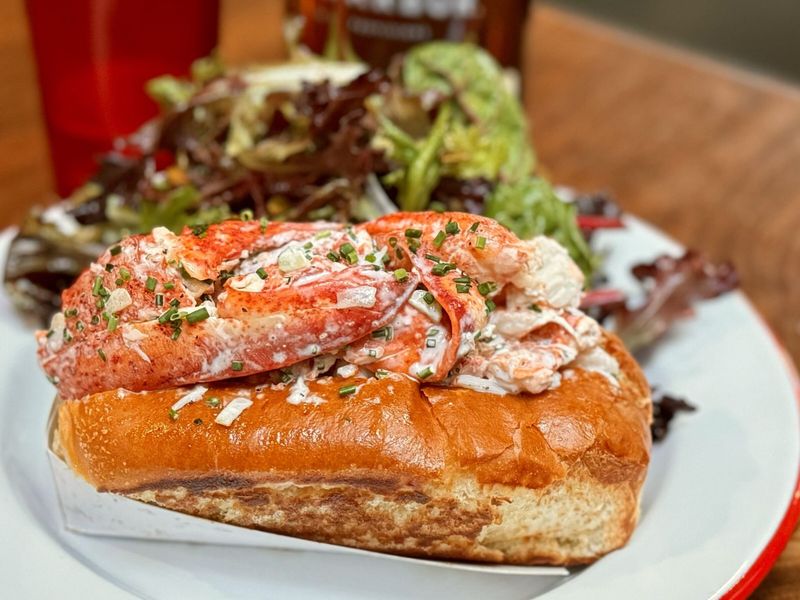
Few things sound as luxurious as a lobster roll. Coastal restaurants charge anywhere from $30 to $50 for one, and food bloggers treat them like a religious experience.
But many people take that first bite and wonder where all the lobster actually went.
Fillers like celery, mayo, and bread often take center stage, while the lobster plays a supporting role. Paying top dollar for something that tastes mostly like a cold salad sandwich can feel like a letdown.
3. Wagyu Beef Burger
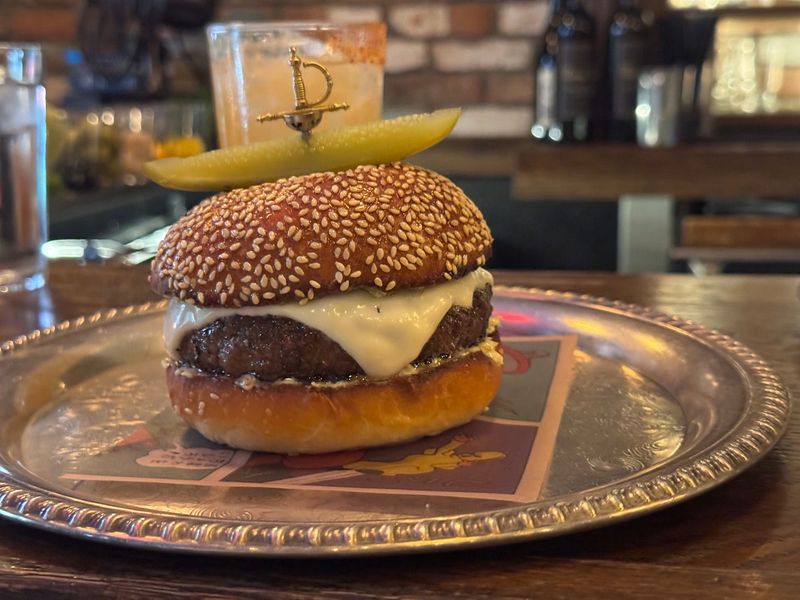
Wagyu beef has a legendary reputation built on its rich marbling and melt-in-your-mouth texture. When it gets ground into a burger patty, though, much of what makes wagyu special simply disappears.
The fat content that creates the magic in a steak gets lost once the meat is mixed and cooked on a flat grill.
Spending $25 or more on a wagyu burger often delivers something barely better than a quality regular beef patty. The name sounds amazing, but the experience rarely justifies the price.
4. Acai Bowl
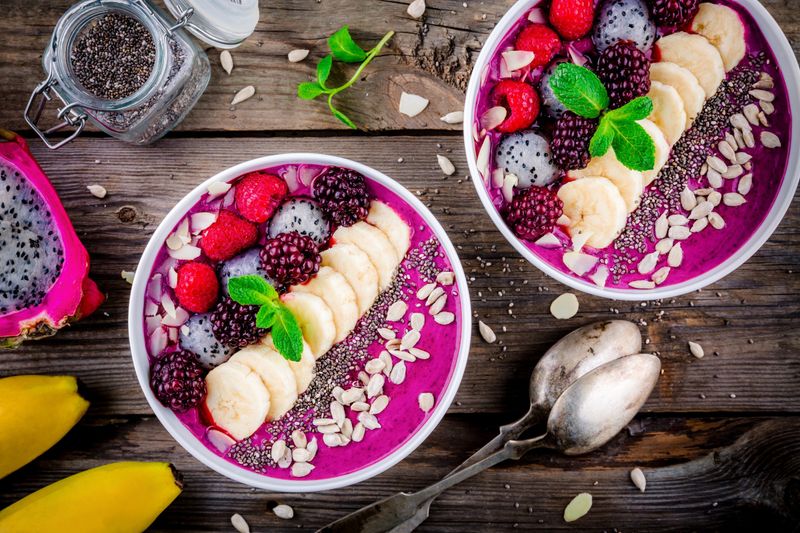
Walk into any trendy cafe and the acai bowl sits at the top of the menu like a purple crown. Health influencers rave about it as a superfood breakfast that will transform your mornings.
What arrives, though, is often a very cold, slightly bitter smoothie base buried under mountains of sugary granola and fruit.
The calorie count can easily rival a fast food meal. For something marketed as a healthy choice, it often has more sugar than a candy bar.
5. Craft Beer
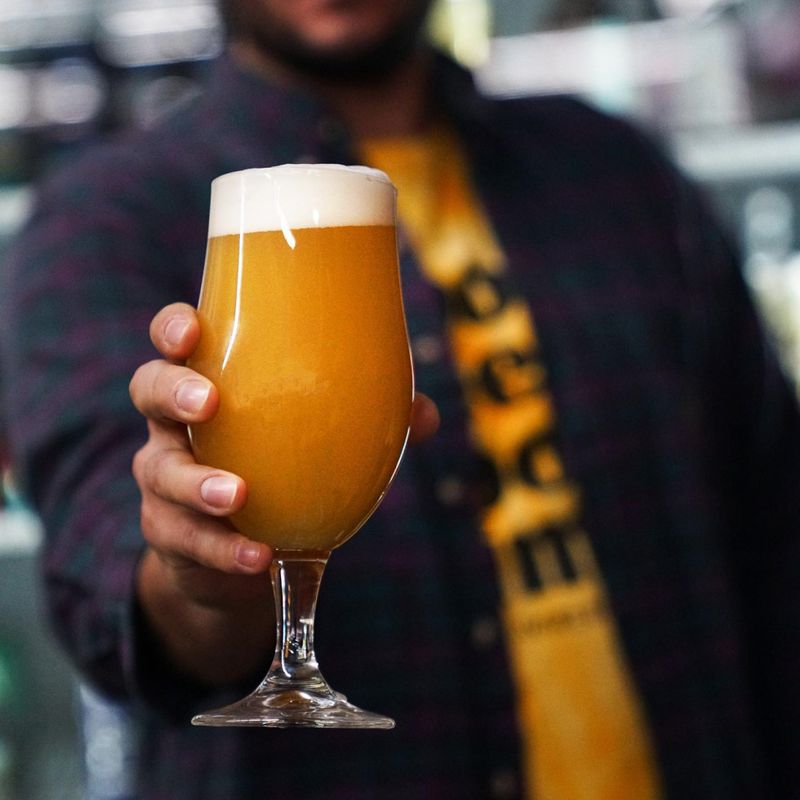
Craft beer culture exploded across America over the past two decades, turning every city into a playground for breweries with quirky names and outrageous flavor combinations. Pickle-flavored IPAs, peanut butter stouts, and lavender wheat ales sound creative on paper.
In practice, many of these novelty brews prioritize weirdness over actual drinkability.
Not every experiment is a success, and some taste more like a science project than a beverage. Paying $10 for a pint of something unpleasant because the label looks cool gets old fast.
6. Avocado Toast
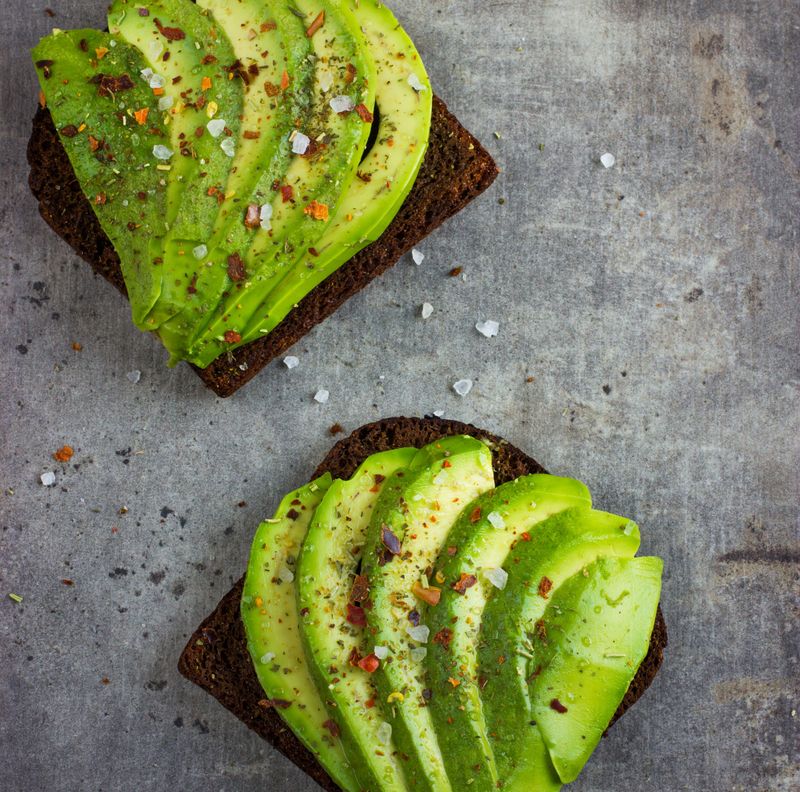
Avocado toast became the symbol of millennial brunch culture and never really left. Restaurants charge $16 or more for what is essentially mashed avocado on bread, sometimes with a sprinkle of seeds or a drizzle of olive oil to justify the price.
Making the exact same thing at home costs less than two dollars.
When the avocado is not perfectly ripe, which happens more often than you would expect, the whole dish falls flat. It is a fine snack, but the hype far outpaces the experience.
7. Kobe Beef Steak
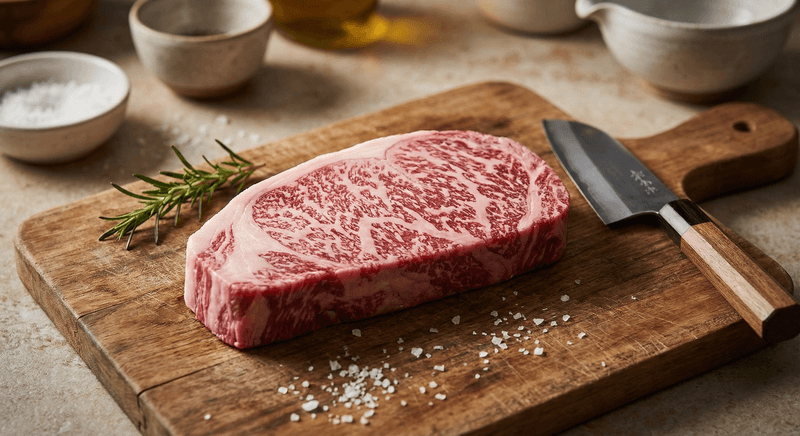
Real Kobe beef comes from a specific region of Japan and is incredibly rare in the United States. Most restaurants that advertise Kobe beef are actually serving American Wagyu or a crossbreed, which is not the same thing at all.
The label gets used loosely, and diners rarely know what they are actually paying for.
Spending hundreds of dollars on a steak described as Kobe when it is not feels like a costly misunderstanding. Always ask questions before ordering anything with that name on the menu.
8. Artisanal Donuts
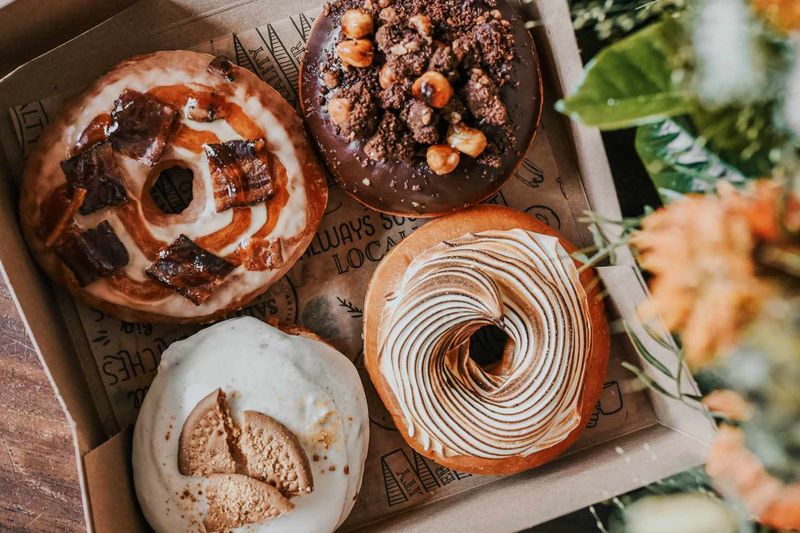
Gourmet donut shops transformed a simple fried pastry into an art project, stacking toppings like fruity cereal, candied bacon, and edible glitter on rings of dough priced at $5 or more each. The visual appeal is undeniable, and the social media photos are always stunning.
But biting into one can feel like eating frosting on frosting.
The base donut often gets neglected in favor of wild toppings. A classic glazed from a neighborhood bakery frequently tastes better and costs a fraction of the price.
9. Farm-to-Table Restaurants
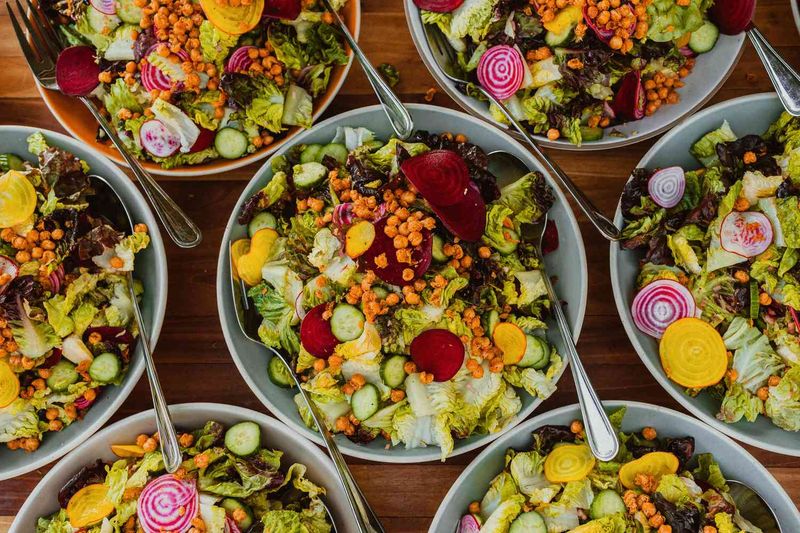
Farm-to-table dining became a movement built on the promise of fresh, locally sourced ingredients prepared with care. The menus often read like poetry, describing each vegetable by the farm it came from and the name of the farmer who grew it.
It sounds wonderful, and the philosophy behind it genuinely matters.
The problem is that many restaurants use the label without fully delivering on it. Tiny portions, extremely high prices, and dishes that taste like fancy air sometimes leave diners hungry and confused about what they paid for.
10. Cronuts
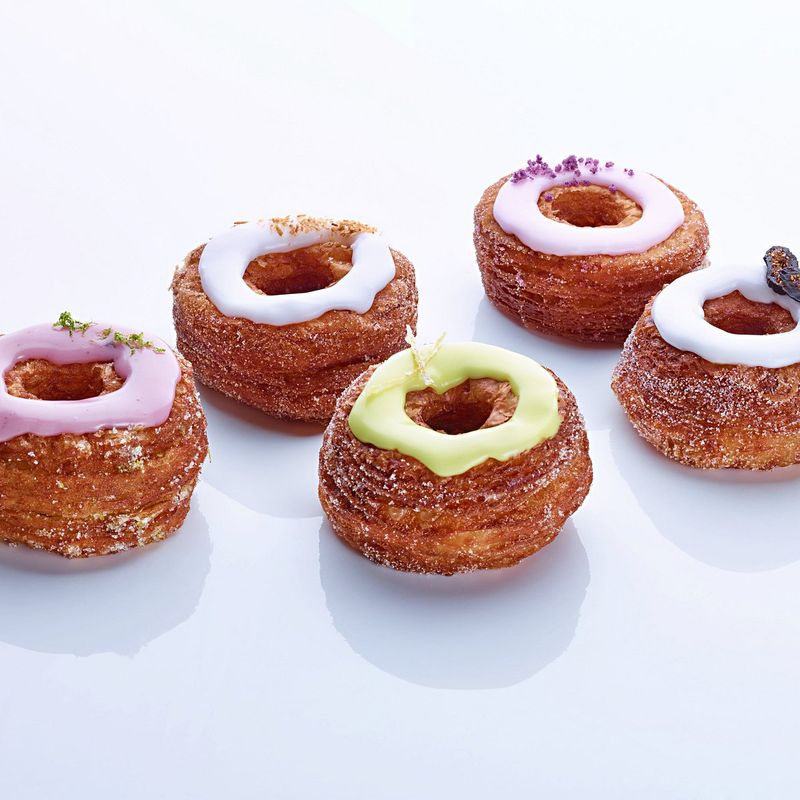
When the cronut first appeared at a New York City bakery in 2013, people lined up for hours before dawn just to get one. The croissant-donut hybrid became a genuine cultural phenomenon, with waitlists and black market sales at absurd prices.
Pastry fans treated it like a once-in-a-lifetime opportunity.
After finally tasting one, many people found it rich and good but not quite worth the legendary buildup. Hype has a way of making even excellent food feel ordinary once the excitement fades.
11. Unicorn and Rainbow Foods
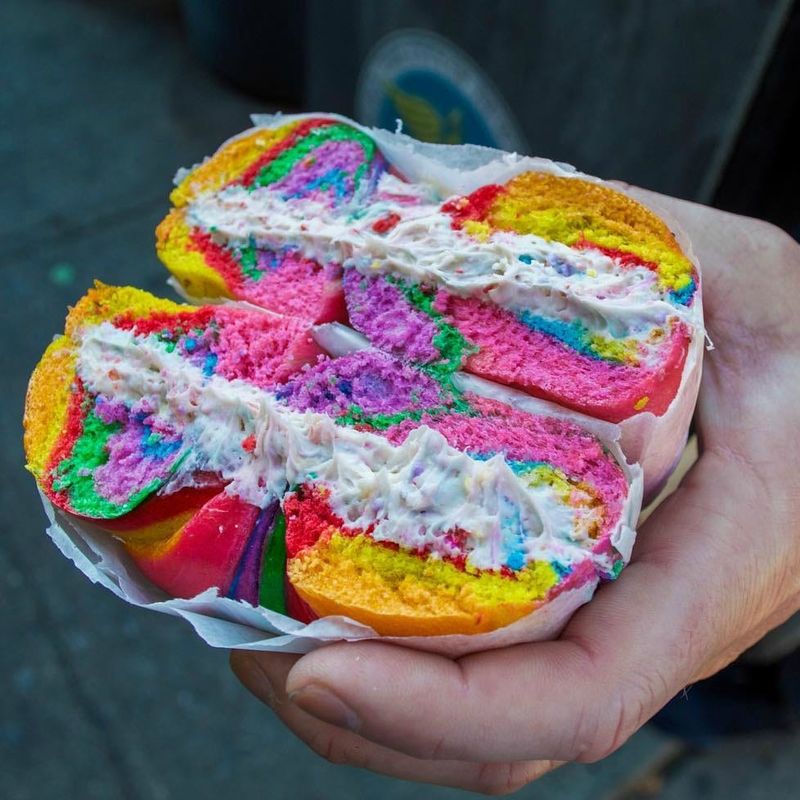
Brightly colored rainbow bagels, unicorn lattes, and galaxy milkshakes took over social media feeds for a solid few years. The colors are genuinely eye-catching, and the creativity behind them deserves some credit.
However, most of these items rely entirely on food dye to create the wow factor.
The taste is usually underwhelming, and the dyes can leave a strange aftertaste. Ordering something purely because it photographs well is a gamble that food lovers almost always lose at the actual tasting stage.
12. Gold Leaf Desserts
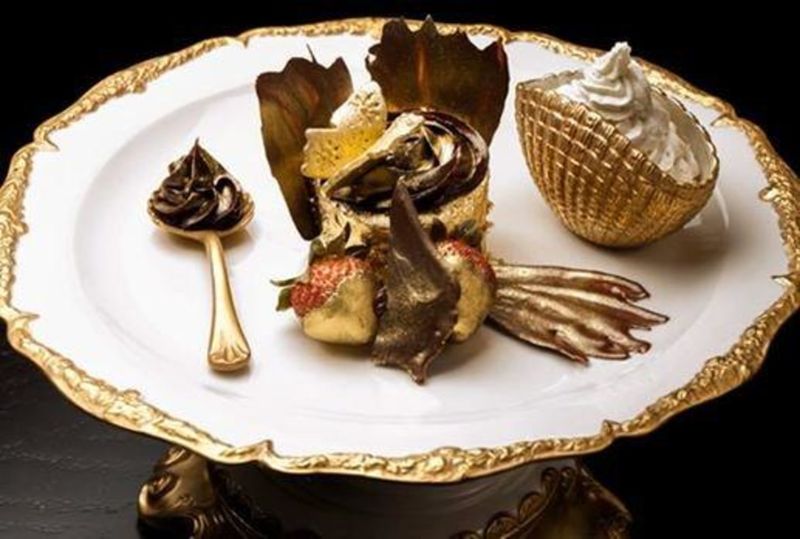
Edible gold has no flavor whatsoever. It is odorless, tasteless, and adds nothing to a dish beyond a shiny appearance.
Yet restaurants across America charge significant premiums to put gold leaf on burgers, steaks, ice cream, and cocktails, and people happily pay for it because it feels extravagant.
The gold dissolves almost immediately on contact with moisture, so the visual effect barely lasts. Paying extra for something that literally contributes nothing to the eating experience is one of the more puzzling food trends in recent memory.
13. Molecular Gastronomy Tasting Menus
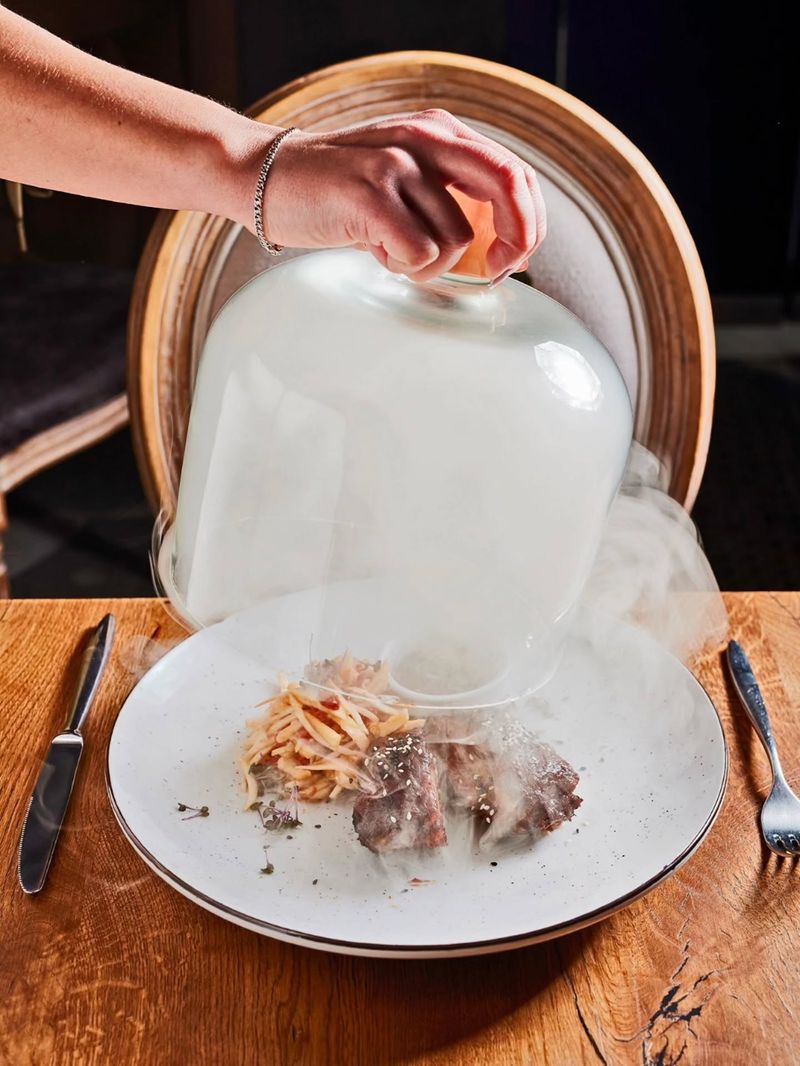
Molecular gastronomy restaurants turn dinner into a science demonstration, serving olive oil caviar, meat-flavored foams, and deconstructed classics that arrive in test tubes. The creativity is remarkable, and chefs who master this style have serious technical skill.
Tasting menus at these places can cost $300 or more per person before drinks.
After two hours of tiny, puzzling bites, many diners leave still hungry and slightly confused. Impressive to think about, but not always satisfying to actually eat.
14. Gourmet Grilled Cheese
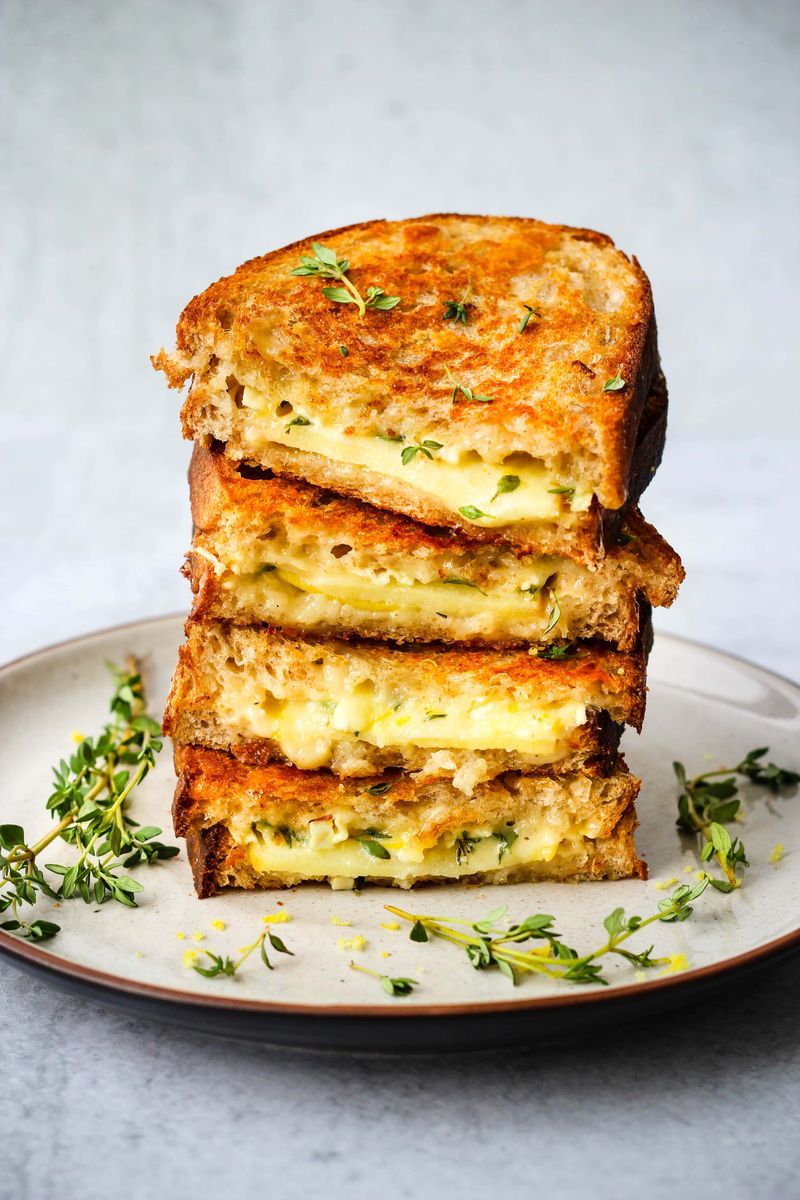
Grilled cheese sandwiches are one of the most comforting, simple foods in American cooking. Upscale restaurants saw an opportunity to charge $18 for a version made with aged gruyere, truffle butter, and sourdough.
Sometimes these elevated versions genuinely deliver something special and worth trying.
More often, though, the soul of a grilled cheese lives in its simplicity. American cheese melted between two slices of white bread in a buttered pan at home beats the fancy version more often than restaurants would like to admit.
15. Charcoal-Activated Food
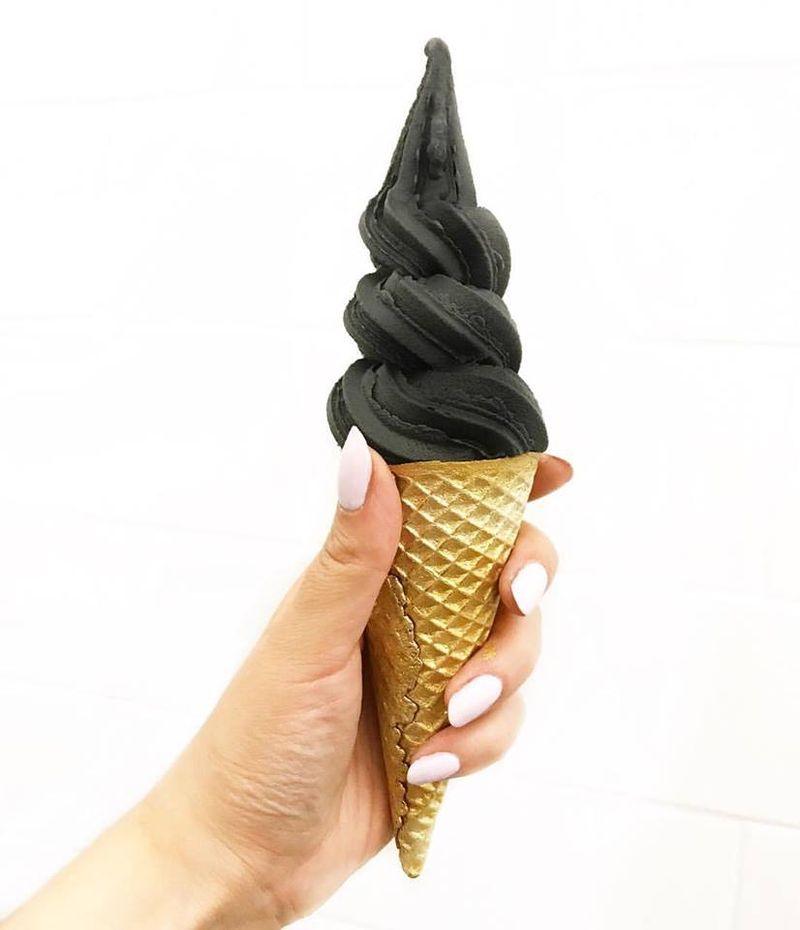
Black charcoal-activated foods swept through trendy food markets and Instagram accounts with striking visual results. Jet-black burger buns, charcoal ice cream, and black lemonade looked unlike anything people had seen before.
The dramatic color made every photo feel edgy and modern.
Activated charcoal has almost no effect on taste, and health claims around it are largely unsupported by science. Worse, it can interfere with certain medications.
Eating something that looks like it came from a Halloween party just for a photo is a fleeting thrill at best.
16. Fancy Bottled Water
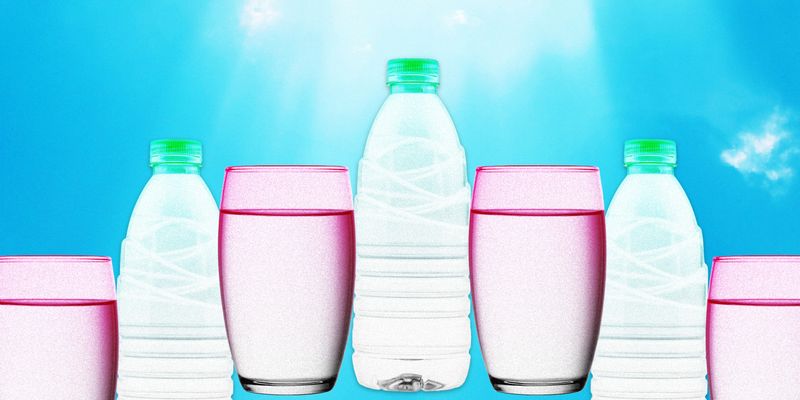
Still water is still water, and yet America developed a whole culture around paying $8 or more for a bottle with a Himalayan mountain or Icelandic glacier on the label. Restaurants push premium water options with the same enthusiasm they use for wine pairings, making tap water feel almost embarrassing to order.
Studies consistently show most people cannot tell the difference between premium and standard filtered water in blind tastings. Hydration is important, but the theater around fancy water is one of the most successful marketing stories in food history.
17. Smash Burgers
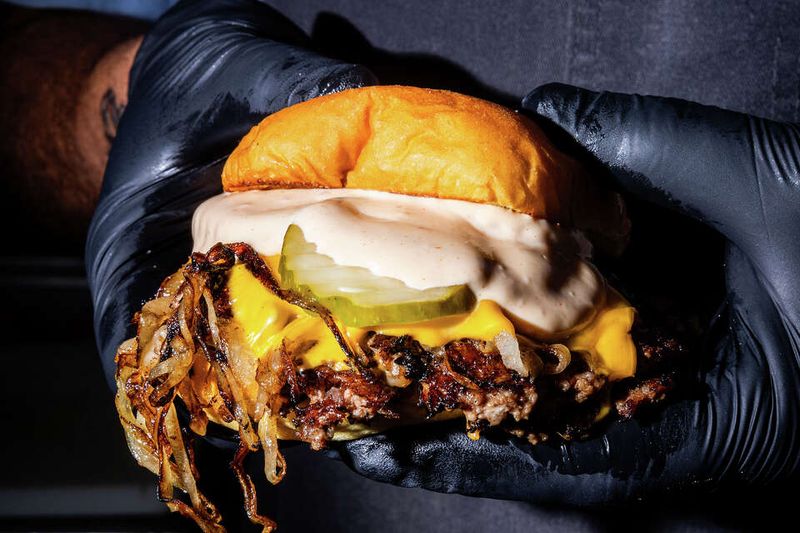
Smash burgers became the hottest thing in American fast-casual dining, with lines stretching around the block at new spots and food critics treating them like a revelation. Smashing a ball of beef onto a hot griddle does create a fantastic crust and a juicy interior, and a well-made smash burger genuinely tastes great.
The problem is that the trend exploded so fast that mediocre versions appeared everywhere. Not every smash burger lives up to the promise, and paying $15 for a thin patty on a plain bun can feel like a lot.
18. Artisanal Ice Cream
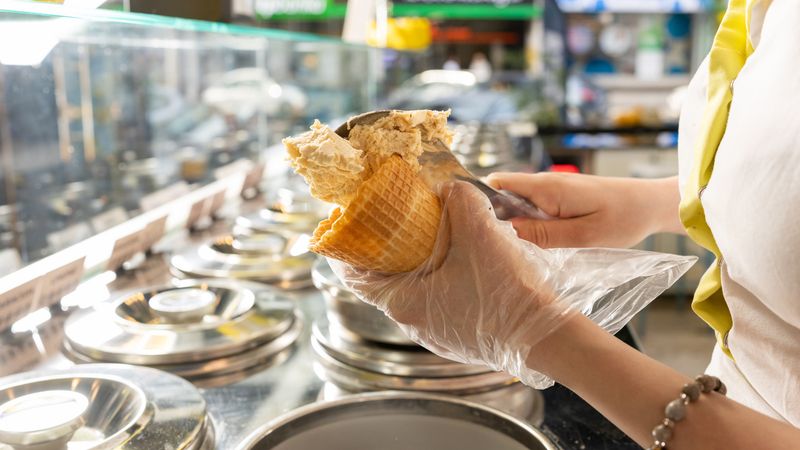
Artisanal ice cream shops turned a beloved classic into an adventure, offering flavors like balsamic fig, lavender honey, black sesame, and goat cheese with raspberry swirl. The creativity is real, and some unusual combinations genuinely work beautifully.
Charging $7 or more for a single scoop, though, sets very high expectations.
When an adventurous flavor misses the mark, you are stuck with something that tastes more like a mistake than a dessert. Sometimes a simple scoop of chocolate chip or strawberry from a classic shop hits harder than anything experimental.