
Superhero TV shows have come a long way when it comes to representing LGBTQ+ characters. Over the past decade, queer heroes and villains have stepped into the spotlight, showing fans that anyone can wear a cape or cause chaos.
From bisexual gods to transgender crime-fighters, these characters have broken barriers and made audiences feel seen. Get ready to meet 18 unforgettable queer characters who changed television history forever.
1. Loki – The God of Mischief Comes Out
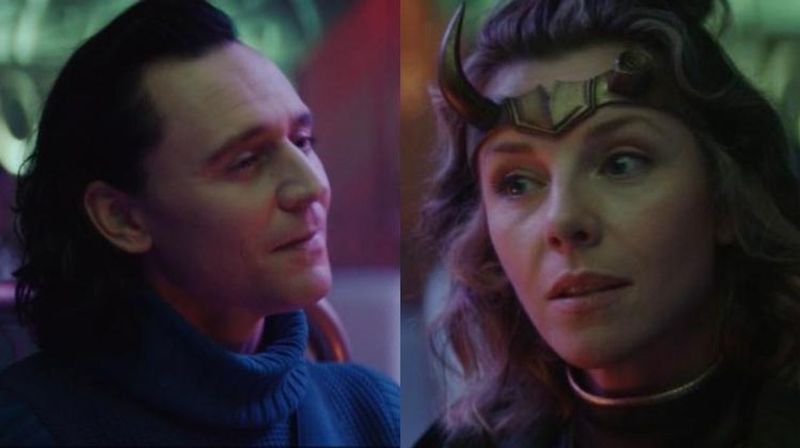
Marvel fans practically broke the internet when Loki casually confirmed his bisexuality in his 2021 Disney+ series. A simple line of dialogue made him the first openly queer lead character in Marvel film and television history.
That is a massive deal for a franchise this big.
Loki had always felt like an outsider, so his queerness actually fit his character beautifully. Fans who had long seen themselves in him finally had confirmation.
The moment felt both groundbreaking and completely natural.
2. Harley Quinn – Chaos, Color, and Bisexuality
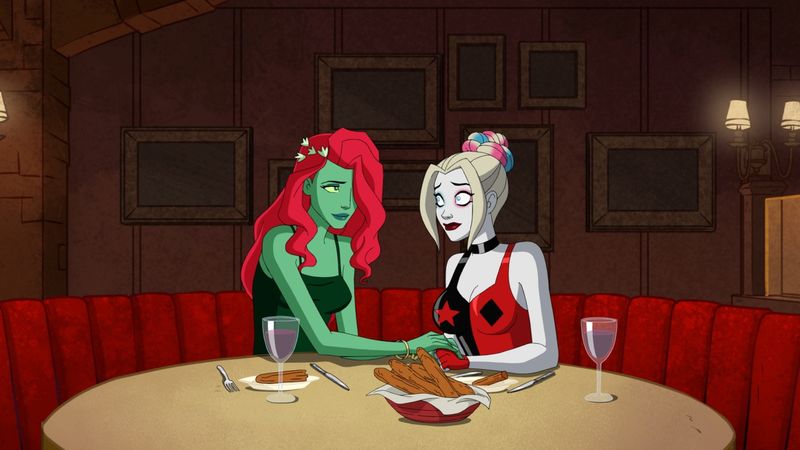
Nobody does wild and unpredictable quite like Harley Quinn, and her sexuality is just as bold as her personality. Her bisexuality has been openly explored across multiple platforms, including her hit animated series on HBO Max.
Watching her navigate love and identity while also causing absolute mayhem is genuinely entertaining.
The animated show gave writers room to be honest about who Harley really is. Her relationships feel authentic rather than performative.
Harley Quinn proved that queer stories can be funny, messy, and completely unforgettable.
3. Peacemaker – Not Exactly What You Expected
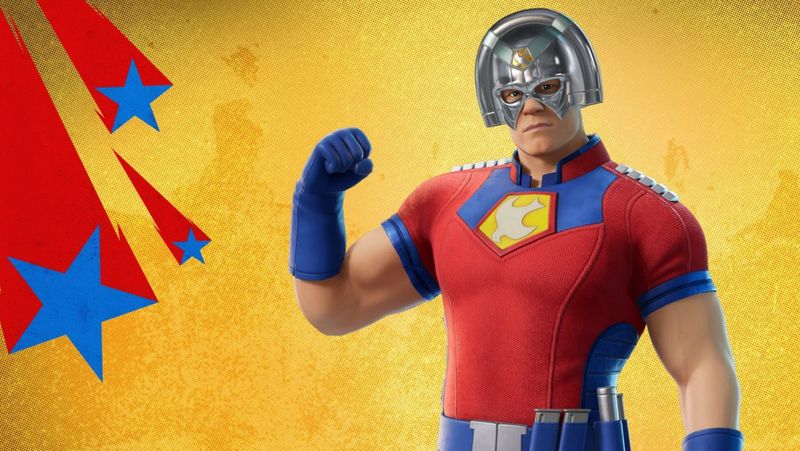
Peacemaker seems like the last character you would expect to carry queer representation, and that surprise is exactly what makes it interesting. Creator James Gunn confirmed that the character is not straight in his HBO Max series, adding unexpected depth to an already complex antihero.
Peacemaker is loud, crude, and surprisingly layered.
His sexuality was not the focus of every episode, but it was handled honestly. That low-key approach actually made it feel more real.
Representation does not always need a big announcement to matter.
4. Jeri Hogarth – Marvel’s First Openly Gay Character
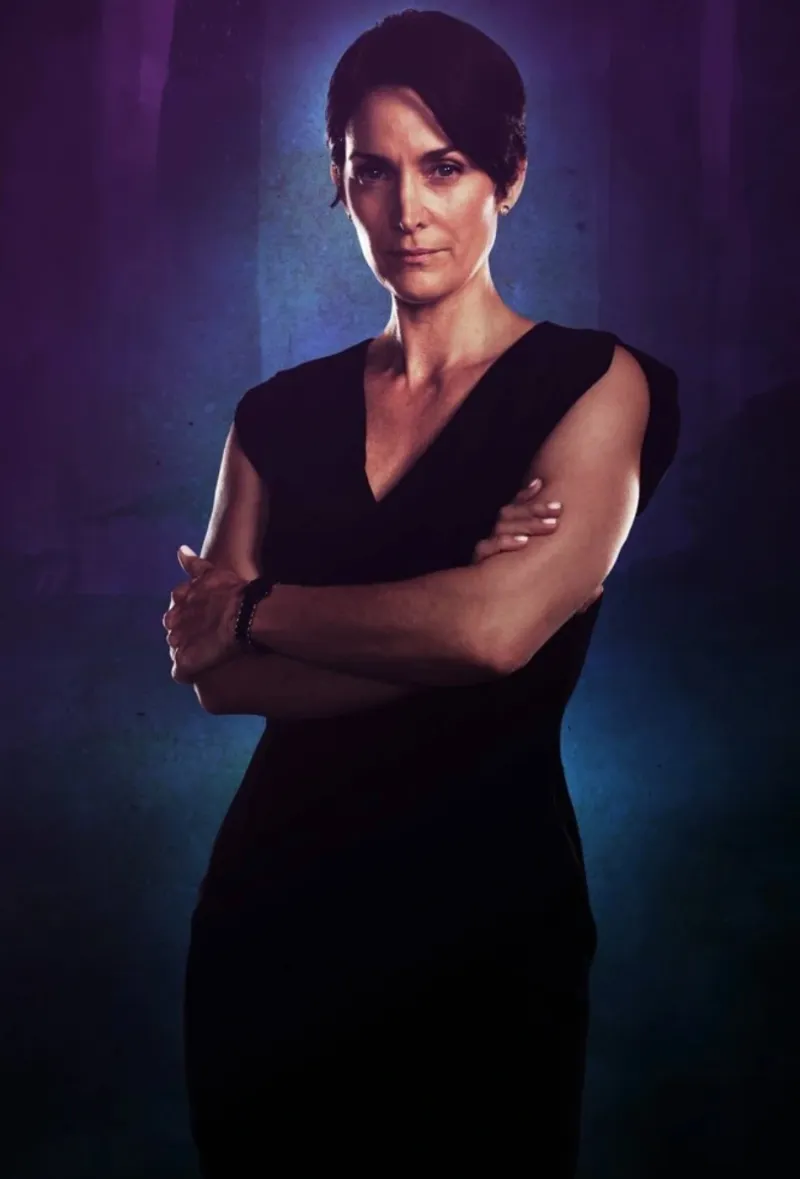
Before Loki made headlines, Jeri Hogarth quietly made Marvel history. Played brilliantly by Carrie-Anne Moss in Jessica Jones, she was the very first openly gay character in the entire Marvel Cinematic Universe.
That is a title worth celebrating.
What made Jeri so compelling was that her sexuality was just one part of who she was. She was ruthless, ambitious, and morally complicated in the best possible way.
Her character proved that LGBTQ+ representation works best when it feels fully human.
5. Alex Danvers – A Lesbian Superhero’s Journey
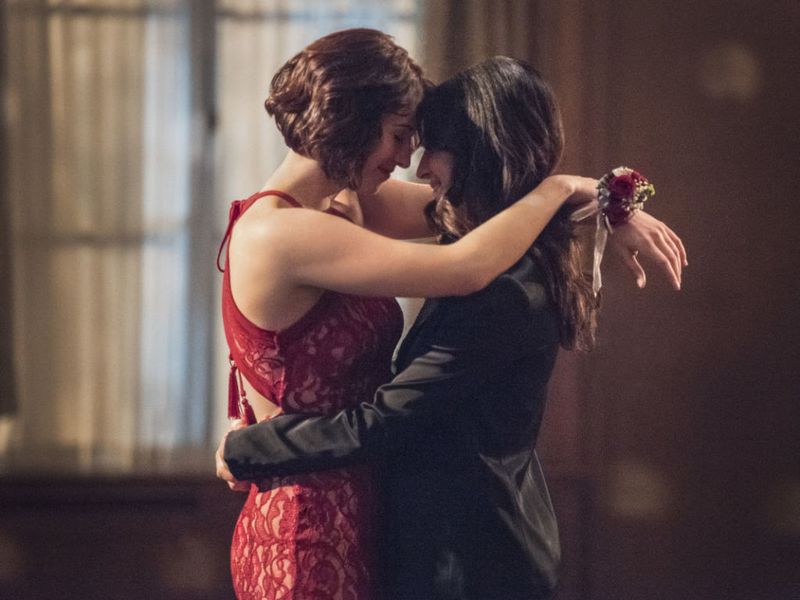
Alex Danvers coming out in season two of Supergirl was one of the most emotional arcs on superhero television. Played by Chyler Leigh, Alex’s journey felt painfully real, full of confusion, fear, and eventually beautiful self-acceptance.
Many fans said her story mirrored their own experiences.
Her coming-out arc was handled with remarkable care and sensitivity. It was not rushed or treated as a subplot.
Alex’s story reminded viewers that figuring out who you are is its own kind of heroic act.
6. Oswald Cobblepot – The Gay Penguin of Gotham
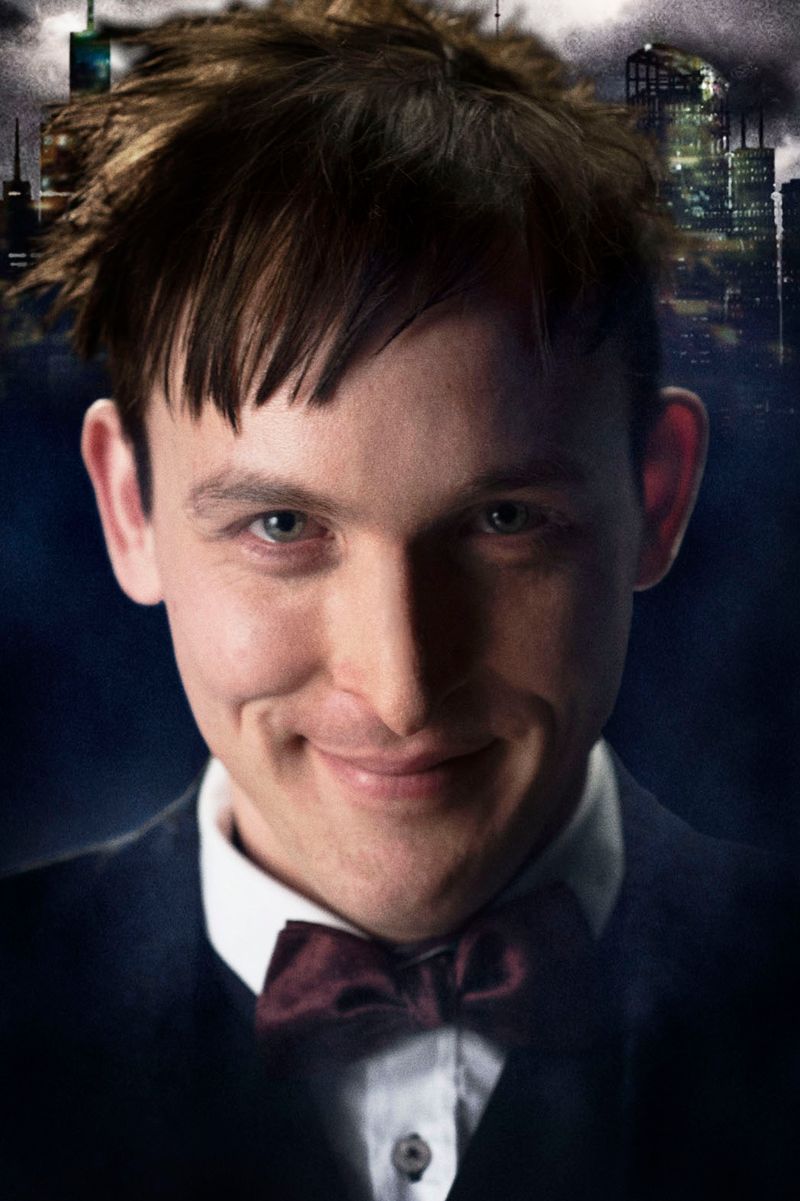
Gotham’s version of the Penguin took a bold creative swing by portraying Oswald Cobblepot as a gay man, something the original comics never explored. His complicated feelings for Edward Nygma became one of the show’s most talked-about storylines.
It was messy, obsessive, and oddly moving.
The queer reading of Penguin gave the character a whole new emotional layer. His longing and heartbreak felt deeply relatable even wrapped in villainy.
Gotham showed that giving a villain a queer identity can make them far more compelling.
7. Curtis Holt / Mr. Terrific – Breaking Two Barriers at Once
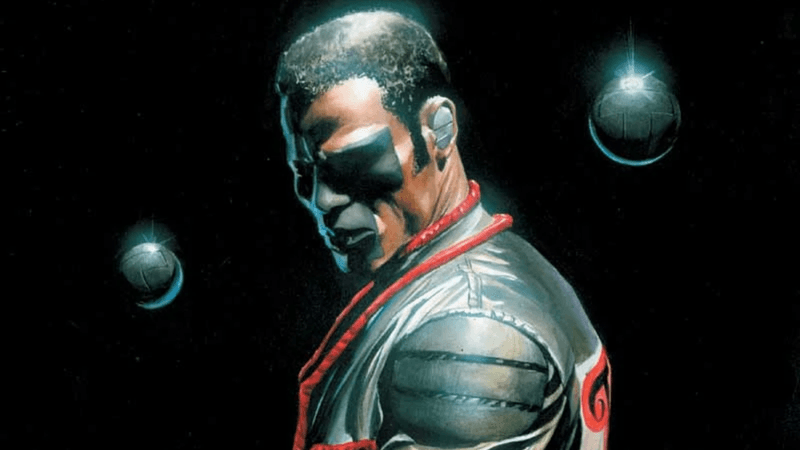
Curtis Holt did not just join Team Arrow, he rewrote the record books. As television’s first Black gay superhero, his character on Arrow carried enormous cultural weight.
He was smart, warm, funny, and completely capable of holding his own in a fight.
Representation like Curtis matters because it shows young Black queer viewers that they belong in superhero stories too. His presence on Arrow was never reduced to a token gesture.
Curtis Holt earned his spot on the team and in television history.
8. Nia Nal / Dreamer – A Historic First for Trans Representation
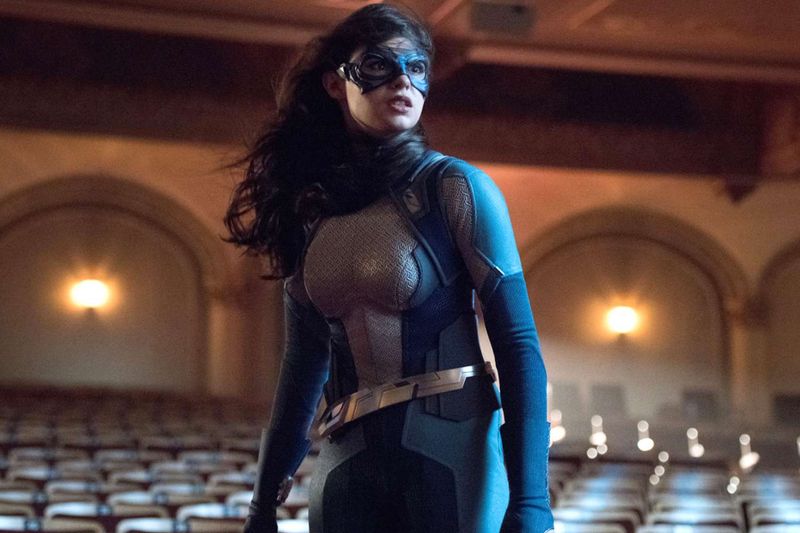
Nia Nal made history simply by existing. As the first transgender superhero on television, her debut on Supergirl was a watershed moment for LGBTQ+ representation in the genre.
Actress Nicole Maines, who is transgender herself, brought authenticity and heart to every scene.
Dreamer’s powers, rooted in prophetic dreams, felt poetic for a character whose very presence was visionary. Her storylines tackled transphobia head-on without making her a victim.
Nia Nal proved that trans heroes are not just possible, they are necessary.
9. Sara Lance – The Bisexual Legend of the Arrowverse
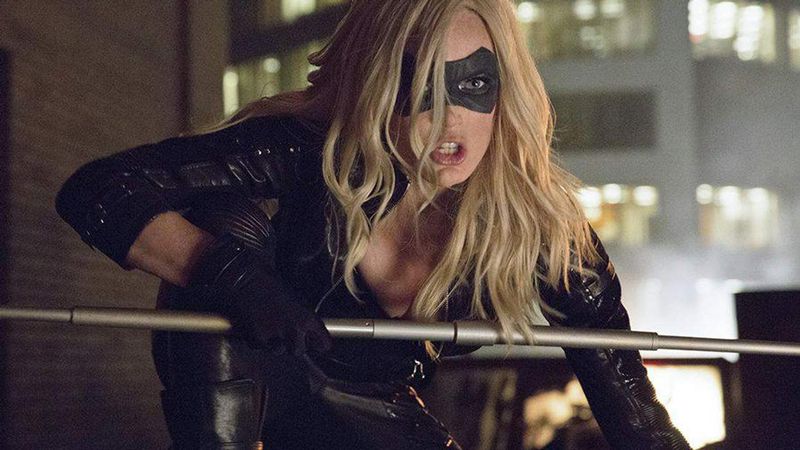
Sara Lance started as a morally grey assassin and grew into one of the most beloved bisexual characters on television. Her journey across DC’s Legends of Tomorrow was packed with time travel, humor, and genuine emotional depth.
She never once apologized for who she loved.
Sara’s relationship with Ava Sharpe became a fan favorite, celebrated for its warmth and authenticity. Their dynamic felt equal and honest.
Sara Lance showed the world that bisexual women in superhero stories deserve happy, committed relationships just like everyone else.
10. Ava Sharpe – Love, Clones, and Lesbian Pride
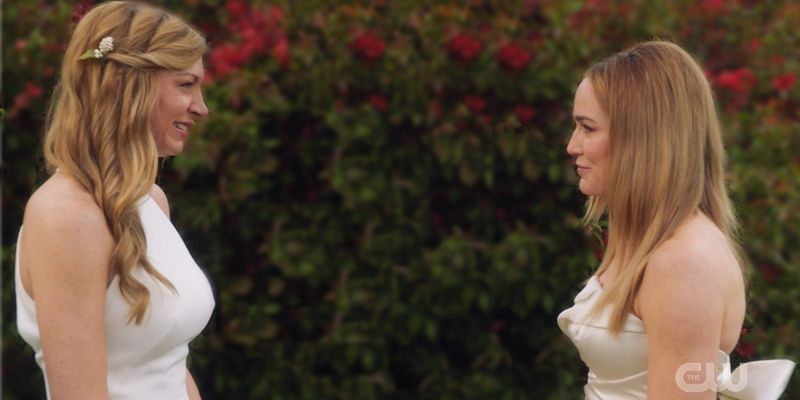
Ava Sharpe arrived on Legends of Tomorrow as a by-the-book Time Bureau agent and quickly became something much more. Her lesbian identity was woven naturally into her character, and her love story with Sara Lance gave the show some of its most heartfelt moments.
Yes, she is also a clone, which makes everything wonderfully weirder.
Ava and Sara together were groundbreaking without feeling forced. Their relationship grew slowly and believably.
Ava Sharpe reminded audiences that queer love stories can be both epic and deeply personal.
11. Anissa Pierce / Thunder – A Superhero and a Role Model
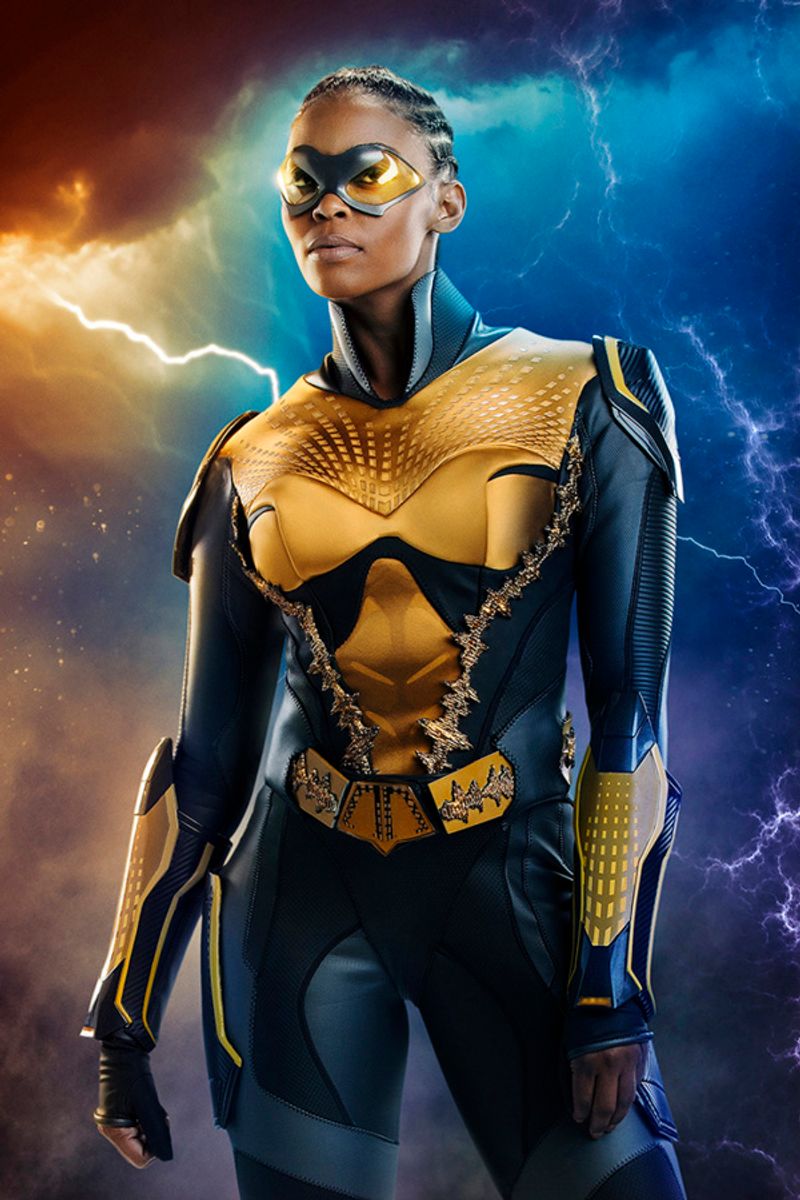
Anissa Pierce shattered multiple ceilings at once. As a Black lesbian superhero on Black Lightning, she represented a community that rarely sees itself centered in the genre.
Her power to make herself invulnerable felt like a perfect metaphor for her journey toward self-acceptance.
Her relationship with Grace Choi added another layer of significance, creating one of television’s first queer multi-racial superhero couples. Anissa never hid who she was.
She wore her identity with the same confidence she wore her costume, unapologetically and proudly.
12. Grace Choi – Love That Defies Every Expectation
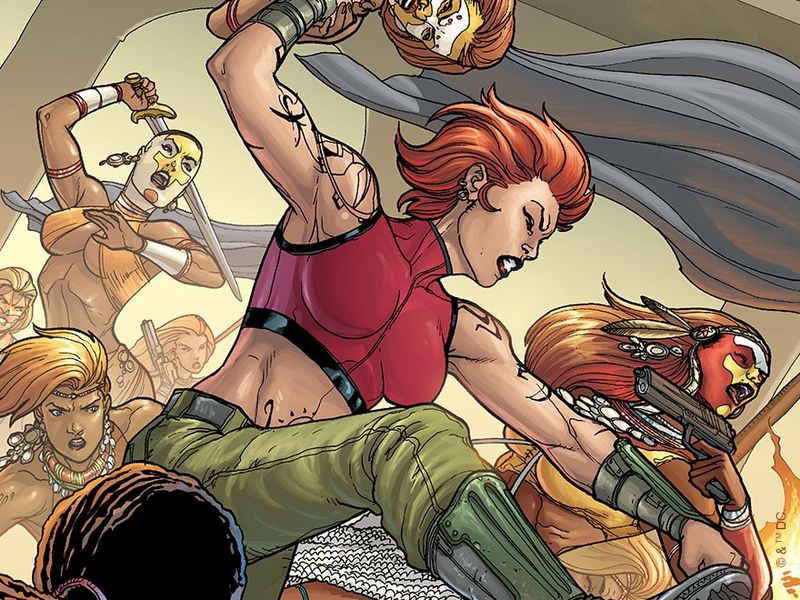
Grace Choi brought something rare to superhero television: a queer, multi-racial relationship that felt genuinely lived-in and real. Her romance with Anissa Pierce on Black Lightning developed slowly and honestly, earning emotional investment from viewers over multiple seasons.
Patience paid off beautifully for these two characters.
Grace’s own shapeshifting abilities added an interesting dimension to her story. Her identity, in every sense of the word, was something she had to learn to control and embrace.
Grace Choi is proof that supporting characters can carry extraordinary weight.
13. Kate Kane / Batwoman – The Original Lesbian Bat
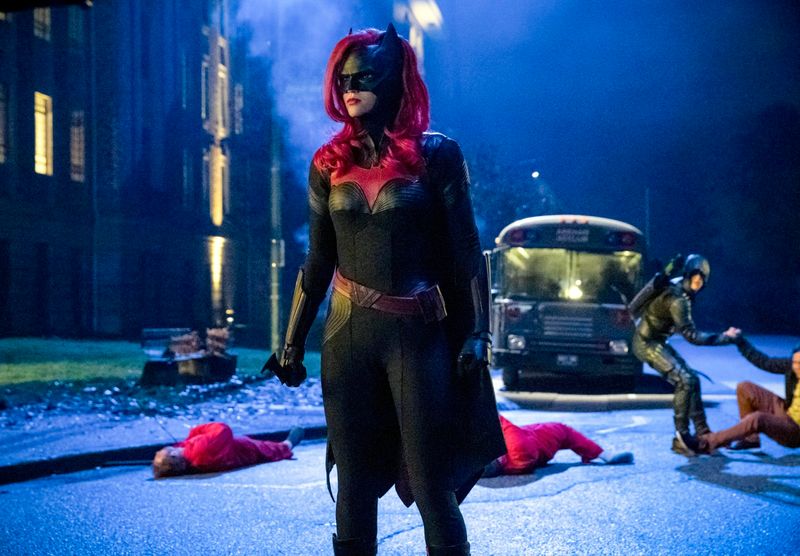
Kate Kane brought something the Arrowverse had never seen before: an openly lesbian lead superhero carrying her own show. Her debut season of Batwoman on The CW was a landmark moment for queer representation in comic book television.
She wore her identity as proudly as her bat symbol.
Kate’s story explored how being different can be a source of strength rather than shame. Her struggles felt personal and her victories felt earned.
Kate Kane proved that a queer woman could anchor a superhero series with confidence and grace.
14. Ryan Wilder / Batwoman – Taking the Mantle Further
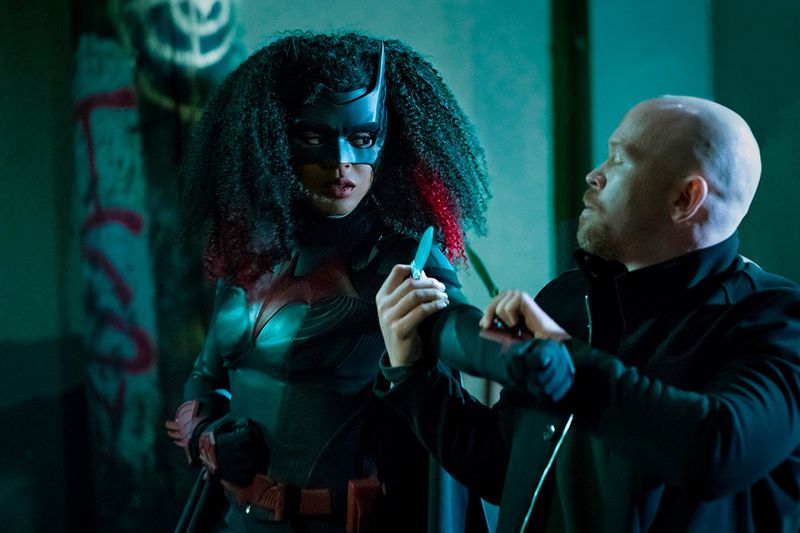
When Ryan Wilder picked up the Batwoman mantle in season two, she brought fresh energy and a bisexual identity to the role. As a Black bisexual woman leading a superhero series, her presence was genuinely groundbreaking on multiple levels.
Ryan did not just fill Kate Kane’s shoes, she made the role entirely her own.
Her storylines tackled systemic inequality alongside superhero action. Ryan’s journey felt grounded in real-world stakes.
She reminded viewers that representation is richer when it reflects the full diversity of who we actually are.
15. Karolina Dean – Light, Love, and Queer Identity
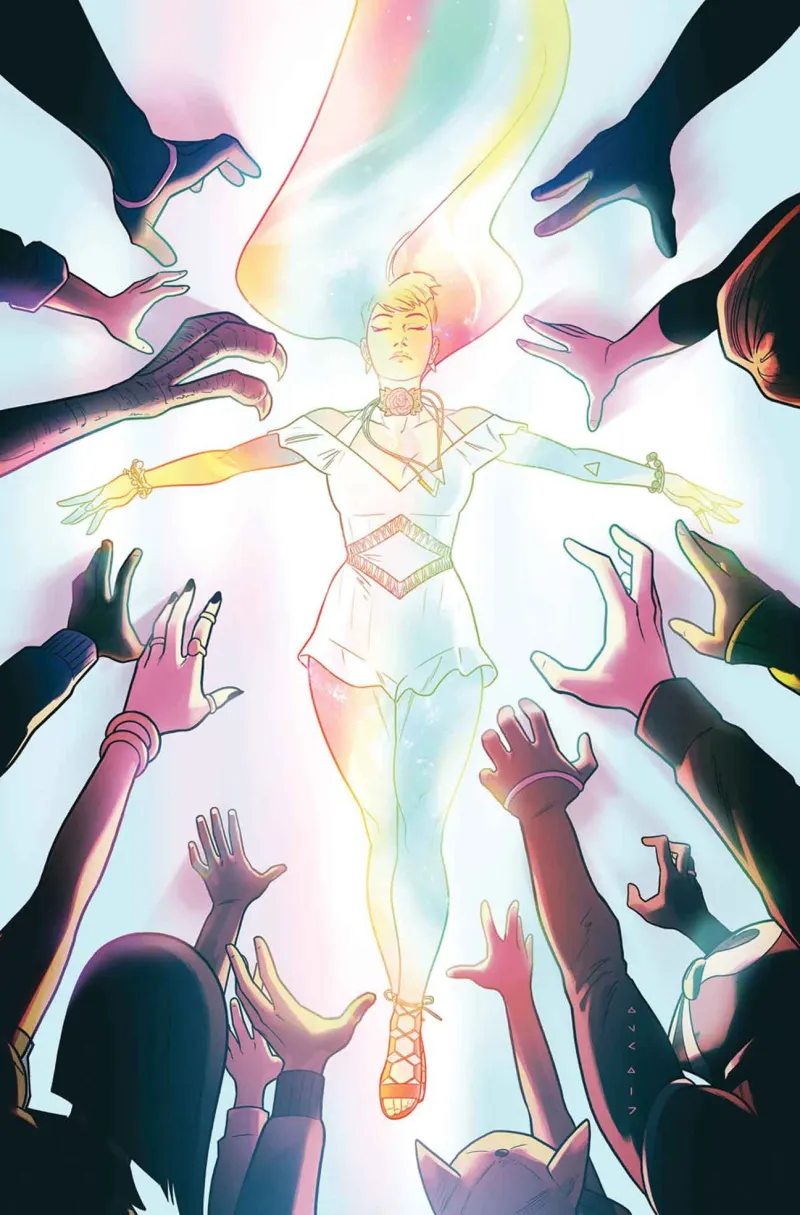
Karolina Dean glows with rainbow light, which feels like the most on-the-nose and perfect metaphor in superhero history. Her queer identity in Marvel’s Runaways was explored with tenderness and honesty, especially through her relationship with Nico Minoru.
Watching her accept herself was genuinely moving.
Karolina came from a controlling religious background, which made her journey toward self-discovery even more powerful. She had to fight for her identity as much as for her freedom.
Her arc resonated deeply with anyone who has ever felt pressure to hide who they truly are.
16. Nico Minoru – Magic, Darkness, and Queer Love
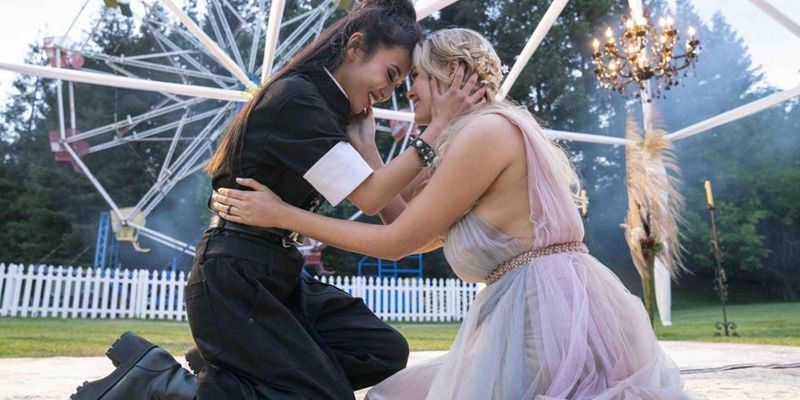
Nico Minoru channels a magical staff that literally grows from her chest, which tells you everything about how dramatically she commits to everything she does. Her queer relationship with Karolina Dean in Marvel’s Runaways was one of the most genuinely sweet romances in the MCU’s television history.
These two just worked.
Nico’s darker personality contrasted beautifully with Karolina’s radiance. Together they balanced each other out in every sense.
Their love story showed that queer relationships in superhero stories can be complex, layered, and completely worth rooting for.
17. Larry Trainor / Negative Man – Queerness Wrapped in Bandages
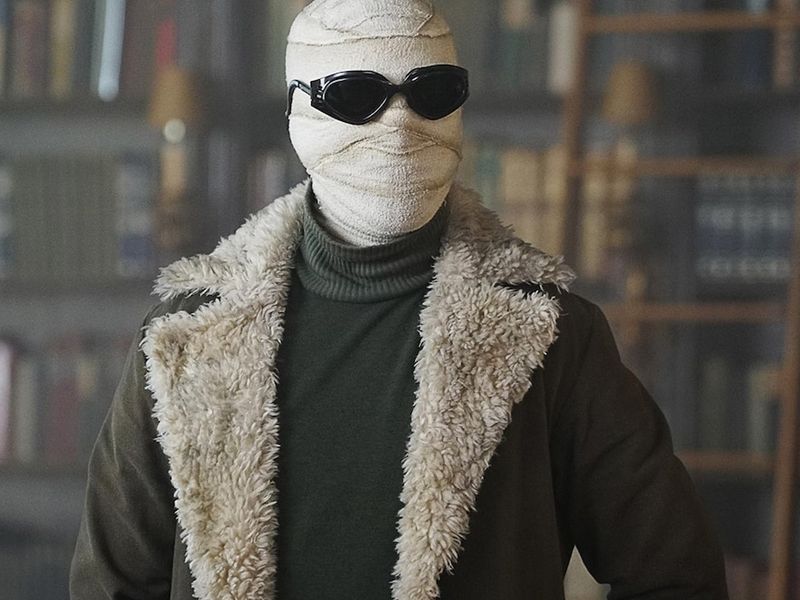
Larry Trainor is one of the most unexpectedly moving queer characters in superhero television. Doom Patrol reimagined him as a gay man, a significant departure from his straight comic book origins, and used his condition as a metaphor for hiding who you really are.
His bandages literally represent years of suppressed identity.
His story explored shame, self-acceptance, and the long road to loving yourself. Larry’s arc was slow, painful, and absolutely worth every minute.
Doom Patrol used his queerness to say something genuinely profound about what it costs to live a hidden life.
18. America Chavez – Punching Through the Multiverse with Pride
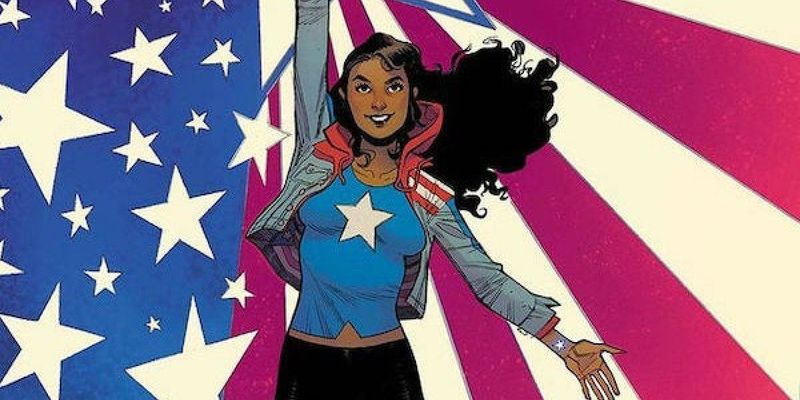
America Chavez kicked her way into the MCU through literal multiverse portals, and she brought queer representation with her. Her debut in Doctor Strange in the Multiverse of Madness made her one of the first openly queer characters introduced in a Marvel feature film.
Her star-shaped portals felt like a metaphor for breaking through barriers.
Young Latina queer fans finally had a superhero who looked and loved like them. America’s confidence was refreshing and immediate.
She did not need to explain herself to anyone, she just showed up and changed everything.