
Most people think of meat, eggs, or beans when they hear the word protein. But some vegetables are surprisingly loaded with this important nutrient too.
Getting enough protein helps your body grow, repair muscles, and stay energized throughout the day. You might be shocked to find out just how much protein is hiding in your favorite veggies.
1. Edamame
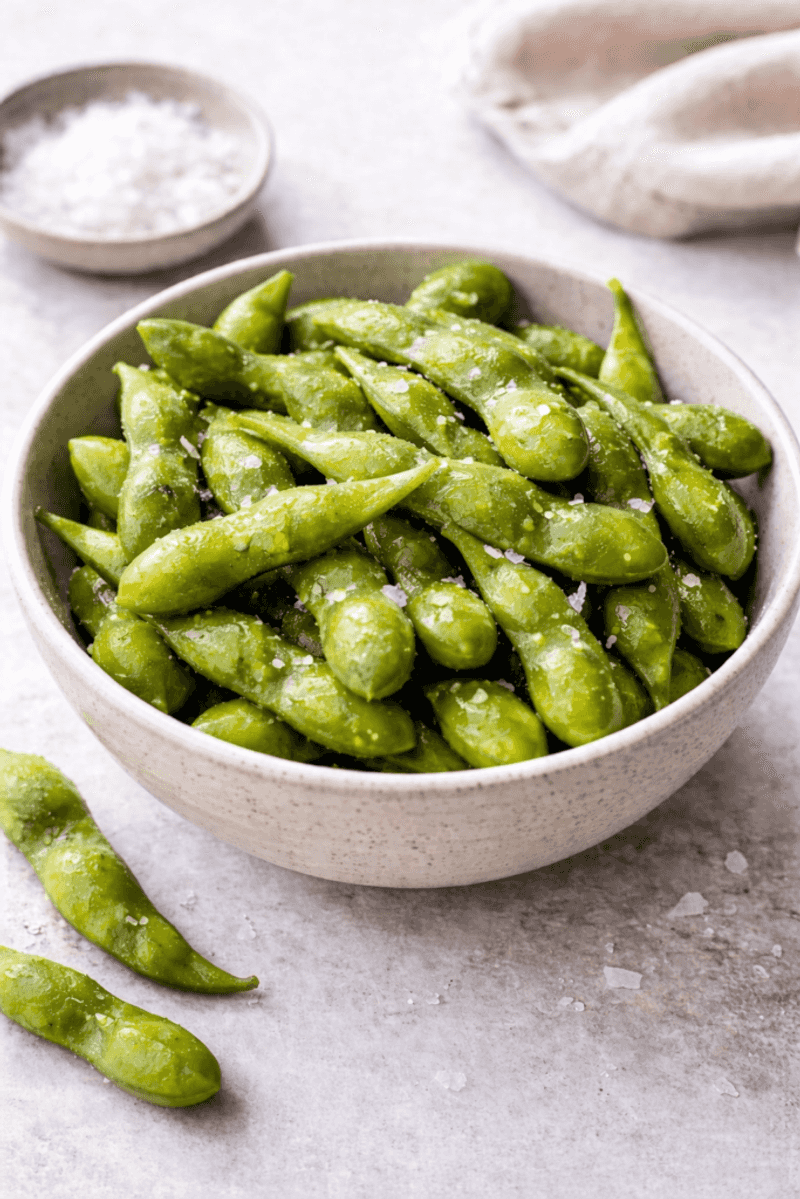
Edamame might just be the most protein-packed snack you have never taken seriously enough. These young soybeans deliver around 17 grams of protein per cooked cup, which rivals many meat-based snacks.
You can find them frozen at almost any grocery store, making them super easy to prepare. Steam them, add a pinch of salt, and you have a filling, nutritious snack ready in minutes.
Athletes and vegans have relied on edamame for years.
2. Green Peas
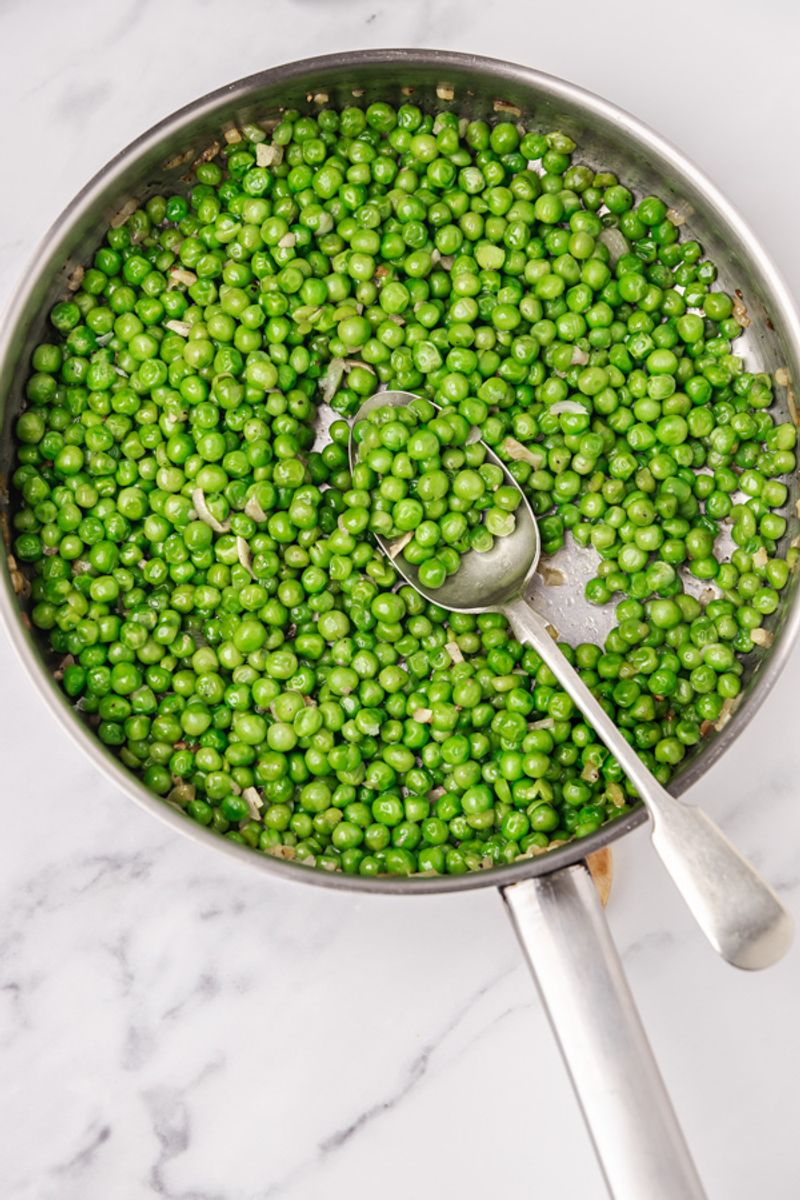
Green peas are not just a side dish your parents pushed onto your plate. A single cup of cooked green peas contains about 8 to 9 grams of protein, which is genuinely impressive for a vegetable.
They are also rich in fiber, vitamins C and K, and folate. Toss them into soups, stir-fries, or pasta dishes for a quick protein boost.
Frozen peas are just as nutritious as fresh ones, so stock up.
3. Spinach
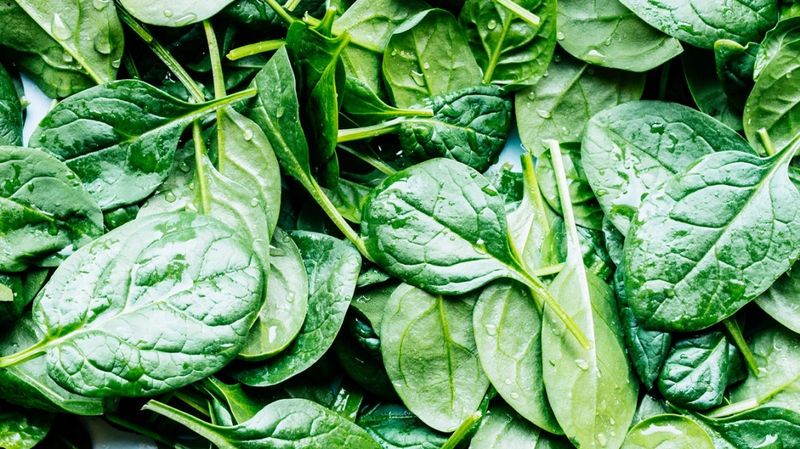
Popeye was onto something real. Spinach contains about 5 grams of protein per cooked cup, which is surprisingly high for a leafy green.
Raw spinach has less, but cooking it concentrates the nutrients.
Beyond protein, spinach is loaded with iron, calcium, and antioxidants. Blend it into smoothies, saute it with garlic, or layer it into lasagna.
It has a mild flavor that blends easily into almost any dish without overpowering the taste.
4. Broccoli
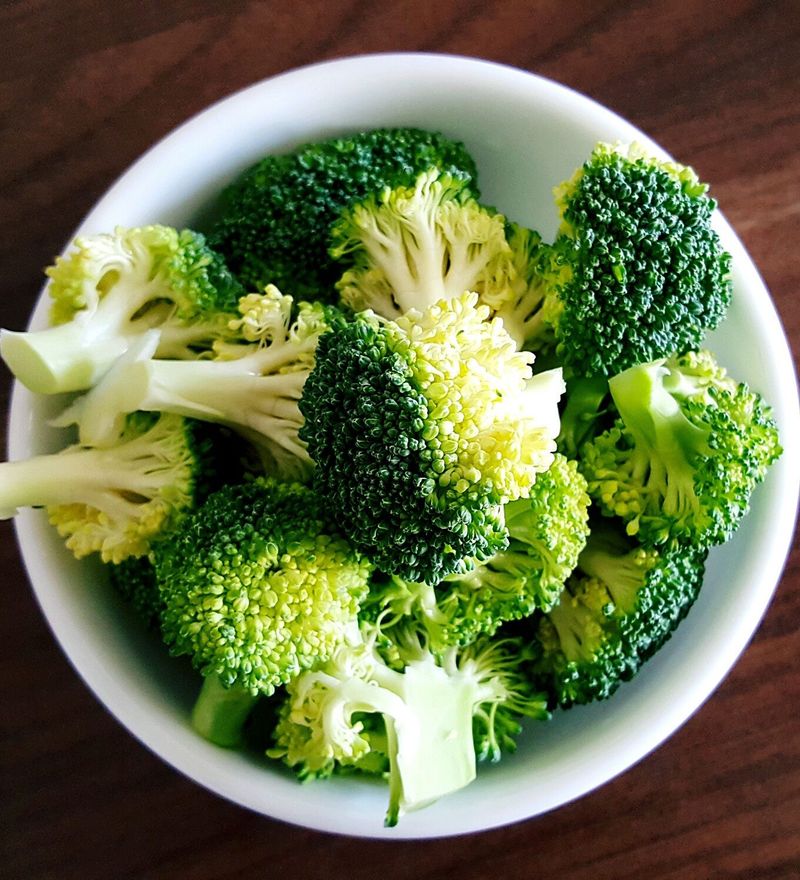
Broccoli is one of those vegetables that punches way above its weight in protein. One cooked cup provides about 4 grams of protein along with a solid dose of vitamin C and fiber.
What makes broccoli stand out is that its protein comes with very few calories, making it a smart choice for anyone watching their intake. Roast it in the oven with olive oil and garlic for a crispy, satisfying side that even picky eaters tend to enjoy.
5. Brussels Sprouts
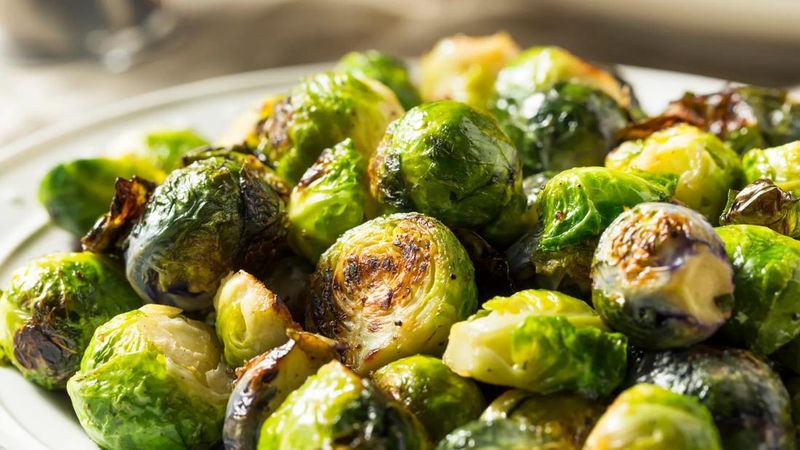
Brussels sprouts have a reputation for being unpopular, but their nutrition profile is hard to argue with. Each cooked cup offers around 4 grams of protein, plus loads of vitamin K and folate.
Roasting them at high heat transforms their flavor from bitter to nutty and slightly sweet. Try them with a drizzle of balsamic glaze or a sprinkle of parmesan cheese.
Many people who claim to dislike Brussels sprouts change their minds after trying them roasted.
6. Asparagus
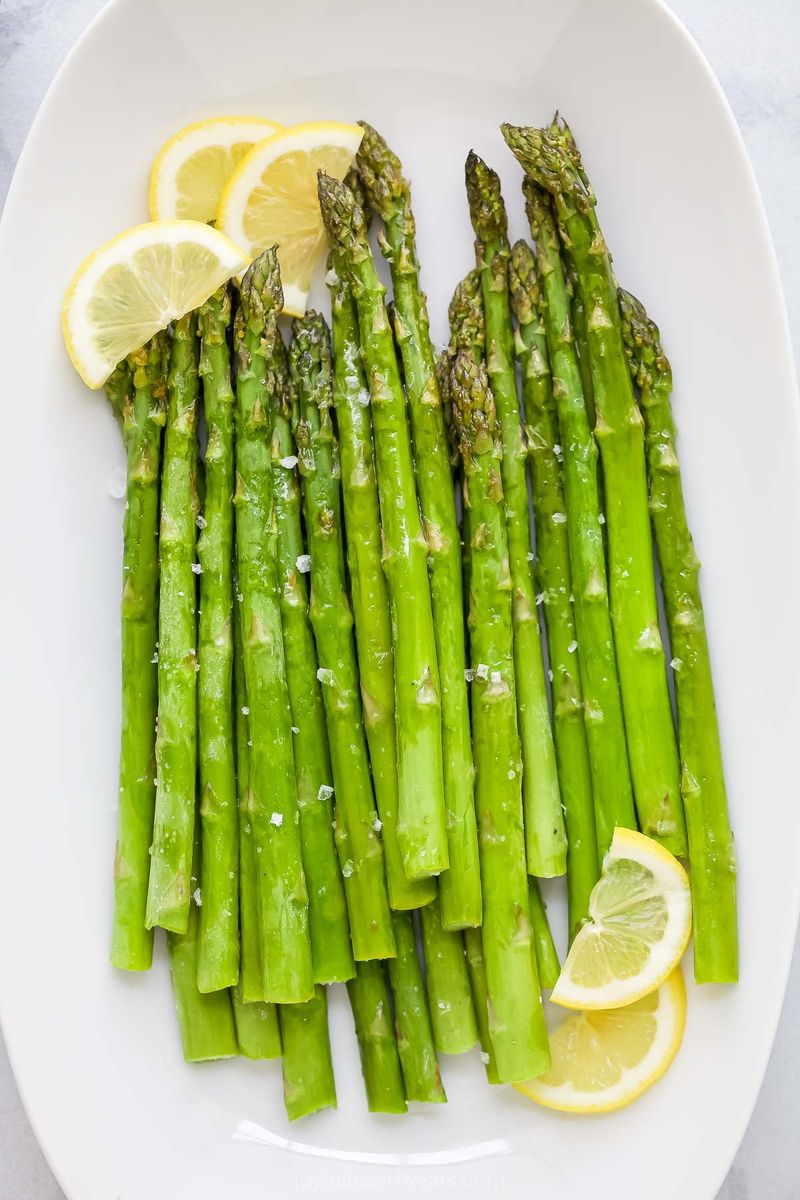
Asparagus has a delicate, slightly earthy flavor and a surprisingly decent protein count. A cooked cup delivers about 4 grams of protein along with folate, vitamin K, and powerful antioxidants.
It is also well known for supporting kidney health and reducing bloating. Grill asparagus spears with a little olive oil and lemon juice for a restaurant-quality side dish at home.
Spring is the best season to find fresh asparagus at its most tender and flavorful.
7. Artichokes
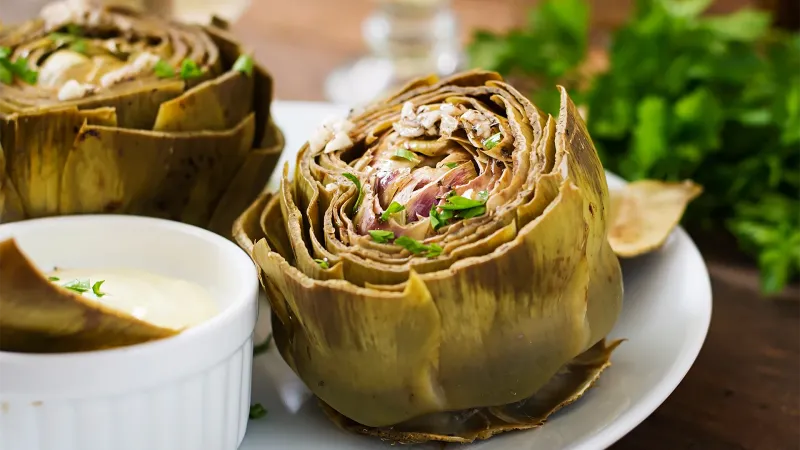
Artichokes look intimidating, but they are worth getting to know. One medium artichoke contains around 4 grams of protein, plus a remarkable amount of fiber that keeps you full for hours.
They are also rich in magnesium, potassium, and vitamin C. Steaming or roasting artichokes brings out a buttery, slightly sweet flavor.
Pull off the leaves and dip them in hummus or a light vinaigrette for a satisfying, protein-rich appetizer that feels a little fancy.
8. Corn

Corn often gets labeled as a starchy carb, but it actually contains a solid 5 grams of protein per cooked cup. That puts it ahead of many other vegetables people consider more nutritious.
Yellow corn is also a good source of B vitamins and antioxidants like lutein and zeaxanthin, which support eye health. Grill it, add it to salsas, or toss it into grain bowls.
Corn is one of the most versatile vegetables you can keep in your kitchen.
9. Kale
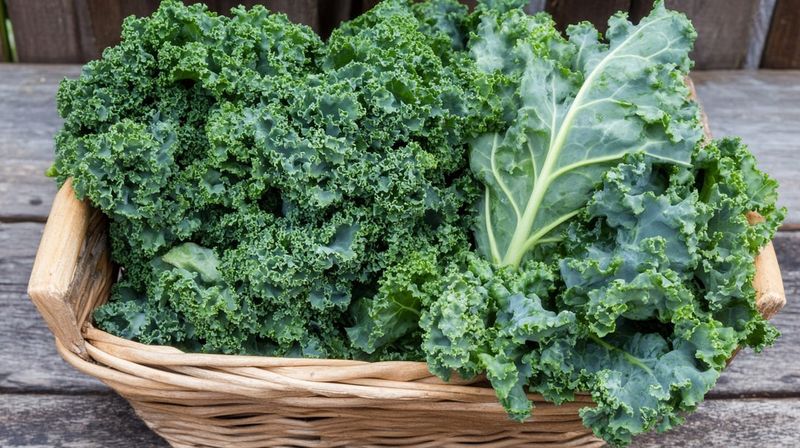
Kale earned its superfood title for good reason. A cooked cup of kale provides about 3 to 4 grams of protein along with sky-high levels of vitamins A, C, and K.
It also contains calcium and powerful anti-inflammatory compounds. Massaging raw kale with a little olive oil softens the leaves and makes salads much more enjoyable.
Bake kale chips in the oven for a crunchy, satisfying snack that gives you a nutrition boost without reaching for a bag of chips.
10. Potatoes
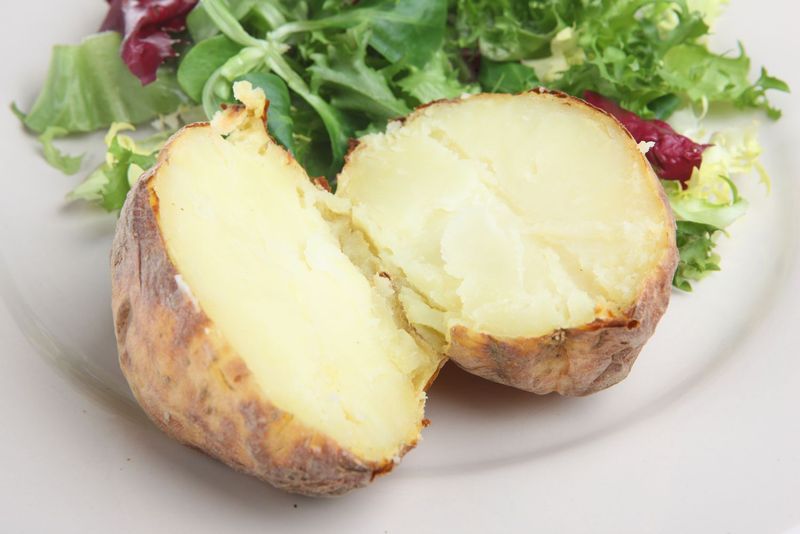
Potatoes get an unfair reputation as nothing more than empty carbs, but a medium baked potato actually contains about 4 to 5 grams of protein. That number goes up when you eat the skin.
They are also rich in potassium and vitamin B6. The key is how you prepare them.
Baked, boiled, or roasted potatoes are nutritious and filling choices. Skip the heavy toppings like sour cream and bacon if you want to keep the health benefits front and center.
11. Sweet Corn
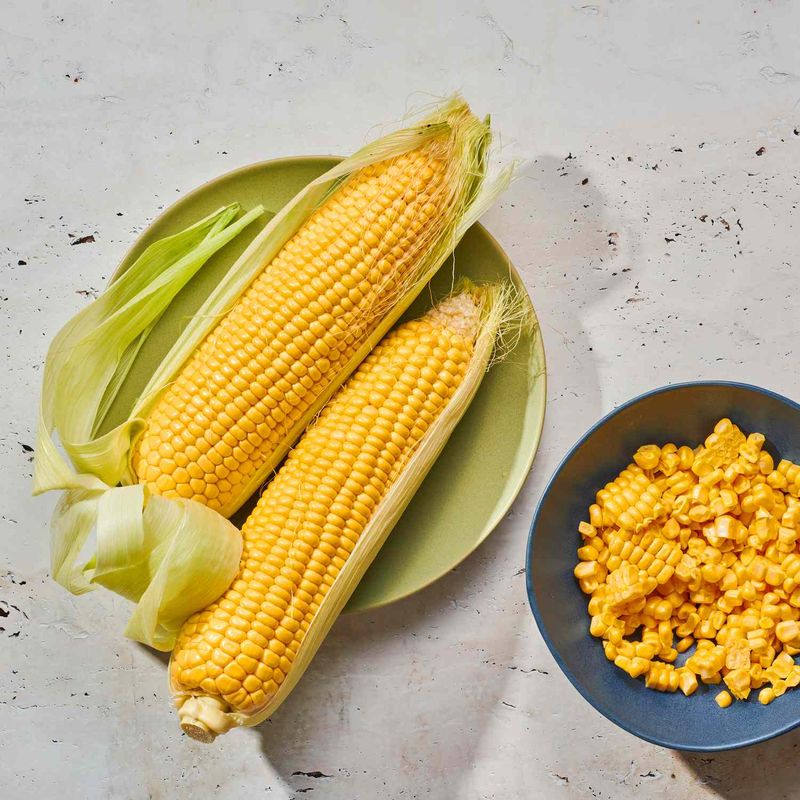
Sweet corn is a summer staple that brings more to the table than most people realize. Beyond its natural sweetness, a cup of sweet corn kernels packs about 5 grams of protein and significant amounts of fiber.
It is a crowd-pleasing ingredient that works in salads, tacos, chowders, and casseroles. Sweet corn also contains thiamine, which helps your body convert food into energy.
Frozen sweet corn is a convenient option that retains almost all of its original nutritional value.
12. Mushrooms
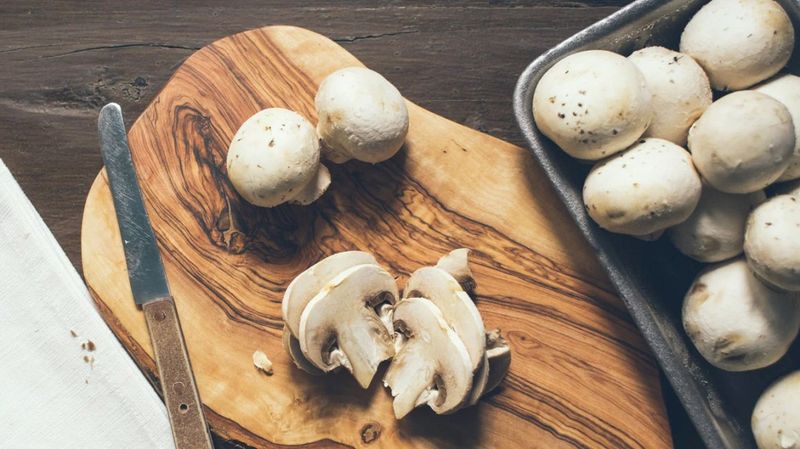
Technically a fungus, mushrooms are grouped with vegetables in most kitchens and they bring a surprising protein punch. Cooked portobello or cremini mushrooms offer about 3 to 4 grams of protein per cup, along with selenium and B vitamins.
Their meaty texture makes them a popular meat substitute in burgers, tacos, and stir-fries. Mushrooms also produce vitamin D when exposed to sunlight, which is rare for plant-based foods.
That combination of nutrients makes them a standout in any diet.
13. Lima Beans
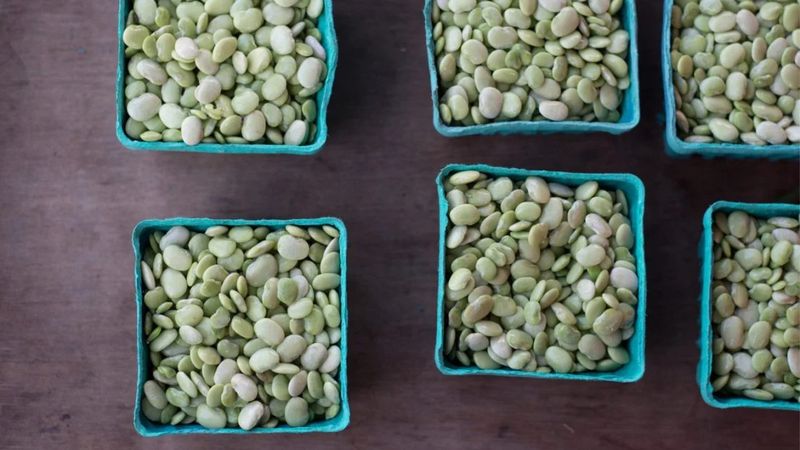
Lima beans are often overlooked, but they are protein powerhouses hiding in plain sight. One cooked cup delivers an impressive 15 grams of protein along with a generous amount of iron and fiber.
They have a creamy, mild flavor that absorbs seasonings well, making them a flexible ingredient in soups, stews, and salads. Lima beans are also a great source of folate, which is important for cell growth and repair.
Add them to your weekly meal rotation for a real nutritional upgrade.
14. Lentils
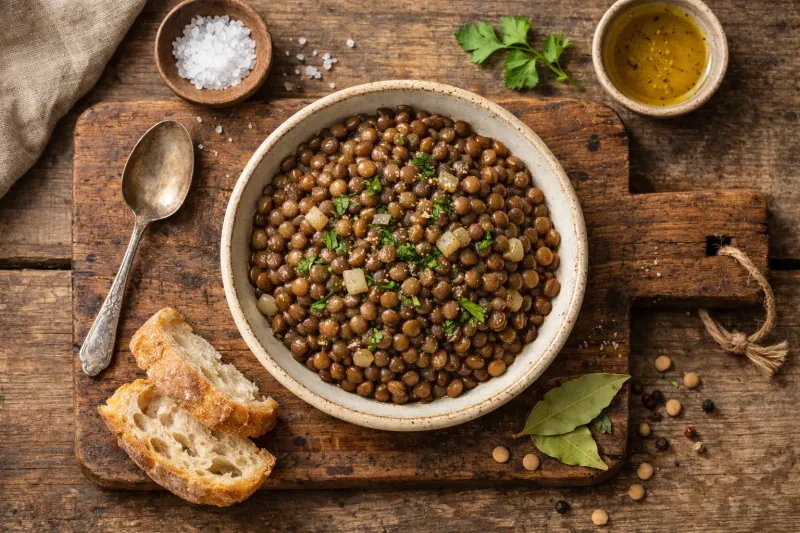
Lentils are among the most protein-rich plant foods on the planet. A single cooked cup contains around 18 grams of protein, which is comparable to a small serving of chicken or beef.
They are also high in iron, folate, and complex carbohydrates that provide lasting energy. Lentil soup is one of the most comforting and affordable meals you can make.
Red lentils cook quickly and dissolve into a thick, creamy texture perfect for curries and stews.
15. Peas and Carrots Mix
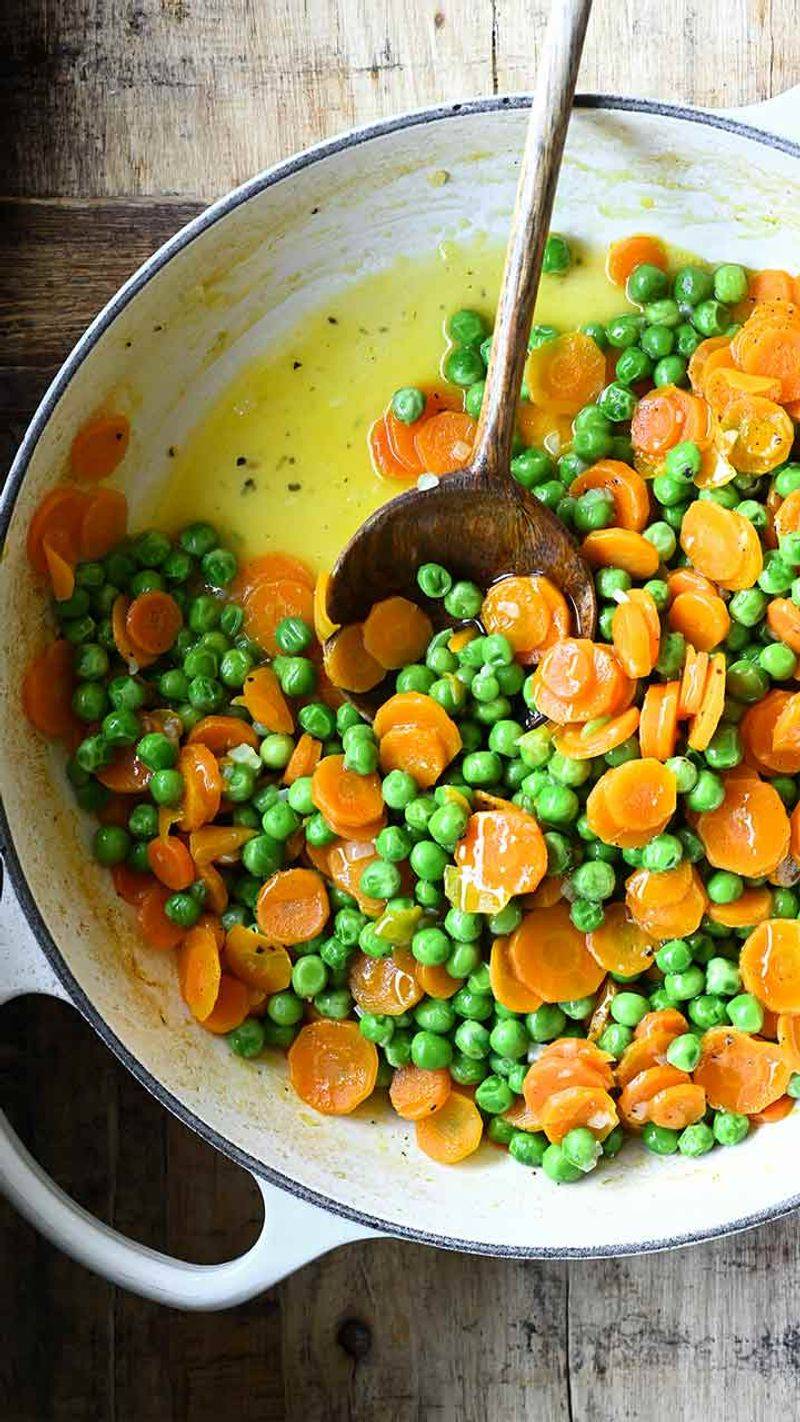
Combining green peas and carrots creates a duo that is greater than the sum of its parts. Peas bring the protein, delivering around 8 grams per cup, while carrots add beta-carotene and natural sweetness.
Together they make a colorful, nutrient-dense side dish that pairs well with almost anything. This classic combination is a staple in many cultures for good reason.
Steam them lightly to preserve vitamins, and season with fresh herbs for a simple but flavorful addition to any plate.
16. Beet Greens
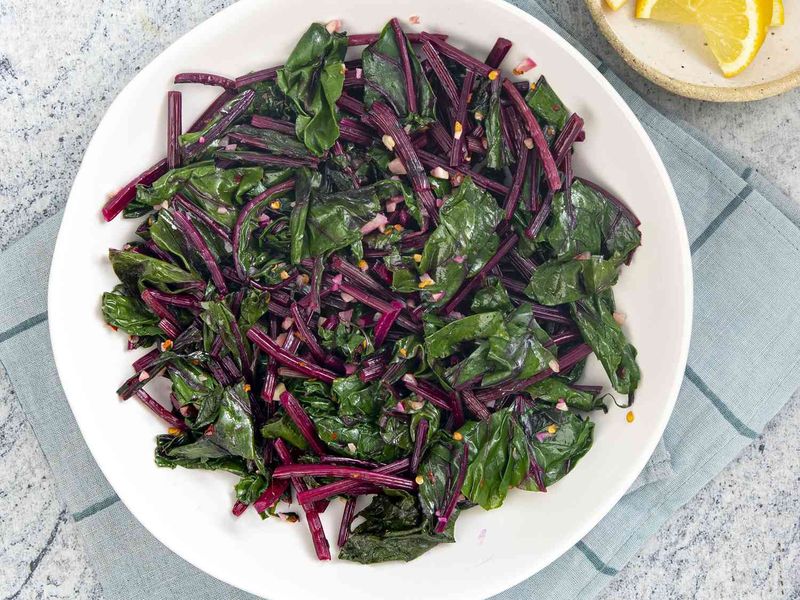
Most people toss out the leafy tops of beets without realizing they are incredibly nutritious. Beet greens contain about 3.7 grams of protein per cooked cup and are loaded with calcium, iron, and vitamin K.
They taste similar to Swiss chard and can be sauteed with garlic and olive oil in just a few minutes. Next time you buy whole beets, save the greens instead of throwing them away.
You will be adding a free, nutrient-packed vegetable to your meal with zero extra cost.
17. Bok Choy
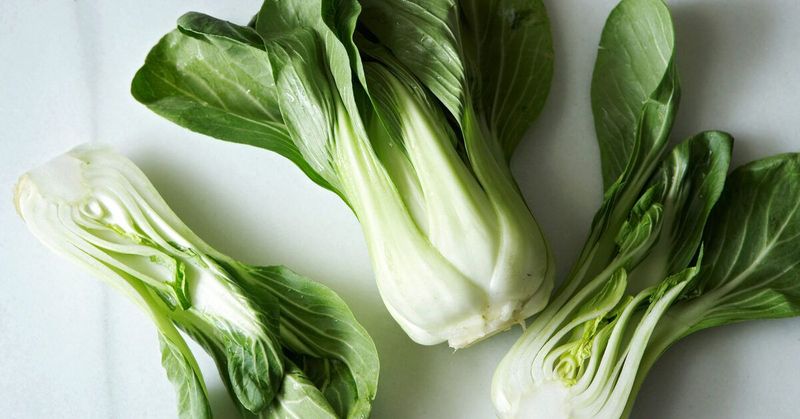
Bok choy is a staple in Asian cooking and a seriously underrated source of plant-based protein. A cooked cup provides about 2.5 to 3 grams of protein along with calcium, vitamin A, and vitamin C.
Its crunchy stalks and tender leaves hold up well in stir-fries, soups, and noodle dishes. Bok choy cooks fast, usually in under five minutes, making it a weeknight dinner hero.
Its mild flavor makes it easy to pair with bold sauces like ginger, soy, or sesame.