
Marriage is a beautiful commitment, but it is not the right path for everyone. Some people thrive in long-term partnerships, while others feel more fulfilled living life on their own terms.
Recognizing where you stand before walking down the aisle can save you and someone else a lot of heartache. Here are 20 honest signs that marriage might not be the best fit for you.
1. You Refuse to Be Vulnerable
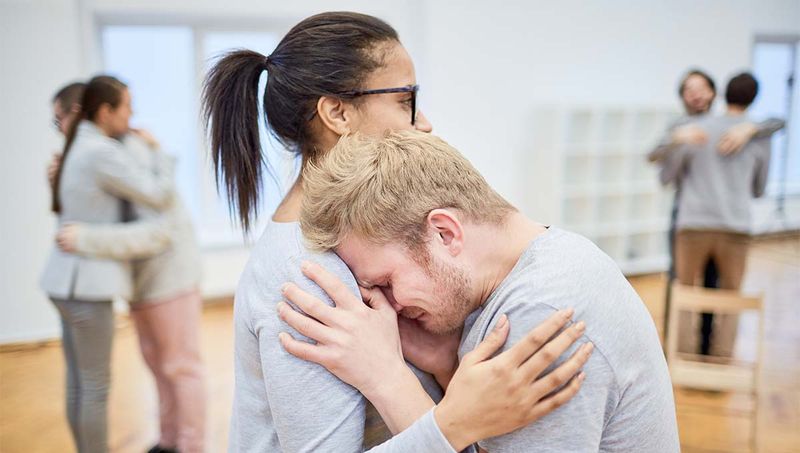
Keeping your feelings locked away like a vault is a major warning sign. Marriage requires two people to share their fears, failures, and messy emotions without shame.
If the thought of letting someone truly see the real you feels unbearable, that resistance creates a wall no partnership can survive.
Vulnerability is not weakness. Without it, emotional closeness is nearly impossible to build.
2. Independence Feels Non-Negotiable to You
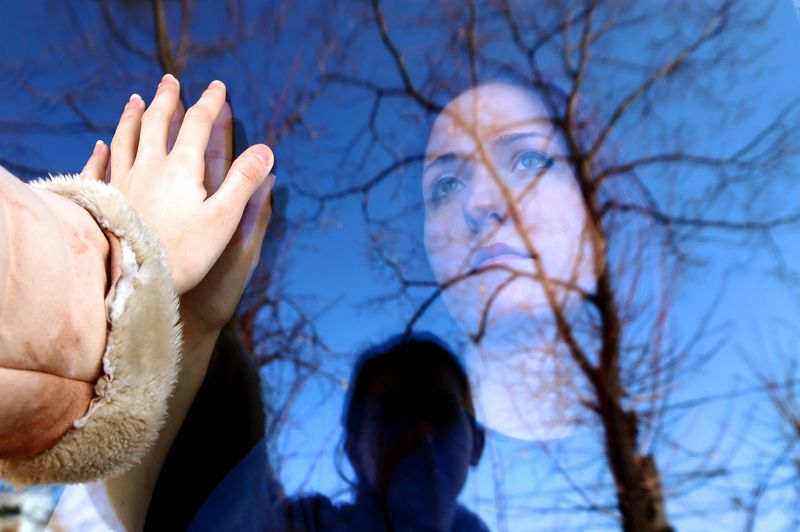
Loving your solo lifestyle is perfectly healthy, but there is a difference between valuing independence and being unable to share your life. If merging routines, finances, or even living space with another person sounds like a prison sentence, marriage will likely feel suffocating.
Strong individuals can thrive in marriages, but only when they genuinely welcome a partner into their world rather than viewing them as an intrusion.
3. Toxic Patterns Keep Repeating

Ever notice the same arguments, the same blowups, the same painful endings across multiple relationships? Toxic habits do not disappear with a wedding ring.
If you repeatedly find yourself controlling, jealous, dishonest, or emotionally unavailable, those patterns will follow you straight into a marriage.
Addressing destructive cycles through therapy or self-work before committing is not just smart. It is necessary for any relationship to have a real chance.
4. Substance Dependency Is Present

An unhealthy reliance on alcohol or drugs does not just affect the person struggling. It affects everyone in their orbit, especially a spouse.
Addiction creates unpredictability, erodes trust, and makes emotional availability nearly impossible on a consistent basis.
Marriage adds stress, not relief. Without addressing dependency first, a partner often ends up becoming a caretaker rather than an equal.
Healing yourself is the most loving thing you can do before considering marriage.
5. You Have Never Really Thought About Why You Want to Marry
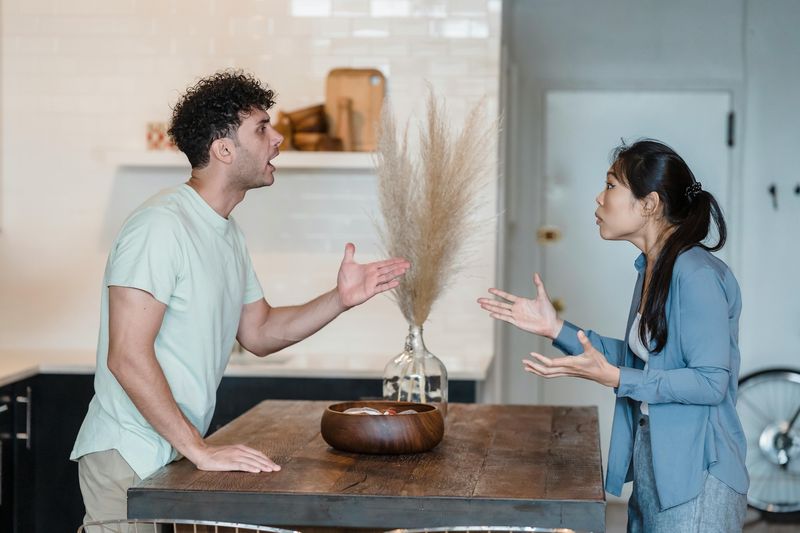
Marrying because everyone around you is doing it, or because it just seems like the next logical step, is a shaky foundation. Genuine desire for a lifelong partnership should come from within, not from a checklist or social pressure.
Sitting quietly and asking yourself why you actually want to get married matters more than most people realize. If the honest answer is mostly “because I should,” that is worth pausing on before making a forever commitment.
6. Personal Growth Feels Unnecessary to You
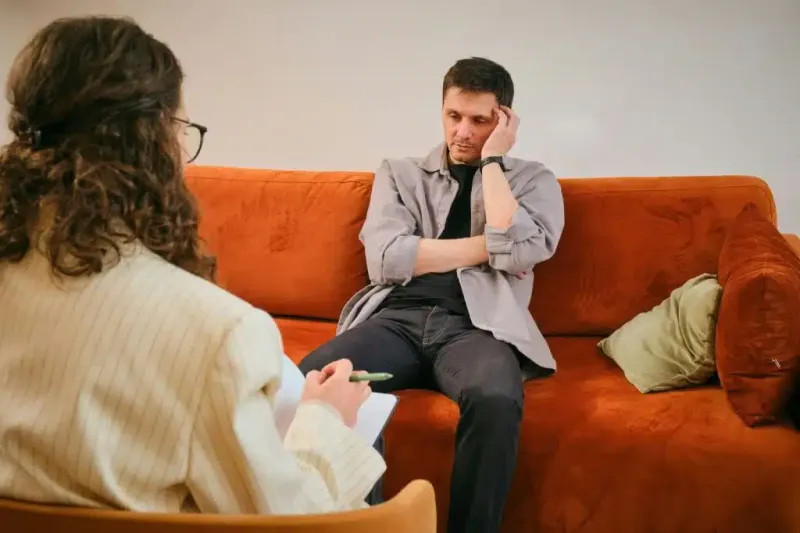
Marriage will challenge you in ways you cannot fully predict. Partners grow, circumstances shift, and conflict is unavoidable.
If you genuinely believe therapy, self-reflection, or personal development is something only other people need, you may be setting yourself up for serious struggles.
Healthy marriages require two people willing to keep evolving. Resisting growth does not just stunt you personally.
It tends to drag the relationship down with it over time.
7. Keeping Secrets Feels Safer Than Honesty

Everyone has a past, and privacy is healthy. But consistently hiding significant things from a partner because you fear their reaction points to a deeper problem with trust and transparency.
Marriage cannot function well when one person is always managing what the other is allowed to know.
Real intimacy grows from honesty, even when it is uncomfortable. If secrets feel like your armor, it may be worth exploring why before committing to a lifelong partnership.
8. Change Makes You Deeply Uncomfortable
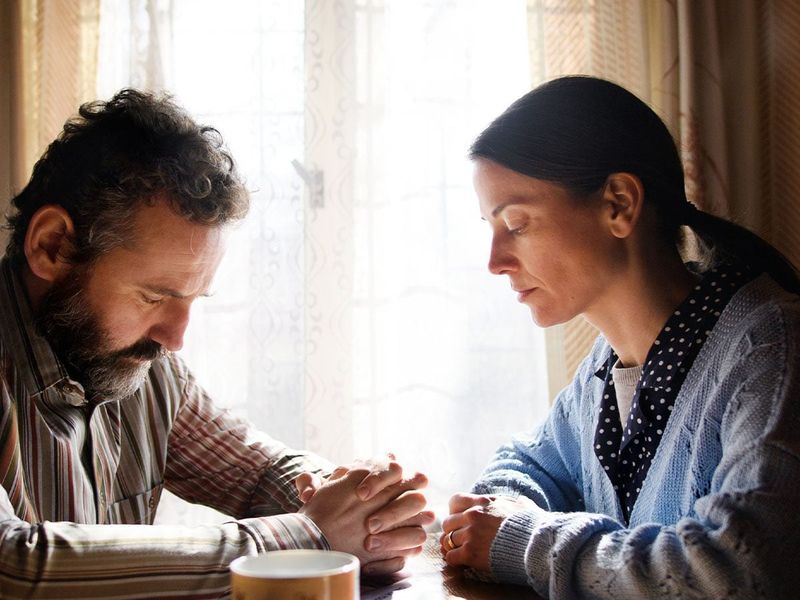
Marriage changes nearly everything. Your schedule, your finances, your social life, and even your daily habits shift when you permanently share your life with someone.
Expecting things to stay exactly the same after saying “I do” is a setup for frustration.
Adaptability is not optional in a long-term partnership. If unpredictability makes you anxious and change feels threatening rather than exciting, the constant adjustments that marriage demands could feel genuinely overwhelming day after day.
9. You Cannot Stand Being Alone

Craving connection is human, but needing constant attention or approval from others to feel okay is a red flag for marriage readiness. Entering a marriage to escape loneliness puts an impossible burden on your partner to be your everything.
A healthy relationship starts with two people who are reasonably whole on their own. When one person relies entirely on the other for emotional survival, resentment and exhaustion build quickly on both sides of the partnership.
10. Your Emotions Run the Show

Everyone loses their cool sometimes. But if emotional explosions, shutting down completely, or swinging between extremes is your usual way of handling conflict, marriage will magnify those struggles significantly.
A spouse cannot feel safe when they never know which version of you will show up.
Learning to regulate emotions, pause before reacting, and communicate calmly are skills that protect marriages from constant chaos. Without them, even small disagreements can turn into lasting damage over time.
11. Commitment Genuinely Terrifies You

A little nervousness before a big life decision is completely normal. But a deep, persistent fear of lifelong commitment, or a constant worry about divorce, is something worth taking seriously.
Fear at that level often signals that something important has not yet been worked through.
Commitment anxiety can stem from past trauma, abandonment, or simply not feeling ready. Ignoring that fear and marrying anyway rarely makes it disappear.
More often, it quietly shapes every decision made within the marriage.
12. New Romantic Interests Always Seem More Exciting

Noticing attractive people is normal. Constantly fantasizing about them, flirting excessively, or feeling bored the moment a relationship loses its sparkly newness is a different matter entirely.
Marriage is built on sustained commitment, not the thrill of fresh attraction.
If your attention wanders every time something newer and shinier comes along, a lifelong promise to one person will feel like a cage rather than a choice. Understanding that pattern honestly before marrying is genuinely kind to everyone involved.
13. Outside Pressure Is Your Main Motivation
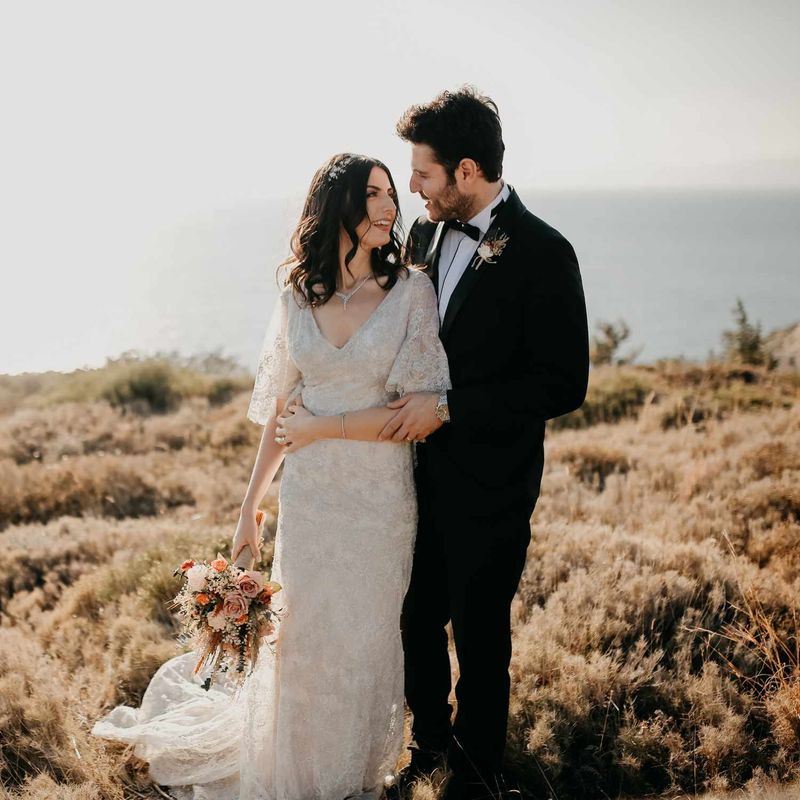
Family nudging you toward the altar, friends getting married all around you, or a ticking cultural clock can make marriage feel urgent even when it does not feel right. Marrying to satisfy other people’s expectations rather than your own genuine desire is a recipe for regret.
A wedding planned out of obligation rarely leads to a thriving marriage. Your reasons for committing to someone for life should come from your heart, not from the pressure of a family dinner conversation.
14. You Expect a Spouse to Complete You

Pop culture loves the idea that the right partner will make everything better. Real marriage does not work that way.
Expecting another person to be the source of your happiness, purpose, or self-worth puts an unfair and exhausting weight on them from day one.
Fulfillment comes from within first. When two already-reasonably-content individuals choose each other, the relationship adds to their lives.
When one person shows up empty, hoping marriage will fill the gap, disappointment almost always follows sooner or later.
15. Your Life Goals Point in Completely Different Directions
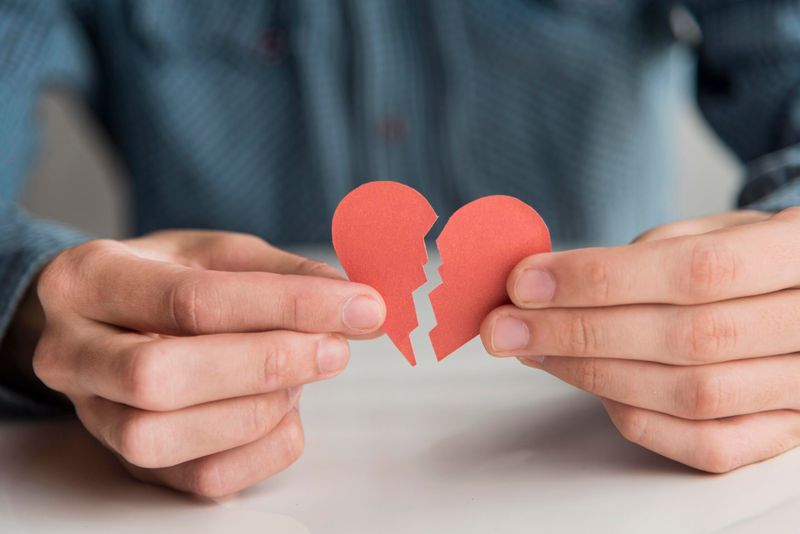
Wanting kids while your partner wants none, dreaming of moving abroad while they are rooted locally, or having opposite views on money and lifestyle are not small differences to smooth over. Misaligned life goals create a slow, grinding tension that often outlasts the honeymoon phase by years.
Compatibility on the big stuff matters enormously. Loving someone deeply does not automatically make two people compatible for a shared lifetime.
Sometimes love alone is simply not enough to bridge a fundamental gap.
16. Communication Keeps Breaking Down

Avoiding tough conversations, shutting down during arguments, or constantly feeling misunderstood are patterns that quietly erode even strong relationships over time. Marriage requires talking through disagreements, sharing needs clearly, and staying engaged even when topics feel uncomfortable or painful.
Persistent communication breakdowns do not fix themselves after a wedding. If honest dialogue consistently feels impossible or exhausting with your partner, that is a serious signal worth addressing with professional help before making a lifelong commitment to each other.
17. Disrespect Has Become the Default

Criticism, eye-rolling, dismissiveness, and put-downs might seem minor in the moment, but they chip away at a relationship’s foundation steadily. When one or both partners consistently feel unseen, unvalued, or talked down to, the emotional damage accumulates quietly but powerfully.
Researcher John Gottman famously identified contempt as the single greatest predictor of divorce. A marriage where disrespect has become routine is not just unhappy.
It is actively harmful to both people living inside of it every single day.
18. Emotional and Physical Closeness Has Faded

Remember when holding hands felt exciting and long conversations felt effortless? A significant and lasting drop in physical affection, emotional connection, or enjoyable time together is not just a rough patch.
It can signal a deeper incompatibility that marriage will not automatically repair.
Closeness takes consistent effort from both people. When one or both partners stop reaching toward each other and the distance grows comfortable rather than concerning, that shift deserves honest attention before any long-term commitment is seriously considered.
19. Resentment Has Replaced Warmth

Resentment is one of the quietest and most destructive forces in any relationship. When old grievances pile up without resolution, they slowly replace the warmth, patience, and goodwill that once made the partnership feel worth fighting for.
Once contempt takes root, even small annoyances can trigger disproportionate frustration. If unresolved anger has settled into the bones of your relationship and love feels more like obligation than affection, that emotional shift is a serious warning sign worth confronting honestly and soon.
20. Abuse or Infidelity Is Part of the Picture

No list of signs would be complete without naming this one directly. Any form of physical, emotional, or verbal abuse is not a rough patch.
It is a fundamental breakdown of safety and respect that no wedding ceremony can fix.
Ongoing infidelity carries the same weight. Repeated betrayal signals that something in the relationship, or within the individual, has not been honestly addressed.
Staying in these situations without serious intervention does not just hurt one person. It damages both people involved over time.