
Before touchscreens took over everything, phones had personality. They flipped, slid, and snapped together in ways that felt genuinely exciting.
Some of these old-school devices were so well-built that people still talk about them today. Whether you owned one or just spotted it in a movie, these 17 classic retro cellphones have a special place in our hearts.
1. Nokia 3310
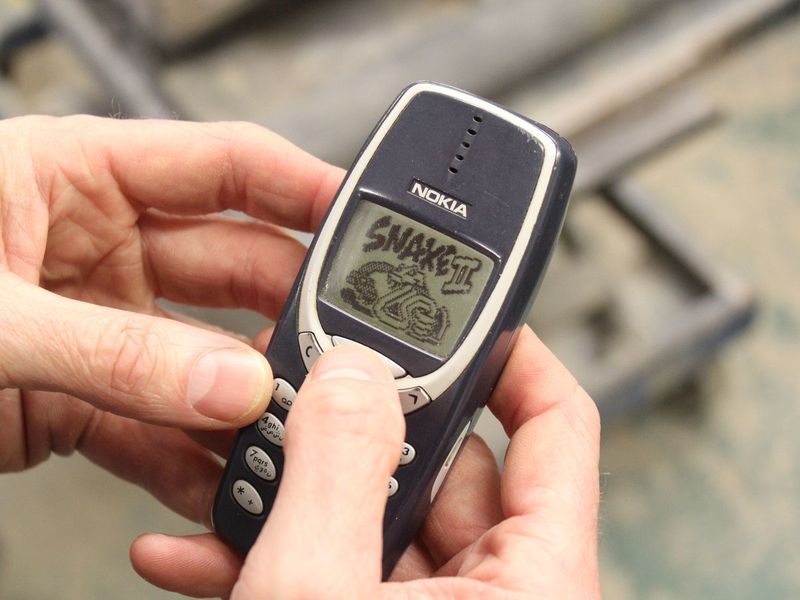
Few phones have earned a reputation quite like the Nokia 3310. Released in 2000, this little brick sold over 100 million units worldwide, and for good reason.
Its battery could last days, sometimes even weeks, on a single charge.
The snap-on colored covers let you personalize it like no other phone of its time. And then there was Snake, the game that turned waiting rooms into gaming sessions.
Pure, simple, unbreakable fun.
2. Motorola Razr V3
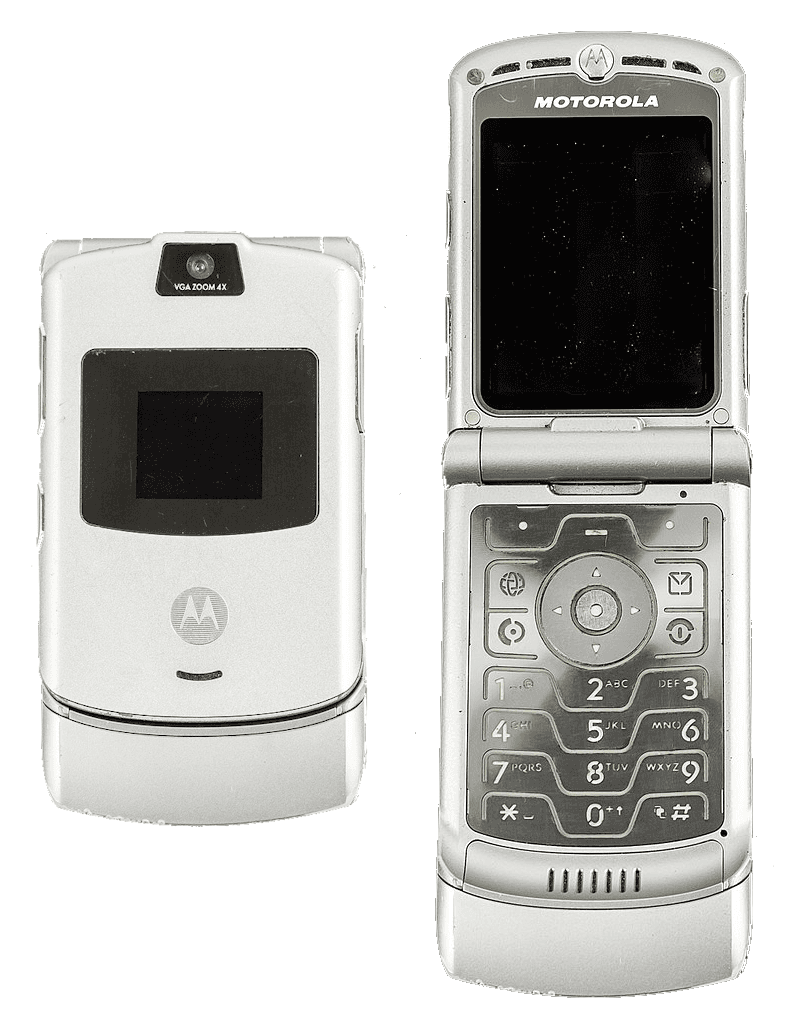
Slim, shiny, and impossibly cool, the Motorola Razr V3 was the phone everyone wanted to pull out of their pocket. At just 13.9mm thin, its aluminum body felt more like jewelry than a gadget.
It launched in late 2004 and became an instant status symbol.
Around 130 million units were sold globally, proving style sells. That satisfying snap when you flipped it shut?
Absolutely nothing compares to it, even now.
3. Sony Ericsson W800
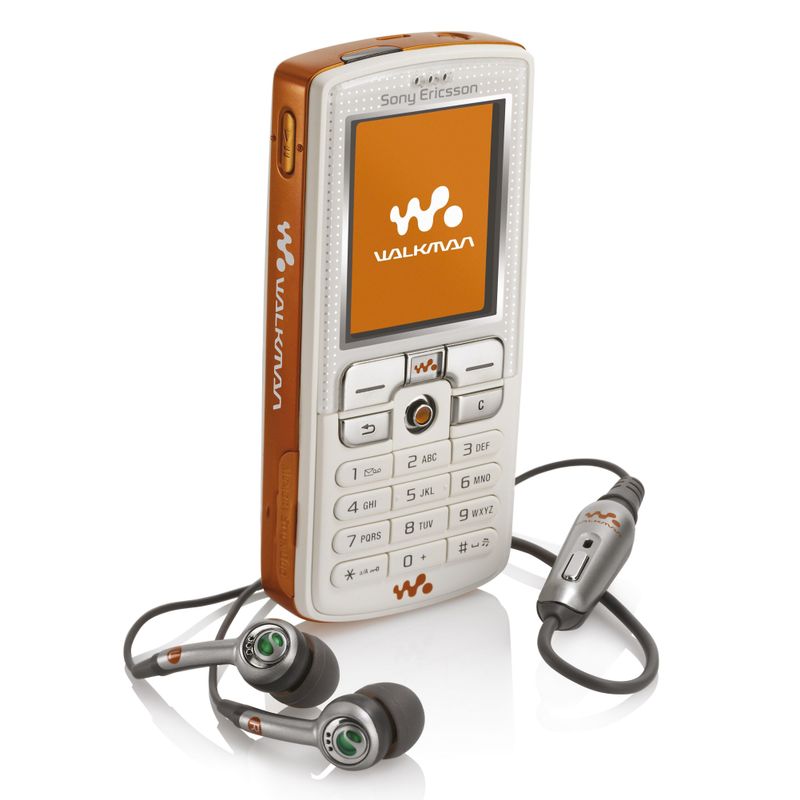
Before music streaming existed, the Sony Ericsson W800 was the phone that kept your playlist going. Launched in August 2005, it was the first phone to carry the legendary Walkman brand, and it absolutely delivered on that promise.
Crisp stereo sound, autofocus camera, and 512MB of storage made it a powerhouse.
It even had a Flight Mode so you could keep the music playing without the phone signal. Ahead of its time in every way.
4. BlackBerry Curve 8900
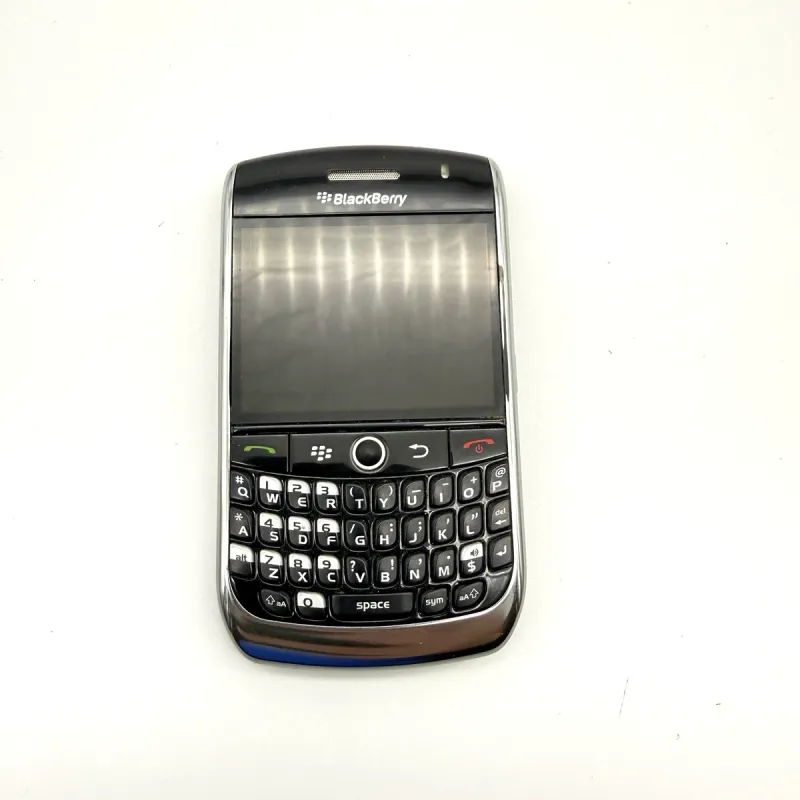
Typing on a BlackBerry Curve 8900 felt like a superpower. The compact QWERTY keyboard was so well-designed that users could fire off emails at lightning speed without ever glancing down at their fingers.
Business professionals and students alike swore by it.
Released in 2009, the Curve 8900 balanced multimedia features with serious productivity tools. BBM messaging kept friend groups connected in ways that felt exclusive and exciting.
Some keyboard lovers still mourn its departure.
5. Nokia 8110
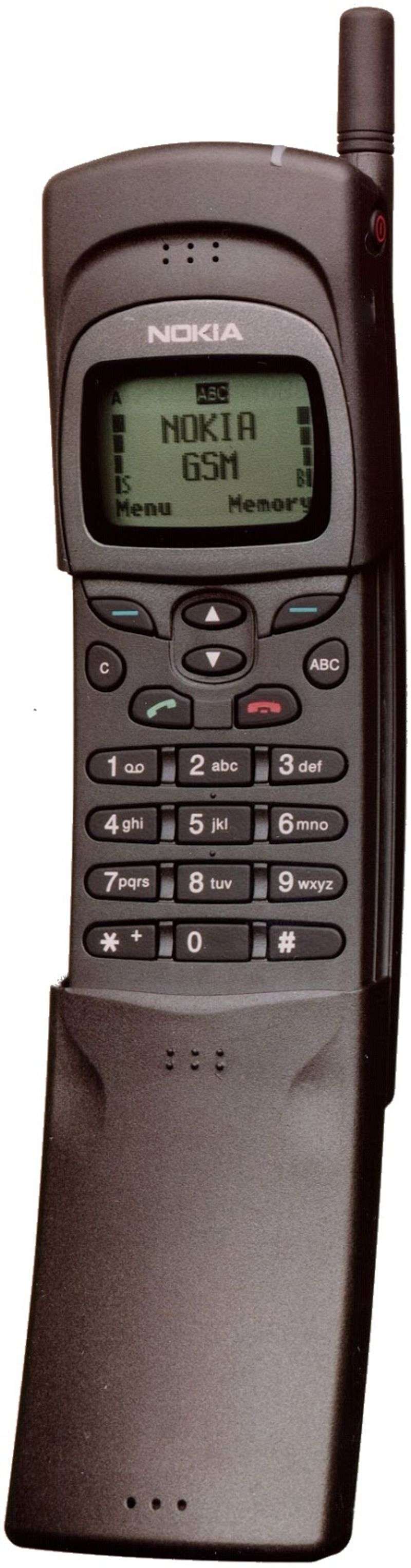
Nicknamed the banana phone, the Nokia 8110 had one of the most head-turning designs in mobile history. Its curved body and sliding cover that revealed the keypad made it look like something straight out of a sci-fi film.
That is because it literally was, appearing in the original Matrix movie.
Released in 1996, it was remarkably small for its era. Sliding it open to answer a call felt genuinely theatrical, and nobody who owned one ever forgot it.
6. Motorola StarTAC
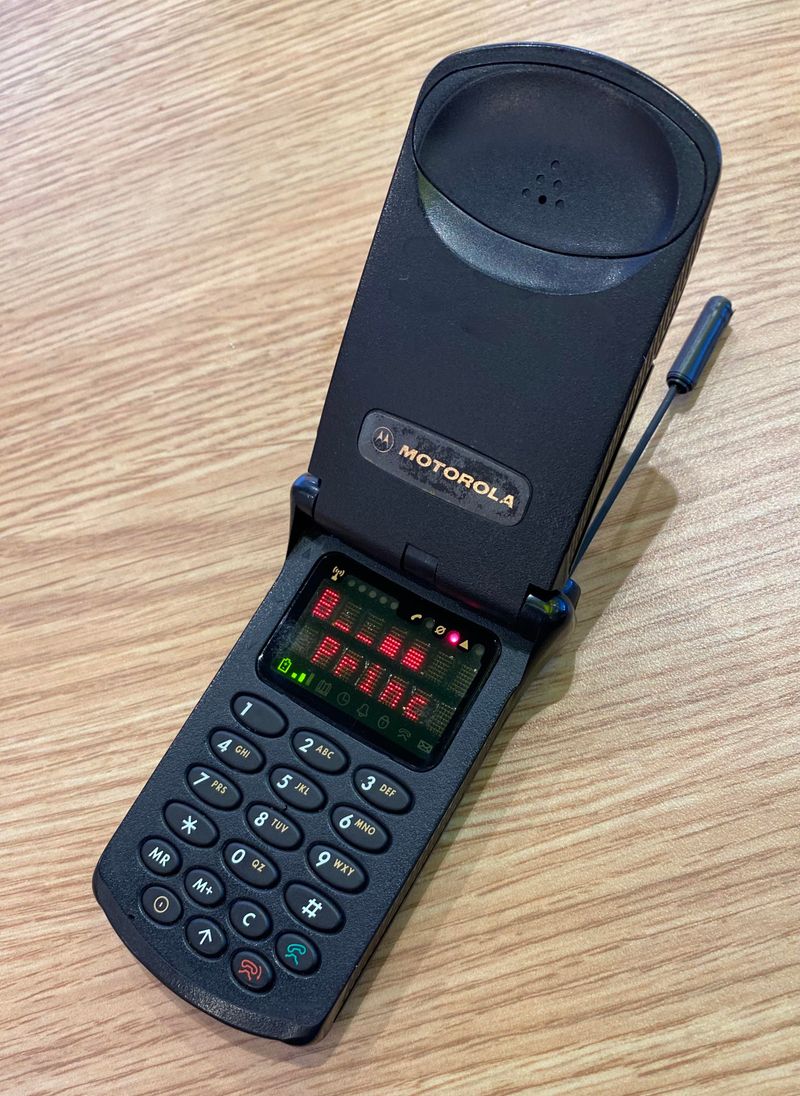
The Motorola StarTAC was basically the phone that invented cool. Launched in January 1996, it was considered the world’s first true flip phone, and it weighed just 88 grams.
Motorola even marketed it as a wearable cellular telephone, which was a wild idea back then.
It was also one of the first phones to offer a vibrate alert mode, a feature we now take for granted. Compact, stylish, and revolutionary, the StarTAC changed what people expected from a phone.
7. LG Chocolate VX8500
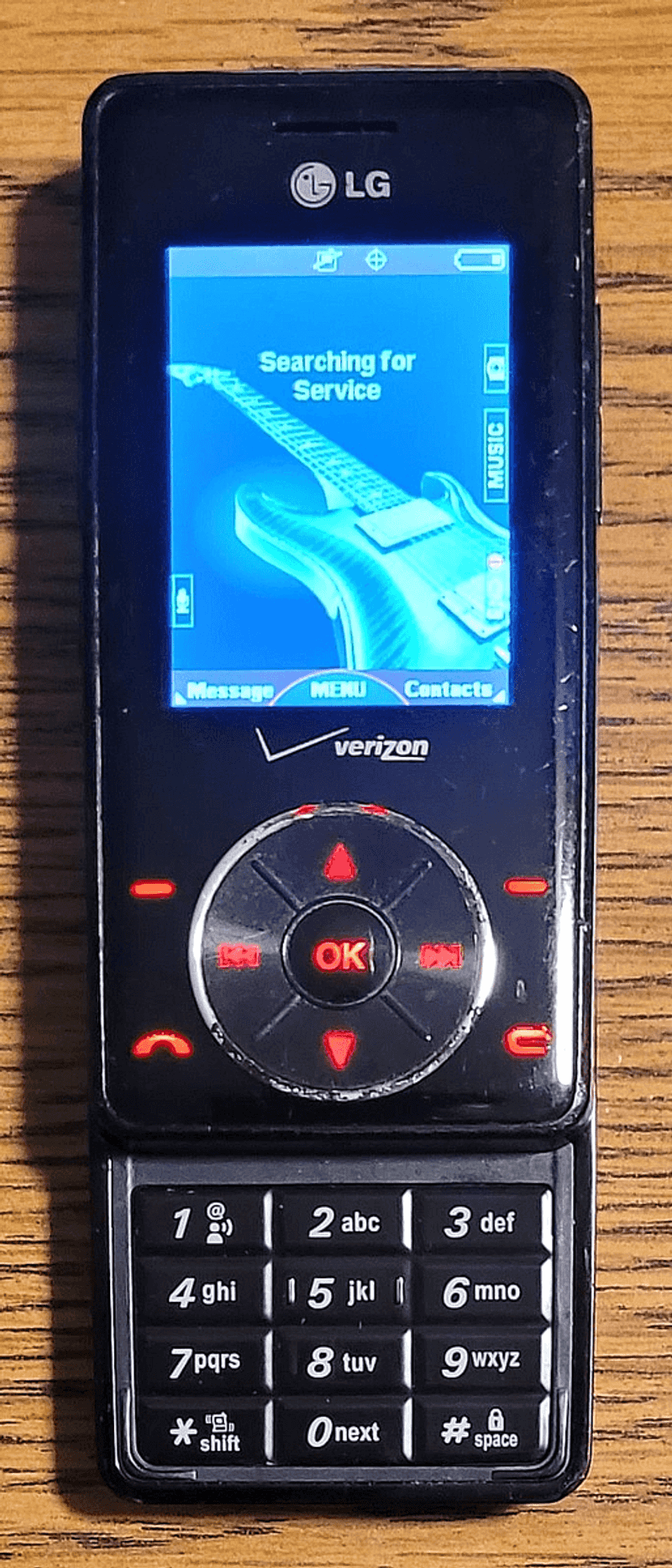
Glossy, sleek, and effortlessly stylish, the LG Chocolate VX8500 looked more like a luxury item than a phone. Released in 2006, its all-black body and glowing red touch-sensitive navigation buttons gave it a look that genuinely stood out on store shelves everywhere.
The slider mechanism felt smooth and premium, and it helped push mobile phones further into fashion territory. Carrying one felt like a statement.
It proved that phones did not have to be boring to be functional.
8. T-Mobile Sidekick 3
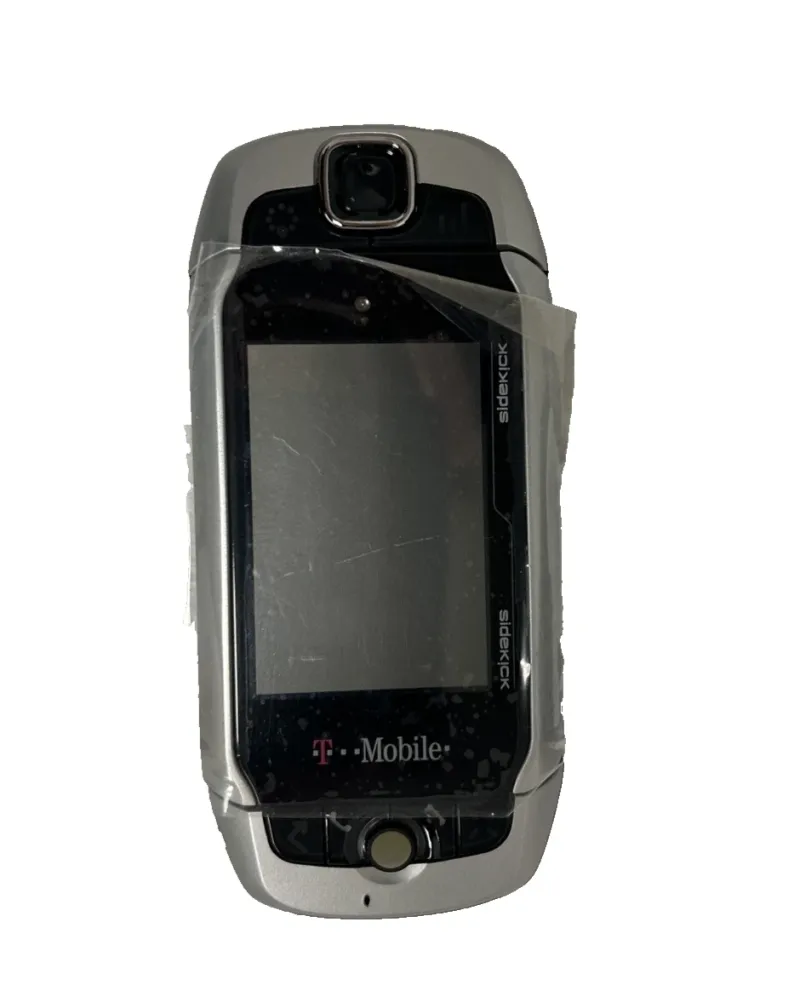
Few phones carried as much personality as the T-Mobile Sidekick 3. That iconic 180-degree swivel screen flipping open to reveal a full QWERTY keyboard was pure magic every single time.
Teens and celebrities both went absolutely wild for it when it launched in June 2006.
Running on Danger OS with cloud-backed data, it was built for texting and AIM chatting. Losing your Sidekick felt like losing a best friend.
Its cult following never really disappeared.
9. Nokia N-Gage
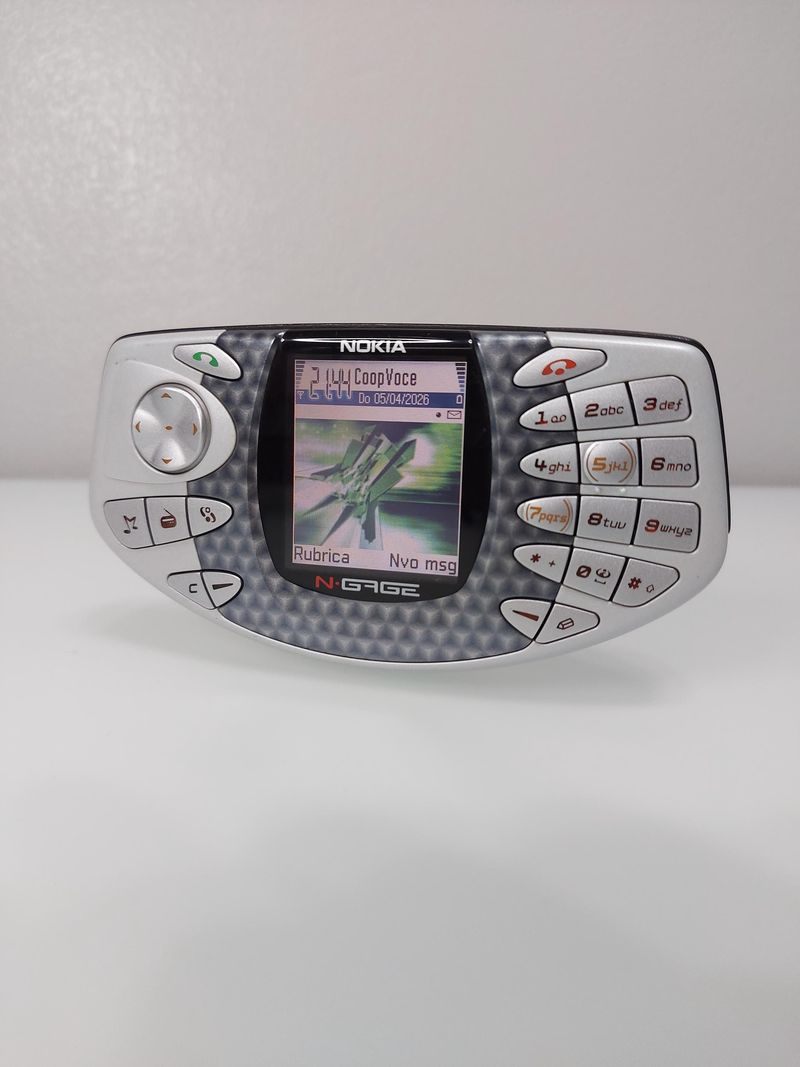
Bold, weird, and undeniably ambitious, the Nokia N-Gage tried to be a phone and a handheld gaming console at the same time. Released on October 7, 2003, it ran Symbian OS and used MultiMediaCards for games, which was genuinely forward-thinking for its era.
Yes, the design had some quirks, like needing to disassemble it to swap games, and the sideways call position earned it the nickname taco phone. Still, its adventurous spirit made it unforgettable.
10. Nokia 3210
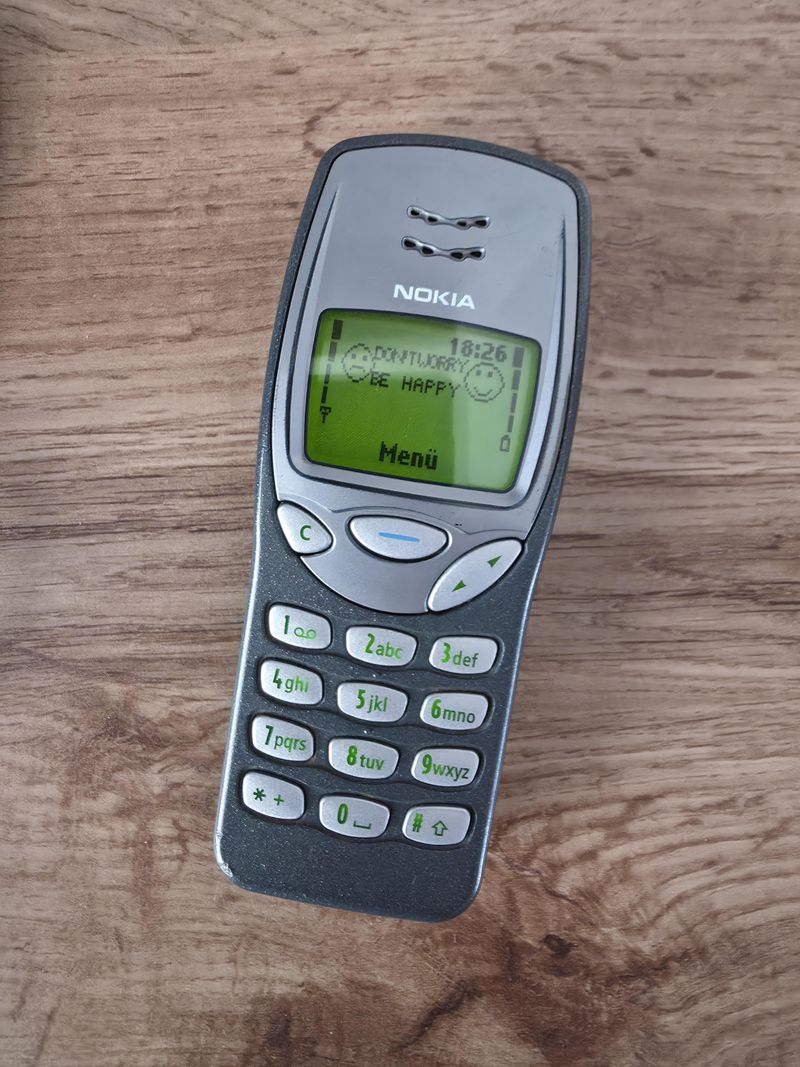
The Nokia 3210 quietly changed everything when it arrived in 1999. It was one of the very first phones to ditch the external antenna, giving it a cleaner, more modern look than anything else on the market at the time.
Customizable Xpress-on covers made it feel personal.
T9 predictive text and built-in Snake kept users hooked for hours. Hugely popular across Europe, it combined a tough build with genuine charm.
Getting a new cover for it felt like getting a whole new phone.
11. Motorola DynaTAC 8000x
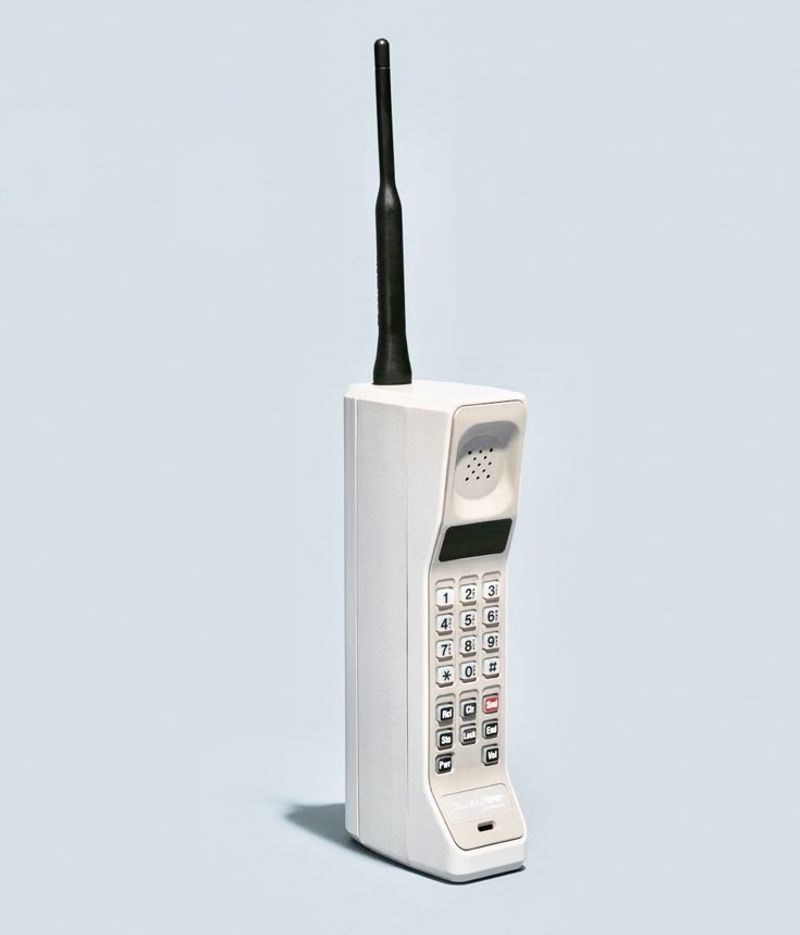
Where it all began. The Motorola DynaTAC 8000x, released in 1983, was the first commercially available handheld mobile phone, and it looked exactly like what people called it: a brick.
It weighed a lot, offered about 30 minutes of talk time, and stored just 30 numbers.
By today’s standards it sounds almost comical, but back then it was pure science fiction made real. Owning one cost around $4,000, making it a serious symbol of wealth and modernity.
12. Sony Ericsson K800i
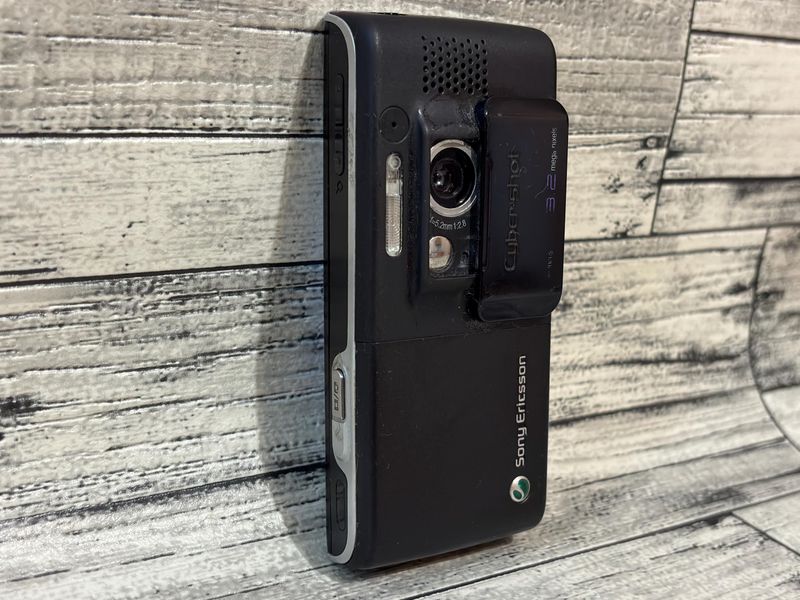
Camera phones changed forever when the Sony Ericsson K800i arrived in 2006. Carrying the Cyber-shot brand, it packed a 3.2-megapixel camera with autofocus and a xenon flash, not just a basic LED.
That was a genuinely big deal for a mobile phone at the time.
The protective sliding lens cover added a premium feel, and the BestPic feature captured multiple shots in rapid succession. It made mobile photography feel serious and creative rather than just a bonus feature.
13. Nokia 9000 Communicator
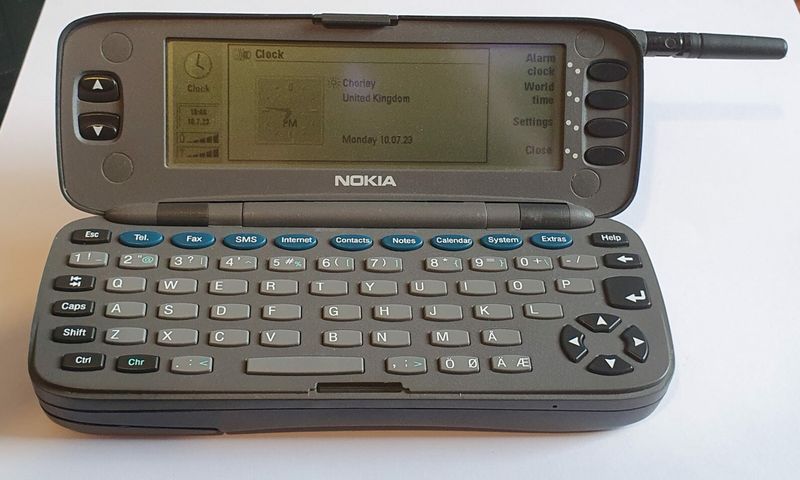
Long before anyone used the word smartphone, the Nokia 9000 Communicator was already doing smartphone things. Released in August 1996, it flipped open to reveal a full QWERTY keyboard and a wide 4.5-inch grayscale LCD screen.
Email, web browsing, fax, and spreadsheets were all on board.
Calling it a phone almost felt like an understatement. It was a mobile office that fit in your jacket pocket.
For its era, the ambition behind the 9000 Communicator was genuinely staggering.
14. Samsung D500
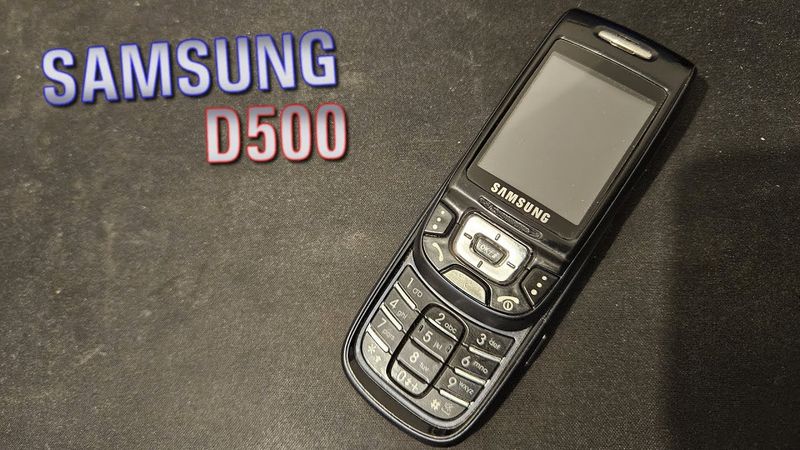
Smooth lines, a solid slider mechanism, and a build quality that felt genuinely premium made the Samsung D500 a standout device of 2004. It came equipped with a 1.3-megapixel camera with flash and Bluetooth connectivity, which were considered impressive specs for a mid-range phone back then.
The vibrant color screen popped in a way that turned heads. For people who wanted style without sacrificing reliability, the D500 hit a sweet spot that few phones of that period managed to match.
15. Nokia 6300
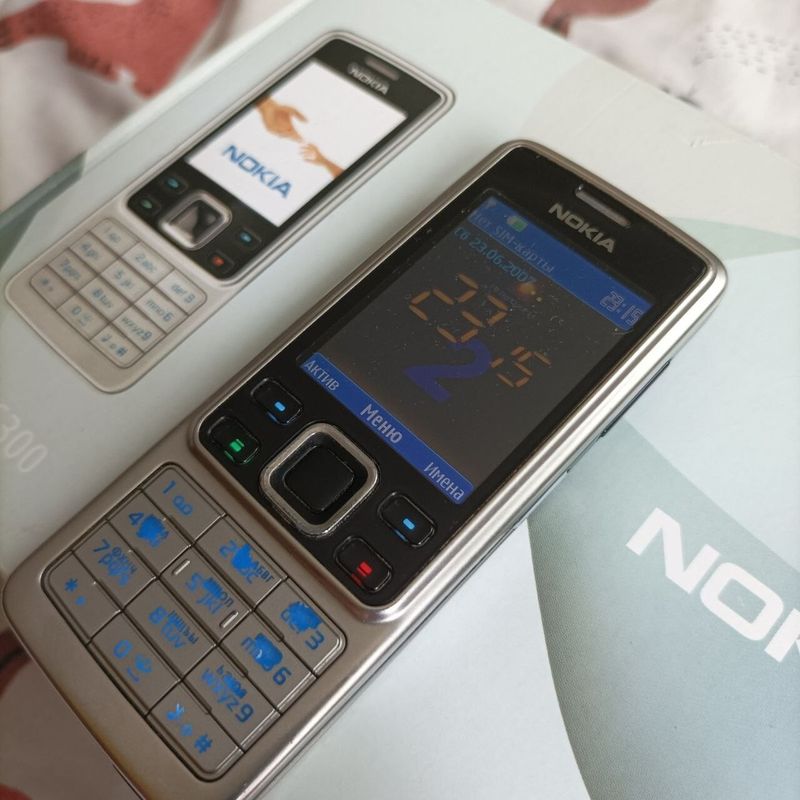
Clean, slim, and built to last, the Nokia 6300 was the kind of phone that just worked without any fuss. Released in January 2007, its stainless steel frame gave it a premium feel that most phones at its price point simply could not match.
At just 11.7mm thick, it slipped into any pocket effortlessly.
Running on the reliable Series 40 OS, it offered a 2-megapixel camera and an easy interface. Everyday users adored it for good reason.
16. Siemens SX1
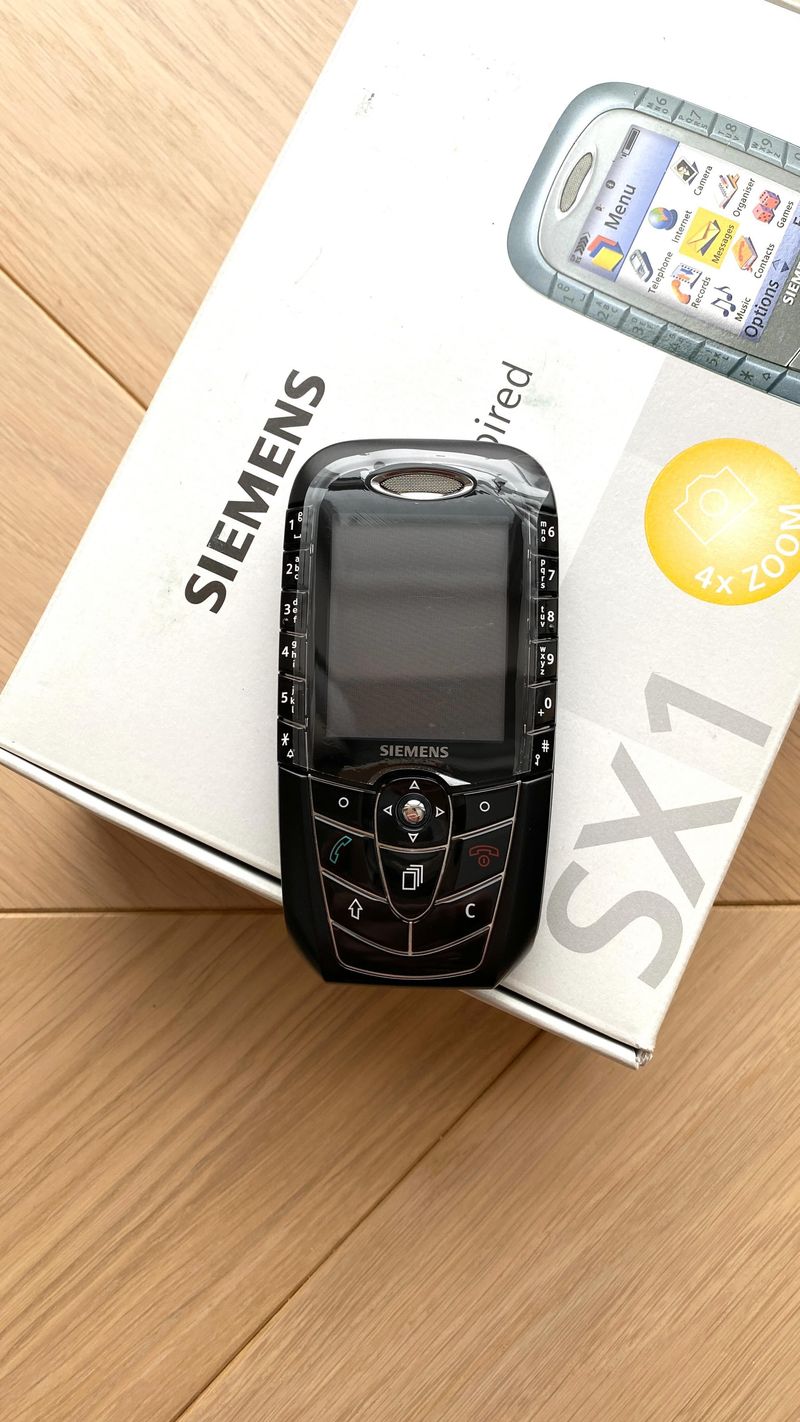
Daring design choices defined the Siemens SX1, released in December 2003. Its numeric keypad was split into two columns on either side of the screen, creating a layout unlike anything else on the market.
It was also the first non-Nokia phone to run Symbian with the Series 60 platform.
An early augmented reality game called Mozzies showed just how experimental Siemens was willing to be. Quirky and ahead of its time, the SX1 rewarded curious users who appreciated something genuinely different.
17. LG enV2
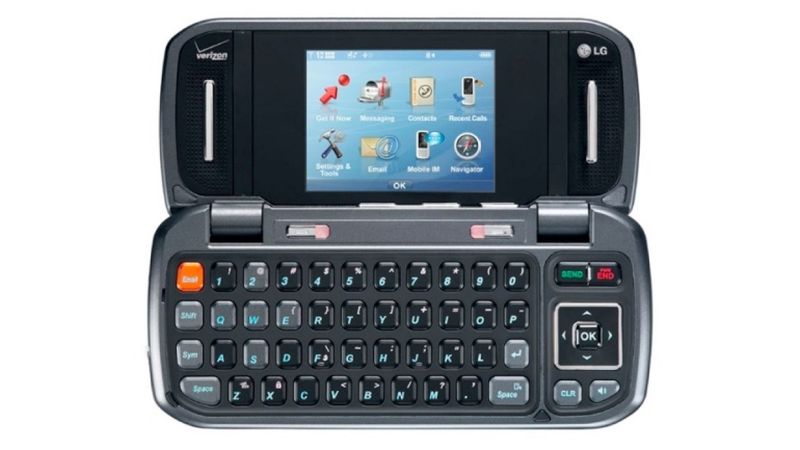
Texting reached a whole new level with the LG enV2, released on March 31, 2008. Flipping it open revealed a full QWERTY keyboard and a large internal screen that made composing long messages feel comfortable and natural.
The external display handled calls and quick notifications without needing to open it at all.
Slimmer and lighter than its predecessor, the enV2 was a favorite among heavy texters everywhere. It blended practicality with a satisfying dual-screen setup that felt genuinely clever.