
Most of us learned how to store food by watching our parents or just guessing. But some of the habits we picked up along the way are actually making our food go bad faster, lose flavor, or even become unsafe to eat.
Getting food storage right can save you money, reduce waste, and keep meals tasting their best. Read on to find out which everyday foods you have probably been storing the wrong way.
1. Tomatoes
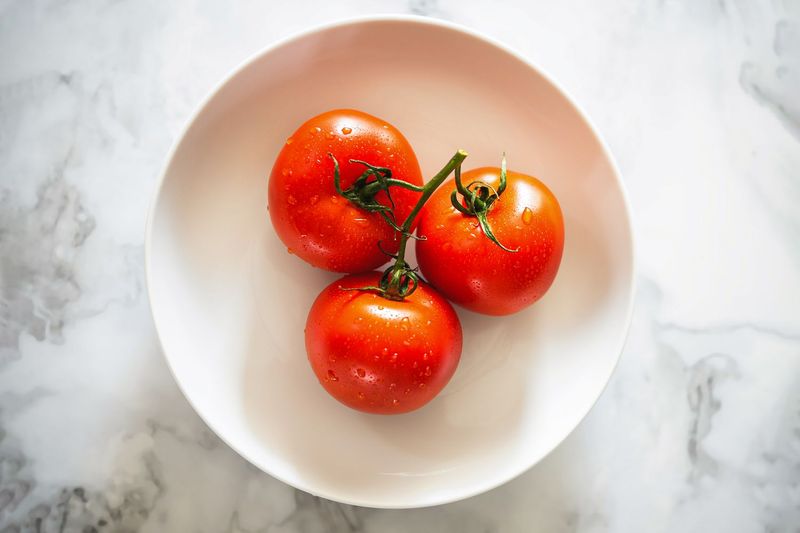
Putting tomatoes in the fridge seems like the smart move, but it actually ruins them. Cold temperatures break down the membranes inside the fruit, turning that juicy, vibrant flesh into something mealy and flavorless.
The fridge also stops the ripening process, so tomatoes never reach their full flavor potential.
Keep tomatoes on the counter at room temperature, stem side down. They will stay fresh for several days and taste much better.
2. Bread
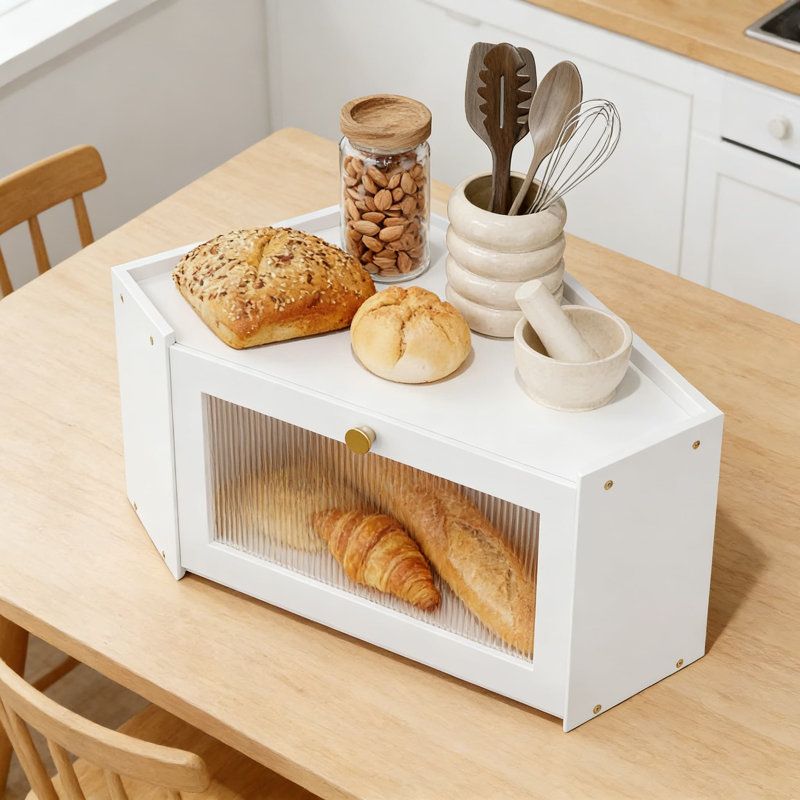
Bread goes stale faster in the fridge than it does on the counter. This happens because refrigeration speeds up a process called starch retrogradation, which makes bread turn hard and dry much more quickly than you would expect.
Store bread in a bread box or a sealed bag at room temperature if you plan to eat it within a few days. For longer storage, slice it first and keep it in the freezer instead.
3. Honey
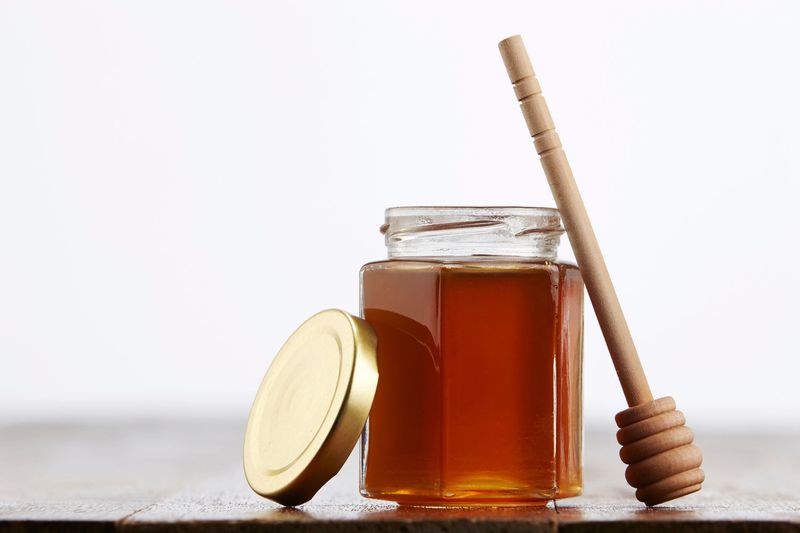
Honey is one of the few foods that truly never spoils, so storing it in the fridge is completely unnecessary. Cold temperatures cause honey to crystallize much faster, turning it thick and grainy, which makes it frustrating to use.
Keep honey in a tightly sealed jar in your pantry at room temperature. If it does crystallize, just place the jar in warm water for a few minutes and it will return to its smooth, pourable state.
4. Potatoes
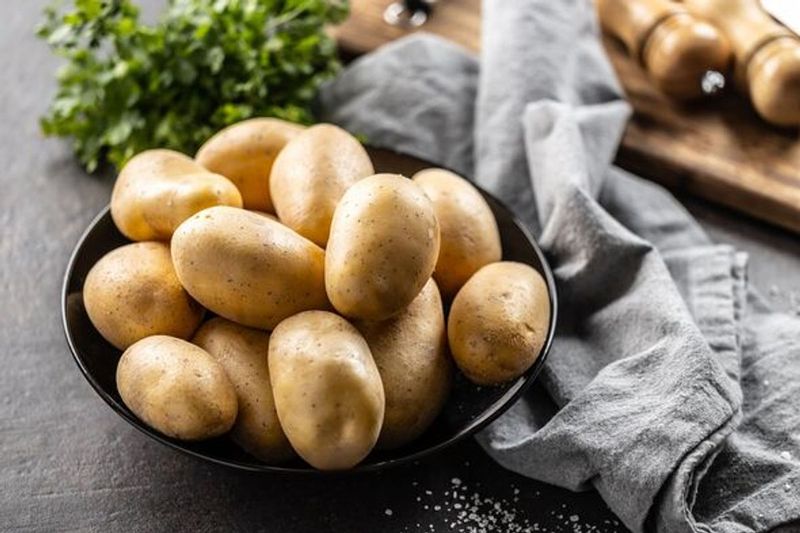
Storing potatoes in the fridge converts their starches into sugar much faster, which changes their taste and can create harmful compounds when they are cooked at high heat. Many people also make the mistake of keeping potatoes in plastic bags, which traps moisture and encourages mold.
The best spot for potatoes is a cool, dark, and well-ventilated place like a pantry or cellar. A paper bag or a basket works perfectly for airflow.
5. Onions
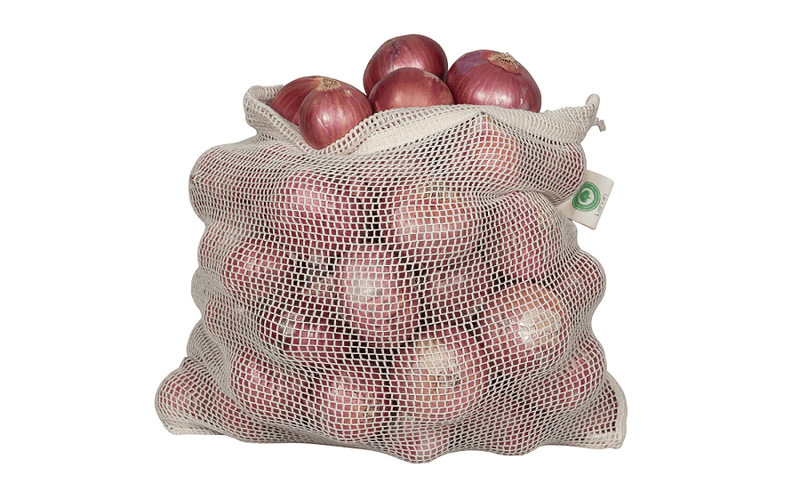
Whole onions need airflow to stay fresh, so storing them in a sealed plastic bag or a drawer is one of the quickest ways to make them rot. Humidity is their enemy, and the fridge has plenty of it.
Keep whole onions in a mesh bag or an open basket in a cool, dry spot away from direct sunlight. Just remember to store them away from potatoes, because the two release gases that cause each other to spoil faster.
6. Avocados
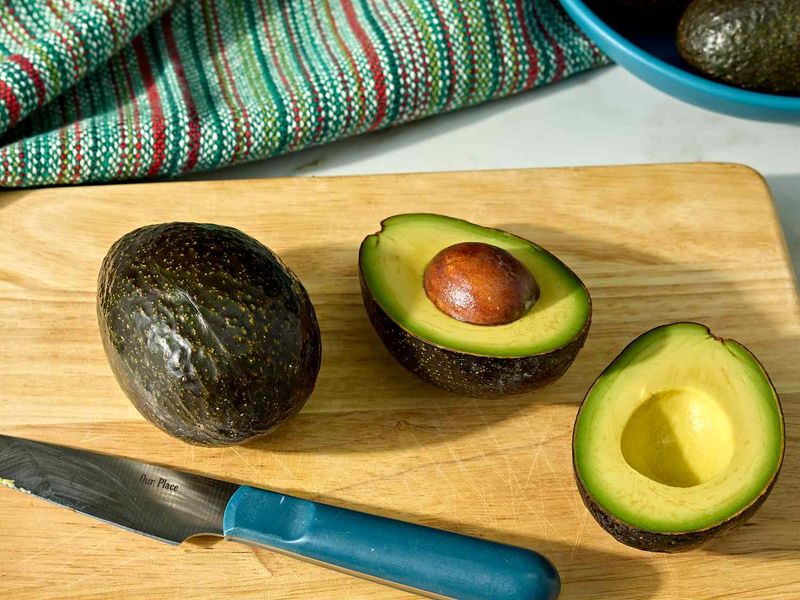
Timing is everything with avocados. If yours are still firm and unripe, the fridge will slow down the ripening process so much that they may never soften properly.
Many people lose perfectly good avocados by refrigerating them too early.
Let unripe avocados sit at room temperature until they give slightly when pressed. Once they are ripe, move them to the fridge to slow things down.
A cut avocado stays fresher longer with the pit left in and a squeeze of lemon juice on top.
7. Fresh Herbs
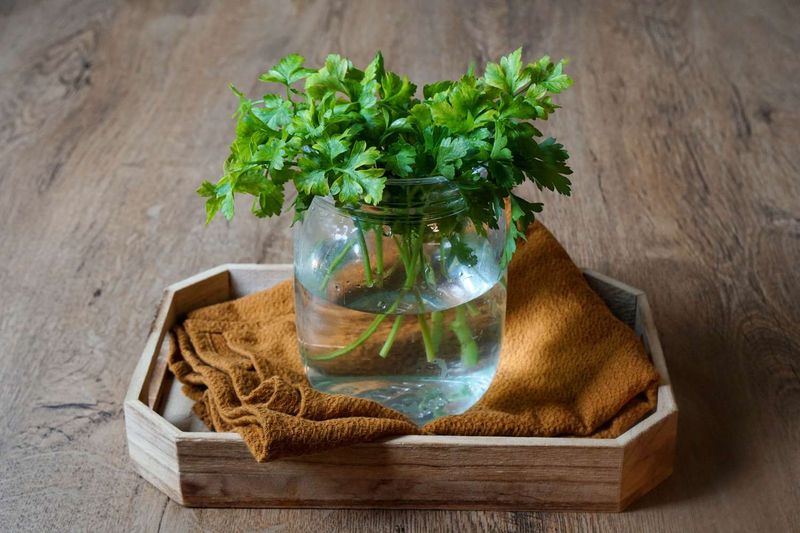
Most people toss fresh herbs into a drawer in the fridge and wonder why they wilt within a day or two. Soft herbs like parsley, cilantro, and basil do not do well when they are just loosely wrapped in a bag with no moisture support.
Treat soft herbs like a bouquet of flowers. Trim the stems, place them in a glass of water, and keep them on the counter or loosely covered in the fridge.
Hardy herbs like rosemary and thyme can be wrapped in a damp paper towel.
8. Garlic
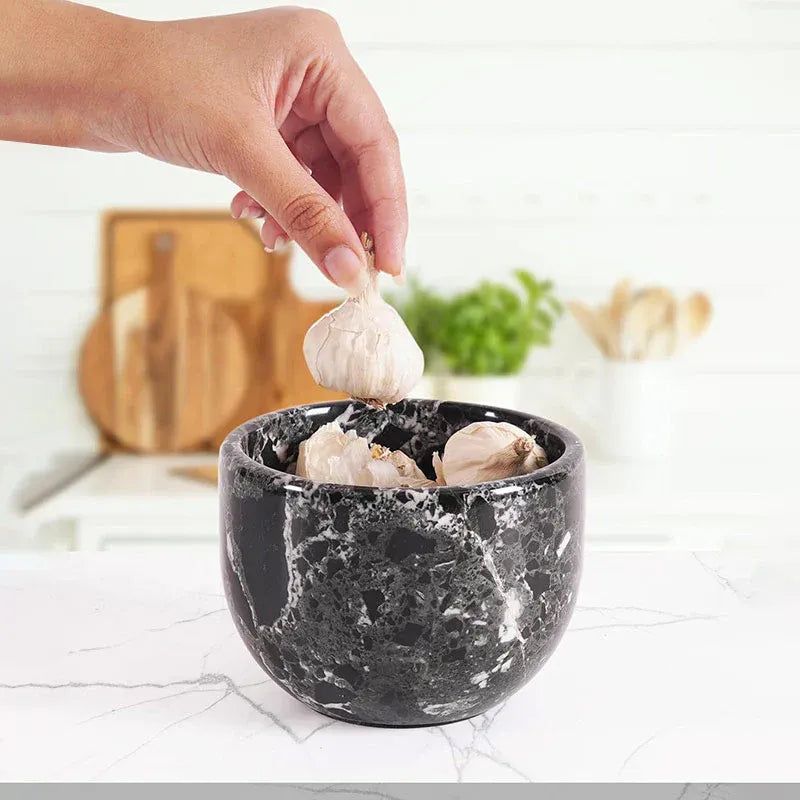
Garlic is surprisingly picky about where it lives. Refrigerating it causes it to sprout quickly and develop a bitter, unpleasant flavor.
Storing it in a sealed plastic container is just as bad because it traps moisture and leads to mold.
Garlic does best in a cool, dry spot with good airflow, like a small ceramic crock or an open basket on your counter. Keep it away from heat sources like the stove.
Once the bulb is broken open, use the cloves within ten days.
9. Coffee
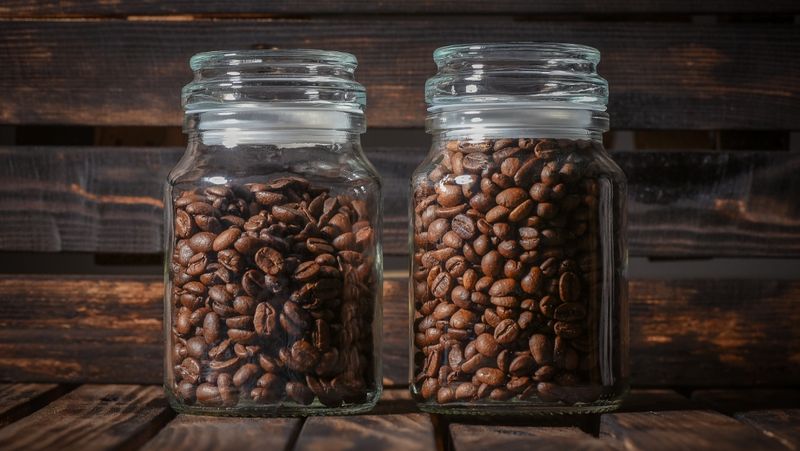
Storing coffee in the freezer is a habit many people swear by, but it actually does more harm than good. Every time you take the container in and out, condensation builds up inside, which dampens the grounds and dulls the flavor significantly.
Coffee stays freshest when kept in an airtight container in a cool, dark pantry away from heat, light, and moisture. Buy smaller quantities more often so you are always working with fresh beans or grounds rather than a stale supply.
10. Eggs
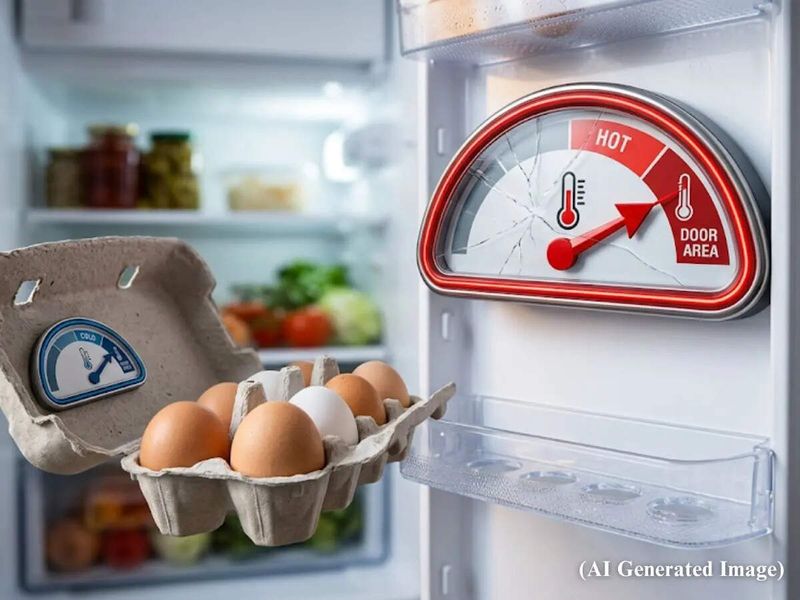
Here is something that surprises a lot of people. In the United States, eggs need to be refrigerated because they are washed before sale, which removes a protective coating called the bloom.
Without that coating, bacteria can enter through the shell much more easily.
Keep eggs in their original carton on a middle shelf in the fridge, not in the door. The door temperature fluctuates too much every time it opens, which shortens the eggs shelf life faster than most people realize.
11. Apples
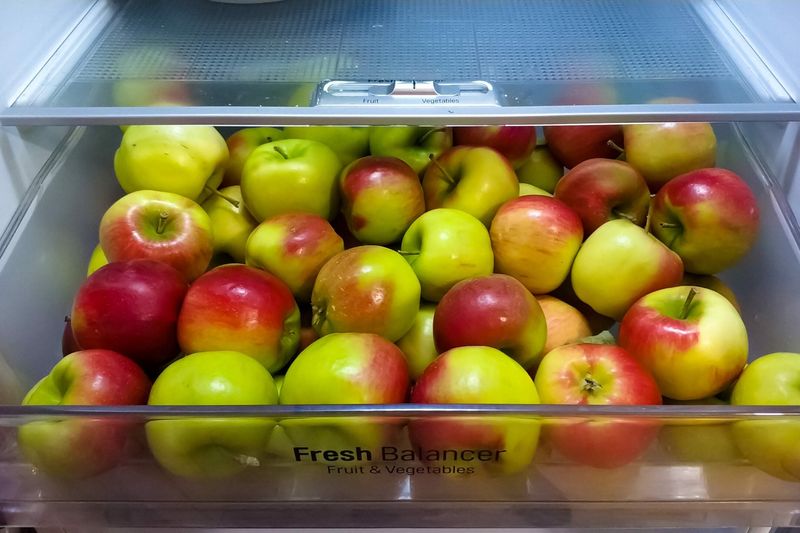
Apples left in a fruit bowl on the counter look lovely, but they actually go soft and mealy much faster at room temperature. Apples release ethylene gas, which also speeds up the ripening of any nearby fruit, causing everything to spoil sooner.
For the longest shelf life, store apples in the crisper drawer of your refrigerator. Keep them separate from other fruits and vegetables to prevent that ethylene gas from doing damage.
A single apple can stay crisp for up to six weeks when stored correctly.
12. Nuts
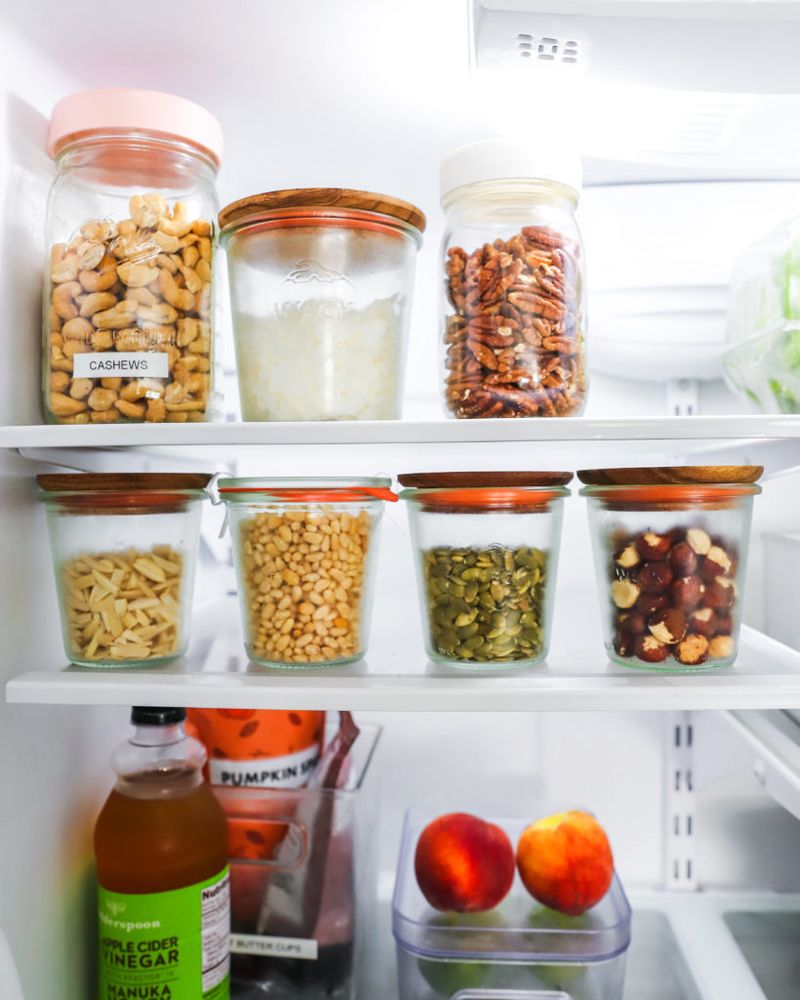
Nuts have a high fat content, which means they go rancid surprisingly quickly when stored at room temperature for too long. You might not even notice until you bite into one and get that stale, bitter taste that ruins a perfectly good snack or recipe.
Store nuts in airtight containers in the fridge or freezer to keep them fresh much longer. They do not need to be thawed before eating or cooking, so keeping them cold is a completely hassle-free habit to build.
13. Berries
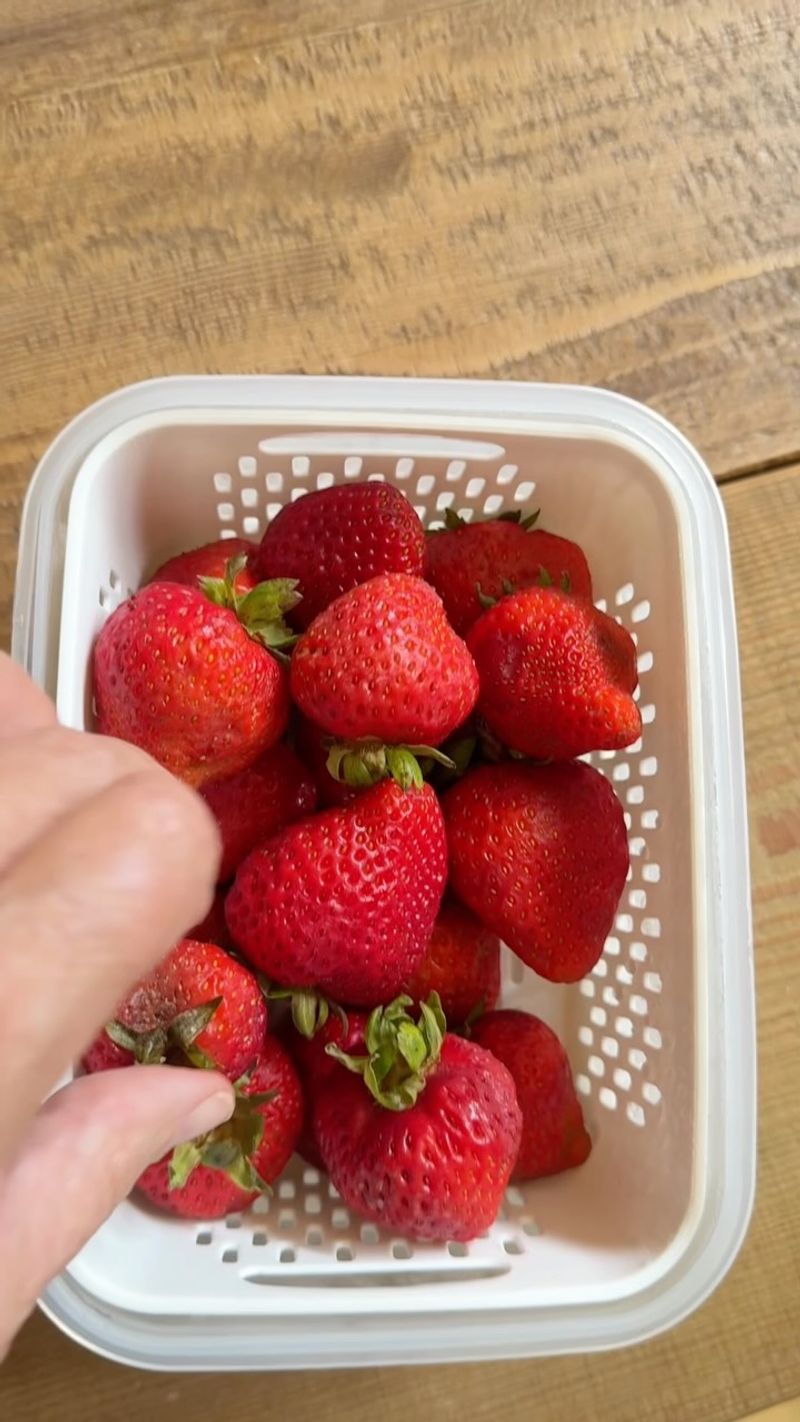
Washing berries right when you get home from the store feels like a time-saving idea, but it actually makes them go moldy much faster. Moisture is the main enemy of berries, and pre-washing leaves behind just enough water to invite mold growth within a day or two.
Store berries unwashed in the fridge, lined in a container with a dry paper towel to absorb extra moisture. Wash them only right before eating.
This one simple change can double or even triple how long your berries stay fresh.
14. Bananas
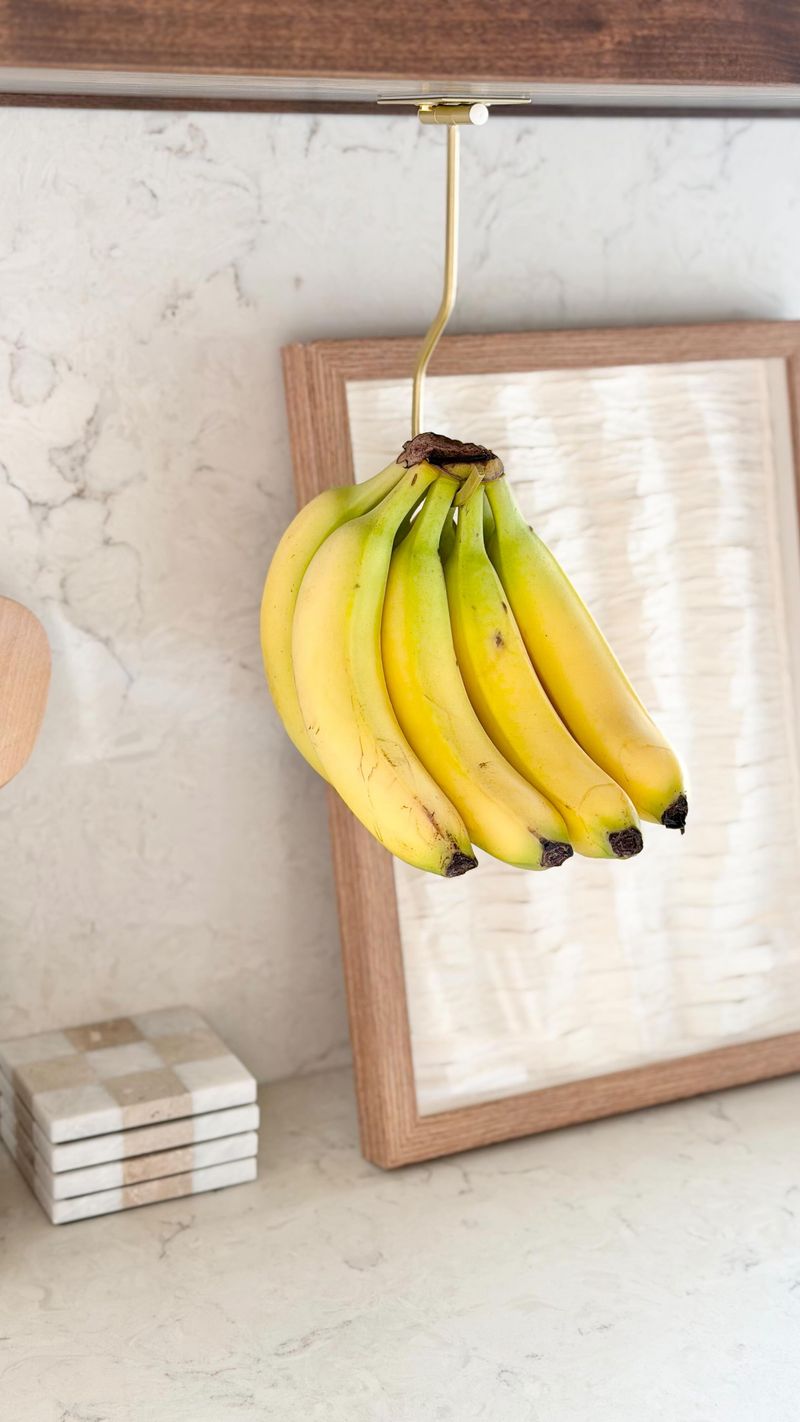
Bananas are social in the worst possible way. When stored next to other fruits, the ethylene gas they release speeds up ripening for everything nearby.
Keeping them in a fruit bowl with apples, pears, or peaches is a fast track to an overripe mess.
Hang bananas on a hook away from other produce. Wrapping the crown of the bunch in plastic wrap slows down the release of ethylene gas and can add several extra days of ripeness.
Once fully ripe, bananas can go in the freezer for smoothies.
15. Olive Oil

Keeping olive oil right next to the stove is incredibly common, but heat and light are two of the biggest threats to its quality. Over time, exposure to warmth causes olive oil to oxidize and turn rancid, which changes both the taste and the nutritional value.
Store olive oil in a dark glass bottle or an opaque container in a cool cabinet away from the stove and windows. It does not need to go in the fridge, but it should never sit where it gets regular heat or bright light.
16. Leafy Greens
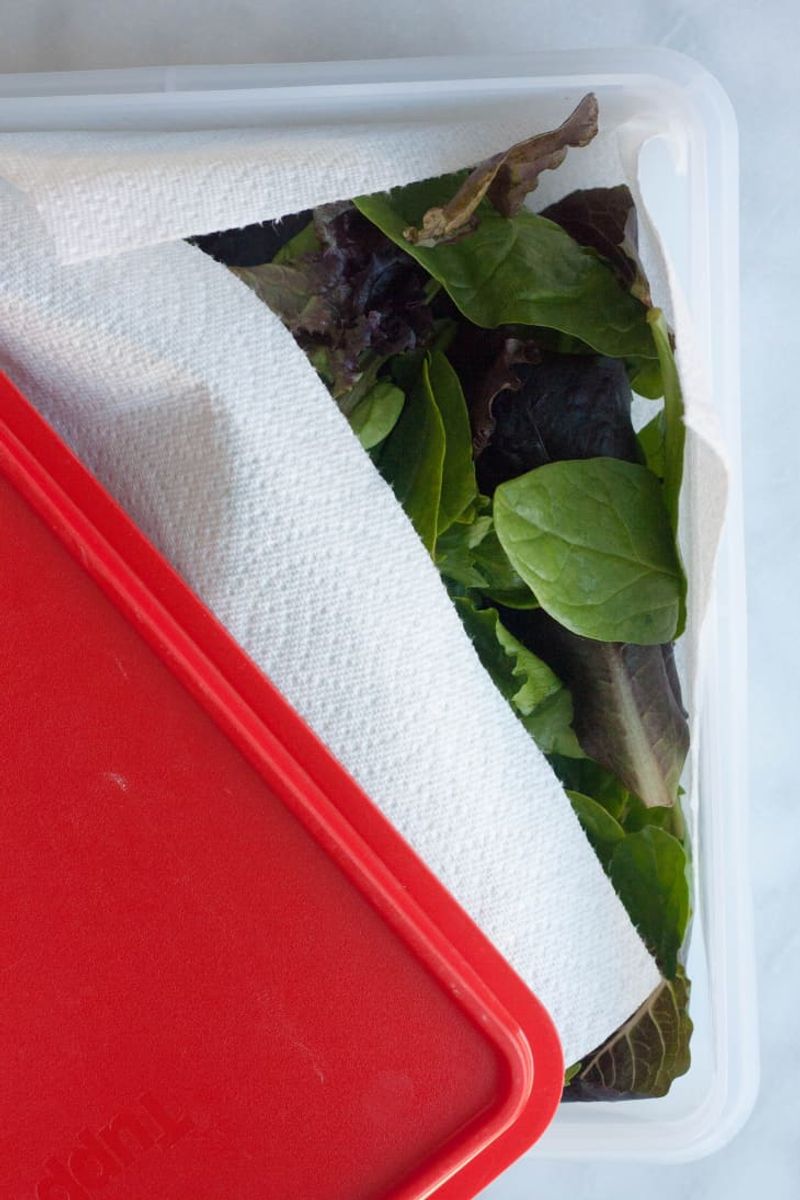
Leafy greens wilt fast when there is too much moisture trapped around them, but they also suffer when they dry out completely. Most people either store them in a wet bag or leave them loose in the crisper where they get soggy and slimy within days.
Line an airtight container with paper towels, add your greens, and seal it up. The paper towels absorb excess moisture while keeping the leaves from drying out.
This method keeps spinach, lettuce, and arugula crisp and fresh for up to a full week.
17. Cheese
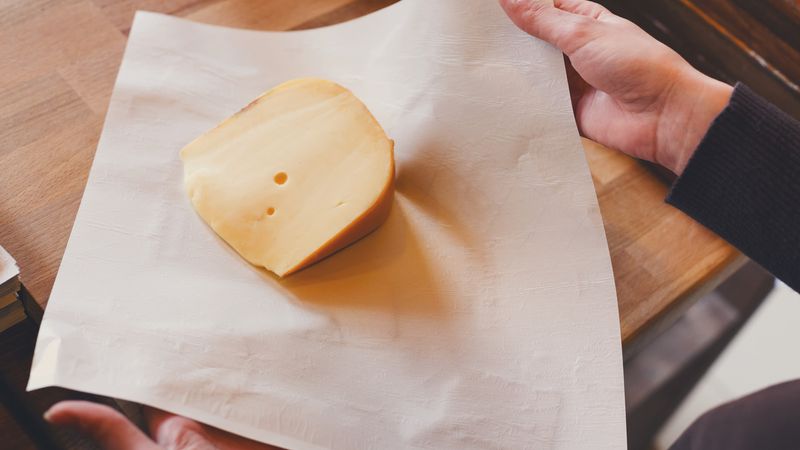
Wrapping cheese tightly in plastic wrap might seem like the obvious choice, but it actually suffocates the cheese and creates a damp environment that encourages mold and an unpleasant smell. Hard cheeses especially need to breathe a little to stay at their best.
Wrap cheese in wax paper or parchment paper, then place it loosely in a zip-top bag with a tiny bit of air left inside. Store it in the warmest part of your fridge, like the cheese or deli drawer, for the best texture and flavor.
18. Hot Sauce
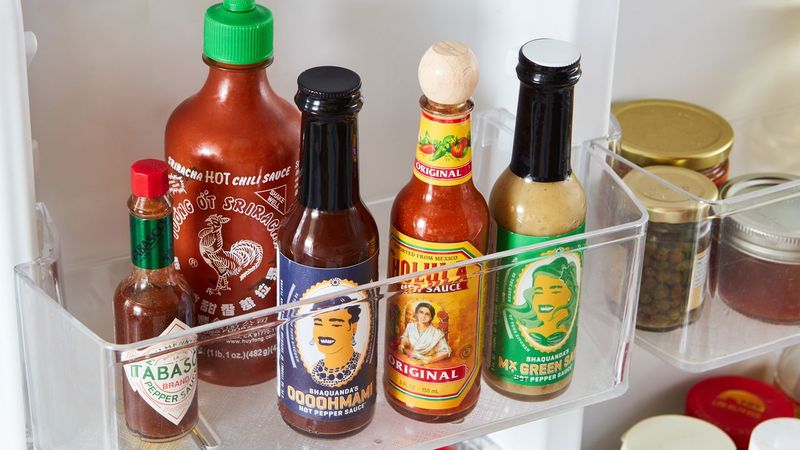
Many people reflexively put hot sauce in the fridge after opening it, but most commercially made hot sauces are shelf-stable thanks to their high vinegar and salt content. Refrigerating them does not make them safer; it just takes up fridge space.
Hot sauce can live happily in your pantry for months after opening. That said, if your hot sauce is homemade or contains fresh ingredients without preservatives, the fridge is the right call.
Always check the label to know for sure what the manufacturer recommends.
19. Butter
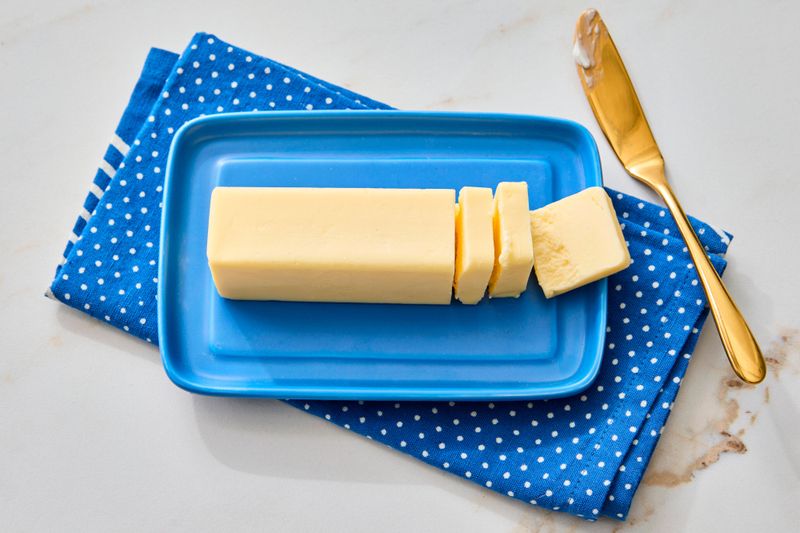
Cold, hard butter straight from the fridge is nearly impossible to spread without tearing your toast to shreds. The good news is that keeping a small amount of butter at room temperature is perfectly safe, as long as you follow a couple of simple rules.
Use a covered butter dish and keep only a few days worth of butter on the counter. The rest stays in the fridge or freezer.
Salted butter holds up better at room temperature than unsalted, since salt acts as a natural preservative against bacterial growth.
20. Flour
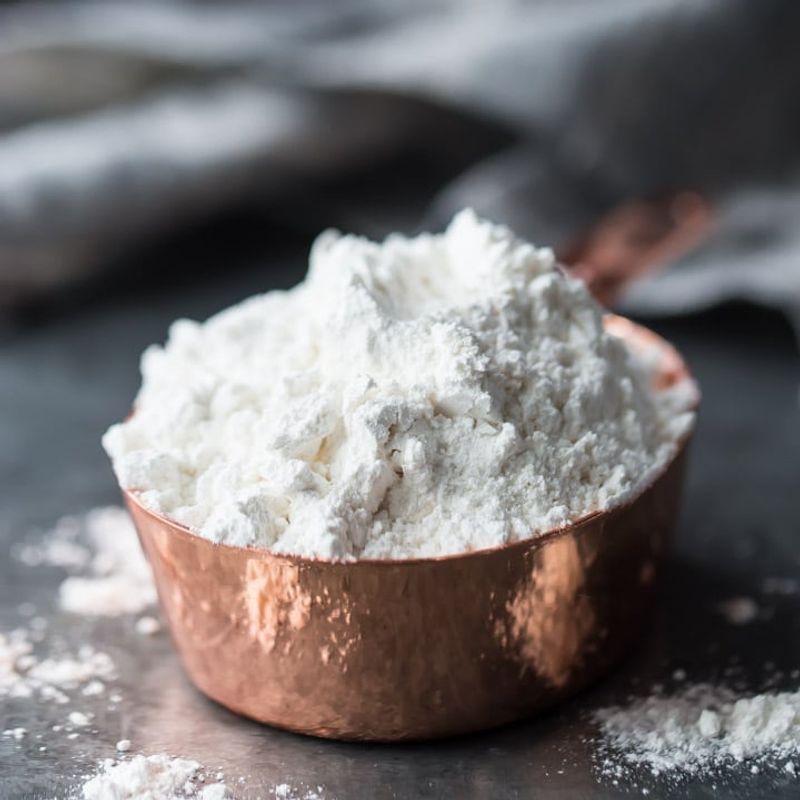
Flour stored in its original paper bag sitting loosely in a cabinet is vulnerable to pests, humidity, and odors from nearby foods. Many people do not realize that flour can absorb smells from its surroundings, which affects the taste of baked goods.
Transfer flour to a sealed airtight container to keep it fresh and pest-free. All-purpose flour stays good in the pantry for about a year, but whole wheat and nut flours have more oil in them and should be kept in the fridge or freezer to prevent them from going rancid.
21. Citrus Fruits
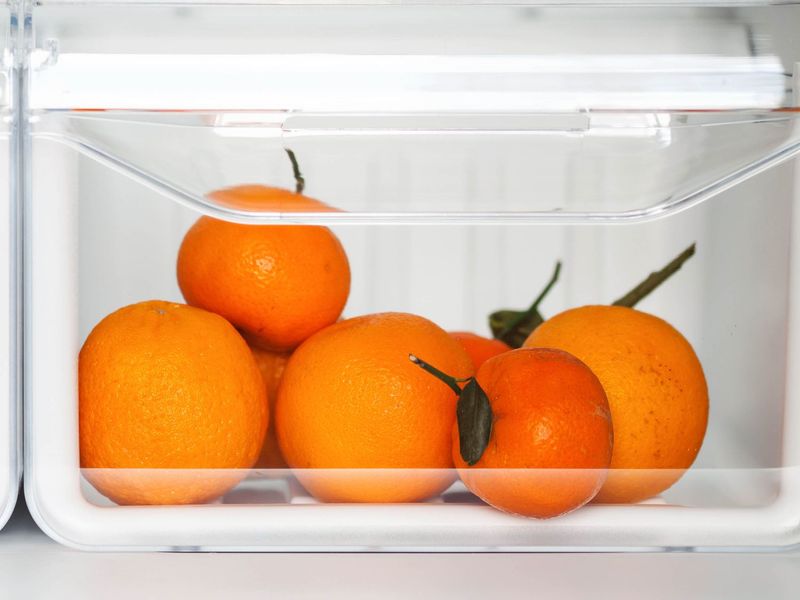
A bowl of lemons and oranges on the counter looks cheerful and welcoming, but citrus fruits actually last much longer when kept in the refrigerator. At room temperature, they typically stay fresh for about a week.
In the fridge, that stretches to three to four weeks.
Store citrus in the crisper drawer of your fridge for maximum freshness. If you prefer having them on the counter for easy access, just buy smaller quantities at a time so you use them up before they start to dry out or grow mold.
22. Spices
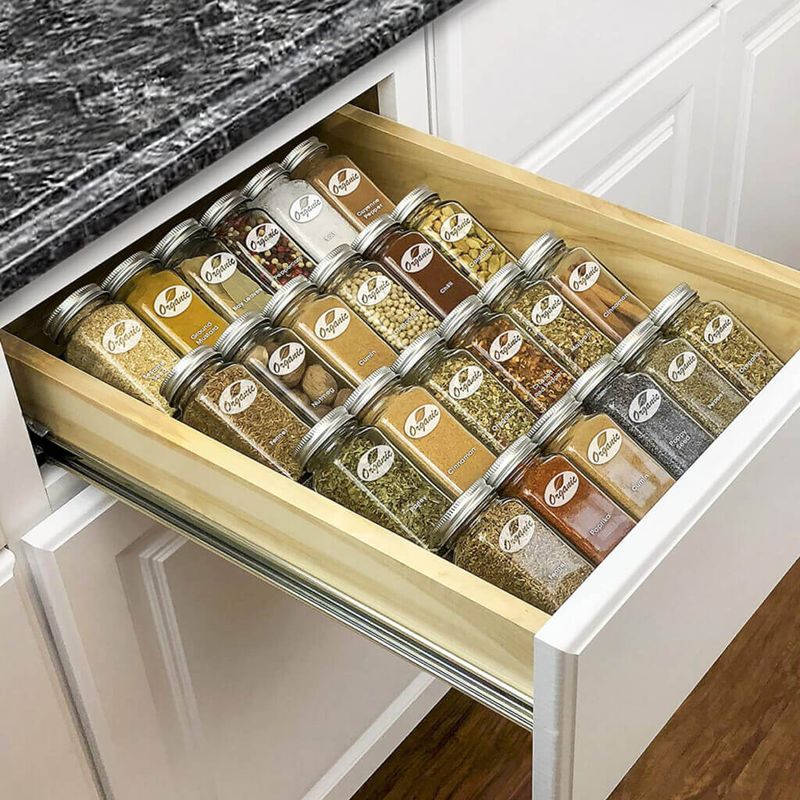
Storing spices on a rack right above or beside the stove is a kitchen design classic, but it is actually one of the worst spots for them. Heat and steam from cooking degrade the essential oils in spices much faster, causing them to lose their potency and aroma well before their expiration date.
Keep spices in a cool, dark cabinet or drawer away from the stove and any direct light. Label them with the date you opened them, since most ground spices are at their best within one to two years of opening.
23. Peanut Butter
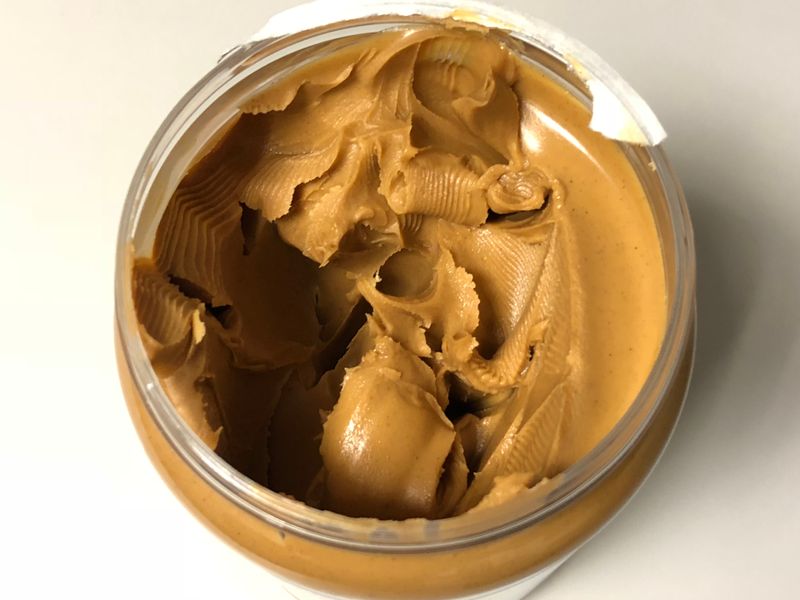
Regular processed peanut butter is fine in the pantry, but natural peanut butter is a different story. Without stabilizers, the oils in natural peanut butter separate and rise to the top, making it messy and difficult to mix back together after sitting out too long.
Store natural peanut butter in the fridge after opening to slow down oil separation and extend its shelf life by several months. A helpful trick is to store the jar upside down so the oil distributes more evenly before you open it for the first time.