
Europe is one giant outdoor food market if you know where to look. From busy city squares to quiet harbor towns, vendors are handing out some of the most delicious bites you will ever taste.
Street snacks tell you more about a culture than any restaurant menu ever could. Pack your appetite and get ready to eat your way across the continent.
1. Churros – Spain

Crispy on the outside, soft and doughy on the inside, churros are the kind of snack that makes you stop walking mid-sentence. Spanish street vendors fry these ridged pastry sticks fresh to order, and the smell alone is worth following down any alley.
Dip them in thick hot chocolate and you have one of Europe’s greatest street food moments. They are popular for breakfast, a late-night snack, or honestly any time in between.
2. Trdelnik – Czech Republic
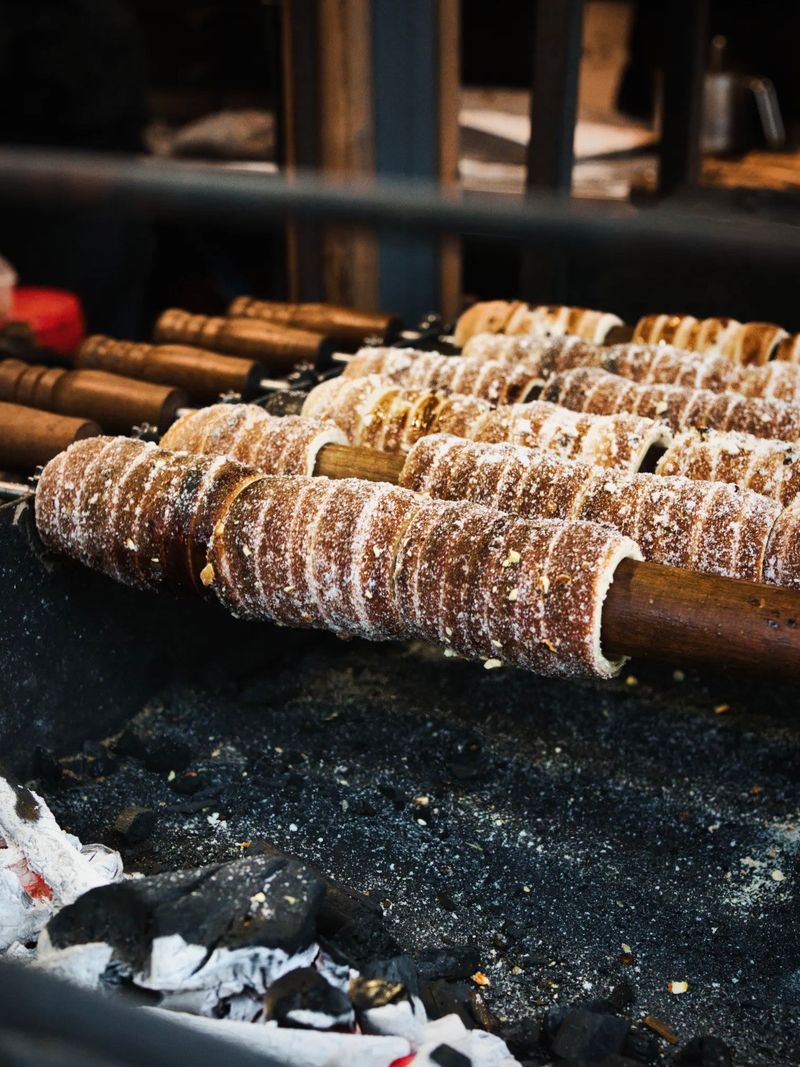
Walk through the old streets of Prague and the sweet, smoky scent of trdelnik will find you before you find it. This spiral pastry is wrapped around a wooden spit, grilled over open coals, then rolled in cinnamon sugar until every inch is caramelized and golden.
Some vendors fill the hollow center with whipped cream or ice cream. It is warm, chewy, and completely irresistible on a chilly afternoon near the Charles Bridge.
3. Socca – France
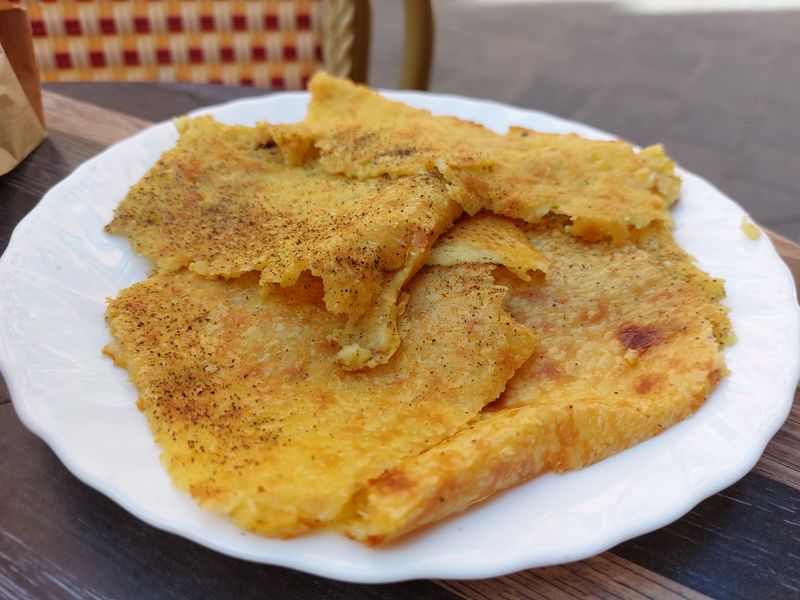
Nice, France has a secret weapon, and it is called socca. Made from chickpea flour, olive oil, and water, this thin savory pancake is cooked in a blazing hot wood-fired oven and served in rough-torn pieces with a generous crack of black pepper.
It is gluten-free, incredibly simple, and wildly satisfying. Locals eat it standing up at the market with a glass of rose wine, which honestly sounds like the perfect afternoon.
4. Kurtoskalacs – Hungary
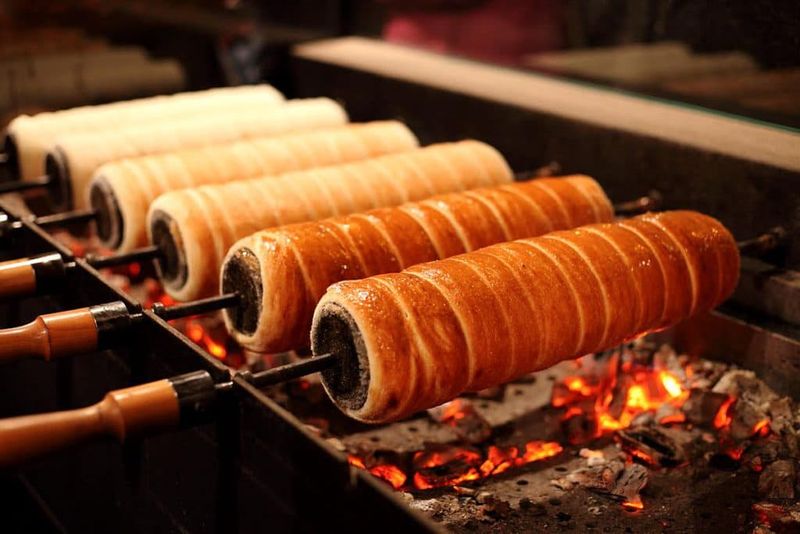
Hungary’s chimney cake, known as kurtoskalacs, has been feeding people at festivals and markets for centuries. The dough is wound around a cone-shaped spit, baked until golden, and then rolled in toppings like crushed walnuts, cinnamon sugar, or shredded coconut.
The result is a crispy, caramelized shell with a soft, pull-apart inside. Budapest’s Christmas markets serve these warm and fragrant, making them nearly impossible to walk past without stopping to grab one.
5. Poffertjes – Netherlands
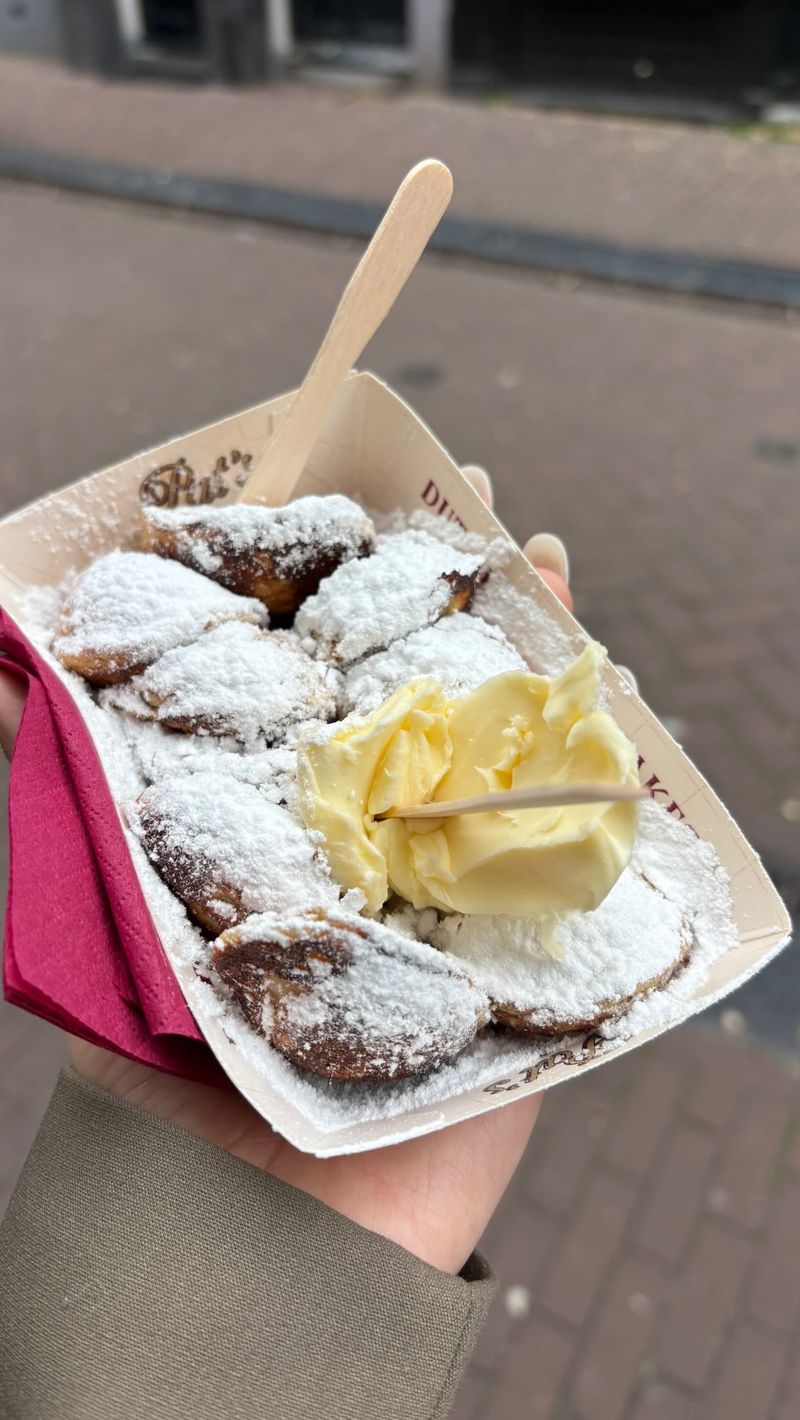
Poffertjes are the Netherlands’ answer to pancakes, and they are absolutely adorable. These tiny, fluffy rounds are cooked in a special cast-iron pan with shallow round molds, creating bite-sized puffs that are soft in the center and lightly golden on the edges.
Topped with powdered sugar and a melting cube of butter, they are sweet, simple, and completely addictive. You will find them at Dutch markets and fairs year-round, always made fresh and piping hot.
6. Loukoumades – Greece

Ancient Greeks may have served these at the original Olympic Games, making loukoumades possibly the oldest street food on this entire list. These small, deep-fried dough balls are light as air, crunchy on the outside, and pillowy within.
A drizzle of warm honey, a pinch of cinnamon, and a scattering of crushed walnuts finish them off perfectly. Every Greek city has its own version, but they all share that same irresistible combination of crispy, sweet, and warm.
7. Currywurst – Germany
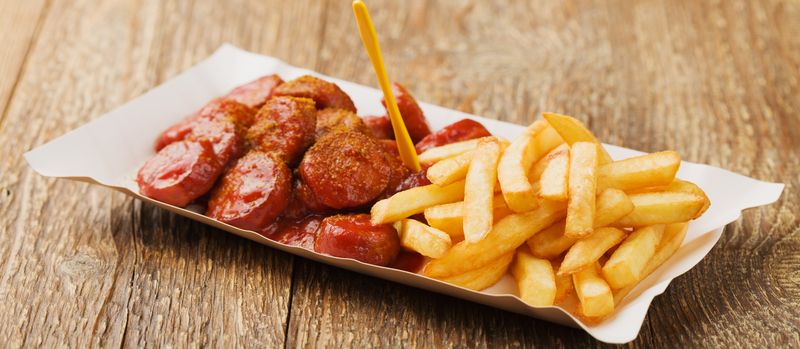
Berlin without currywurst is like a concert without music. This iconic German street snack features a grilled or fried pork sausage sliced into rounds and drenched in a tangy tomato-curry ketchup sauce, then dusted with curry powder on top.
It was invented in Berlin in 1949, and the city has never looked back. Served in a paper tray with a tiny wooden fork, it is messy, bold, and deeply satisfying in the way only truly great street food can be.
8. Pastel de Nata – Portugal
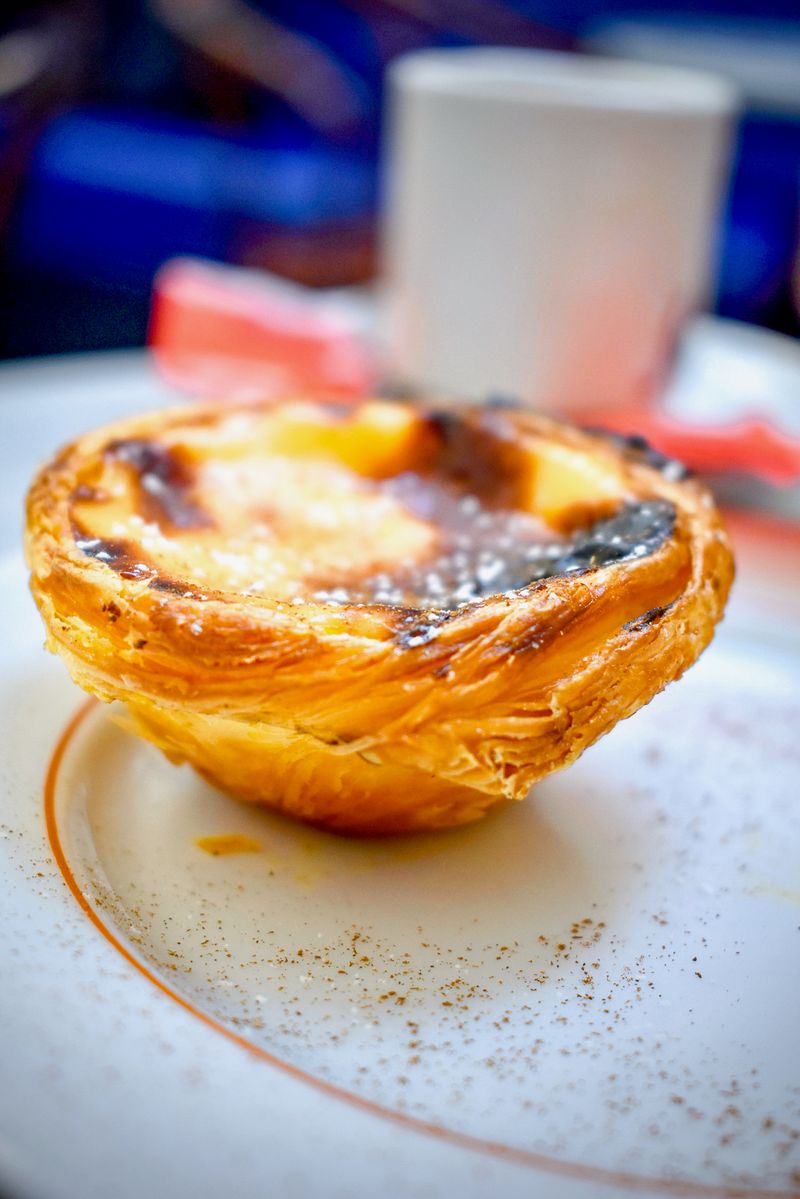
Portugal’s pastel de nata is proof that simple ingredients can create something extraordinary. A flaky, buttery pastry shell cradles a creamy egg custard that is baked at high heat until the top blisters and caramelizes into dark, golden patches.
Monks in Lisbon invented the recipe in the 18th century, and it has been perfected ever since. Dust it with cinnamon, eat it warm, and try not to immediately order a second one.
Most people fail that last part.
9. Langos – Hungary
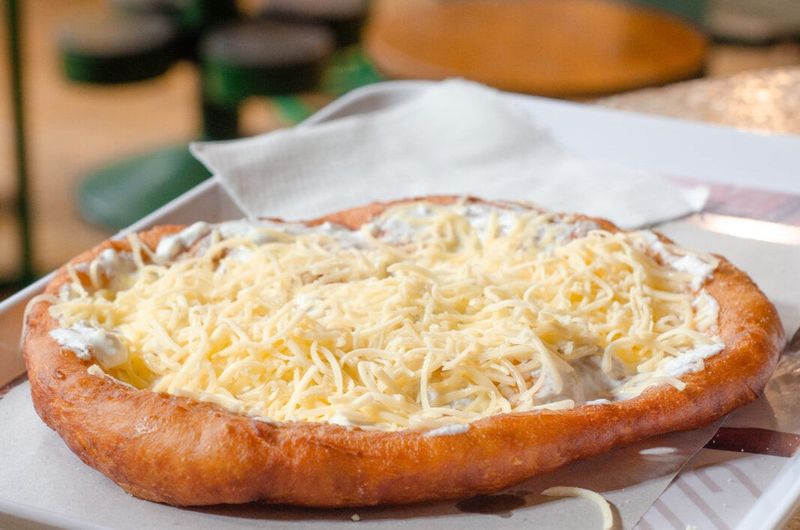
Langos is Hungary’s deep-fried flatbread, and it is the kind of snack that ruins your diet plans in the most cheerful way possible. The dough is stretched thin, dropped into hot oil, and fried until it puffs up golden and crispy around the edges.
Classic toppings include sour cream and grated cheese, though garlic butter and smoked meats are also popular. You will find it at markets and fairs across Hungary, always served hot and always a little greasy in the best way.
10. Arancini – Italy
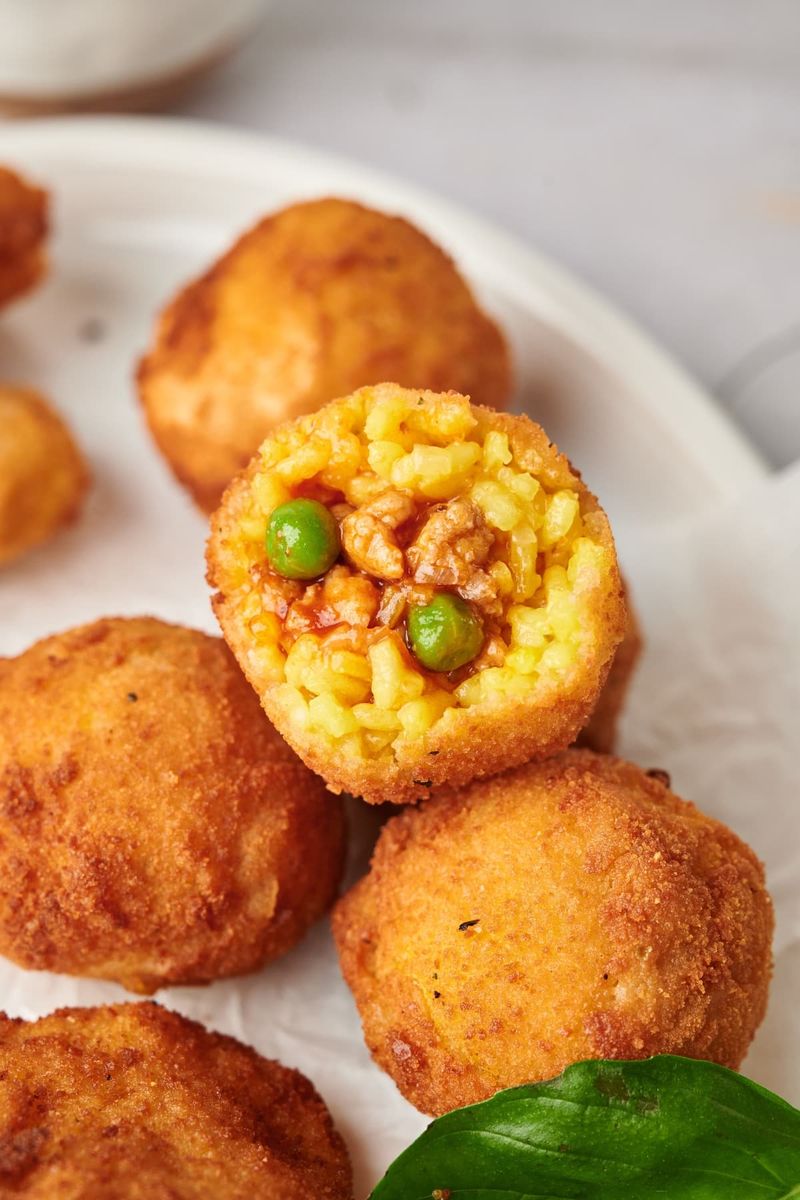
Sicily’s arancini are golden, crispy rice balls stuffed with rich ragu, melted mozzarella, or creamy pistachio filling. The name means little oranges in Italian, which makes sense once you see their round, golden shape.
They are fried until the outside is perfectly crunchy, while the inside stays warm and gooey. Street vendors in Palermo have been selling these since at least the 10th century, making arancini one of the most historically satisfying snacks you can track down anywhere in Europe.
11. Stroopwafel – Netherlands
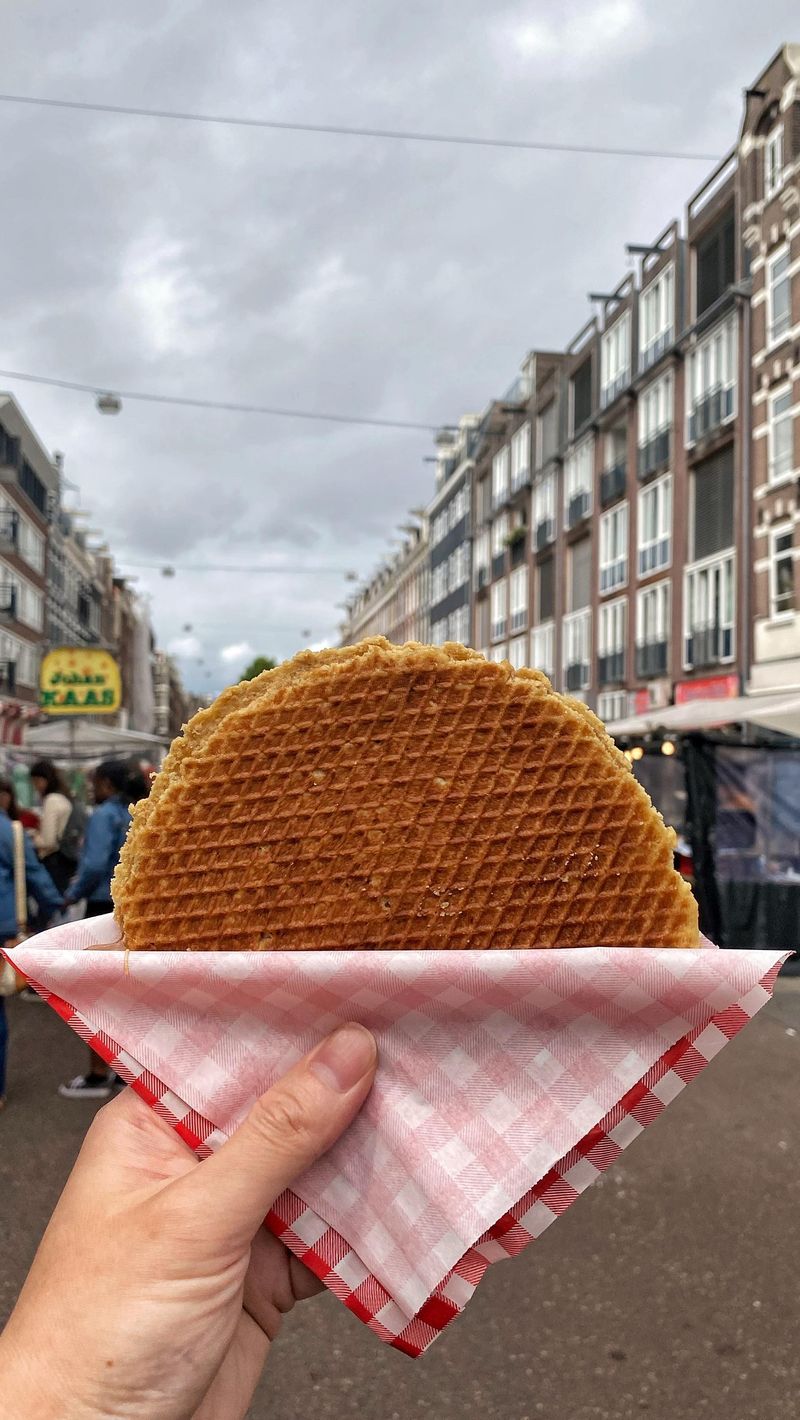
A stroopwafel might look like a simple cookie, but there is a whole ritual involved. Two thin waffle layers sandwich a chewy caramel syrup filling, and the proper way to eat one is to place it over a hot cup of coffee or tea and let the steam soften the caramel inside.
Invented in Gouda in the early 1800s, stroopwafels are sold fresh and warm at Dutch markets. That warm, gooey version is on a completely different level from the packaged ones you find in stores.
12. Burek – Balkans
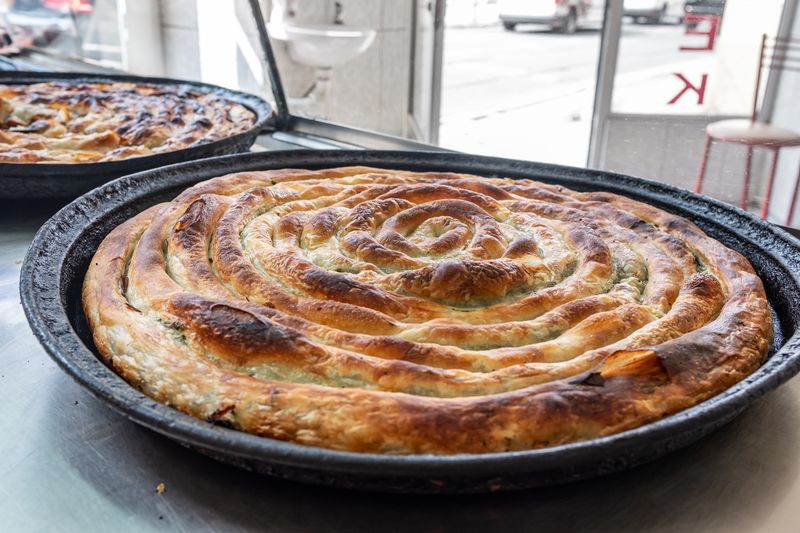
Burek is the Balkans’ most beloved street food, and once you have eaten a fresh one from a bakery in Sarajevo or Belgrade, you will understand why. Layers of thin phyllo-style dough are wrapped around fillings of spiced minced meat, white cheese, or spinach, then baked or fried until shatteringly crispy.
It is eaten at all hours, from early breakfast to late night after a long evening out. Hearty, flavorful, and cheap, burek is a true working-class classic that has stood the test of time.
13. Kielbasa – Poland
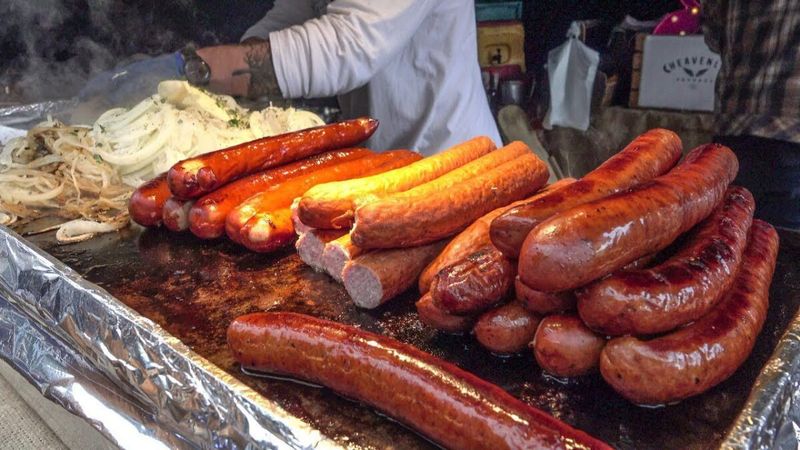
Poland takes its sausages seriously, and kielbasa is the crown jewel. Grilled over open flames at market stalls across the country, this smoked pork sausage develops a beautifully charred casing with a juicy, spiced interior that snaps when you bite into it.
Pair it with a soft roll, a swipe of sharp mustard, and a heap of sauerkraut, and you have a meal that feels both rustic and deeply satisfying. Krakow’s main market square is one of the best places to find a great one.
14. Crepes – France
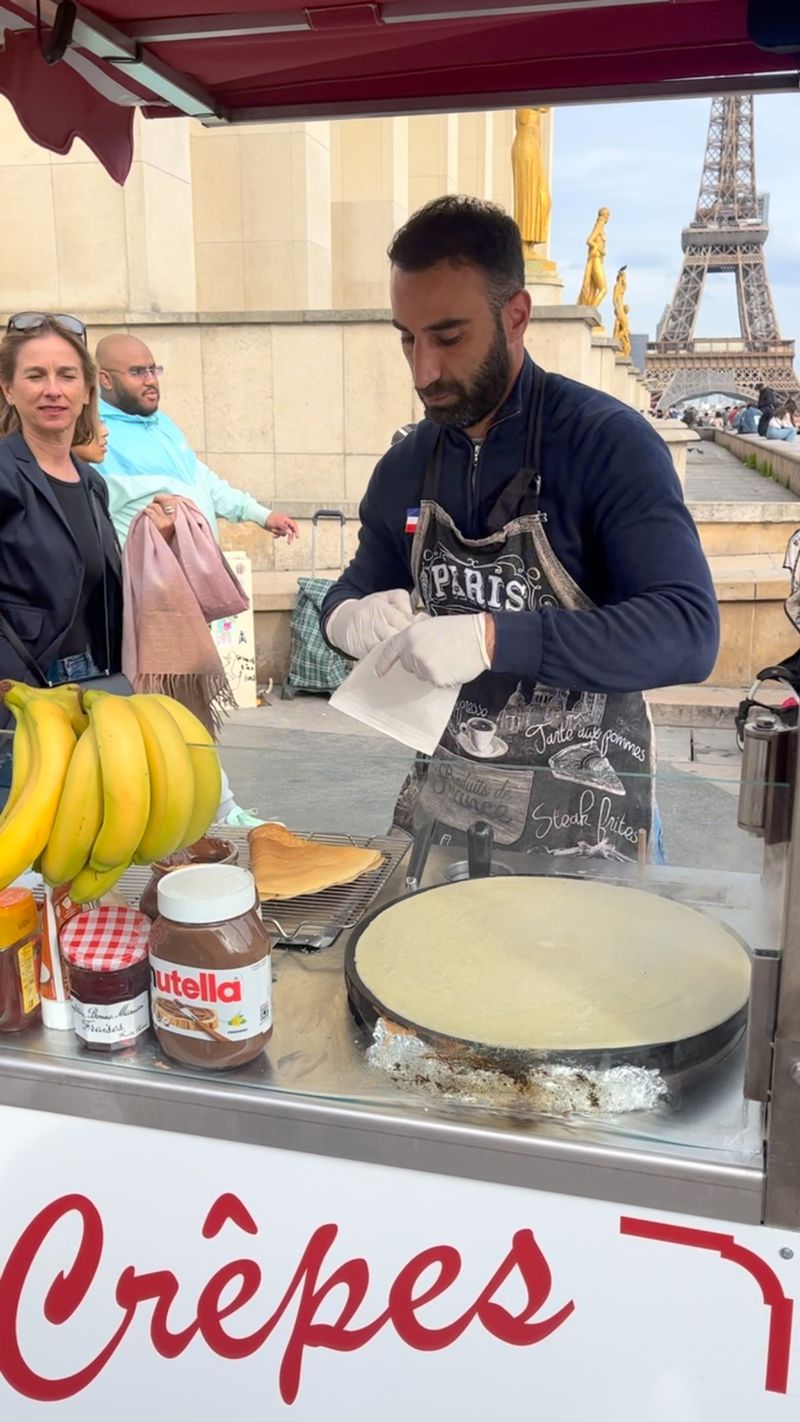
Few things in life are as satisfying as watching a skilled crepe maker pour a thin circle of batter onto a hot round griddle and spread it perfectly in seconds. Paris street crepes come in sweet and savory versions, from Nutella and banana to ham, egg, and melted Gruyere cheese.
They fold neatly into a triangle or cone shape for easy walking-and-eating. Whether you grab one for dessert or a quick lunch, a Paris crepe always feels like a little treat worth celebrating.
15. Mici – Romania
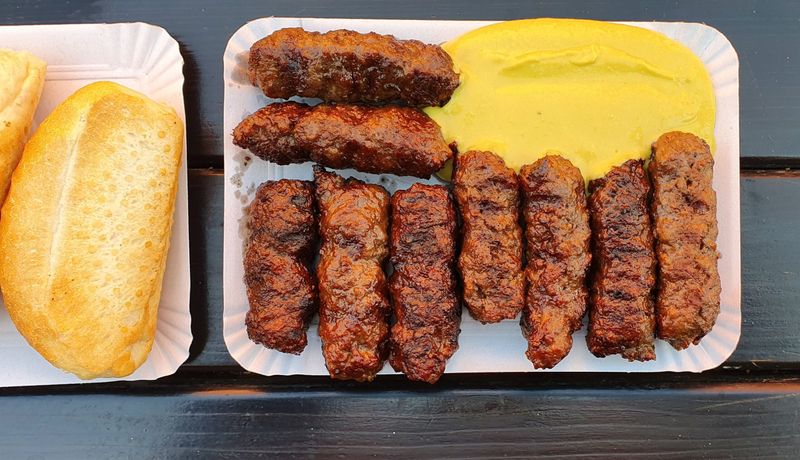
Romanians grill these skinless sausage rolls called mici at every outdoor gathering, from summer festivals to roadside stands. Made from a mix of beef, pork, and lamb seasoned with garlic, thyme, and baking soda, they are pressed into finger-sized cylinders and cooked directly on a hot grill.
The baking soda gives them a uniquely springy, juicy texture. Served with sharp mustard and a slice of fresh bread, mici are smoky, garlicky, and utterly addictive in a way that is hard to explain until you try one.
16. Pretzels – Germany
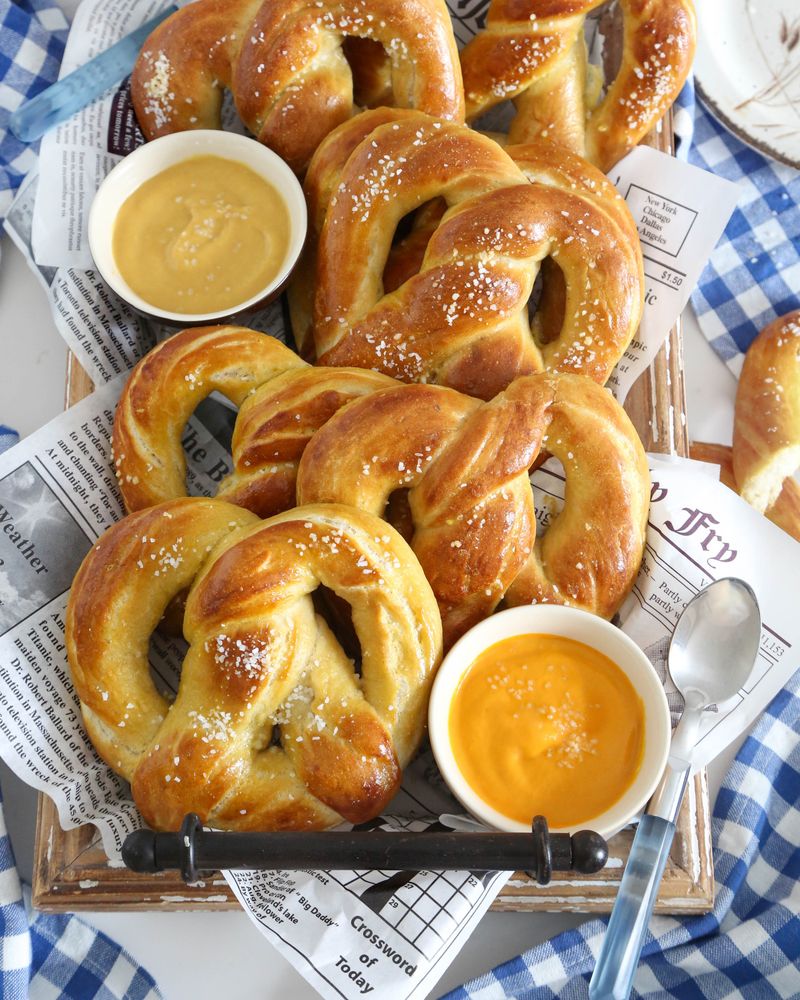
Germany’s soft pretzel is one of the most recognizable street snacks in the world, but eating one fresh from a Munich bakery or Oktoberfest stall is something else entirely. The dough is dipped in a lye solution before baking, which gives it that distinctive dark, shiny crust and uniquely chewy bite.
Coarse salt crystals sit on top, adding a satisfying crunch. Pair it with sweet mustard or a cold beer and you have a snack that has been perfecting itself for over 600 years.
17. Pintxos – Spain
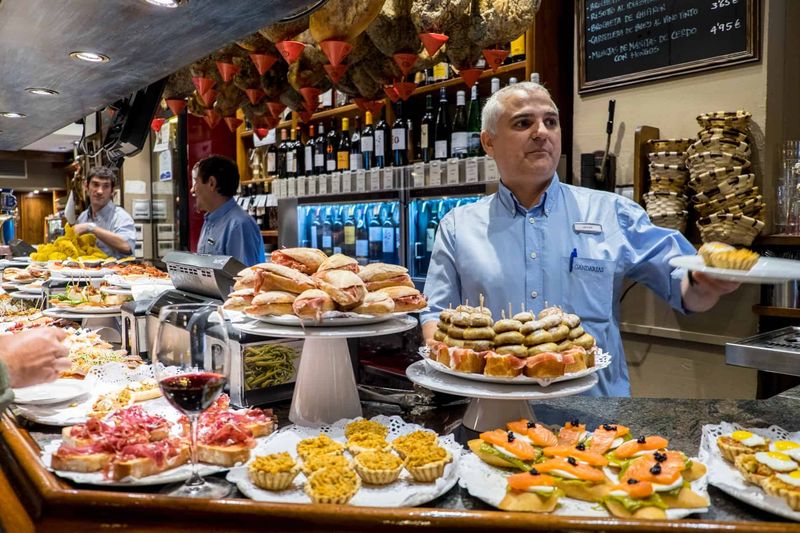
San Sebastian in the Basque Country of Spain is home to some of the most creative small bites in Europe, and pintxos are at the center of it all. These one-bite snacks are typically served on small slices of baguette, skewered with a toothpick, and topped with combinations like anchovy and pepper, cured ham, or smoked fish.
Bar counters overflow with colorful options every evening. The local tradition is to hop from bar to bar, grabbing a pintxo and a small glass of wine at each stop.
18. Halloumi Fries – Cyprus

Cyprus gave the world halloumi, and turning it into fries was an inspired move. Thick sticks of this salty, squeaky cheese are coated lightly and fried until the outside is crispy and golden while the inside stays soft and gooey without fully melting.
They are served with cooling mint yogurt or a squeeze of lemon, balancing the richness perfectly. Street food stalls across Cyprus sell them as a snack or starter, and they have since spread across Europe as one of the trendiest bites around.
19. Frikandel – Belgium and Netherlands
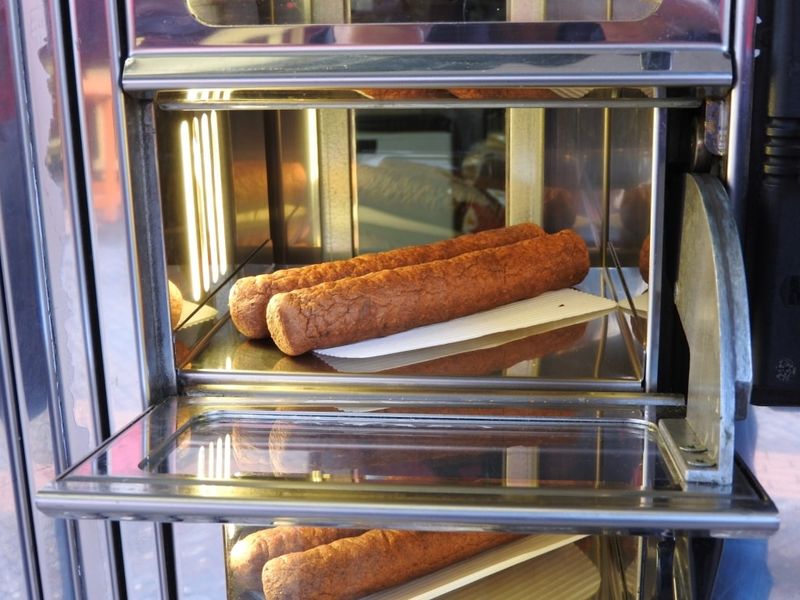
The frikandel is a beloved mystery of Dutch and Belgian street food. Nobody is entirely sure what goes into it, but this deep-fried minced meat sausage has been a fast-food staple in both countries for decades.
It has a slightly crispy skin and a soft, savory interior with a mild, smoky flavor.
The classic version comes in a soft white roll loaded with mayonnaise, curry ketchup, and raw diced onions. It is messy, satisfying, and completely unpretentious in the best possible way.
20. Taralli – Italy
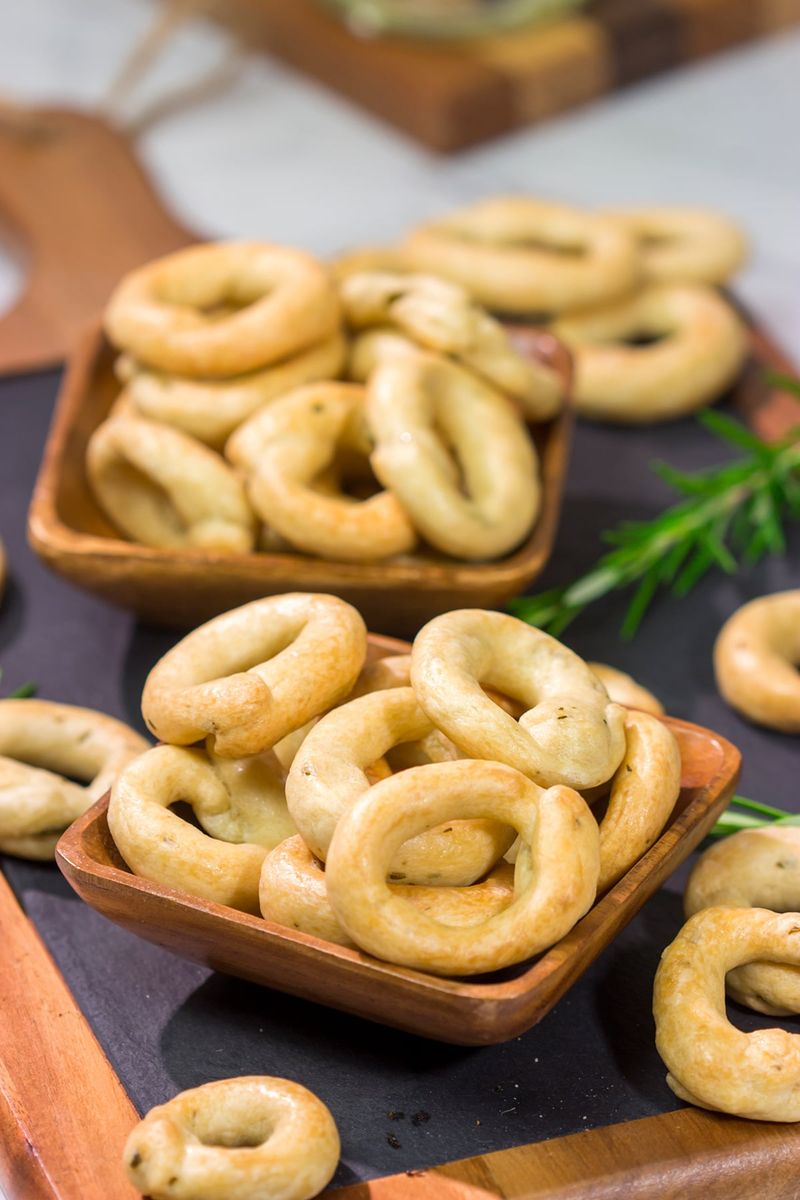
Southern Italy’s answer to the pretzel, taralli are small ring-shaped crackers made from olive oil dough that is first boiled, then baked until hard and golden. The texture is somewhere between a breadstick and a cracker, with a satisfying snap when you bite in.
Fennel seeds, black pepper, or chili are common flavorings, giving each batch a distinct personality. Vendors in Puglia and Naples sell them in paper bags as a casual snack, and they pair wonderfully with a cold drink on a warm afternoon.
21. Bitterballen – Netherlands
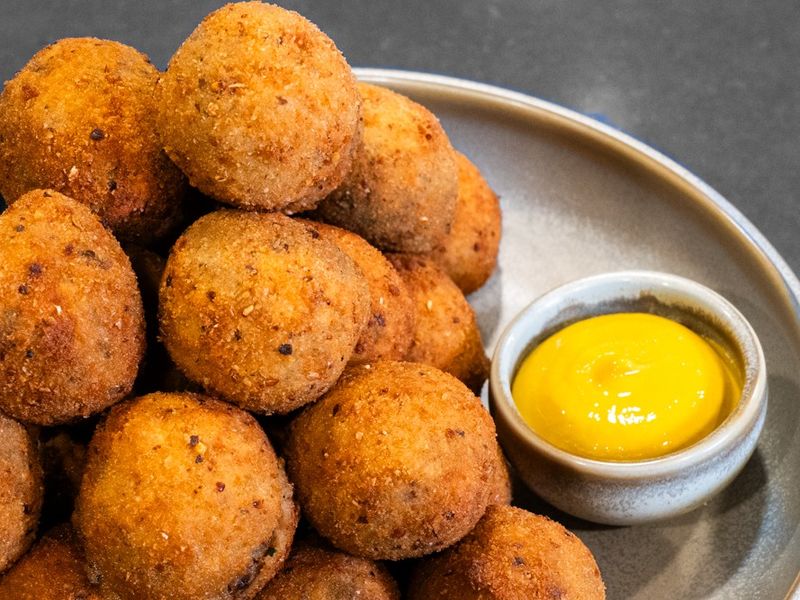
Bitterballen are the Dutch pub snack that everyone falls in love with immediately. These small, perfectly round croquettes are filled with a creamy beef ragout that is chilled until firm, coated in breadcrumbs, and deep-fried until the outside turns shatteringly crispy and golden.
Cut one open carefully because the inside is molten hot. Dip it in sharp mustard and you have something truly special.
Amsterdam’s brown cafes serve them constantly, and they are the perfect companion to a cold Dutch beer on a rainy afternoon.
22. Obwarzanek – Poland
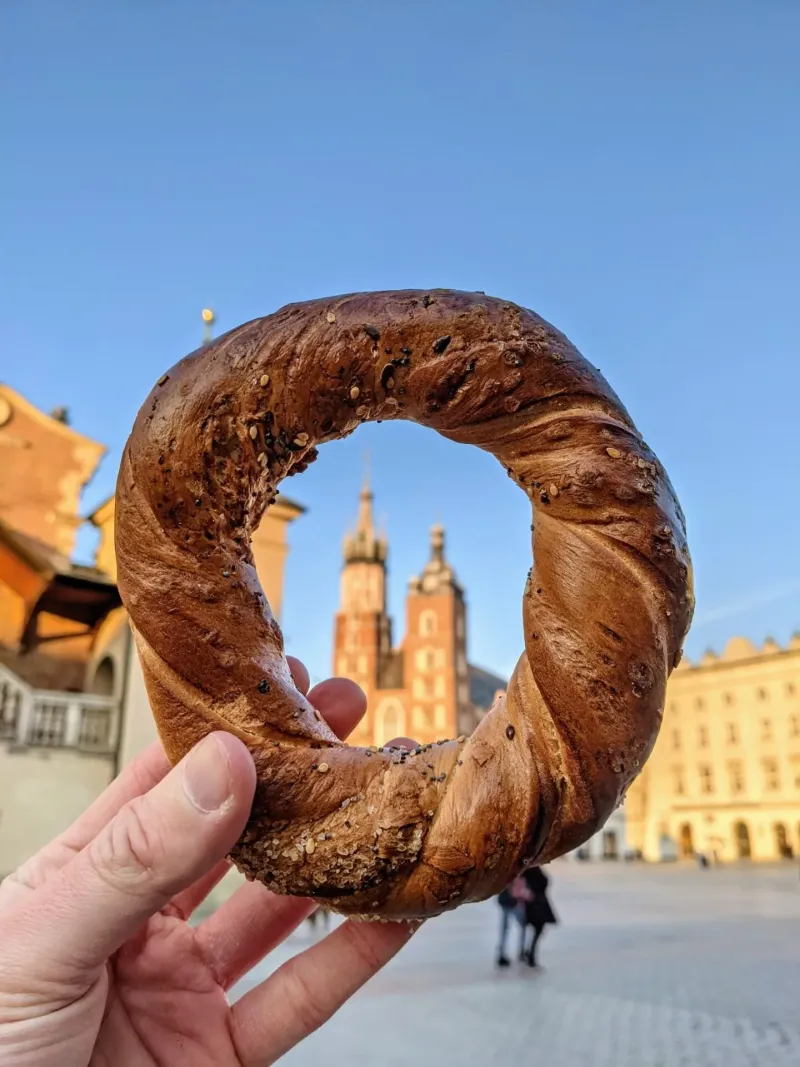
Long before the New York bagel existed, Krakow had the obwarzanek. This ring-shaped bread is boiled and then baked, giving it a chewy crust and a soft interior, similar to a pretzel but lighter and slightly sweet.
Street vendors in Krakow sell them from distinctive red carts that have become a symbol of the city itself.
Toppings include sesame seeds, poppy seeds, or coarse salt. They are inexpensive, filling, and have been a Krakow street staple since at least the 14th century.