
Spices make food taste amazing, but as we get older, our bodies can react to them differently than they used to. Some spices that seem totally harmless can actually cause issues like heartburn, high blood pressure, or even interfere with medications.
Knowing which ones to watch out for can make a big difference in staying healthy and feeling good. Here are 15 spices worth using a little more carefully in everyday cooking.
1. Salt
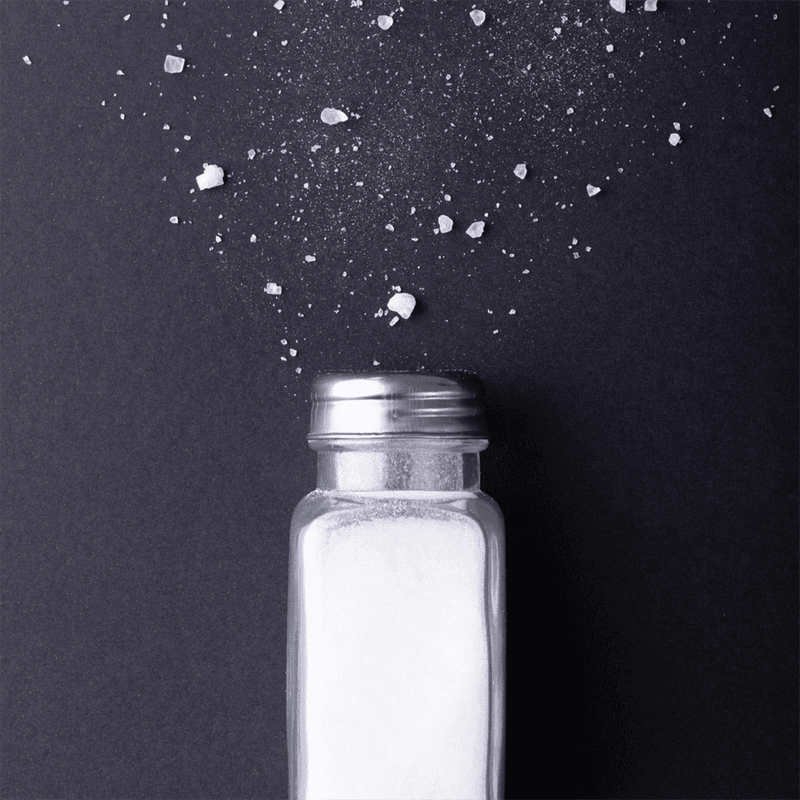
Salt is probably the most-used seasoning in kitchens around the world, but too much of it can quietly cause problems. For older adults, excess sodium raises blood pressure and puts extra strain on the heart and kidneys.
Many processed foods already contain a lot of hidden salt, so adding more at the stove adds up fast. Try using herbs like thyme or oregano to bring flavor without the sodium overload.
2. Cayenne Pepper
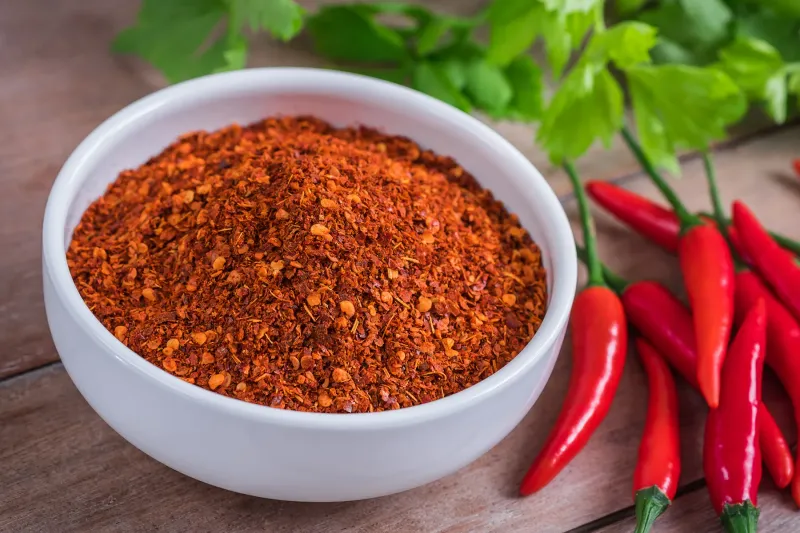
Cayenne pepper brings serious heat to any dish, and that fiery kick can be a lot for aging digestive systems to handle. It is known to trigger acid reflux and stomach irritation, especially when used generously.
Older adults who take blood thinners should also be careful, since cayenne can affect how those medications work. A small pinch here and there is usually fine, but going heavy on the heat may not be worth the discomfort.
3. Turmeric
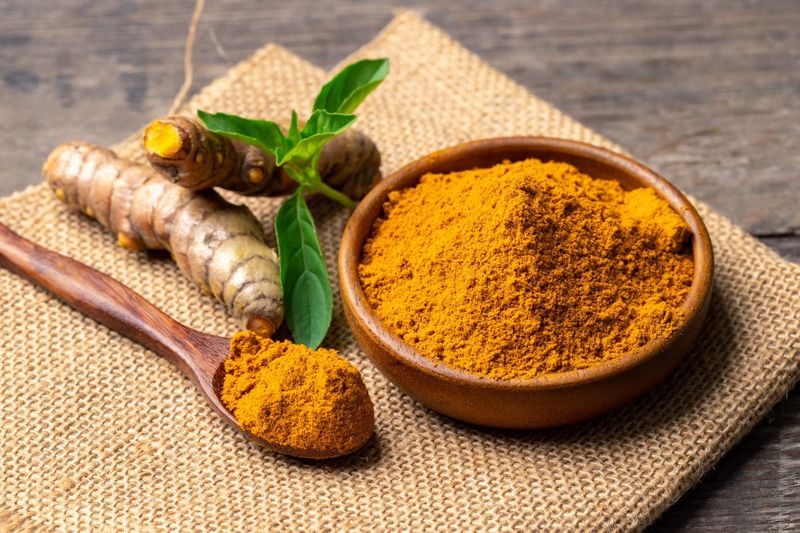
Turmeric has been praised for its anti-inflammatory benefits, and many people add it to everything from smoothies to soups. However, taking too much of it can cause stomach upset, nausea, or diarrhea, especially for sensitive digestive systems.
High doses may also interfere with blood-thinning medications, which many older adults rely on daily. Using turmeric in moderate amounts as a cooking spice is generally safe, but concentrated supplements are a different story worth discussing with a doctor.
4. Black Pepper
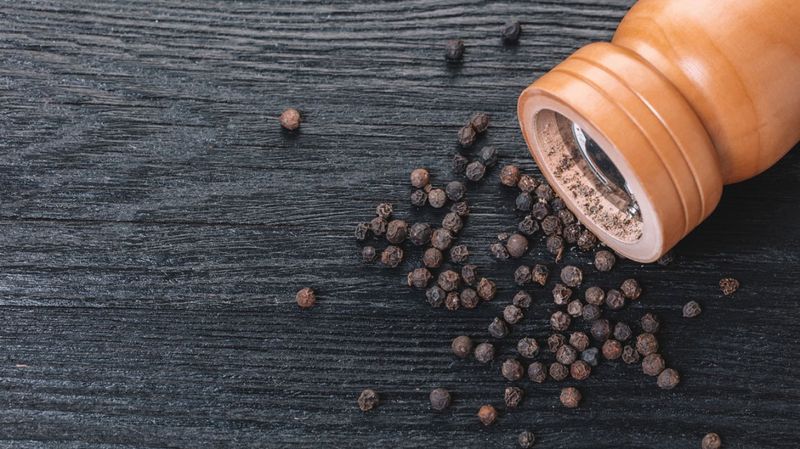
Black pepper is so common that most people never think twice about how much they use. But for older adults dealing with acid reflux or GERD, too much black pepper can make symptoms noticeably worse.
It contains a compound called piperine, which can irritate the stomach lining when consumed in large amounts. Cutting back slightly and using milder seasonings as substitutes can help keep meals flavorful without the digestive discomfort that often follows a heavily peppered dish.
5. Garlic Powder
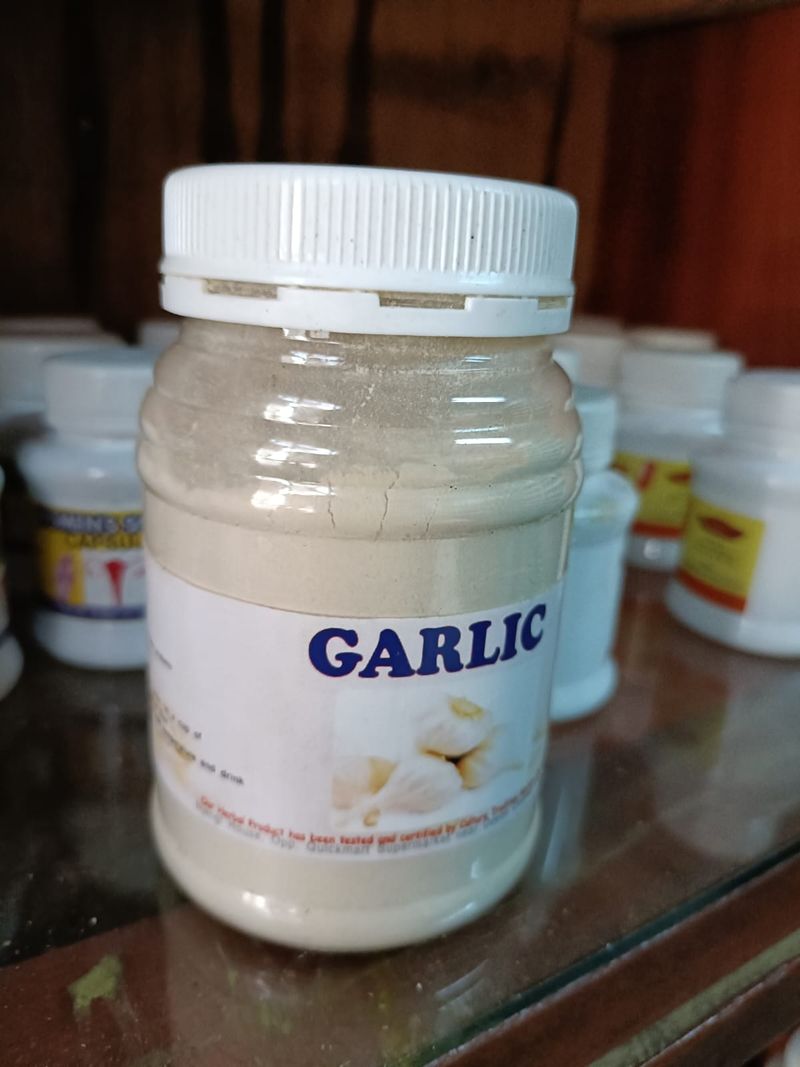
Garlic has a long history as both a cooking staple and a natural remedy, but older adults should know that it can thin the blood. Using garlic powder heavily, especially alongside blood-thinning medications, can increase bleeding risk.
It can also cause heartburn and digestive upset when eaten in large quantities. Fresh garlic tends to have stronger effects than powder, but both deserve a moderate approach.
The flavor is bold enough that a small amount goes a long way in most recipes.
6. Cinnamon
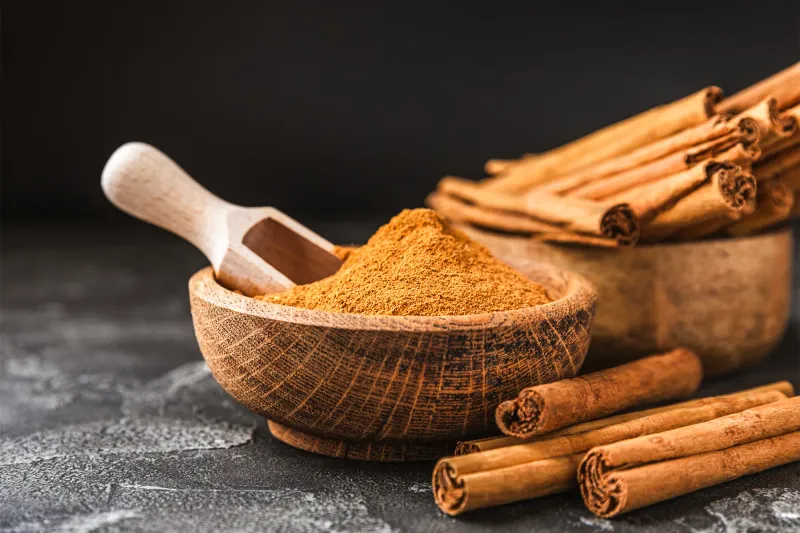
Cinnamon smells wonderful and adds warmth to baked goods, oatmeal, and coffee, making it easy to use generously without thinking. The problem is that the most common type, Cassia cinnamon, contains coumarin, which can harm the liver when consumed in large amounts over time.
Older adults with liver concerns or those on blood thinners should be particularly mindful. Ceylon cinnamon is considered a safer option, but even then, moderation keeps things on the safe side.
7. Chili Powder
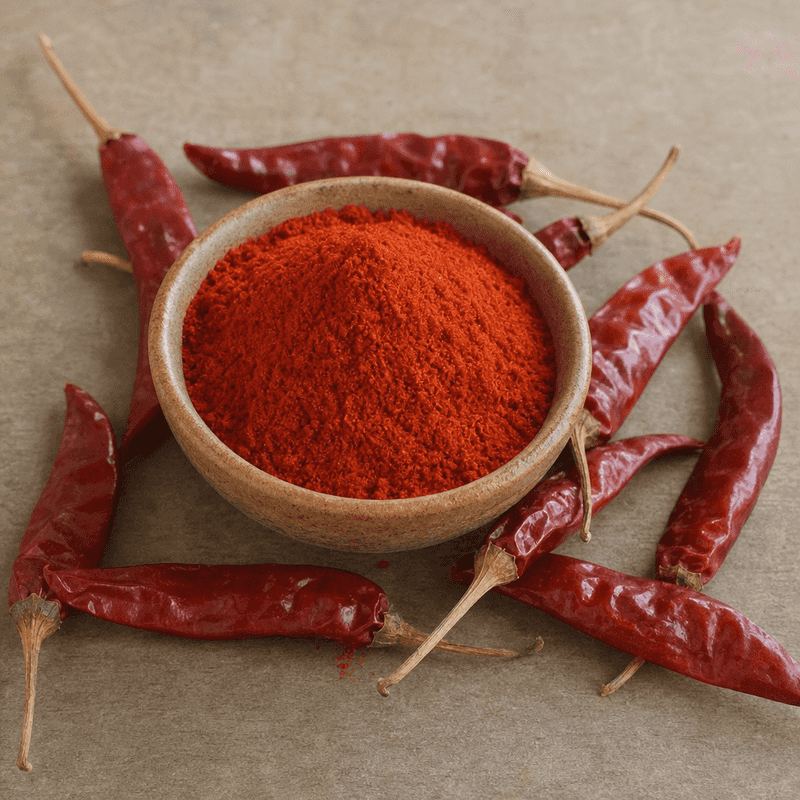
Chili powder blends together several strong spices, including cayenne, cumin, and paprika, making it a powerfully spicy combination. For older adults with sensitive stomachs or acid reflux, this mix can quickly become too much to handle comfortably.
Regular heavy use may also irritate the gut lining over time. Reducing the amount used in recipes and opting for milder spice blends can still deliver great flavor.
Many dishes taste just as satisfying with a lighter hand on the chili powder.
8. Ginger
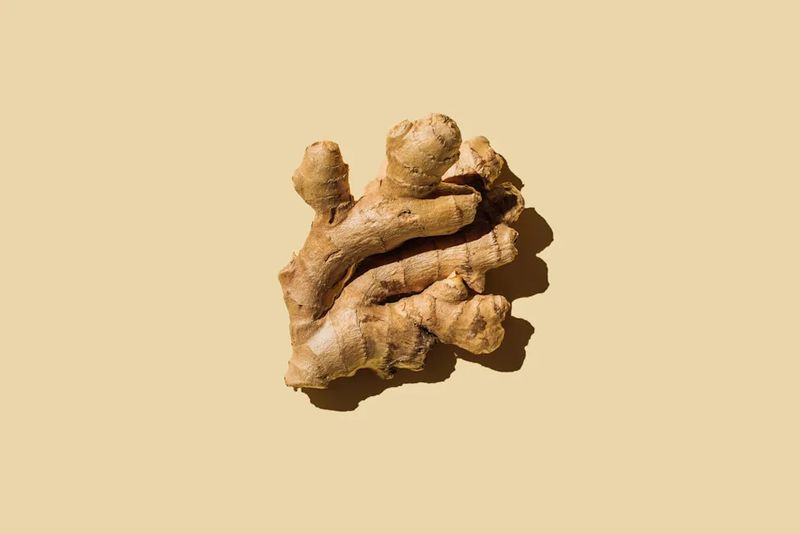
Ginger is widely known for calming an upset stomach, but using too much of it can actually have the opposite effect. Large amounts of ginger may cause heartburn, mouth irritation, or digestive discomfort in some older adults.
Like garlic and turmeric, ginger also has mild blood-thinning properties, so people on anticoagulant medications should keep their intake in check. A small amount of ginger in cooking or tea is usually perfectly fine and even beneficial for most people.
9. Nutmeg
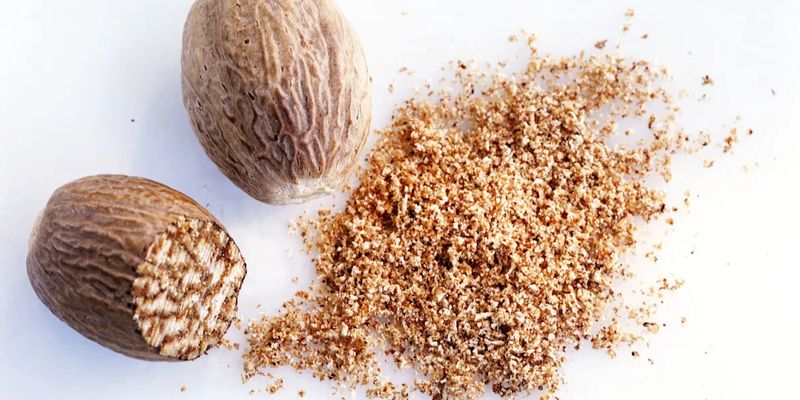
Nutmeg might seem like a harmless holiday spice, but it actually contains a compound called myristicin that can be toxic in large doses. Even a teaspoon or two consumed at once can cause nausea, dizziness, and confusion, which are especially concerning for older adults.
Most recipes only call for a pinch, and that small amount is perfectly safe. The key is not going overboard.
Using nutmeg sparingly in baked goods or creamy sauces keeps the flavor lovely without any unwanted side effects.
10. Cloves
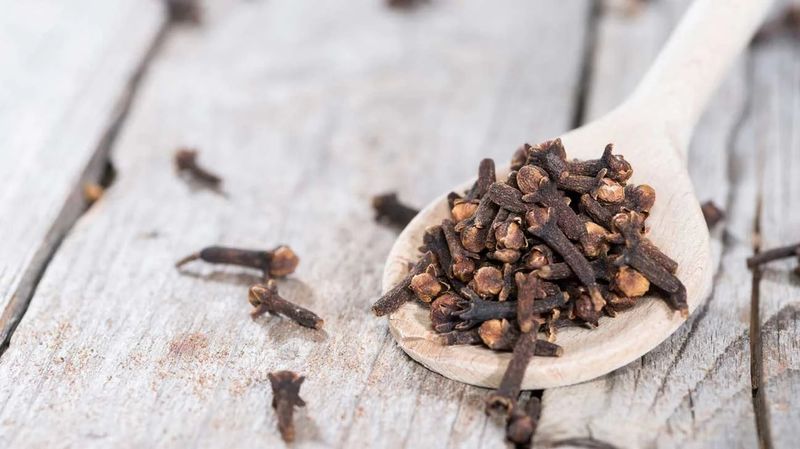
Cloves have a strong, distinctive flavor that can easily overpower a dish, and they also pack some surprising health considerations. They contain eugenol, a natural compound that can interfere with blood clotting when consumed in large amounts.
For older adults already taking blood-thinning medications, this is worth keeping in mind. Cloves are wonderful in small doses for flavoring stews, baked goods, and warm drinks.
Sticking to just a pinch or two per dish is really all you need for great taste.
11. Paprika
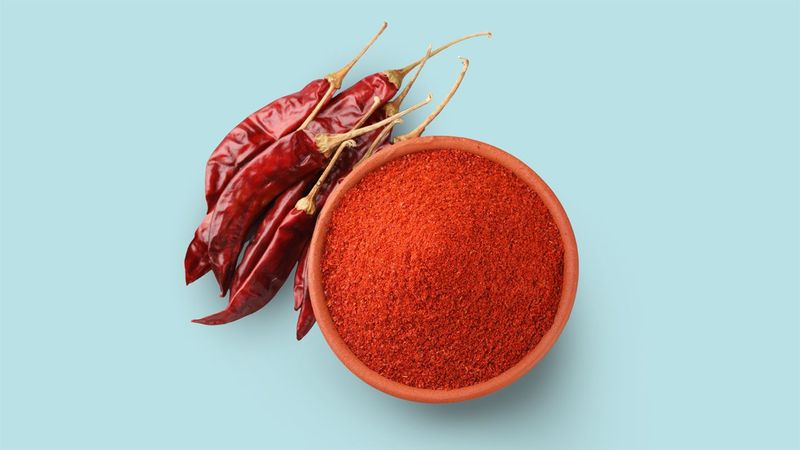
Paprika adds beautiful color and mild flavor to dishes, but it is still made from ground peppers and can irritate sensitive stomachs in larger amounts. Smoked paprika, in particular, has a more intense flavor profile that can trigger acid reflux for some people.
Older adults with digestive sensitivities may notice discomfort after meals that include heavy paprika seasoning. Using it as a light garnish rather than a main seasoning can keep the visual appeal and flavor without overwhelming the stomach.
12. Cumin
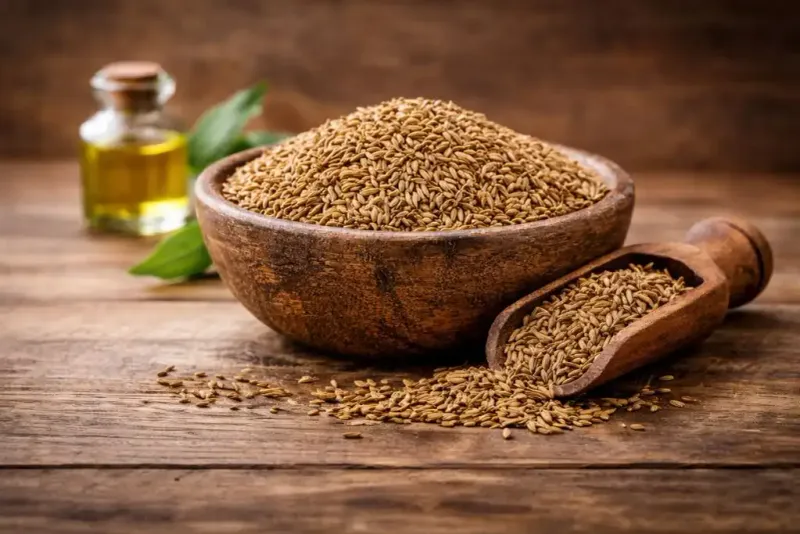
Cumin gives dishes a warm, earthy depth that is hard to replicate, making it a favorite in many cuisines. However, consuming it in large quantities can cause heartburn and stomach irritation, especially for older adults who already have digestive issues.
Some research also suggests cumin may lower blood sugar, which could be a concern for those managing diabetes with medication. Using cumin in reasonable amounts as part of a balanced recipe keeps the flavor without tipping into uncomfortable territory for the body.
13. Mustard Seed
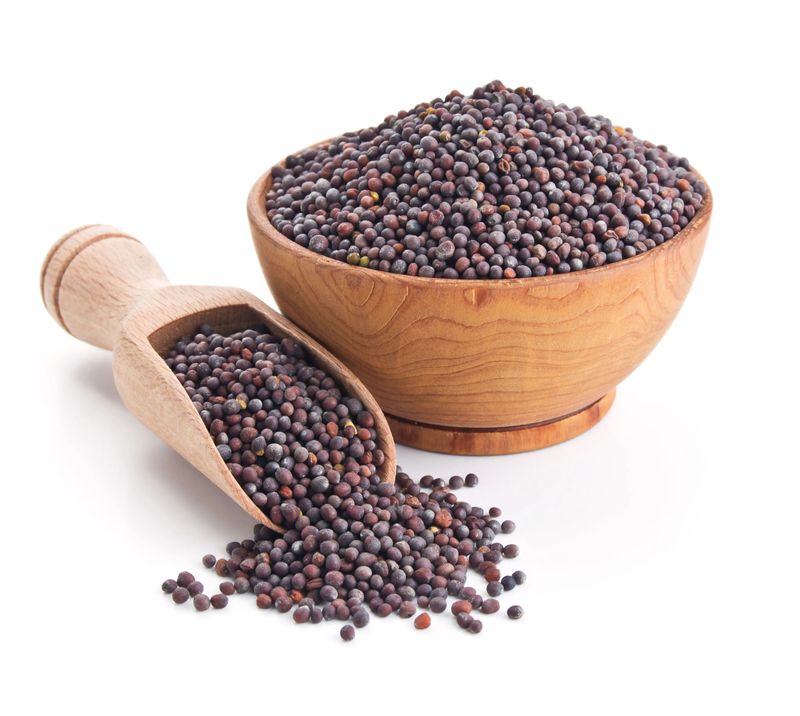
Mustard seeds are a staple in many spice blends and pickling recipes, offering a sharp, slightly bitter flavor. For older adults, consuming too many mustard seeds can cause gastrointestinal irritation and may trigger allergic reactions in those with sensitivities.
Mustard is also one of the top food allergens, so it deserves more attention than it usually gets. A small amount used in cooking is generally fine, but going heavy on mustard-based sauces or spice rubs may not sit well with aging digestive systems.
14. Licorice Root (Anise)
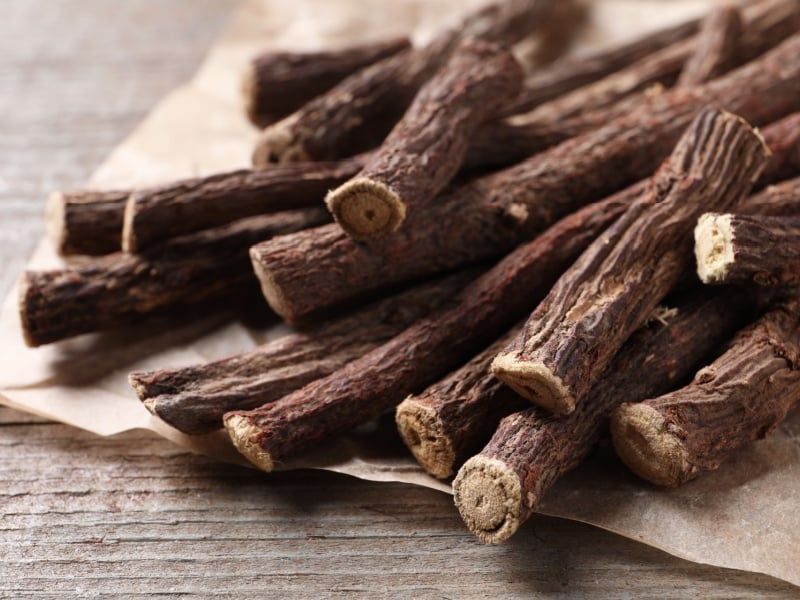
Anise and licorice root share a similar flavor profile and are used in teas, candies, and some savory dishes. What surprises many people is that licorice root contains glycyrrhizin, a compound that can raise blood pressure and lower potassium levels when consumed regularly.
For older adults managing hypertension or heart conditions, this is especially relevant. Even anise-flavored foods and drinks can add up over time.
Enjoying them occasionally rather than daily is a smart approach for long-term health.
15. Horseradish
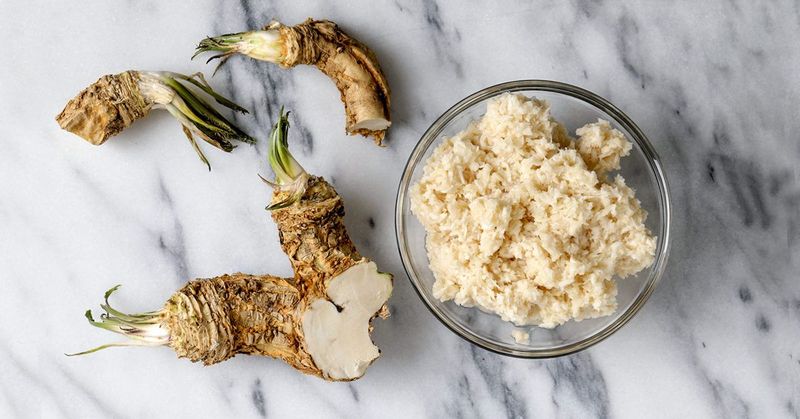
Horseradish delivers a sharp, sinus-clearing punch that many people love, but that intensity comes with some caution for older adults. It can irritate the stomach lining and worsen symptoms of ulcers, acid reflux, or inflammatory bowel conditions quite quickly.
People with kidney problems are also advised to limit horseradish intake since it can stress the kidneys. A small dollop on roast beef or in a dip is usually fine.
Just avoid loading up on it meal after meal to stay comfortable.