
Marriage can feel rock-solid one day and surprisingly shaky the next, often without a single dramatic blowup to explain why. Many couples don’t realize their relationship is struggling until the cracks have grown too wide to ignore.
The warning signs are often quiet, easy to brush off, and mistaken for just a rough patch. Knowing what to look for early can make all the difference between saving your marriage and losing it.
1. You’ve Stopped Sharing the Small Stuff

Remember when you used to text your spouse a funny meme or tell them about the weird thing that happened at the grocery store? When those little moments of sharing fade away, it’s easy to miss them at first.
But that daily chatter is actually the glue that keeps couples feeling close.
Losing those small exchanges means you’re slowly becoming strangers. Couples who stop sharing everyday details often report feeling lonely even while living together.
Rebuilding that habit, even with something tiny, can restart the connection.
2. Arguments Never Actually Get Resolved

Every couple argues, but healthy couples eventually work through it. When the same fights keep coming back, week after week, it’s a sign that something deeper is going unaddressed.
Unresolved conflict doesn’t disappear; it piles up like unpaid bills.
Over time, these repeated arguments create resentment that quietly poisons the relationship. Research from Dr. John Gottman shows that couples who never truly resolve disagreements are at a much higher risk of divorce.
Finding a way to actually close arguments matters more than winning them.
3. Eye-Rolling Has Become Your Go-To Response

It might seem harmless, but Dr. John Gottman’s decades of research found that contempt, including eye-rolling, sneering, and mocking, is the single strongest predictor of divorce. Contempt communicates that you see yourself as better than your partner, and that feeling is corrosive.
Once contempt creeps into daily interactions, respect starts to erode fast. Catching yourself doing this is actually a gift, because awareness is the first step toward change.
Couples counseling can help break this pattern before it becomes the norm.
4. Physical Touch Has Quietly Disappeared

Hugs, a hand on the shoulder, a quick kiss goodbye, these small touches matter more than most people realize. When non-sexual physical contact starts to fade, it often signals that emotional distance is growing too.
The body communicates what words sometimes can’t.
Studies show that couples who maintain regular physical touch report higher relationship satisfaction overall. If you’ve noticed fewer casual touches lately, that’s worth paying attention to.
Rebuilding physical closeness, even in small ways, can help reopen emotional connection.
5. You Feel Lonelier With Them Than Without Them

Loneliness inside a marriage is one of the most painful and confusing feelings a person can experience. You’re not actually alone, yet something feels deeply missing.
When you consistently feel more at ease or happier when your spouse isn’t around, that’s a serious signal.
Emotional disconnection can make the same room feel like two separate worlds. Many people ignore this feeling, hoping it will pass on its own.
But loneliness within a marriage rarely fixes itself without honest conversation and intentional effort from both sides.
6. Defensiveness Shuts Down Every Conversation

Nobody likes being criticized, but jumping straight to self-defense every time your spouse raises a concern is a pattern worth noticing. Defensiveness blocks real communication because it shifts the focus from the problem to protecting yourself.
The other person ends up feeling unheard.
Gottman’s research labels defensiveness as one of the four key predictors of relationship breakdown. Making excuses or turning complaints back onto your partner prevents any real resolution.
Practicing phrases like “You might have a point” can feel awkward at first, but it opens doors.
7. Big Decisions Are Made Solo

Marriage is supposed to be a partnership, which means major choices, financial, career-related, or family-related, should involve both people. When one partner starts making significant decisions without consulting the other, it quietly dismantles the team dynamic that holds a marriage together.
This habit can start small, like booking a vacation without checking, and grow into something much more damaging. The partner left out often feels disrespected and invisible.
Rebuilding a culture of “we decide together” takes effort, but it’s fundamental to keeping the partnership alive.
8. Stonewalling Has Replaced Honest Talking
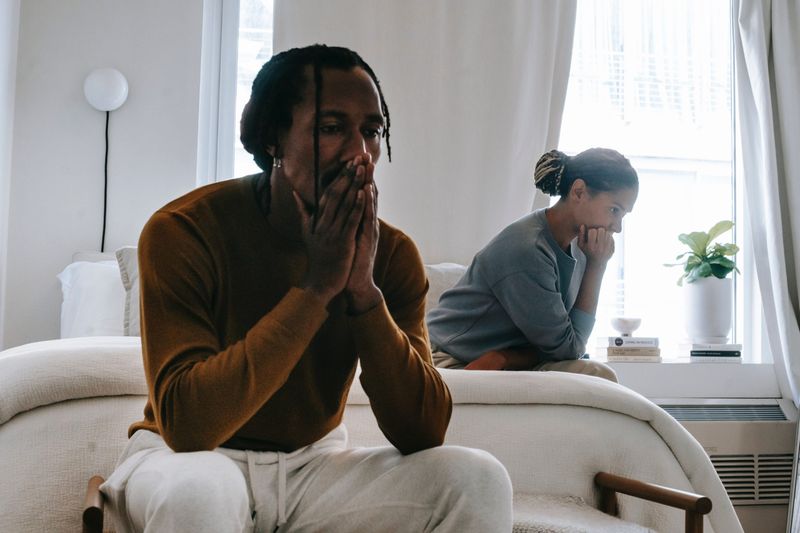
Stonewalling happens when one partner completely shuts down during conflict, going silent, leaving the room, or staring blankly at the wall. It often comes from feeling overwhelmed, but to the other person, it feels like total rejection.
And repeated rejection chips away at trust.
Gottman’s research identifies stonewalling as one of the most damaging patterns in any relationship. Over time, the partner who stonewalls trains themselves to emotionally check out.
Learning to say “I need a short break to calm down” is a healthier way to handle feeling flooded.
9. You’ve Started Keeping Secrets

Keeping secrets in a marriage goes beyond hiding a big affair. Even small omissions, like not mentioning a purchase, a conversation, or how you really spent your afternoon, can create invisible walls between partners.
Secrecy breeds distance, even when the secret itself seems minor.
Over time, the habit of hiding things becomes normal, and emotional intimacy quietly shrinks. Trust is the foundation of any strong marriage, and small cracks in that foundation add up.
Honest, open sharing, even about everyday things, keeps the bond strong.
10. Criticism Has Become a Daily Habit

There’s a big difference between giving feedback and attacking someone’s character. Criticism in marriage crosses a line when it targets who your partner is rather than what they did.
Hearing “you always mess things up” feels very different from “I wish that had gone differently.”
Constant criticism wears a person down over time, making them feel worthless rather than motivated to change. Gottman’s research marks character-based criticism as one of the top divorce predictors.
Replacing criticism with specific, kind requests is a skill that can genuinely turn things around.
11. You’re Living Like Roommates

Paying bills together, splitting chores, passing in the hallway, but never really connecting? That’s the roommate trap, and more couples fall into it than you’d expect.
It often happens gradually, as busy schedules and daily stress slowly crowd out quality time together.
Living parallel lives under the same roof can feel comfortable on the surface, but it signals a deep loss of emotional partnership. Shared dreams, inside jokes, and real conversations are what separate a marriage from a living arrangement.
Scheduling intentional time together can help reverse the drift.
12. Resentment Is Always Simmering Beneath the Surface

Resentment is like a slow leak in a tire. It doesn’t blow out all at once, but over time it leaves you completely flat.
When old grievances never get addressed, they don’t disappear; they transform into a steady, low-grade anger that colors every interaction.
Many couples carry resentment for years without naming it out loud. Snapping over small things, feeling annoyed at your spouse’s habits, or replaying old arguments in your head are all signs it’s there.
Talking through old wounds, even with a therapist’s help, is the only real way to release it.
13. Fantasizing About Life Without Your Spouse

Occasionally wondering “what if” is human. But regularly picturing your life without your spouse, or imagining being with someone else, is a sign that your emotional needs are not being met inside the marriage.
Daydreams like these are the mind’s way of seeking an exit.
These fantasies don’t always mean the marriage is doomed, but they are a red flag worth taking seriously. Ignoring them tends to make the emotional gap wider.
Bringing those unmet needs into an honest conversation with your partner, or a counselor, is a much more productive path forward.
14. Fights Have Stopped But Nothing Is Actually Fixed

When arguments suddenly stop, it might seem like progress. But if the underlying problems haven’t been solved, the silence is actually more alarming than the fighting was.
It often means one or both partners have given up on being heard and have emotionally checked out.
A marriage where no one fights anymore but nothing feels warm or connected is in a fragile state. Apathy is often harder to recover from than anger, because at least anger means someone still cares.
Reconnecting with a couples therapist can help bring those buried feelings back to the surface safely.
15. Your Spouse’s Problems Feel Like Someone Else’s Business

Early in most marriages, when your partner hurts, you hurt too. That shared emotional investment is a sign of deep bonding.
So when your spouse’s struggles start to feel like their problem and not yours, something significant has shifted in the relationship dynamic.
Empathy fading into apathy is one of the quieter warning signs that a marriage is in trouble. It can happen so gradually that neither partner notices until the emotional gap feels enormous.
Actively practicing curiosity about your spouse’s inner life, asking questions and truly listening, can help rebuild that lost empathy.
16. Irritability Over Tiny Things Is Through the Roof

Everyone has pet peeves, but when your spouse’s harmless habits suddenly feel unbearable, that irritability is usually pointing at something deeper. The way they breathe, how they load the dishwasher, the sound of their laugh; these things didn’t bother you before for a reason.
Heightened irritability often masks unresolved hurt, unmet needs, or emotional exhaustion that has nowhere else to go. The small stuff becomes a target because the real issue feels too big or too scary to name directly.
Identifying what’s actually bothering you is the first step toward addressing it honestly.
17. You No Longer Picture a Future Together

Healthy marriages are built on shared dreams. Talking about where you’ll retire, what you’ll do when the kids leave home, or even where you want to travel next year creates a sense of moving forward as a team.
When those conversations stop, something important is missing.
If you’ve started making long-term plans without including your spouse, or if the idea of a future together feels more like a chore than an adventure, pay attention to that feeling. A marriage without a shared vision often drifts apart slowly, without either person noticing until it’s too late.
18. Trust Has Taken a Hit and Never Fully Recovered

Trust is the invisible structure that holds a marriage upright. Once it’s damaged, whether through dishonesty, infidelity, or broken promises, rebuilding it takes serious time and intentional effort from both partners.
Hoping it will just heal on its own rarely works.
A marriage where trust hasn’t been repaired often shows up as constant suspicion, checking phones, second-guessing stories, or feeling on edge around your partner. These behaviors aren’t signs of being controlling; they’re signs of unhealed wounds.
Working with a therapist who specializes in rebuilding trust can make a real difference.
19. Effort Has Become Completely One-Sided
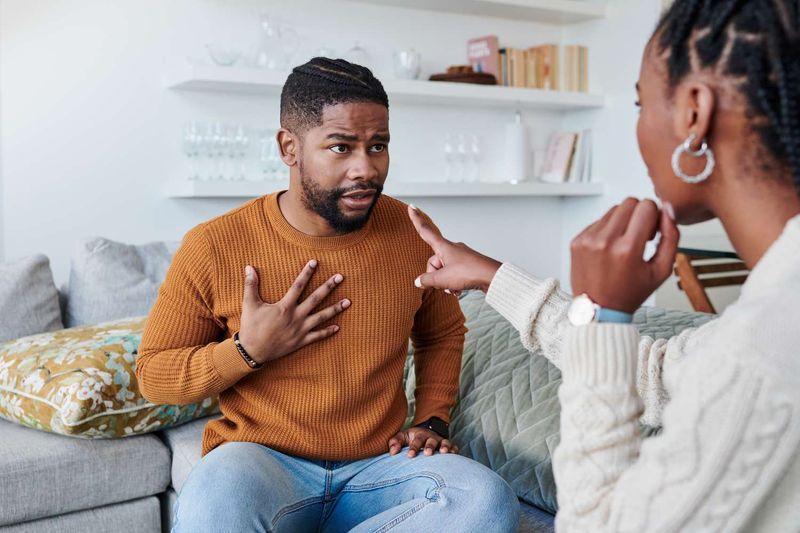
A strong marriage needs two people rowing in the same direction. When one partner is consistently the one making plans, initiating conversations, suggesting counseling, or trying to reconnect, while the other seems checked out, the imbalance becomes exhausting and demoralizing.
Over time, the partner putting in all the effort often burns out and stops trying altogether. That’s the moment a marriage becomes truly fragile.
Recognizing the imbalance and naming it clearly, without blame, opens the door to a conversation about what’s really going on and what both people actually want.
20. Emotional Energy Is Going Elsewhere

Every person has a limited amount of emotional energy to give. When that energy starts flowing primarily toward a coworker, a friend, or an online connection rather than a spouse, the marriage quietly starves.
Emotional affairs often begin this way, long before anything physical happens.
Sharing your deepest thoughts, frustrations, and joys with someone outside your marriage while keeping your spouse at arm’s length is a serious warning sign. It’s worth asking yourself honestly: who gets the best of you each day?
Your answer might reveal more than you expect about where your marriage stands.