
Europe has some of the most incredible seafood dishes in the world, shaped by centuries of coastal tradition and bold flavors. From the sun-drenched shores of Portugal to the icy waters of Scandinavia, each country brings something truly special to the table.
Whether you are a lifelong seafood lover or just starting to explore, these dishes are well worth adding to your food bucket list. Get ready to discover why European seafood has earned its legendary reputation.
1. Portuguese Bacalhau a Bras
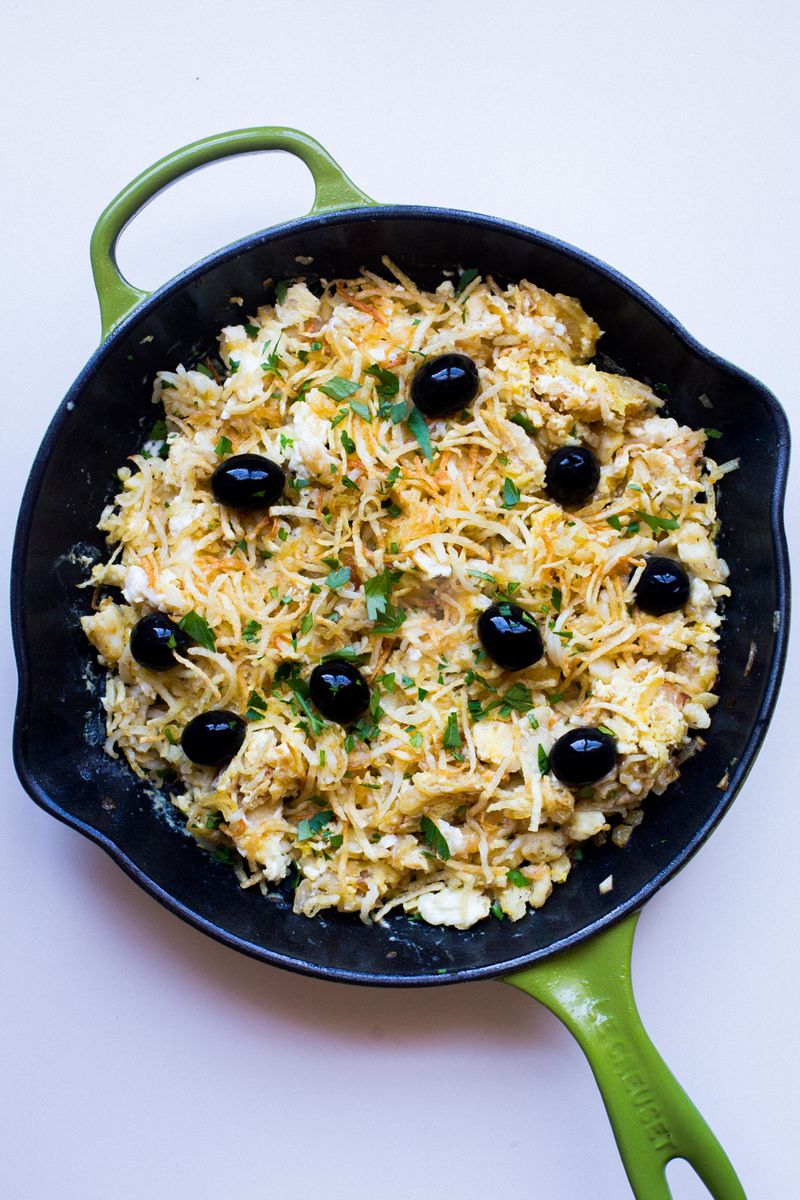
Portugal takes its salted cod seriously, and Bacalhau a Bras is one of the most beloved versions. Shredded salted cod is tossed with crispy matchstick potatoes and lightly scrambled eggs, then finished with black olives and fresh parsley.
It sounds simple, but the combination creates something wonderfully rich and satisfying. Portuguese locals say there are over 365 ways to cook bacalhau, one for every day of the year.
This dish is a perfect starting point for anyone curious about Portuguese cooking.
2. Spanish Gambas al Ajillo
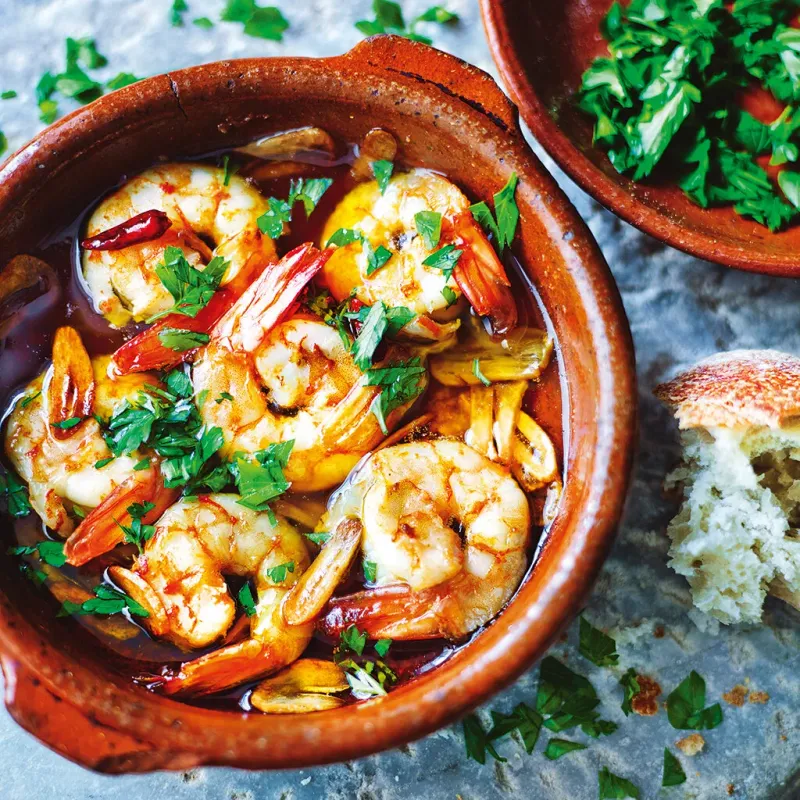
Few things in life are as satisfying as a bubbling clay pot of Gambas al Ajillo arriving at your table. This classic Spanish tapas dish features juicy prawns cooked in olive oil with plenty of garlic and a hint of chili heat.
The garlic-infused oil left at the bottom is almost the best part, perfect for soaking up with crusty bread. Found in tapas bars across Spain, this dish is proof that great ingredients and simple cooking make magic together.
3. French Bouillabaisse
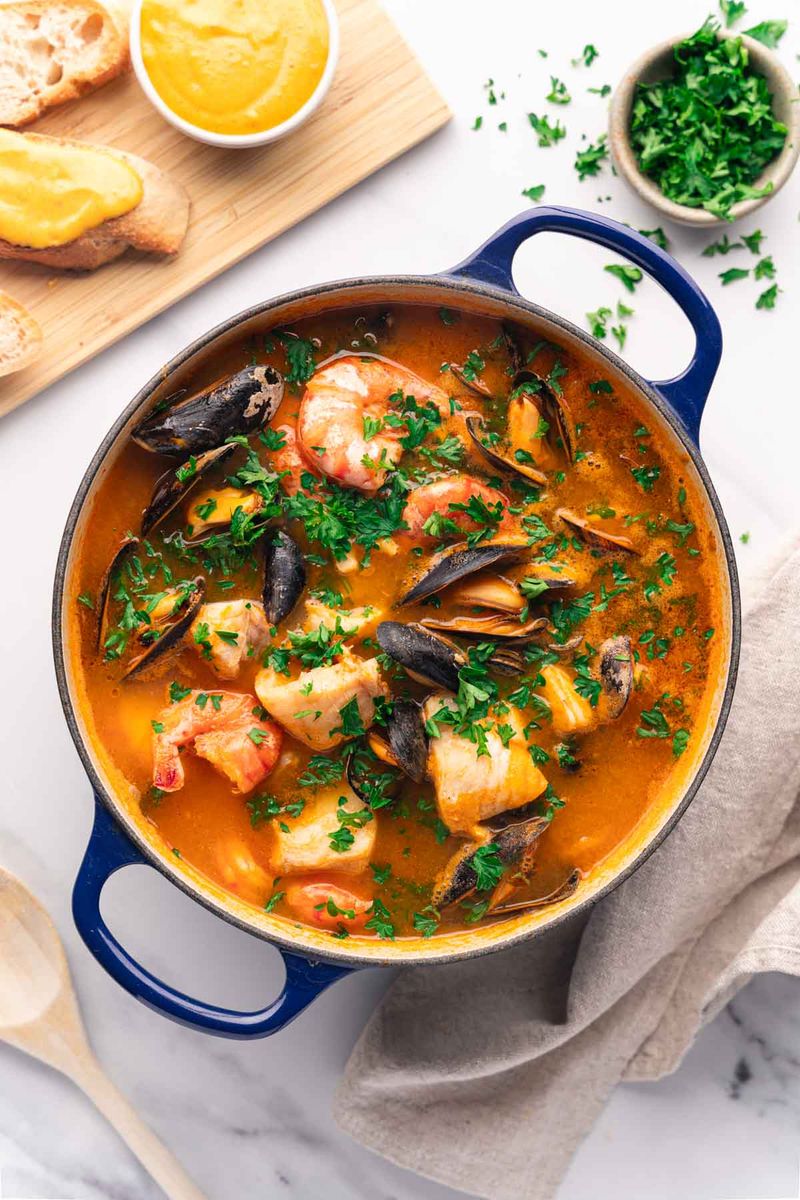
Born in the fishing port of Marseille, Bouillabaisse started as a humble fisherman’s stew made from leftover catches. Over time, it transformed into one of France’s most celebrated dishes, packed with whole fish, shellfish, and a deeply fragrant saffron broth.
Traditionally served with toasted bread and a spicy rouille sauce, every bowl feels like a full meal and an experience rolled into one. Trying a real Bouillabaisse in Marseille is something seafood lovers genuinely remember for life.
4. Italian Spaghetti alle Vongole
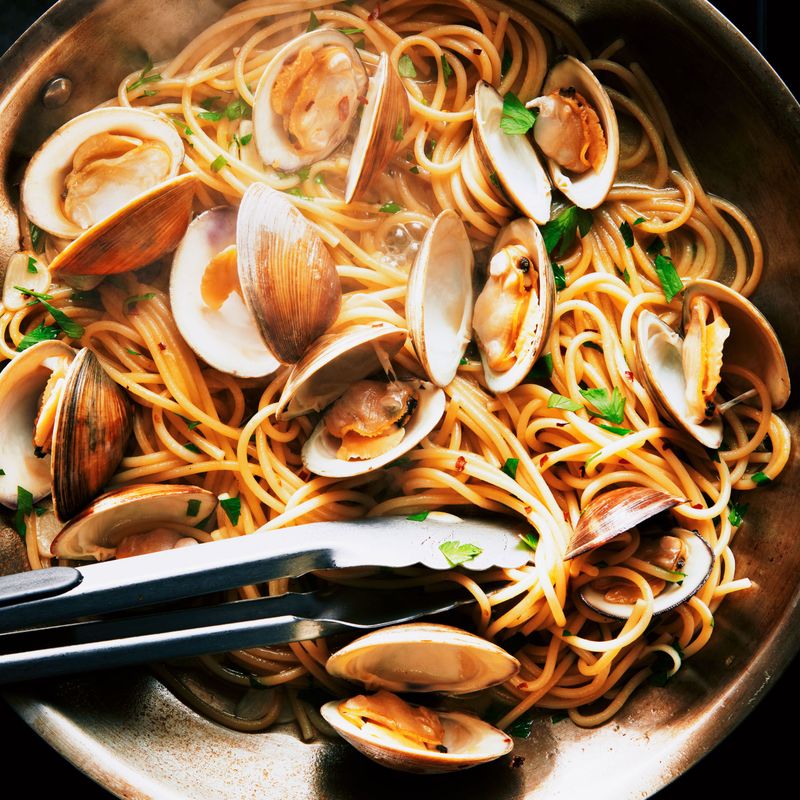
Spaghetti alle Vongole is the kind of dish that feels like a warm hug from the Italian coastline. Tender clams open up during cooking, releasing their briny, naturally salty juices straight into the pasta sauce.
Garlic, white wine, olive oil, and parsley bring everything together in a light but deeply flavorful way. It is popular all along Italy’s coasts, especially in Naples and Venice.
The secret to a great version is using the freshest clams you can possibly find.
5. Greek Grilled Octopus
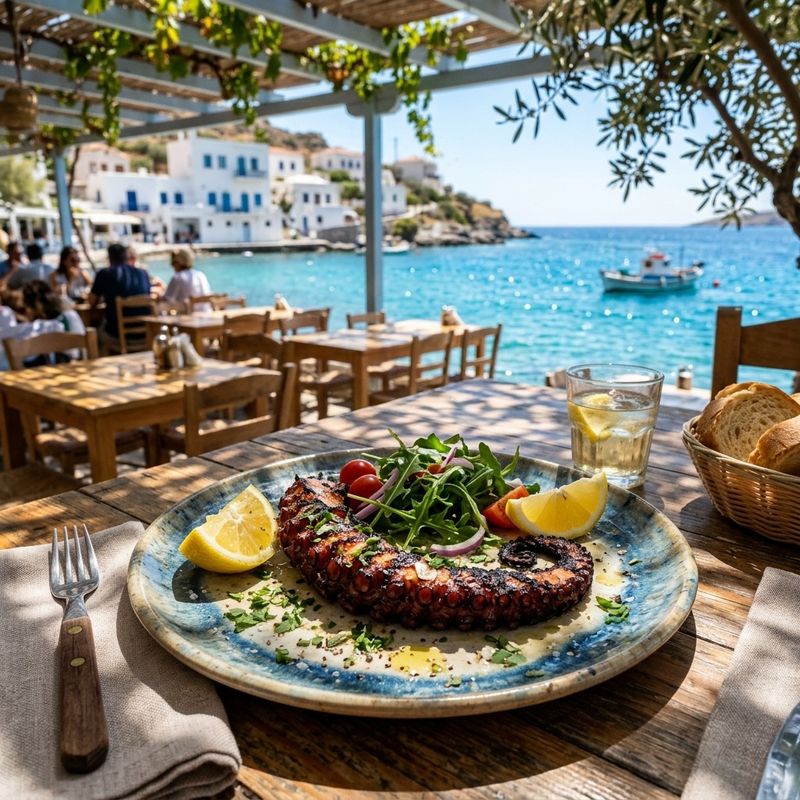
Nothing says Greek summer quite like a plate of grilled octopus enjoyed next to the sea. After being slow-cooked until tender, the octopus is charred on a hot grill, giving it a smoky, slightly crispy exterior with a soft, meaty inside.
A drizzle of good olive oil, a squeeze of lemon, and some dried oregano are all it really needs. Many Greek fishermen hang octopus out to dry in the sun before cooking, which is a tradition going back generations.
6. Norwegian Gravlaks
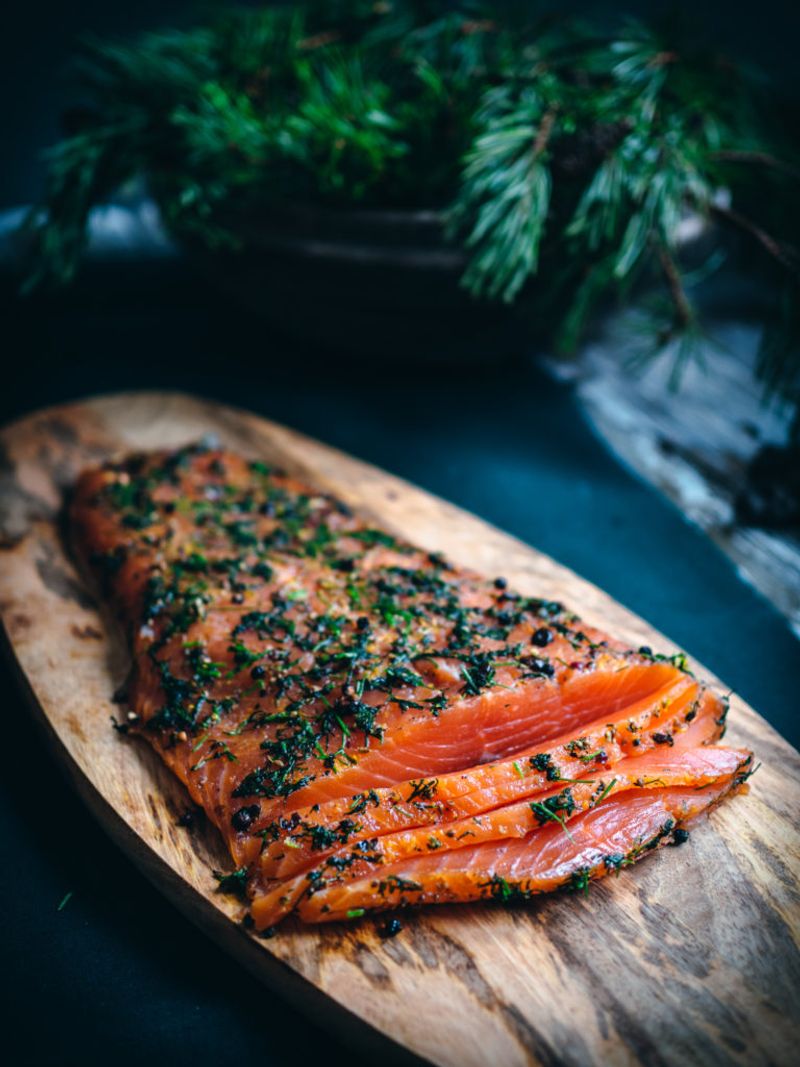
Gravlaks is Norway’s answer to the question of how to make already excellent salmon taste even better. Raw salmon is cured for several days in a mixture of salt, sugar, and generous amounts of fresh dill, creating a silky, melt-in-your-mouth texture.
Served thinly sliced on dark rye bread with a sweet mustard dill sauce, it is a staple at Scandinavian celebrations and holiday tables. The word gravlaks literally means buried salmon, a nod to how fishermen once preserved it underground.
7. Belgian Moules-Frites
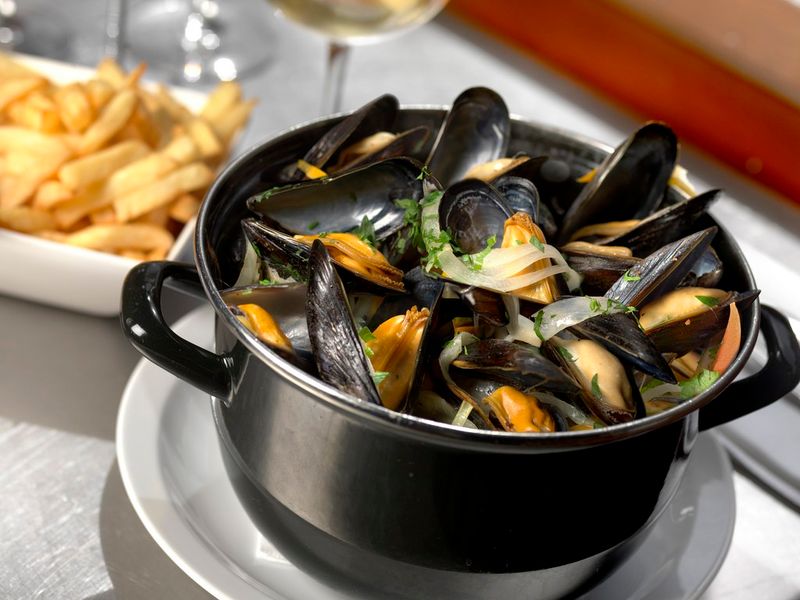
Belgium may be small, but its contribution to seafood cuisine is seriously impressive. Moules-Frites, steamed mussels served with crispy fries, is the national dish and a true comfort food classic enjoyed year-round.
The mussels are cooked in a fragrant broth of white wine, butter, garlic, and fresh herbs until they pop open and soak up all that flavor. Belgians take their fries just as seriously as the mussels, double-frying them for an irresistibly crunchy result.
It is a match made in food heaven.
8. Croatian Crni Rizot (Black Risotto)
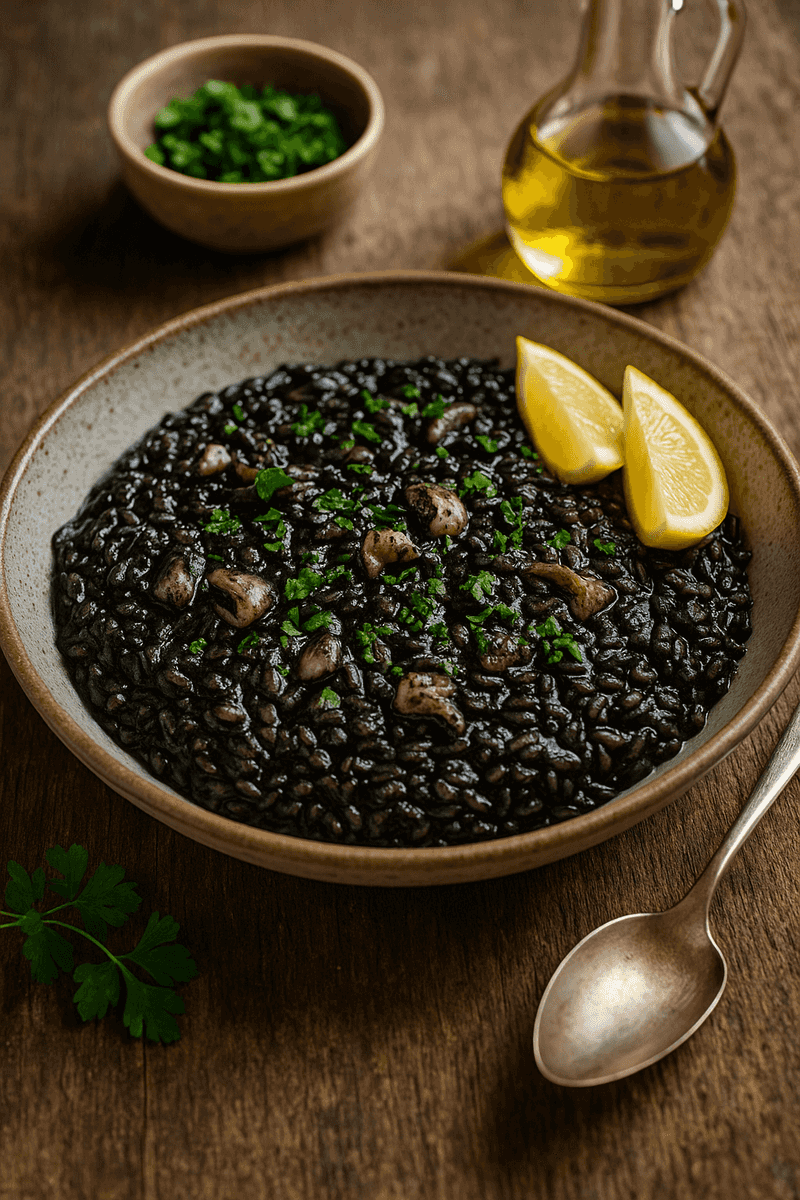
Croatia’s black risotto is one of those dishes that looks dramatic and tastes absolutely incredible. Made with cuttlefish and its ink, the rice turns a deep, striking black color while absorbing a rich, briny, ocean-deep flavor.
Along the Dalmatian coast, this dish has been a staple for centuries, connecting local communities to the sea in the most delicious way. First-timers sometimes hesitate at the color, but one spoonful is all it takes to become completely hooked.
It is bold, unique, and unforgettable.
9. Irish Smoked Salmon on Brown Bread
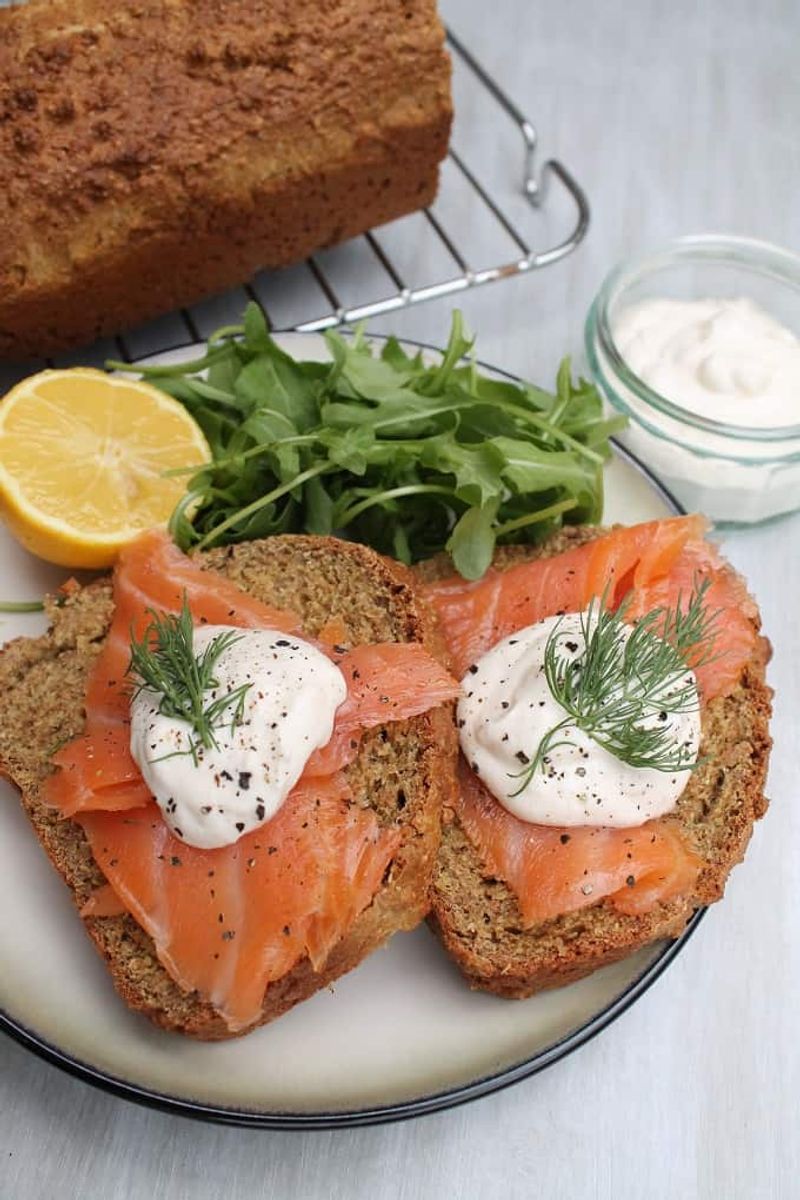
Ireland’s wild Atlantic waters produce some of the finest salmon in the world, and the Irish know exactly how to show it off. Cold-smoked over oak wood, the salmon develops a delicate, smoky flavor with a buttery texture that pairs beautifully with hearty brown soda bread.
Add a little cream cheese, some capers, and a squeeze of lemon and you have something close to perfection. Simple, honest, and deeply satisfying, this is the kind of food that feels rooted in place and tradition.
10. Swedish Crayfish Party Dish
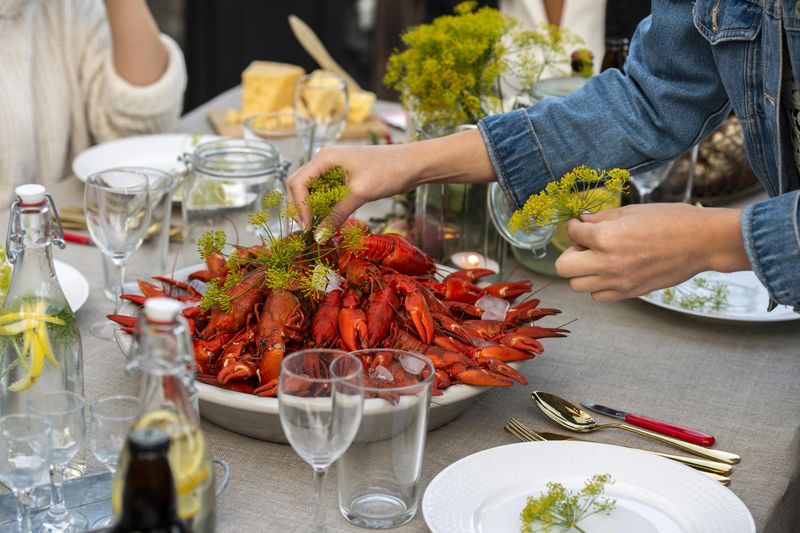
Every August, Sweden erupts into a beloved national tradition called kraftskiva, the crayfish party. Whole crayfish are boiled in salted water with dill and then chilled overnight so the flavors fully develop.
People gather outdoors, wear silly bibs and paper hats, and eat piles of crayfish by hand while singing traditional songs. It is as much a social event as it is a meal, and the atmosphere is joyful and wonderfully chaotic.
Trying this dish during a real Swedish kraftskiva is a genuine cultural experience.
11. Basque Txangurro (Stuffed Spider Crab)
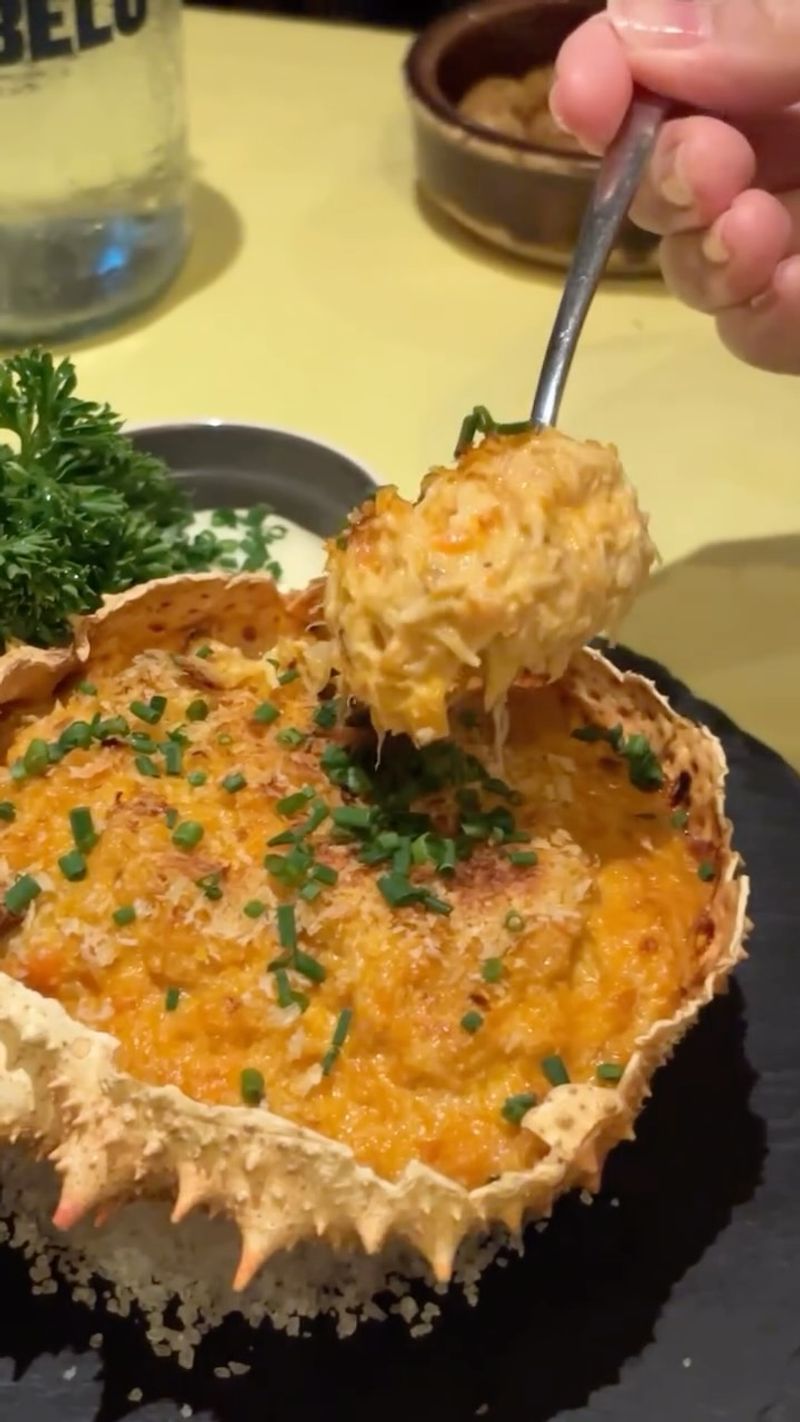
San Sebastian in the Basque Country is one of Europe’s greatest food destinations, and Txangurro is one of its crown jewels. Spider crab meat is mixed with a slow-cooked sauce of onion, tomato, and a splash of brandy, then packed back into the crab shell and grilled until golden.
The result is intensely flavored, rich, and deeply satisfying. Spider crab has a naturally sweet, delicate flavor that the Basque preparation elevates brilliantly.
This dish is a masterclass in letting quality seafood shine.
12. Turkish Balik Ekmek (Fish Sandwich)
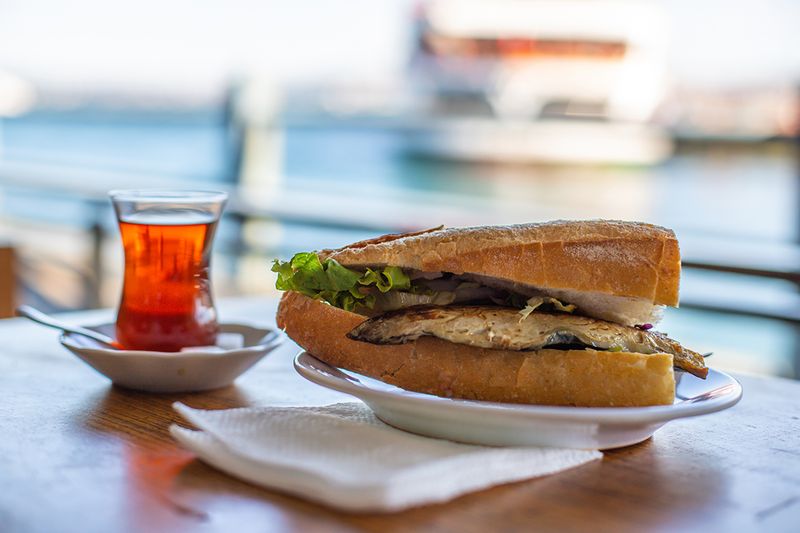
Standing on Istanbul’s Galata Bridge watching boats sway while eating a Balik Ekmek is one of those travel moments you never forget. This iconic street food sandwich features a grilled or fried fish fillet, usually mackerel or sea bass, stuffed into a crusty bread roll with salad and lemon.
It is cheap, fast, and absolutely delicious. Istanbul sits where Europe meets Asia, and its food reflects that crossroads energy perfectly.
Balik Ekmek has been feeding locals and travelers along the Bosphorus for generations.
13. Maltese Aljotta (Fish Soup)
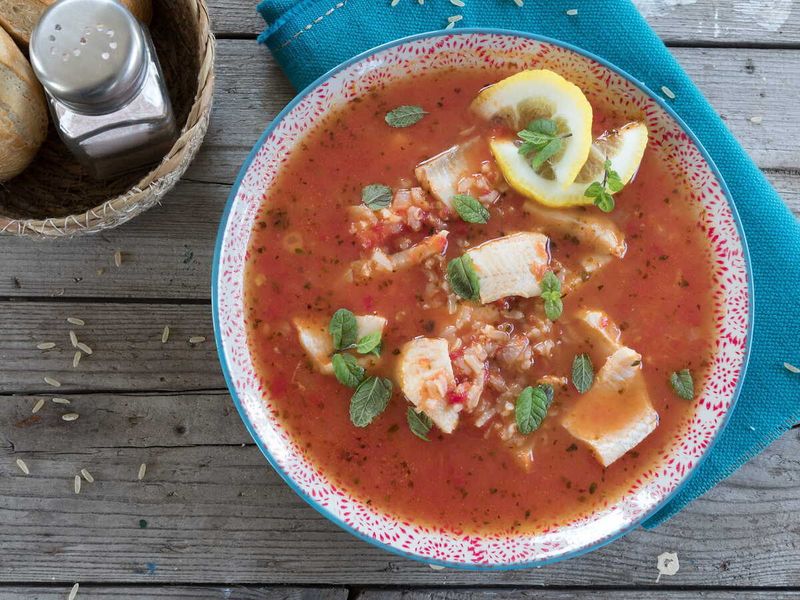
Malta is a tiny island nation in the Mediterranean, but its food culture punches well above its weight. Aljotta is a traditional fish soup that has been warming Maltese families for centuries, built on a fragrant base of tomatoes, garlic, fresh herbs, and the freshest local fish available.
A small handful of rice is added to give it some body without making it heavy. The herb marjoram is the dish’s signature flavor, giving it a uniquely Maltese personality.
It is comforting, light, and full of Mediterranean sunshine.
14. Icelandic Plokkfiskur (Fish Stew)
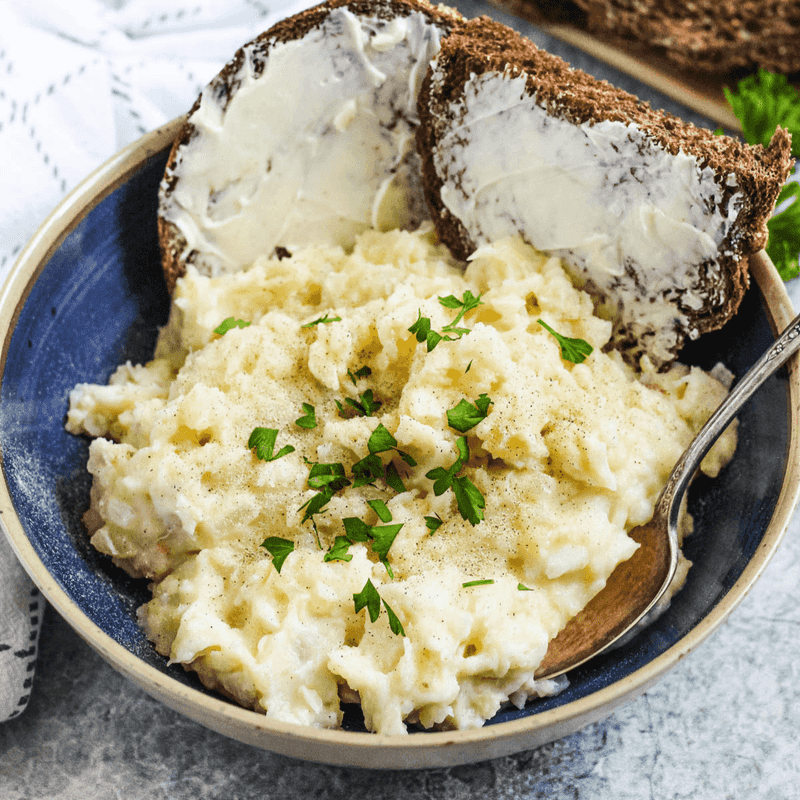
Iceland’s relationship with the sea is ancient and profound, and Plokkfiskur is one of the most comforting expressions of that bond. This thick, creamy stew combines flaked white fish, usually cod or haddock, with mashed potatoes and a rich, buttery sauce.
Originally a clever way to use up leftover fish and potatoes, it became a national comfort food over time. Served with dark rye bread and butter, it is the kind of meal that warms you from the inside out during Iceland’s long, cold winters.
15. Galician Pulpo a Feira (Octopus)
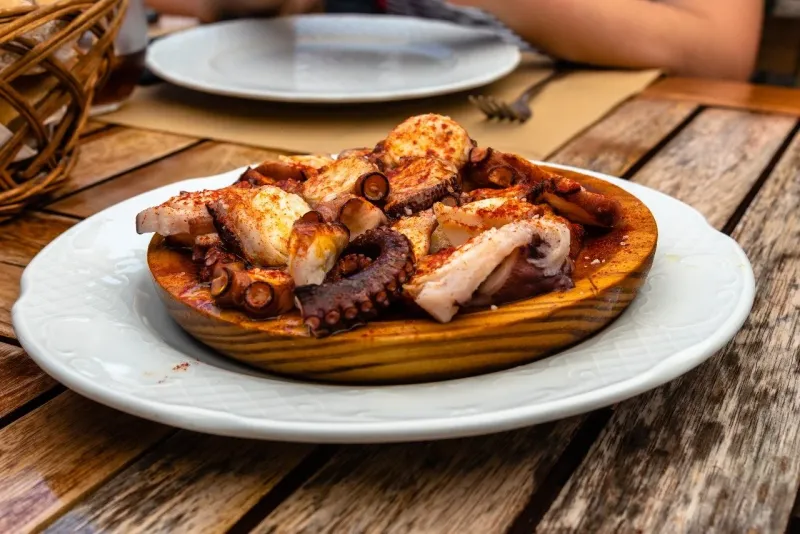
Galicia, in northwest Spain, is octopus country, and Pulpo a Feira is its most famous export to the rest of the world. Octopus is boiled until perfectly tender, sliced into rounds, and served on a wooden plate with a generous dusting of smoked paprika, olive oil, and sea salt.
The combination of smoky, salty, and slightly chewy textures is deeply addictive. Galician markets and festivals always feature this dish, traditionally prepared by specialist cooks called pulpeiras.
It is rustic, bold, and absolutely irresistible.
16. Dutch Haring (Raw Herring)
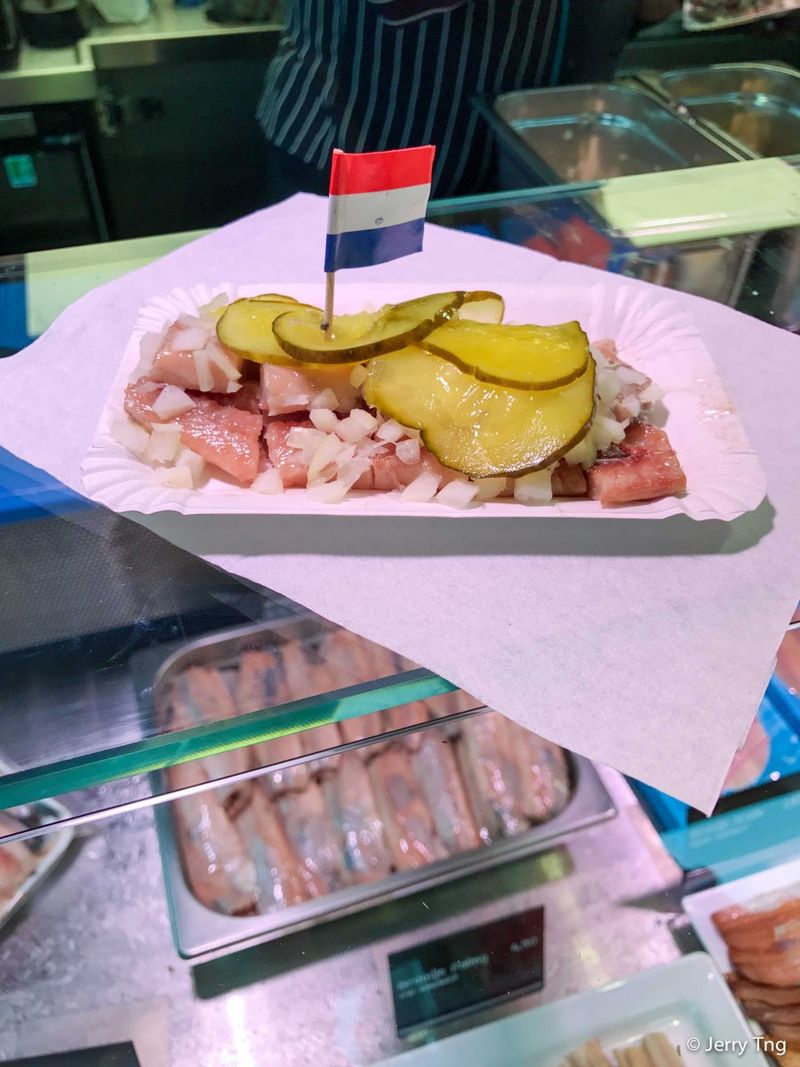
Eating raw herring by the tail while standing at a street cart in Amsterdam is a rite of passage for any food adventurer visiting the Netherlands. Hollandse Nieuwe, or Dutch New Herring, is a seasonal delicacy available in late spring and early summer when the herring are at their freshest and fattiest.
The fish is lightly salt-cured, never fully cooked, giving it a creamy, mild flavor. Topped with chopped onion and pickles, it is a surprisingly approachable and genuinely tasty experience for the curious eater.
17. Breton Moules Mariniere (France)
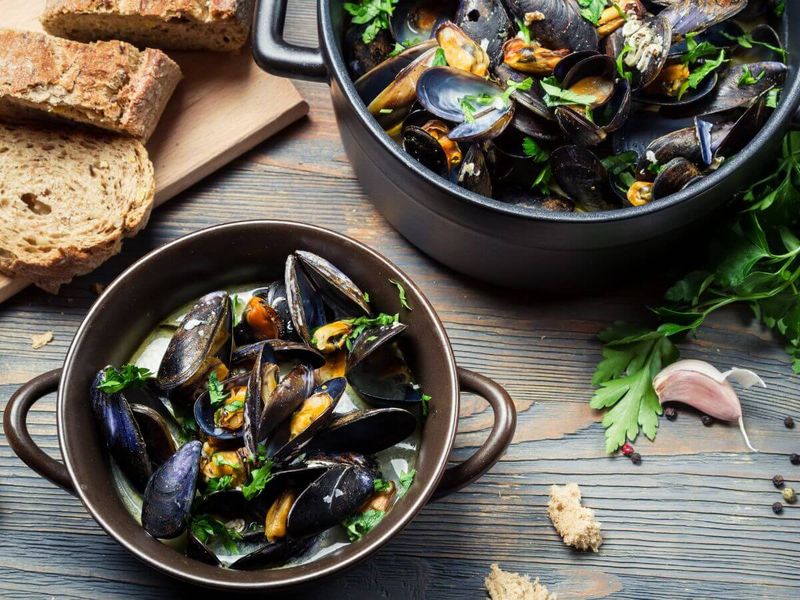
Brittany’s coastline is one of Europe’s richest sources of mussels, and Moules Mariniere is the region’s most iconic way to celebrate them. Fresh mussels are steamed open in a fragrant bath of white wine, shallots, garlic, and butter, creating a light, elegant broth that is practically drinkable.
Served with a baguette for soaking up every last drop, it is simple French coastal cooking at its finest. Unlike Belgian moules-frites, the Breton version stays leaner and more wine-forward, letting the natural sweetness of the mussels take center stage.
18. Scottish Cullen Skink
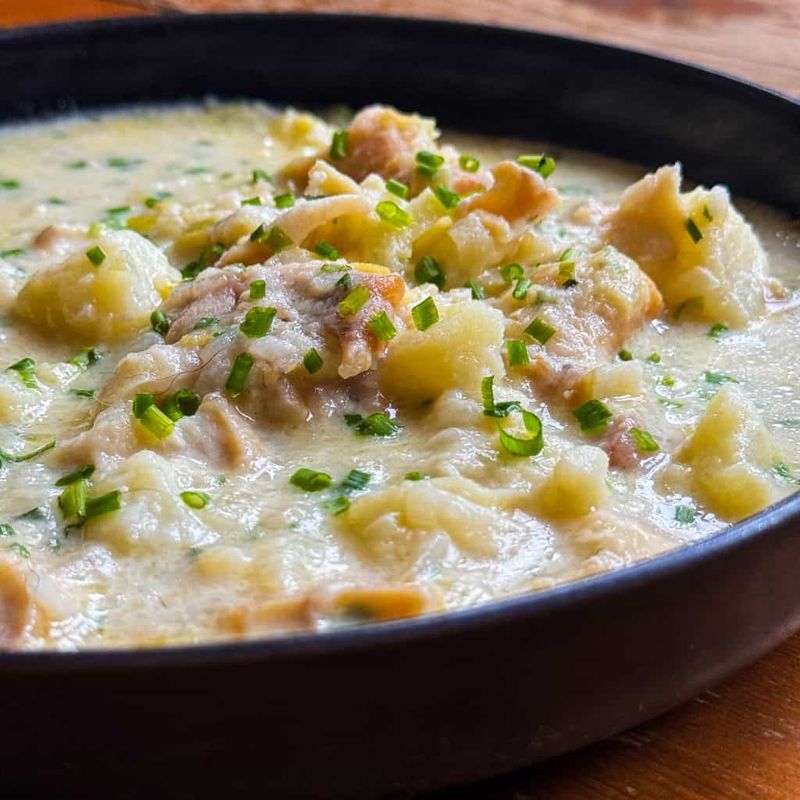
Named after the small Scottish fishing village of Cullen, this thick, creamy smoked haddock chowder is one of Scotland’s most treasured comfort foods. Smoked haddock, potatoes, and onions are simmered together in a rich, milky broth until everything is wonderfully soft and fragrant.
The smoky fish flavor runs through every spoonful, making it deeply warming and satisfying. On a cold, grey Scottish afternoon, a bowl of Cullen Skink feels like the most sensible thing in the world.
It regularly tops polls as Scotland’s favorite soup.
19. Venetian Baccala Mantecato
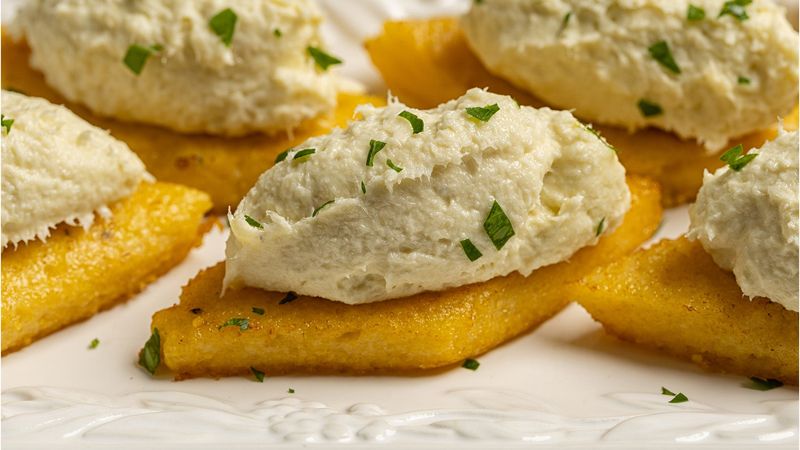
Venice has a deeply personal relationship with salt cod, and Baccala Mantecato is the most elegant expression of that love affair. Dried salt cod is rehydrated, then slowly whipped with olive oil until it transforms into a light, creamy, cloud-like spread with an intensely savory flavor.
Served on slices of grilled polenta or toasted crostini, it is a staple of Venetian bacaro bars where locals gather for small bites and glasses of wine. The texture is surprisingly luxurious for such a humble ingredient.